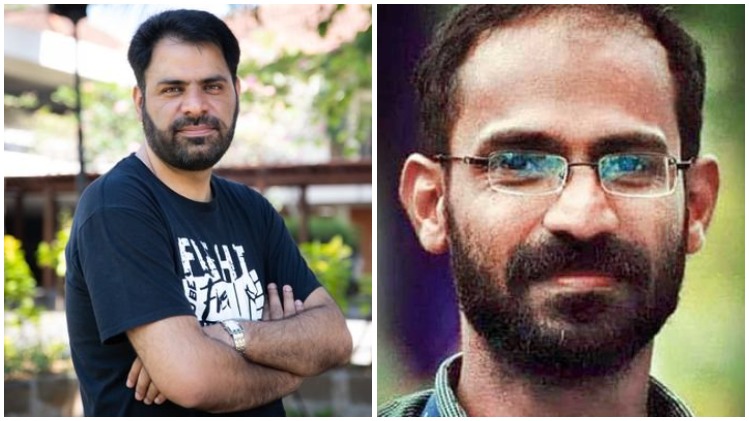
Washington, DC: The United States Commission on International Religious Freedom (USCIRF) puts human rights defender Khurram Parvez and journalist Siddique Kappan on the Freedom of Religion or Belief (FoRB) Victims List. The Indian American Muslim Council (IAMC) welcomes the decision.
The FoRB list is a database of persons who have been imprisoned or detained in a Country of Particular Concern (CPC), which USCIRF defines as a country that has engaged in or tolerated “systematic, ongoing, and egregious” violations of religious freedom. India has been recommended as a CPC for two years in a row.
Khurram Parvez, who was arrested by Indian police in November, is a globally-renowned human rights defender from Kashmir, India’s only Muslim-majority province. He is the coordinator of the Jammu and Kashmir Coalition of Civil Society (JKCCS), an organization that has repeatedly criticized the human rights abuses committed by Indian security forces in Kashmir on the orders of Prime Minister Narendra Modi and the ruling Bharatiya Janata Party (BJP).
Parvez has played an instrumental role in documenting serious human rights abuses committed by Indian forces in Kashmir, particularly after the Indian government revoked the region’s special autonomy in late 2019.
On November 22, 2021, Parvez was arrested under the Unlawful Activities Prevention Act (UAPA), India’s draconian anti-terror law on baseless charges of “terror-funding,” “conspiracy,” and “waging war against the government of India.” On December 4, 2021, he was transferred to a maximum security prison in New Delhi to await hearing, despite the flimsiness of the charges against him. His current location is unknown.
His arrest sparked international outrage and concern. On December 22, 2021, the office of the UN High Commissioner for Human Rights called for Parvez’s release in a statement.
“We are concerned that one month after Parvez’s arrest, he is still deprived of liberty in what appears to be a new incident of retaliation for his legitimate activities as a human rights defender and because he has spoken out about violations,” the statement said.
According to USCIRF, “Human Rights organizations allege Parvez’s arrest is motivated by his work documenting human rights violations committed by authorities in Kashmir, a Muslim-majority area.”
Siddique Kappan is a Muslim journalist who is currently being held in a jail in Uttar Pradesh state since his arrest in October 2020. Kappan was arrested while on his way to Hathras, a district in Uttar Pradesh, to report on the brutal rape and murder of a teenage Dalit girl. Authorities stated that Kappan was being held on baseless charges of “sedition,” “promoting enmity between groups,” “outraging religious feelings,” and “knowingly holding property derived or obtained from the commission of a terrorist act.”
The chargesheet against Kappan attempted to paint him as a journalist with an anti-Hindu agenda: “These writings of Siddique Kappan, to a great extent, can be classified as communal… During riots, taking the name of a minority and talking about events related to them can incite sentiments. Responsible journalists do not do such communal reporting. Kappan only and only reports to incite Muslims.”
Despite the weakness of the case against him, Kappan was charged under the UAPA, and has remained imprisoned for over a year. According to USCIRF, “In addition to catching COVID-19 [in prison], Kappan reportedly suffers from depression, anxiety, and poor eyesight. He has reportedly been unable to receive adequate medical care.”
Kolkata: Jaipur’s solo cyclist Ankit Arora had started his all-India journey to make it to the Guinness World Records for traversing the country in 150 days, but mesmerised by the cultural diversity, he has managed to visit half of India in 1573 days, build a self-sustaining village, learn organic farming and many more things
Coronavirus pandemic has changed the world and the plans of almost every single individual on earth, in their respective lives. But the historic pandemic could not deter Ankit Arora, a solo cyclist, from continuing his journey. The 32-year-old chartered accountant, as well as journalist, is on an all-India tour on his bicycle for 1541 days now. In 2017, Ankit was 28-year-old he decided to leave his journalistic job and embarked on an all-India tour with hopes of making it to the Guinness World Records by traversing the country in 150 days. However, till date, despite the pandemic, he has visited 15 Indian states and eight Union Territories so far.
Sacrificed many things including girlfriends
In the last 5 years not only Ankit, the youngest brother among the three has stayed away from his family, but also had to end his relationship with his girlfriend. He fell in love once again while journeying, it did not last more than four months.
Opium smuggler and hair chopper
On two occasions, Ankit faced serious problems. First, when he had started cycling from Rajasthan. On entering Barmer area, some people took him as an opium smuggler as generally such bootleggers use a cycle for trafficking of narcotics. “Villagers thought I was smuggling opium. They checked my backpack to confirm that I wasn’t one. In Kashmir’s Sophia village, I was mistaken as the one who chops women’s hair. Because of this rumour, I was held by the locals and later I had to throw away my scissors,” the traveller said, while sharing his experiences with eNewsroom.
Washington, DC: Experts from Amnesty International USA and Genocide Watch, leading global human rights watchdogs, have said Indian Prime Minister Narendra Modi’s Islamophobic policies and tolerance of open incitement by Hindu extremists for the genocide of Muslims are pushing India towards mass violence against and massacres of Muslims.
Because of Modi’s failure to condemn and act against anti-Muslim bigotry, hate speeches by leading religious and political figures had proliferated in recent weeks specifically aimed at inciting such mass violence against Muslims, the experts said at a Congressional Briefing organized in Washington, DC on January 12, Wednesday.
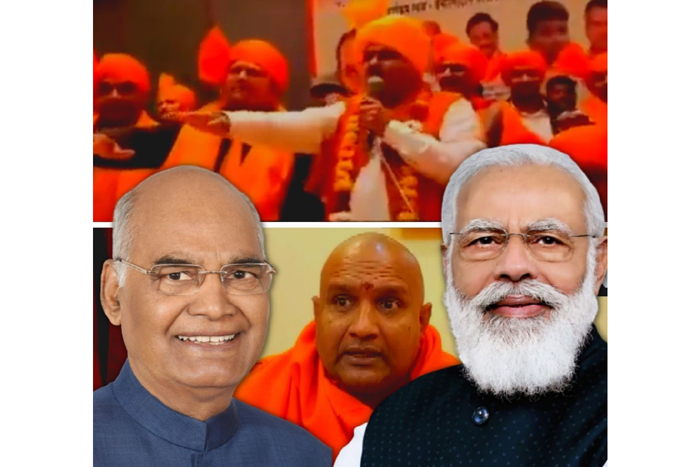
A gathering of saffron-robed Hindu monks held last month at the north Indian Hardiwar city “was exactly aimed at inciting the genocide of Muslims,” said Dr Gregory Stanton, President of Genocide Watch. “As the leader of India he must denounce this genocidal speech. Yet, Narendra Modi has not spoken against it.”
“That the participants [at the gathering] would openly urge Hindus to emulate the violence against Rohingya Muslims and boast about it in the days afterward in the media is illustrative of the atmosphere of bigotry that pervades these groups,” added Govind Acharya, India/Kashmir Specialist with Amnesty International USA. “The calls to large-scale massacres of Muslims [aim] to institute Hindu supremacy over India.”
The fact that Keshav Prasad Maurya, a leader of Modi’s Bharatiya Janata Party (BJP) and the deputy chief minister of Uttar Pradesh, had this week defended the “open incitement and hate from the dharma sansad in an interview to the BBC speaks to the current atmosphere” of peak hatred and bigotry against India’s Muslims, Acharya said.
At the Haridwar event, a top religious leader of the Hindu Mahasabha openly called for raising an “army” of Hindus to “kill two million Muslims.” At another event held in New Delhi, hundreds of participants took a public oath to kill in order to protect Hinduism. Elsewhere, schoolchildren were recorded taking similar oaths to “kill and die” to create a Hindu nation. Politicians have defended the right to incite violence against Muslims.
Cautioning that “genocide is not an event” but “a process,” Dr Stanton noted that Prime Minister Modi had a long history of presiding over mass violence against Muslims, beginning with the Gujarat pogroms of 2002 and continuing into the present day.
“Under the BJP’s policies, Modi has used anti-Muslim, Islamophobic rhetoric to build his political base,” he said. Stressing that the U.N. Genocide Convention covered genocides specifically “aimed at the destruction, in whole or in part, of a national, ethnic, religious, or racial group,” he said that was “exactly what the Myanmar government did against the Rohingya” and “we’re now facing [in India] a very similar kind of plot… and the victims are the 200 million Muslims who live in India.”
Genocide Watch had warned of impending genocide in India since 2002 when anti-Muslim violence in Gujarat occurred. “There is a lot of evidence that [Modi as Gujarat chief minister then] actually encouraged those massacres.”
Upon becoming India’s prime minister, Modi had “used anti-Muslim Islamophobic” policies such as the revocation of Kashmir’s autonomous status and the passage of the Citizenship Amendment Act that excludes Muslims, “to build his political base,” Dr Stanton said.
“The idea of India as a Hindu Nation, which is the Hindutva movement, is contrary to the history of India and the Indian constitution. The Indian constitution is specifically set up to make India a secular country to allow for equality between all religions. It was not aimed at making a Hindu Nation.” With Modi as prime minister, an “extremist has taken over the government,” Dr Stanton added.
The ten processes of genocide begin with classification by “trying to exclude people from citizenship.” Dehumanisation involves calling people terrorists, separatists and criminals. This language is used by the Indian Government against Muslims. Polarisation leads to hatred for all Muslims hatred, and preparation for genocide is what “we are seeing right now.”
Added Govind Acharya of Amnesty: “This bigoted law specifically discriminates against Muslims seeking citizenship. When you combine it with the CAA, the NRC is weaponized against Muslims in India. Because of the bigotry of these laws, India stands to create the biggest statelessness crisis in the world which will create unimaginable suffering. And of course, the vast majority of those affected would be Muslims.”
“Once an organization has the support of the state machinery, or if the state machinery is willing to look away, it does not remain a fringe organization,” said Anas Tanwir, a lawyer for the Indian Supreme Court and founder of the Indian Civil Liberties Union.
“The speeches made in Haridwar are an explicit call for genocide against Muslims by religious leaders who are close to the ruling party, the government,” said Sunita Viswanath, Executive Director of Hindus for Human Rights.
“According to research from the US Holocaust Memorial Museum, India is at high risk – number two in the world – for a genocide… We call on all of you to recognize that the hatred being expressed in India is at a very serious level. We can’t let the Biden Administration repeat the mistakes of the past.”
Also speaking at the briefing was Amina Kausar, an IT entrepreneur who was one of the many victims of Bulli Bai, an app that was designed by Hindu extremists to “auction” and harass vocal Muslim women.
“The sheer humiliation of being put up for ‘sale,’ and called a ‘Bulli Bai,’ a vulgar slang phrase implying a woman is a prostitute, is hard to describe in words,” she said. “Being objectified, being reduced to a virus, normalizing the abuse, is one of the decisive stages of genocide. These online abusers are not fringe elements. Many of them are backed by none other than the Prime Minister of India, Narendra Modi. I urge the US government to take note of the systemic violence that Indian Muslim women are subjected to.”
The briefing was co-sponsored by a group of 17 human rights and interfaith organizations, including the Indian American Muslim Council (IAMC), Amnesty International USA, Hindus for Human Rights, Genocide Watch, 21 Wilberforce, International Christian Concern, Jubilee Campaign, Dalit Solidarity Forum, New York State Council of Churches, Federation of Indian American Christian Organizations of North America, India Civil Watch International, Students Against Hindutva Ideology, Center for Pluralism, American Muslim Institution, International Society for Peace and Justice, Association of Indian Muslims of America, and the Humanism Project.
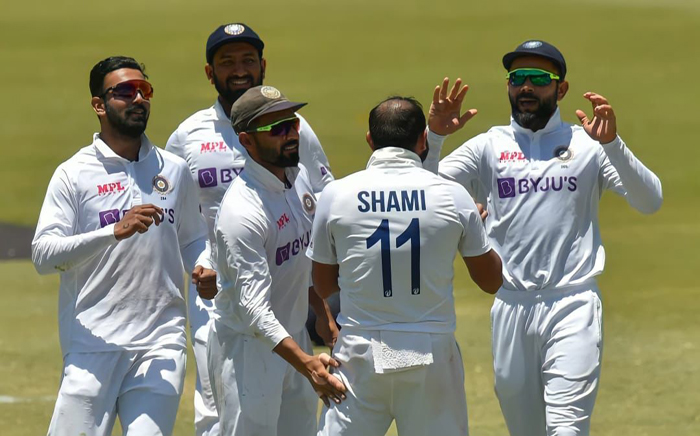
After seven years at the helm, Virat Kohli shook the cricketing world by quitting as India’s Test captain on Saturday. The decision came a day after India’s disappointing loss to South Africa in the Test series. After this stunning move, Virat will no longer lead India in any format of the game.
Why he has given up the captaincy is unclear and the exact reasons for the same will remain a mystery until Kohli himself speaks out. The questions can be addressed later but now is the time to salute the most successful Test captain that India has seen. No one has a better record than him. Not even MS Dhoni or Sourav Ganguly – and that is some feat.
Statistics don’t lie, Virat wasn’t just the most successful Indian Test captain but one of the most successful in the world. Of the 68 Test matches that Kohli captained, India won 40. Virat’s success as a skipper-cum-batsman over the past 7 years is even more impressive. He scored the most runs (5864) and the most centuries (20) by an Indian captain in Tests. He also has the most double hundreds by a captain in Tests (7) and the highest batting average by an Indian Test skipper (54.80). Most captains find it tough to better their averages leading the side with extra responsibilities but Kohli was the rare one who improved his batting records despite the captaincy challenge. Clearly, he can be justly proud of his feats as a skipper.
The numbers tell a story but they won’t tell you of his fierce desire and determination to play and win at test cricket. Kohli turned the culture of the Indian team into one which was fitness-oriented, aggressive and had an insatiable appetite to win. As a leader, he had the guts to play 5 bowlers to take 20 wickets and win rather than packing the side with batters to play safe.
He took over the captaincy from M.S. Dhoni on the 2014-15 Australia tour. It was also the tour that ensured that he will be seen as one of the best batsmen of all time after he retires from the game. He scored hundreds at will but it was his aggressive run chase as the stand-in Captain in Adelaide which showed the path Indian Cricket Team was to travel on for the next few years. He had big shoes to fill in and he did. Virat took the Indian Test Team from the seventh position in rankings to number one over the past seven years.
Unfortunately for Kohli, his decision comes a day after India lost the Test series against South Africa, the one place where the team has never won a series. The Indian team were favorites and were all set to create history after winning the first Test. But then, Kohli had a back spasm in the next match and didn’t play. India lost the match under K.L.Rahul’s captaincy. The final match was lost under Kohli’s captaincy which sadly ended his dream of ensuring victories in SENA countries as Indian Captain.
It may not be all that bleak for Kohli to resign from captaincy. Indian legend Sachin Tendulkar had a torrid time as captain and even his batting form dipped when he was at the helm. Sachin’s decision to quit as Captain, though he was the most influential cricketer of his time, much like Kohli today, had removed the extra pressure which prolonged his career.
Last November, Virat celebrated his 33rd birthday, and while his cricketing prime may be behind him, he still remains one of the best batsmen in the world. However, despite team successes, Kohli’s batting form in the past two years has been well below his usually high standards. This indicates that he may well be looking to regain his batting mojo by giving up captaincy burdens.
Then again, it may be a pre-emptive move as well. Instead of being removed by BCCI honchos, Virat decided to move away himself. The Kohli-BCCI battle of nerves has been an open secret and his spat with Saurav Ganguly has made headlines for weeks!
With Rohit now leading in white-ball formats, it may have been a matter of time before Virat was asked to give up even as Test captain. The Indian team has never been the one to experiment with the split captaincy. Even in the Dhoni- Kohli era, the narrative was clear. Kohli considered Dhoni as his mentor and he was being groomed to take the role which he eventually did. With Rohit and Kohli both in command of different formats, two power centres could well have been detrimental to Indian cricket.
For the moment, fans and former teammates have poured in their tributes for Virat, the successful skipper. He has been a terrific leader, one who led by example. His new beginning might be a blessing in disguise for him as well as Indian cricket. What India needs most urgently is Kohli’s bat to fire more powerfully. Despite an exceptional bowling armoury, a misfiring middle order batting lineup has turned into an Achilles heel for Team India. With the burden of captaincy gone, fans hope to see a run-feast from Virat’s willow which may soon yield the much-awaited ton that has eluded King Kohli for over two years.
उन्होंने केवल पत्रकारिता की नुमाइंदगी नहीं की, पत्रकारिता के भीतर संवेदना और भाषा की नुमाइंदगी नहीं की, बल्कि अपनी रिपोर्ट के ज़रिए अपने शहर लखनऊ और अपने मुल्क हिन्दुस्तान की भी नुमाइंदगी की. कमाल का मतलब पुराना लखनऊ भी था जिस लखनऊ को धर्म के नाम पर चली नफ़रत की आंधी ने बदल दिया. वहां के हुक्मरान की भाषा बदल गई. संवैधानिक पदों पर बैठे लोग किसी को ठोंक देने या गोली से परलोक पहुंचा देने की ज़ुबान बोलने लगे. उस दौर में भी कमाल ख़ान उस इमामबाड़े की तरह टिके रहे, जिसके बिना लखनऊ की सरज़मीं का चेहरा अधूरा हो जाता है.
उस लखनऊ से अलग कर कमाल ख़ान को नहीं समझ सकते. कमाल ख़ान जैसा पत्रकार केवल काम से जाना गया लेकिन आज के लखनऊ में उनकी पहचान मज़हब से जोड़ी गई. सरकार के भीतर बैठे कमज़ोर नीयत के लोगों ने उनसे दूरी बनाई.कमाल ने इस बात की तकलीफ़ को लखनऊ की अदब की तरह संभाल लिया. दिखाया कम और जताया भी कम. सौ बातों के बीच एक लाइन में कह देते थे कि आप तो जानते हैं. मैं पूछूंगा तो कहेंगे कि मुसलमान है. एक पत्रकार को उसके मज़हब की पहचान में धकेलने की कोशिशों के बीच वह पत्रकार ख़ुद को जनता की तरफ धकेलता रहा. उनकी हर रिपोर्ट इस बात का गवाह है.
यही कमाल ख़ान का हासिल है कि आज उन्हें याद करते वक्त आम दर्शक भी उनके काम को याद कर रहे हैं. ऐसे वक्त में याद करना कितना रस्मी हो जाता है लेकिन लोग जिस तरह से कमाल ख़ान के काम को याद कर रहे हैं, उनके अलग-अलग पीस टू कैमरा और रिपोर्ट के लिंक साझा कर रहे हैं, इससे पता चलता है कि कमाल ख़ान ने अपने दर्शकों को भी कितना कुछ दिया है. मैं ट्विटर पर देख रहा था. उनकी अनगिनत रिपोर्ट के हिस्से साझा हो रहे थे. यही कमाल ख़ान का होना है. यही उनके प्रति सच्ची श्रद्धांजलि है जो लोग उनके काम को साझा करने के साथ दे रहे हैं.
उस काम को करते हुए हमने एक कमाल ख़ान को देखा और सुना है. जिसे जानना इसलिए भी ज़रूरी है ताकि पता चले कि कमाल ख़ान अहमद फराज़ और हबीब जालिब के शेर सुन कर नहीं बन जाता है. दो मिनट की रिपोर्ट लिखने के लिए भी वो दिन भर सोचा करते थे. दिनभर पढ़ा करते थे और लिखा करते थे. उनके साथ काम करने वाले जानते थे कि कमाल भाई ऐसे ही काम करते हैं. यह कितनी अच्छी बात है कि कोई अपने काम को इस आदर और लगन के साथ निभाता है. अयोध्या पर उनकी कई सैकड़ों रिपोर्ट को अगर एक साथ एक जगह पर रखकर देखेंगे तो पता चलेगा कि पूरे उत्तर प्रदेश में कमाल ख़ान के पास एक अलग अयोध्या था. वो उस अयोध्या को लेकर गर्व के नाम पर नफरत की आग में बदहवास देश से कितनी सरलता से बात कर सकते थे. उसके भीतर उबल रही नफ़रत की आग ठंडी कर देते थे. वे तुलसी के रामायण को भी डूबकर पढ़ते थे और गीता को भी. कहीं से एक-दो लाइनें चुराकर अपनी रिपोर्ट में जान डाल देने वाले पत्रकार नहीं थे. उन्हें पता था कि यूपी का समाज धर्म में डूबा हुआ है. उसके इस भोलेपन को सियासत गरम आंधी में बदल देती है. उस समाज से बात करने के लिए कमाल ने न जाने कितनी धार्मिक किताबों का गहन अध्ययन किया होगा. इसलिए जब कमाल ख़ान बोलते थे तो सुनने वाला भी ठहर जाता था. सुनता था.
क्योंकि कमाल ख़ान उसकी नज़र से होते हुए ज़हन में उतर जाते थे और अंतरात्मा को हल्के हाथों से झकझोर कर याद दिला देते थे कि सब कुछ का मतलब अगर मोहब्बत और भाईचारा नहीं है तो और क्या है. और यही तो मज़हब और यूपी की मिट्टी के बुजुर्ग बता गए हैं. कमाल ख़ान जिस अधिकार पर राम और कृष्ण से जुड़े विवादों की रिपोर्टिंग कर सकते थे उतनी शालीनता से शायद ही कोई कर पाए क्योंकि उनके पास जानकारी थी. जिसके लिए वे काफी पढ़ा करते थे. बनारस जाते थे तो बहुत सारी किताबें खरीद लाया करते थे. गूगल के पहले के दौर में कमाल ख़ान जब रिपोर्टिंग करने निकलते थे तब उस मुद्दे से जुड़ी किताबें लेकर निकलते थे.
वे अक्खड़ भी थे क्योंकि अनुशासित थे. इसलिए ना कह देते थे. वे हर बात में हां कहने वाले रिपोर्टर नहीं है. कमाल ख़ान का हां कह देने का मतलब था कि न्यूज़ रूम में किसी ने राहत की सांस ली है. वे नाजायज़ या ज़िद से ना नहीं कहते थे बल्कि किसी स्टोरी को न कहने के पीछे के कारण को विस्तार से समझाते थे. ऐसा करते हुए कमाल ख़ान अपने आस-पास के लोगों को उस उसूल की याद दिलाते थे जिसे हर किसी को याद रखना चाहिए. चाहे वो संपादक हो या नया रिपोर्टर. रिपोर्टर अपने तर्कों से जितनी ना कहता है, अपने संस्थान का उतना ही भला करता है क्योंकि ऐसा करते वक्त वह अपने संस्थान को भी ग़लत और कमज़ोर रिपोर्ट करने से बचा लेता है.
अब कोई दूसरा कमाल ख़ान नहीं होगा. क्योंकि जिस प्रक्रिया से गुज़र कर कोई कमाल बनता है उसे दोहराने की नैतिक शक्ति यह देश खो चुका है. इसकी मिट्टी में अब इतने कमज़ोर लोग हैं कि उनकी रीढ़ में दम नहीं होगा कि अपने-अपने संस्थानों में कमाल ख़ान पैदा कर दें. वर्ना जिस कमाल ख़ान की भाषा पर हर दूसरे चैनल में दाद दी जाती है उन चैनलों में कोई कमाल ज़रूर होता. कमाल ख़ान एनडीटीवी के चांद थे. जिनकी बातों में तारों की झिलमिलाहट थी. चांदनी का सुकून था.
eNewsroom India is a digital media organisation covering Tier-2 cities in eastern and central India. It is a bi-lingual news portal in English and Hindi focussing primarily on four Indian states—West Bengal, Jharkhand, Madhya Pradesh and Rajasthan.
In 2017, four Kolkata-based journalists—Shahnawaz Akhtar, Shabina Akhtar, Sucheta Chakraborty and Nasreen Khan—joined forces to form eNewsroom which has over the years emerged as a credible source of news and views pertaining to this region.
In the past five years, eNewsroom has carried numerous well-researched articles of both regional and national importance. Some of its noteworthy achievements include the reports on mob lynching in Jharkhand and Rajasthan, hunger deaths in Jharkhand, CAA-NRC protests in West Bengal, the ‘institutional murder’ of activist Stan Swamy and year-long farmers’ protest. eNewsroom’s coverage of Covid-19 pandemic took a close look at the impact of the sudden and prolonged lockdown in the country and the ensuing migrant labour crisis. During the #MeToo movement in India in 2018, the publication was instrumental in bringing to fore stories of harassment meted out to women journalists by their exploitative and powerful editors. eNewsroom’s seasoned journalists also brought out excellent ground reports during elections in West Bengal and Jharkhand. Its limited resources notwithstanding, eNewsroom has successfully conducted live programmes on different platforms such as Facebook-Twitter-YouTube, simultaneously.
That eNewsroom has been able to complete five years of its existence is no mean feat, considering that it has done so without the patronage of any political party, the government, or private corporations—unusual for media organisations in the country. Unlike other digital media platforms, it has not received any big financial grants from organisation either.
Founding member Shahnawaz Akhtar feels the fact that eNewsroom is run entirely by journalists gives it an advantage. “It is one of the few institutions in the country run by journalists only,” said Akhtar. “Here you can also read reports of up to 3,000 words, which are done by only a few media organisations in the country. Our stories are mostly exclusive, and we report on subjects largely ignored by the mainstream media.”
Akhtar believes India, the world’s largest democracy, could benefit by the presence of several small independent media organisations across the country far more than having the media business concentrated in the hands of a few private corporations.
About company’s financial sources, Akhtar said: “We have got small grants, public support and subscriptions to run the day-to-day affairs.”
The digital media organisation is also a member of DigiPub News India Foundation, an association of India’s digital-only news organisations.
Another founder, Sucheta says, “Understanding the importance of independent media, it was founded. Gradually, it has made its presence felt throughout media space. eNewsroom talked about truth and truth only.”
“Present governments in India are controlling what should be circulated in the media. It is using the media as a tool to do propaganda and brainwash people, but eNewsroom works independently. Our journalists are bringing out the stories that must be told and read,” she adds. “For example, stories of migrant workers stranded in far-off countries and their problems are something we don’t generally find in any other media outlets. But it has done several such reports.”
কিংবদন্তি অভিনেতা রবার্ট মিচাম কালো বংশোদ্ভূত হওয়ায় সিডনি পোইটিয়ার গভীরভাবে আহত হয়েছিলেন। বাহামা থেকে প্রতিভাবান অভিনেতা অশ্রুতে সরানো হয়েছিল। কিন্তু তিনি একাকী ছিলেন না। গ্রেগরি পেক, মারলন ব্র্যান্ডো, রড স্টেগার এবং ওমর শরীফের মত প্রকাশ্যে তার পাশে থাকার ঘোষণা দিয়েছেন। সবচেয়ে কণ্ঠস্বর ছিলেন সোফিয়া লরেন সিডনি পোইটিয়ারকে সমর্থন করেছিলেন।
কৃষ্ণাঙ্গদের মধ্যে প্রথম যে নিষেধাজ্ঞা ভেঙেছে যে তারা হলিউডকে শাসন করতে পারেনি, সিডনি পোইটিয়ার তার জীবদ্দশায় একজন আইকন হয়ে ওঠেন। ‘টু স্যার উইথ লাভ’-এ অভিনয় করে, সিডনি পোইটিয়ার একটি পরিমার্জিত আন্ডারপ্লে চালু করেছিলেন। তিনি ভাল আবেগপ্রবণ কিন্তু কখনই অতিবাহিত হননি। বিরক্ত হলে সিডনি পোইটিয়ারের চোখে আগুন লেগে যায় এবং আবেগ ও ভালোবাসা প্রকাশে সমানভাবে কার্যকর হতে পারে। শন কনারির হাঁটা এবং ওমর শরীফের নীরব চেহারার মতো তার দৌড়ানোর স্টাইল খুব জনপ্রিয় ছিল।
প্যারিস ব্লুজ (পল নিউম্যানের সাথে), হিট অফ দ্য নাইট (রড স্টেগারের সাথে) এবং গেস হু ইজ কামিং টু ডিনার-এ আশ্চর্যের কিছু নেই, সিডনি দুর্দান্ত পারফরম্যান্স দিয়ে দাঁড়িয়েছে। সুপরিচিত পরিচালক স্ট্যানলি ক্র্যামার যিনি টনি কার্টিস এবং সিডনি পোইটিয়ারকে দ্য ডিফিয়েন্টস-এ নির্দেশনা দিয়েছিলেন বলেছিলেন যে পরবর্তী তার অভিনয়ে যে আত্মবিশ্বাস দেখিয়েছিল তা একজন সত্যিকারের অভিনেতার বৈশিষ্ট্য। এমনকি পল নিউম্যান এই বলে রেকর্ডে গিয়েছিলেন যে সিডনি কখনও কোনও সহ-অভিনেতাকে আধিপত্য করার চেষ্টা করেননি।
সোফিয়া লরেনের সাথে সিডনি পোইটিয়ার এর কথোপকথন ছিল তার মূল্যবান স্মৃতি। উভয়েই সম্মত হয়েছিল যে তার ভাগ্নীর নিরাপদ জীবনের যত্ন নেওয়ার জন্য একজনকে অনেক কষ্ট এবং ব্যর্থতার মধ্য দিয়ে যেতে হয়। তারা কখনই সিনেমা সম্পর্কে খুব বেশি কথা বলেননি যদিও প্রত্যেকেই একে অপরের সত্যিকারের সমালোচক ছিলেন। সোফিয়া সম্মত হয়েছিল যে সিডনির তার চেয়ে বেশি অবাস্তব ছবি প্রত্যাখ্যান করার সাহস ছিল। তাদের দুজনের কাছেই পল রবসনের চিরন্তন সংখ্যা ‘চেরিগোল্ড’ ছিল সর্বকালের প্রিয়।
অ-শ্বেতাঙ্গ অভিনেতা বিশ্বাস করতেন যে সারা বিশ্বের প্রতিটি শ্বেতাঙ্গ মানুষের অ্যাটিকাস ফিঞ্চ (টু কিল এ মকিংবার্ড-এ গ্রেগরি পেকের অমর চরিত্র) নীতি অনুসরণ করা উচিত। তার অনস্বীকার্য ইতিহাসের চেয়েও বেশি, গ্রেগরি পেকের মানবিক এবং উদার দৃষ্টিভঙ্গি সিডনিকে অনুপ্রাণিত করেছিল। আঙ্কেল টমস কেবিন এবং টু কিল এ মকিংবার্ড সিডনির সাহিত্যিক অনুপ্রেরণা। তিনি লেখক হার্পার লিকে তার অমর উপন্যাসে মার্কিন যুক্তরাষ্ট্রে কালো সম্প্রদায়ের ট্র্যাজেডিগুলি বর্ণনা করার জন্য প্রশংসা করেছিলেন। To Kill A Mockingbird-এর জন্য অস্কার জেতার পর গ্রেগরি পেককে একটি অভিনন্দন বার্তায়, তিনি বলেছিলেন যে অ্যাটিকাস ফিঞ্চের মৌলিকত্ব গ্রেগরি পেকের মধ্যেও উপস্থিত ছিল, মানুষ।
লিলিস অফ দ্য ফিল্ডের হাতিয়ার হিসাবে যিনি জার্মান নানদের মরুভূমিতে একটি চ্যাপেল তৈরি করতে সাহায্য করেন, সিডনি অবিস্মরণীয় রয়ে গেছে। তিনি একটি অভিনয়ের জন্য অস্কার জিতেছিলেন যা অভিনয়ের একটি পাঠ হিসাবে বিবেচিত হয়। এমনকি তার পরবর্তী চলচ্চিত্র, দ্য জ্যাকাল এবং ফ্রি ফ্রম ইডেনে তিনি উচ্চ-শ্রেণীর অভিনয়ের উদাহরণ স্থাপন করেছিলেন। সিডনি কখনই পর্দায় অশ্লীল ছিলেন না।
জাপান এবং ইউনেস্কোতে বাহামার রাষ্ট্রদূত হিসাবে কাজ করে, অভিনেতা প্রমাণ করেছিলেন যে মানবতা তার কাছে প্রধান গুরুত্বপূর্ণ। শৈশবে তিনি দারিদ্র্য ও অশিক্ষার বিরুদ্ধে লড়াই করেছেন। তাই যতটা সম্ভব দারিদ্র্য ও নিরক্ষরতা দূর করা সিডনির লক্ষ্য ছিল। রানি দ্বিতীয় এলিজাবেথ এবং প্রেসিডেন্ট বারাক ওবামাও তাঁর মহৎ কর্মকাণ্ডের জন্য তাঁকে সম্মানিত করেছিলেন।
বাহামিয়ান-আমেরিকান অভিনেতা ডেনজেল ওয়াশিংটন, হ্যাল বেরি এবং মরগান ফ্রিম্যানের মতো পরবর্তী প্রজন্মের আন্তর্জাতিক প্রতিমা হওয়ার পথ তৈরি করেছিলেন। সর্বোপরি, তিনি একজন সত্যিকারের কাজ-গুডর ছিলেন যিনি এমনকি একজন সাধারণ স্পট বয়কেও ততটা যত্ন করতেন যতটা তিনি কস্টারদের যত্ন নিতেন।
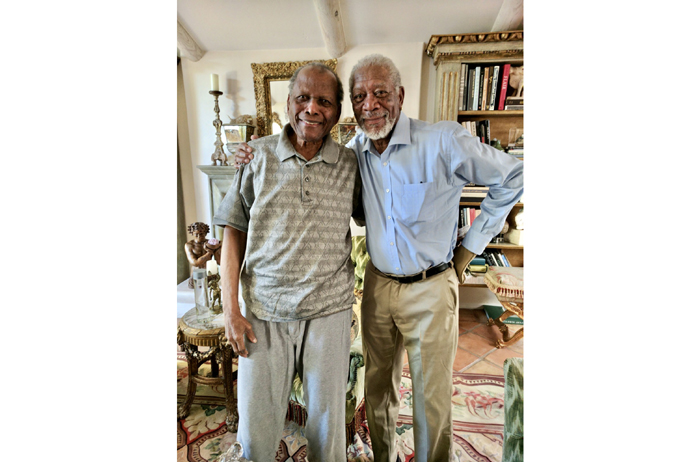
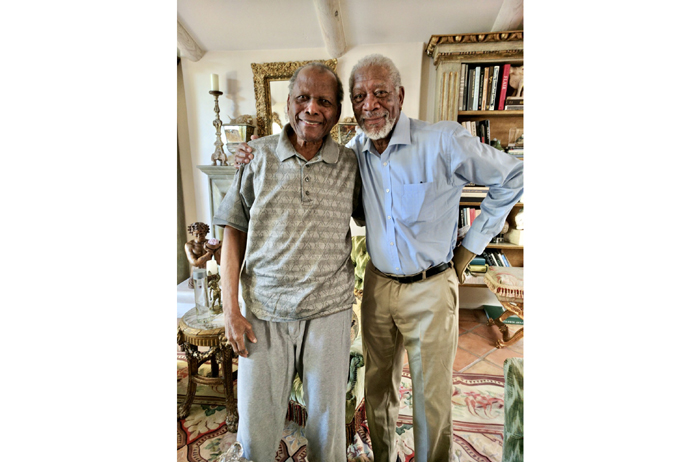
Sidney Poitier was deeply hurt when legendary actor Robert Mitchum looked down on him as he was of black origin. The talented actor from the Bahamas was moved to tears. But he was not lonely. The likes of Gregory Peck, Marlon Brando, Rod Steger and Omar Sharif openly declared to be by his side. The most vocal was Sophia Loren supporting Sidney Poitier.
The first among blacks to break the taboo that they could not rule Hollywood, Sidney became an icon in his lifetime. Acting in, To Sir With Love, Sidney Poitier introduced a refined underplay. He emoted well but never went overboard. Sidney Poitier’s eyes spitted fire when annoyed and could be equally effective in expressing emotions and affections. His style of running was very popular like Sean Connery’s walk and Omar Sharif’s silent looks.
No wonder in Paris Blues (with Paul Newman), in Heat of the Night (with Rod Steger) and in Guess Who’s Coming to Dinner, Sidney stood out with stellar performances. Well-known director Stanley Krammer who directed Tony Curtis and Sidney Poitier in The Defiants had stated that the confidence the latter showed in his performance was the hallmark of a true actor. Even Paul Newman went on record saying that never did Sidney try to dominate any co-actor.
Sidney’s conversations with Sophia Loren were memories he treasured. Both agreed that to care for a secure life of his niece as one has to undergo many hardships and failures. They never spoke too much about cinema though each was a true critic of the other. Sophia agreed Sidney had the guts to refuse inane films more than her. To both of them Paul Robson’s eternal number ‘Cherigold‘ was an all-time favorite.
The non-white actor believed that every white man all over the world should go by the principles of Atticus Finch (Gregory Peck’s immortal character in To Kill A Mockingbird). More than his undeniable histrionics, Gregory Peck’s humanitarian and liberal outlook inspired Sidney. Uncle Tom’s Cabin and To Kill A Mockingbird were the literary inspirations of Sidney. He complimented author Harper Lee for her fathoming the tragedies of the black community in the USA in her immortal novel. In a congratulatory message to Gregory Peck after winning the Oscar for To Kill A Mockingbird, he said that the originality of Atticus Finch was also present in Gregory Peck, the human being.
As the handyman in Lilies of the Field who helps German nuns to build a chapel in the desert, Sidney remained unforgettable. He won an Oscar for a performance which is considered a lesson in acting. Even in his later films, The Jackal and Free from Eden he set examples of high-class performances. Sidney was never vulgar on screen.
Working as the ambassador of Bahama to Japan and UNESCO, the actor proved that humanity was of prime importance to him. He fought against poverty and illiteracy during his childhood. So it was Sidney’s mission to eradicate poverty and illiteracy as much as he could. Queen Elizabeth II and President Barak Obama had also honored him for his noble activities.
The Bahamian-American actor paved the way for the likes of Denzel Washington, Hal Berry and Morgan Freeman to become later-generation international idols. Above all, he was a true do-gooder who cared for even an ordinary spot boy as much as he cared for costars.
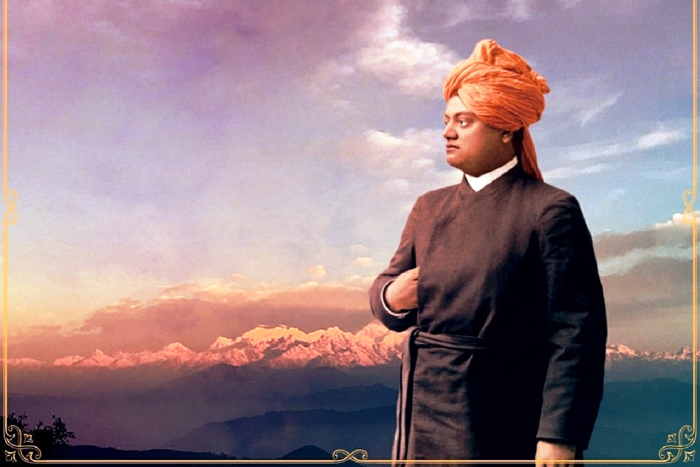
Swami Vivekananda after the iconic Chicago Conference declared belief in astrology was proof of high-level superstition in Hinduism. He stood like the Rock of Gibraltar supporting his statement despite criticism. His guru Ramakrishna Paramhansdev supported his disciple.
Indian left-oriented intellectuals have often criticized Swami Vivekananda as a religious preacher and nomad. They have even gone to the extent of terming the saint a reactionary. However, this has only helped Swamiji’s popularity to soar worldwide. His doctrine, “The poorest, colder and sweepers are my brothers” has spoken of a classless society.
Not only was Swamiji well versed about Vedas, Puranas, Upanishad and Bhagawat Geeta. He was equally knowledgeable about The Bible, Koran and Granth Sahib. Never did he belittle any religion or faith. In the eyes of Swami Vivekananda, every human being was equal. The doctrine of Karma (work) was of prime importance to the hermit who transcended barriers of religious dogmas.
Sister Nivedita was particularly fascinated by the Swamiji principle of humanity. Never did he denounce rebellions with causes and support the Irish Revolution. It is rarely known that General Dwight David Eisenhower, supreme commander of Allied Forces in World War II was influenced by Swami Vivekanand’s philosophy. After the great war was won, Eisenhower during his presidential term did confess to an American Senator that the works of Swamiji inspired him to rise above all religious bias. General Jayanta Chowdhury of the Indian army which won the 1965 Indo Pak War also admitted the teachings of Swamiji helped him to understand the difference between true spiritualism and religious fanaticism.
Swami Vivekananda strongly abhorred religious dogmas and fanaticism for every religion. Never did he look down on atheists. Even staunch critics of Swamiji have never been able to find lacunae in his broadness of mind or spiritual dynamism.
Certain charlatans criticize Swami Vivekananda as an escapist from earthly problems. Time and again Swamiji has proved them wrong with beliefs in developing mental strengths and fighting evil thoughts of procrastination. In one of his discussions with Sister Nivedita defined logic and said no supernatural power can save a criminal. Similarly, he preached Good Samaritans would always be naturally rewarded for their deeds.
Swami Vivekananda did not share a typical Guru, sishya (mentor, disciple) relation with Ramakrishna Paramhansdev. The latter transformedNaren (Swami Vivekananda) into a true messenger of his gospels. Swamiji did not believe in God initially. After the divine influence of Paramhansdev, he changed his course of life. They were more like friends sharing a sublime tutor, pupil relationship. To both of them, all sciences never ended in religious beliefs. They were preachers of true spiritualism.
Though he was proud to call himself a Hindu, Swamiji never enforced his views of Hinduism on anyone. In fact, he went on officially to state that religious tolerance was his motto. Going by what he learned from Ramakrishna Paramhanshadev, Swamiji always taught ethics that respected other religions. It is a lesser-known incident that even Rabindranath Tagore was an admirer of Swamiji’s religious tolerance just as Acharya Jagadish Chandra Bose was. The latter formed a favorite pastime by reading in depth the works of Swamiji.
Defying the course of nature was unscientific according to Swamiji. He believed in the ultimate power of nature. A fanatic according to Swami Vivekananda was a menace to civilized society. No wonder every birthday of his reminds us to open the windows of our mind towards kindness, frankness and noble actions.
भारत के संबंधित राज्यों के राज्यपालों को पांचवीं अनुसूची के अंतर्गत आने वाले क्षेत्रों पर वनवासी संरक्षण के अनुकूल शासन करने के लिए विशेष अधिकार दिए गए हैं, जिसे पेसा कानून कहा जाता है, पेसा कानून को लागू हुए 25 साल हो चुके हैं, जिसने आदिवासी समुदायों के बीच स्वशासन की परंपरा की अनुमति दी थी, लेकिन इसे कारगर ढंग से लागू न करा पाने के कारण आदिवासी अंचलों में गतिरोध है कि ढाई दशक बाद भी टूट नहीं पा रहा है.
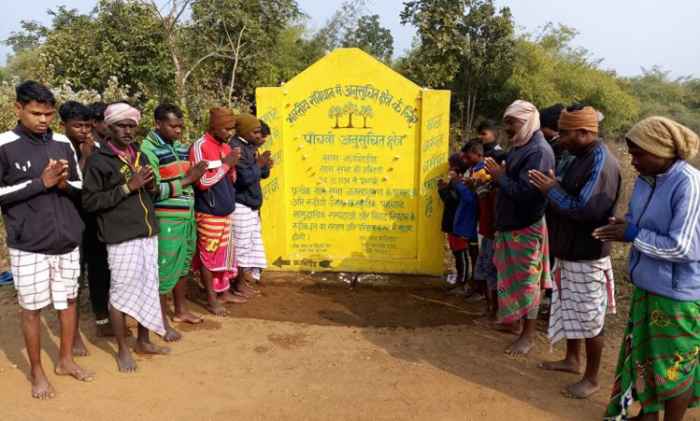
पिछले समय आदिवासियों का पत्थलगड़ी आंदोलन चर्चा में रहा. इसे आदिवासियों की जीत के तौर पर भी देखा गया और कहा गया कि छत्तीसगढ़ में राज्य सरकार ने आदिवासियों की मांग मान ली है.
लेकिन, इस बारे में ‘फारवर्ड प्रेस’ पर लिखे आलेख में पत्रकार तामेश्वर सिन्हा मानते हैं कि इसे समझने और उससे भी ज्यादा समझते हुए चौकस रहने की जरूरत है. वह लिखते हैं, ”पेसा कानून के तहत ग्रामसभाएं करने के छत्तीसगढ़ सरकार के शासनादेश में ग्रामसभा के लिए चार विभागीय एजेंडा समाहित किए गए हैं. ये हैं- पंचायत एवं ग्रामीण विकास विभाग, खाद्य एवं नागरिक आपूर्ति विभाग, वन विभाग और आदिम जाति अथवा अनुसूचित जाति विकास विभाग. दूसरी ओर, अनुसूचित क्षेत्रों की विकराल समस्याओं, जैसे- अजजा समुदाय की जमीनों पर अवैध कब्जा, धोखाधड़ी बिक्री, सामुदायिक वन पट्टा, गौण खनिज लीज सर्वेक्षण खनन, भू-अर्जन से पहले “पेसा” के तहत ग्रामसभा का निर्णय, अनुसूचित क्षेत्र में अवैध नगरीय निकाय गठन आदि के मुद्दों को गायब कर दिया गया है. इस प्रकार, चतुराईपूर्वक आदिवासियों या अनुसूचित क्षत्रों से संबंधित जरूरी मुद्दों को गायब करके केवल ‘पेसा’ कानून के तहत ग्रामसभाएं आयोजित करने का शासनादेश जारी करना, चुनावी माहौल में आदिवासियों को लॉलीपॉप थमाकर उनके असन्तोष को कम करने का प्रयास मात्र लगता है.
दूसरी तरफ, भारत जनजातीय बहुलता के मामले में समृद्ध देश है. बता दें कि हमारे देश में लगभग 700 आदिवासी जनजातियां हैं. यह भी एक फैक्ट है कि देश में कुल आदिवासियों में से 10% आदिवासी अकेले महाराष्ट्र राज्य में रहते हैं. राज्य के कुल क्षेत्रफल में से 16.5 प्रतिशत क्षेत्रफल यानी 50 हजार 757 वर्ग किमी आदिवासी बहुल वनांचल हैं. यह अपने आप में काफी विस्तृत और संपन्न माना जा सकता है.
वहीं, महाराष्ट्र में 15 जिलों और 68 तहसीलों में बड़ी संख्या में आदिवासी हैं. वर्ष 2011 की जनगणना के अनुसार, राज्य में आदिवासियों की आबादी एक करोड़ से अधिक है, जो कि राज्य की कुल आबादी का करीब दस फीसदी है.
लेकिन, दूसरी तरफ सच्चाई यह है कि राज्य में इतनी बड़ी आबादी वाला आदिवासी समुदाय देश के अन्य आदिवासी बहुल क्षेत्र की तरह अभी भी विकास के मामले में पिछड़ रहा है. यह प्रश्न इसलिए अधिक महत्त्वपूर्ण हो जाता है कि महाराष्ट्र मध्य प्रदेश, राजस्थान, बिहार, झारखंड, छत्तीसगढ़ और उड़ीसा जैसे अन्य राज्यों के मुकाबले विकसित राज्य माना जाता है.
वास्तव में, आदिवासियों के लोकतांत्रिक अधिकारों को संविधान द्वारा मान्यता प्राप्त है. हीं, उनके प्रतिनिधित्व के लिए आरक्षण भी प्रदान किया गया है. हालांकि, आदिवासी समूह बिखरे और असंगठित हैं, इसलिए यह भी हकीकत है कि जनसंख्या के अनुपात में उनका प्रतिनिधित्व नहीं हो पा रहा है.
लिहाजा, जनजातीय समूहों के बीच आम सहमति पर आधारित स्वशासन की परंपरा को ध्यान में रखते हुए पंचायत राज्य व्यवस्था ने जनजातीय क्षेत्रों के लिए स्वशासन अधिनियम- पंचायत विस्तार (अनुसूचित क्षेत्र) अधिनियम अर्थात ‘पेसा’ अधिनियम बनाया था. यह अधिनियम 24 दिसंबर, 1996 को लागू हुआ था. यानी 24 दिसंबर को इस कानून को पूरे 25 साल के हो गए हैं. इसलिए, यह लेख इस कानून के कार्यान्वयन की समीक्षा करने के लिए है.
असंतोषजनक क्रियान्वयन
देखा जाए तो पेसा आदिवासी भागीदारी के आधार पर स्वशासन की संस्कृति को कानूनी मान्यता देता है. इतना ही नहीं, इस कानून के तहत सशक्तिकरण की प्रक्रिया के दौरान आदिवासियों को न केवल सक्रिय सदस्यों के रूप में बल्कि सक्षम निर्णय निर्माताओं, नीति निर्माताओं, पर्यवेक्षकों और मूल्यांकनकर्ताओं के रूप में भी मान्यता दी गई है. फिर भी, अफसोस की बात है कि इस तरह के एक क्रांतिकारी कानून का कार्यान्वयन बहुत असंतोषजनक है. लिहाजा, पेसा अधिनियम के प्रभावी कार्यान्वयन की कमी के कारण आदिवासियों के कई अधिकारों और अधिकारों की उपेक्षा की जा रही है. पेसा दस्तावेज मौजूद हैं, लेकिन हम कह सकते हैं कि आदिवासी स्वशासन वास्तव में नहीं आया है.
महाराष्ट्र के संदर्भ में देखा जाए तो वर्ष 1996 में केंद्र सरकार द्वारा पेसा अधिनियम पारित करने के बाद, महाराष्ट्र ने 1997 में पेसा अधिनियम के अनुसार अपने ग्राम पंचायत अधिनियम में संशोधन किया था. इन परिवर्तनों के अनुसार अनुसूचित क्षेत्र के लिए विशेष प्रावधान किए गए थे. लेकिन, केंद्रीय पेसा अधिनियम और कुछ महत्वपूर्ण प्रावधानों के अनुसार राज्यों द्वारा अधिनियमित कानून के बीच एक विसंगति है. नतीजतन, राज्य-स्तरीय कानून की धार संकुचित हो गई है, जिसे कई विद्वानों ने रिपोर्ट किया है. महाराष्ट्र, जो पंचायत राज व्यवस्था में अग्रणी है, पेसा कानून को लागू कराने के मामले में पिछड़ा है.
राज्य में भी सीमित प्रारूप
बता दें कि महाराष्ट्र ने केंद्र सरकार द्वारा बनाए गए कानून में कुछ महत्वपूर्ण प्रावधानों को शामिल नहीं किया है. केंद्रीय पेसा अधिनियम में ग्राम सभा को कई शक्तियां दी गई हैं, यह सुनिश्चित करने के लिए विशेष प्रावधान किए गए हैं कि वरिष्ठ स्तर की पंचायतें (अर्थात सरकारें) अनुसूचित क्षेत्रों में ग्राम सभाओं और ग्राम पंचायतों के अधिकारों का अतिक्रमण न करें, लेकिन महाराष्ट्र में पेसा अधिनियम के अनुसार ग्राम पंचायत अधिनियम में किए गए परिवर्तनों ने ग्राम पंचायत को ग्राम सभा को दिए बिना निर्णय लेने की शक्ति दे दी गई.
इसलिए इस राज्य में ग्राम सभा की शक्तियां केवल सलाह देने और सिफारिश करने तक ही सीमित रह गई हैं. उदाहरण के लिए, महाराष्ट्र ने केवल कई महत्त्वपूर्ण मामलों पर ग्राम सभा को सिफारिश करने का अधिकार दिया है, जैसे कि आदिवासी क्षेत्रों में भूमि हस्तांतरण, ऋण ऋण, माध्यमिक खनिज खदानों के लिए नीलाम लाइसेंस.
वहीं, केंद्रीय कानून में कहा गया है कि पेसा कानून के प्रावधानों के अनुरूप अन्य विषयों से संबंधित कानून में उचित बदलाव किए जाएंगे, जबकि महाराष्ट्र ने उत्पाद कर, वानिकी, खनिज संसाधन और खनन, कृषि बाजार, ऋण ऋण और भूमि अधिग्रहण अधिनियम में उचित बदलाव नहीं किए हैं, जो आदिवासियों की दृष्टि से बहुत संवेदनशील और महत्वपूर्ण हैं. इसके अलावा, राज्य के कानून की भाषा केंद्रीय कानून की भाषा की तुलना में अधिक सूक्ष्म है.
भारत के संबंधित राज्यों के राज्यपालों को पांचवीं अनुसूची के अंतर्गत आने वाले क्षेत्रों पर शासन करने के लिए विशेष अधिकार दिए गए हैं. दूसरी तरफ, अन्य राज्यों के विपरीत महाराष्ट्र के राज्यपालों (कुछ अपवादों को छोड़कर) को अपने विशेषाधिकारों का प्रयोग करने के लिए नहीं जाना गया है.
दरअसल, सच तो यह है कि अधिनियम के प्रावधानों में त्रुटियों, नियमों के निर्माण में अक्षम्य देरी और अनुसूचित क्षेत्रों में आदिवासी स्वशासन के प्रति अत्यधिक उदासीनता के कारण, महाराष्ट्र में आदिवासी स्वशासन की स्थिति अतीत की बात हो गई है.
साभार | etvbharat.com
कानून को ठीक से लागू किया जाना चाहिए
आदिवासी स्वशासन के विचार के बिना आदिवासी विकास का विचार पूरा नहीं हो सकता है. आदिवासी क्षेत्र में हिंसा को रोकना उस क्षेत्र में पिछड़ेपन पर काबू पाने के लिए एक पूर्वापेक्षा है और आदिवासियों के पिछड़ेपन को दूर करने और उन्हें उचित विकास का मौका देने के लिए आदिवासी स्वशासन पर विचार करना अनिवार्य है. पेसा अधिनियम का वास्तविक क्रियान्वयन उस दिशा में एक महत्वपूर्ण कदम हो सकता है.
इसके लिए राज्य स्तर पर तत्काल कुछ करने की जरूरत है और यह संभव भी है. सबसे महत्त्वपूर्ण बात यह है कि राज्य ग्राम पंचायत अधिनियम के प्रावधानों में त्रुटियों को सुधारा जाना चाहिए और प्रावधानों को केंद्रीय पेसा अधिनियम के अनुरूप बनाया जाना चाहिए. साथ ही, समग्र जनजातीय विकास की दृष्टि से पेसा अधिनियम, वन अधिकार अधिनियम और जनजातीय घटक योजना में सामंजस्य स्थापित किया जाना चाहिए.
एक मायने में पेसा अधिनियम न केवल आदिवासी स्वशासन की दृष्टि से, बल्कि देश की लोकतांत्रिक व्यवस्था की दृष्टि से भी महत्त्वपूर्ण है. लोगों की भागीदारी के आधार पर प्रतिनिधि लोकतंत्र से वास्तविक लोकतंत्र की ओर बढ़ना महत्त्वपूर्ण है. इस लिहाज से बहम यह है कि ग्राम सभा को हर उस गांव में सक्षम बनाया जाए, जहां पेसा अधिनियम प्रत्येक टोला को एक गांव का दर्जा देने का अधिकार देता है, लेकिन प्रदेश के अनुसूचित क्षेत्रों में पेसा गांव घोषित करने की प्रक्रिया बेहद धीमी गति से आगे बढ़ रही है.
हालांकि, पेसा गांव घोषित करने की प्रक्रिया सरल है और पेसा नियम भी स्पष्ट रूप से निर्धारित हैं. लेकिन, सच तो यह है कि इस प्रक्रिया के बारे में न केवल आम आदिवासी लोग, बल्कि नेता, पदाधिकारी और कार्यकर्ता भी पर्याप्त नहीं जानते हैं.
राज्य सरकार को राज्य भर में पेसा गांव घोषित करने की प्रक्रिया में तेजी लाने के लिए एक समयबद्ध अभियान शुरू करने की जरूरत है. गांव ने पेसा गांव घोषित करने की निर्धारित प्रक्रिया पूरी कर ली है, लेकिन यदि निर्धारित समय के भीतर अनुमंडल पदाधिकारी या जिला कलेक्टर द्वारा कोई निर्णय नहीं लिया गया है तो ऐसे गांवों को गजट या राज्यपाल के हस्ताक्षर से पेसा गांव घोषित किया जाना चाहिए. वहीं, गांव को पत्र व प्रमाण पत्र जारी करने की व्यवस्था की जाए. इसका मतलब यह है कि इस तरह से घोषित गांव भी योजना का लाभ प्रदान करने के लिए सरकारी प्रणाली से बंधे होंगे.
आदिवासी स्वशासन को साकार करने के लिए बहुत कुछ किया जा सकता है. लेकिन, यहां केवल एक महत्वपूर्ण प्रावधान का उल्लेख किया गया है.
कई वर्षों के संघर्ष के बाद, इस देश और राज्य में आदिवासियों ने अपना अधिकार वापस पा लिया है. लेकिन, एक तरफ निजी स्वामित्व की अवधारणा को पुनर्जीवित किया गया है और दूसरी तरफ, बाजार के लालच और दबाव के कारण उन निजी स्वामित्व वाले संसाधनों के स्वामित्व का नुकसान हुआ है. वास्तव में लोकतांत्रिक निर्णय लेने की प्रक्रिया और तंत्र के अभाव में, आदिवासी समूहों के पास बाजार या हिंसक प्रतिरोध का सहारा लेने का एकमात्र विकल्प बचा है. इसलिए, पेसा अधिनियम के अधिनियम की 25वीं वर्षगांठ को देखते हुए, इस अधिनियम के सचेत और कठोर कार्यान्वयन की क्या आवश्यकता है?