Big loss of face for BJP, party’s national vice-president joins TMC

Kolkata: Former Railway Minister of India, Mukul Roy, who was among the first to join Bharatiya Janata Party in 2017, following which around 40 legislators of Trinamool Congress had defected, has returned back to the party that he had founded along with TMC supremo Mamata Banerjee. 

Mukul’s son, Subrangnshu, a former TMC MLA had joined BJP following his father, has also followed Roy senior’s footstep. The two times MLA had contested on Lotus symbol but lost to TMC in the recently concluded Assembly election.

Three reasons for Mukul’s defection from BJP

Mukul Roy, who played a key role in BJP getting 18 seats for the first time in West Bengal, wanted to become a minister in Narendra Modi cabinet, but he was denied the position. Later, he was given organizational berth and was even made national vice-president. The Krishnanagar MLA, it is learnt, was not interested to contest the 2021 assembly polls, but he was fielded by the party. But, the last setback for Mukul was Suvendu Adhikari being made the Leader of Opposition by BJP and not Roy, who is much senior to Adhikari.

Also, the fact that Adhikari has been given easy access to Home Minister Amit Shah and PM Narendra Modi, which has never been granted to Roy despite the ground work he did for the saffron party, added on to the other reasons for Roy to return back to his former party.

Mukul’s entry is TMC’s part of the 2024 strategy

Abhishek Banerjee, TMC’s Diamond Harbour MP, and nephew of TMC chief has been elevated to the party’s national general secretary position. Soon after the elevation, TMC MP had announced that his responsibility will be to take TMC nationally. Two days prior to his appointment, Abhishek had visited Krishna Roy, wife of Mukul Roy, at a hospital, where she is undergoing Covid treatment. Speculation of Mukul Roy’s home coming began doing the rounds since then, but the fact that it would happen so fast, nobody had assumed. 

However, with Roy, who has been a political strategist for TMC in the past, being granted re-entry, it is apparent that TMC has its plant for 2024 general elections ready.

Big loss of face for BJP

Significantly, BJP which was in a rejoicing mood after having inducted Congress leader Jitin Prasada, suffered a major setback within a day, with its National vice-president leaving the party. Political observers believe that at least for Bengal, it is just the beginning, and more than 20 MLA as well as 5-7 BJP MPs can join TMC within a month or so.

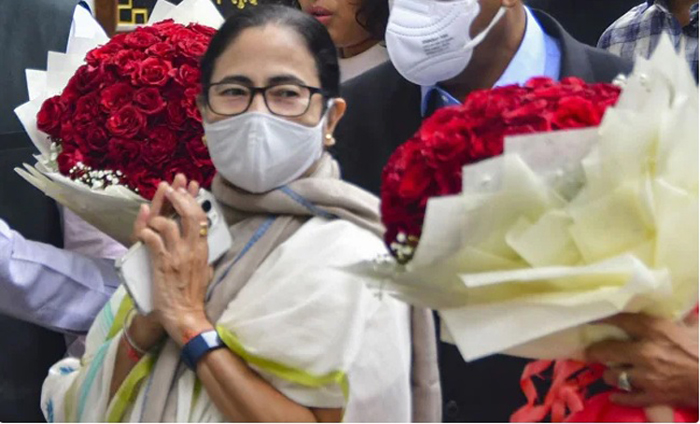
The importance of Roy’s Ghar Wapasi can be estimated from the fact that both Abhishek and Mamata Banerjee were resent during his induction at Trinamool Bhavan and later TMC supremo had also conducted a press conference to announce the news.

This development has a national significance too, says political analyst Rasheed Kidwai while talking to eNewsroom. He said, “Defections are bad for parliamentary democracy. The gain and loss in real terms is a poor reflection of the political character of the party. For instance, it can be argued that Mukul Roy’s return to the TMC is a bigger blow to the BJP than Jitin Prasada’s induction.”

“Our work time often goes beyond 14 hours”

Bhopal: In March 2020, Dr Shriya Mungi was contemplating how she would desire to complete her medical training until next year.

And yet, at one of the biggest and overburdened government hospital in Madhya Pradesh’s state capital, she is the doctor who knows the Covid-19 patients who have higher respiratory symptoms, requires greater dependence on oxygen therapy. She has a deeper understanding of the use of experimental drugs with official approval on the patients who become critical.

But she never had thought that her internship was going to be like this.

After 4 and a half years of being a student, I was excited to be a doctor and help people. I always looked up to my family members who were in healthcare as role models and seeing them sacrifice most of their time for their jobs was something I aspired to,” she said by adding “But my internship started with the first wave of coronavirus hitting India hard. My first day was on 30th March 2020 and I remember being forced to join the medical college at home because I was stuck in my hometown.”

The next day Shriya was to assist the government in contact tracing and sampling. She became a part of the Government Gandhi Medical College and Hospital, Bhopal. 

Time spent with other government officials, police personnel in small by-lanes and thickly populated areas helped her to understand the mystic diversity of the city and enlightened her with government functioning.

“For the first time in my life I went to people’s houses to ask them questions, and it felt very invasive. I also realised that my city had a lot more diversity than I knew. The streets were completely deserted,” she said.

On the other side, several other things made her happy.

I was pleasantly surprised by the hospitality we were shown by others, who offered water and snacks, showed precise directions and lifts to find an address, she said by adding that “I was able to see the living conditions of many people, especially those at both extremes of society and it humbled me. I don’t think I would have been able to learn this aspect of society otherwise”.

However, during the pandemic time that system had long broken down, and even the interns have to sometimes act like on-duty doctors in the emergency room considered to be one of the most critical in the hospital.

“I think, most of us had devoted the first few months of our internships in the emergency and Covid special wards. That was the time when there was a shortage of PPE kits, masks and sanitizer liquids. But none of us made faces, raised voices. We all humbly accepted the challenge and performed our duties for hours and hours, days, weeks and months,” recalled Dr Astut Kurariya who worked as an intern at the Netaji Subhash Chandra Bose Medical College, Jabalpur. 

A popular reading is that most of the people in the State know that there aren’t enough beds in hospitals, not enough oxygen or ventilators and medicines to treat patients who arrive at the hospital’s front gates alive.

Actually, interns and doctors can be seen in the emergency room, where conditions are even more cramped. Here, patients and relatives crowd every available space. Many a time trolleys are close enough for patients to touch each other.

“Like us, our juniors too are wholeheartedly performing their duty. Due to rising cases, our work time often goes beyond 12 to 14 hours,” Dr Shankul Dwivedi, National Joint Secretary of Indian Medical Association Junior Doctors Network and national spokesperson of Federation of All India Medical Association said.

And under such circumstances and during pandemic times, the contribution of interns and junior doctor’s towards each one of us is beyond imagination.

However, Dr Sankul is quick to remind Madhya Pradesh Chief Minister’s unfulfilled promise which he has made last year when corona began to hit hard in the State.

“Doctors those who are treating COVID-19 patients, an amount of Rs 10 thousand will be given to them,” Madhya Pradesh Chief Minister Shivraj Singh Chouhan has announced in April 2020. 

In the current scenario, nearly 3,500 junior doctors working in six government medical colleges in Madhya Pradesh have resigned demanding an increase in the stipend and better medical facilities for their families amid Covid.

The doctors resigned after the Madhya Pradesh High Court on Thursday directed doctors to end their four-day strike, calling it “illegal”. Some of the other major demands include beds for junior doctors serving Covid patients be reserved for admission in health facility centre in case they are affected by coronavirus, 24 per cent hike in stipend and another 6 per cent annual hike in stipend and better medical facilities for their families amid Covid. 

Madhya Pradesh State Medical Education Minister Vishvas Sarang has said the government would accept their demands, but no written order has been issued.

With rising black fungus cases in Bengal, doctors call for early detection to avoid fatalities

Kolkata: Because of the increasing number of mucormycosis cases, commonly known as black fungus in West Bengal, doctors are already sounding alarm bells. Till June 4, the state had almost confirmed 30 cases, and the number of fatalities reported was 5, according to a health bulletin by the state government.


The rare fungal infection, which has always been there in India, has seen an exponential rise in the last couple of months. What has complicated matters for the doctors, treating these patients is that there has been a shortage of the amphotericin-B drug, which is used to treat such cases. With many of the states like Karnataka and Rajasthan already declaring it an epidemic, there are enough signs of worry for the doctors and coronavirus patients, either undergoing treatment or cured as the incubation period of the fungus is from 18-21 days of the first showing of Covid-19 symptoms.


India recorded 11,717 cases of mucormycosis till Wednesday.


Explaining the phenomenon, ENT specialist at Medica Superspecialty Hospital, Dr Shaswati Sengupta Dutta says, mucor, which causes the disease, is present in the environment. India, right now, is witnessing a spurt in rhino-cerebro-orbital mucormycosis, where the nose, nasal sinus (in some cases), orbit and brain are affected. Other forms of mucormycosis are pulmonary and gastro-intestinal and the cases are seen in immune-compromised people.


India being the diabetic capital of the world, it is more alarming as the disease has affected most people who do not have proper control of their blood sugar levels.

Aiding the spurt in black fungus cases is the rise in Covid-19 cases, which requires the administration of steroids for critical patients. Dr Shaswati Sengupta Dutta says people who have undiagnosed diabetes have become susceptible to black fungus. “Use of steroids and some other types of antibiotics along with uncontrolled diabetes have aided the spread of mucormycosis. We know that Covid-19 causes immune suppression, making patients susceptible to the fungus.  


Cheek pain, pain or numbness in the tooth, nasal blockade, watering from nose and eyes, foul-smelling nasal discharge, blackening or redness of the skin can all be symptoms of black fungus and doctors feel early detection is important or else it can prove fatal.


“At Medica, we have already formulated one of our protocols regarding early detection of black fungus. For hospital patients, we are monitoring them from the very beginning of their treatment, especially for diabetic patients, who are on steroids or in ventilation for long or on oxygen therapy. We are looking out for clinical symptoms as well as doing radiological investigations. We are also asking patients, discharged from our hospital and getting home care, to come back to us for diagnostic tests for early detection,” said Dr Sengupta Dutta.


Dr Debraj Jash, a pulmonologist at Apollo Hospitals, says that mucormycosis is an “opportunistic infection” which prefers humidified atmosphere and has come in limelight during the second wave as many clusters are reporting such cases, unlike the first wave.


“We always knew that people with diabetes are prone to it. The use of steroids, sometimes indiscriminate, on Covid patients is a primary reason for the sudden spurt. Also, in the second wave, the number of affected people is much higher, resulting in the shortage of medicine. Sharing of same steam pot can also lead to such cases,” warns Dr Jash.


The doctor also blames the overuse of zinc tablets amongst people as a contributing factor. “This fungus likes zinc and these days people are popping zinc tablets indiscriminately. We are presently treating five such patients at Apollo. Medicine can cure black fungus, but in severe cases, we need to operate to save the patient,” said Dr Jash.


Dr Dhrubo Roy, a senior ENT consultant at AMRI Hospitals, says it is very important to maintain hygiene and take precautions if a positive patient is on long oxygen support or using an oxygen concentrator to treat himself at home. He gives a demonstration of how a dehumidifier should be cleaned and how the water used in it can be sterilized.


“The fungus is mostly found in polluted places, where there is less or no air circulation, stagnant water or stale food. In the case of a dehumidifier, the water can also be the medium if it is not cleaned properly or regularly. The water used should be distilled water and the equipment has to be cleaned with water mixed with betadine. One should not use industrial oxygen for therapy at home,” cautions the ENT consultant.


“The symptoms of black fungus are usually seen within 18-21 days of one showing Covid-19 symptoms. So, we can say that up to three weeks from the first manifestation of Covid-19 symptoms, a cured patient is vulnerable,” said Dr Roy.


If the black fungus was causing tension in Covid-recovered patients, the first case of while fungus was reported in New Delhi hospital on May 27.

Many unanswered questions in custodial death of a tribal in Garhwa district

Ranchi: Family of tribal, Pala Manjhi (45) in Garhwa district, Jharkhand have accused the police of beating Manjhi to death.

According to the family, Bhandaria police took Manjhi in custody on 30 May. The same day, Manjhi’s dead body was handed over to the family.

Police took the middle-aged man from his house on Sunday morning. He had returned from the forest with firewood around 7 am. After breakfast, he was sitting on the ‘chabutra’ outside his house.

“A chowkidar named Joginder came with other police personnel on a motorbike. He asked Pala Manjhi to come to Bhandaria Police station for inquiry. Bhandaria station is around three kilometers away,” informed Ramnandan Manjhi (Pala Manjhi’s brother). Ramnandan inquired the chowkidar in which case were they taking his brother? To which Joginder replied “Whatever it is, we will talk about it at the police station”, Ramnandan told eNewsroom.

He claimed that his brother Manjhi never had any criminal record. It was for the first time that the police had came to their house. On Sunday morning police took Pala Manjhi for inquiry and after one and half hours, his dead body returned, according to the family. The police claimed that the death was due to an epileptic (mirgi) attack, however, the family has denied of the victim having any such health condition.

Countering the police claim of epilepsy, Ramnandan mentioned that his brother was in good health with no disease or ailments. If he was ill he would not have been able to carry woods from the forest.

“Around 8 am they took Pala (Manjhi) on a bike with them to Bhandaria station. After one and half hours I received a call from the police to reach the station immediately. Upon reaching I could not find the constable there. Before I had reached there they had already taken him to hospital in a van,” Ramnandan said.

He further added, “After a while, the chowkidar came on his motorbike and took me to Samudayik Swastha Kendra. There I found my brother lying unconscious. At the community health centre doctor said that he had given Pala an injection for mirgi and he would be sleeping for six hours. The doctor also said that Pala would be fine and told us to take him home. “I think he was already dead there,” pointed out Ramnandan. Their police took him from the hospital around 11 am and put him outside his home on the same chabutra. “If the doctor had referred us we would have taken him somewhere else. But he asked us to take him home,” rued the brother.

Koshila Devi (20), daughter-in-law of Pala said, “My father-in-law had no health ailments. He was perfectly fine before the police took him. They killed him and said he was already sick. They are saying he had mirgi but since I got married, I never witnessed anything as such. When the police brought the body here I saw the dark patches on his stomach. When I saw those marks I started crying. There were marks on his buttock as well. After such beating how could he survive?” laments Koshila.

Manjhi is survived by his four children – two sons and two daughters, who are now orphaned after his death, as his wife had died 10 years ago. The family depends on daily wages. However, in lockdown, they have been struggling to find work. Koshila says that there is no work to do now. Sometimes I collect and sell mahua to get some ration. But its season has also ended. When we get some money we eat, otherwise there is no other option but to sleep hungry.

Koshila asks, “There are two young and unmarried children of Pala Manjhi who will take care of them now? Will I look after my children or them?.”

She recalls the fateful day, “They brought the dead body and lied to us saying he will sleep for six hours”. Koshila added. “Why did they (police) do this? Now there is no one to look after us. I have never seen such brutality.”

After a few hours when Pala Manjhi did not wake up the relatives called the Bhandaria Police demanding answers. Thereafter Police arrived and took the body for postmortem to Sadar Hospital Garhwa. Postmortem was done on the second day, 31 May around 2 pm. Pala Manjhi’s last rites were performed on 31 May at 8 pm by his relatives.

The family also alleges that Bhandaria SI Shravan Kumar forcibly made them sign a blank paper.

“We were scared we did not question anything. We had already lost our brother. We simply did what we were asked to do. We were four people there, Tulsidas Manjhi, Jageshwar Manjhi son of Pala Manjhi, Devnarayan Manjhi and myself”, Ramnandan said.

Policemen of Bhandaria station refused to comment on the issue. Numerous calls to SP Garhwa, Shreekant Khotre went unanswered.

Speaking to eNewsroom, Deputy Commissioner of Garhwah Rajesh Kumar Pathak said “The magistrate inquiry on the matter has begun headed by SDO Rajesh Kumar Linda. SDO has already met the family and inquired about the incident. Now we are waiting for the report.”

The relatives demand justice. “And we also want compensation for the family as well as job for one of his children,” added Ramnandan. 

However, in the recent past there have been several custodial death cases in Jharkhand, especially with Muslims, tribal and dalits and families have not got justice.

महाराष्ट्र: साप्ताहिक बाजारों पर पाबंदी से इस सीजन काजू की खरीद बंद, आफत में किसान

सिंधुदुर्ग/सांगली: कोरोना संक्रमण को नियंत्रित करने के उद्देश्य से महाराष्ट्र सरकार द्वारा लगने वाले साप्ताहिक बाजार बंद करने के बाद काजू के लिए प्रसिद्ध कोंकण के काजू उत्पादक किसान इन दिनों मुश्किलों का सामना कर रहे हैं। वजह है कि यही समय होता है जब काजू के बीजों की बिक्री और खरीदी की जाती है। वहीं, इस बार बेमौसम बरसात, ओले और बादलों की नमी के कारण काजू की फसल की पैदावार और गुणवत्ता भी प्रभावित हुई है। इसलिए कोरोना-काल में बाजार की गतिविधियों पर लगाई गई रोक के कारण यहां के काजू उत्पादक किसान आर्थिक समस्याओं का सामना कर रहे हैं।

सिंधुदुर्ग जिले के एक काजू उत्पादक किसान सुशांत नाइक बताते हैं कि उनके जिले में साप्ताहिक बाजार बंद होने की स्थिति का फायदा उठाते हुए क्षेत्र में कई दलाल सक्रिय हो गए हैं, जो किसानों से महज 50 से 60 रुपए किलोग्राम के हिसाब से काजू के बीज खरीद रहे हैं। यह दर सामान्य तौर पर निर्धारित दर से करीब आधी है। सुशांत कहते हैं, “किसानों को चाहिए कि काजू के बीजों को सुखाकर स्टोर कर लें और किसी भी हालत में दलालों को सस्ती दर पर अपना कच्चा माल न बेचें। किसान ही यदि ऐसा करेंगे तो काजू के बीजों के रेट अपनेआप बहुत नीचे चले जाएंगे। सरकार को भी चाहिए कि दलालों के खिलाफ सख्त कार्रवाई करें, क्योंकि दलाल मौके का फायदा उठाकर किसानों का शोषण कर रहे हैं।”

बता दें कि अकेले सिंधुदुर्ग जिले में करीब 50 हजार हेक्टेयर क्षेत्र में काजू का उत्पादन किया जाता है। काजू के उत्पादन के मामले में सिंधुदुर्ग का वैभववाडी क्षेत्र प्रसिद्ध है। सिर्फ इसी क्षेत्र से हर साल 15 सौ करोड़ रुपए के काजू का कारोबार किया जाता है। सामान्यत: हर साल फरवरी से काजू की फसल का मौसम शुरू होता है। इनमें से ज्यादातर काजू उत्पादक किसान अपने बगीचे से जिले में लगने वाले साप्ताहिक बाजारों में अपनी उपज लाकर बेचते हैं। काजू की फसल का मौसम शुरू होने के साथ ही दूर-दूर से काजू के बड़े व्यापारी सिंधुदुर्ग जिले के साप्ताहिक बाजारों में घूम-घूमकर काजू की बड़े पैमाने पर खरीदी करते हैं। लेकिन, इस बार फिर कोरोना की दूसरी लहर के कारण काजू उत्पादक किसान और व्यापारी साप्ताहिक बाजार बंद होने के कारण काजू की खरीदी और बिक्री नहीं कर पा रहे हैं। इससे इस साल फिर उन्हें काफी नुकसान उठाना पड़ रहा है। पिछले कुछ दिनों से सिंधुदुर्ग सहित आसपास के राज्य के सभी जिलों में कोरोना संक्रमण का प्रसार बहुत तेजी से हुआ है। स्थिति यह है कि सिंधुदुर्ग में अब तक ग्यारह हजार से अधिक व्यक्ति कोरोना संक्रमण से पीड़ित हो गए हैं जिनमें ढाई सौ अधिक मरीजों की मृत्यु हो चुकी है।

एक काजू प्रसंस्करण यूनिट के मालिक धनश्री सावंत बातचीत करने पर कोरोना रोकने के लिए लगाई गई पाबंदी के कारण फिलहाल शादी और अन्य पार्टियां बंद हो गई हैं। इस महामारी से डरकर लोग घर पर ही हैं और यात्राएं भी लगभग पूरी तरह से बंद हैं। लिहाजा रेस्टोरेंट और पर्यटन क्षेत्र के जरिए भी होने वाली काजू की मांग नहीं हो रही है। वह कहते हैं, ” एक बार कोरोना के दौरान लगाई पाबंदियां हटें और लोगों की दिनचर्या सामान्य हो तो काजू के दाम निर्धारित किए जाने में सहूलियत होगी। ज्यादातर कारखाने वाले और व्यापारी स्थिति सामान्य होने की राह देख रहे हैं, क्योंकि स्थानीय स्तर पर उन्होंने किसानों से काजू के बीज खरीद भी लिए तो उनका पैसा जाम हो जाएगा।”

बता दें कि महाराष्ट्र में कोरोना मरीजों की संख्या में बेहताशा वृद्धि को देखते हुए राज्य की उद्धव ठाकरे सरकार ने पिछली 22 अप्रैल से 15 जून तक सख्त पाबंदियां लगाई हुई हैं। इसके तहत पिछले कई दिनों से राज्य में संपूर्ण साप्ताहिक बाजार भी बंद किए गए हैं। अकेले सिंधुदुर्ग जिले में 20 से 25 स्थानों पर साप्ताहिक बाजार लगता है। इन साप्ताहिक बाजारों में बड़े पैमाने पर काजू की जो खरीदी-बिक्री चलती है वह फरवरी के पहले सप्ताह से लेकर मई के आखिरी सप्ताह तक रहती है। जाहिर है कि जिन दिनों में काजू की खरीद-बिक्री होती है ठीक उन्हीं दिनों में साप्ताहिक बाजार बंद होने से काजू का पूरा कारोबार भी प्रभावित हुआ है।

इसी तरह, पश्चिम महाराष्ट्र के सांगली और कोल्हापुर जिले के काजू उत्पादक किसान अपेक्षाकृत कहीं अधिक मुसीबत का सामना कर रहे हैं। इसके पीछे वजह यह है कि कोरोना महामारी के पहले इन दोनों जिलों में आई भयंकर बाढ़ के कारण किसानों को भारी नुकसान उठाना पड़ा था।

इस बारे में सांगली के तासगांव क्षेत्र में काजू उत्पादक किसान दिलीप डभोले बताते हैं, “सांगली के किसान जब बाढ़ की तबाही से उबरने लगे थे तब कोरोना का संकट हमारे सिर पर आ गया। सरकार को चाहिए कि विशेष पैकेज की घोषणा करें, क्योंकि प्राकृतिक आपदा के चलते सांगली और कोल्हापुर जिले में काजू उत्पादक किसानों को दो सौ करोड़ रुपए का घाटा सहना पड़ा था। यहां कई हजार हेक्टेयर काजू की फसल बाढ़ ने सड़ा दी थी।”

दूसरी तरफ, कई काजू उत्पादक किसानों ने इस संभावना के कारण अब तक फुटकर में काजू के बीज नहीं बेचे हैं कि बाद में जब बाजार खुलेगा तो उन्हें बाजार में काजू की बिक्री पर एकमुश्त अच्छे दाम मिलेंगे। यही वजह है कि काजू उत्पादक किसानों ने उपज के लिए जो लागत लगाई थी उसका पैसा अभी तक नहीं निकला है और इन किसानों को मुनाफे के लिए लंबा इंतजार करना पड़ रहा है। हालांकि, सिंधुदुर्ग जिले में इस समय यहां काजू की दर 105 से लेकर 115 रुपए प्रति किलोग्राम बनी हुई है। लेकिन, साप्ताहिक बाजार बंद होने से व्यापारियों द्वारा काजू के बीजों की खरीदी नहीं हो रही है, इसलिए किसानों को यह डर है कि काजू के बीजों के दाम नीचे जा सकते हैं।

हालांकि, पिछली बार भी काजू उत्पादक किसानों को उनकी उपज के अपेक्षित दाम नहीं मिल सके थे। इसका कारण यह था कि पिछले वर्ष मार्च में भी कोरोना संक्रमण को नियंत्रित करने के लिए केंद्र की नरेन्द्र मोदी सरकार ने पूरे देश में सख्त लॉकडाउन लगाने की घोषणा की थी। केंद्र की इस घोषणा के बाद सिंधुदुर्ग सहित राज्य के भी सभी साप्ताहिक बाजार बंद कर दिए गए थे और तब काजू व्यापारियों ने काजू के दाम 130 रुपए प्रति किलोग्राम से घटाकर 70 से 80 रुपए प्रति किलोग्राम तक कर दिए थे। लिहाजा यहां के काजू उत्पादक किसान यह सोचकर निराशा और दुख में डूबे हुए हैं कि पिछले वर्ष की तरह कहीं इस वर्ष भी उन्हें भारी नुकसान उठाना पड़ जाए।

काजू उत्पादक किसानों पर संकट को लेकर सिंधुदुर्ग जिले में खांबाले गांव के किसान मंगेश गुरव बताते हैं कि मौसम की मार भी अब स्थायी-सी हो गई है और पिछले कई वर्षों से लगातार अनियमित बारिश और प्रतिकूल तापमान के कारण काजू की उत्पादकता के साथ उसकी गुणवत्ता में भी गिरावट आ रही है। इसके अलावा लगातार दूसरे साल भी कोरोना महामारी के कारण सरकार द्वारा लगाए जाने वाले लॉकडाउन और सख्त पाबंदियों की वजह से काजू की मंडियां भी प्रभावित हो रही हैं।

इस बारे में मंगेश अपने अनुभव साझा करते हुए कहते हैं, “मेरे दो एकड़ के बगीचे में काजू के कई झाड़ हैं। पहले काजू के झाड़ों से 800 से 1,000 किलोग्राम तक काजू की पैदावार होती थी। लेकिन, अब यह घट गई है और इस वर्ष सीजन के आखिरी दिनों तक अंदाजा यह है कि करीब 400 से 800 किलोग्राम तक काजू पैदा होंगे। कारण यह है कि कुछ दिन पहले ही यहां ओले पड़ने से काजू की फसल को बहुत ज्यादा नुकसान हुआ है। फिर भी मुझे लगता है कि आधे से ज्यादा काजू तो झाड़ों में होंगे हीं। लेकिन, हमारी समस्या यही खत्म नहीं हो जाती है, क्योंकि किसी तरह जब काजू को बेचने की बारी आई है तो साप्ताहिक बाजार बंद होने से हमें हमसे अच्छी और थोक कीमत में उपज खरीदने के लिए बड़े व्यापारी नहीं मिल रहे हैं।”

मंगेश इस स्थिति से बेहद हताशा में कहते हैं, “सीजन में यदि बाजार खुले ही नहीं तो बड़ी मुश्किल हो जाएगी, क्योंकि कई किसानों को तुरंत नकद की जरूरत पड़ रही है और उन्हें अपनी लागत भी निकालनी है। सारे किसान काजू की उपज को लंबे समय तक घर पर नहीं रख सकते हैं, इसलिए आप यह कह सकते हैं कि हम पर दोहरी मार पड़ी है। सरकार काजू उत्पादक किसानों की उपज खरीदने के लिए कोई व्यवस्था बनाए तो ही हम लोग संकट से उभर सकेंगे।”

सिंधुदुर्ग में किसान व फल उत्पादक संघ के अध्यक्ष विलास सांवत बताते हैं कि महाराष्ट्र में एक लाख 91 हजार हेक्टेयर पर काजू की खेती की जाती है। काजू की सबसे अधिक खेती सिंधुदुर्ग, रत्नागिरी, रायगड, पालघर, कोल्हापुर और सांगली जिलों में होती है। राज्य में हर साल सामान्यत: दो लाख सत्तर हजार टन का काजू उत्पादित किया जाता है। कोंकण और पश्चिम महाराष्ट्र का काजू अपने विशिष्ट स्वाद और आकार के कारण दुनिया भर में प्रसिद्ध है। लेकिन, पिछले सालों में काजू की फसल की दर लगातार घट रही है। कुछ साल पहले काजू उत्पादक किसानों ने व्यापारियों को अपना कच्चा माल दौ सौ रुपए प्रति किलोग्राम की दर से बेच रहे थे, लेकिन अब यही किसान पिछले साल महज 70 रुपए प्रति किलोग्राम की दर पर व्यापारियों को काजू के बीज बेचने के लिए मजबूर हुए हैं।

विलास सांवत इसके पीछे के कारण स्पष्ट करते हुए बताते हैं, “सरकार काजू की न्यूतम राशि पर खरीदी की गारंटी नहीं देती है। सरकार को चाहिए कि 150 से 160 रुपए प्रति किलोग्राम की दर पर खरीद की न्यूनतम राशि निर्धारित कर दे। यदि महाराष्ट्र सरकार न्यूनतम राशि पर खरीद नहीं कर सकती है तो गोवा सरकार की तर्ज पर 25 रूपए प्रतिग्राम पर सब्सिडी दे।”

Bengal chief secretary retires leaving speculation to rest, Mamata appoints him chief adviser

Kolkata: Moments before his retirement, chief secretary Alapan Bandyopadhyay received a show-cause letter from the Centre asking him why he did not join work at 10 am in New Delhi as directed. The letter was received by the top IAS officer in the state a little before 5 pm, said chief minister Mamata Banerjee at Nabanna on Monday.

It now remains to be seen what will be the reply of the outgoing chief secretary or will the letter have any meaning after he did not take up his extension as granted by the Centre earlier.

Earlier in the day, Mamata Banerjee had written a five-page letter to Prime Minister Narendra Modi stating it was not possible for the state to release its chief secretary as he is involved in overseeing relief work after the widespread devastation from cyclone Yaas.
The game of one-upmanship between the Centre and the state started right after the Centre’s order recalling the West Bengal chief secretary reached the state secretariat Nabanna on Friday.

Just after his retirement, Alapan Bandyopadhyay, who was at the centre of the tussle between the central government and the state, was appointed chief adviser to the state, who keep overseeing all the disaster management, just as he was doing before his retirement.

The chief secretary was given a three-month extension on May 24 by the Centre at the state’s request. A department of personnel and training order on May 28, marked to the state had mentioned about the officer to report in New Delhi on May 31 at 10 am.
In the war of words that followed, Mamata Banerjee had expressed her anguish and shock over the Central order.

Experts, who have been tracking the developments, say that the Centre-state tussle will only lead to further straining of relations.

Former chairman of Calcutta Port Trust Bikram Sarkar feels bureaucrats have always been easy pawns in any political tussle. Sarkar, who has also been a former Lok Sabha MP, feels civil servants should not be dragged into any political tussle between parties. Civil servants run the country and the system works like a machine. If the machine is fiddled with in any way then the people of the country suffer as a result, said Sarkar.

The IAS officer though feels in the present case the outgoing chief secretary handled the situation in a dignified manner. “For a bureaucrat his self-respect is paramount. Had I been in the shoes of Alapan, I would have also told the chief minister to let me go on my appointed day and to find a suitable person instead. In fact, I think things moved in that direction after the chief secretary met the chief minister on Sunday,” said Sarkar.

Embittered by the treatment meted out to bureaucrats by the political bosses, Sarkar said, “There should be a healthy understanding between the bureaucracy and the political dispensation for the larger good of the people. It is getting diminished gradually. It is leading to a fear psychosis. The politicians think the bureaucrats are servants and can be moulded the way they want. They forget that we are not servants, but public servants. Personally, I have suffered for doing my duty when I was CoPT chairman. But it could not break me.”

Political analyst Udayan Bandopadhyay feels that keeping to the true nature of a political party, the Trinamool Congress will try to use the situation to their advantage. “I feel Alapan Bandyopadhyay was granted extension in his capacity as a chief secretary and recalling him after that makes little sense. As he has chosen to retire today, Mamata Banerjee will now say that at these difficult times, when the state is trying to give service to the people, the Centre is playing spoilsport. Every party will try to exploit the chinks in the armour of their opposition. The decision is bound to create a negative impact in the minds of the common man.”

“The CM’s asking if the Centre’s move against Alapan is because he is a Bengali can also become an important issue and people might start thinking on the lines of outsider-son-of-the-soil debate, which had such a deep impact during state elections. This surely is going to tickle the Bengali sentiment,” added Udayan.

Political analyst Biswanath Chakraborty, though, believes that such Centre-state tug-of-war has no impact on the minds of the common man. “The common man has no direct interest on such issues. Political parties always claim that everything they do is for the benefit of the people, but for the man on the streets, basic issues like social security, food and family are more important,” said Chakraborty.

Debadyuti Karmakar, sociologist feels that rather than indulging in the game of one-upmanship, every political party, in these pandemic situations, made worse by the devastation caused by the cyclone Yaas, should rise above the political divide and follow their responsibility towards the citizens of India. They should focus on the national development and the betterment of people in these hard times.

‘खेतों में जानवर खा रहे सब्जियां, हम क्या खाएं!’

कोल्हापुर: महाराष्ट्र के पश्चिम की ओर कर्नाटक से सटे कोल्हापुर जिला मुख्यालय से करीब 20 किलोमीटर दूर हसुर गांव में नामदेव पाटिल ने इस बार अपने खेत के आधा एकड़ खेत हिस्से में भिंडी और ग्वारी जैसी सब्जियां उगाई थीं। लेकिन, कोरोना की दूसरी लहर में वायरस के बढ़ते संक्रमण के खतरे को देखते हुए राज्य सरकार द्वारा महामारी पर काबू पाने के लिए लगाई गई पाबंदी ने उनके अरमानों पर पानी फेर दिया। दरअसल, जिला प्रशासन द्वारा सभी थोक और साप्ताहिक बाजारों पर कड़ाई से लगाई गई रोक के कारण गांवों से शहरों में होने वाली सब्जियों की आपूर्ति बाधित हो गई है और किसानों की सब्जियां खेतों में ही बर्बाद हो रही हैं।

लॉकडाउन और सब्जियां

नामदेव पाटिल अपना दर्द बयां करते हुए कहते हैं, “हमने अपने खेत में 25-30 हजार रुपए की सब्जियां इस उम्मीद से बोई थीं कि जब हमें गन्ना का भुगतान समय पर नहीं मिलेगा तब भिंडियों को बाजार में बेचकर गुजारा कर लेंगे। एक तो गन्ना फैक्ट्री ने तीन महीने से हमारा ढाई लाख रुपए का भुगतान रोका हुआ है और उस पर कोरोना लॉकडाउन के चलते यदि हम सब्जी तक न बेच सकें तो बताइए छह सदस्यों के परिवार का खर्च कैसे चलाएं, क्योंकि हमारे पास दूसरा भी तो कोई काम नहीं है!”

नामदेव पाटिल की तरह यहां किसान मुख्य तौर पर गन्ना उत्पादन करते हैं और साथ ही सहायक आमदनी को ध्यान में रखते हुए अपने खेतों में सब्जियां भी उगाते हैं। लेकिन, जहां गांवों में कोरोना पाबंदी के कारण सब्जियां माटी मोल हो चुकी हैं वहीं कोल्हापुर और सांगली जैसे शहरों में सब्जियों के दाम आसमान छू रहे हैं। सभी तरह के फल व सब्जी बाजार और परिवहन सुविधाएं बंद होने से लोगों को रोजर्मरा की ऐसी जरूरी चीजें एक तो मिलनी मुश्किल हो रही हैं, वहीं यदि मिले भी तो उनके दाम चार गुना अधिक तक बढ़ गए हैं।

इस बारे में कोल्हापुर शहर में किसान नेता नामदेव गावडे बताते हैं, “जरुरी चीजों के नाम पर सिर्फ दूध ही आसानी से उपलब्ध हो रहा है, जबकि ग्रामीण इलाकों से आने वाली फल-सब्जियां आसानी से नहीं मिल रही हैं। इसलिए 20 रुपए किलो में मिलने वाले बैगन का भाव इन दिनों 25 रुपए पाव चल रहा है, 5 रुपए जोड़ी में मिलने वाली मैथी 40 रुपए में मिल रही है। यही हाल आलू प्याज, टमाटर, मिर्च और धनिया का है। इधर, रेस्टोरेंट और ढाबे वगैरह भी बंद होने से मांग घटने के बावजूद सब्जियों के दाम बढ़े हैं। इस तरह आप कह सकते हैं कि महामारी और बीमारियों के दिनों में जब आम लोगों को फल और हरी सब्जियां सबसे ज्यादा जरूरी थीं तभी उनकी सबसे ज्यादा कमी होने का असर हर वर्ग पर पड़ रहा है।”

कोल्हापुर जिले के ही बीड गांव में रहने वाले किसान दिनकर सूर्यवंशी ने भी लगभग अपने आधा एकड़ के खेत में टमाटर उगाए थे। वह कहते हैं, “यह सुनकर ही बड़ा दुख होता है कि जिस टमाटर का दाम शहर में 40 या 50 रुपए किलो हो गया है वही टमाटर हमसे दस रुपए किलो में नहीं बिक पा रहा है। इस बार तो हमें टमाटर की लागत भी नहीं मिलेगी।”

वहीं, नामदेव पाटिल कहते हैं, “मेरे गांव से कुछ दूरी पर सडोली, हरदी और रसोडी जैसे कस्बाई इलाके में हर हफ्ते बाजार लगते थे। लेकिन, फिलहाल फुटकर बाजार भी बंद होने से सिर्फ ढाई हजार की भिंडी बिकी वह भी बहुत मुश्किल से। इस तरह, हमें कम से कम 25 हजार रुपए का घाटा हुआ है। दूसरी बात यह है कि खेती में हम इतना भी न निकाल सकें तो अगले साल हम खेती के लिए पैसा लाएंगे कहां से?”

अंत में दिनकर सूर्यवंशी कहते हैं, “सरकार को चाहिए कि वह फैक्ट्रियों से होने वाले गन्ने का भुगतान इस बार जल्दी करा दे। क्योंकि, आप खुद सोचिये कि सीजन में ही हम सब्जियां न बेचें तो अपना पेट कैसे पालें। आज खेतों में लगी सब्जियां जानवर खा रहे हैं, हम क्या खाएं, क्योंकि यही सब्जियां बेचकर हम रसोई का दूसरा सामान खरीदते हैं।”

By keeping away from PM’s meeting, Mamata Banerjee averted an ugly situation

0

West Bengal Chief Minister Mamata Banerjee is under attack from BJP leaders, from party president downwards, for skipping the meeting Prime Minister Narendra Modi had called for taking stock of the damage caused by the Cyclone Yaas in the State. Party president J P Nadda called it “murder of constitutional ethos and the culture of cooperative federalism” while Defence Minister Rajnath Singh described “this type of behaviour with the Prime Minister” as “painful”. What the BJP leaders will find more painful is to admit that Banerjee has averted an extremely ugly situation by keeping away from the meeting.

The Prime Minister visited on May 28 Odisha and West Bengal, the two States which suffered heavily from the Cyclone Yaas. After visiting Odisha where he held discussions with Chief Minister Naveen Patnaik on the damage the State has suffered, Modi reached Kalaikuda Air Base in West Midnapore district of West Bengal. He was scheduled to hold a meeting with Chief Minister Banerjee about the State’s losses. Reports say that the Chief Minister kept him waiting for half an hour; then came, submitted a memorandum about the assessment of the damage and financial help required from the Centre and left, “with the permission of the Prime Minister”, as she had another scheduled meeting. She was accompanied by Chief Secretary Alapan Bandyopadhyay. Within hours Modi displayed his anguish as the Centre recalled Bandyopadhyay to Delhi and asked him to join Department of Personnel and Training.

Prima facie, Mamata Banerjee was wrong as it does not behave the Chief Minister of a State to treat the Prime Minister so shabbily. But here the Prime Minister had himself invited this type of behaviour by his insatiable itch to humiliate Banerjee for the mortifying defeat inflicted by her on the BJP in the recently held Assembly elections in the State. Modi had taken with him for the meeting West Bengal Governor Jagdeep Dhankar and Leader of Opposition in the Assembly Suvendu Adhikari who, after spending almost his entire life in Trinamool Congress, had defected to BJP just before the Assembly elections and become Modi’s confederate against Banerjee. There is no history that Modi had been taking Governor and Leader of Opposition during his meetings with Chief Ministers of other States to discuss and assess the damages caused by cyclones. Then why in West Bengal?

The presence of the two at the meeting was to provoke Mamata Banerjee who is already worked up with Modi’s frequent resort to devious methods to harass her. Adhikari is a new “Mullah” who would like to fortify his loyalty to Modi by taking on Banerjee. As for Dhankar, he has never displayed the dignity of Governor’ office but behaved like an uncultured bully almost on every occasion. If Banerjee had attended the meeting, there was bound to be an extremely ugly situation. Thus by courting some criticism for showing “disrespect” to Prime Minister, Mamata Banerjee has averted a catastrophe and also foiled Modi’s nefarious design.

Modi Vs Big Tech, No Bets On Who’ll Lose This War

0

A few years ago Narendra Modi’s supporters were bragging about his Twitter followers (which critics of course say is bloated by 60% fake profiles) being more than the head of the Roman Catholic church. Early this week the Indian government had sent lawmen to Twitter’s office in New Delhi as a warning to toe the line or face consequences. Modi is in a curious situation; he had lived by Twitter all these years, now he’s losing control over the same platform that hosts millions of his supporters. His global stage is being taken away.

The police visit was set off by labels that Twitter applied to tweets posted by senior members of the party tagging those ‘manipulated media.’ BJP Party leaders posted documents that they called irrefutable proof that opposition politicians had planned to use India’s stumbling coronavirus response to tar Mr Modi and India’s reputation itself. But Twitter undercut that campaign when it labeled the posts “manipulated media.” Indian disinformation watchdog groups had said the documents were forged.

Civil liberties at stake

Twitter responded with a statement; “We, alongside many in civil society in India and around the world, have concerns with regards to the use of intimidation tactics by the police in response to enforcement of our global Terms of Service, as well as with core elements of the new IT Rules.”

A flawed democracy

This is just the latest round of battle between Indian authorities and global media and technology giants. The country has already been tarred as a ‘flawed democracy,’ by Economist Intelligence Units (EIU). India slipped two places to 53rd position in the 2020 Democracy Index’s global ranking, according to the EIU, which said the “democratic backsliding” by authorities and “crackdowns” on civil liberties has led to a further decline in the country’s ranking. However, India is ranked higher than most of its neighbouring countries.

Narendra modi and social media twitter whatsapp facebook
In happier times: PM Modi and Mark Zuckerberg | Courtesy: PTI

WhatsApp sues the government

Meanwhile, WhatsApp has filed a legal complaint in Delhi against the Indian government seeking to block regulations coming into force on Wednesday that experts say would compel the California-based Facebook unit to break privacy protections. The lawsuit, asks the Delhi High Court to declare that one of the new rules is a violation of privacy rights in India’s constitution since it requires social media companies to identify the “first originator of information” when authorities demand it. The rules, which would essentially require WhatsApp to make people’s messages traceable, which would violate people’s privacy.

While the law requires WhatsApp to unmask only people credibly accused of wrongdoing, the company says it cannot do that alone in practice. Because messages are end-to-end encrypted, to comply with the law WhatsApp says it would have break encryption for receivers, as well as “originators,” of messages.

Modi and the BJP have worked for several years to corral the power of the tech companies and more strictly police what is said online. In 2019, the government proposed giving itself vast new powers to suppress internet content, igniting a heated battle with the companies.

Modi a pale copy of XI Jing Ping

Modi isn’t the only government taking on Big Tech which most countries feel has become bigger than governments in their power to influence citizens. The Chinese government has cracked down on social media with a vengeance, effectively stifling its flagship technology company Alibaba. Modi would love to have powers like Xi Jing Ping, but that can only be a pipedream given his pathetic performance across all fronts that pales before the Chinese leader.

Modi was the darling of social media and global media when he came to power in 2014 and even in 2019 it seemed that his reputation was Teflon coated as the disruptions, he caused with the demonetization and a poorly designed GST, failed to dent his popularity.

Narendra modi and social media twitter whatsapp facebook

The media honeymoon is over – a global pariah

Things looked different this time around. The honeymoon with the media is over. Modi is on the covers of global publications and he wished he wasn’t there; for alongside his pictures are the burning funeral pyres of millions of Indians who lost their lives in the pandemic that turned into a catastrophe by his callous mismanagement. No one believes the government data on deaths which the global media puts at 40 million.

Modi has not only wrecked India, but he has caused global disruptions as he has stopped vaccine supplies to the poorest in Africa and other countries which had placed orders with Indian suppliers. Narendra Modi has now turned into a global pariah. Modi just doesn’t have the financial clout like China to make social media listen to his wishes; it’s a battle he can’t win. He’s in a bizarre situation; he has a platform with millions of followers which he can no longer make it bow down.

Govt decision to conduct offline exams affecting the mental state of students

0

[dropcap]I[/dropcap]ndia is witnessing an unprecedented surge of Covid-19 resulting in a high death toll and fatality rate. Reports suggest the peak has passed, but the decline as we see is considerably slow. The government’s decision to hold board exams in offline mode, amidst the intense virus spread is gathering much criticism. The PIL filed in SC on behalf of students seeking cancellation of exams has been accepted for hearing on an urgent basis. Let’s go through a few points on how the decision for offline exams would affect the stakeholders in the present scenario.

Keypoints:

  • Exposing the students to the virus poses a high risk to their lives
  • Quality coaching has not been imparted and portions not fully covered
  • The exam centres can be possible hotspots that can trigger an early third wave
  • Lack of proper infrastructure to hold offline exams during the virus spread
  • Delay in exams will reduce the duration of next academic year
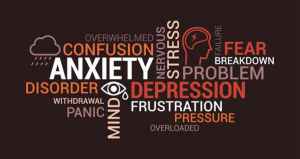
  • Prolonged academic year, uncertainty regarding future creates severe mental stress in students
  • The highest court has taken the matter for urgent hearing considering the severity of the situation
  • Admission to foreign universities will be denied for inability to submit final result on time
  • Students face discrimination as class 10 exams are cancelled due to the same pandemic
  • Several state boards substituting home exams and internal assessment for exams causes unfair treatment of students across different boards
  • Boards of other countries have already cancelled the exams leaving the Indian students at a disadvantage
  • Children who have been infected or lost family members find it difficult to overcome the trauma
  • No discussions with students or parents who are stakeholders
  • Mental health of students is of prime importance
  • Vaccinations still not planned for students
  • Doctors and educationists strongly advise against offline exams
  • Prominent leaders and organisations have written to the PM and education ministry in support of students
  • Lives matter more than exams

The students of different boards have been campaigning on platforms like Twitter and Change.org demanding the cancellation of board exams owing to restrictions and reasons related to Covid conditions existing in the country. The plight of students of class XII especially those belonging to the CBSE board is evident in their tweets as the government plans to go ahead with physical exams during the peak of the pandemic. 2.5 Lakh cases per day is not a small number to be taken lightly.

The student-parent community has come together in an amazingly brilliant manner to address the issue during a lockdown-like situation when meeting each other is impossible. The petition in Change.org has gained the support of more than 6 lakh people. The hashtags demanding cancellation of exams have been trending several times in Twitter too. Simultaneously the government held discussions with state officials about the possibilities of conducting exams offline and has shortlisted two options without consultation with student representatives.

However, the children are undergoing extreme stress, agony as well as mental fatigue due to the fear of virus exposure and also lack of quality coaching throughout the year. The question from their side is how can they focus on exams with a clear mind while concentrating on Covid protocols. The students can’t be blamed either for their question if exams are important than their lives.

Quite naturally the kids raise concerns of being discriminated against as class 10 exams have been cancelled and results are being declared based on internal assessment. According to them they merely fail to understand how class XII students are resistant to the virus if class 10 students are not. Parents have also come up in full support of students as they consider sending their wards out of homes is dangerous. The contradictory stand of the government forcing the students out of their homes for the exam itself invites dissent from all quarters as the slogan for the whole nation is ‘Stay at home, Stay safe’

As per the reports, state boards including that of CGBSE, CISCE, UP, Maha, Delhi have already decided to cancel exams and provide home exams or internal assessment procedure to their candidates which would leave CBSE students in a pathetic state due to unfair treatment where they would be left considerably behind in performance with the stressful and newly altered offline exam pattern on short notice when their counterparts give open-book exams. The proposed new pattern of exam is not being much favoured as fresh preparations are required after being in the same class for more than a year.

It is of common knowledge that no institutions can guarantee 100% compliance with Covid protocol which again will contribute to push the kids to the highest exposure to the virus in exam centres. Teachers and staff on exam duty will be drastically affected too. The country has witnessed what happened after the elections and do we need a repetition of that? When the whole world stays at home for safety from infection, these unfortunate people are forced to spend hours in exam centres that might turn to be virus hotspots.

To ensure equal opportunity to all, results can be declared using the internal assessment method or by calculating the average marks of previous year performances of the students without any harm to anyone whatsoever, then why unnecessarily create a risk for the lives of students! The whole aim is to find another amicable way of assessing the knowledge of candidates as ‘pen and paper’ tests cannot be the sole method to declare results at any point of time. Assignments or project work can also be used for evaluation.

A PIL filed in the SC has been accepted for hearing on an urgent basis. Meanwhile, the government is all set to declare the date sheet by May 30. Around 300 students and parents have also written to CJI citing urgent resolution of the issue. Another letter by around 8000 parents has also been sent to CJI separately, says news reports. Experts are also of the opinion that it’s sheer hypocrisy on the side of officials to meet virtually and push children towards offline exams.

The big problem here is when most other countries have cancelled exams in favour of their students India’s stubbornness to hold exams though conditions are not favourable is noticed.

The tentative dates for offline exams are from July to Aug which means the results will be published after a month at the least. This will delay and shorten the first academic year of the courses the students get enrolled into. Many candidates who eyeing foreign universities to secure higher education would be denied admission as they cannot submit their final results on time.

The need of the hour is to ensure the safety, health and lives of children as no exam can be important than the lives of people in the country. Prevention is anyhow better than trying to cure after the damage is done. This is an issue of significance where egos and politics need to be left behind and the whole country has to come forward to take care of its future generation to avert possible complications. The vaccination process not planned for students is another area of concern.

Moreover, protecting the mental and physical well-being of students from deterioration is equally important as physical health. As already mentioned, students are experiencing severe psychological trauma, anxiety and insecurities as a result of the decisions imposed against their collective will arising out of worst circumstances harming their lives and future, even after genuine efforts to cope. Appropriate care should be taken to ensure mental wellness for adolescents and to encourage their growth as clearly thinking citizens.

The matter no doubt is an urgent and national concern hence the huge uproar on behalf of the students and parents to cancel offline board exams and to declare the result using any alternative method this year, which does not require the physical presence of candidates. The student community remains hopeful that the highest organ of the judiciary will take cognizance and intervene to avoid any unpleasant decisions affecting their future.

In a democratic country where there is a government elected by the people, listening to the voices of citizens is most essential. Devoid of political motives, the innocent minds put forth the question to the nation – “Shouldn’t the students have a say in matters involving their future?”