Worried about police brutality abroad, but what about violence that takes place in your own backyard?

Ranchi: The murder of George Floyd by the police has triggered a global movement that raises a voice against police brutality. In India, too, #blacklivesmatter was trending, with everyone from celebrities, social activists to the common man registering their voice and demanding justice. But by the looks of it, the movement has failed to make an impact in India, as we recently witnessed a father-son-duo (Jayaraj-Fenix) being brutally tortured to death in police custody in Tamil Nadu.

The multiple injuries on the bodies indicated the brutality inflicted on them was far worse than what Floyd had to endure while being choked to death. The case also highlights the fact that custodial deaths are a reality in India, to which many choose to turn a blind eye. Sadly, they often even fail to create outrage as in the case of Minhaj Ansari of Jharkhand.

Ansari’s murder is a prime example of police getting away with killing people in custody in India, unlike the four officers in Minneapolis, who have been charged with second-degree murder of George Floyd. The case is now under trial.

Ansari, resident of Jamtara, owner of a mobile repairing shop and a father of an eight-month-old daughter, died in police custody just because he was the admin of a WhatsApp group, in which someone had allegedly shared pictures of beef. For this, he was picked up by the police. Harish Pathak was then the officer of Narayanpur police station. Later, Ansari was brutally beaten up by police and also by the complainant — Sonu Singh, a Bajrang Dal member. Pathak and Singh allegedly assaulted Minhaj in front of his mother too. They mercilessly beat him to so much that Ansari succumbed to his injuries when he was rushed for treatment, just like the father-son duo who died in Tamil Nadu.

However, the injustice did not stop there, after a lot of struggle the family managed to get a murder charge slapped on Pathak, but eventually his suspension order was revoked. The trial against him did not begin and Pathak was able to get a stay on his case. Singh’s name was also erased from the charge-sheet filed by the police.

Four years down the line, the trial is yet to start. However, Pathak has now been posted in a police station which falls in the Chief Minister of Jharkhand, Hemant Soren’s constituency.

police brutality custodial death jharkhand minhaj ansari
The torture marks on the body of Minhaj, before he was buried (file picture)

“My brother was made the admin of a WhatsApp group by his friend, and then one of the members sent the alleged picture of beef to the group. Sonu Singh complained to police about his religious sentiments being hurt. After which the police picked up Minhaj (Ansari) from his house along with several others in the Whatsapp group on October 2, 2016, around 9 pm. Later, all were released by the police barring Minhaj. All those released by police had wounds from being beating on their bodies,” recalled Hazrat Ansari, Minhaj’s brother while talking to eNewsroom.

He paused and then added: “Next morning, when Ammi (Ajhela Bibi) went to visit Minhaj at the police station, she saw both Harish Pathak and Sonu Singh beating Minhaj. When my father and the Mukhiya reached the police station and confronted them, they were abused and sent back.”

An NDTV report had also claimed that when the police had called a press conference, Minhaj was seen slumped against the wall, without much body movement. His face was also covered with a piece of cloth suggesting that he had been subjected to severe beating.

“When police were taking him to Narayanpur from Jamtara, there is a village named Pobia. It was here that he was taken out of the vehicle and handed over to Sonu Singh, who beat him again mercilessly,” alleged the brother.

police brutality custodial death jharkhand minhaj ansari
Autopsy report of Minhaj Ansari, clearly mentions grave external and internal injuries on his body

After Ansari was declared dead in RIMS, Ranchi on October 9, his post-mortem report said there were signs of torture on his body. Doctors had even pointed out that Ansari might not have been fed for long while in police custody.

Ansari’s lawyer accused the police of murdering the young man in connivance with outsiders and then suppressing the victim’s case. “Our case against Pathak was registered on 6 October, 2016, which is four days after Pathak’s FIR against Minhaj. However, with Minhaj dying on 9 October, a departmental inquiry was set up against Pathak. But senior officials who had to start the inquiry did not begin it. They maintained that the department would start the inquiry only when Pathak’s criminal case proceedings ended,” said advocate A Allam while talking to eNewsroom.

“Pathak had registered two cases against Minhaj, one for circulating the beef message and the other against the victim’s family for attacking him. So we initially demanded that the Central Bureau of Investigation (CBI) club all three FIRs and investigate the matter,” said Allam.

In the charge-sheet not only was Sonu Singh’s name removed, but the section 302 (murder) of IPC had been changed to 304 (unintentional murder). “However, in our fight, a supplementary charge-sheet was filed and section 302 of IPC was mentioned in the case,” informed Allam.

The senior lawyer added, “His anticipatory bail was rejected twice by the court. However, six months ago Pathak managed to get a stay in the case.”

When contacted, Jamtara MLA Irfan Ansari, expressed concern and mentioned the Tweets he had posted after Harish Pathak became the Officer In-charge of Barhait police station. “This police officer is a psycho. He does not deserve to be posted anywhere, leave aside the CM constituency. Wherever he has gone, he committed wrong acts, his career is full of misdeed. I have raised this issue and will keep raising it.”

Meanwhile, Minhaj’s father Umar Mia recalled Rajya Sabha MP and JMM President Shibu Soren’s promise. He had promised the old man that he would help him get justice for his son.

eNewsroom tried reaching out to Pathak, but he could not be contacted for a comment.

From Gaza to Tehran: How Western Power Politics Undermines Global Peace

The American-Israeli attack on Iran is cowardly and a betrayal of diplomatic norms and practices. The assassination of the Supreme Leader of Iran, Ayatollah Khomeini, reflects the American establishment’s policy of regime change through killing or abducting leadership. Donald Trump came to power to make America Great Again, but it seems his main concern is to protect the Israeli regime of Netanyahu, who destroyed Gaza and killed thousands of children there. An action of this kind by Russia in Ukraine would have rushed the so-called human rights defenders and hypocritical democracy lovers into singing choruses against Vladimir Putin. Russia can do the same with Ukraine. It can destroy Kyiv, but it has charted a very careful path. Americans, on the other hand, have often been careless about the “rules-based order” they speak so loudly about, along with their European allies. I am sorry to say that the crisis has grown vast due to the shameless surrender of European leadership. They remain deeply hypocritical.

One may not agree with everything about the Iranian regime, but that is a question the Iranian people have to resolve. Why should the West interfere so much in the name of democracy in Iran? How are gender rights defended by killing 150 schoolchildren, all of whom happened to be girls? Why is Iran being targeted? Is there any outrage over the brutal killing of these innocent schoolgirls in Iran?

Selective Outrage and the Politics of Intervention

In this era of American hegemony, Europe appears as a minor partner of American corporate politics. Democracy in the Western world is widely believed to be controlled by the deep state as well as powerful corporate lobbies. They influence the media, information, and narratives. Those who do not surrender to their agenda are targeted. You decide who is evil and who is a saint. They are experts in media propaganda and narrative-setting, as Vladimir Putin has said.

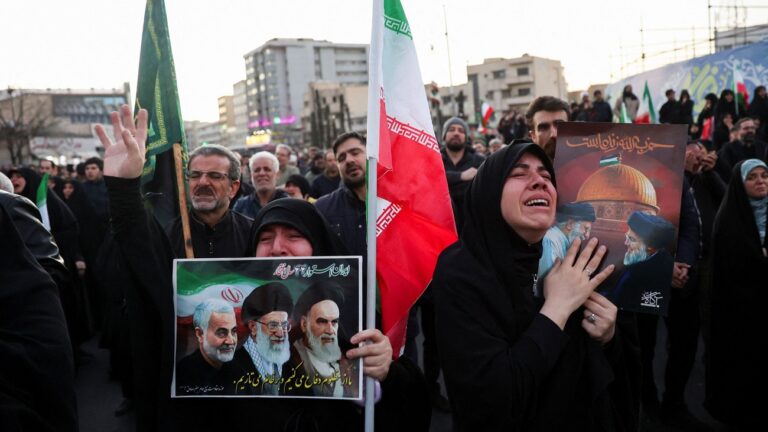
The irony is that the Muslim world itself has become a puppet of these hegemonists. Those who stood looking straight into the eyes of colonial powers were defamed. Popular leadership in Iraq and Libya was eliminated as it challenged American and Western hegemony. Ayatollah Khomeini has become a hero in the Global South, particularly in parts of the Islamic world, for not bowing to the US-led Western imperial order. He paid the price, but with his sacrifice, he united Iran, as can be seen in the massive protests happening not only in Iran but in other parts of the world.

us-israel war on iran global power order crisis India Brics
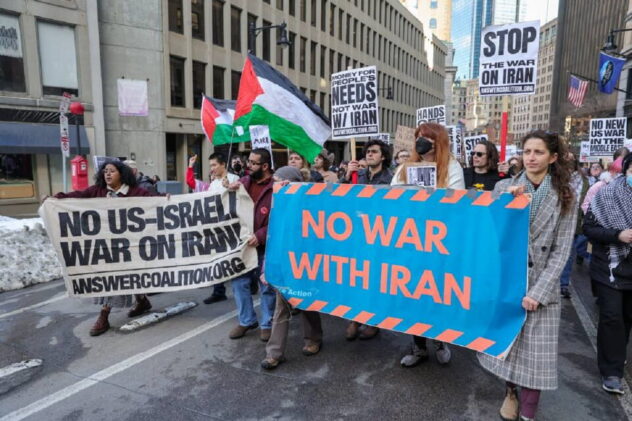
Protest against the US-Israel war on Iran in the United States on February 28 | Courtesy: wgbh.org

The Muslim World, Resistance, and Regime Change

The question is: how can the Western world dictate terms at its whims and fancies? How can one kill anyone without being held accountable? The fact is that Donald Trump’s actions and the failure of European leadership have already isolated them from the rest of the world. Indian leadership remains shamelessly tame in countering and confronting the American-Israeli action against Iran.

Those who shout against Jawaharlal Nehru must remember that, despite Chinese pressure, Nehru allowed the Dalai Lama and other Tibetan refugees into India, gave them respect, and never compromised on the issue until the end. Today’s leadership has betrayed the cause of the Indian people and the Global South. Narendra Modi and his government have not been able to condemn the killing of the head of a sovereign nation that has always been friendly with India and supported it. Because some within the Sangh ecosystem hate Muslims, the Indian foreign policy establishment has allowed itself to be influenced by the street politics of the Sangh Parivar, thereby undermining our independent foreign policy.

India’s Foreign Policy and the Question of Moral Authority

With this act, will India really be able to claim a moral high ground to lead the BRICS nations? Would India prefer to remain in it or distance itself from it? India is going to host the BRICS summit this year, but given its current position, will BRICS leaders trust the present regime? The Indian government has also kept quiet on the issue of Venezuela and Cuba. It tried to play a balancing role in the Russia-Ukraine war. It cannot afford to antagonise Russia, and Russia knows this well. Vladimir Putin’s visit to India was more about signalling his global acceptability to the West than anything else.

The Crisis of Global Leadership and the Future of Multipolarity

We hope good sense will prevail. The UN must revive itself and take on the role of mediating disputes between countries. It is also time for the American people to reflect on why their system continues to betray the public interest. American democracy appears corporate-controlled, and it is time for a real pro-people party that truly represents Indigenous people, African Americans, minorities, and other communities. It is important to have a party outside corporate control that serves the interests of the American people.

The world is at a crossroads, and we need statesmen to handle such a crisis. India needs a Nehru more than ever — someone who commanded huge respect and had the moral authority to lead the Global South. The United States needed a Kennedy to handle matters with care and diplomacy. Sadly, the world’s largest democracies are controlled by crony corporations and leaders who have little understanding of the crisis and are more interested in event management than addressing the serious challenges their countries face.

Let us hope that peace returns. But will it be possible without asking uncomfortable questions about the American-Israeli idea of regime change through killing the heads of sovereign states? As long as Americans and the West enjoy impunity for their actions, there cannot be lasting peace. Will Russia or BRICS take a stand to protect the rights of the Global South?

झारखंड में भाजपा की शहरी जमीन खिसकी: 48 निकायों के नतीजों ने बदला सियासी समीकरण

रांची/कोलकाता: झारखंड में 23 फरवरी को हुए 48 नगर निकायों के चुनाव के परिणाम अब सामने आ चुके हैं। इन नतीजों से एक अहम राजनीतिक संकेत मिला है—राज्य के शहरी इलाकों में भी भाजपा की पकड़ पहले जैसी मजबूत नहीं रह गई है। खासकर बड़े नगर निगमों के परिणामों ने यह दिखाया कि मुकाबला अब एकतरफा नहीं रहा।

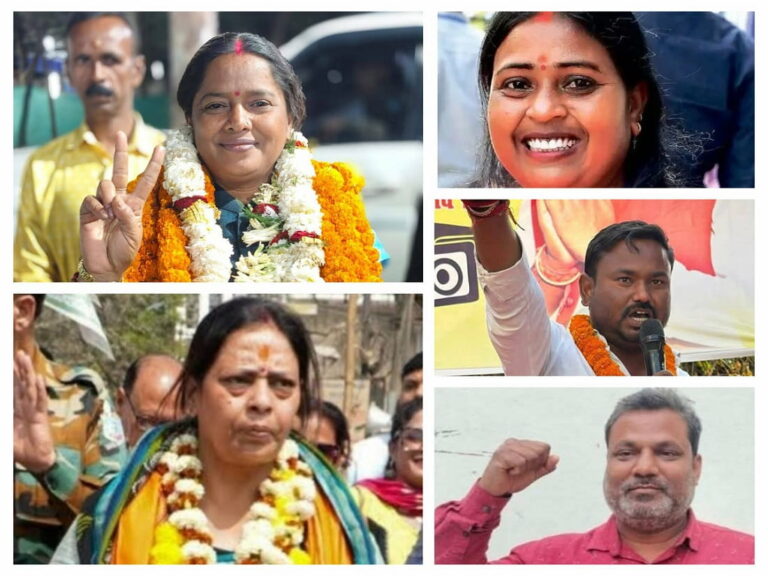
नौ बड़े नगर निगमों में हुए मेयर चुनाव में भाजपा समर्थित उम्मीदवार सिर्फ तीन जगह ही जीत दर्ज कर सके। तीन जगह निर्दलीय उम्मीदवार जीते, दो जगह झामुमो समर्थित और एक जगह कांग्रेस समर्थित उम्मीदवार ने बाजी मारी। यह भी महत्वपूर्ण है कि भाजपा के खिलाफ कोई औपचारिक गठबंधन चुनाव नहीं लड़ रहा था, बल्कि गठबंधन की पार्टियां अलग-अलग मैदान में थीं। इसके बावजूद भाजपा को उम्मीद के मुताबिक सफलता नहीं मिली।

रांची से गिरिडीह तक: बड़े शहरों में भाजपा को झटके

रांची में भाजपा को सफलता जरूर मिली, लेकिन वहां का गणित दिलचस्प रहा। कांग्रेस ने मेयर पद पर अपना उम्मीदवार उतारा था और झामुमो ने भी अलग से प्रत्याशी खड़ा किया। झामुमो उम्मीदवार को मिले वोट भाजपा समर्थित रोशनी खलखो की जीत के अंतर से ज्यादा थे। यानी अगर विपक्ष एकजुट होता, तो नतीजा अलग हो सकता था। इसके बावजूद यह साफ दिखा कि वोटों के बिखराव के बावजूद भाजपा को बड़ी बढ़त नहीं मिल पाई।

गिरिडीह नगर निगम में झामुमो की प्रमिला मेहरा ने भाजपा समर्थित उम्मीदवार को बड़े अंतर से हराया। यहां भाजपा के प्रदेश अध्यक्ष और वरिष्ठ नेता बाबूलाल मरांडी ने खुद कैंप किया था और पार्टी ने डॉक्टर शैलेन्द्र चौधरी को पूरा समर्थन दिया था। लेकिन झामुमो की मजबूत जमीनी पकड़ ने भाजपा की रणनीति पर भारी पड़ी।

राजधनवार (गिरिडीह) में अध्यक्ष पद पर सीपीआई(एमएल) के विनय संध्या लिया की जीत ने भी सबका ध्यान खींचा। भाजपा के पूर्व प्रदेश अध्यक्ष और पूर्व सांसद रवींद्र राय ने वीडियो जारी कर अपील की थी, लेकिन इसके बावजूद भाजपा समर्थित खेमे को सफलता नहीं मिली।

देवघर में भाजपा सांसद निशिकांत दुबे ने पूरी ताकत लगाई थी, फिर भी मेयर पद पर भाजपा को जीत नहीं मिली। यहां रवि रावत मेयर चुने गए और उनकी मां वार्ड पार्षद बनीं। इससे साफ हुआ कि वार्ड स्तर से लेकर मेयर पद तक भाजपा अपने प्रतिद्वंद्वियों को रोकने में सफल नहीं रही।

मानगो, मेदिनीनगर और अन्य शहरों का संदेश

मानगो (जमशेदपुर) में पूर्व मंत्री बन्ना गुप्ता की पत्नी सुधा गुप्ता, जो कांग्रेस समर्थित उम्मीदवार थीं, ने मेयर पद पर जीत दर्ज की। यह खास इसलिए माना जा रहा है क्योंकि विधानसभा चुनाव में बन्ना गुप्ता को हार का सामना करना पड़ा था, लेकिन एक साल के भीतर उनके परिवार की वापसी हो गई।

भाजपा को रांची के अलावा मेदिनीनगर और आदित्यपुर में सफलता मिली। लेकिन हजारीबाग, धनबाद जैसे बड़े शहरों में निर्दलीय उम्मीदवारों ने जीत हासिल की। मधुपुर, जुगसलाई, बेरमो, रामगढ़ और चास जैसे इलाकों में भी भाजपा समर्थित उम्मीदवारों को जीत नहीं मिल सकी।

शहरी वोटर का बदलता रुझान?

राज्य में भाजपा पहले ही दो बार विधानसभा चुनाव हार चुकी है और सत्ता से बाहर है। हालिया लोकसभा चुनाव में भी उसकी सीटें कम हुईं। अब शहरी निकाय चुनाव के नतीजे यह संकेत दे रहे हैं कि शहरों में भी पार्टी की पकड़ कमजोर हो रही है।

चुनाव के बाद यह चर्चा भी रही कि भाजपा ने कई जगह नए और कम अनुभवी चेहरों को टिकट दिया। कई पुराने कार्यकर्ताओं की नाराजगी और बगावत ने भी नुकसान पहुंचाया। वहीं झामुमो ने अपेक्षाकृत मजबूत और स्थानीय स्तर पर सक्रिय उम्मीदवारों को मैदान में उतारा, जिसका फायदा उसे मिला।

भाजपा ने चुनाव प्रचार में राष्ट्रीय मुद्दों, राष्ट्रवाद और ‘जय श्री राम’ जैसे नारों पर ज्यादा जोर दिया, जबकि स्थानीय समस्याओं—पानी, सड़क, सफाई और नगर सेवाओं—पर अपेक्षित ध्यान नहीं दिया गया। विश्लेषकों का मानना है कि शहरी मतदाताओं ने इस बार स्थानीय मुद्दों को प्राथमिकता दी।

बैलट पेपर से चुनाव और बड़ी भागीदारी

इस बार चुनाव ईवीएम की बजाय बैलट पेपर से कराए गए। लंबे समय बाद बैलट पेपर से मतदान हुआ, जिससे कुछ जगह मतगणना में देरी जरूर हुई, लेकिन ज्यादातर उम्मीदवार इस प्रक्रिया से संतुष्ट नजर आए।

करीब 44 लाख मतदाता इस चुनाव में शामिल हुए, जिनमें 21 लाख से ज्यादा महिलाएं थीं। 48 शहरी निकायों में कुल 1087 पदों के लिए मतदान हुआ। महिलाओं की बड़ी भागीदारी भी इन चुनावों की एक अहम विशेषता रही।

कुल मिलाकर, झारखंड के शहरी निकाय चुनावों ने यह संकेत दिया है कि राज्य की राजनीति में मुकाबला अब और ज्यादा खुला हो गया है। भाजपा के लिए यह नतीजे चेतावनी की तरह हैं, जबकि झामुमो, कांग्रेस और निर्दलीयों के लिए यह मनोबल बढ़ाने वाला परिणाम माना जा रहा है। आने वाले समय में इसका असर राज्य की बड़ी राजनीतिक लड़ाइयों पर भी दिख सकता है।

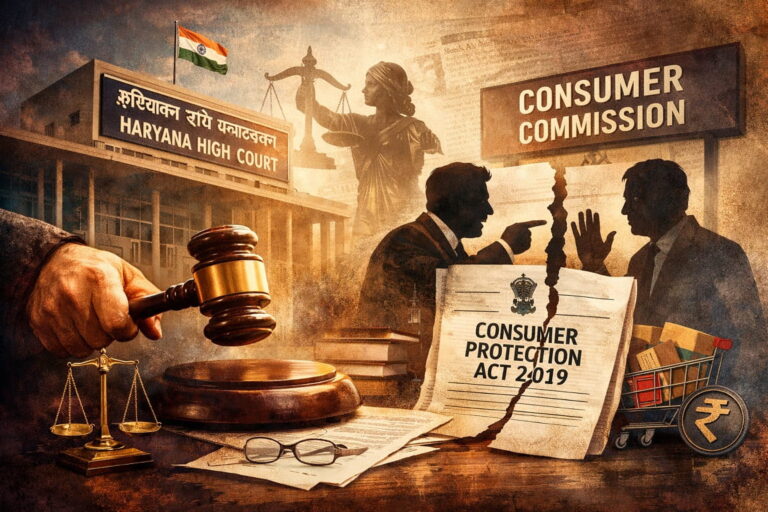
Consumer Protection Act 2019: Haryana High Court Intervention Highlights Gaps in India’s Consumer Justice System

0

The Consumer Protection Act, originally enacted in 1986 to safeguard consumer rights, was significantly amended in 2019. Despite these reforms, consumer awareness in India remains low. The 2019 Act established the Central Consumer Protection Authority (CCPA) along with State and District Consumer Commissions to regulate unfair trade practices, misleading advertisements, and other violations. It also introduced provisions for quicker and more effective redressal through specialised consumer forums.

However, the government’s lack of adequate administrative resources raises serious concerns about the effective implementation of the law. No substantial, research-based reforms have yet been introduced to strengthen the consumer protection framework.

Consumer rights are as vital as the fundamental rights of citizens. Under the Act, manufacturers, service providers, and sellers can be held liable for damages caused by defective goods or deficient services. The law provides for a three-tier quasi-judicial mechanism—District, State, and National Commissions—for dispute resolution through simplified procedures.

The Act empowers regulatory authorities to promote, protect, and enforce consumer rights. These powers include conducting investigations, ordering product recalls, and imposing penalties for misleading advertisements. Importantly, the 2019 Act explicitly includes e-commerce platforms and prescribes fair trade practices for online sellers.

Why Consumer Protection Act 2019 Still Struggles Despite Legal Reforms

The law guarantees six fundamental consumer rights:

Right to Safe Products

Right to Full and Clear Information

Right to Choice

Right to Hearing

Right to Redressal

Right to Consumer Education

Consumer protection includes safeguards against hazardous goods and services. It mandates transparency regarding product quality, quantity, purity, and pricing. Consumers must have access to a variety of goods and services at competitive prices. The Act also provides mechanisms to seek compensation against unfair trade practices and makes consumer awareness promotion a statutory responsibility of the government.

From Right to Safety to Right to Redressal: What Consumers Are Guaranteed by Law

Despite these provisions, India’s consumer protection system remains complex and comparatively less effective than those in many developed countries. Several challenges hinder its efficiency.

Enforcing consumer rights in an increasingly digital marketplace poses a significant difficulty. Strong regulatory mechanisms are essential to prevent exploitation and ensure access to safe and quality goods and services.

According to a survey conducted by the National Consumer Helpline, only 30% of Indians are aware of the Consumer Protection Act, 2019. While the Act has strengthened the legal framework, major gaps persist in the efficiency and accessibility of consumer courts. A study by the Indian Institute of Public Administration found that over 40% of cases in consumer courts take more than a year to be resolved, undermining the objective of timely justice.

Administrative deficiencies, particularly at the State and District Commission levels, along with poor coordination in implementation and monitoring, further weaken the system in many states.

To ensure that consumer rights are practical and not merely theoretical, reforms are urgently needed. These may include streamlining case management systems, increasing the number of consumer courts, and providing better training to judicial officers to handle complex disputes. The legal framework must also evolve to address challenges posed by e-commerce, such as online fraud, counterfeit products, and data privacy concerns.

Justice TPS Mann vs Haryana Government: Battle Over Consumer Commission Autonomy

The situation in Haryana illustrates the structural tensions within the system.

In August 2025, the Punjab and Haryana High Court intervened in a dispute between the Haryana State Consumer Commission and the state government. The court stayed certain state government orders allegedly issued against the Commission’s decisions.

The intervention followed a petition filed by the Commission’s Chairman, former High Court judge Justice TPS Mann, who accused the government of day-to-day interference in the Commission’s functioning. Justice Mann argued that such interference paralysed operations, encouraged employees to disregard lawful instructions, and weakened the institution’s independence. Senior officials reportedly described the interference as “illegal and beyond jurisdiction.”

Justice Mann, appointed Chairman on December 29, 2018, maintained that under Section 70 of the Consumer Protection Act, he is the administrative head of the State and District Commissions.

According to the petition filed before the High Court, the Principal Secretary of the Food, Civil Supplies and Consumer Protection Department had been encroaching upon the Commission’s jurisdiction for several months. The allegations include interference in transfers, disciplinary proceedings, and administrative decisions concerning appointments and postings.

Transfers, Suspensions and Jurisdiction: Inside the Haryana Consumer Commission Dispute

Several incidents have further intensified the controversy.

In one case, a Superintendent of the State Commission allegedly misbehaved with the Chairman. His transfer to the Yamunanagar Commission on charges of misconduct was reportedly halted by the Principal Secretary, and the disciplinary inquiry was suspended.

In another instance, a member of the District Consumer Forum in Panipat was transferred to Jind, but the transfer was reversed by the Principal Secretary on the grounds that it exceeded the Commission’s authority.

A letter dated March 6, 2019, from the Chief Secretary of Haryana clarified that the state government does not have authority over the Commission’s administrative and judicial proceedings. Despite this clarification, disputes have continued.

Former Additional Sessions Judge Gulab Singh, President of the Yamunanagar District Consumer Forum, also approached the Punjab and Haryana High Court seeking a transfer to Fatehabad. The matter has since escalated through judicial proceedings, and related issues are reportedly pending before higher courts.

Can Supreme Court Intervention Rescue India’s Consumer Protection System?

The final clarity on the Commission’s composition, jurisdiction, and the extent of government control is likely to emerge from the Supreme Court’s interpretation of the Consumer Protection Act, 2019. Such judicial guidance could significantly strengthen the institutional independence and effectiveness of consumer forums.

The Haryana government must address these issues seriously to ensure that consumer rights are meaningfully protected and that redressal mechanisms function efficiently.

If implemented properly, new consumer protection policies in Haryana could mark a turning point and set an example for other states. However, without administrative autonomy, institutional coordination, and resource allocation, even the strongest legal framework risks remaining ineffective.

SIR Row Intensifies in Kolkata as Activists Flag Voter Deletion Fears

0

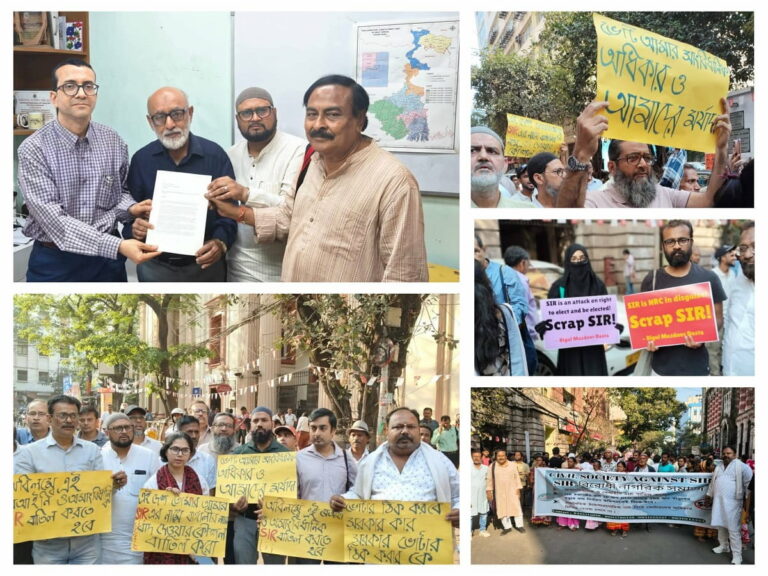
Kolkata: Two days before the publication of the final draft of the voter list following the Special Intensive Revision (SIR), Kolkata witnessed a strong show of dissent. On February 26, Civil Society Against SIR organised a public demonstration in the heart of the city, demanding that the exercise be scrapped, calling it “unconstitutional, inhuman and a threat to genuine voters.”

The protest comes amid legal developments, with the Supreme Court directing that a supplementary list be released along with the final draft of the revised electoral roll. However, activists claim that there is still no clarity on the timeline for the publication of the supplementary list, creating uncertainty among voters ahead of the final draft release.

Activists, students, hawkers’ representatives and concerned citizens gathered in front of the Tea Board in central Kolkata, holding placards and raising slogans against what they described as an arbitrary and exclusionary process. Protesters alleged that the SIR drive has created fear among ordinary voters, particularly marginalised communities, and risks wrongful deletions from the electoral rolls.

After brief speeches, the gathering marched peacefully towards the office of the Chief Electoral Officer (CEO), West Bengal, under police escort. A three-member delegation—Shaktiman Ghosh, head of the Hawkers Sangram Committee, Manzar Jameel, and Md. Rafay Mahmood Siddiqui—was allowed to meet Additional CEO Arindam Niyogi and submit a memorandum outlining their objections and demands.

According to members of the delegation, the Additional CEO gave them a patient hearing and assured that their concerns would be forwarded to higher authorities. The protest concluded without any untoward incident.

Concerns Over Form 7 and Voter Harassment

During the meeting, Rafay Siddiqui raised specific concerns regarding alleged discrepancies in Form 7, the form used to object to a name on the electoral roll. He claimed that under the current process, “unknown senders” can file objections declaring individuals as non-citizens, following which the Election Commission issues notices to those voters. Activists argue that such provisions can be misused to harass genuine citizens and create an atmosphere of suspicion.

Manzar Jameel, speaking after the meeting, struck a sharper tone. He alleged that more than 134 SIR-related workers and voters have died in Bengal in recent months, linking the figure to stress and anxiety caused by the revision process. He further accused the Election Commission of acting under political pressure, claiming that the exercise benefits the BJP. These allegations, however, have not been officially responded to by the Commission.

Civil Society Against SIR has maintained that the revision process is not only unnecessary but also burdensome for citizens already grappling with economic challenges. Members argue that repeated document verification, public notices and objections disproportionately affect daily wage earners, migrant workers and elderly voters.

Democracy, Accountability and Public Discourse

The February 26 rally followed a press conference held on February 23 at the Kolkata Press Club, where several social activists criticised the SIR process as a drain on public funds and an avoidable exercise in what they called the world’s largest democracy. Speakers argued that democratic legitimacy rests not merely on periodic elections but on transparency, accountability and informed public debate.

Academic Himadri Mukherjee, said during the rally that institutions are human creations and therefore subject to scrutiny. “No parliament, no office, no authority is beyond accountability,” adding that democracy thrives on rational, accessible and fearless public discourse.

As the final draft of the revised voter list approaches, Civil Society Against SIR has vowed to continue its campaign. “Our fight to save genuine voters will continue,” members said, signalling that the debate over the SIR process is far from over in West Bengal.

झारखंड म्युनिसिपल चुनाव 2026: क्या शहरों में भी कमजोर पड़ रही है भाजपा की पकड़?

झारखंड से लौटकर: झारखंड का म्युनिसिपल चुनाव 2026 राज्य की राजनीति में अहम मोड़ साबित हो सकता है। अब तक आम धारणा रही है कि शहरी इलाकों में भारतीय जनता पार्टी की मजबूत पकड़ है और नगर निकाय चुनावों में उसे बढ़त मिलती है। लेकिन इस बार कई शहरों से आ रहे रुझान अलग कहानी बयान कर रहे हैं।

हालांकि चुनाव औपचारिक रूप से पार्टी बेसिस पर नहीं था, फिर भी ज़मीनी स्तर पर लगभग सभी प्रमुख दल खुले तौर पर मैदान में दिखे। ऐसे में नतीजों को दलों से अलग करके देखना मुश्किल होगा।

पार्टी बेसिस नहीं, फिर भी खुलकर मैदान में भाजपा-झामुमो

इस बार का चुनाव गैर-पार्टी आधार पर हुआ, लेकिन हकीकत यह रही कि झामुमो, भाजपा, कांग्रेस और वाम दलों ने खुलकर अपने-अपने समर्थित उम्मीदवारों के पक्ष में प्रचार किया।

भाजपा समर्थित उम्मीदवारों के कार्यक्रमों में भगवा झंडे, नारों और वरिष्ठ नेताओं की मौजूदगी साफ दिखाई दी। दूसरी ओर झामुमो ने भी अपने संगठन और मंत्रियों के जरिए उम्मीदवारों को पूरा समर्थन दिया।

ऐसे में अगर भाजपा समर्थित उम्मीदवार हारते हैं, तो यह कहना मुश्किल होगा कि यह केवल ‘व्यक्तिगत’ हार है।

झारखंड में 48 शहरी निकायों में चुनाव हुए हैं। लगभग हर जगह झामुमो भाजपा को कड़ी टक्कर देती दिख रही है। यह टक्कर कई सीटों पर जीत में भी बदल सकती है।

गिरिडीह में सीधी टक्कर—प्रमिला मेहरा बनाम डॉ. शैलेंद्र चौधरी

गिरिडीह नगर निगम के मेयर चुनाव ने सबसे ज्यादा ध्यान खींचा है। यहां झामुमो की प्रमिला मेहरा और भाजपा समर्थित डॉ. शैलेंद्र चौधरी के बीच सीधा मुकाबला है।

डॉ. चौधरी के समर्थन में भाजपा के वरिष्ठ नेता बाबूलाल मरांडी ने मीटिंग्स कीं। प्रचार में भगवा रंग और ‘जय श्री राम’ के नारे प्रमुखता से दिखे।

दूसरी ओर झामुमो ने प्रमिला मेहरा के लिए संगठनात्मक ताकत झोंक दी। स्थानीय स्तर पर मिल रहे संकेत बताते हैं कि मुकाबला कड़ा है और भाजपा के लिए राह आसान नहीं दिख रही।

राजधनवार में विनय संथालिया मजबूत, CPI(ML) समर्थित उम्मीदवार

राजधनवार सीट पर स्थिति और भी दिलचस्प है। यहां भाजपा के पूर्व सांसद रविंद्र राय ने वीडियो जारी कर विनय संथालिया को हराने की अपील की और पार्टी का नाम लेकर वोट देने की बात कही।

इसके बावजूद विनय संथालिया को मजबूत बताया जा रहा है।

अगर यहां भाजपा समर्थित रणनीति असर नहीं दिखा पाती, तो यह स्थानीय समीकरणों पर बड़ा सवाल खड़ा करेगा।

चतरा, मानगो, मधुपुर, जुगसलाई—शहरी किले में सेंध के संकेत

चतरा से मिल रहे रुझान भी भाजपा के पक्ष में स्पष्ट नहीं हैं।

जमशेदपुर के मानगो में पूर्व मंत्री बन्ना गुप्ता की पत्नी मैदान में हैं और उन्हें कांग्रेस का समर्थन प्राप्त है, मजबूत स्थिति में बताई जा रही हैं। मधुपुर और जुगसलाई जैसे इलाकों में भी भाजपा के लिए जीत आसान नहीं दिख रही।

यदि इन क्षेत्रों में भाजपा पिछड़ती है, तो ‘शहरी पार्टी’ की उसकी पहचान को चुनौती मिल सकती है।

रांची और धनबाद में तस्वीर धुंधली, सस्पेंस बरकरार

राजधानी रांची में अभी स्थिति स्पष्ट नहीं है। यहां झामुमो समर्थित उम्मीदवार आगे रहेंगे या भाजपा समर्थित, इस पर अंतिम तस्वीर सामने नहीं आई है।

इसी तरह धनबाद में भी मुकाबला बेहद कड़ा माना जा रहा है। दोनों प्रमुख दलों के समर्थक अपनी-अपनी जीत का दावा कर रहे हैं, लेकिन जमीनी रुझान मिश्रित संकेत दे रहे हैं।

इन दोनों शहरों के नतीजे पूरे राज्य के राजनीतिक संदेश को प्रभावित कर सकते हैं।

टिकट चयन, असंतोष और UGC बिल—क्या भाजपा को भारी पड़ रहा समीकरण?

भाजपा के सामने इस बार संगठनात्मक असंतोष भी चुनौती बनता दिख रहा है। गिरिडीह जैसे उदाहरणों में अपेक्षाकृत नए चेहरों को प्राथमिकता दिए जाने से पुराने कार्यकर्ताओं में नाराजगी सामने आई। कुछ स्थानों पर बागी उम्मीदवारों के मैदान में उतरने से कोर वोट में बंटवारे की आशंका जताई जा रही है।

साथ ही UGC बिल को लेकर फॉरवर्ड कास्ट के एक हिस्से में नाराजगी की चर्चा है। बिल के बाद यह झारखंड में पहला बड़ा चुनाव है, इसलिए इसके प्रभाव को भी नजरअंदाज नहीं किया जा सकता।

दूसरी ओर झामुमो ने अपेक्षाकृत जमीनी और पुराने कार्यकर्ताओं को प्राथमिकता दी, जिससे उसका पारंपरिक वोटबैंक एकजुट दिखाई दे रहा है—ठीक वैसे ही जैसे पिछले विधानसभा चुनाव में देखने को मिला था।

अब 27 तारीख को घोषित होने वाले नतीजे यह तय करेंगे कि शहरी मतदाता किस दिशा में रुख कर रहे हैं—और क्या झारखंड की राजनीति में शहरों का समीकरण सचमुच बदल रहा है।

म्युनिसिपल चुनाव 2026: कौन हैं शिवम आजाद? राजनीतिक संरक्षण पर उठे सवाल

गिरिडीह। गिरिडीह जिले में चुनावी हिंसा नई बात नहीं रही है। लेकिन अब तक यह हिंसा मुख्यतः नक्सली प्रभाव वाले ग्रामीण इलाकों तक सीमित मानी जाती थी। शहरी क्षेत्रों, खासकर गिरिडीह शहर, को अपेक्षाकृत शांत माना जाता रहा है।

मगर 2026 के म्युनिसिपल चुनाव में वार्ड नंबर 18 में हुई फायरिंग की घटना ने इस धारणा को तोड़ दिया है। गोलियां चलने से दो लोग घायल हो गए और शहर का इलाका भी अब चुनावी हिंसा से अछूता नहीं रहा।

इस घटना के बाद सबसे बड़ा सवाल जिस नाम के इर्द-गिर्द घूम रहा है, वह है शिवम श्रीवास्तव उर्फ शिवम आजाद।

कौन हैं शिवम आजाद?

शिवम श्रीवास्तव उर्फ आजाद गिरिडीह नगर निगम के पूर्व वार्ड पार्षद रहे हैं। उनकी मां भी वार्ड नंबर 18 से पार्षद रह चुकी हैं और इस बार भी चुनाव मैदान में थीं।

स्थानीय स्तर पर शिवम का नाम लंबे समय से विवादों से जुड़ता रहा है। बस स्टैंड क्षेत्र में उनका कारोबार बताया जाता है, जहां ठेकेदारी से लेकर अन्य गतिविधियों में उनकी सक्रियता की चर्चा होती रही है। आरोप यह भी हैं कि अवैध शराब कारोबार से भी उनका नाम जोड़ा जाता रहा है।

अगर पिछले वर्षों की खबरों को देखा जाए तो कई हिंदी अखबारों में शिवम से जुड़े मामलों का जिक्र मिलता है—कहीं शराब कारोबार में संलिप्तता का आरोप, तो कहीं तड़ीपार होने के बाद गिरफ्तारी की खबरें।

सूत्रों के अनुसार उनके खिलाफ विभिन्न धाराओं में मामले दर्ज हैं। उन पर सीसी एक्ट लगाए जाने और अंतरराज्यीय शराब तस्करी से जुड़े केस का भी उल्लेख सामने आता रहा है।

भाजपा से झामुमो तक का सफर

शिवम आजाद की राजनीतिक यात्रा भी चर्चा में है। वे पहले भारतीय जनता पार्टी से जुड़े रहें हैं। लेकिन 2024 के विधानसभा चुनाव से ठीक पहले उन्होंने झारखंड मुक्ति मोर्चा (झामुमो) का दामन थाम लिया।

स्थानीय राजनीतिक विश्लेषकों का मानना है कि इस तरह की छवि वाले लोगों का सत्ता के करीब पहुंचना प्रशासनिक सख्ती को प्रभावित करता है। आमतौर पर चुनाव के दौरान आपराधिक पृष्ठभूमि वाले लोगों पर नजर रखी जाती है, हथियार जब्त किए जाते हैं और जरूरत पड़ने पर गिरफ्तारी भी होती है।

प्रशासन पर उठते सवाल

हालांकि, वार्ड 18 फायरिंग मामले में कार्रवाई करते हुए टाउन थाना प्रभारी को भी निलंबित कर दिया गया है।

पर घटना के 24 घंटे बाद तक गिरफ्तारी नहीं होने को लेकर जिला प्रशासन पर सवाल उठ रहे हैं। स्थानीय लोगों का आरोप है कि प्रशासन न सिर्फ घटना रोकने में विफल रहा, बल्कि कार्रवाई में भी ढिलाई बरत रहा है।

यह भी आरोप सामने आ रहे हैं कि कुछ उच्च अधिकारी लोगों को मामले को “ज्यादा तूल नहीं देने” की चेतावनी दे रहे हैं। हालांकि प्रशासन की ओर से इन आरोपों पर आधिकारिक प्रतिक्रिया नहीं आई है।

गौरतलब है कि गिरिडीह का शहरी इलाका अब तक इस तरह की गोलीबारी से अपेक्षाकृत सुरक्षित माना जाता था। ऐसे में यह घटना कानून-व्यवस्था पर गंभीर सवाल खड़े कर रही है।

झामुमो की कार्रवाई

घटना के बाद झारखंड मुक्ति मोर्चा ने त्वरित कदम उठाते हुए शिवम आजाद को प्राथमिक सदस्यता से निष्कासित कर दिया है। साथ ही केंद्रीय कमेटी को उनके निलंबन के लिए पत्र भेजा गया है।

राजनीतिक रूप से यह संदेश देने की कोशिश मानी जा रही है कि पार्टी कानून-व्यवस्था के मुद्दे पर समझौता नहीं करेगी। हालांकि यह देखना बाकी है कि प्रशासनिक स्तर पर कितनी ठोस कार्रवाई होती है।

पहले भी विवादों में रहा नाम

शिवम आजाद का नाम इससे पहले भी मारपीट और अन्य मामलों में सामने आ चुका है। दिसंबर में भी एक मारपीट की घटना में उनका नाम चर्चा में आया था।

इस बार उनकी मां सरिता श्रीवास्तव का कहना है कि शिवम पर हमला हुआ था। हालांकि अब तक सामने आए अधिकांश मामलों में शिवम खुद आरोपों के घेरे में रहे हैं।

स्थानीय नागरिकों का कहना है कि वर्षों से मामलों का सामना करने के बावजूद उनका प्रभाव बना रहना यह संकेत देता है कि उन्हें राजनीतिक संरक्षण हासिल था। यही कारण हो सकता है कि उन्हें कानून से ऊपर होने का एहसास हुआ हो।

आगे क्या?

अब निगाहें जिला प्रशासन की कार्रवाई पर टिकी हैं। क्या आरोपियों की गिरफ्तारी होगी? क्या घायल दो लोगों का समुचित इलाज सुनिश्चित किया जाएगा? और क्या भविष्य में चुनावी हिंसा को रोकने के लिए ठोस कदम उठाए जाएंगे?

गिरिडीह जैसे जिले, जो अब तक शहरी स्तर पर अपेक्षाकृत शांत माना जाता रहा है, वहां हुई यह घटना आने वाले दिनों में शहर की राजनीति और प्रशासनिक साख—दोनों को प्रभावित कर सकती है।

प्रशासन की कार्रवाई ही शहर का मिजाज तय करेगी कि यह घटना एक अपवाद बनकर रह जाएगी या आने वाले समय की नई प्रवृत्ति का संकेत साबित होगी।

शिवम आज़ाद ने एक वीडियो जारी कर ट्रांसपोर्टर राजू खान पर चुनावी हिंसा कराने का आरोप लगाया है।

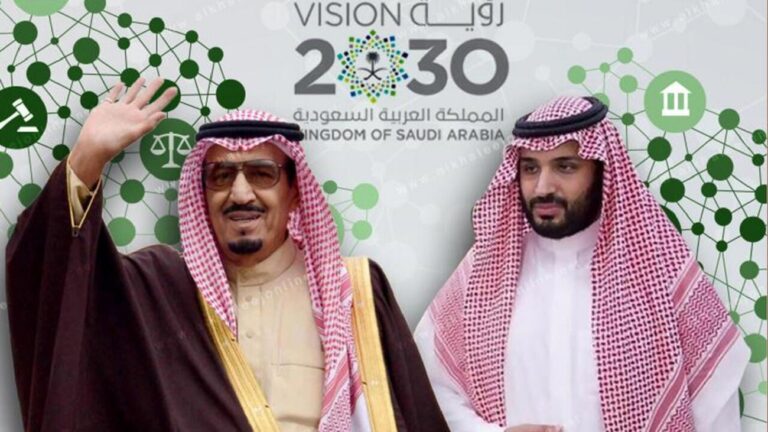
Saudi Arabia’s Founding Day: A Three-Centuries Legacy, a New National Narrative, and the Path to Vision 2030

The history of nations is not merely dusty records of bygone events; rather, it provides the intellectual and political foundation upon which their bright futures are constructed. The most important country of the West Asian region and in particular of the Arabian Peninsula, the Kingdom of Saudi Arabia—formally established in 1932—carries a magnificent historical legacy spanning three centuries. In the long evolutionary journey and historical struggle of this Kingdom, certain days hold such pivotal importance that their echoes are heard throughout its entire history, shaping the country’s identity.

Interestingly, until the year 2022, only three official public holidays were observed in Saudi Arabia. Two of these were associated with religious festivals (Eid al-Fitr and Eid al-Adha), while one holiday of a national nature was celebrated as the ‘Saudi National Day’. However, in 2022, through a historic royal decree by the Custodian of the Two Holy Mosques, King Salman bin Abdulaziz, February 22 was added as ‘Founding Day’, and then in 2023, March 11 was added as ‘Flag Day’, introducing a new dimension to the Kingdom’s national narrative.

Today is February 22, and for the past five years, the Kingdom of Saudi Arabia has been celebrating its ‘Founding Day’ with elaborate festivities and a deep sense of national pride. This year is actually Saudi Arabia’s 300th Founding Day, commemorating the historic day of 22nd February in 1727 when Imam Muhammad bin Saud (1687–1765) took charge of the emirate of Diriyah, planting the seeds of the first Saudi state. Although this event is three centuries old, its official commemoration only kicked off after the royal decree of January 27, 2022. Prior to this, the only national day celebrated at the state level was the ‘Saudi National Day’ on September 23, commemorating the unification and formal establishment of the modern Saudi state in 1932 under the leadership of King Abdulaziz (1876–1953).(The formal observance of the National Day did not begin itself immediately after 1932 either; rather, the tradition of celebrating it officially started only in 1965 during the era of King Faisal (1906–1975), and it was first granted the status of a public holiday in 2005 during the reign of King Abdullah [1924–2014]).

Regarding the historical narrative before 2022, a traditional viewpoint prevailed among historians and international relations experts that the establishment of the First Saudi State occurred in 1744 (1157 AH), when the ‘Charter of Diriyah’ was agreed upon between Imam Muhammad bin Saud (1687–1765) and the renowned religious reformer Sheikh Muhammad bin Abdul Wahhab (1703–1792).This was an ideological alliance that provided religious legitimacy to the House of Saud and paved the way for their future conquests across the Arabian Peninsula. However, in the official narrative following 2022, 1727 was deliberately prioritized to establish the state’s history of origins as a full 300 years deep. The purpose of this shift is to highlight the independent political leadership of the House of Saud and downplay the centrality of the ideological and religious alliance, aligning perfectly with the current leadership’s efforts toward a modern national identity under ‘Vision 2030’.

The 300th Founding Day of Saudi Arabia celebrated today commemorates that crucial historical turning point when Imam Muhammad bin Saud united the scattered Arab tribes under one political banner and laid the foundation of the First Saudi State. On the other hand, the “National Day” celebrated on September 23 is the fruit of the great struggle initiated by King Abdulaziz bin Abdul Rahman Al Saud (Ibn Saud), who in 1932 united the fragmented political and administrative units of the Arabian Peninsula, naming it the “Kingdom of Saudi Arabia”.

Put simply, while Founding Day is a symbol of the state’s longevity and deep roots, National Day is the mark of the modern kingdom’s cohesion and strength. Today, as Saudi Arabia scales new heights of progress under “Vision 2030,” the primary purpose of celebrating these days is to make the new generation realize that their country is not a temporary structure built on shifting sands, but the result of three centuries of resilience, sacrifice, and visionary leadership. King Salman’s decision in 2022 was not merely the addition of another holiday to the Saudi calendar; it was a highly bold and strategic step to redefine Saudi Arabia’s historical lens, its state narrative framework, and its future direction under Vision 2030.

In the following paragraphs, we will examine in greater detail why Saudi Arabia decided to trace its history back to 1727 instead of 1744, what objectives the current leadership aims to achieve through these steps, and why this tricentennial Saudi legacy matters in our modern era.

Pre-1727 Arabia: An Era of Chaos and Anarchy

To understand the significance of the establishment of the First Saudi State in 1727, it is essential to look at the conditions of the Arabian Peninsula during that era. In the early 18th century, the Arabian Peninsula, and particularly the central region of Nejd, lacked any unified authority. Tribes and modest city-states were constantly at war with one another for control over vital resources like water, pastures, and caravan paths.

According to the famous Saudi historian Uthman bin Bishr (1796–1873), Najd during this period faced not only intertribal feuds but also severe environmental and economic woes that had devastated the region. In 1716, a famine struck the towns near Diriyah, severe droughts occurred in 1724 and 1725, and in 1726, a horrific plague spread, leaving many settlements deserted. The city of Diriyah itself suffered from internal rivalries and was divided into two main factions: ‘Ghusaybah’ (dominated by the Rabiah clan) and ‘Al-Mulaybid’ (base of the Muqrin family). (The Al Saud family originates from the Muqrin family; the father of Al Saud’s founder Muhammad bin Saud was Saud bin Muhammad bin Muqrin). In this atmosphere of pervasive hopelessness and vulnerability, there was a need for leadership that could unite the region.

1727: The Rise of Imam Muhammad bin Saud and a Nascent State

February 22, 1727, the date when Imam Muhammad bin Saud took over the emirate of Diriyah, proved to be a major turning point in the history of the Arabian Peninsula. Breaking from the mold of nomadic warlords, Imam Muhammad bin Saud began to think like an organized ruler and governed the region with structure and foresight. His very first achievement was transforming the divided areas of Diriyah into a strong and unified city.

Imam Muhammad bin Saud’s rule was not based merely on force; rather, he pioneered a new “Social Contract” that historians term it as “Consensual Authority”. He convinced his people, neighbouring towns, and tribes that unity and peace, rather than constant warfare, were in everyone’s interest. He secured the routes for trade caravans and pilgrims, bringing economic stability to the region. Furthermore, he set up a ‘Bait-ul-Mal’ (public treasury), through which Zakat and taxes were collected and spent for the needy, education, and community welfare, thereby breaking the old, oppressive economic monopolies.

The Shift in Historical Narrative: Why 1727 Instead of 1744?

This is the most fascinating and crucial aspect of this entire discourse. For generations, it was taught and understood both inside and outside Saudi Arabia that the First Saudi State began in 1744. 1744 is the year when Imam Muhammad bin Saud granted refuge to the famous religious reformer Sheikh Muhammad bin Abdul Wahhab in Diriyah, and a historic agreement (known as the Charter of Diriyah) was forged between them. This framing cast the Saudi state as essentially a byproduct of “Wahhabism.”

However, today’s Saudi leadership and contemporary Saudi scholars deem this narrative ¸as historically flawed or an incomplete truth. According to Dr. Khalid Al-Dakhil, a prominent Saudi Assistant Professor of Political Sociology currently at King Saud University, reducing the history of the Saudi state to a mere religious movement or a “war against polytheism (Shirk)” diminished the stature of the state itself.

The purpose of rewinding the history from 1744 to 1727 is to highlight the significance of those initial 17 years, which earlier historians like Ibn Ghannam (1739–1811) and Ibn Bishr (1796–1873) had overlooked out of religious devotion. The new narrative establishes that when Sheikh Muhammad bin Abdul Wahhab arrived in Diriyah, a stable, thriving, economically prosperous, and politically and militarily independent state already existed there, having been founded in 1727. Therefore, the political legitimacy of the state is not dependent on any specific religious doctrine, but is founded upon the political acumen, governance, and tribe-unifying capabilities of the House of Saud.
diriyah 1727 to saudi vision 2030 journey

Crown Prince Mohammed bin Salman, Vision 2030, and the State’s New Blueprint

The Founding Day’s refreshed concept is directly linked to the broader objectives of Crown Prince Mohammed bin Salman’s sweeping ‘Vision 2030’agenda,which seeks to transition Saudi Arabia from an oil-dependent economy into a diversified, vibrant, and forward-looking society. Achieving this goal required major reforms at the social and cultural levels.

In the past, the 1744 storyline provided the religious elite (Ulema) and the religious police with immense justification to interfere in every affair of the Kingdom. To curtail this conservative religious grip (which he also tied to post-1979 extremism and radicalism in a lengthy 2022 interview with ‘The Atlantic’ magazine), Mohammed bin Salman has steered the state back toward its original “political and national foundations.” Through Founding Day, the current leadership is sending a message to the Saudi nationals that their identity is not the product of a Wahhabi religious militia called Al-Ikhwan or any other hardline religious ideologies, but is based on citizenship, the rule of law, and a social contract that exists between the state and the people. This day is a symbol of national unity, bringing all citizens together under one flag, transcending their regional, tribal, or sectarian differences.

Global Reach of the New Narrative and Harnessing Soft Power

The Saudi leadership is wielding this 300-year saga to amplify the kingdom’s soft power worldwide. Western media and policymakers often sarcastically describe the Gulf states including the Kingdom of Saudi Arabia as “artificial creations from the lines drawn by Britain and France under the ‘Sykes-Picot Agreement’ after World War I” or as “countries built overnight by oil wealth.”

Pointing to year 1727 reminds the world that the Saudi state had already emerged as a sovereign and independent political entity even before the United States (founded in 1776) and the French Revolution (1789).Saudi Arabia possesses a magnificent, indigenous, and purely Arab history of state-building, rise and fall, and survival. The Saudi Kingdom was established three times: The First State (1727 – 1818) was destroyed by Ottoman and Egyptian invasions. The Second State (1824 – 1891) collapsed due to internal strife. The Third, current state was established in 1902 by King Abdulaziz and continues to stand strong today.

This continuity and resilience prove that this state is not merely built the bases of a few lines drawn on a map by Europe and abundant oil wealth, but stands on a strong national spirit, astute leadership, and resolute public support. In the realm of cultural diplomacy, Founding Day has transformed Saudi Arabia’s historical sites, particularly the ‘At-Turaif‘ district in Diriyah (designated a UNESCO World Heritage site in 2010), into a global tourist hub. Mega-projects worth billions of dollars by the government, such as the “Diriyah Gate,” reflect that culture and heritage are now the new fuel for the Saudi economy and identity.

Significance in the Arab and Muslim Spheres

This evolving narrative also holds deep significance in the Arab and Muslim world. For a long time, the legitimacy of Saudi Arabia’s leadership was based solely on its custodianship of the Two Holy Mosques (religious legitimacy) and petrodollars (financial support for religious causes). Founding Day adds a new dimension to this, which can be termed “civilizational and historical legitimacy.”

This sends a message to other powerful countries in the region that Saudi Arabia is not a new player; rather, its political structure has centuries-old roots, which had no alliance with the Ottomans nor backing from Western colonial powers. This serves as a compelling argument that the foundations of the Saudi state are purely indigenous.

Simultaneously, this process of separating the state from Wahhabism is being viewed as a positive development by the international community and among Muslims. This is helping Saudi Arabia present itself as a modern and tolerant state that, free from the stigmas of extremism, is leading its citizens toward art, culture, entertainment, and a bright future. Since Saudi Arabia rightfully holds the position of a leading centre of the Muslim Ummah globally, the impacts of adopting flexibility, tolerance, and ‘Moderate Islam’ in its state narrative will inevitably influence other Muslim countries as well. As a result of this intellectual shift, far-reaching and positive effects will also be seen in the social and political attitudes of Muslims worldwide in general, and Indian Muslims in particular.

How 1727 Reframes Saudi Arabia’s National Identity

Saudi Arabia’s celebration of Founding Day on February 22 is not merely a historical festivity, but an act of a nation rediscovering itself. This is the story of a kingdom that braved the darkest and most difficult periods of history, rose again from the ashes after destruction, and is today prepared to walk shoulder to shoulder with the modern world. King Salman and Crown Prince Mohammed bin Salman’s revival of the 1727 date is actually the fulfilment of the Vision 2030 dream, which aims to make Saudi Arabia a country whose roots are deep in its soil and culture, but whose branches touch the heights of the sky. This narrative clarifies that the true secret of Saudi Arabia’s strength lies not in its oil wells, but in the courage of its people, the political acumen of its rulers, and its glorious three-hundred-year history.


Ramzan Charity Oversight Raises Larger Questions About Equality Before Law and Selective Scrutiny

0

A recent report in NDTV quoted Omar Abdullah defending an administrative order in Jammu and Kashmir regulating the collection of charity during Ramzan, and the development has prompted a debate that extends far beyond one district or one month. Some have characterised the measure as unnecessary interference in religious practice, while others have welcomed it as a corrective step towards accountability in faith-based giving. My own position cannot be reduced to either reaction, because I support transparency in religious charity, yet I remain wary when reform appears to be applied selectively or disproportionately.

Personal Lessons on Charity and Due Diligence

My support for regulation is grounded in personal experience rather than abstract theory. A few years ago, individuals approached us claiming to be reverts to Islam who had allegedly been ostracised by their families and left without financial support, and their account was sufficiently compelling to move us into action. With sincerity and urgency, we mobilised friends and relatives and raised a substantial sum to assist them with accommodation and subsistence, believing that we were fulfilling both a moral and religious duty. Subsequent inquiries exposed inconsistencies in their documentation and narrative, and it gradually became clear that the emotional appeal had masked factual irregularities that we should have verified earlier.

In another instance, funds were collected in the name of a masjid renovation and a madrasa expansion, yet the collectors were unable to provide registration details, audited accounts or formal receipts when reasonable questions were raised. The response suggested that seeking documentation reflected a lack of trust, as though procedural clarity were incompatible with piety. These experiences convinced me that informal systems, however well intentioned, create opportunities for misuse and misunderstanding, and that transparency in religious charity enhances rather than diminishes the moral authority of faith-based institutions.

Why Ramzan Charity Needs Transparency

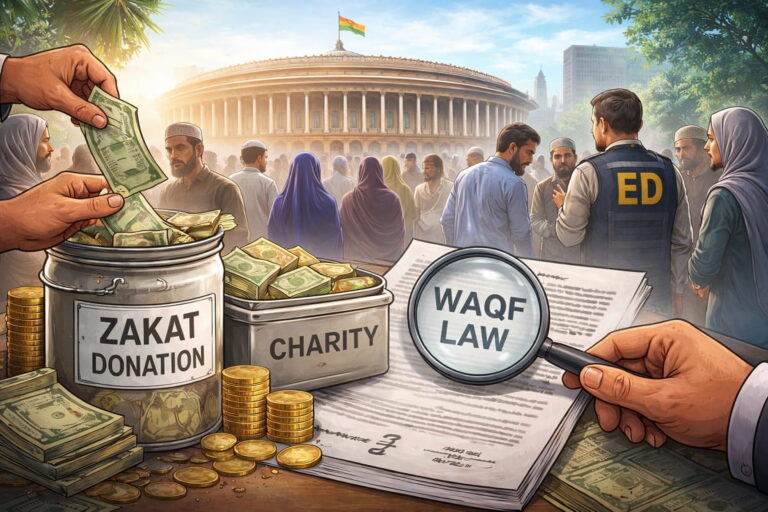
It is therefore legitimate for an administration to require registration, documentation and oversight for public collections conducted in the name of religion, particularly during Ramzan when charitable giving intensifies and large sums are mobilised within a short period. Donors deserve assurance that their contributions reach intended beneficiaries, and genuine institutions benefit when their credibility is reinforced through proper compliance. The sanctity of zakat and sadaqah is preserved through integrity and clarity, not weakened by procedural safeguards.

Waqf Reform and Fears of Selective Enforcement

The debate, however, acquires a more complex dimension when placed alongside discussions surrounding the Waqf Amendment Bill and the broader framework of the Waqf Act, where sections of the Muslim community have questioned not merely the substance of proposed reforms but also the pattern within which they appear. Reform of waqf governance is necessary, as digitisation of records, professional auditing and protection of assets from encroachment are long overdue, yet concern arises when scrutiny appears disproportionately concentrated upon one community’s institutional ecosystem while others function without comparable legislative intensity.

If transparency is presented as a principle of governance, it must operate uniformly rather than selectively, because selective enforcement undermines the legitimacy that reform seeks to establish. The controversy surrounding the Citizenship Amendment Act, 2019 illustrates why legislative intent is closely examined, as the introduction of religion as an explicit criterion in fast-tracking citizenship marked a departure from the traditionally religion-neutral character of Indian citizenship law. While the government defended the Act as a humanitarian measure addressing persecution in neighbouring countries, many Muslims perceived the exclusionary structure as a signal that legislative reform was not being framed on equal constitutional terms.

Similarly, property demolitions in Uttar Pradesh under the administration of Yogi Adityanath have attracted scrutiny where demolitions followed communal tensions and were perceived to disproportionately affect Muslim homes and commercial establishments. Officials have defended such actions as enforcement against illegal constructions, yet the timing and pattern in certain instances have led civil society observers to question whether administrative power is being exercised evenly. Even when legality is asserted, perception of asymmetry affects public trust in neutrality.

CAA, Hijab, Triple Talaq: Pattern of Anxiety

The hijab controversy in Karnataka further intensified anxieties regarding selective focus, as Muslim female students became central to a policy debate framed around uniformity and discipline in educational institutions. While the state emphasised institutional order, critics questioned why visible expressions of minority religious identity were subjected to regulatory intervention in a society otherwise marked by plural cultural practices. The issue extended beyond attire to the symbolic message conveyed when minority identity becomes the focal point of administrative discipline.

The enactment of the Muslim Women (Protection of Rights on Marriage) Act, 2019, which criminalised instant triple talaq, also generated debate regarding legislative symmetry, because although the objective of protecting Muslim women’s rights was widely acknowledged, the decision to criminalise a marital practice within one personal law framework raised questions about comparative treatment of matrimonial disputes in other communities. When civil disputes in one context are treated as criminal offences in another, legislative intent inevitably becomes a subject of scrutiny.

Investigative actions by agencies such as the Enforcement Directorate have, in certain high-profile cases involving Muslim political figures or charitable bodies, been interpreted through a communal lens, particularly when comparable intensity is not perceived in relation to similarly placed entities outside the community. Communal violence investigations in Delhi have likewise produced contested narratives about the distribution of prosecutorial focus and the invocation of stringent statutory provisions. Even if each action is defensible on legal grounds, the cumulative pattern influences how subsequent reforms are received.

Public discourse around halal meat sellers provides another example of perceived asymmetry, as small Muslim vendors often encounter administrative scrutiny and social pressure, whereas large-scale beef export enterprises operate through formal approvals, export licences and economic clearances. The contrast creates an impression that regulatory attention descends more readily upon economically vulnerable actors than upon structurally embedded commercial networks, and such disparities reinforce suspicion that reform is not always neutral in its practical application.

Equal Standards for All Religious Institutions

My earlier writings on Muslim empowerment have consistently argued that the community must invest in civic literacy and legal awareness rather than rely solely upon emotional mobilisation, because institutional strength is built through compliance, documentation and strategic engagement with constitutional frameworks. Masjid committees, madrasa boards and waqf bodies should maintain audited accounts, digitise property records and train administrators in governance standards so that their operations withstand legal scrutiny without hesitation. Legal compliance is not submission to authority but an assertion of institutional maturity, and internal reform should be embraced as a means of strengthening collective credibility.

At the same time, equality before the law requires that comparable standards of disclosure and accountability apply across religious institutions, including temple trusts, mutts and church bodies, so that transparency is understood as a constitutional norm rather than a communal measure. Empowerment cannot be delivered through suspicion, nor can dignity be secured without internal discipline, and therefore both the state and the community bear responsibility for ensuring that integrity is pursued consistently and visibly.

Administrative regulation of Ramzan charity collections may prevent fraud and protect donors, just as waqf reform may secure valuable assets for future generations, yet the credibility of such measures ultimately depends upon whether they are embedded within a framework of equal standards. Transparency must function as a universal governance principle rather than a targeted instrument, and accountability must strengthen institutions across communities without reinforcing perceptions of selective scrutiny. Only when reform is applied consistently, and when legislative intent reflects constitutional equality in both substance and perception, can regulation transform from a source of distrust into a foundation of shared institutional confidence.

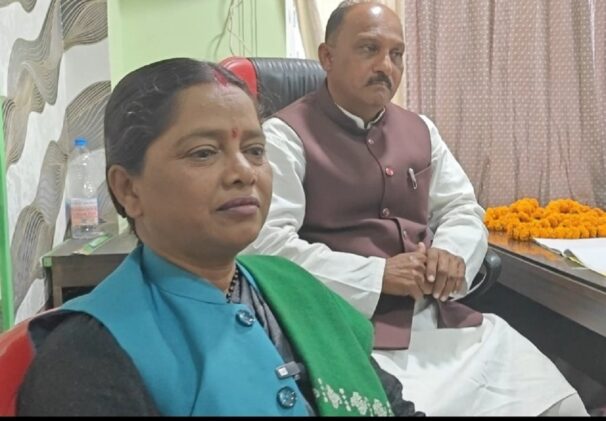
सबका साथ, सबका काम— गिरिडीह मेयर प्रत्याशी प्रमिला मेहरा का वादा

गिरिडीह: सामाजिक कार्यकर्ता और वह दो बार जिला परिषद सदस्य रह चुकी हैं प्रमिला मेहरा दूसरी बार गिरिडीह मेयर (महापौर) के चुनाव में मैदान में हैं। 2018 के मुकाबले, गिरिडीह नगर निगम चुनाव 2026, उनके सामने कईडॉक्टरउपाधि वाले उम्मीदवार भी दावेदारी कर रहे हैं। ईन्यूज़रूम से खास बातचीत में प्रमिला मेहरा ने कई महत्वपूर्ण सवालों के जवाब बेबाकी से दिए और इशारा किया कि उनके रूप में गिरिडीह को पहली महिला मेयर मिल सकती है।

ईन्यूज़रूम: पिछले चुनाव के परिणाम से आपको क्या सबक मिला और उसे कैसे उपयोग कर रही हैं?

प्रमिला मेहरा: मैंने पिछले चुनाव से सीखा कि एकएक वोट कीमती होता है और उससे भी ज्यादा जरूरी है कि हर वोटर से मिलकर उनकी बात सुनी जाए।

ईन्यूज़रूम: आपके लिए नगर पालिका क्षेत्र में सबसे जरूरी तीन काम क्या होंगे?

प्रमिला मेहरा: सबसे पहले पानी की समस्या का समाधान करना, व्यवस्था को और सुचारु सुदृढ़ बनाना, ताकि लोगों को रोज समय पर पानी मिले। दूसरा, ट्रैफिक व्यवस्था को मजबूत करना और जाम की समस्या से निजात दिलाना। तीसरा, साफसफाई की बेहतर व्यवस्था सुनिश्चित करना।

प्रमिला मेहरा गिरिडीह मेयर चुनाव 2026
प्रमिला मेहरा और शाहनवाज़ अंसारी

ईन्यूज़रूम: आज आपके साथ झामुमो के शाहनवाज़ अंसारी हैं। मुस्लिम समुदाय के कुछ लोग कहते हैं कि पार्टियां उनका वोट लेती हैं, लेकिन बाद में उन्हें भूल जाती हैं और उनका हक नहीं देतीं। आप क्या कहेंगी?

प्रमिला मेहरा: मैं सबको साथ लेकर चलूंगी। मैं बराबरी में विश्वास करती हूं। मैं किसी को नहीं भूलूंगी और न ही बदलूंगी। सबका काम होगा और जो अभी हमारे साथ हैं, मेयर बनने के बाद भी मैं उनके साथ रहूंगी।

ईन्यूज़रूम: आप एमए, बीएड और एलएलबी हैं, जबकि कुछ अन्य उम्मीदवारडॉक्टरकी उपाधि के साथ हैं। क्या आपकी सामाजिक और राजनीतिक सक्रियता आपको उनसे बेहतर बना पाएगी?

प्रमिला मेहरा: जी, ज़रूर। मैंने अपना पूरा समय आम लोगों के बीच बिताया है और राजनीतिक जीवन में भी काफी सक्रिय रही हूं। गिरिडीह की जनता मुझे अच्छी तरह जानती है। मुझे पूरा विश्वास है कि मेयर चुनते समय वे अपने बीच की ऐसी महिला को चुनेंगे, जो सीधा संवाद और सीधा जुड़ाव रखेगी।

ईन्यूज़रूम: वैसे तो चुनाव किसी एक विशेष पार्टी के नाम पर नहीं हो रहा है। क्या झामुमो (JMM) का साथ मिल रहा है?

प्रमिला मेहरा: जी, पार्टी के सभी सदस्य, नेता और कार्यकर्ता का पूरा सहयोग मिल रहा है। आगे भी झामुमो की सरकार होने का फायदा हमें मिलेगा।

ईन्यूज़रूम: आपके सामने सभी संपन्न उम्मीदवार हैं। क्या आपको लगता है कि पैसे की वजह से आप पिछड़ सकती हैं?

प्रमिला मेहरा: गिरिडीह के मतदाता पैसा नहीं, काम देखते हैं और ऐसे उम्मीदवार को चुनते हैं जो उनके क्षेत्र में बेहतर काम कर सके। मुझे हर तबके के लोगों का प्यार मिल रहा है। लोगों ने मुझसे कहा है कि वे मुझे गिरिडीह की पहली महिला मेयर बनाएंगे।

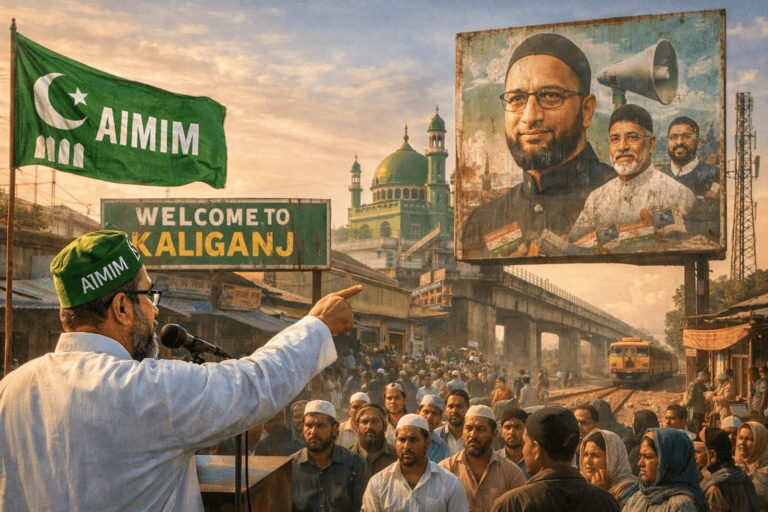
Is AIMIM Rethinking Identity Politics in Bengal? The Kaliganj Clue

The entry of the All India Majlis-e-Ittehadul Muslimeen into West Bengal’s political imagination has long remained more speculation than substance. Despite repeated attempts to expand beyond its Telangana stronghold, the party has struggled to convert visibility into representation in Bengal. Yet politics does not always advance through grand proclamations; often it moves through modest, localised interventions that quietly test larger ideas. The recent articulation of a five-point demand charter centred on Nadia’s Kaliganj marks such an intervention—one that deserves scrutiny beyond predictable binaries of support and suspicion.

At first glance, the Kaliganj demands appear deceptively simple: reopening a defunct sugar mill, constructing a long-pending bridge over the Bhagirathi, activating a primary health centre, establishing a multi-speciality hospital with ICU facilities, and reviving a local football league. Beneath this simplicity, however, lies a more complex political experiment. These demands attempt to reconcile two tensions that have historically shaped Muslim political mobilisation in India: the need for assertive identity-based representation and the equally pressing need to avoid political isolation by appearing sectarian. The significance of this moment lies less in whether AIMIM wins Kaliganj or secures Assembly seats, and more in whether it can demonstrate a model of politics where Muslim identity is neither erased nor weaponised, but embedded within a broader developmental discourse addressing all citizens.

Identity Without Isolation

AIMIM’s national reputation has been shaped by its unapologetic articulation of Muslim political identity—an approach that has often been both necessary and disruptive, especially in regions marked by acute marginalisation. West Bengal, however, presents a different terrain. Muslims here are not absent from power structures, yet they frequently experience what may be called symbolic inclusion without proportional influence. Representation exists, but agenda-setting power remains constrained.

In this context, AIMIM’s Kaliganj intervention signals a subtle recalibration. The demands are not framed in explicitly religious terms. Reopening the Palassey Sugar Mill speaks to economic revival in a region hollowed out by industrial decline. The proposed Katwa–Ballavpara Bridge addresses infrastructural isolation affecting farmers, traders, students, and patients alike. Calls for functional healthcare institutions respond to systemic neglect rather than communal grievance. Even the revival of the Kaliganj Football League gestures towards youth engagement and cultural vitality rather than religious consolidation.

Muslim identity is not absent from this discourse; it is implicit in the geography from which these demands emerge. The underlying assertion is that Muslim political agency need not express itself solely through minority-specific claims. It can articulate universal civic demands while retaining a distinct political voice. For politically conscious Muslim observers, this approach holds promise: it suggests that representation need not come at the cost of broader social legitimacy. Yet the balance is fragile. The line between inclusive development and diluted identity is thin. AIMIM’s challenge lies in explaining why Muslim political representation remains necessary even as it champions issues that benefit all communities. Failure to articulate this duality coherently risks alienating both core supporters and the wider electorate.

Five-Point Demands and the Language of Development

The choice of development as the primary language of engagement in Kaliganj is politically astute. Arikh Akher, AIMIM’s district president in Nadia, has foregrounded this approach, positioning development not as abstraction but as lived necessity. His intervention during tensions involving hotel businessmen in Bethuadahari—where local administration was mobilised to prevent communal escalation—also reflects a leadership style oriented towards de-escalation rather than symbolic confrontation.

West Bengal’s electorate has grown increasingly sceptical of ideological rhetoric, preferring tangible outcomes over declarative commitments. In such an environment, demands anchored in everyday material realities resonate more strongly. The Palassey Sugar Mill occupies a powerful place in local memory; its closure disrupted employment and the rhythm of rural life. The bridge over the Bhagirathi symbolises more than infrastructure—it represents access: to markets, healthcare, education, and opportunity.

Healthcare demands, particularly the operationalisation of the Juranpur Primary Health Centre and the establishment of a multi-speciality hospital, carry added weight in a post-pandemic society. The emphasis on ICU facilities signals attention to emergencies that disproportionately affect the poor. The call to revive the Kaliganj Football League may appear peripheral, but it acknowledges youth alienation and the erosion of shared cultural spaces. In Bengal, football has long served as a democratic arena where class and community intersect. Its revival would speak to social cohesion alongside economic development. Taken together, these demands suggest an effort to speak a language legible across communities. Whether this shift is strategic or substantive remains open.

The Organizational Question

No political vision can succeed without organisational discipline, and this is where questions arise. Persistent murmurs within political circles point to coordination gaps between AIMIM’s state leadership, district organisers, and grassroots workers in West Bengal. While such issues are not uncommon in expanding formations, their persistence matters. Political credibility rests not only on demands, but on the capacity to sustain campaigns, resolve internal disagreements, and present a unified public face.

In Kaliganj, the effectiveness of the five-point agenda will depend on whether local leaders feel empowered rather than overshadowed, and whether decisions are communicated clearly across levels. For voters, internal disarray often signals future governance instability. For a party seeking to represent minority interests, the margin for error is particularly narrow. The expectation is not perfection, but coherence.

Muslim Representation and the Question of Pluralism

Among politically conscious Muslims in West Bengal, there is a quiet but growing desire for political pluralism. This does not necessarily stem from hostility towards existing parties, but from recognition that over-dependence on a single formation can weaken bargaining power. The aspiration to see AIMIM secure a few Assembly seats must be understood in this light. It reflects a democratic impulse to diversify representation, not blind partisanship.

Such an outcome could compel mainstream parties to engage more substantively with Muslim concerns rather than treating them as assured vote banks. It could also encourage Muslims to articulate their interests with greater confidence. Yet this aspiration is tempered by anxiety—particularly the fear that vote fragmentation could inadvertently strengthen forces hostile to minority rights. In Bengal, memories of communal polarisation remain vivid.

The Kaliganj demands, with their emphasis on inclusive development, appear designed to address this unease. They suggest an awareness of the need to reassure not only non-Muslim voters but also Muslims wary of political experimentation. Whether reassurance translates into trust will depend on consistency rather than rhetoric.

A New Horizon or a Familiar Crossroad

Does AIMIM’s Kaliganj intervention signal a new horizon in Bengal’s politics, or is it another familiar crossroad where ambition confronts reality? The answer lies less in electoral arithmetic and more in political conduct. If AIMIM can demonstrate that identity politics can coexist with governance-oriented development, address organisational challenges with transparency, and embed itself organically within local social structures, it may carve out a modest but meaningful space in the state’s political landscape.

If, however, the five-point agenda remains a campaign document disconnected from sustained engagement, or if internal rifts erode public confidence, the experiment risks fading into a footnote. For now, Kaliganj stands as a test—not only for AIMIM, but for the broader question of how Muslim political representation can evolve in a changing India. It asks whether identity can coexist with inclusivity, whether development can become a shared language rather than a competitive slogan, and whether political maturity can prevail over expedient mobilisation. The answers are yet to emerge, but the questions themselves mark a moment worth watching.