এসআইআর-এর কোপে কি তবে বৈধ ভোটাররা? সরকারি কর্মী থেকে সফটওয়্যার ইঞ্জিনিয়ার, বাদ পড়ছেন সবাই

0

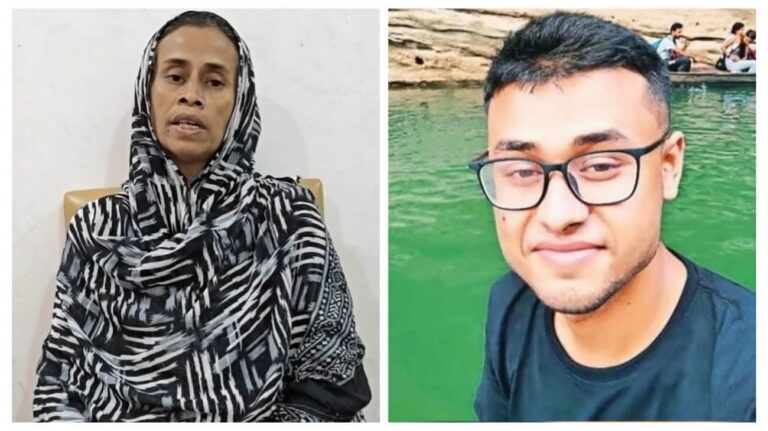
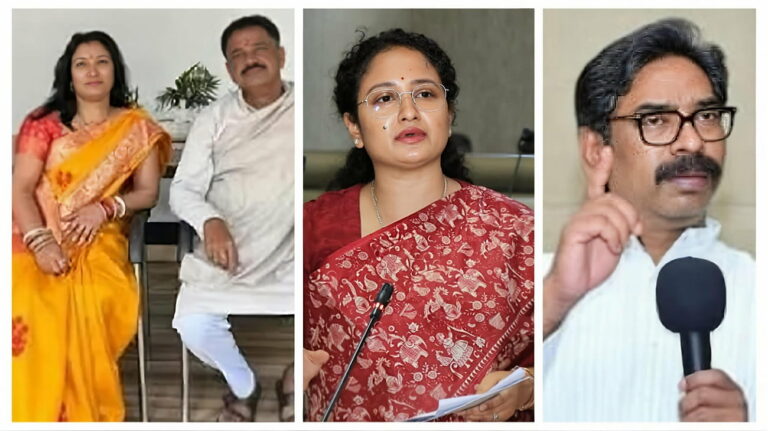
কলকাতা: রেশমা শিরীন ইকবাল তিন দশক কেন্দ্রীয় সরকারি কর্মচারী ছিলেন। অ্যাকাউন্ট্যান্ট জেনারেল অফ ওয়েস্ট বেঙ্গলের এই গেজেটেড অফিসার সেই ৩০ বছরে একাধিকবার নির্বাচনে মাইক্রো অবজার্ভার বা প্রিসাইডিং অফিসারের দায়িত্ব পালন করেছেন, মহিলা বুথ দেখাশোনা করার মত দায়িত্ব থেকেও নির্বাচন পরিচালনার কাজ করেছেন। তাঁর বৈধ পাসপোর্ট রয়েছে এবং বহুবার বিদেশে গেছেন। এতকিছু সত্ত্বেও গত ২৮ মার্চ (শনিবার) যখন নির্বাচন কমিশন পশ্চিমবঙ্গের ভোটার তালিকার বিশেষ নিবিড় সংশোধনের পর দ্বিতীয় সাপ্লিমেন্টারি তালিকা প্রকাশ করল, রেশমা আবিষ্কার করলেন যে তাঁর নাম ভোটার তালিকা থেকে বাদ দেওয়া হয়েছে।

রেশমার ব্যাপারটা ভারি আশ্চর্য। ২৮ ফেব্রুয়ারি যখন নির্বাচন কমিশন পশ্চিমবঙ্গের চূড়ান্ত ভোটার তালিকা প্রকাশ করে, তখন কিন্তু তাঁর নাম ছিল। ২৩ মার্চ প্রথম সাপ্লিমেন্টারি তালিকায় তাঁর নাম চলে যায় বিচারাধীন তালিকায়। তারপর দ্বিতীয় তালিকায় একেবারে বাইরে। অথচ ২০০২ সাল থেকে তাঁর নাম ভোটার তালিকায় ছিল।

রেশমা জানালেন ‘আমার নাম যখন বিচারাধীন তালিকায় এল, আমাকে বলা হয়েছিল তার কারণ আমার বাবার নাম মিলছে না। কিন্তু এটা সত্যি নয়। আমার বাবার নাম জলিল আহমেদ, তিনি ছিলেন একজন ডব্লিউবিসিএস অফিসার। তাঁর নাম সমস্ত কাগজপত্রে একই আছে। তাছাড়া আমি একটা ফ্ল্যাটের মালিক, আমার কাছে একটা রেজিস্টার্ড জমির দলিলও আছে।’ তিনি আরও জানালেন যে ২০০১ সাল থেকে তাঁর পাসপোর্ট রয়েছে এবং সব প্রয়োজনীয় নথিপত্র আছে।

‘কিন্তু এখন জানি না কোথায় যাব বা কার কাছে আবেদন করতে হবে। আমাদের বিএলও-র সঙ্গে যোগাযোগ করেছিলাম, উনি বললেন ওঁদের কিছু করার নেই। ফর্ম ৬ পূরণ করার পরামর্শ দিলেন। কিন্তু আমি কেন সেটা করতে যাব? ওই ফর্মটা তো নতুন ভোটারদের জন্য। যদি কোনো কারণে ওটা গৃহীত না হয়, তাহলে তো আমার ভোটাধিকার চিরকালের মত চলে যাবে,’ তিনি যোগ করলেন।

রেশমার মত, শ্যামপুরের (বিধানসভা নং ১৭৯) ভোটার, শেখ রেজাউল হকের ৬১ বছর বয়সী স্ত্রী আজমিরা বেগমেরও পাসপোর্ট আছে। তাঁর নামও সম্প্রতি প্রকাশিত তালিকা থেকে বাদ দেওয়া হয়েছে। আজমিরার ছেলে শেখ আসাদ উল রহমান ভেলোর ইনস্টিটিউট অফ টেকনোলজির অ্যাসিস্ট্যান্ট প্রফেসর। তিনি বললেন ‘আমার মা বিভিন্ন নির্বাচনে ২০ বারের বেশি ভোট দিয়েছেন। আমার ছোট ভাই নেট-জেআরএফ ২০২৫-এ ৪৫ র‍্যাংক করেছে এবং এনসিএল, পুনেতে পিএইচডি করছে। আরেক ভাই বিটেক পাশ করে চাকরি করছে। মা জন্মেছিলেন বাংলাদেশের জন্মের আগে। বাংলাদেশি অভিযোগে মায়ের ভোটাধিকার কেড়ে নেওয়া হবে, এটা আমরা বরদাস্ত করব না। যদি দরকার হয়, আমরা মায়ের জন্যে এবং যেসব বৈধ ভোটারের ভোটাধিকার কেড়ে নেওয়া হয়েছে, তাদের জন্য রাস্তায় নামতে দুবার ভাবব না।’

অভিজিৎ মিত্র একজন নামকরা শিল্পী, যাঁর প্রদর্শনী সদ্য হয়ে গেল লন্ডনে। এই মুহূর্তে তিনিও একজন দুশ্চিন্তাগ্রস্ত পিতা। তাঁর দুই ছেলে অরণ্য ও রোদ্দুরের নাম ভোটার তালিকা থেকে কেটে দেওয়া হয়েছে।

অরণ্য কলকাতার সেন্ট জেমস স্কুলের ছাত্র ছিলেন, বিটেক পাশ করেছেন BITS থেকে এবং এমটেক পাশ করেছেন ব্রিটিশ যুক্তরাজ্য থেকে। এই ৩৪ বছর বয়সী সফটওয়্যার ইঞ্জিনিয়ার এই মুহূর্তে কৃত্রিম বুদ্ধিমত্তার এক প্রকল্পে কাজের সূত্রে ব্রিটেনেই আছেন। রোদ্দুরও সেন্ট জেমসের ছাত্র, স্নাতকোত্তর ডিগ্রি লাভ করেছেন আন্তর্জাতিক সম্পর্কে এবং বেঙ্গালুরুতে কাজ করেছেন।

অভিজিৎ বললেন ’২৮ ফেব্রুয়ারির চূড়ান্ত তালিকায় আমার দুই ছেলেই বিচারাধীন বলে চিহ্নিত হয়েছিল। আমাকে বলা হয়েছিল আমার বাবা আর আমার বয়সের তফাত মাত্র ১৫ বছরের। অথচ আমার কাগজপত্র অনুযায়ী তফাত ৪২ বছরের। আমি যখন শুনানির সময়ে সেটা তুলে ধরলাম, তখন আধিকারিকরা স্বীকার করলেন যে এটা এআই-এর ভুল। সাম্প্রতিকতম তালিকায় আমার নাম উঠেছে, কিন্তু আমার দুই ছেলের নামই বাদ দিয়ে দেওয়া হয়েছে।’

কলকাতা শহরের সঙ্গে তাঁর পরিবারের দীর্ঘ সংযোগের কথা বললেন অভিজিৎ ‘জানেন আমাদের এই জায়গাটার সঙ্গে কতদিনের সম্পর্ক? চারশো বছরের বেশি। আমার ছেলেরা এই শহরের পড়াশোনা করেছে শুধু নয়, দর্জিপাড়ায় নীল মিত্র স্ট্রিট বলে যে রাস্তাটা আছে সেটা আমার পূর্বপুরুষের নামে। আমরা ৩৫০ বছরের বেশি সময় ধরে এখানে দুর্গাপুজো করে চলেছি।’

তিনি অভিযোগ করলেন ‘আসলে ভারতে, বিশেষ করে পশ্চিমবঙ্গে, এসআইআর করা হচ্ছে মুসলমান ভোটারদের বাদ দেওয়ার জন্যে। হিন্দুরা হল কোল্যাটারাল ড্যামেজ, যেমনটা যুদ্ধের সময়ে হয়। ব্যানার্জি, চ্যাটার্জি, মিত্ররা এর মাঝে পড়ে বাদ হয়ে যাচ্ছে। নির্বাচন কমিশনের মতে আমার দুই ছেলে বাংলাদেশি আর রোহিঙ্গা।’

দ্বিতীয় সাপ্লিমেন্টারি তালিকার তথ্য গুরুতর সব প্রশ্ন তুলে দিয়েছে। মালতীপুর (বিধানসভা নং ৪৭), পার্ট নং ১২৯-এ ১,২৭৪ জন ভোটারের মধ্যে ৩৬৩ জনকে বাদ দেওয়া হয়েছে। এঁদের প্রত্যেকে মুসলমান বলে জানা যাচ্ছে। পলাশিপাড়া (বিধানসভা নং ৭৯), পার্ট নং ১৩৫-এ ২৫০ জন ভোটারকে বাদ দেওয়া হয়েছে। তাঁদের ৯৮.৮% মুসলমান। তাঁদের অনেকেরই পাসপোর্ট রয়েছে, তবু তাঁদের নাম ভোটার তালিকায় নেই।

বেশ কয়েকটা সাপ্লিমেন্টারি তালিকা বেরিয়ে গিয়ে থাকলেও কমিশন নির্দিষ্ট করে বলেনি ঠিক কতজনের নাম বাদ দেওয়া হয়েছে, যদিও সূত্রের খবর অনুসারে সংখ্যাটা বিচারাধীনদের প্রায় ৪০%। ফলে বহু প্রশ্নের উত্তর পাওয়া যাচ্ছে না। যেমন সেই ১৫ লাখ ভোটারের কী হল, যাঁদের নাম ভোটার তালিকাতেও আসেনি, আবার বিচারাধীন তালিকাতেও আসেনি? আর যে বৈধ ভোটারদের নাম কাটা গেছে, তাঁরাই বা নিজের ভোটাধিকার ফেরাতে কোথায় যাবেন?


এই প্রতিবেদনটি ইংরেজি রিপোর্টের একটি অনুবাদ।

A Lost Generation? The Complex Realities Pushing 3 Million Adolescent Girls Out of School

School admissions for the academic session 2026–27, from Nursery to KG and Classes 1 to 9, have been announced by different schools since January 2026. The new academic session and classes in most schools will begin in the first week of April 2026. However, the most critical and unresolved issue of school dropouts in India remains unaddressed, particularly in rural and marginalised areas and among socio-economically backward communities.

6.5 Million Students Out of School: A Deepening National Crisis

In India, socio-economically backward communities are broadly classified into five categories: (i) Other Backward Classes (OBC), identified by the government as “socially and educationally backward” and entitled to 27% reservation in public employment and higher education; (ii) Socially and Educationally Backward Classes (SEBC), often used interchangeably with OBC, and the formal constitutional term under Articles 15 and 16; (iii) Economically Backward Classes (EBC), a relatively newer category based solely on economic deprivation, irrespective of caste or social background; (iv) Scheduled Castes (SC); and (v) Scheduled Tribes (ST). While distinct from OBCs, SCs and STs are also considered socially disadvantaged due to historical untouchability and geographical or cultural isolation. The dropout problem is widespread across all these groups.

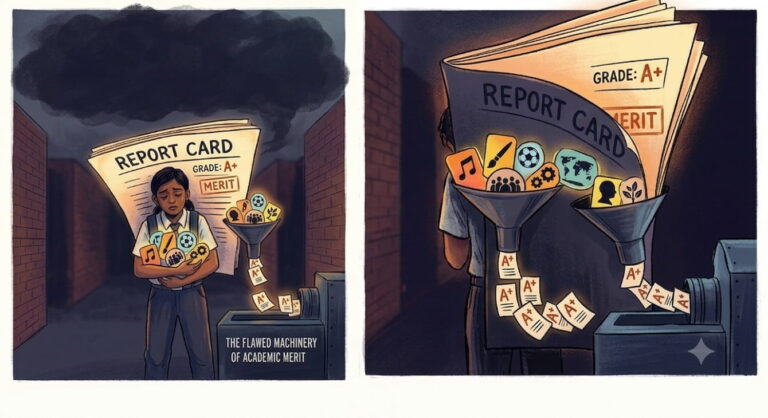
Over the last five years, more than 6.5 million (65 lakh) children in India have dropped out of school, as revealed in Parliament by Minister of State for Women and Child Development, Savitri Thakur. Among them, nearly 3 million (30 lakh) are adolescent girls. These numbers point to a large-scale rupture in India’s promise of universal education and highlight structural gaps in how schooling is planned, supported, and delivered, especially for children from marginalised families.

The data shows that 65.7 lakh children left school between 2019 and 2024. Of these, 2.98 million were adolescent girls, as reported by India Today.

A state-wise breakdown reveals that Gujarat recorded the highest number of out-of-school children in the 2025–26 academic year. The state identified 240,000 (2.4 lakh) such children, including 110,000 (1.1 lakh) girls. In comparison, Gujarat had reported only 54,541 out-of-school children in 2024—marking a jump of over 340 percent in a single year.

Gender Barriers: Why 3 Million Adolescent Girls Left the Classroom

Other states with high dropout numbers include Assam, which reported 150,906 out-of-school children, of whom 57,409 were girls. Uttar Pradesh recorded 99,218 dropouts, including 56,462 girls.

The Ministry cited several factors contributing to school dropouts among girls, including migration, poverty, household responsibilities, child labour, and social pressures.

For girls, the dropout journey is even more complex. They are often expected to care for younger siblings, fetch water, cook meals, and sometimes even earn income. In many families—especially in rural and tribal areas—there is pressure for early marriage or concerns about girls’ safety if they have to travel long distances to school. Each of these factors pushes them out of classrooms.

A recent state-level policy in Uttar Pradesh may have worsened the situation. The government decided to merge schools with fewer than 50 students into nearby institutions. While this may seem administratively efficient, it often means longer travel distances for children, particularly girls. For families already hesitant to send girls to school, this can become the final push towards dropping out.

“The difficulties in the documentation process for admission, coupled with challenges in accessing pre-matric and post-matric scholarships for OBC, SC, and ST students, prevent many from continuing their education,” Beena Pallical of the National Campaign on Dalit Human Rights was quoted as saying.

Failing Infrastructure: The Gap Between Policy and Reality

Enrolment trends also reflect the crisis. Girl student enrolment dropped by around 1.6 million, while boy student enrolment declined by about 2.1 million between 2022–23 and 2023–24. SC student enrolment fell by 1.2 million, and ST by 200,000. The number of OBC students dropped by over 2.5 million, while minority communities saw a combined decrease of 300,000.

The government and NGOs have initiated several schemes to address school dropouts, such as: (a) Samagra Shiksha Abhiyan, an integrated scheme from preschool to Class 12 that provides free uniforms, textbooks, and transport allowances; (b) the Mid-Day Meal (MDM) Scheme, which remains one of the most effective incentives for retaining children from low-income families by providing daily nutrition; and (c) “Bringing Children Back to School,” a targeted campaign to re-enrol dropouts through local panchayats and School Management Committees. However, the issue remains unresolved.

The National Education Policy (NEP) 2020 aims to achieve a 100% Gross Enrolment Ratio (GER) from preschool to secondary level by 2030. The UDISE+ 2024–25 report, released in September 2025, provides a comprehensive picture of schools, enrolment, teachers, and infrastructure across the country. India has 1,471,473 schools, with an average of 168 students and 7 teachers per school. However, 7,993 schools have zero enrolment, and 104,125 (7.1%) are single-teacher schools serving 3,376,769 students—highlighting serious resource inefficiencies. States such as Telangana (2,245 zero-enrolment schools) and Uttar Pradesh (9,508 single-teacher schools) contribute significantly to these figures.

Around 5.1% of schools have fewer than 10 students, and 8.0% have between 11 and 20, indicating underutilisation, particularly in rural areas. While 93.6% of schools have electricity and 93.2% have girls’ toilets, access to digital libraries remains limited at just 6.9%. Several north-eastern states, including Assam, Arunachal Pradesh, Mizoram, and Tripura, report electricity coverage below 90%.

Given this situation, both Central and State governments, along with NGOs, must prioritise addressing the dropout crisis. Without tackling this issue, the NEP 2020’s goal of 100% enrolment will remain unattainable.

Moreover, even if 100% enrolment is achieved, it will hold little meaning if children continue to drop out before completing their education. Enrolment alone does not ensure progression to higher education or professional opportunities. If students cannot transition from school to college, it raises fundamental questions about the effectiveness of the education system.

This leads to a larger and uncomfortable question: why is the issue of school dropouts not being addressed with the urgency it deserves? Do government institutions, consciously or otherwise, allow socially and economically weaker communities to remain trapped in cycles of deprivation? If so, this reflects not just a policy failure, but a deeply troubling reality.

The Case of Shahjada Sultan: How a 78-Year-Old’s Deletion Reveals a 60-Lakh Person Systemic Failure in Bengal

0

A recently published supplementary electoral roll from Metiabruz’s Part 127 offers a small but revealing snapshot of a much larger problem. According to the list, 275 names have been added to the voter roll—185 men and 90 women. At the same time, 98 names have been deleted—54 men and 44 women.

These numbers, on their own, might appear routine. Electoral rolls are regularly updated; additions and deletions are part of administrative maintenance. But the question is not whether names are added or removed. The question is: who gets removed, and what happens to them next?

Among the 98 deleted names is that of Shahjada Sultan, a 78-year-old long-time resident. His case raises immediate concerns. His family members—his son, daughter-in-law, daughter, son-in-law, and grandchildren—continue to remain on the voter list. Only his name has been excluded from the list.

The Human Cost of Administrative Anomalies

This is not merely an administrative anomaly. It is an example of a deeper structural issue: a system that can remove a citizen, but does not clearly explain the removal or ensure an accessible path to correction. This article does not seek to establish intent or draw definitive conclusions; it examines publicly reported figures and procedural developments to ask whether the current system, at this scale, can function with clarity and consistency.

What makes the case of Shahjada Sultan significant is that it does not stand alone. Across West Bengal, a large-scale electoral roll revision is underway. Recent reports indicate that around 60 lakh voter records were placed under adjudication during this process, with tens of lakhs already examined. But what is emerging from the process is not clarity—it is a contradiction.

The supplementary voter lists, which are meant to provide transparency after claims and objections are resolved, have themselves become a source of confusion. Reports indicate that the first such lists were released late at night, without clear disclosure of how many names had been added or removed. More significantly, there are serious discrepancies between decisions and outcomes.

Technical Glitches and the Gap of 15 Lakh Voters

According to reports by The Times of India and The Economic Times, approximately 37 lakh cases have been adjudicated, but only around 22 lakh names have appeared in the published lists—leaving nearly 15 lakh cases unaccounted for. This is not a marginal discrepancy. It is a gap of 15 lakh individuals between adjudication and visibility.

The explanation offered—technical issues such as missing electronic signatures—raises further concerns. If a case has been decided, how does a technical layer prevent that decision from appearing in the electoral roll? At what point does administrative failure begin to affect substantive rights? Reports have also pointed to server glitches and access issues, making it difficult for voters to verify their status in the lists. In such a situation, the burden shifts entirely onto the citizen.

Formally, there is a remedy. Individuals whose names have been deleted can file claims or appeals. But how workable is that remedy? Typically, such appeals must be filed within a narrow window—often around 15 days. Within this period, an individual must determine that their name has been deleted, understand the reason for deletion, gather relevant documentation, and navigate the procedural steps required for appeal. When the system itself is unclear, this becomes less a remedy and more an obstacle.

Operational Capacity and the Math of Exclusion

To understand the scale of this challenge, it is useful to consider the experience of the National Register of Citizens Assam. In Assam, around 19 lakh people were excluded, approximately 200 Foreigners Tribunals were set up, and individuals were given 120 days to appeal. Even with this infrastructure, the system faced significant strain.

A simple numerical breakdown illustrates the issue. If each tribunal hears 20 cases per day:

200 tribunals × 20 cases = 4,000 cases per day
19 lakh cases ÷ 4,000 ≈ 475 days (~1.3 years)
This assumes ideal conditions—no delays, no adjournments, and full capacity utilization. In reality, the system faced significant strain.
Now consider West Bengal.
~60 lakh records under adjudication
37 lakh cases already decided
15 lakh not reflected in lists
Appeal window: ~15 days
Tribunal capacity: not clearly scaled or disclosed

Even if Bengal were to match Assam’s capacity, the numbers remain daunting. At 4,000 cases per day, 60 lakh cases would require 1,500 days (~4+ years). But unlike Assam, the timeline is far shorter, the process shows documented inconsistencies, and the scale is significantly larger.

This leads to a fundamental question: Is the system operationally capable of delivering justice at this scale? Because a right that exists only in principle, but cannot be exercised in practice, is not a meaningful right. The issue, therefore, is not simply political. It is structural.

Why are 15 lakh adjudicated cases not reflected in the lists? Why were supplementary lists released without clear data? Why are technical issues determining electoral visibility? How is a 15-day appeal window sufficient for millions? What is the actual capacity of the appellate system?

These are not rhetorical questions. They are operational ones. Returning to Metiabruz’s Part 127, the situation of the 98 deleted voters remains unresolved. What should they do? Approach tribunals within a narrow window, navigating a process that is itself unclear? Wait for corrections in a system that has already shown inconsistencies? Or accept exclusion from a process that is meant to be universal?

At what point does procedure itself become exclusion? A democracy is not defined only by the existence of elections. It is defined by the clarity, accessibility, and reliability of the processes that determine who gets to participate in them. When those processes become opaque, inconsistent, and difficult to navigate, the issue is no longer about individual cases. It is about the system itself.

Congress’ ‘Ekla Chalo’ Gamble: 63 Muslim Candidates Lead the Charge in Solo Bengal Fight

0

Kolkata: The Congress has fielded candidates in 284 out of 294 seats in West Bengal, nominating most of its senior leaders for the upcoming Assembly elections. Notably, after nearly two decades, the Grand Old Party is contesting almost all seats in the Bengal Assembly. The party has also fielded the highest number of Muslim candidates—63 in total—for the polls.

Senior leader and former state president Adhir Ranjan Chowdhury has been nominated from his traditional seat of Baharampur. In Malda, Mausam Noor has been fielded from Malatipur to strengthen the party’s base in the region. Ranajit Mukherjee, an AICC member, will contest from the Bidhannagar Assembly constituency.

The party has also fielded a candidate against Mamata Banerjee in Bhabanipur.

Key candidates and their constituencies include Adhir Ranjan Chowdhury (Baharampur), Mausam Noor (Malatipur), Mohit Sengupta (Raiganj), Abdul Rezzak Molla (Jalangi), Ali Imran Ramz (Victor) (Chakulia), Rohan Mitra (Ballygunge), Pradeep Prasad (Bhabanipur—Mamata Banerjee’s constituency), Subrata Mukherjee (Uttarpara), Nepal Chandra Mahato (Baghmundi), Milton Rashid (Hansan), Mostak Alam (Harishchandrapur), Asif Mehboob (Chanchal), Saiyam Chowdhury (Mothabari), Murlidhar Ghosh (Amdanga), Ashok Bhattacharya (Raja) (Noapara), Amitabha Sarkar (Matigara–Naxalbari, SC), Masood Alam (English Bazar), Joydeb Ghosh (Khardaha), Amitabh Bhattacharya (Purbasthali Uttar), and Sapan Moitra (Dum Dum Uttar).

While a final gender-wise breakdown of the 284 candidates has not yet been officially released, initial reports highlight several prominent women candidates. Mausam Noor, a former MP, has been fielded from Malatipur. Susmita Biswas will contest from Dum Dum, while Illa Rani Roy has been nominated from Mekliganj (SC). Savitri Barman will contest from Sitalkuchi (SC), and Nabanita Tirkey has been fielded from the Phansidewa (ST) seat. Kalyani Chakraborty has been named as the candidate from Baranagar.

As no major political alliances have been formed in West Bengal, all key parties—from the Trinamool Congress (TMC) and the Bharatiya Janata Party (BJP) to Congress and CPI(M)—are contesting largely on their own, making the electoral battle highly competitive and closely watched. While CPI(M) is allied with other Left parties such as CPI(ML) and Forward Bloc, and AIMIM has tied up with the newly formed JUP, these alliances are not considered major electoral forces in the state.

The Spirit of Resistance: Why Iran and Global South Nations Defy the West

The massive anti-war rallies or No Kings protest across the United States and other Western countries have categorically demonstrated that Donald Trump and his government’s war on Iran have become highly unpopular. They also reflect that people understand the huge propaganda that is being unleashed through the crony corporate media, which is part and parcel of the entire US game plan to create a fake narrative and legitimise their intervention.

The US kidnapped a duly elected president in the name of his support for the “drug mafia” and then pushed its puppet as president in Venezuela, simply because it wanted to shamelessly capture Venezuelan oil. So the Venezuelan president was bad, but what about the Colombian president, whom the deep state now wants to target? The tiny island nation of Cuba has been facing American barbarism for the past 70 years. What is so great about not allowing basic amenities to Cuba? Why do you hate Cuba that much when you consider yourselves shining, the best, the greatest people on earth? When you are the greatest of the greatest, special people, God’s chosen ones, then why do you need to steal the natural resources of other countries?

From Cuba to Venezuela: A Century of US Intervention for Resources

Now, Venezuela, Cuba and Colombia are in America’s backyard and are very small countries, despite the fact that they are strategically important for the United States due to their enormous natural resources. Why did the US decide to jump into the Persian Gulf at the behest of Israel to target Iran? They bombed Iran last year and suddenly claimed victory, suggesting that Iran’s nuclear programme was completely destroyed. If you destroyed everything last year, then why did you go again?

Every country has the right to defend itself fully when war is imposed on it. Iran was within its rights to retaliate. The media narrative as to why Iran was targeting “innocent” neighbours is simply laughable when it is well known that these countries host American military bases. Without them, US forces could not have done anything. In the last thirty years, we have seen American and NATO interventions from Kosovo to Iraq, Libya, Afghanistan, Gaza and the West Bank, and now Iran. Obviously, NATO is not part of the last two, as Israel has become the senior partner. Can the US and its allies ever say that all their interventions “brought democracy” to these countries?

The thing is that the Western media first creates an uncivilised image of a society and a system to legitimise American violation of the sovereignty of those countries. Libya was a great nation, united under one leader who wanted to unite Africa, but that was not acceptable to France. Saddam Hussein was a “secular” liberal dictator when he attacked Iran with the help of Americans, but became a villain when he started asserting himself. We have seen how a liberal president in Syria, Bashar al-Assad, was replaced by men who were part of ISIS and other such organisations banned by the United States. Despite all the wrongs with these countries and societies, they were definitely not a threat to the United States, which is far away and far more powerful.

West Asia Crisis: Assessing the Human Cost of Gaza and Iran Clashes

The latest in the series, prior to intervention in Iran, was the genocide carried out in Gaza. Who will hold Israel accountable for all its crimes against humanity? The problem with the “liberal democratic” West is that anything questioning Israel is termed anti-Semitism. Experts say that even war has rules. That warring nations or parties will not target civilians, hospitals, aid workers, schools, colleges, energy infrastructure, or media. What has happened in Gaza puts humanity to shame. An entire generation of people was killed, and nations watched helplessly. The United Nations looked useless during the entire period, except for making a few statements; it had no courage.

A pattern has been developed by Israel and the United States over the years. It looks like their main agenda is to destroy civilian infrastructure, hospitals, aid workers, universities, and institutions. The killing of 160 innocent children was not an isolated incident, as these things continue to be targeted. Israel has killed numerous journalists in this war, as well as in Gaza and Lebanon. Some of these journalists worked defiantly and were committed to bringing their reports to the people.

The Literacy Myth: Why Iran’s Social Progress Defies Western Media

Now Iran has given a befitting reply that neither Israel nor the United States ever expected. This happens when we are arrogant and feel that all others who disagree with us know nothing. This war has definitely brought destruction to Iran, but elsewhere too. The global economy is collapsing, but the brighter side is that the de-dollarisation process will accelerate. It has already started growing as countries will find ways to get away from so-called sanctions. Today, the world is interconnected, but all parties need to show respect to each other. You cannot bully nations and decide who should get their business.

This war has also broken the lies carefully woven around the “liberal” media about Iran. Yes, Iran is a powerful country with a great civilisation. Moreover, any country which has self-respect will fight to the end to protect its sovereignty. We fought against the British Empire, and at that time, too many suggested how we could fight against a mighty empire, but our freedom movement leaders had faith in the people. No self-respecting country would ever accept how to govern and what is good for them from an external force. Iran and the Iranian people are the sole deciders of their country’s way of life, and that should be respected. It is the spirit of Iranian nationalism that people are ready to fight.

The war must end, but no peace is possible if it is just meant to buy time and regroup. For the last fifty years, Iran has faced economic sanctions like Cuba, but it has stood its ground. The image created around Iran was one where women live within four walls, where Mullahs speak loudly, and nobody goes to school. Today, one can see that Iran has more than 99% literacy, and its Majlis have the most educated leaders in the world. The percentage of women doctors in Iran is much higher than in India. Iran is a powerhouse of science and philosophy. If the Western media want to make comparisons, they should compare Iran with their friends in Saudi Arabia, Bahrain and elsewhere. The AI memes being created by Iranians are simply outstanding. You can watch men and women reporters reporting so well. So, this war has broken the myths and lies created around Iran by the corporate media.

De-dollarization and Global Shifts: Can Russia and China Forge Peace?

Iran is actually fighting a war against Western cultural, economic, and military hegemony. That does not mean they should not have any relations. We all must have relations, but it is time that a long-term peaceful solution is found to the problems in different parts of the world. But what is the problem? Can’t Iran, Saudi Arabia, Bahrain, Qatar, etc. speak to each other on their own? The issue is not that simple. Private monopolies on energy are the root cause. Iran nationalised its energy industry in the mid-1950s, and that is why it became a hate figure.

Indira Gandhi did it in India in 1970, and the CIA turned against her. I can bet that if we dig further into what resulted in Indira Gandhi’s defeat in 1977, we will find that chaos and anarchy were engineered because of the nationalisation of banks in 1969, which was opposed by people like Morarji Desai, who was the finance minister. Historically, every country which nationalised its banks and natural resources like coal mines, forests, land, and water became a target of vicious Western propaganda. The history of South Africa, Cuba, Bolivia, Colombia, Libya, and Iran is the same, related to the rights of indigenous people, management of natural resources, and opposition to privatisation.

Let us see what happens in the Persian Gulf. We hope good sense will prevail. The people everywhere are against war, but no peace is possible unless a lasting solution is found. Will that be possible if the interests of big corporations are not taken care of? More importantly, where are Russia and China in this entire game? India could have played a bigger role, but at the moment it cannot because of its relations with Israel. Negotiations are important, but somewhere Russia, China and India will have to be part of the peace process in West Asia; otherwise, no peace would be achievable there.

Murshidabad Ram Navami Violence: 45 Injured, RSS Leader Among 30 Arrested, CM Flags ‘Conspiracy’

0

Kolkata: Violence broke out in parts of Murshidabad district on Friday during a Ram Navami procession in Raghunathganj under the Jangipur subdivision, injuring approximately 45 people and triggering widespread tension in the area. The administration confirmed that the situation has now been brought under control following the deployment of central forces, including the Rapid Action Force (RAF), along with local police.

According to officials, several injured individuals are currently undergoing treatment at the Jangipur Sub-Divisional Hospital. Security forces continue to patrol sensitive areas to prevent further escalation.

As per local sources, Ram Navami processions were organised across the subdivision, with smaller rallies from different villages converging at Mackenzie Park in Raghunathganj, following an annual tradition.

Trouble reportedly began in the Sisatala area under the jurisdiction of Raghunathganj Police Station, where participants in one of the processions allegedly made derogatory remarks targeting the Muslim community. When local residents protested, a verbal altercation ensued, which quickly escalated into a volatile situation.

Tensions intensified further at Phultala Crossing when the main procession reached the area. Eyewitnesses alleged that a section of the processionists vandalised several shops belonging to Muslims and set some of them ablaze. In addition, vehicles—including cars, motorcycles, and vans—were reportedly damaged, spreading panic across the locality.

Locals Allege Premeditated Attacks as Shops and Rallies Targeted

Residents claimed that the attacks were targeted and premeditated. Some alleged that religious flags and posters put up during Eid celebrations—bearing messages such as “I Love Muhammad”—were torn down during the procession. There were also allegations of stone-pelting directed at shops and residential houses.

A local resident, Bariul Islam, stated that the area had long been known for communal harmony but was disrupted by “outsiders” who allegedly carried out the attacks.

Eyewitness accounts further described scenes of chaos. A fruit vendor claimed that a procession of nearly 2,000 people suddenly turned violent, assaulting him and vandalising his shop. Another trader alleged that Muslim-owned establishments—including fruit stalls, eateries, and small businesses—were specifically targeted, looted, and set on fire.

Mofizul Islam, Chairman of the Jangipur Municipality, questioned the role of law enforcement, alleging that “even in the presence of police, attackers selectively targeted shops,” and suggested that the violence appeared to be pre-planned.

Local residents also expressed anger over the losses suffered by small business owners, raising concerns about compensation and accountability. Some questioned whether the real perpetrators would be brought to justice, pointing to previous instances of unrest in nearby areas such as Shamsherganj and Omarpur.

On the other hand, BJP’s Jangipur organisational district president, Subal Chandra Ghosh, rejected the allegations, claiming that the violence was orchestrated to disrupt the Ram Navami procession. He alleged that stones were thrown at the procession and also criticised police action, accusing them of using force against party workers.

The incident triggered sharp political reactions across parties. Senior Congress leader Adhir Ranjan Chowdhury criticised the administration, calling the violence “deeply concerning and condemnable,” and questioned why preventive measures were not taken despite the scale of the procession.

Jangipur TMC MP Khalilur Rahaman condemned the violence and urged people to maintain communal harmony, stressing the long-standing coexistence between communities in Murshidabad. He also called for an impartial investigation and swift arrests.

Trinamool Congress leader and former state minister Zakir Hossain appealed for calm and stated that he had contacted the police to ensure the immediate restoration of law and order.

ISF chairman Nawsad Siddique alleged that there was a “deliberate conspiracy” to destabilise the district for political gain and urged residents not to fall prey to communal provocation.

30 Arrested Including RSS Leader; Bengal CM Blames ‘Planned Riots’

According to police sources, 30 individuals—including an RSS leader—have been arrested in connection with the unrest. Those arrested include RSS leader Kingshuk Bhattacharya and Hindu nationalist leader Babai Chakraborty.

Security forces, including central paramilitary units and RAF personnel, were deployed promptly after the violence was reported. Officials said that the joint operation helped bring the situation under control.

Ajeet Singh Yadav, Deputy Inspector General (DIG) of Murshidabad Range, confirmed that the situation is currently stable. He stated that several individuals have been arrested and that police forces remain deployed in the area. An investigation into the incident is underway.

Mamata Banerjee Alleges ‘Planned Riots’, Warns Strict Action

On Saturday, Chief Minister Mamata Banerjee addressed a public rally at Khandra Football Ground in Raniganj. Referring to the clashes that took place in Raghunathganj on Friday (March 27), Mamata alleged, “Officers were transferred in order to orchestrate riots. Who gave anyone the authority to incite such violence? Money is being pumped in. No one will be spared.”

She further added, “I expect those currently in charge to act impartially and maintain peace and order in the area. No one will be spared.”

The Trinamool Congress supremo also alleged that Ram Navami processions were carried out while openly brandishing weapons, yet no action was taken. She expressed regret over the clashes between the two groups and apologised for the alleged laxity of the administration, which is currently under the control of the Election Commission.

Amid rising tensions, leaders and residents alike have called for restraint and communal harmony. Authorities have urged citizens not to spread or believe rumours as the administration continues its efforts to stabilise the region. While the situation is presently under control, the incident has raised serious concerns about law and order and communal tensions ahead of the upcoming elections in West Bengal.

Civil Society Demands Accountability and Compensation for Victims

Condemning the violence, the SUCI (Communist) party submitted a deputation to the Superintendent of Police of Jangipur Police District, demanding strict action against those responsible. The party called for the identification of culprits through CCTV footage and media evidence and urged the government to provide immediate compensation to those affected by arson and looting.

They also appealed to the administration to conduct public awareness campaigns to counter rumours and maintain peace.

From Gazetted Officer to Deleted: The Faces of Bengal’s Voter Purge

0

Kolkata: Reshma Shirin Iqbal has had a three-decade-long professional career with the central government. A Gazetted Officer with the Accountant General of West Bengal (AGWB), she has served as a Micro Observer, Presiding Officer, supervised Ladies’ Booths, and assisted in conducting elections on several occasions over the past thirty years. She holds a valid passport and has travelled abroad multiple times. Yet, on March 28, when the Election Commission published the second supplementary list, she found her name deleted.

From Gazetted Officer to Deleted Voter: Reshma’s Story

Her case in the Special Intensive Revision (SIR) process is deeply intriguing. On February 28, when the Election Commission (West Bengal) published the final electoral roll, her name was present. On March 23, in the first supplementary list, her name appeared under “Under Adjudication.” In the second supplementary list, however, her name was missing.

Reshma’s name has been part of the electoral roll since 2002.

“When my name appeared under the ‘Adjudication’ category, I was told that my father’s name was mismatched. But that is not true. My father, Jalil Ahmed, a WBCS officer, has his name recorded consistently across all documents. I also own a flat and have a registered land deed,” Reshma said. She added that she has held a passport since 2001 and possesses almost all required documents.

“But today, I do not know where to go or whom to approach. When I contacted the BLO, he said they could not do anything and advised me to fill Form 6. But why should I fill Form 6, which is meant for new voters? If, for any reason, it is not accepted, my voting rights could be lost forever,” she added.

Voters in Limbo: Decades of History vs. Sudden Deletions

Like Reshma, Ajmira Begum, wife of Sheikh Rezaul Haque and a voter from Shyampur (AC 179), also holds a passport. The 61-year-old voter’s name has been deleted from the recently released list.

Her son, Sheikh Ashad ul Rahman, an Assistant Professor at Vellore Institute of Technology (VIT), said, “My mother has cast her vote more than twenty times in different elections throughout her life. My younger brother secured Rank 45 in NET-JRF 2025 and is pursuing a PhD from NCL, Pune. Another brother is working after completing his BTech.”

He added, “My mother has given us her entire life. She was born before Bangladesh was created. And, we will not let her voting rights go away in allegations of Bangladeshi. If needed, we will not hesitate to hit the streets for her and for genuine voters whose voting rights have been taken away.”

Abhijit Mitra, a renowned artist whose exhibition was recently held in London, is also a worried father. The names of his two sons, Aranya and Roddur Mitra, have been deleted from the electoral roll.

Aranya studied at St. James School, Kolkata, completed his BTech from BITS, and pursued an MTech in the United Kingdom. The 34-year-old software engineer is currently working on an Artificial Intelligence-related project in the UK. Roddur also studied at St. James, completed a Master’s in International Relations, and has worked in Bengaluru.

Ancestry vs. Algorithms: 350-Year City Roots Face Deletion

“In the February 28 final list, both my sons and I were marked ‘Under Adjudication.’ I was told that the age difference between my father and me was only 15 years. But according to documents, it is 42 years. When I raised this during the hearing, officials admitted it was an AI-related error. In the latest list, my name has been cleared, but both my sons’ names have been deleted,” Abhijit told eNewsroom.

Speaking about his family’s long association with the city, he said, “Do you know how old our connection to this place is? It is more than 400 years. Not only have my sons studied in Kolkata, but there is a street—Neel Mitra in Dorji Para—named after my ancestors. We have been organising Durga Puja there for over 350 years.”

“Actually, the SIR is being carried out in India, especially in Bengal, to remove Muslim voters. Hindus are the collateral damage, as happens during wars. Banerjees, Chatterjees, and Mitras are the collateral damage,” he alleged. And added, “According to election commission, my two sons are Bangladeshis or Rohingayas.”

The Missing 15 Lakh: Unanswered Questions in the SIR Process

Data from the second supplementary list appears to raise serious concerns. In Malatipur (AC-47), Part No. 129, out of 1,274 voters, 363 were deleted—and all were reportedly Muslims. In Palashipara (AC-79), Part No. 135, 250 voters were deleted, with Muslims accounting for 98.8% of those removed. Several among them reportedly hold passports but still found their names missing from the electoral roll.

Following the publication of the final roll, around 60 lakh voters were placed under adjudication. After two supplementary lists, the Election Commission stated that 37 lakh cases had been disposed of by judicial officers. However, only 22 lakh names have appeared in the published lists so far, including 12 lakh in the second list.

The Commission has not specified how many names have been deleted, though sources suggest the figure could be around 40%. This leaves several questions unanswered: What happened to the remaining 15 lakh voters whose names have neither appeared nor been accounted for? And where do genuine voters, whose names have been deleted, go to reclaim their voting rights?

Eid Message to a Restless World: Why the Alchemy of the Conquest of Mecca is Needed Today

0

After a month of rigorous spiritual training and self-purification, Muslims across the globe celebrate the auspicious festival of Eid al-Fitr. However, unlike the conventional festivals of many nations, this sacred day is not merely an occasion for amusement or luxury. It is a profound manifestation of sacrifice, compassion, gratitude, and collective awakening.

While the Muslim Ummah has endured severe trials and internal divisions for decades, and colonial interests have long sought to marginalise Islamic civilisation, the gravity of the current moment is unprecedented. Today, the world witnesses a harrowing contrast: while an unholy alliance pursues aggressive posturing in the Middle East—threatening the stability of sovereign states like Iran—the innocent children of Gaza endure starvation and a brutal genocide. The pursuit of the sinister “Greater Israel” project is targeting Muslim nations in a pattern that echoes the horrifying destruction of Iraq, Syria, Libya, Sudan, and Somalia.

In these critical times, when the Ummah should stand as a “fortified wall” against global fascism, it is tragic that sectarian and regional fissures are being exploited to further weaken us. This Eid-ul-Fitr, therefore, must be more than a celebration; it must be a catalyst for collective self-reflection, a resolve to resist conspiracies, and a mission to offer hope to a suffering humanity.

Reclaiming the Prophetic Code of Conduct

Amidst this darkness, the timeless principles demonstrated during the Battle of Badr, the Battle of Uhud, and the Conquest of Mecca serve as a beacon of light. Through these events, the Prophet Muhammad ﷺ—the Benefactor of Humanity—established a code of conduct that upheld human dignity even in the heat of battle. Today, we must not only reclaim these lessons but also hold a mirror to the hypocrisy of those who claim the mantle of “civilisation” while presiding over modern-day brutality.

It is a faith-inspiring coincidence that these three pivotal events—the Battle of Badr (17th Ramadan), the Conquest of Mecca (late Ramadan), and the Battle of Uhud (5th Shawwal)—are historically clustered around the season of Eid. Each offers a universal message for the contemporary world:

The Battle of Badr teaches us to uphold human values even in the wake of absolute victory. Rather than succumbing to the intoxication of triumph, the early Muslims established an unparalleled standard for the humane treatment of prisoners of war, prioritising justice over vengeance. This historical context serves as a reminder: the joy of Eid should not breed complacency. Instead, it should invigorate our vigilance and strengthen our resolve against those who seek our undoing. True peace will not be found in the stockpiling of weapons, but in the Islamic system of mercy and justice that once transformed the world.

The Conquest of Mecca: An Ocean of Mercy

The Conquest of Mecca stands as a unique miracle in human history. It was a moment that offered every justification for retribution after two decades of relentless persecution, systemic conspiracies, and the staggering loss of Muslim lives and property. Yet, instead of vengeance, an ocean of mercy and compassion overflowed—an example unparalleled in the annals of time. By declaring a general amnesty, the Prophet ﷺ proved that Islam does not conquer through the sword, but through the profound strength of morality and human dignity.

In contrast, today’s world prides itself on being “developed,” operating under the delusion that human civilisation and moral values have reached their zenith. While modern technology and scientific innovation have indeed transformed the structure of human existence, the tragedy lies in their application: these advancements are increasingly weaponised for the destruction of humanity rather than its welfare. We have engineered devastating arsenals capable of erasing flourishing cities in the blink of an eye.

Furthermore, the rule of law has effectively collapsed on the global stage. The very “superpower” that publishes annual sermons on international human rights employs a defence minister who, embodying a fascist mindset, openly declares that “he only wants to win the war.” In this framework, human life, ethical values, and the established laws of war are deemed irrelevant. Even more tragic is the deafening silence of the global conscience. No one possesses the courage to ask: What has become of your lofty moral claims?

Confronting the Hypocrisy of Modern Civilisation

These same powers justified their aggression against Iran by citing the suppression of dissent and the curtailment of women’s freedoms. Yet, the world must ask: what justification exists for the slaughter of 40,000 innocent children in Gaza? Under what tenet of international law was a girls’ school in Iran bombed, claiming the lives of over 150 young students? Those who once championed the slogans of female education and liberation—why is their rhetoric silenced by the blood of these innocent students? Why is there no global reckoning for the systemic depravity revealed by the Jeffrey Epstein case and the elite networks connected to it? This hypocrisy proves that modern “civilisation” is merely a glittering facade, concealing an ancient system of predatory brutality.

The fundamental tragedy of Western civilisation is its self-portrayal as the “saviour of humanity,” while the pages of history show its hands stained with the blood of the innocent. The West claims the mantle of freedom, yet its legacy is defined by the occupation of entire continents and systematic genocide. The slaughter of 100 million Native Americans and 4.5 million Aboriginal people in Australia remains an indelible stain on the conscience of the so-called “civilised world.”

While they baselessly accuse Islam of being “militant,” the reality is that over the last 600 years, the West has instigated more than 2,600 wars. The two World Wars alone claimed over 120 million lives. These statistics testify that the West’s claim to “peacefulness” is a political fiction.

Democracy and the Crisis of International Hegemony

Moreover, for the West, democracy is a conditional value—acceptable only when the results align with its strategic interests. Whether it was the Islamic Salvation Front in Algeria, the government of Necmettin Erbakan in Turkey, the electoral victory of Hamas in Palestine, or the constitutional presidency of Mohamed Morsi in Egypt, the West has consistently undermined democracy wherever Islamic movements gained a public mandate. The current attempts to delegitimise and attack the Islamic Republic of Iran are but another link in this chain. It has become clear: for the West, secular dictatorship is preferred over Islamic democracy.

Finally, the global order established under the United Nations has devolved into a tool of hegemony for five major powers, where the veto power is routinely used to trample the collective will of the international community. The relentless bombing of hospitals and schools in Gaza, and the recent strikes on educational institutions in Iran, provide definitive evidence that Western “humanitarianism” is a selective privilege, reserved only for those it deems worthy.

This blind struggle for power has finally begun to jolt the conscience of the West, sparking unprecedented dissent within Western nations regarding their own military involvements. Spain, in a bold departure from the status quo, has openly refused to comply with these atrocities, bluntly stating that it “cannot applaud the killing of children.” European nations that once followed Washington’s lead into the flames of war without hesitation are now—just fifteen days into the aggression against Iran—mired in doubt and delay. Exhausted by the prolonged conflict between Russia and Ukraine, they are increasingly expressing visceral disgust at this escalating brutality. Historically, American military bases were viewed as absolute guarantees of security; today, however, the United States has inadvertently proven that it can no longer ensure protection for anyone. This shifting tide in global politics serves as a flickering candle of hope amidst a dark and suffocating atmosphere.

The Moral Purpose of Struggle and Protection of Rights

On this blessed occasion of Eid-ul-Fitr, it is imperative to remind the world that war, in its essence, is not a self-contained evil; the entire moral distinction lies in its purpose. If a struggle is undertaken for the establishment of justice, the honouring of human dignity, and the supremacy of law, it becomes a remedy for the wounds of humanity, as exemplified by the Conquest of Mecca. However, when war is waged out of an arrogance of dominance or for the sake of economic colonialism, it becomes the most heinous tool for human destruction.

Whether in the Battle of Badr or the Battle of Uhud, these were not acts of aggression but defensive encounters aimed at the protection of fundamental rights. This is why the loss of life was kept to a minimum, and for the first time in history, the world was introduced to a true charter of human rights: the principle that even in the gravest theatre of war, no hand can be raised against innocent children, women, the elderly, or those fleeing the battlefield.

During the Battle of Badr, while leading a mere 313 men against a formidable army, the Prophet ﷺ did not focus solely on military tactics; he taught lessons of truth, patience, and absolute reliance on Allah. He established a standard of equality so profound that he took his turn riding the camel alongside his companions, remarking: “Neither are you more powerful than me, nor am I less in need of the reward than you.” The treatment of the prisoners of Badr was such that, despite a severe grain shortage in Madinah, the Muslims gave their bread to the captives and fed themselves only on dates. Furthermore, when two companions (Hazrat Hudhayfah bin al-Yaman رضي الله عنه and his father) were bound by a prior promise to the enemy not to fight, the Prophet ﷺ forbade them from joining the battle, proving that a Muslim’s word is an inviolable bond, even in the direst of circumstances.

Lessons of Patience and Divine Guidance from Uhud

In the aftermath of the Battle of Uhud, the Prophet ﷺ was deeply grieved by the heavy losses and the horrific mutilation (muthla) of his beloved uncle and the Leader of Martyrs, Hazrat Hamza رضي الله عنه. When a desire for retribution was momentarily expressed, divine revelation immediately descended to set a higher moral bar:

“And if you punish [an enemy], punish with an equivalent of that with which you were harmed. But if you are patient, it is better for those who are patient. And be patient, and your patience is not but through Allah…” (Quran, 16:126-127)

Following this divine guidance, the Mercy to the Worlds ﷺ abandoned any thought of revenge, choosing the path of patience and establishing strict moral limits even for a brutal enemy. Finally, on the day of the Conquest of Mecca, the Prophet ﷺ stood before the very enemies who had once wounded him, persecuted his followers, and forced him into exile. As a supreme conqueror, he held every justification for retribution. Instead, he uttered the immortal words: “la tathreeba alaykum al-yawm” (“No reproach shall be upon you today; you are all free”). In doing so, he presented a charter of humanity that even the modern Geneva Convention cannot hope to match. This was not a conquest of territory; it was a conquest of the human heart, designed to bring about an enduring inner revolution.

Guided by this divine instruction, the Mercy to the Worlds ﷺ abandoned any thought of retribution, choosing the path of patience and establishing strict moral boundaries even for a defeated enemy. On the day of the Conquest of Mecca, the Prophet ﷺ stood before the very enemies who had once persecuted him and forced him into exile. As a supreme conqueror with every means of revenge at his disposal, he instead declared: “la tathreeba alaykum al-yawm” (“No reproach shall be upon you today; you are all free”). In doing so, he presented a charter of human rights that the Geneva Convention could never match. This was not a conquest of territory; it was a conquest of the human heart, designed to spark an inner revolution.

The Contrast of Modern Superpowers and the Cry of Gaza

In stark contrast to this radiant history stands the role of today’s so-called “superpowers.” In their quest for global economic hegemony, they have descended to the extremes of devaluing human life. Israel has transformed Gaza into a slaughterhouse for innocent women and children. While the Conquest of Mecca saw the prohibition of even cutting down trees, today’s “civilised” powers carry out devastating bombings on hospitals, schools, and refugee camps. Through unjust sanctions and systemic aggression, the United States and its allies have made life unbearable for an entire nation. From Hiroshima and Nagasaki to Afghanistan, Iraq, and now Gaza—the history of the West is a weary chronicle of bloodshed and hypocrisy. Those who pose as champions of human rights have had their masks torn away by the cries of children buried beneath the rubble in Gaza.

The great events of Islamic history are not mere tales of the past; they are the magnificent intellectual and spiritual capital of humanity, offering guidance for every era. Islam is, in fact, a universal movement that seeks to align human existence with the principles of the Creator. While the detailed records of ancient Prophets have been lost to the dust of time, the Seerah (biography) of Prophet Muhammad ﷺ remains the most authentic, clear, and complete example for understanding this divine movement’s struggle and evolution.

In the life of the Prophet ﷺ, we find a blueprint for every stage of existence—from the initial call of Da’wah to the complexities of statecraft and governance. The Prophetic Seerah is our singular guiding light, whether in joy or sorrow, peace or war, prosperity or adversity. Yet, we must confront a tragic truth: today, Muslims themselves have turned away from this guiding light. Having cast the Seerah behind our backs, what right do we have to lecture the world on humanity? The global humiliation and disgrace we currently face are but the bitter harvest of our own failures. The Quranic warning is unmistakable: “Whatever misfortune befalls you is because of what your own hands have earned, though He pardons much.” (Ash-Shura 42:30).

A Call for Collective Reflection and Moral Sovereignty

Today, predatory forces are poised to consume us as we remain fractured by ethnic, regional, and sectarian prejudices. From India to the Middle East, the Muslim world faces a grave existential crisis. In these perilous times, the three great battles that occurred around the season of Eid—Badr, Uhud, and the Conquest of Mecca—serve as a vital reminder of the forgotten lessons essential for our survival.

Through the prism of these historical battles, we possess the moral authority to teach the world the true meaning of human values. Simultaneously, there is an urgent need to convey a vital message to the nations of the Middle East: surrendering sovereign land for foreign military bases to preserve individual regimes is not wisdom—it is a strategic and moral fallacy. Today, while global powers have indeed ignited regional conflicts, their lack of moral justification has ensured that defeat and despair are now their only destiny. Had these nations fortified their defensive and ethical systems in the light of the Prophetic Seerah ﷺ, rather than relying on foreign weaponry and external patrons, they would not be facing this current state of helplessness. As the philosopher-poet Iqbal poignantly observed:

“The disbeliever relies on the sword, The believer fights as a soldier even without a blade.”

When we examine the current global landscape, it is as clear as daylight that the West’s civilizational and political edifice has proven more perilous than even the most overt evil. It masterfully sells oppression and tyranny under the deceptive labels of “peace, progress, and human rights.” Muslims must break free from this sophisticated deception and return to their radiant heritage—a history that, even at the pinnacle of power, prioritises mercy and compassion.

On this occasion of Eid-ul-Fitr, we must amplify the message that Islam is not merely a collection of rituals; it is a comprehensive “system of justice and mercy.” We must remind the world that the true purpose of power is not to crush the weak, but to deliver justice to the oppressed—a principle immortalised on the day of the Conquest of Mecca. To extinguish the fires of modern hatred, we must reclaim the spirit of forgiveness and forbearance from the Seerah of the Prophet ﷺ.

Our Eid celebrations can never be truly joyous while we remain silent about the suffering in Gaza and the plight of the oppressed worldwide. If global powers truly desire stability, they must stop stockpiling nuclear arsenals and instead adopt the “alchemy of the Conquest of Mecca.” Today, Muslims should pledge to be the ambassadors of this sacred mission—a mission where revolution is achieved not through the brute force of arms, but through the invincible strength of morality and humanity. The message of Eid is, in essence, the continuation of that “Mercy to the Worlds” which provides the courage to embrace even one’s enemies.

From Jadavpur to Park Circus: The Quiet, Multifaith Struggle Against New Forms of Disenfranchisement

0

After the notification of rules under the Citizenship Amendment Act in March 2024, coinciding with the onset of Ramzan, anxieties around citizenship, documentation, and belonging resurfaced across several regions. However, they could not culminate in a full-fledged resistance as they did in December 2019. The pan-India movement had earlier paved the way for the Park Circus sit-in protest against CAA, NRC, and NPR. Former Presidency University professor, Prof. Pradip Basu, from the Department of Political Science, while delivering a speech at Park Circus, even regarded it as the fourth wave of feminism.

In the present moment, however, the concern in West Bengal is no longer limited to citizenship—it is increasingly shaped by electoral verification processes, adjudication, and the risk of disenfranchisement through SIR.

To understand this moment, it is important to recognise the structural connection many observers and activists are drawing between SIR (Special Intensive Revision) and exercises like NRC. While formally distinct, both rely on documentation-heavy verification, shifting the burden of proof onto individuals and opening up the possibility of exclusion through bureaucratic processes. In that sense, what is unfolding is not merely an administrative update of electoral rolls, but a deeper anxiety about who gets counted—and who gets left out.

The Shift from Streets to Spreadsheets: Understanding SIR

At the level of formal politics, opposition to SIR has been visible but uneven. The All India Trinamool Congress, led by Mamata Banerjee, has registered its resistance across multiple levels—political, administrative, and legal. The Communist Party of India (Marxist) and the Left Front have similarly framed the process as potentially exclusionary. However, the Indian National Congress at the state level has remained less visible in sustained mobilisation.

However, this relative absence should not be read as complete inaction. At the national level, leaders of the Indian National Congress, including Rahul Gandhi, have raised concerns around electoral integrity, questioning discrepancies in voting data and the transparency of institutional processes. Yet, the gap between national articulation and state-level mobilisation remains a critical weakness.

This reveals a crucial paradox: opposition exists, but it is not united.

The fragmentation becomes even more evident within civil society. During earlier moments of mass protest, large sections of society had come together visibly and forcefully. In the current moment, resistance to SIR exists, but appears scattered—meetings without mass mobilisation, concern without coordinated action. Civil society has not withdrawn; it has dispersed.

Geography further sharpens this unevenness. Districts such as Murshidabad, Malda, and South Dinajpur have witnessed significant mobilisations, where the perceived risks of exclusion are immediate and tangible. In contrast, Kolkata has seen more limited and symbolic responses. This divergence reflects differing perceptions of vulnerability—those who feel directly affected respond with urgency, while others remain relatively disengaged.

Political Fragmentation and the Vulnerability Gap

The timing of political developments has also shaped public response. Administrative processes unfolding alongside Ramzan, combined with an approaching electoral climate, have influenced both participation and perception. Yet, to reduce the present moment merely to fragmentation would be incomplete.

Over the past 24 hours, a different possibility briefly came into view.

At Jadavpur University, students organised a 24-hour symbolic hunger strike and sit-in protest against the anxieties surrounding electoral verification and potential disenfranchisement. Beginning on 16 March at 2 p.m., the protest continued through the night—amid storm, exhaustion, and uncertainty. The language of resistance was both political and deeply personal: land earned through struggle cannot be taken away through paperwork alone.

This act of protest did not remain confined to just outside the JU campus. Participants from the SIR Birodhi Dharna Mancha at Park Circus, where a sit-in has now entered its fourteenth consecutive day, had earlier travelled to Jadavpur in solidarity, including individuals such as Sajid, Salman, Ieaz, and Mirajul. As the 24-hour sit-in concluded, the solidarity was reciprocated. Students began moving from Jadavpur to Park Circus, joining the ongoing dharna and extending the protest beyond the university space.

Jadavpur to Park Circus: A New Architecture of Solidarity

The composition of the protest itself challenges another persistent assumption. Of the 46 individuals who participated in the symbolic hunger strike, 16 identified as Muslims, while 30 came from non-Muslim backgrounds. In the hours that followed, six more participants joined—again, largely non-Muslim. These numbers, though modest, are politically significant. They complicate the reduction of such protests into a single-community concern and instead point toward a wider, more inclusive anxiety around rights, documentation, and democratic participation.

Conversations at the protest site further reinforced this reality. What emerged was not a narrowly defined or identity-bound mobilisation, but a distinctly cosmopolitan gathering—students from different departments, different faiths, along with those who did not identify with any faith. No single group claimed ownership of the movement.

The attempt to frame such resistance as exclusively Muslim is not only analytically shallow, but also politically convenient. What unfolds on the ground, however, tells a different story—one of shared uncertainty and overlapping concerns that cut across identities.

It is here that the idea of fragmentation must be revisited. Yes, resistance today appears scattered. Yes, political parties have not been able to build a unified front. Yes, civil society struggles to convert awareness into sustained mobilisation. But within these fragments, moments of connection continue to emerge—unexpected, unstructured, yet deeply political.

Democracy is not weakened only by the actions of those in power. It is also weakened when those who oppose it fail to act together, when shared concerns do not translate into collective action.

And yet, the story does not end there.

If fragmentation defines the present, then solidarity offers a glimpse of what remains possible. The movement from Jadavpur to Park Circus may not resolve the crisis immediately, but it signals something vital: that resistance can still travel, that alliances can still be built, and that even in moments of uncertainty, democracy continues to find expression through those willing to stand together.

Bengal Polls 2026: As Parties Reduce Muslim Tickets, TMC Holds Its Ground

0

Kolkata: In a political landscape where several parties continue to invoke secularism in rhetoric but often fall short in representation, West Bengal’s ruling Trinamool Congress (TMC) has once again signalled a different approach in its ticket distribution for the upcoming 2026 Assembly elections. The party has fielded 47 Muslim candidates this time—one more than the 46 it nominated in 2021—reflecting a consistent, if cautious, commitment to minority representation.

While the increase is marginal, it stands in contrast to a broader national trend. In recent elections across states, parties such as Congress, RJD, SP, and JMM have reduced the number of Muslim candidates on their tickets. TMC’s numbers, though slightly lower than its peak of 57 Muslim candidates in 2016, remain significantly higher than most political parties in India. In 2011, the party had fielded 38 Muslim candidates.

Balancing Representation and Electoral Strategy

This assumes greater significance in a state like West Bengal, where Muslims constitute over 27 percent of the population and are considered electorally influential in 120 plus Assembly constituencies. Despite this demographic weight, no political party in the state has historically matched TMC’s scale of minority representation.

Mohammed Reyaz, Assistant Professor at Aliah University, believes the 2026 candidate list reflects both continuity and change within the party. “The TMC list for the 2026 Assembly elections has clear imprints of Abhishek Banerjee in many constituencies, although Mamata Banerjee’s old loyalists—from Madan Mitra to Firhad ‘Bobby’ Hakim—remain. It’s a balanced mix of old and new faces, including those emerging from student and youth politics without strong family backing,” he said.

Generational Shift and Changing Political Signals in Bengal

The list underscores a generational shift as well. Youth leaders such as Tirthankar, Tanmoy Ghosh, and Shamim Ahmed have been given tickets, indicating the party’s attempt to bring in fresh faces. Nearly 130 candidates are below the age of 50, including four under 31, while only 25 candidates are above 70.

Beyond minority representation, the TMC has also emphasized social diversity. The party has fielded 78 Scheduled Caste (SC) and 17 Scheduled Tribe (ST) candidates—figures that exceed the number of reserved seats. Additionally, 52 women candidates have been included, reflecting a continued push for gender representation.

At the same time, the party has made significant internal changes. Out of its 223 sitting MLAs, tickets have been denied to 74, including prominent Kolkata leader Vivek Gupta. Furthermore, 15 legislators have been shifted to different constituencies, suggesting both anti-incumbency management and strategic recalibration.

The Left Front has so far announced 192 candidates, including 27 women and 26 Muslim nominees. On Tuesday evening, CPI(ML) announced its list of 10 Left-backed candidates, including six women and three Muslim nominees.

The Bharatiya Janata Party (BJP), on the other hand, has once again not fielded a single Muslim candidate in West Bengal. The party, often criticised for its perceived anti-Muslim stance in policy and rhetoric, appears to have maintained its pattern of minimal minority representation. Its candidate list this time also indicates a tilt towards Hindi-speaking nominees in several constituencies.