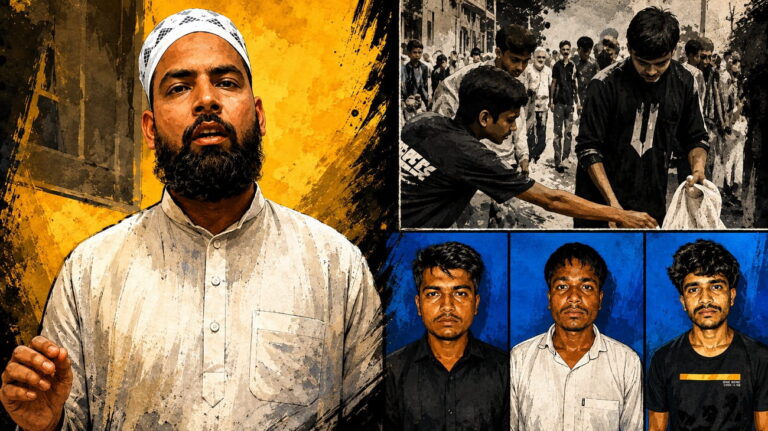
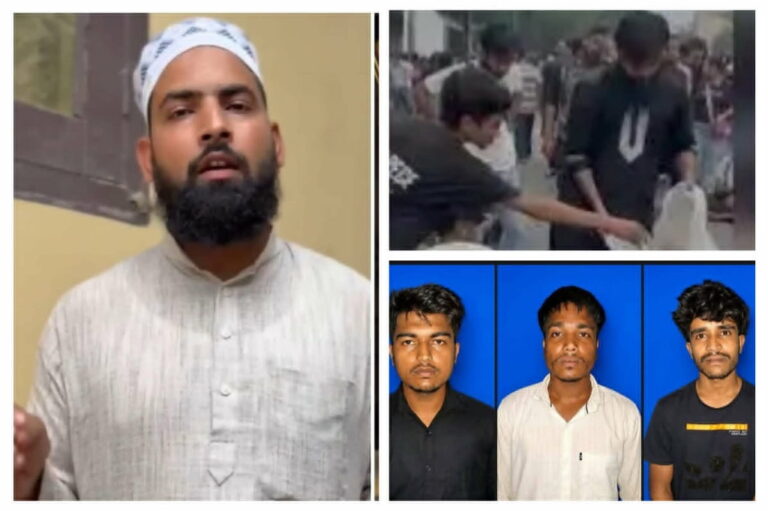
After Akbar Ali Mondal’s Killing, Pani Sol’s Hawkers Ask: How Will We Survive?

0

Pani Sol (Bankura): Every morning before sunrise, hundreds of bicycles and motorcycles roll out of Pani Sol village in West Bengal’s Bankura district. Plastic buckets, kitchen utensils, clothes, toys, cosmetics and household goods are tied to the carriers with ropes. Their owners travel across Bengal, Jharkhand and Bihar, knocking on doors to sell their wares.

For generations, this has been the lifeline of Pani Sol.

Today, fear travels those roads alongside them.

On 9 June, one of the village’s hawkers, 50-year-old Akbar Ali Mondal, was allegedly beaten to death in Purulia district while earning a living. Yet the arrest of the accused has done little to calm nerves in Pani Sol, where thousands of families depend on hawking for survival.

A week after the killing, the village remains engulfed in anxiety. Men leave for work with apprehension. Families wait anxiously for phone calls. Conversations in tea stalls, village shops and courtyards inevitably return to the same unsettling question: could the next victim be one of us?

Pani Sol, located under Onda Police Station in Bankura district, is one of the largest villages in the region. Home to nearly 80,000 to 90,000 residents, around 90 per cent of whom are Muslims, the settlement is known across neighbouring districts as a village of hawkers, with generations of families relying on itinerant trade for their livelihood.

According to local residents, nearly seventy to eighty per cent of the village’s young men earn their livelihood through itinerant trading. Every day, they travel long distances carrying household goods, relying on personal relationships, trust and repeat customers to earn a living. Few families have agricultural land. Even fewer have access to stable salaried employment.

Akbar Ali Mondal was one of these workers.

How Akbar Ali’s Final Journey Shook a Village of Hawkers

Akbar worked in areas near the Purulia-Jharkhand border alongside his 24-year-old son, Zulfikar Ali. Although father and son operated in different localities, they followed the same routine. They would leave early in the morning and return home after a day of selling goods door to door.

On 9 June, they set out as usual.

By midday, Zulfikar received a phone call informing him that his father had fallen ill and had been taken to hospital. Rushing there, he found not an injured man awaiting treatment but the lifeless body of his father.

Showing photographs of the deceased, Zulfikar struggled to control his emotions.

“I still cannot understand why such brutality was inflicted upon him,” he said.

Akbar Ali Mondal’s killing has left behind more than grief. Akbar’s widow and young daughter depended heavily on his earnings. The family’s modest mud house stands as a reminder of how fragile their economic existence had always been. Now the responsibility of supporting the household rests entirely on Zulfikar.

Fear Spreads Through Bengal’s Village of Muslim Hawkers

While Akbar’s family mourns a personal loss, many residents of Pani Sol fear the killing signals something larger.

Many villagers believe Akbar Ali Mondal’s killing has transformed a livelihood concern into a question of survival. Residents allege that harassment of Muslim hawkers has increased in recent years in some areas where they work. Several claim that traders are sometimes subjected to intimidation and communal abuse.

Zulfikar alleged that Muslim hawkers were occasionally forced to chant religious slogans and threatened with exclusion from local markets and neighbourhoods.

“We have been working under fear for a long time,” he said. “Now that fear has become even greater.”

Whether or not all such allegations are established through official investigations, the perception of insecurity is now widespread across the village. In many homes, parents worry every time their sons leave for work.

The impact on the village economy is already visible. Several hawkers working in distant areas have reportedly returned home after Akbar Ali Mondal’s killing. Others say they are reconsidering where they travel and whether they can continue in the profession at all.

The dilemma is stark: stay home and face hunger, or continue working while fearing for one’s safety.

Why Pani Sol’s Economy Depends on Thousands of Hawkers

Beyond the killing, the deeper tragedy lies in the economic reality of Pani Sol.

A drive through the village reveals a settlement bustling with human activity but struggling with limited opportunities. Bicycles loaded with merchandise are as common here as tractors are in farming villages.

The village economy revolves around hawking because alternative employment opportunities scarcely exist.

Despite its large population, the village has only two high schools and fewer than ten primary schools. Residents complain of teacher shortages and poor educational infrastructure. Extreme poverty forces many children to abandon their studies before completing secondary education.

According to villagers, only a handful of residents have secured government jobs. The number of graduates in a population approaching one lakh is astonishingly small.

The consequence is visible everywhere. Each generation enters the same occupation as the previous one. Sons become hawkers because their fathers were hawkers.

Hawking is not merely a source of income in Pani Sol; it is the backbone of the village economy.

That is why Akbar Ali Mondal’s death has generated fear far beyond his immediate family.

Growing Fear After Attacks on Travelling Muslim Traders

Residents also recalled earlier incidents involving hawkers from the village. One local resident cited an alleged stabbing attack on another trader from Pani Sol a few months ago near Bankura town.

Whether isolated or part of a broader pattern, such incidents have reinforced feelings of vulnerability among villagers.

“Hawking once meant hardship,” said an elderly resident. “Now it also means fear.”

Rights Groups Step In as Family Seeks Justice and Support

Akbar Ali Mondal’s killing has attracted the attention of rights organisations and community groups.

A team from the Association for Protection of Civil Rights (APCR), led by social activist Omar Owais, visited the family and assured them of legal assistance. Representatives of Jamiat Ulama-i-Hind also met villagers and expressed concern over both the killing and the broader economic insecurity facing the community.

According to Owais, the family is living under tremendous psychological pressure and requires legal support to pursue the case, particularly because the crime occurred around 90 kilometres away in Purulia district.

For a family already struggling financially, travelling repeatedly to another district to follow legal proceedings presents a major burden.

“How Are We Supposed to Live?”

The question echoing across Pani Sol today is not only who killed Akbar Ali Mondal, but what comes next.

Akbar’s elder brother, Noor Mohammad Mondal, who survives by selling poultry, summed up the village’s predicament.

“Many hawkers are returning home because they are frightened,” he said. “But there is no other work here. Tell me, how are we supposed to survive?”

His question captures the anxiety of an entire village.

For decades, the roads of Bengal, Jharkhand and Bihar provided a livelihood for Pani Sol’s residents. Today, those same roads have become a source of uncertainty.

As the investigation into Akbar Ali Mondal’s killing continues, thousands of hawkers from this village will once again leave home in search of customers. They will carry their goods as they always have.

But many will now carry something else as well: the fear that, for Muslim hawkers from Pani Sol, earning a living may itself have become dangerous.

What Do Leander Paes, Kamran Akmal, and RF Kennedy Jr. Have in Common? It’s Not What You Think

0

What Do Leander Paes, Kamran Akmal, and Robert F. Kennedy Jr. Have in Common?

At first glance, very little.

One is an Indian tennis legend, another a Pakistani cricketer, and the third an American political figure. Yet all three have been linked to the same neurological condition — neurocysticercosis (NCC), a parasitic infection of the brain that is one of the most important preventable causes of seizures and epilepsy worldwide.

Their stories highlight an important preventable and treatable cause of Epilepsy and seizures.

Understanding Epilepsy and Seizures

A seizure is a sudden burst of abnormal electrical activity in the brain. It may manifest as limb jerking, loss of consciousness, staring spells, unusual sensations, or temporary confusion.

Epilepsy is a chronic disease of the brain, a condition characterised by a tendency to have recurrent unprovoked seizures.

More than 50 million people live with epilepsy, and India has >12 million Persons with Epilepsy. A significant proportion of epilepsy cases are linked to preventable causes like brain infections, head injuries, birth-related brain injuries in newborns and substance abuse, especially in low and middle-income nations. Neurocysticercosis is among the most important of these causes. In endemic regions, it may account for up to 30% of epilepsy cases.

What Is Neurocysticercosis?

Neurocysticercosis occurs when the larvae of the pork tapeworm, Taenia solium, enter the human nervous system and form cysts within the brain.

One of the most common misconceptions I encounter in my clinic is, “Doctor, I don’t eat pork, so how can I have neurocysticercosis?” The answer lies in the life cycle of the pork tapeworm (Taenia solium).

Many patients with neurocysticercosis have never consumed pork. This is because the disease is most often acquired through accidental ingestion of tapeworm eggs contaminating food, vegetables, water, or hands. Poor sanitation, open defecation, inadequate sewage disposal, and improper food handling allow these eggs to reach the human mouth through the faecal–oral route.

In agricultural settings, vegetables grown in fields contaminated with untreated human waste or produce washed with contaminated water may carry these microscopic eggs. Since many vegetables and salads are consumed raw, a person can develop neurocysticercosis if they’re not washed properly.

Once ingested, the eggs hatch in the intestine, release larvae, and enter the bloodstream. These larvae can migrate to muscles, skin, eyes, and the brain. When they lodge in the brain, the condition is called neurocysticercosis, one of the leading causes of preventable seizures and acquired epilepsy in developing countries.

Why Does It Cause Seizures?

The brain reacts to the presence of these cysts. As the parasite evolves, degenerates, or dies, inflammation develops around the lesion. This irritation of brain tissue can trigger seizures.

Seizures are the most common clinical presentation of NCC. Depending on the location and stage of the lesion, patients may experience focal seizures, generalised seizures, headaches, raised intracranial pressure, or other neurological symptoms.

In fact, neurocysticercosis is considered one of the leading causes of acquired epilepsy worldwide and remains a major contributor to the epilepsy burden in many developing countries.

The Indian Perspective

India carries a substantial burden of neurocysticercosis.

Studies have shown that NCC is the most common identifiable cause of new-onset seizures in several parts of the country. Research from different regions has demonstrated that a significant proportion of epilepsy cases are attributable to NCC, and estimates suggest that over a million Indians may be living with epilepsy related to this infection.

The disease is not restricted to rural areas or any particular community. Cases are encountered across socioeconomic groups, particularly where sanitation and food hygiene remain inadequate.

How Is It Diagnosed?

Diagnosis begins with a careful clinical evaluation, especially in a person presenting with a first seizure.

Neuroimaging remains the cornerstone of diagnosis.

CT scans are excellent for detecting calcified lesions, while MRI provides superior visualisation of active cysts, surrounding inflammation, ventricular involvement, and other complications. Blood tests and specialised immunological assays may support the diagnosis in selected situations.

Importantly, not every ring-enhancing lesion on imaging represents NCC. Conditions such as tuberculosis, tumours, abscesses, and other inflammatory disorders must also be considered.

Can It Be Treated?

Yes. It’s a treatable disease. Treatment depends on the number, location, and stage of the lesions. Treatment includes regular anti-seizure medications, anti-helminthic medicines and sometimes steroids for short periods. Many patients experience excellent outcomes with appropriate treatment, and seizure control is often achievable. Some patients may require brain surgery.

Prevention: The Real Cure

The encouraging fact about neurocysticercosis is that it is largely preventable.

Simple measures can dramatically reduce transmission:

  • Wash hands thoroughly before eating and after using the toilet.
  • Consume safe drinking water.
  • Wash fruits and vegetables properly.
  • Improve sanitation and sewage disposal.
  • Identify and treat tapeworm carriers.
  • Ensure proper meat inspection and cooking practices.
  • Public health interventions targeting hygiene, sanitation, and awareness can prevent countless cases of seizures and epilepsy.

The Take-Home Message

The next time you hear about a seizure, remember that the cause may not always be lifelong epilepsy. Sometimes, the culprit is a tiny parasite that entered the body through contaminated food or water.

The stories of Leander Paes, Kamran Akmal, and Robert F. Kennedy Jr. remind us that neurocysticercosis can affect anyone. The good news is that it is often diagnosable, treatable, and, most importantly, preventable.

In a country like India, where epilepsy continues to carry medical and social consequences, improving awareness about neurocysticercosis may be one of the simplest ways to reduce the burden of preventable seizures.

The Future of INDIA Depends on Unity, Humility and Struggle

It is perhaps the first time that Congress leader and Leader of the Opposition in the Lok Sabha Rahul Gandhi has released his speech delivered at a meeting of Indian National Developmental Inclusive Alliance (INDIA) bloc leaders to the public. While his focus on building a united resistance to the Sangh-Bharatiya Janata Party (BJP)’s assault on the constitutional foundations of the Indian republic, as well as on the liberties and livelihoods of millions of Indians, is welcome, a few constructive observations may be in order in the interest of building a truly powerful and sustained resistance.

This writer has attended all INDIA bloc meetings, including the formative gathering in Patna, Bihar, in June 2023 before the alliance adopted the INDIA name. Mr. Gandhi’s impassioned speech, delivered at a time when the BJP’s ‘double-engine’/National Democratic Alliance (NDA) governments span over 20 States and Union Territories, was both reassuring and somewhat concerning. While it would have resonated strongly at a Congress meeting, parts of it seemed somewhat discordant in a gathering of 23 parties representing diverse ideological streams united in defence of India’s sovereign, socialist, secular and democratic republic.

Mr. Gandhi is right in reminding us that the Congress became a movement of resistance after Purna Swaraj (complete independence) became the official goal of the Congress. The resolution, introduced in the 1927 Madras session, and adopted two years later in the 1929 Congress session in Lahore, did propel the Congress into the leading position in India’s freedom movement, with communists, socialists, and what is now known as the Phule-Ambedkar-Periyar stream serving as other prominent stakeholders. We must not however forget that the Purna Swaraj idea was first presented in the Ahmedabad session of the Congress in 1921 by two communist delegates, Maulana Hasrat Mohani and Swami Kumarananda. And Bhagat Singh and his comrades made a clear and bold ideological statement with the launch of the Hindustan Socialist Republican Association in 1928.

Against Hindutva Politics: The Fight to Defend the Republic

The battle today is between the only ideological stream that stayed away from, and often opposed, the freedom movement and the diverse ideological currents that fought for and won India’s independence. The INDIA alliance represents a regrouping of these forces against the Hindutva school of the Rashtriya Swayamsevak Sangh (RSS)-BJP, which is seeking to reshape state institutions and the architecture of parliamentary democracy to advance its ideological agenda.

If the BJP gets a free hand in its push for ‘one nation, one party’, the Congress will suffer no less than other political parties; indeed, it has often proved more vulnerable. For all our glorious chapters from the history of the freedom movement, there is no accumulated ideological insulation or immunity for any party in the face of today’s all-out fascist offensive and ideological assault. The BJP itself is filled with leaders who were in the Congress not long ago. Even as Mr. Gandhi emphasised the need to resist the BJP, the Congress’s Chief Minister in Telangana was proudly invoking Hitler while defending Hyderabad’s controversial demolition drive.

If institutions are captured and the electoral system manipulated — from voter rolls to vote counting and the declaration of results — what option remains for the people who inherited a Constitution that envisions India as a sovereign, socialist, secular and democratic republic? Mr. Gandhi is absolutely right in arguing that the only answer is resistance — not sporadic or symbolic opposition, but sustained, broad-based and determined democratic resistance.

A New Economic Model: Fighting Cronyism and Protecting Rights

We can no longer afford policies that have proved disastrous for the country and the vast majority of its people. An economic model of crony capitalism that transfers all of India’s resources to a handful of corporations while impoverishing the masses and damaging the environment will have to go. A foreign policy that mortgages the strategic autonomy of India to the United States-Israel axis of aggression even as Indian sailors are killed by U.S. missiles needs immediate change. The assault on Adivasi land and forest rights, and attempts to rob them of their constitutional protections, must stop. A governance model that glorifies bulldozers and encounters while criminalising dissent has no place in a democratic republic. Equally, the ideology of cultural nationalism that defines nationhood through religious supremacy and exclusion must be rejected. Finally, an electoral system that sacrifices credibility and transparency needs urgent and comprehensive reform.

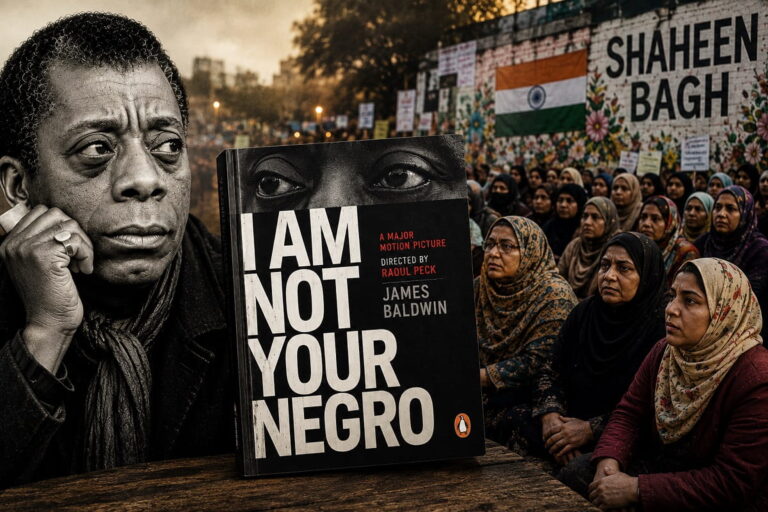
To be sure, such resistance is already underway. Farmers forced the Narendra Modi government to abandon the land acquisition ordinance in 2014 and, seven years later, repeal the three farm laws. The Shaheen Bagh-led movement against the Citizenship (Amendment) Act (CAA) in 2019 sparked nationwide opposition to what many saw as a threat to constitutional values. More recently, workers’ protests across north India against rising workloads and diminishing wages have highlighted growing economic distress. Student demonstrations, led by organisations ranging from the National Students’ Union of India (NSUI) or left student organisations such as the All India Students’ Association (AISA) and the Students’ Federation of India (SFI) or the new digital phenomenon called the Cockroach Janta Party (CJP), are demanding accountability for the deepening crisis in the education and examination system.

We must also acknowledge the price people have paid for this resistance. More than 700 farmers died during the historic farmers’ protest at Delhi’s borders. Father Stan Swamy died in custody. Activists such as Surendra Gadling, Umar Khalid and Sharjeel Imam, among others linked to the Elgar Parishad and CAA protests, have been languishing for years. Workers and activists are facing imprisonment for demanding basic rights and fair wages. Activist Sonam Wangchuk appears to be a rare exception, having been released after months of detention under the National Security Act without any clear explanation. Journalists, too, have faced severe pressure, with Prabir Purkayastha among the few to secure relief after prolonged legal action.

Contrast this record of courage and perseverance among the people with the disturbing state of political parties, many of which are splitting or imploding under the pressure of intimidation or the lure of power. It is a reminder of how humble we must be when speaking of building resistance. The challenge before the INDIA bloc is to connect with these ongoing struggles, tap into the reservoir of public disillusionment, anger and aspiration, amplify demands for justice, and strengthen the collective struggle for democracy.

Can the INDIA Bloc Rebuild Resistance and Regain Momentum?

The impact of two successive powerful struggles such as the equal citizenship campaign, the historic farmers’ movement, the message of the Bharat Jodo Yatra, and a series of encouraging electoral outcomes — from the BJP’s narrow escape in Bihar in 2020 to its defeats in West Bengal (2021) and Karnataka (2023) — created the ideal backdrop for the emergence of the INDIA coalition in 2023. Despite the exit of the Janata Dal (United) and the Rashtriya Lok Dal and the absence of electoral coordination in States such as West Bengal, Kerala and Punjab, the INDIA bloc came close to defeating the BJP-led NDA in 2024. The results in Uttar Pradesh, Maharashtra, Tamil Nadu — and, to some extent, Bihar — demonstrated INDIA’s electoral potential, raising the Congress tally to 100 seats and the alliance’s total to 234.

Since then, a series of electoral setbacks — beginning with the defeats in Maharashtra and Haryana in 2024 and Delhi in 2025 — has eroded the INDIA bloc’s strength and influence. These reverses, aided by multidimensional electoral frauds, have further tightened the BJP’s stranglehold over what remains of India’s electoral democracy. The INDIA bloc clearly needs a new impetus and a turnaround. Mr. Gandhi has a crucial dual role to play in this context — reenergising the Congress and facilitating the broader INDIA platform by ensuring mutual respect, trust and accommodation of parties with diverse histories and ideological inclinations. If India as a country can grow only on the basis of unity in, or rather through, diversity, the same also applies to INDIA as a political coalition.


This piece was first published in The Hindu.

Up in Flames: Why 4,000 Burned EVMs Rekindled a Democratic Crisis

0

Democracy does not end when the last vote is cast. It survives only so long as citizens continue to believe that the institutions counting those votes are transparent, accountable, and worthy of trust.

That is why the recent fire at a government warehouse in Alipore, Kolkata, where thousands of Electronic Voting Machines (EVMs) were reportedly damaged, cannot be dismissed as merely an administrative mishap. Whether the fire was accidental, the result of negligence, or something else entirely remains unknown. A forensic investigation is still underway. Yet the significance of the incident lies not only in what happened, but also in the political context in which it occurred.

According to official statements, nearly four thousand EVMs were damaged in the blaze. The state’s fire minister stated that the fire originated on the lower floors before spreading upward to the floors where the machines were stored. But before investigators had completed even a preliminary inquiry, authorities were already able to specify the number of damaged machines. Questions immediately followed.

Which elections were these machines connected to? Why were they stored there? What safety protocols were in place? How were the losses assessed so quickly? Most importantly, why should citizens simply accept official assurances when public trust in democratic institutions has already been steadily eroding?

The fire entered public consciousness against the backdrop of a highly contentious election season in West Bengal.

During the recent state assembly election, opposition parties and independent observers repeatedly raised concerns regarding delays in the publication of counting data on the Election Commission’s website. In a democracy, transparency is not merely procedural; the public must be able to follow the counting process in real time. When information becomes delayed, inconsistent, or difficult to verify, suspicion inevitably flourishes.

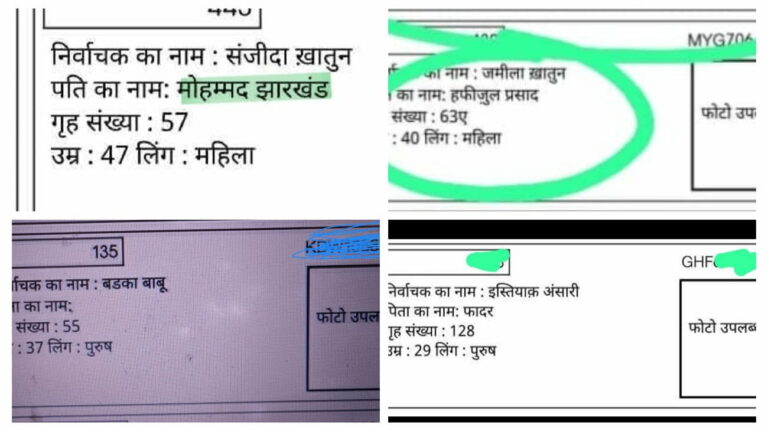
Particular controversy emerged around the Rajarhat–New Town constituency. Reports indicated that the Trinamool Congress candidate maintained a lead through much of the counting process before the outcome shifted dramatically in the final stages, producing a narrow BJP victory. Subsequent investigations by journalists and fact-checkers examined irregular voting patterns in at least one booth, where official figures appeared strikingly inconsistent with local demographic realities and voter testimonies.

None of this constitutes proof of electoral manipulation. The final result remained legally valid. But democratic legitimacy requires more than legal validity.

Why Legal Wins Fail to Win Over Public Trust

This distinction is increasingly important in contemporary India.

A political system can satisfy every formal legal requirement while simultaneously losing public confidence. Elections can be conducted according to established procedures, yet leave large sections of the population unconvinced that those procedures are functioning impartially. When this occurs, the crisis is not merely technical. It becomes political.

The issue extends far beyond West Bengal.

Across India, public confidence in key democratic institutions has weakened over the last decade. The Election Commission, investigative agencies, regulatory bodies, and even sections of the judiciary increasingly face accusations—fair or unfair—of political bias. Opposition parties routinely allege selective enforcement of laws. Critics point to patterns in which political defections overwhelmingly benefit the ruling party, while investigative scrutiny disproportionately targets its opponents.

Again, the point is not whether every allegation is true. The point is that democratic institutions are increasingly struggling to command unquestioned public trust.

Trust, after all, is not produced through official statements.

It is earned through transparency.

EVM Fires & Deepening Crises of Public Trust

This is where the Alipore fire becomes politically significant. The controversy is not fundamentally about EVM technology itself. The debate is about institutional credibility. When citizens no longer feel confident that information is being fully disclosed, every unexplained incident becomes a source of deeper anxiety.

In a healthy democracy, authorities would recognise this problem immediately. Rather than dismissing public concerns as conspiracy theories or partisan attacks, they would respond with radical transparency. Every detail concerning the damaged machines would be made public. Independent investigators would be granted full access. Questions would be answered promptly rather than avoided.

Because democracy ultimately depends on something more fragile than machines.

It depends upon consent.

The political theorist Antonio Gramsci argued that modern states govern not only through coercion but also through consent—the willingness of ordinary people to accept institutions as legitimate. Once that legitimacy begins to erode, formal authority may remain intact, but its social foundations begin to weaken.

India today faces precisely such a challenge.

The Alipore fire may ultimately prove to be nothing more than an unfortunate accident. Yet accidents acquire political meaning when they occur within systems already burdened by mistrust. In that sense, the significance of the fire lies not in what it destroyed physically, but in what it reveals politically.

A democracy can replace damaged buildings.

Rebuilding public trust is far more difficult.

No, Robots Aren’t Replacing Your Surgeon: The Real Story Behind Modern Knee Surgery

0

Over the years, one trend has become increasingly clear in my orthopedic practice: more and more people are seeking help for knee pain. What was once considered a condition affecting only the elderly is now increasingly seen in people in their forties and fifties.

Knee osteoarthritis has become one of the leading causes of chronic pain and disability in India. Longer life expectancy, rising obesity, sedentary lifestyles, and previous injuries are all contributing factors. Many patients delay seeking treatment, allowing the condition to worsen over time.

The impact extends far beyond pain. Activities such as walking, climbing stairs, travelling, offering prayers, or spending time with family can become difficult. While many patients benefit from medicines, physiotherapy, and lifestyle changes, advanced arthritis may eventually require Total Knee Replacement to restore mobility and quality of life.

Despite the success of the procedure, myths and misconceptions continue to prevent many deserving patients from seeking timely treatment.

Many readers may remember the public discussion around knee replacement when former Prime Minister Atal Bihari Vajpayee underwent the procedure. Since then, advances in implant design, surgical techniques, anesthesia, rehabilitation, and robotic-assisted technology have transformed patient outcomes.

Let us look at some of the most common myths I hear from patients and their families.

Myth 1: “Knee pain is a normal part of ageing. I should simply learn to live with it.”

Fact: Growing older is natural. Living with disabling pain is not.

This is perhaps the most common misconception I encounter. Many patients tell me, “Doctor, I thought pain is just part of getting old.”

While some degree of joint wear occurs naturally with age, severe pain that interferes with daily life should never be ignored. If knee pain is preventing you from walking comfortably, climbing stairs, sleeping peacefully, exercising, or performing routine activities, it deserves proper medical evaluation.

The goal of healthy ageing is not merely to add years to life but to maintain independence and mobility throughout those years.

Myth 2: “I should avoid knee replacement for as long as possible.”

Fact: Waiting too long can sometimes make recovery more difficult.

Many patients arrive at my clinic after years of suffering. They have reduced their activities, avoided travel, and become increasingly dependent on family members. Some have developed severe deformities and significant muscle weakness because they delayed treatment for too long.

Knee replacement should not be rushed, but it should not be postponed indefinitely either. The right time for surgery is when pain and disability significantly affect quality of life despite appropriate non-surgical treatment.

In my experience, patients who undergo surgery at the appropriate stage often recover more smoothly than those who wait until they become almost completely immobile.

Myth 3: “The entire knee is removed and replaced.”

Fact: The knee is resurfaced, not removed.

Whenever I explain knee replacement to patients, many are surprised to learn that we do not remove the entire knee joint.

In a Total Knee Replacement, only the damaged cartilage and a thin layer of underlying bone are carefully removed. These worn-out surfaces are then replaced with specially designed implants that recreate smooth movement within the joint.

The muscles, ligaments, tendons, and most of the natural structures around the knee remain intact. The objective is to restore function while preserving as much healthy tissue as possible.

Myth 4: “Knee replacement is extremely painful.”

Fact: Modern pain management has changed the recovery experience dramatically.

One of the biggest fears patients express before surgery is pain. Modern anesthesia, nerve blocks, improved surgical techniques, and multimodal pain-management protocols have dramatically improved the recovery experience.

Some discomfort is expected after any operation, but it is usually temporary and well controlled. Many patients later tell me that their fear of postoperative pain was far greater than the reality.

Myth 5: “I will be confined to bed for months.”

Fact: Early movement is now an essential part of recovery.

Modern rehabilitation emphasizes early movement. In most cases, patients begin standing and walking within 24 hours under supervision.

Physiotherapy starts early, helping patients regain confidence and mobility. Many can climb stairs within days and gradually return to routine activities over the following weeks.

Myth 6: “I am too old for knee replacement.”

Fact: Overall health matters more than age alone.

Families frequently ask whether a patient is “too old” for surgery.

The reality is that chronological age is only one factor. What matters more is the patient’s overall health, medical fitness, and functional needs.

I have treated many individuals in their seventies and eighties who remained active and independent after successful knee replacement. When carefully evaluated and properly prepared, older patients can benefit tremendously from the procedure.

Myth 7: “Artificial knees do not last very long.”

Fact: Modern implants are designed to serve patients for many years.

This concern is understandable, especially among younger patients.

Advances in implant design and materials have significantly improved durability. Modern knee replacements can often function effectively for 15–20 years or longer.

Longevity depends on factors such as surgical accuracy, body weight, activity level, and adherence to rehabilitation.

Myth 8: “I will never be able to climb stairs or travel again.”

Fact: Restoring function is one of the primary goals of surgery.

Most patients seek treatment because they want to regain the ability to live normally.

After successful rehabilitation, many patients return to activities they had abandoned years earlier. They can travel, walk longer distances, climb stairs, attend family functions, perform household tasks, and participate more actively in daily life.

While high-impact activities may still be discouraged, routine activities generally become much easier and more comfortable.

One of the most rewarding moments for any orthopedic surgeon is hearing a patient say, “Doctor, I can do things again that I thought I had lost forever.”

Myth 9: “Robotic Knee Replacement means a robot performs the surgery.”

Fact: The surgeon performs every step of the operation.

This misconception has become increasingly common with the growing popularity of robotic-assisted surgery.

A robot does not independently perform knee replacement surgery. The surgeon remains in complete control throughout the procedure.

The robotic system serves as a sophisticated planning and guidance tool that helps improve precision. It assists the surgeon in creating a personalized surgical plan, achieving accurate alignment, preserving healthy tissues where possible, and optimizing implant positioning.

Think of robotic technology as an advanced navigation system. It enhances the surgeon’s capabilities but never replaces clinical judgment, experience, or surgical skill.

Myth 10: “Robotic surgery guarantees perfect results.”

Fact: Technology is only one part of successful treatment.

Robotic technology is an important advancement, but it is only one part of successful treatment.

Excellent outcomes depend on appropriate patient selection, surgical expertise, implant quality, rehabilitation, and patient commitment. Technology can improve precision, but it cannot replace experience or effort.

Final Word to Patients and Families

Every week, I meet patients who tell me they wish they had sought help earlier. They spent years limiting their activities because of pain, often believing nothing could be done.

Knee replacement is not simply about replacing a joint. It is about restoring mobility, independence, and quality of life. Whether the goal is walking comfortably, travelling, offering prayers, or spending active time with family, the right treatment at the right time can make a remarkable difference.

If persistent knee pain is affecting your daily life, seek expert advice. The best knee replacement is not the earliest or the latest—it is the one performed at the right time for the right patient.

खेती, गांव और किसान को भूल रही है मुख्यधारा की मीडिया: डॉ. राजाराम त्रिपाठी

0

कोलकाता: “देश में मीडिया खेती-किसानी से जुड़ी खबरों को महज़ 6 प्रतिशत जगह देता है, जबकि 70 प्रतिशत लोगों का रोजगार सीधे या परोक्ष रूप से कृषि से जुड़ा है।” यह बात कृषि विशेषज्ञ, पत्रकार और ककसाड़ पत्रिका के संपादक डॉ. राजाराम त्रिपाठी ने हिंदी पत्रकारिता के 200 वर्ष पूरे होने के अवसर पर आयोजित समारोह में कही। उन्होंने कहा कि मुख्यधारा की पत्रकारिता में ग्रामीण भारत की समस्याओं को वह स्थान नहीं मिल रहा, जिसकी उसे जरूरत है।

भारतीय भाषा परिषद में साहित्यिक एवं शोध पत्रिका पैरोकार और भारतीय भाषा परिषद के संयुक्त तत्वावधान में आयोजित हिंदी पत्रकारिता द्विशताब्दी समारोह में बोलते हुए डॉ. त्रिपाठी ने कहा कि पत्रकारिता हमारे देश और लोकतंत्र में सबसे महत्वपूर्ण स्थान रखती है। “यह बाकी तीनों स्तंभों की नकेल कसने की ताकत रखती है, जो इसकी शक्ति को दर्शाता है। अगर ऐसा नहीं होता तो सुप्रीम कोर्ट के जज प्रेस क्लब में नहीं रोते।”

उन्होंने बस्तर के अपने अनुभव साझा करते हुए कहा कि दरभा विकासखंड जैसे पिछड़े इलाकों में, जहां झीरम कांड जैसी घटनाएं हुईं, लोग अपनी समस्याओं के समाधान के लिए स्थानीय पत्रकारों के पास पहुंचते हैं। “जब पंचायत, जिला प्रशासन या स्थानीय नेताओं से समस्या हल नहीं होती, तब पत्रकार मदद करते हैं। साप्ताहिक अखबार या डिजिटल संस्करण में खबर छपने के बाद नौकरशाही और ब्यूरोक्रेसी में थोड़ी हलचल जरूर होती है।”

‘आज पत्रकारिता की थाली में सिर्फ अचार (राजनीति) परोसा जा रहा है’

डॉ. त्रिपाठी ने कहा कि इलेक्ट्रॉनिक मीडिया में किसान तभी खबर बनता है जब वह टमाटर सड़क पर फेंक दे, दिल्ली की सीमाएं घेर ले या आत्महत्या कर ले। उन्होंने अफसोस जताते हुए कहा कि मीडिया राजनीति के पीछे जरूरत से ज्यादा भाग रहा है। “राजनीति का स्थान पत्रकारिता में भोजन की थाली में अचार जितना होना चाहिए, लेकिन आज सिर्फ अचार ही परोसा जा रहा है।”

उन्होंने खेती से युवाओं के बढ़ते मोहभंग पर भी चिंता जताई। उनके मुताबिक देश में करीब ढाई करोड़ लोग खेती छोड़ चुके हैं और नई पीढ़ी खेती की ओर लौटना नहीं चाहती। “बस्तर में 10-10 एकड़ जमीन खाली पड़ी है, लेकिन युवा खेती नहीं कर रहे हैं। हम दो लाख करोड़ रुपये का तेल खरीदकर खा रहे हैं, जो एक गंभीर स्थिति है।”

साहित्य और पत्रकारिता की भूमिका पर बोलते हुए उन्होंने कहा कि प्रेमचंद के गोदान का होरी आज भी जिंदा है, लेकिन आज के साहित्य और पत्रकारिता से किसान, गांव, तालाब और पीपल का पेड़ गायब होता जा रहा है। उन्होंने कहा कि साहित्य समाज का पथ-प्रदर्शक रहा है और पत्रकार समाज के अगुआ, इसलिए युवाओं को सही मार्गदर्शन देने की जिम्मेदारी दोनों पर है।

समारोह के दौरान डॉ. राजाराम त्रिपाठी को पैरोकार ग्रामीण पत्रकारिता शिखर सम्मान से सम्मानित किया गया। वहीं वरिष्ठ पत्रकार गंगा प्रसाद को पैरोकार पत्रकारिता शिखर सम्मान और वयोवृद्ध पत्रकार संतन कुमार पांडेय को हिंदी पत्रकारिता में विशिष्ट योगदान के लिए पैरोकार लाइफटाइम अचीवमेंट अवॉर्ड प्रदान किया गया। इस अवसर पर पैरोकार के पत्रकारिता विशेषांक का लोकार्पण भी हुआ। साथ ही भोपाल से प्रकाशित समागम तथा डॉ. त्रिपाठी के संपादन में प्रकाशित ककसाड़ पत्रिका का भी विमोचन किया गया।

आज की पत्रकारिता के सवालों के बीच इतिहास की याद

कार्यक्रम में मुख्य अतिथि वरिष्ठ पत्रकार विश्वम्भर नेवर ने हिंदी पत्रकारिता के इतिहास और उसके संघर्षों को याद करते हुए कहा कि ब्रिटिश शासन के दौरान भी पत्रकारिता सत्ता के खिलाफ खड़ी हुई थी। “ब्रिटिश सरकार के विरुद्ध अखबार निकाले गए, यह जानते हुए भी कि इससे नुकसान होगा, लेकिन फिर भी प्रतिवाद किया गया।” उन्होंने कहा कि उस दौर में भी ऐसे अखबार थे जो सत्ता के पक्ष में खड़े रहते थे। “उस वक्त भी गोदी मीडिया था, जैसा कि आज है।”

उन्होंने लाला लाजपत राय पर हुए पुलिस अत्याचार का जिक्र करते हुए कहा कि उन्हें इतनी बेरहमी से पीटा गया कि कुछ दिनों बाद उनकी मृत्यु हो गई। वहीं आपातकाल का उल्लेख करते हुए उन्होंने कहा कि पत्रकारिता ने उस दौर में भी संघर्ष का रास्ता चुना। उन्होंने रामनाथ गोयनका का उदाहरण देते हुए कहा कि उन्होंने इंदिरा गांधी के खिलाफ जयप्रकाश नारायण के आंदोलन का समर्थन किया और प्रेस की स्वतंत्रता के लिए मजबूती से खड़े रहे।

समारोह में सदीनाम के संपादक जितेंद्र जिंतांशु, शकुन त्रिवेदी, प्राध्यापिका रेशमी पांडा मुखर्जी, श्रीपर्णा तरफदार और इ-न्यूजरूम इंडिया के संपादक शाहनवाज़ अख्तर ने भी अपने विचार रखे। पैरोकार के प्रधान संपादक अनवर हुसैन ने स्वागत भाषण में पत्रिका के 15 वर्षों के सफर पर रोशनी डाली, जबकि समूह संपादक बिमल शर्मा ने धन्यवाद ज्ञापन किया। कार्यक्रम का संचालन डॉ. अभिज्ञात ने किया।

समारोह में वक्ताओं ने इस बात पर जोर दिया कि हिंदी पत्रकारिता के 200 वर्ष पूरे होने का यह अवसर केवल इतिहास को याद करने का नहीं, बल्कि यह सोचने का भी है कि पत्रकारिता समाज, गांव, किसान और आम आदमी की आवाज को कितनी मजबूती से सामने ला पा रही है।

Cockroach Janata Party: India’s Youth Are Angry, but What Comes Next?

0

Delhi: The first street protest of the Cockroach Janata Party (CJP) at Delhi’s Jantar Mantar was easy to mock. Young people wearing cockroach masks, slogans born on social media, and a movement that emerged from memes rather than party offices do not fit the conventional image of politics.

Yet dismissing it would be a mistake.

The emergence of CJP reflects something much deeper than a viral trend: a generation struggling with the crushing weight of examination scandals, paper leaks, recruitment delays, unemployment, and an increasingly uncertain future. What began as an online phenomenon has now entered the political arena because the frustrations it speaks to are deeply real.

For many in India’s liberal circles, however, the rise of CJP is being watched with caution. The memory of the India Against Corruption (IAC) movement remains a raw nerve. Like CJP, IAC drew large numbers of first-time protesters—idealistic young people frustrated with a stagnant system. Many celebrated it as a democratic awakening. Later, however, that anti-establishment energy ultimately helped reshape Indian politics in ways many of its early supporters neither anticipated nor desired.

That experience explains why some observers are reluctant to embrace a new anti-system movement without asking difficult questions.

At the same time, CJP is not IAC.

The concerns driving this movement are rooted in a distinctly Gen-Z reality. Millions of young Indians have spent the defining years of their youth cooped up in coaching centers, preparing for competitive examinations like NEET or UGC-NET, only to face abrupt cancellations, alleged irregularities, recruitment bottlenecks, and shrinking opportunities. These students are less concerned with abstract political debates than with a visceral, everyday question: will their education and hard work ever translate into a stable future?

The cockroach itself is a powerful, poignant symbol. It represents survival against all odds. In embracing a label often used by elites as an insult, these young supporters are attempting to turn humiliation into a badge of resistance. The message is clear: ordinary young people may be ignored, but they refuse to disappear.

Beyond the Minister: The Systemic Rot Behind the Scams

The real challenge, however, begins after the slogans fade.

Much of CJP’s current energy is focused on one immediate demand: accountability from Education Minister Dharmendra Pradhan. But what happens if that demand is achieved? What happens if the minister resigns?

Would India’s education crisis suddenly end?

The answer is obviously no. The systemic rot confronting students and job seekers is vastly larger than any single politician. It is hardwired into deeper questions of governance, institutional accountability, a lack of public investment, and skewed political priorities. Persistent examination scandals and recruitment failures are merely the bleeding symptoms of a system that many young Indians increasingly view as fundamentally broken.

This is where CJP’s future will be decided.

If it remains a campaign hyper-focused on one minister, it risks losing all momentum once that objective is met. But if it seeks to heal the structural issues behind the crisis, it will inevitably have to ask larger, more uncomfortable questions about the government itself, its economic policies, and the direction the country is moving in. No serious movement can claim to challenge a broken machine while limiting its criticism to a single cog.

The Ultimate Litmus Test: Navigating India’s Communal Polarisation

Yet, any youth movement seeking national relevance in today’s India must eventually confront a much steeper wall: deep-seated divisions.

The political apparatus CJP challenges has long relied on identity politics to defuse socio-economic anger. Whenever anger over jobs or broken promises peaks, the public discourse systematically steers toward religious polarisation. While manufactured debates around identity dominate prime-time television screens, quiet, desperate conversations about education, jobs, healthcare, and inequality are shoved to the margins.

A movement genuinely concerned with India’s future cannot afford to ignore this reality. Hate does not create employment. It does not build better universities or make examinations fairer. If anything, it acts as a highly effective smokescreen, diverting attention from the very bread-and-butter crises that determine whether millions of young Indians will thrive or sink.

Whether the Cockroach Janata Party is willing to break through this smoke screen and engage with these larger questions remains to be seen.

For now, its greatest significance lies not in its specific policy demands, but in the raw mirror it holds up to society: it reveals the deep, simmering frustration of a generation that feels entirely unheard. The masks may be humorous, but the anxiety behind them is deadly serious. India’s youth are searching for a new political language to express their pain and their aspirations.

The future of CJP will depend entirely on whether it can transform that digital anger into a coherent, inclusive vision for the country. If it cannot, it will remain just another viral moment. If it does, it could become something far more consequential.

Sleeping Under an Open Sky on No-Man’s Land: Two Children, Ten Lives, and the Machinery of Exclusion

0

For nearly three days, ten people — including three children — remained stranded in the no-man’s land along the India-Bangladesh border near Panchagarh. Exposed to rain, storms, and the summer sun, they waited for a decision that should never have been necessary: which state would acknowledge responsibility for them.

According to reports, India’s Border Security Force (BSF) attempted to push the group into Bangladesh on June 5. Bangladesh’s Border Guard (BGB) refused to accept them, leaving them trapped in the strip of territory between the two states. Only after prolonged tensions and diplomatic pressure were they reportedly taken back by Indian authorities.

Among those stranded was a family from North 24 Parganas in West Bengal. Local reports suggest that the father, Shamsul, had spent years working as a vegetable trader in India and possessed Indian identity documents. Yet this apparently made little difference. For seventy hours, his family occupied a political vacuum: citizens on paper, but disposable in practice.

The incident is not merely a humanitarian failure. It reveals something deeper about the contemporary politics of citizenship in South Asia and beyond.

Across the world, citizenship has increasingly ceased to function as a universal guarantee of rights. Instead, it has become a mechanism of classification and exclusion. States reserve for themselves the power to decide who belongs, who is suspect, who is legal, and who can be discarded.

This tendency is hardly unique to India. From the Mediterranean to the US-Mexico border, from the detention centres of Europe to refugee camps across Asia, modern states are investing unprecedented resources into policing human mobility. The language differs — national security, border management, demographic protection — but the underlying logic remains remarkably similar.

People who sell their labour across borders are treated as threats, while capital crosses those same borders with extraordinary freedom.

Marxist political theory has long emphasised that borders do not simply regulate movement; they also help organise labour markets. Capitalism depends simultaneously on mobility and restriction. Workers are encouraged to move when their labour is needed and prevented from moving when they become politically inconvenient.

This contradiction is particularly visible in South Asia, where millions of workers, traders, and migrants have historically moved across territories that long predate the borders established by Partition. The creation of modern nation-states did not eliminate these social and economic connections. It merely transformed them into administrative problems.

As economic insecurity deepens, governments increasingly turn citizenship into a political spectacle. Questions of employment, inflation, public services, agrarian distress, and inequality become more difficult to address. Questions of belonging become easier. The figure of the “outsider” emerges as a convenient political object onto which broader anxieties can be projected.

The people stranded at Panchagarh were not responsible for unemployment, rising prices, or social instability. Nor did two small children sleeping under the open sky constitute a threat to national security. Yet they found themselves caught within a machinery that increasingly prioritises territorial control over human welfare.

The tragedy of the border is that it transforms administrative uncertainty into human suffering. A person may possess documents, a work history, a family, and a community, yet still find their existence suspended by bureaucratic discretion. Citizenship becomes less a right than a conditional status, revocable in practice even when recognised in law.
The Panchagarh incident also exposes the limits of nationalist thinking. Neither Indian nor Bangladeshi workers benefit from the production of statelessness. The victims of exclusion are overwhelmingly poor people whose labour sustains the economies on both sides of the border. Nationalist politics invites them to see each other as rivals, while the conditions shaping their lives — precarious employment, shrinking welfare provisions, rising inequality, and intensified surveillance — remain strikingly similar.

This is why the left cannot approach such incidents merely as humanitarian crises. Humanitarian concern is necessary, but insufficient. The deeper question concerns the political order that repeatedly produces these situations.

A socialist politics begins from a simple premise: human dignity cannot depend on administrative categories alone. Rights cannot be contingent upon the changing calculations of border regimes. The value of a person’s life does not derive from a passport, an identity card, or a bureaucratic determination of belonging.

For seventy hours, ten people remained trapped in a place officially designated as belonging to no one. Yet their predicament reveals a larger truth about our political moment. The no-man’s land is not merely a strip of territory at the edge of two states. It is increasingly becoming a condition imposed upon vulnerable populations everywhere — people who are essential as workers but expendable as human beings.

The challenge before the left is not simply to demand a more humane border. It is to challenge the social order that repeatedly produces human beings whose rights can be suspended at the edge of a map.

Before Gandhi Led the Masses and Netaji Raised an Army, Barkatullah Bhopali Took India’s Freedom Struggle to the World

Bhopal: Barkatullah Bhopali belonged to the first generation of Indian revolutionaries who spent their entire lives fighting British imperialist rule in India and bringing together revolutionaries from across the world for the cause of India’s freedom.

Among freedom fighters, his name stands out as that of a fierce revolutionary who commanded the respect and confidence of Indian political activists of different hues. He was one of the major leaders of the Ghadar Party that gave this call in an era when speaking against British rule was considered sedition and carried severe punishment.

Pay: DEATH
Reward: MARTYRDOM
Pension: LIBERTY
Battlefield: BRITISH INDIA

Read it once again. This was the call given by revolutionaries for the cause of India’s freedom. Muhammad Barkatullah, born in Bhopal in 1854, was among those revolutionaries who faced tremendous hardships but dedicated their entire lives to the country.

He made the cause of India’s independence his mission from the very beginning.

This was an era when political leaders were not even demanding complete freedom. The ill-treatment of Indians, discrimination, and harsh laws made life difficult for ordinary citizens.

Even though major political leaders were reluctant to speak of complete freedom and were content with a space for dissent and demands for dominion status, Barkatullah and his fellow revolutionaries were planning to overthrow British rule and establish self-rule.

Building a Global Network for India’s Freedom

A companion of Lala Hardayal and Raja Mahendra Pratap, two leading revolutionary figures of the time, Barkatullah Bhopali believed that India needed to drive out imperialist forces. He therefore felt that revolutionaries must seek support from other nations. Apart from organizing revolutionaries in the US, Japan, and Afghanistan, he also met leaders of the Russian Revolution.

Barkatullah Bhopali visited dozens of countries, rousing Indians to join hands for the great cause of achieving independence. The scholar, often depicted wearing a red Turkish cap, inspired generations and made it his mission to fight for the liberation of the motherland from British rule.

When the revolutionaries formed the Government of India in Exile, Raja Mahendra Pratap Singh was made its President, while Barkatullah Bhopali became its Prime Minister. The revolutionaries aimed to launch an attack against the British and free the country from foreign rule.

This caused alarm among the British, who used their global power and influence to counter the revolutionaries. The prevailing international politics, the post-World War I scenario, and changing attitudes among world powers affected their plans. However, the revolutionary leader did not remain silent. From America to Japan and from the UK to Germany, Barkatullah travelled to countries sympathetic to the Indian cause, seeking support for a grand alliance against British rule and the atrocities and suppression faced by ordinary Indians. Throughout his life, British intelligence agencies pursued him.

It was the role of the Ghadar Party and its leaders to first light the fire of freedom in the hearts of Indians living across the world, and from the US to Malaya, revolutionaries came forward.

Later, this network proved immensely helpful when Netaji Subhas Chandra Bose formed the Indian National Army.

The Ghadar Party was so named because it sought to bring about a revolution and had a clear vision of how to fight and defeat British imperial forces.

Barkatullah was born on July 7, 1854. His vision of a united India, harmony among Hindus, Muslims, and followers of other faiths, his acceptance of differences, and his attitude towards leaders of the nationalist movement earned him widespread respect from leaders across the political spectrum.

The formation of the Government of India in Exile alarmed the British authorities. Through his speeches and writings, and through decades of effort across different continents, Barkatullah succeeded in bringing together revolutionaries of all hues and backgrounds.

He Did Not See Freedom, But Helped Shape It

The revolutionaries ensured that the situation in India became known worldwide. This included the mistreatment of citizens, injustice, and the consequences of maladministration and famines. They brought together Indian expatriates in countries as far apart as Malaya, Japan, Canada, the US, the UK, and Germany.

Indians in these countries were inspired to join the struggle. It was this network that later helped the Indian National Army.

It was while delivering a passionate speech in support of India’s independence during a visit to the United States that he suffered a heart attack and passed away in 1927. He is buried in Sacramento.

Barkatullah did not live to see India attain freedom, but it was the efforts of revolutionaries like him that brought the struggles of Indians to the world’s attention and gave further impetus to the freedom movement both within and outside the country.

Stroke Rehabilitation: Rebuilding Lives After a Brain Attack

0
Reactions to a stroke are typically limited to the emergency phase—recognising the warning signs such as weakness on one side of the body, slurred speech, drooping of one side of the face, or loss of consciousness. Swift recognition of stroke symptoms and prompt medical intervention can help reduce some of the devastating effects of this catastrophic condition. However, the challenges do not end there.
Unfortunately, even with timely and effective treatment, more than 50% of stroke survivors are unable to regain their pre-stroke level of function. Many remain dependent on others for basic activities of daily living. Once the acute phase of stroke is over, the long journey of rehabilitation begins. Stroke rehabilitation focuses on restoring independence, improving function, and enhancing quality of life.

What is a Stroke?

A stroke occurs when part of the brain is deprived of blood supply due to a sudden interruption of blood flow.
Stroke can be broadly categorised into two types:
Ischemic Stroke: Occurs when a blood vessel supplying the brain becomes blocked, usually by a clot.
Hemorrhagic Stroke: Occurs when a blood vessel in the brain ruptures, causing bleeding within the brain tissue.
In most cases, these events are sudden and painless, resulting in an abrupt loss of function in specific parts of the body depending on the area of the brain affected.
Stroke survivors may experience:
  • Partial or complete paralysis on one side of the body
  • Difficulty speaking or understanding speech
  • Loss of balance
  • Coordination problems
  • Vision impairment
  • Difficulty swallowing
  • Cognitive and memory deficits
  • Emotional disturbances such as depression and anxiety
The severity of these impairments varies according to the extent and location of brain injury.

The Global Burden of Stroke

Stroke remains one of the world’s most devastating neurological disorders. According to the World Stroke Organisation, nearly 12 million people experience a new stroke each year, while approximately 94 million people worldwide live with its consequences.
The impact extends far beyond mortality. Stroke is the leading cause of acquired disability among adults and the elderly, imposing a substantial social, emotional, and economic burden on families and healthcare systems.

The Science Behind Rehabilitation

The encouraging news is that the brain possesses a remarkable ability known as neuroplasticity.
Neuroplasticity refers to the brain’s capacity to reorganise itself by forming new neural connections. Healthy areas of the brain can gradually compensate for functions previously controlled by damaged regions.
Stroke rehabilitation harnesses this ability through repeated, targeted, and task-specific training. The earlier rehabilitation begins, the greater the opportunity to maximise recovery.
Research consistently demonstrates that structured rehabilitation improves functional outcomes and reduces long-term disability.

Goals of Stroke Rehabilitation

Stroke rehabilitation is individualised, but its primary goals include:
1. Restoring Physical Function
  • Improving strength and mobility
  • Regaining balance and coordination
  • Enhancing walking ability
  • Preventing contractures and muscle stiffness
2. Improving Independence
  • Dressing
  • Bathing
  • Eating
  • Personal hygiene
  • Household activities
3. Restoring Communication
  • Speech therapy for language deficits
  • Treatment of swallowing disorders
  • Improvement of cognitive communication skills
4. Cognitive Rehabilitation
  • Attention and concentration training
  • Memory enhancement
  • Executive function rehabilitation
  • Problem-solving skills development
5. Emotional and Psychological Recovery
  • Managing depression and anxiety
  • Rebuilding confidence
  • Social reintegration
  • Supporting caregivers

The Multidisciplinary Rehabilitation Team

Successful stroke rehabilitation requires a coordinated team approach involving:
  • Neurologists
  • Physiotherapists
  • Occupational therapists
  • Speech and language therapists
  • Rehabilitation physicians
  • Psychologists
  • Nurses
  • Dietitians
  • Social workers
Each professional addresses a different aspect of recovery, helping survivors achieve the highest possible level of independence.

Stroke Rehabilitation in India: Challenges and the Way Forward

Rehabilitation after stroke is a fundamental component of stroke care, especially given the expanding range of treatments available for acute stroke management.
Stroke survivors are often left with difficulties in movement, speech, cognition, swallowing, and the performance of routine daily activities. Many lose their independence. Without timely and carefully planned rehabilitation, these impairments may become permanent, increasing the burden of disability on both families and society.

The State of Stroke Rehabilitation in India

Recovery after stroke presents significant challenges, particularly in low- and middle-income countries such as India.
These challenges include:
  • The high cost of long-term rehabilitation
  • Shortage of trained rehabilitation professionals
  • Inadequate transportation facilities
  • Limited awareness about rehabilitation
  • Emotional trauma associated with disability
  • Lack of sustained family and community support
In many cases, patients exhaust their financial resources on acute medical care and have little or no money left for rehabilitation after discharge. Furthermore, most insurance plans provide limited or no coverage for post-stroke rehabilitation services.
The situation is even more challenging in rural India, where stroke rehabilitation services are often virtually nonexistent. Physiotherapists, occupational therapists, speech therapists, and rehabilitation physicians are frequently unavailable. As a result, many stroke survivors are left with significant disabilities and little guidance on recovery.

The Urban Paradox

Ironically, living in a city does not necessarily guarantee access to effective rehabilitation.
Despite the presence of advanced hospitals and specialist services, many urban stroke survivors fail to receive adequate rehabilitation.
Long commuting times, lack of disability-friendly housing and transportation, fragmented healthcare services, and high out-of-pocket expenses often result in delayed or irregular therapy sessions. Caregivers frequently struggle to balance employment responsibilities with the demands of accompanying patients to rehabilitation appointments.
For economically disadvantaged urban families, the challenge is even greater. Unlike rural communities, where extended family networks may provide support, urban families are often more isolated. Consequently, they face the dual burden of limited social support and poor affordability of long-term rehabilitation.

The Way Forward

To bridge the gap in stroke rehabilitation care in India, comprehensive stroke care must extend beyond the acute stage and continue seamlessly into rehabilitation and community reintegration.
Tele-rehabilitation offers a promising solution by enabling remote therapy, monitoring progress, and training caregivers, thereby helping to bridge service gaps in both rural and urban settings.
Policy measures should focus on:
  • Increasing the number of rehabilitation professionals
  • Expanding rehabilitation services across healthcare systems
  • Enhancing insurance coverage for rehabilitation
  • Improving the affordability of home-based rehabilitation
  • Strengthening caregiver education and support programs
Equally important is increasing awareness among patients and families regarding the importance of rehabilitation after discharge. Healthcare policies must recognise and address the substantial burden borne by caregivers.

Rehabilitation: An Investment, Not an Expense

The true cost of stroke is not measured solely by hospitalisation but by the years of disability that may follow.
Effective rehabilitation reduces dependency, improves functional outcomes, facilitates return to work, and lessens the emotional and financial burden on families.
Rehabilitation is often difficult for families to sustain, but neglecting it can be counterproductive in the long term. The long-term cost of caring for a dependent family member, along with the loss of economically productive time by caregivers, is frequently far greater than the cost of rehabilitation itself.
Investing in rehabilitation is therefore not merely a healthcare expenditure; it is an investment in restoring productivity, dignity, independence, and quality of life for millions of stroke survivors across India.
As India faces a growing burden of stroke, expanding access to rehabilitation may be one of the most powerful tools available to reduce disability and help survivors rebuild meaningful, independent lives.

A Message of Hope

A stroke can change life in an instant, but it does not have to define the future.
Modern stroke care extends far beyond emergency treatment. Through early rehabilitation, structured therapy, family support, and determination, many survivors regain independence and return to meaningful lives.
The true measure of stroke recovery is not merely survival—it is the restoration of function, confidence, and participation in life.
Every step regained, every word spoken again, and every task performed independently represents a victory over one of medicine’s greatest challenges.
Stroke may damage the brain, but rehabilitation helps rebuild lives.