Stripped of Rights: How West Bengal’s OBC Verdict is Sparking a Movement for Justice Among Muslim Communities

[dropcap]T[/dropcap]he Muslim society of Bengal faced a gradual decline after the Battle of Plassey. At the beginning of the 20th century, it started to turn around socio-economically. But Partition in the middle of this century created an intellectual vacuum in the Bengali Muslim community of West Bengal. The report headed by Justice Rajinder Sachar proved that the situation has not improved much even after many years of independence. Also, according to the Ranganath Misra report, some recommendations were made to improve the situation. After a long procurement, the West Bengal government took some steps to bring the backward sections of the Muslim community under reservation in the education and employment sector.

Even in earlier times, some sections of the Muslim community were getting some limited rights as per the recommendations of the Mandal Commission belonging to other backward classes. That such provisions were not enough was exposed in the report of the Sachar Commission. In West Bengal, the work continued even after the political transition and in 2012, the OBCs were divided into A and B groups with some reservations and other privileges. And an organization called Atmadeep went to court to challenge this. Reservation of OBCs has always been frowned upon by a section of society. The scene of self-immolation against the recommendations of the Mandal Commission has been widely circulated. After that, the anti-OBC organization Youth for Equality was formed due to Arjun Singh’s recommendation about OBC. It was led by Arvind Kejriwal, the ex-Chief Minister of Delhi. After a decade-long litigation, the High Court declared the entire process null and void due to procedural errors. The judgment also commented,

“This Court is of the view that the selection of 77 classes of Muslims as Backward is an affront to the Muslim Community as a whole. This Court’s mind is not free from doubt that the said community has been treated as a commodity for political ends. This is clear from the chain of events that led to the classification of the 77 Classes as OBCs and their inclusion to be treated as a vote bank. Identification of the classes in the aid community as OBCs for electoral gains would leave them at the mercy of the concerned political establishment and may defeat and deny other rights. Such reservation is therefore also an affront to Democracy and the Constitution of India as a whole”

One cannot be blamed if one finds such comments made by the judges who passed such judgments to be insensitive to the backward society and out of touch with the real situation. Only the judges can answer how they considered the inclusion of 77 communities in the OBC category as ‘electoral advantage’ and ‘a product of political gain’ without considering the historical and socio-political context.

OBC certificates issued since 2010 in West Bengal have been nullified in a long-running case in the High Court.

As a result, the rights of nearly five lakh OBC-beneficiary people became uncertain. Even when the OBC quota was in place, there were many complaints that the benefits were not provided properly under this quota. Several social workers have complained that OBC privileges have been violated in various workplaces in various universities. It has been repeatedly stated that OBC facilities in West Bengal are less than in other states.

In this situation, there is a sensation in the student society of West Bengal.

Although the case has reached the Supreme Court, the progress is not promising.

Additionally, dissatisfaction within the larger Muslim community either for securing admission to college universities or for job applications is increasingly concerned about the inactiveness of the government. Altogether, the community people from rural to urban demography of the state are likely to take the streets for their systematic deprivation and wilful indifference to the running government. In several places, thinking about the uncertain future, the inception of the movement has started. As part of this initiative, posters have been seen in different districts. The poster labelling is believed to be from among the sufferers.

Posters demanding justice on OBC issues were seen from Furfura Shrine to the Aliah University Campus in Park Circus. Time will tell how far the effect of this poster labelling will be fruitful. But such posters are proof that people are becoming increasingly concerned about this issue. It has always been true that communities where a lack of education has been present for a long time lead to unemployment in the socio-economic sphere leading to criminal tendencies. In the violent political history of West Bengal, backward castes have been used as cudgel-bearers by political leaders. Therefore, it is a concern for the security of the state that the future of so many students and youths in the field of education and work is uncertain because of cancelling the OBC facilities. And coming forward to solve this situation is not only a matter of a community, not a matter of a state but the responsibility of the entire nation.

Jharkhand’s Political Chessboard: Manju Devi Joins BJP, JMM Capitalizes on Congress’ Crisis

0

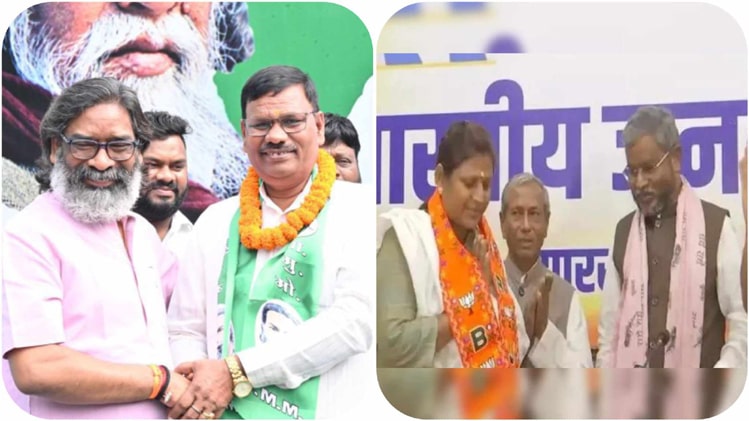
Ranchi/Giridih: Recently, it has become a common sight for Congress leaders to desert the grand old party and join the saffron brigade during election season. However, most of the time, either the leader remains sidelined in the party, or their recent electoral performances are not strong, leading them to leave for a better deal. In the Jamua assembly segment, Congress faced a significant setback when its most promising candidate, Manju Devi, left the party and joined the arch-rival BJP days before Jharkhand assembly election announced.

Manju Devi, the Congress candidate in 2019, was the runner-up against Kedar Hazra, the Bharatiya Janata Party candidate. Manju remained active for five years. The daughter of Sukar Ravidas, a two-time MLA from Jamua, she was also active during the COVID-19 pandemic and was widely expected to secure the Congress ticket this time as well.

So, why did she leave the party, which had secured more than 40,000 votes?

“Congress has many factions in Giridih district. All had their own candidates for the Jamua seat. Despite coming second in the last assembly polls, Manju Devi was not sure about her candidature,” said Asrar Alam, a Jamua resident and close associate of Manju Devi, in an interview with eNewsroom.

“Last time, she got the ticket with the help of the Gujarat Congress lobby, not from Jharkhand,” he added.

Sources also mentioned that Manju did not have enough funds to contest the election and believed she would receive more financial support from the BJP than from Congress, which became another reason for her defection.

When contacted, district Congress president Dhananjay Singh told eNewsroom, “I fully supported Manju Devi, and if she had received the ticket, she would have likely gotten the funds too. She chose to join another party; we couldn’t do much about it.”

The BJP wasted no time in announcing her candidacy, replacing the sitting MLA, Kedar Hazra.

Exchange of candidates between INDIA and NDA

Where Congress lost, its ally in Jharkhand, Jharkhand Mukti Morcha (JMM), gained. The incumbent legislator Hazra left the BJP and joined the JMM.

JMM has declared Kedar Hazra as their candidate, effectively taking the seat from Congress.

Meanwhile, sources say senior Congress leaders are unhappy with the JMM for taking seats away from the party.

Shahnawaz Ansari, JMM’s central committee member and vice-president Giridih unit, claimed that the former BJP MLA being an INDIA candidate will not significantly affect minority voters, as the votes will go to the INDIA bloc, not just the individual candidate. “The INDIA bloc, led by the JMM government and Hemant Soren, has provided good governance in the state, including for Muslims. So, by and large, minority votes will go to Kedar Hazra,” Ansari said.

Since the election was announced, JMM has been a major gainer so far. On the same day that Kedar Hazra joined JMM, another BJP MLA, Umakant Razak, deserted the saffron camp. A couple of days later, former Silli constituency MLA Amit Mahto also joined JMM. Silli is an assembly segment represented by sitting MLA and AJSU supremo Sudesh Mahto.

On November 20, in the second phase, votes will be cast in Jamua.

Karva Chauth: Tradition Meets Romance in Bollywood’s Cinematic Universe

0

[dropcap]O[/dropcap]f all the regional festivals that Hindi movies have popularised throughout India the most, Mumbai’s Ganesh Chaturthi and Karwa Chauth are the very top. Bollywood selected Karwa Chauth because it perfectly fit the image of blissful, society-sanctioned, post-marital love and devotion. 

The ritual is held on the fourth day of the dark fortnight after Kojagari Purnima, in the month of Kartik of the Hindu lunar calendar — usually around the middle of October. North Indian states like Punjab, Haryana, Delhi, Himachal Pradesh, Uttar Pradesh, Madhya Pradesh and Rajasthan observe the vart. It does not seem so popular in Bihar and other Hindi-speaking areas of the East. Prayers are directed to Karva Devi, Parvati, and Chauth, while gods like Shiva, Ganesha and Kartikeya are also kept happy, with worship for their blessings.

The term Karva Chauth is made up of two words, ‘Karva,’ which means an earthen pot with a spout and ‘Chauth’ which means fourth lunar day. Women offer water to the moon when it is sighted —with the spouted clay vessel. It is a folk ritual as there are no priests and cumbersome rites. People believe that this festival originated from women praying for the safe return of their husbands who had left home to fight wars or to trade in far-off lands. The core region did, indeed, send out warriors and adventurers.

Mythological tales of completely devoted wives abound— the ancient tale of Savitri-Satyavan is just one. The faithful wife brought back her husband from the jaws of death with her determination and prayers. It’s quite like the story of Behula in Bengal. Another story is that of Veervati, who fasted and prayed ever so  rigorously for a whole year until the gods brought her husband back to life.

On the evening before Karva Chauth, the mother of the woman sends Bayaa, consisting of clothes, coconut, sweets, fruits and sindoor (vermillion) for her daughter and gifts for the mother-in-law. Even gifts serve as markers of the marital status of Hindu women, like toe rings, anklets, glass bangles, vermillion, bindi/tika and alta, a red border applied around the feet). Women also apply mehendi (henna) on their hands.

The family wakes up before sunrise on the day of Karva Chauth and married women consume a Sargi meal of fresh fruits, dry fruits, sweets, chapatis and vegetables offered by the mother-in-law. In the late afternoon, women come together with their respective thalis containing coconuts, fruits, dry fruits, a diya (lamp), a glass of kachi lassi (a drink made of milk and water), sweet mathri and the gifts that are for the mother-in-law. They encircle the idol of Gaura Maa (Goddess Parvati) and the story of Karwa Chauth is narrated by a wise elderly woman. Then they start to rotate the thalis around the circle, the thali batana as it’s called, and sing folk songs. It is soon time to look at the sky, usually from the rooftop, to catch a glimpse of the moon. This they view through a chhanni (sieve) and break their fast only then — after offering kachi lassi to the moon and reciting a prayer for their husbands.

The occasion is somewhat lopsided, as it is the wife who has to go through a day-long fast to convey her love and care for the husband and to ensure his well-being and longevity. What is more satisfying is to see that nowadays many husbands also observe a reciprocal fast — which is quite unconventional, but it conveys the right message. Many feel we should not encourage this patriarchal ritual and feel we should give it up, but others say that if the wife feels she can publicly declare her love for her husband, who are we to interfere? Besides, it is hardly religious any more — it’s an all-women’s festival, where ladies of other communities also join in for the dressing up, decorations, applying mehendi and other such fun. 

It is a fact, however, that unequal rites and rituals that are so full of patriarchal values are on the way out — all over the world — but this Karva Chauth has been given a new romantic connotation and a new lease of life by Bollywood.

BJP Defies Polls in Haryana, Sets Sights on Maharashtra and Jharkhand; Watch out Omar Abdullah and LG relation in J&K

0

[dropcap]T[/dropcap]he results of recently held Haryana and Jammu and Kashmir assembly elections threw up mixed results contrary to what was expected. Pollsters and political pundits had concluded that the BJP will be out of power in Haryana paving the way for a resurgent Congress and the verdict in Jammu & Kashmir will be hung. Almost all opinion polls and exit polls had made their prediction on similar lines boosting the morale of the opposition camp ahead of the all-important Maharashtra assembly elections and in Jharkhand where the BJP is confident of wrestling power from Hemant Soren led Gathbandhan government. Also, the Delhi assembly elections are not very far behind where Aam Aadmi Party supremo Arvind Kejriwal would be banking sympathy wave after his stint in jail on corruption charges and is now out on bail.

However, the Haryana results dashed the hopes of the opposition camp as the BJP won a historic consecutive third term that no party has ever achieved in the state. Besides, the BJP won the state comfortably, bettering its result five years back when it had to tie up with the JJP led by Dushyant Chautala. But the BJP pulled out of the alliance months before the elections and as results show it had little impact on the BJP’s chances. Whereas the Congress, confident of victory, snubbed AAP, refusing to ally, as senior state leaders like Bhupinder Singh Hooda reportedly thought AAP was in a position to dent Congress prospects in Haryana and the grand old party was better off fighting it alone. That could well be true as AAP performed badly in the state. But Congress calculations failed before the BJP’s Haryana strategy that stumped Congress leaders who went into a denial mode by blaming slow counting by the Election Commission. Congress party spokespersons, the Congress president and Rahul Gandhi reacted by saying they would analyse Haryana results as there were complaints from some tightly contested seats.

But a hard look at the state of affairs in the Haryana Congress is that its senior leaders were busy fighting among themselves. Even the senior Dalit leader Kumari Selja openly expressed her displeasure for being sidelined. The Congress party put all eggs in the basket of the Jat votes who form less than 30 per cent of the state’s population whereas the BJP reached out to all sections of the state and made sure its welfare programmes reached out to all those sections that get left behind. In the end, the people of the state thought they were better off continuing with the BJP than giving the Congress a chance. That’s a harsh lesson for the Congress party.

The outcome has opened up the upcoming Maharashtra elections where again the opposition alliance is hoping to put up a strong fight. If the BJP could win Haryana despite the most popular leader of the party, Prime Minister Modi campaigning only a few times, what would happen if the prime minister launched an aggressive campaign in Maharashtra? Can the opposition leaders, the NCP patriarch Sharad Pawar, Uddhav Thackeray and the state Congress leaders fight him out?

In Jammu & Kashmir, former chief minister and National Conference leader Omar Abdullah is at the helm of affairs yet again. Only a few months back, he was reluctant to fight elections and had lost the last Lok Sabha elections. But destiny had some other plans for junior Abdullah. His party continues to demand the restoration of statehood and Article 370. But it’s everyone’s guess how it is easier said than done. The Modi government has promised to restore statehood at the right time. It would be interesting to watch how Omar Abdullah works with the centre-appointed Lieutenant Governor (L-G) without any friction as after the abrogation of Article 370, the powers of the UT are curtailed leaving little room for maneuvering.

Only time will tell how things will pan out. But clearly, the exit polls have lost people’s trust.

टू स्टेट्स, वन इलेक्शन डेट: झारखंड में 40 दिन पहले चुनाव, झामुमो का आरोप—हेमंत सोरेन की लोकप्रियता से घबराई भाजपा ने कराया जल्द चुनाव

0

रांची/गिरिडीह: झारखंड और महाराष्ट्र में चुनाव की घोषणा हो गई है, पर ये एक देश, एक चुनाव के तर्ज़ पर, दो प्रदेश एक जैसी चुनाव की तारीख जैसा हो गया। झारखंड में दो चरणों में वोट डाले जाएंगे, 13 और 20 नवंबर को, जबके महाराष्ट्र में एक चरण में 20 को। महाराष्ट्र विधानसभा का कार्यकाल 26 नवंबर को पूरा हो रहा है। वहीं झारखंड विधानसभा का कार्यकाल 5 जनवरी 2025 को पूरा होगा। मतलब झारखंड के लोगों ने जिस पांचवे विधानसभा को चुना था उसका कार्यकाल 40 दिन पहले पूरा हो गया।

झारखंड मुक्ति मोर्चा वाली गठबंधन सरकार ने चुनाव आयोग से दो बार चिट्ठी लिख कर राज्य में चुनाव बाद में कराने और कार्यकाल पूरा करने का आग्रह किया था। चुनाव आयोग की तारीखों के ऐलान के बाद, झामुमो के महासचिव विनोद कुमार पांडेय ने प्रेस ब्यान जारी कर पूछा है कि आखिर चुनाव आयोग ने इतनी जल्दबाजी में झारखंड में चुनाव की घोषणा क्यों की है?

सत्तारूढ़ झारखंड मुक्ति मोर्चा ने झारखंड में चुनाव की घोषणा को लेकर भारत निर्वाचन आयोग की विश्वसनीयता पर सवाल खड़ा किया है और कहा की हेमंत सोरेन की लोकप्रियता से घबरा कर भाजपा ने समय से पहले कराया चुनाव।

विनोद पांडेय ने प्रेस ब्यान में के भाजपा के चुनाव प्रभारी हिमंता विस्व सरमा के चुनाव की तारीखों का पहले से पता होने पर भी सवाल खड़ा किया है।

“चुनाव आयोग की घोषणा से एक दिन पहले असम के मुख्यमंत्री व भाजपा के चुनाव सह प्रभारी हिमंता बिस्वा सरमा ने यह बता दिया था कि मंगलवार को चुनाव आचार संहिता लग जाएगा। इससे दो प्रश्न उठते हैं। एक चुनाव आयोग भाजपा के निर्देश पर चल रहा है, या दूसरा चुनाव आयोग के फैसले की जानकारी भाजपा को पहले मिल जाती है। दोनों ही स्थिति में चुनाव आयोग जैसी संवैधानिक संस्था की विश्वसनीयता पर प्रश्न खड़ा होता है। कहीं न कहीं झारखंड में मुख्यमंत्री हेमंत सोरेन की बढ़ती लोकप्रियता और उनके नेतृत्व में इंडिया गठबंधन की सरकार में जनहित में लिए जा रहे ऐतिहासिक निर्णयों से भाजपा घबरा गई है। यही वजह है कि हेमंत सोरेन को अपना कार्यकाल पूरा नहीं करने दिया जा रहा है।”

विनोद पांडेय ने ये भी कहा कि हाल में मुख्य चुनाव आयुक्त के नेतृत्व में आयोग की टीम ने झारखंड का दौरा किया था। विभिन्न राजनीतिक दलों के साथ झामुमो ने भी दीपावली, छठ महापर्व को मद्देनजर रखते हुए इसके बाद चुनाव कराने का आग्रह किया था। इसके अलावा राज्य गठन के मद्देनजर 15 नवंबर को स्थापना दिवस के बाद चुनाव कराने का अनुरोध किया भी किया गया था। हरियाणा में त्योहार के मद्देनजर चुनाव की तारीख बढ़ाई गई, लेकिन झामुमो के किसी भी आग्रह को चुनाव आयोग ने नहीं माना।

हालांकि, राजनीति के जानकार ये मानते हैं कि झारखंड में जल्द चुनाव होने से हेमंत सोरेन सरकार की मईया सम्मान योजना का झारखंड के जनमानस पर प्रभाव बरकरार रह गया। मईया के जवाब में भाजपा ने गोगो सम्मान योजना लाने के लिए आवेदन भी जारी किए, वो इसे ज्यादा प्रचार-प्रसार से भी रुक गई। वहीं मईया सम्मान योजना जिसमे राज्य की महिलाओं को पिछले तीन माह से 1000 रुपये मिल रहा और कैबिनेट ने दिसम्बर से 2500 करने का प्रस्ताव पास कर दिया, हेमंत सरकार नामक नाव के लिए खेवनहार बन सकती है।

How the Palestinian Struggle is Redrawing the Map of Muslim World Power

0

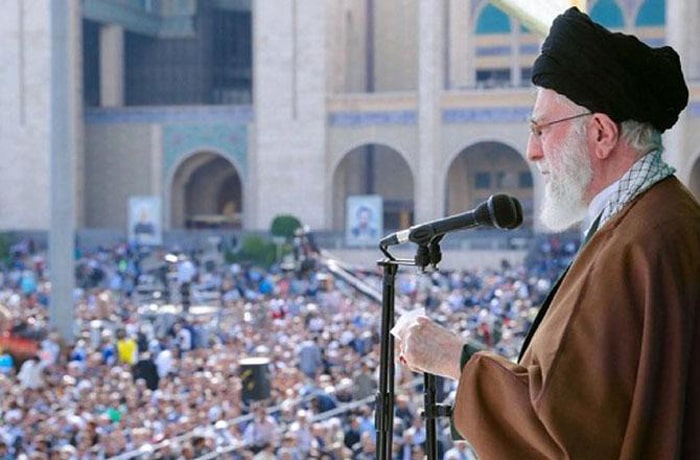
[dropcap]T[/dropcap]he intensity of the world’s interest in last Friday’s prayer in Tehran led by Iran’s Supreme Leader Ayatullah Khamenei has been unprecedented. Media outlets and commentators, including many that are openly hostile to the Iranian state and its revolutionary ideology, vied with each other to relay and dissect the content and significance of this massive religious gathering in the Iranian capital.

In that remarkable moment, the configuration of the Muslim world appeared very different from what it is usually assumed to be. Rather than Mecca-Medina, or any of the major Arab capitals, it was a Persian city that appeared to be at the centre of the global Muslim community or the Ummah. In a speech heavily infused with Qur’anic themes, a Shi’a religio-political leader addressed not just the massive crowds of men and women that had gathered in fearless defiance of Israeli threats, but also nearly two billion Muslims across the globe, calmly urging them all to forge a united front against their common enemies.

Also present was the Iranian President Masoud Pezeshkian who had just returned from Qatar after meeting with several Arab leaders and foreign ministers a few hours after Iran’s major missile assault on Israel. At these meetings in Doha, America’s Arab allies including Saudi Arabia unequivocally condemned Israel’s recent actions, and enthusiastically claimed to seek better ties with Iran. They also assured Pezeshkian that they would not allow their countries to be used to harm Iran.

This writer postulates that far from being an aberration, the seemingly unusual events described above are revelatory of undercurrents that have strengthened enormously over the past year, ever since the Palestinian uprising of 7 October. It may no longer be appropriate to speak of them as undercurrents. They are now trends, and they are set to strengthen and grow further in the days ahead, precipitating rapid changes across the Muslim world, especially in West Asia and North Africa. Let’s go over some of them.

The strength of identities in Muslim societies – for example, the feeling of being primarily Saudi or Turkish for example, or that of being Arab or Sunni– has changed considerably over the past year. On the one hand, countries such as Iran and Malaysia that have openly supported the Palestinian cause have experienced a surge in national pride. On the other hand, national pride has frayed in societies such as Saudia Arabia and Egypt, countries that are seen as being ruled by Israel-friendly regimes. The case of Yemen is unique; it appears that the Yemenis’ strong show of support for the Palestinians has accelerated the forging of a new shared national identity in a hitherto tribally-ordered society in which such an identity was nearly absent.

Another arena in which the ummah has witnessed rapid change over the past year is that of the soft power enjoyed by various countries and political actors. Players all across the Muslim world have seen a rise or decline in their soft power in direct proportion to their perceived levels of support for the Palestinian cause. Thus Yemen, Iran and its allies such as Hezbollah have seen their popularity skyrocket to levels not seen before. Suspicion of the Shi’a has declined, and in some cases has been replaced by respect. Algeria, Turkey, and Malaysia have fared reasonably well, as have Russia and China. The biggest decline in soft power in the Muslim world over the past year has been suffered by the USA; the decline has been so precipitous that it appears difficult to imagine that America can ever recover its earlier position of power and influence. With its uneven voting record at the UNGA and its continued supply of arms to Israel, India’s soft power too has suffered, albeit to a far lesser degree.

Yet another change that has occurred at an accelerated pace over the past year is like the relationship between the masses and their ruling elites. Except for a few countries such as Syria and Iraq, disenchantment with the ruling class has grown sharply in almost all Arab countries, sometimes leading to the intensification of repressive measures and policies in those societies.

Driven by developments in the war over Palestine, these and similar trends are leading to a rapid reconfiguration of identity and power patterns across the Muslim world. Dynamics across the ummah have shifted sharply towards greater transnational and intersectarian unity and lesser Western influence. More than nationality or affiliation to a specific sect or ethnicity, it is the intensity of support for the Resistance in Palestine that has started to determine the power quotient of any player in the Muslim world. Thus, as Israel spreads its US-backed war to Lebanon and perhaps beyond too, the stature and influence of countries, societies and groups that confront it is set to grow even further.

In summary, it appears that last year’s October 7 attack and the immense suffering that has followed it have catalysed the emergence of a new future for the Muslim world. It’s a future in which the power and influence of countries and groups that constitute the Muslim World will increasingly be determined by the strength or weakness of their support for the Palestinian cause. Therefore, more than viewing it as an aberration, it may make more sense to see Friday (October 4)’s prayers in Tehran and the enormous attention they attracted as a glimpse of the future.

90% Disabled, 100% Ignored: Prof GN Saibaba’s Death Is a Wake-Up Call

0

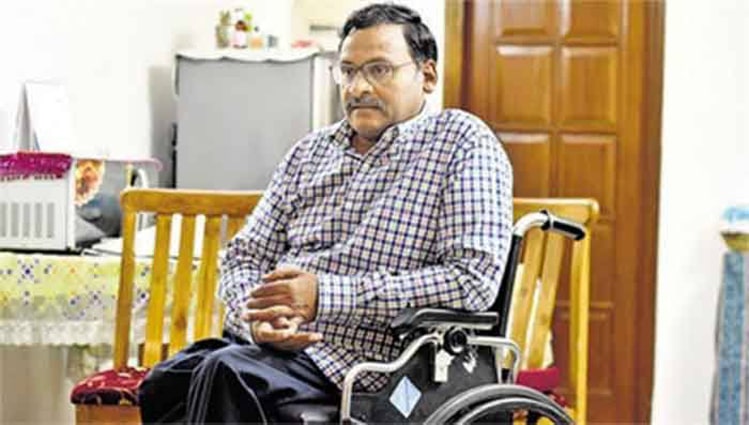
[dropcap]T[/dropcap]he death of Prof GN Saibaba in Hyderabad yesterday should haunt our judiciary which was unable to rise and understand the pain he was going through. A person with 90% disability yet full of convictions was made India’s most ‘wanted’ person by the state, equally endorsed by the judiciary as well. I have mentioned many times that in a democracy people might have divergent views. As long as we have faith in constitutional values and democratic dissent, these views ultimately strengthen us.

He was arrested for his ‘alleged’ Maoist links by Maharashtra police on May 9th, 2014. He was released in June 2015 after the Bombay High Court gave him bail on medical grounds. Since then, he has been in jail and all his appeals were rejected by the courts. He was given life imprisonment by a Session court in 2017. His medical bail petition was dismissed by the High Court.  The most painful part was that he was denied even Parole to attend his mother’s last rites. He was a brave fighter and went on a hunger strike in Jail for the installation of CCTV cameras which was accepted by the High Court.  On October 14th, 2022, the Nagpur bench of the Bombay High Court acquitted him of all the charges under UAPA but that was challenged by the government in the Supreme Court which suspended the judgement and asked the Bombay High Court to reevaluate the case again. On March 5th, 2024, the Nagpur Bench of Bombay High Court reaffirmed its judgement and ordered the release of five others arrested along with it.

Prof Sai Baba’s case is similar to father Stan Swamy who was denied bail by the Courts despite his growing health-related issues. It reflects how insensitivity has grown inside our judicial system and it is unable to look beyond the ‘official narrative’. At the lower courts, most of the time, no questions are asked to the authorities but when the Nagpur bench of the Bombay High Court acquitted him, the Supreme Court did not speak up for the right of a person with disability and that he could have been released on humanitarian grounds. Can law be so insensitive and brutal? How can the law be built on the philosophy of ‘tit for tat’. This is the same law, which has been releasing mob lynchers, hate mongers, rapists and murderers without asking any questions.  The story of Ram Rahim and many like him is well known to people.

He was kept in the infamous ‘Anda’ Cell in the Nagpur jail where he faced tremendous hardship and difficulty. The state apparatus knows very well that those people with ideological commitments to social justice will not compromise their position. Hence they are not merely tortured but also mentally harassed and humiliated. One can assume how much humiliation Prof Sai Baba might have faced in the jail as they wanted to break spirit and that is the reason why he was not provided any helper who could assist him in his movements which he needed.
It is sad how a man who lived life with great dignity and humility was sought to be portrayed as the most dangerous man in India. This is what the state apparatus can do in India. Its priorities are clear. It is building up the narrative in a different mode. People are entrapped in the entire social media exercise to get ‘rich’. We need to understand why the Indian middle class or even the poor are not bothered about the issues they face. Because of the diversionary tactics emerging from the web world, a world which we thought would free us from the yokes of those who control our ideas has ultimately turned into the biggest weapon against us. After all, it is controlled by the capitalists and their propaganda machinery which decide who is a ‘nationalist’ and who is anti-national.

That there is not much sympathy for GN Saibaba or Father Stan Swamy or Umar Khalid among the middle classes or even the so-called intellectuals or political parties reflects the environment we are living in. Fear and intimidation have resulted in the silence of the people and the other side, the narrative builders continue to portray these exploiters as ‘wealth creators’, most of them, even after the massive economic robbery, are living luxurious lives even if that might look obscene to us but they have PR agents glorifying their ‘wealth’ and terming that as an ‘achievements’ for the country where hunger and malnutrition is still growing but does not impact us at any level. Web world was never a level playing field and we know it well that it controls the thoughts. Yes, if you don’t have any ideological perception other than that to confirm that of the ruling elite and their hegemonistic system then the world is yours otherwise you will turn out to be the biggest villain.

His wife Vasantha Kumari deserves kudos for fiercely fighting his battle and standing with him rock solid. It is such committed people that there is hope for all. GN Saibaba is now free where no state can come and chain them. They live with a dominant spirit to serve humanity. Both Father Stan Swamy and Prof GN Saibaba’s death reflect the crisis of the Indian political class as well as the judiciary. Political parties rarely spoke for them and the judiciary was unable to look beyond the narrative being spread by the right-wing ecosystem which does not consider that people grow old and can face different issues related to health. How can a ‘rule-based order’ deny older people or people with disability, their right to Medicare and help? You don’t need to agree with everything that they do as a citizen of this country, which is governed by a Constitution adopted by those who had faith in our people and most marginalized, we need to stand up and ask the state and its apparatus to be sensitive to the needs of women, elderly and physically challenged. Every individual has a right to defend themselves in a court of law and the state must ensure that there is a level playing field and that people get the opportunity to defend them. Prof GN Saibaba like father Stan Swamy became a victim of the insensitivity and brutality of the state system where the process itself is punishment. He is free now but will his death raise the conscious level of our system or will it continue to kill people through its process and procedures?

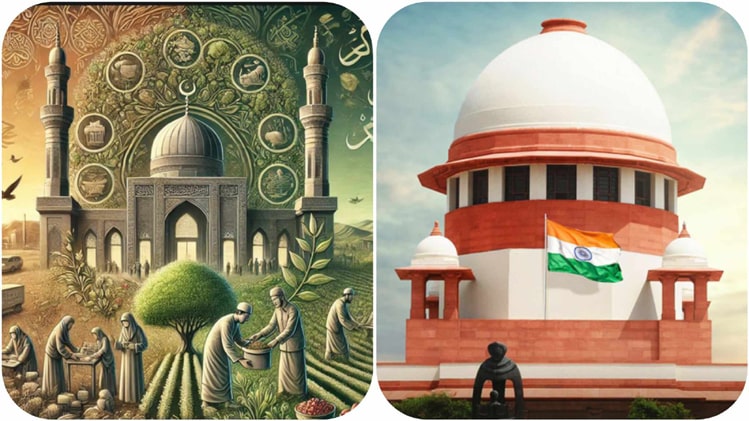
Islam Promotes Charity, the Constitution Protects It—But Is the Government Undermining Both?  

0

[dropcap]I[/dropcap]slam strongly encourages charity and good deeds. Waqf is a charitable act, where the benefit of a property or asset is dedicated to a specific cause (e.g. education, healthcare, mosques, graveyards) while the original asset remains intact. Several verses of the Quran encourage acts of charity and emphasize the rewards for those who give generously for the sake of Allah.

Surah Al-Baqarah (2:261). “The example of those who spend their wealth in the way of Allah is like a seed of grain that sprouts seven ears, in every ear a hundred grains. And Allah multiplies [His reward] for whom He wills. And Allah is all-encompassing and Knowing.”

Surah Al-Baqarah (2:267). “O you, who have believed, spend from the good things which you have earned and from that which We have produced for you from the earth.”

These verses stress the importance of giving the best of what one has for charity, a key element in waqf.

Sadaqah Jariyah (Continuous Charity). The concept of waqf aligns with sadaqah jariyah (continuous charity), which provides ongoing benefits even after a person dies. The Prophet Muhammad ﷺmentioned this in a hadith;

“When a man dies, his deeds come to an end except for three things: sadaqah jariyah (continuous charity), knowledge from which benefit is gained, or a righteous child who prays for him.” (Sahih Muslim).

Waqf is a form of sadaqah jariyah where the asset or property continues to generate benefits for the community.

Helping Others in Need. Waqf is often used for charitable purposes to support those in need. The Qur’an repeatedly stresses the importance of looking after orphans, the poor, and the needy;

Surah Al-Baqarah (2:177). “Righteousness is not in turning your faces toward the east or the west, but righteousness is in one who believes in Allah, the Last Day, the Angels, the Book, and the Prophets and gives his wealth, despite love for it, to relatives, orphans, the needy, the traveller, those who ask [for help], and for freeing slaves…”

Honouring Contracts and Trusts. Waqf involves placing an asset under a trust ensuring that its benefit is used according to the stipulated cause. Trust and contracts are highly emphasized in the Qur’an;

Surah An-Nisa (4:58). “Indeed, Allah commands you to render trusts to whom they are due and when you judge between people to judge with justice…”

Surah Al-Ma’idah (5:1). “O you who have believed, fulfil [all] contracts.”

These verses emphasize the importance of fulfilling the terms of a waqf, treating the endowed property as a trust that must be honoured in its intended purpose.

So we see that the principles of charity, social justice, and fulfilling trusts form the foundation of the waqf system. The act of endowing property or wealth for the benefit of the community is rooted in these Quranic values, as well as the guidance provided by the Prophet ﷺthrough his hadith.

The Indian Constitution

The Indian Constitution, while not explicitly mentioning Waqf by name, provides several key principles and provisions that relate to the protection and management of waqf properties under its broader framework of religious freedom, minority rights and the right to manage religious and charitable institutions.

Article 25 (Freedom of Religion). It guarantees all citizens the freedom to practice, profess, and propagate their religion. This includes the management of religious institutions such as waqf properties, which are dedicated to religious or charitable purposes in Islam.

Waqf properties, integral to the religious and charitable activities of Muslims, fall under the protection of this article, as they are established and managed for religious purposes.

Article 26 (Freedom to Manage Religious Affairs). It explicitly grants religious denominations the right to establish and maintain institutions for religious and charitable purposes. This includes waqf properties, often used for charitable, religious, or educational purposes within the Muslim community.

This article forms the constitutional basis for Muslims to manage waqf properties according to Islamic principles, as long as they conform to the general law of the land.

Article 29 (Protection of Interests of Minorities). The article safeguards the rights of minorities to conserve their distinct culture, language, and heritage. Waqf, as a traditional Islamic institution, is part of the cultural and religious practices of Indian Muslims. Any law or action that undermines the autonomy of waqf properties could potentially infringe on these rights.

It can be seen as an indirect safeguard for the continuation and protection of waqf properties, as they are part of the religious and cultural heritage of the Muslim community.

Article 30 (Right of Minorities to Establish and Administer Educational Institutions). Waqf properties are often used to fund and maintain educational institutions. Article 30 ensures that minorities, including Muslims, have the right to establish and administer their educational institutions. This is relevant to waqf properties, as many waqf assets are used for this purpose.

This provision strengthens the ability of Muslims to use waqf properties for educational purposes, without undue interference from the state.

Article 31A (Protection of Property Rights). Although Article 31, which explicitly dealt with property rights, was removed by the 44th Amendment in 1978, Article 31A still provides safeguards against the arbitrary acquisition of properties. This is relevant to waqf properties, as it ensures that any government action concerning the acquisition of waqf lands must comply with constitutional safeguards.

While the government has powers to acquire land, including waqf properties, it must ensure that these actions are lawful and do not violate the fundamental rights of citizens.

Relevant Statutory Acts Regarding Waqf

In addition to constitutional provisions, the Waqf Act of 1995 (now being challenged by the proposed Waqf Amendment Bill 2024) governs the administration of waqf properties in India. This act provides for the establishment of State Waqf Boards to manage waqf assets and ensures that these properties are used for their intended religious and charitable purposes. Any changes to this framework, such as those proposed in the 2024 Bill, could have serious implications for the autonomy and management of waqf properties, potentially impacting the rights guaranteed under the Constitution.

The central government’s intention to amend the Waqf Act 1995, in the way it is drafted as per the Waqf Amendment Bill 2024, is not in the positive sense. It is to undermine the rights of the Muslims of the country. It is an attack on the very identity of the Muslims. It has given itself a free hand to deal with, manage, monitor and take away the waqf properties at the slightest pretext. This bill is more dangerous than the changes that they have brought in for the Muslim community, NRC, Triple Talaq, Babri Masjid, and so on. In a few generations, children will have fewer religious institutions than today. Lands gifted by the waqifs may be taken away or disputed (thus putting it out of use for the Muslims). Mutawallis (caretakers of waqf properties) are being forced to the dictates of the government-appointed collectors. It is high time, the community wakes up to the dangers of the nefarious intentions of the Modi government.

Congress Needs a Caste Census to Rebuild: Why Leadership from the Margins Is Key to Survival

0

[dropcap]H[/dropcap]aryana election results have again highlighted the serious crisis in the Congress Party and the limitations of the regional kshatraps (supremo). Congress once ruled through regional kshatraps but that was when the central leadership was powerful and could threaten states if they didn’t follow the basic ideological traits of the organization. That was Indira Gandhi who learnt to take India’s diversity along with her. Congress was the natural choice for not only the Brahmins but other powerful upper castes as well as Muslim minorities and Dalits. Slowly, the party tried to follow the Hindutva line but lost disastrously to BJP whenever it tried to outdo them.

The problem is things are not going Congress’s way due to various reasons and the biggest is the role of state leaders considered as ‘kshatraps’ who are unable to look beyond their families and jaatis. None of these khsatraps could be termed as inclusive. Some of them went overboard on their ‘inclusiveness’ and lost the base of their communities like Harish Rawat in Uttarakhand. But people like Bhupesh Baghel, Ashok Gahlot, Kamalnath and now Bhupinder Singh Hooda are overhyped leaders who gained everything from the Congress but could not go beyond their family interests and therefore damaged it at the time when the people were looking to the Congress Party for the alternative to the ruling BJP.

Don’t ignore the fact that Siddharamaiyya was defeated in Karnataka despite his good work by the caste identities as both Vokalingas and Lingayats never wanted an OBC of the marginalized sections to lead the state.

Congress’ Kshatraps and Caste Politics: An Inherent Contradiction

DK Shivakumar continues to challenge the chief minister and the powerful Vokalinga lobby is desperate to have him as chief minister like the Jats of north India. Both the Jats as well as Vokalingas-Lingayats are powerful landed savarna castes but over the years the Bahujan narratives setters for the sake of their vote bank politics put them in the OBC category. The same Bahujan narrative setters are unable to respond or keep silent when violence against Dalits occurs in those states dominated by Bahujan politics. BSP chief Mayawati herself said that though Dalit votes shifted to other parties, the same did not happen as Jats did not vote for Dalit candidates and that is a reality. The Bahujan narrative setters need to look beyond their jaati interest and see the diverse contradictions among various communities at the ground level. There is no one community which can be blamed as being ‘jaatiwadi’ or casteist as almost everyone comes under that category. The only thing is we all are looking at someone below us and are in awe of someone above us as Baba Saheb explained. Unfortunately, communities and leaders who need to stitch this broad-based participatory alliance with diverse communities are unable to go beyond their jaati interests and are trapped in their constructed image of a particular community leader.

We may discuss EVMs and other administrative issues. They are serious issues and the Election Commission; political parties and the highest court have failed collectively to assure us as to why shouldn’t the number of votes polled be equal to that of the VVPAT slips. Why has there been a huge mismatch on it and if that actually is, then why have the objections not been taken seriously by any of the agencies or bodies accountable for free and fair polls?

It is important to understand that narrative-making is important but it does not work if you don’t have the cadres and leaders representing those communities at the ground.

The Role of EVMs, Election Commission, and Fair Polls in Congress’s Defeat

You won’t get cadres and leaders of the communities if there is a narrative of the ‘dominance’ of one particular community in the party organization and structure. In Haryana, Congress went into the fray with overconfidence that it is returning to power after 10 years of anti-incumbency and incompetent government led by the non-jats. It wanted to exploit the rising Jat sentiment of returning to power but ignored the vital factor that it was only possible if the Jat leadership was ready to play the role of a facilitator ensuring the participation of all those communities particularly Dalits who were feeling threatened. Dalits who constitute about 21% of the total Haryana population can’t imagine having a chief minister of their own because 27% of Jats would not like them to be so. The first decade of rule under Bhupinder Singh Hooda has brought the Jat Dalit hostilities into the limelight where Hooda had no interest in working as a conscious keeper of the constitution and providing justice to Dalits.

Dalit Marginalization and the Failure of Inclusive Leadership in Haryana

I was witness to various movements led by Dalits for justice including Bhagana and Mirchpur where Dalits became victims of Jat hegemony in Haryana and Hooda did nothing. The Congress High Command at that time could not pursue Hooda to act against Jats who were the accused in both cases. Hence, promoting Hooda at the time when Haryana was witnessing huge anti-Jat incumbency was nothing but playing in the hands of the BJP. Even if the party wanted to ensure that it remained in command with powerful Jat votes, it was important to play an inclusive game. The humiliation given to Selja, an extremely loyal leader from the Dalit community of Haryana did not go down well with the Dalits in the state. If even after so many years, a woman of substance who had devoted her life and energy to building the party, Selja can’t expect to lead the party or be on its platform as leader of the party, then it reflects the highhandedness of Hooda family. BJP used this insult for their campaign and BSP too raised the issue. The anti-Dalit characteristic of Hooda as well as dominant Jats in the region has not diluted whether it is a reality or narrative but it has won the game so far. Congress party must understand that their leaders were made to believe that ‘Kisan’, Pahalwan and ‘Jawan’ were against BJP so cutting across the community line there is a broad anger against the government.

Frankly, the Kisan, Pahalwan and Jawan insidiously only cater to the Jat voters of Haryana. Congress did not bother to reach out to Dalits and Rajput votes. Throughout 2024, even when we all know that there was Rajput’s desperation to break out of BJP and ally with all other groups who were sympathetic to its issues, Congress leadership refused to accept the fact that they too exist. Similarly, despite Rahul Gandhi’s loud claims of Social Justice, no collective effort was made in Haryana to reach out to Dalits. The last-moment entry of Ashok Tanwar could not bring back the Dalit votes in the party and the reason is clear. Congress must understand that political parties are not social justice movements. A movement can run on one particular agenda targeting one section but politics has to be inclusive and ensure engagement with all communities. Right now, India’s poor and marginalized want to share in the power structure and that happens through their political representation at different levels. While job reservation is an important issue, parties will have to prepare them to take a categorical stand on the issues. BJP succeeded because it has an open stand on various issues, unlike Congress which is unable to take a stand. The Dalit votes in Haryana were not one-sided. The Jatav-Chamar votes who are over 50% of the total Dalit votes in Haryana went along with BSP because of Congress’s no stand on sub-categorization. The Balmikis, who are about 30% of total voters among the Dalits, voted mostly for the BJP because it supported the demand for categorization. So the Dalit votes, whether pro or anti, went along with other parties and not to Congress because it refused to take a stand.

At a public meeting, Yogendra Yadav said that an effort is being made to convert the elections to Jat versus non-Jats and he said the BJP is an expert in doing so. The party did the same in Uttar Pradesh and Bihar where it pitched other communities against Yadavas. BJP might have been doing things as per its political strategy but in Uttar Pradesh, the Samajwadi Party and Congress are doing the same which is blaming Rajputs or Thakurs for everything wrong there. Yogendra Yadav has not written a single sentence that the same Thakurs voted against BJP in Uttar Pradesh and ensured the defeat of many of the Hindutva candidates but today opposition parties are targeting Rajputs to take Yogi Adityanath head-on. It might boomerang as the community which is nowhere in judiciary, media, industry and bureaucracy in comparison to other powerful communities of Uttar Pradesh. Haryana’s Jat versus non-Jat narrative would not have succeeded if Bhupinder Singh Hooda and others had the humility of extending their outreach to other marginalized communities particularly the Dalits in Haryana.

There are about 8% Yadav votes in Haryana and many areas adjoining Uttar Pradesh impact that. A combined campaign with Akhilesh Yadav would have worked here but the local leadership of the party refused to ally with AAP or Samajwadi Party. Many times, we know well that an ally party does not have a base in the state but we keep them in good humour and give them one or two seats so that the message goes to the communities about the intent of your party. An alliance with Samajwadi Party and a joint campaign would have served the purpose but Bhupinder Singh Hooda was not interested in that. It would have served better than allying with AAP. Congress’ AAP alliance failed because of an over-ambitious project of AAP and BJP wanted to use it. They work in different directions and multiple fronts to defeat the ‘enemy’ so Ram Rahim of Dera Sacha Sauda got released on parole and Arvind Kejriwal getting bail from the highest court during the same period can’t be ruled out for foiling the Congress chances in the state.

Apart, it is also visible that several candidates who were not given tickets from the Congress party contested as independent candidates and got an extremely handsome share of votes causing the defeat of the party. Though this happens in every party, it is also a reality that Hooda dominated everything as he was sure he would be in power and he wanted to ensure that after the victory, he became chief minister without any interference from the party High Command. Bhupinder Hooda and his dream to rule Haryana has finished but it has given Congress a severe blow. The Congress party now needs to rebuild the party and bring all stakeholders together.

The Need for a Ground-Up Rebuilding of Congress’s Leadership Structure

Bring the issues that complement and even when Rahul Gandhi raises the Caste Census and reservation issue, it is time, it is done without offending anyone. There is a big difference between political parties and civil society or intellectuals as political parties will have to cater for all while intellectuals and civil society leaders/influencers are mostly agenda-driven and might be speaking a thing out of conviction but far away from ground realities. Political parties can’t behave as charitable organisations or civil society watchdog groups. Congress also needed to be careful of the ‘loyal’ YouTubers who had no other agenda than getting likes as well as resources. The party got carried away with the agenda of settlers on social media. They remained far away from the ground realities and were just talking of their ‘man ki baat’. Congress needs to become the party of all and not of one jaati or a couple of jaatis but for that it will have to weave a narrative where every stakeholder feels safe and committed. For that to happen, the party needs to rebuild the party organisations in all the states with new blood.

Though Congress’s defeat in Haryana is shocking for the party, it may be a boon for Rahul Gandhi and others. Bhupinder Singh Hooda would have behaved similarly to other leaders such as Ashok Gahlot, Kamalnath or Amrinder Singhetc once in power. He never followed the party line when Dalits were being attacked in Haryana. Congress High Command is helpless because regional kshatraps can damage the party if not benefit it and therefore it was unable to act against them but Hooda now joins the company of Ashok Gahlot, Kamalnath, Bhupesh Bhagel and Harish Rawat. The time has come for the party to move on and build up the party by bringing young leaders from different communities that reflect the ground realities of the state.

All this is not to discount the unfair means which the ruling party adopted, the disappointing role of the Election Commission, the issues of fairness and EVMs. They remain vital for the health of democracy but we also know the fact that despite that parties have won elections. If the party and many others feel that EVMs have been manipulated and hacked then they must approach the court in all seriousness. Administrative issues of fair play are extremely important but still, I feel that Congress committed blunders and that can not be ignored.

Therefore, Congress would do well to do a caste census of the party structure so that it understands what ails the party, and who are the leaders dominant in the party structure yet unable to fetch votes to the party. Get a complete figure of communities in the organisations and link it with the state figures. A complete overhaul of the Congress party is not possible without a jaati-janganana or ‘caste census’ of the entire party structure. Rahul Gandhi who is advocating the caste census and social justice issues everywhere needs to start cleaning his home first as his social justice agenda will remain unimplementable if there are no takers of that in the party. Will the party ever listen?

War, Media and Hypocrisy: Western Complicity in Israel’s Genocidal Campaign in Palestine

0

[dropcap]W[/dropcap]hatever direction the West Asian crisis turns, one fact is clear in the last year, after the Ukraine war, the Western media organisations claiming to be liberal, democratic and respecting the dissent have gone for a toss. BBC and CNN have been thoroughly exposed for their reporting on the Ukraine War and the Palestinian issue.  Now, a few journalists from BBC and CNN have claimed how their editorial bosses wanted them to push the one-sided narrative ‘Israel has a right to defend itself’. The result is that even when experts pointed out the brutalities of the Israeli regime and its continuous disregard for all the ‘international norms and practices’ that various Presidents and Prime Ministers emerging from Western capitals harp so much under their ‘ruled-based’ rhetoric.  Why do the West have two sets of narratives? Israel has the right to defend itself, and carry out the genocidal campaign against the hapless neighbours’ but the Russians can’t do the same in Ukraine.

Imagine if Russia had done a similar thing in Ukraine. I am sure the West knows well that if Russia wishes, it can flatten Kyiv any day.

Western leadership has turned out to be senseless and disgraceful. In the name of democracy, they have exposed themselves and the world is watching now that their ‘democracy’, ‘Human Rights’, ‘Liberalism’ and ‘dissent’ are ‘respected’ as per their convenience and their business interests. The fight in Ukraine or West Asia is related to ensuring who leads the world.  Will the Americans remain unchallenged or the Russians are now building an alternative model along with the Chinese as well as BRICS?

It is also sad part that dissenting voices in the Western world are now being targeted. YouTubers being charged under different anti-terror laws. All online platforms have been guided by the Western interest order hence your posts and views can be deleted or reduced to nothing if they look contrary to the American interests.

In this entire game of media hegemony, a lot has happened. For West Asia, the BBC hegemony has been challenged by Al-Al Jazeera English as well as the Arabic language channel. While Al Jazeera has been active for nearly a decade, the most refreshing and interesting thing is happening on the other front. It is the emergence of RTV (Russian TV) as a global player. Their reports are brilliantly done and they provide us with alternative viewpoints so much so that the American and European ‘liberal’ regimes don’t want RTV to be aired in their countries. Not satisfied with that, it is being reported that they want India to ban RTV.

I know like Fidel Castro, the Western ‘democratic’ ‘liberal’ elite hate Vladimir Putin, simply because this man has all the qualities of being a great leader. I have not seen any one of his contemporaries in the Western world coming near to him. They all look too small in comparison to Putin. Listen to his speeches, his interaction with common people and his understanding of the issue. I am sure, Vladimir Putin can be the hero that the anti-colonial world is looking for today. He has brought back the sense of being a great country among the Russian people. Russia today is a country full of confidence and rising as a great economic power apart from being a military power and having a dominant role in space technology.

Many people might wonder why Russian deterrence is not there in West Asia. True but all these countries are working as per their national interests. There are layers and layers of complexities of the issue. Israel’s 15 to 20% population is actually of Russian origin. They are Jews but they are of Russian origin. Both the countries had great relations despite Israel behaving as an American enclave but it is also a fact that Iran has a great relationship with Russia. An all-out war between Iran and Israel could spill over the Middle East and could be extremely dangerous for the global economy but perhaps the Western world is interested in escalating and the reason looks simple. They want to thrive on the War Economy, perhaps learning from Vladimir Putin and the rise of Russia during the Ukraine War. But the question is who will rise in this war when all will die.

War must stop at all cost and the historic issue of Palestine has been acknowledged and given dignity. Palestine deserves their country. The only way for the future is for all the parties to sit together and speak to each other. Enough destruction has happened in Gaza and other places. It is time to stop this. Western leadership has not been able to control Israel and pretend as if nothing has happened. The stories of the last year that took place in Gaza are nothing but plain genocide and not only Israel but the Western world is complicit in it.

Without accepting a two-state solution and Palestinians’ right to exist, there can’t be any peace. It is time, the world wakes up to this reality and starts negotiating. Any attempt to allow Israel to escalate the war will not help and can be extremely dangerous for all including Israel. War economies thrive on people’s miseries. It is time to call for a complete stoppage of this war killing numerous innocent people, particularly children, women and older people.  There can not be a final solution to anything through war, It never happened even during the First and Second World Wars. The only solution that can happen is, through negotiations and the acceptability of the fact that Palestine is an independent and sovereign state.