Empowered to Lead: The Inspiring Stories of Indian-Origin Women Making History Globally

[dropcap]T[/dropcap]hroughout history, the participation of women in politics has been a testament to resilience, vision, and the capacity to lead amidst challenges. During a recent trip to California, I had the privilege of meeting four incredible women whose stories exemplify this spirit. These encounters inspired me to reflect on the broader impact of women of Indian origin in global politics, not just as participants but as changemakers in governance, policy, and community leadership. Their journeys are emblematic of determination, and their impact resonates far beyond the regions they represent, symbolising the transformative potential of representation and inclusivity.

A New Wave of Representation

In a world where women still face systemic barriers to leadership, the contributions of Indian-origin women in politics stand out as beacons of hope. Figures like Kamala Harris, the Vice President of the United States, epitomise this impact. Harris, with her dual South Asian and African American heritage, represents a historic milestone in global politics. Her tenure underscores the importance of diverse voices in shaping equitable policies and inspiring future generations.

Similarly, leaders such as Nikki Haley, former US Ambassador to the United Nations, and Chandrika Tandon, philanthropist and business leader, showcase the breadth of contributions made by Indian-origin women across political and civic domains. These pioneers exemplify a broader trend of increasing diversity and inclusion in leadership roles.

Other remarkable figures include Canada’s Anita Anand, who has served as Minister of National Defence, and Malaysia’s former Deputy Minister, Kasthuri Patto, whose work advocates for human rights and gender equality. These leaders not only represent their communities but also contribute to shaping a global political discourse that is inclusive and transformative. Their stories are critical reminders of how multicultural backgrounds and diverse experiences can enrich governance and bridge gaps in understanding among varied constituencies.

Stories of Young and Grassroots Leaders

Among the women I met, Zeel Ahir stands out as a young leader who epitomises the integration of cultural roots with progressive action. Elected to the Artesia City Council in California, Ahir’s work in mental health awareness, particularly within the South Asian diaspora, highlights her commitment to addressing deeply entrenched social stigmas. Her academic background in counselling psychology and social work equips her to tackle these issues effectively. Ahir has championed programmes to provide culturally sensitive mental health resources, which have had a measurable impact on the well-being of the community. Beyond mental health, Ahir’s advocacy for environmental sustainability has led to initiatives aimed at reducing plastic consumption and banning harmful fertilizers — projects that align with global priorities of ecological preservation. Her leadership as the Commissioner of Beautification & Maintenance demonstrates her dedication to creating inclusive, thriving community spaces. Ahir’s personal story, shaped by her immigrant family’s values of service and education, adds depth to her achievements and highlights the importance of representation at every level of governance.

Similarly, Jenifer Rajkumar’s journey to becoming the first South Asian woman elected to the New York State Assembly is a powerful narrative of breaking barriers. Rajkumar’s parents, who immigrated to the US and faced poverty, instilled in her a strong sense of perseverance. Her career as a lawyer, professor, and legislator typifies her commitment to justice and equity. Rajkumar has championed significant causes, from securing domestic workers’ rights to establishing New York’s first Asian American & Pacific Island (AAPI) Commission. Her successful campaign to make Diwali a recognised school holiday reflects her dedication to cultural representation and inclusivity, creating a sense of belonging for diverse communities. Rajkumar’s work extends beyond legislative victories. She frequently engages with grassroots organisations, fostering connections that amplify the voices of underrepresented groups. Her ability to combine policy expertise with community activism makes her a transformative figure in modern politics.

Bridging Gaps with Global Perspectives

Across the Atlantic, the achievements of women like Pam Gosal and Poonam Gupta further underline the global impact of Indian-origin leaders. Gosal, the first woman of Indian origin elected to the Scottish Parliament, has paved the way for others in public service. Her focus on economic development and education demonstrates her commitment to building a prosperous and equitable Scotland. Gosal’s legislative work has included championing initiatives that support small businesses, particularly those led by women and minorities, fostering economic resilience. During a conversation at Loch Lomond, Gosal introduced me to Gupta, an entrepreneur whose innovative approach to sustainability has earned her recognition as one of the most influential figures in UK-India relations. Gupta’s PG Paper Company Ltd. has transformed the waste management and paper industries, proving that businesses can be both profitable and environmentally conscious. Her ventures across healthcare, property, and environmental innovation reflect a multifaceted approach to leadership, grounded in purpose and impact. Gupta’s philosophy of “sustainability with profitability” serves as a blueprint for businesses aiming to balance economic success with social responsibility. Beyond her entrepreneurial endeavours, Gupta is an advocate for mentorship, regularly engaging with young professionals to share insights and inspire the next generation of leaders.

Preet Kaur Gill’s career as the first female Sikh Member of Parliament in the UK further highlights the intersection of identity and leadership. Representing Birmingham, Edgbaston, Gill has been a steadfast advocate for social justice and equity. Her work spans critical areas such as public health, international development, and religious freedom. In Parliament, Gill’s leadership in All-Party Parliamentary Groups, including those for British Sikhs and Levelling Up Birmingham, showcases her commitment to addressing systemic inequalities. Recognitions like MP of the Year and the Sikh Woman of Substance award underline her influence as a role model for aspiring women leaders. Gill’s efforts to improve educational access for underserved communities and her focus on healthcare equity have set benchmarks for inclusive policymaking.

The contributions of these women highlight broader trends in the global political landscape. As societies become increasingly interconnected, leaders with multicultural backgrounds are uniquely positioned to address complex, cross-border challenges. Women of Indian origin, in particular, bring a blend of cultural heritage and modernity to their roles, enabling them to navigate diverse constituencies and advocate for inclusive policies. Their successes challenge traditional stereotypes and inspire younger generations to envision themselves in leadership positions.

Priti Patel’s legacy as the UK’s first Indian Diaspora Champion and former Secretary of State for the Home Department exemplifies this dynamic. Her tenure was marked by a focus on economic reform and inclusivity in governance. Patel’s contributions to international development and employment policy reflect a pragmatic approach to addressing global challenges. Her career serves as a reminder of the significant role that diverse perspectives play in shaping effective and forward-thinking policies.

In addition to these prominent figures, grassroots efforts by Indian-origin women further emphasize the profound impact of female leadership. For instance, grassroots organisers like Seema Nanda, who served as the CEO of the Democratic National Committee, have contributed to systemic change by bridging gaps between communities and governance. Women like Rashmi Sinha, co-founder of SlideShare, have also left an indelible mark on the intersection of technology, business, and civic engagement, reminding us that leadership comes in many forms.

At the community level, women such as Kalpana Kotagal, a prominent employment and civil rights attorney, have broken barriers in law and activism. Her advocacy for workplace inclusivity and diversity led to her co-authorship of the ‘Inclusion Rider’, a groundbreaking initiative in Hollywood promoting equity in hiring practices. Kotagal’s work exemplifies how leadership in traditionally male-dominated fields can ripple outwards to influence broader societal norms.

The role of education and mentorship cannot be overstated in fostering female leaders. Initiatives like the Cherie Blair Foundation for Women, which empowers female entrepreneurs worldwide, have seen Indian-origin leaders championing efforts to uplift marginalised groups. Such programmes are instrumental in breaking cycles of poverty and underrepresentation, providing women with tools to create meaningful change.

The Transformative Power of Representation

As women rise in politics and public service, their influence extends to reshaping global narratives. Figures like Usha Rao-Monari, the Under-Secretary-General and Associate Administrator of the United Nations Development Programme, have contributed to sustainable development efforts that prioritise marginalised communities. Rao-Monari’s work demonstrates the vital role of Indian-origin women in steering international policies toward equity and resilience.

The underrepresentation of women in leadership remains a persistent challenge, but the stories of these Indian-origin leaders demonstrate that progress is possible. Their journeys underscore the importance of mentorship, education, and opportunities in overcoming systemic barriers. Representation matters not only for the policies enacted but also for the message it sends to future generations. When women see others who share their heritage and values succeeding on the global stage, it fuels aspirations and expands the realm of what is possible.
Leadership is not just about holding office; it is about inspiring change, challenging norms, and building inclusive futures. The women I met during my trip — Ahir, Rajkumar, Gosal, and Gupta — embody these principles, proving that the fusion of cultural identity and global vision can yield powerful results. Their achievements remind us that diversity in leadership is not just a goal but a necessity for addressing the complexities of the modern world.

As I reflect on their stories, I am reminded of the transformative power of representation. Leaders like Kamala Harris, Nikki Haley, Anita Anand, Zeel Ahir, Jenifer Rajkumar, Pam Gosal, Poonam Gupta, Preet Kaur Gill, Priti Patel, and Kasthuri Patto show us that the path to a brighter, more equitable world is paved with courage, conviction and an unwavering commitment to service. Their impact resonates not only within their communities but across the globe, inspiring a future where leadership knows no gender, and every voice has the opportunity to be heard.

Breaking Bengal’s Pluralism: The Role of Epistemic Islamophobia in Muslim Marginalization

0

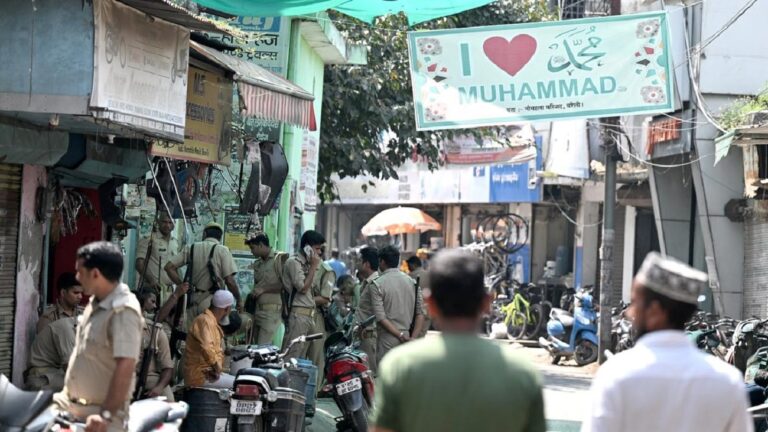
[dropcap]I[/dropcap]n November 2024, an Islamophobic signboard at a Jagadhatri Puja pandal in Beldanga, Murshidabad district, West Bengal, sparked significant communal tensions. The signboard’s offensive message outraged the local Muslim community, leading to violent clashes. Stone-pelting was reported from both sides, resulting in vandalism and injuries. Fifteen Muslims sustained injuries, three of whom were reported to be in critical condition. The district administration imposed prohibitory orders and suspended internet services to control the situation.

However, mainstream media coverage primarily focuses on the disruption to public order rather than the Islamophobic provocation that initiated the violence. Furthermore, in cases where an individual from a Muslim background is accused, the media emphasizes the person’s religion. Headlines often highlight the Muslim identity of the accused, even when it is irrelevant to the case. Such narratives reinforce stereotypes portraying Bengali Muslims as ‘inherently criminal’ or ‘anti-social.’ For instance, reports of petty theft or smuggling in border districts like Malda and Murshidabad are framed as ‘organized crime’ by ‘Bangladeshi Muslims,’ even without evidence of cross-border involvement or communal intent.

In cases of communal violence, media narratives focus on the religious identity of Hindu victims while downplaying or ignoring attacks on Muslims. For instance, in cases of retaliatory violence during riots, Muslim victims usually receive less attention in terms of coverage, victim narratives, and follow-up reporting. This trend of framing shifts attention away from the root causes and demonizes the Bengali Muslim community, leading to their marginalization within the mainstream social spectrum. Conceptually, these incidents exemplify a particular mode of narrativity akin to racialized stereotyping, finely unbalanced by maintaining an uneven epistemology. Scholars in the concerned field term this epistemic Islamophobia, which, in the hands of the dominant community, not only alienates the Muslim community but also disrupts the social fabric of Bengal’s pluralistic society.

Understanding Epistemic Islamophobia

Epistemic Islamophobia refers to a form of Islamophobia that perpetuates distorted or erroneous ideas about Islamic beliefs, Muslims, and their cultural identity within society. Ramón Grosfoguel, a scholar of postcolonial studies, coined the term to describe hostility towards Islam that transcends simple prejudice or discrimination. Scholars such as Alia Al-Saji, Tariq Modood, Ziauddin Sardar, Naved Bakali, Sami Zubaida, and Khaled Abou El Fadl have significantly contributed to understanding epistemic Islamophobia by examining biases and misconceptions about Islam and Muslims. Their work, grounded in Western epistemology, postcolonial theory, and anti-discriminatory thought, has contributed to efforts to eradicate Islamophobia.

Epistemic Islamophobia does not merely create negative perceptions of Islam or Muslims through descriptions or expressions. Instead, it emerges from entrenched cultural biases rooted in education, media, literature, history, and the dominant cultural perspectives of society. This form of Islamophobia builds stereotypes over time, portraying Muslims as unjust, uneducated, uncivilized, or dangerous to society. As a result, erroneous or biased ideas about the Muslim religion, culture, and social identity emerge, leading to discrimination, disdain, and even justification for oppression against them.

While this discourse is considered Western, it is equally relevant in societies of the Global South. For example, West Bengal’s foundation lies in colonial history and the religious reform movements of the 19th-century Bengali Renaissance, but its influence persists today. Epistemic Islamophobia manifests in various ways in Bengal’s society. Textbooks in schools and universities often overlook or distort Muslim history, culture, and contributions. The role of Bengali Muslims in Bengal’s history is portrayed with bias and negativity.

Misrepresentation in Education and Popular Culture

Bengal’s media and films often associate Muslims with violence, terrorism, or political instability, thereby perpetuating misconceptions about their social and cultural role. In contemporary contexts, political speeches and rallies mostly depict the Muslim community as traitorous or foreign. Islam is portrayed as synonymous with “internal conflict” or “crime,” fostering hostile attitudes toward Muslims. This type of political discourse diminishes the legitimacy and value of Muslims in society.

Mosques, madrasas, or Islamic institutions are viewed with suspicion and labelled as weak or culturally antagonistic. Islamic education or ideas are dismissed as “antiquated” or “ignorant” by Western standards, and this imported narrative takes institutional form in our society, sidelining the epistemic contributions of Bengali Muslims.

Economic Disparities and Social Alienation

The Muslim community frequently faces economic marginalization, with significant disparities in access to education, healthcare, employment, and other opportunities. These inequities stem from an epistemic framework that undervalues Muslim knowledge and cultural contributions, thereby hindering their inclusion in the mainstream. Furthermore, ignorance or disdain persists toward their religious practices, attire, dietary habits, and lifestyle. For instance, Muslim attire often invites ridicule or dismissive remarks, with little effort made to understand their cultural practices.

Representation of Muslim perspectives is lacking in Bengal’s universities and cultural circles. Muslim thinkers, cultural activists, or intellectuals often fail to assert their influence in the mainstream, sidelining their artistic and intellectual contributions. On social media, blogs, and online platforms, Islamophobia against Muslims is vividly evident. Negative comments, fake news, and hate speech are spread, reinforcing misconceptions and distrust of Muslims.

The history and culture of Bengali Muslims are diverse and multifaceted. They are an integral part of the Indian subcontinent. However, a significant section of society perceives them through distorted and biased lenses. There is little respect or recognition for the heritage, language, and religion of Bengali Muslims. Many Muslim families here still face various social and economic challenges due to their faith. Misconceptions about Islam, disdain for its language, and ignorance of its culture create a form of epistemic Islamophobia.

Such misconceptions lead Bengali Muslims to face constant humiliation, discrimination, and social alienation. Their professional advancement, education, and societal acceptance are hindered by their religious identity. They are neglected in social and cultural domains as well. Muslim women, in particular, face compounded challenges, as they are subject to both criticism and internal oppression.

Combating epistemic Islamophobia requires establishing epistemic pluralism. This perspective considers the knowledge and beliefs of various nations, religions, and cultures. To foster justice and equality, society needs to cultivate a new awareness by addressing internal biases, oppression, and misconceptions.

Building a Discrimination-Free Society

To eliminate epistemic Islamophobia and promote equal dignity and rights for Bengali Muslims, we must first promote a pluralistic perspective in society. The first step is to show respect and support for different religions, cultures, races, and communities. This requires active engagement from educational institutions, media, and cultural organizations. Education should include a positive portrayal of the Muslim community and appropriately represent their heritage, culture, and language. Accurate information about Bengali Muslims’ history, including their contributions to literature, art, and science, should be highlighted.

While fostering mutual respect among religious communities is essential, it is equally important to instil confidence and pride among Muslims in their heritage, culture, and language. To tackle epistemic Islamophobia, society needs an open, inclusive, and pluralistic perspective. Raising awareness about Muslim contributions, incorporating accurate history and identity of Islam and Muslims in education, and discouraging negative attitudes towards Muslims in the media are crucial steps.

To create a humane, discrimination-free society for Bengali Muslims in the state, collective awareness and action against all forms of discrimination and Islamophobia are essential. By striving for mutual respect and understanding, we can build a pluralistic society where people of all religions and communities live with equal rights and dignity.

Not the Next Pandemic: Experts Demystify the Human Metapneumovirus Scare

0

Kolkata: Despite being unfamiliar, but very similar to the common cold, a Human metapneumovirus (hMPV) has gone viral nowadays! Common people are becoming terrified visualizing how severe it’ll be!

The Chinese Centers for Disease Control and Prevention have reported a sharp increase in acute respiratory viral infections, including human metapneumovirus infections in northern China during recent weeks. As people continue to live with the nightmare of COVID-19; this news has raised public concerns globally about the possibility of a virus outbreak again.

But hMPV is not a novel virus, it has been in the air for decades. As per WHO’s report, in many countries of the Northern Hemisphere, trends in acute respiratory infections increase at this time of year. These increases are typically caused by seasonal epidemics of respiratory pathogens such as seasonal influenza, respiratory syncytial virus (RSV), and other common respiratory viruses, including human metapneumovirus (hMPV), as well as mycoplasma pneumonia. In China, detections of seasonal influenza, rhinovirus, RSV, and hMPV, particularly in northern provinces of China have increased as usual. WHO is in contact with Chinese health officials and has not received any reports of unusual outbreak patterns. The observed increase in respiratory pathogen detections is within the range expected for this time of year during the Northern Hemisphere winter.

Like many other nations, there are very few hMPV-positive cases in India, and it hints at a virus-phobia nationwide. But experts ask not to get panicked. This virus is most active during late winter and spring in the temperate climate of the northern hemisphere, overlapping with RSV and influenza viruses. Dr Tina Mukherjee, HoD, Department of Microbiology, Scottish Church College, Kolkata, said that Human metapneumovirus is not a very new one of its kind. It’s been there for many years and has been making children fall ill for quite a long time. Children, elderly adults and immunocompromised people may be its worst victims. She also said, It’s contagious like any other pneumonia or flu-like viruses, however, the severity linked to morbidity is questionable yet.

hMPV is a negative–sense single-stranded RNA virus, while Coronavirus have positive–sense genomes. Positive–sense viral RNA sequence may be directly translated into viral protein which is needed for viral replication; but this negative–sense RNA can’t be translated into protein directly. Rather it must be transcribed into a positive–sense RNA with the help of a complementary RNA intermediate. Along with hMPV, influenza virus and RSV also have negative–sense RNA. Thus there’s a basic difference between the characteristics of hMPV and coronavirus.

This virus belongs to the kingdom of Orthornavirae, the order of Mononegavirales, a family of Pneumoviridae, and the genus of Metapneumovirus. Under this genus, there are two species, namely Metapneumovirus hominis related to humans and Metapneumovirus avis about birds. Bayesian statistics indicate that hMPV emerged between 1875 and 1889 and diverged from avian Metapneumovirus around 1800. hMPV is closely related to the avian MPV subgroup C. Avian MPV was first reported in 1970, and hMPV was in 2001 in the Netherlands by Dr Bernadette G Van den Hoogen and her colleagues while examining 28 young children’s respiratory secretions. Till now there are at least four lineages of this virus — A1, A2, B1, and B2. None of them are known to cause varying levels of severity.

Researchers have noticed that hMPV is mostly localized and can differ significantly from community to community, allowing for the possibility of the strain in one location one year to be the most similar to the strain in a different location the next year. Kayachikitsa professor of Contai’s Raghunath Ayurveda Mahavidyalaya and Hospital, Dr Tuhin Kanti Biswas also said, the character of hMPV can be compared with “Vata–shlaishmika Jwara” in Ayurveda. He also mentioned that the main causative factors considered behind are change of climate (KALA), geographical pattern (DESH), air (VAYU), and water(JALA).

Clinical features and severity of hMPV are similar to those of RSV and influenza virus. The incubation period of this virus is 3–6 days and the peak age of hospitalization for infants with hMPV is 6–12 months. Children, older people, pregnant women and weak people are more vulnerable to this virus. The common cold, cough, fever, runny nose, sore throat, and shortness of breath are the common symptoms. Sometimes these complications may progress to bronchitis, bronchiolitis, asthma flare-ups, and pneumonia. Since it is contagious, the virus can spread from person to person from surface to person through direct, close contact with the afflicted individual and secretions from coughing and sneezing among others.

WHO has continuous surveillance of this situation worldwide. In India, on behalf of the Ministry of Health and Family Welfare, the health secretary along with states and UTs reviewed the present situation of respiratory illnesses and the status of hMPV cases following media reports. The Union Health Ministry emphasised that there is no cause of concern for the public from hMPV which has been present globally since 2001. Regarding the management of this issue, Dr Nivedita Das, Specialist Grade I Microbiology, Government of India said that they’re following the government-issued directives. Maintaining a safe distance in public places, washing hands, cleaning surfaces, keeping the body clean and clear, and staying home when sick, are the primary precautions to keep us healthy. Though there’s no proper medication, only symptomatic treatment available, management of this situation is crucial, said sister-tutor Dipanwita Patra Biswas of Kalyani JNM Hospital Nursing Training School.

गंगा की धारा में छिपी कहानियां: विद्या भूषण रावत का दस्तावेज़ी सफर

0


कोलकाता: विद्या भूषण रावत, एक मशहूर सामाजिक कार्यकर्ता, लेखक और फ़िल्म निर्माता हैं, जिन्होंने पवित्र गंगा नदी के साथ एक बदलावकारी यात्रा की। यह यात्रा हिमालय की ऊंचाइयों से लेकर बंगाल की खाड़ी तक फैली हुई गंगा के मार्ग को समझने और उसके महत्व को उजागर करने के उद्देश्य से की गई। रावत ने अपने तीन दशक लंबे करियर में हमेशा हाशिये पर रहने वाले समुदायों के अधिकारों की आवाज़ उठाई है और उनके संघर्षों को दुनिया के सामने लाया है। गंगा की यह यात्रा उनके मिशन का हिस्सा थी, जिसमें उन्होंने नदी के पर्यावरणीय और सांस्कृतिक संकटों को समझा और उन अनसुनी आवाज़ों को उठाया, जो अक्सर दबा दी जाती हैं।

साक्षात्कार के दौरान, रावत ने गंगा के बिगड़ते पर्यावरणीय हालात का ज़िक्र किया, जो बेकाबू औद्योगिक प्रदूषण, अनियंत्रित शहरीकरण और सरकारी नीतियों की नाकामी का नतीजा है। उन्होंने इस विरोधाभास को सामने रखा कि एक तरफ भारतीय समाज में गंगा को आध्यात्मिक रूप से पूजनीय माना जाता है, लेकिन दूसरी ओर इसकी पारिस्थितिकी को पूरी तरह से नज़रअंदाज़ किया जा रहा है। उन्होंने उन समुदायों का चित्रण किया, जो गंगा के किनारे बसे हैं और नदी की बिगड़ती हालत की वजह से अपने आजीविका और संसाधनों के लिए संघर्ष कर रहे हैं।

रावत ने गंगा के ऐतिहासिक और सांस्कृतिक महत्व को भी समझाया और बताया कि यह नदी भारत की विविध परंपराओं को जोड़ने वाली एकता का प्रतीक है। उन्होंने स्थानीय समुदायों की प्रेरणादायक कहानियां साझा कीं, जो गंगा की पवित्रता को बचाने के लिए लड़ाई लड़ रहे हैं। उन्होंने इन समस्याओं को हल करने के लिए सख़्त पर्यावरणीय क़ानून लागू करने, समुदायों की भागीदारी सुनिश्चित करने और सतत विकास की दिशा में काम करने की बात कही।

रावत ने उन राजनीतिक कथाओं की आलोचना की, जो गंगा के प्रतीकात्मक महत्व का इस्तेमाल तो करती हैं लेकिन असल बदलाव के लिए प्रतिबद्ध नहीं हैं। उन्होंने टोकनिज़्म को छोड़कर वास्तविक प्रयासों की ज़रूरत पर ज़ोर दिया, ताकि गंगा का पुनर्जीवन संभव हो सके। अपनी डॉक्यूमेंट्री और लेखन के ज़रिए, रावत यह संदेश देना चाहते हैं कि गंगा केवल एक नदी नहीं है, बल्कि यह भारत की पर्यावरणीय, सांस्कृतिक और आध्यात्मिक धरोहर का प्रतीक है।

Where Roads End and Courage Begins: The Life and Death of Mukesh Chandrakar

0

[dropcap]C[/dropcap]overing Bastar, a hilly district in Chhattisgarh which is full of dense forests and is part of India’s ‘red corridor’, a nickname for the regions most affected by the Maoist insurgency is encrypted with warnings.

The other warnings are few employment opportunities, the presence of powerful mining corporations, corruption in infrastructure projects, and issues of journalists’ safety and security. Here, red lines are drawn by many other resourceful forces. The corruption shifting its base in Bastar is nothing new where freelance journalist and YouTuber Mukesh Chandrakar was born and murdered. The early life of the journalist has been punishing. Having lost his father when he was two years old, his mother, Kaushalya decided to step out of the home and became an Anganwadi worker.

Mukesh and Yunkesh, his elder brother often joined their mother in the jungle in collecting mahua and tamarind. The more money the family gathered, the better their chances of surviving in Basaguda village. But life took a different turn. With the rise of the Salwa Judum movement in the year 2005 in Chhattisgarh, the Chandrakar family shifted to a makeshift camp. They became a part of the odd 50,000 villagers who have been displaced from their homes and deprived of livelihoods. In these makeshift camps, human rights abuses were rampant, and the movement became increasingly violent and uncontrollable.

According to the Forum for Fact-finding Documentation and Advocacy survey, a huge chunk of the “officially recruited 4200 Special Police Officers (SPOs)” were minors. One another report published in The Times of India dated March 20, 2010, in a Salwa Judum elaborates further. The report says the camp in Konta, Dantewada, “Skinny, impoverished young men dressed in battle fatigues greet you at the camp”.  It says that uneducated young boys are given training to be SPOs and are paid Rs 2,150 a month. “The government gives the ‘loyal’ inmates rice at Rs 2 per kg, free oil and onions.” The report also says that Judum members cut off the supply of provisions to villages if they refuse cooperation or resist relocation. In this period of militarisation of a local movement that worked well for the government but pushed thousands of youth being used as human shields by the CRPF in the Naxal-infested region in the state, The brothers found ways to avoid being caught up in the violence. However, due to rising conflict, they deserted the makeshift camp in Basaguda and shifted to a camp in Awapalli.

Hardship and tragedy knocked on the doors of the Chandrakar family again. The hard-earned earnings slipped after their mother was detected carrying cancer. A few years later, Kaushalya succumbed to cancer in 2009. Mukesh was 17 then.

The brothers took odd jobs in the Bastar region where employment opportunities are very few. Mukesh worked in a garage. This was likely the time when the brothers decided to shift their focus toward a new career path.

After Yukesh became a journalist, Mukesh started learning tips from him and accompanied him on assignments. A quick learner, he became a stringer for outlets like Sahara Samay, Bansal News and News 18. In 2021, Mukesh launched his YouTube channel, Bastar Junction. The issue-based authentic ground reports helped the channel to grow in a backward region where Android mobiles are still out of reach for the majority of the population, electricity supply is uneven and mobile networks are rather rare. Despite all odds, the channel grew steadily. At the time of his death, the channel had around 165,000 subscribers, a number that has since grown by about 10,000.

But the 33-year-old freelance journalist was murdered a week after a news report highlighting alleged corruption in a road construction work in Bijapur was shown. The report titled Jahan shaheed huye jawan wahan kyun ho raha hai ghatiya sadak nirman? -Why is the road quality poor where martyrs died?) Aired on NDTV on December 25, 2024, first drew local public attention and later of Government officials. Incidentally, after the news aired, an inquiry was ordered by the Government that had earlier approved the road construction project and payments were made by them.

Upset with the developments, the road construction contractor Suresh Chandrakar, hatched a conspiracy to eliminate the journalist. So a plan was made along with his brothers. 

Suresh had hatched a conspiracy four to five days before the incident (January 1) along with his brothers, says the investigation done by the Special Investigation Team.

As Mukesh and Suresh were relatives, the road contractor used Ritesh, his younger brother’s friendly connection, to invite journalists to Suresh’s campsite. Both Mukesh and Ritesh have gone to Uttarakhand on a trip in 2019, says a news report, adding that they used to play badminton and spend time at the campsite located in the Chattan Para area of Bijapur. The camp site belonged to Suresh Chandrakar, the road contractor.

It was on Ritesh’s invitation over the telephone, the journalist went to have dinner at Suresh Chandrakar’s property in the Chattan Para area of Bijapur on January 1, 2025, Bijapur Police had said earlier. During the dinner, they landed in an argument with Ritesh reportedly arguing with the journalist that being a friend and a relative he should not report negatively about their road construction project. In the meanwhile, Mahendra Ramteke, who worked for Suresh as a supervisor joined Ritesh, according to the investigation.

When Mukesh did not return home in the morning and his mobile was switched off, Unkesh Chandrakar, elder brother of Mukesh lodged a missing complaint with the Bijapur Police. In his complaint, Unkesh, also a journalist, raised suspicion on Suresh Chandrakar, the road contractor.

Preliminary investigation and call details were able to connect the dots between the sudden disappearance of the journalist. His last location was found in the Chattan Para area of Bijapur where the camp site of the road contractor Suresh Chandrakar is located. Upon visiting the contractor’s premises, the police discovered freshly laid concrete over an old septic tank, Jitendra Yadav, Superintendent of Police in Bijapur told media persons.

When the fresh concrete was opened, Mukesh’s body was found in submerged water. The Police have arrested the three Chandrakar brothers, Suresh, Ritesh and Dinesh, and Mahendra Ramteke, a supervisor who works for the road contractor. The post-mortem report revealed the journalist’s skull with 15 fractures, broken five ribs, a liver split into four parts, a broken neck and damage to his heart.

Coincidentally, except for Mahendra Ramteke, the supervisor who works for the road contractor, the three brothers and Mukesh were relatives.

While many journalists operate in the region, few can act as shields to protect lives. This is possible only when you are ready to wade rivers that have bridges on record but not on the ground that has schools in villages but no teachers around and of course the villages that have all-weather roads connecting them but with no sign of roads in the ground in this part of India’s ‘red corridor’. Mukesh was of such a kind, who waded river water, reached the villages with no sign of roads settled in dense forests, and developed an understanding with security forces and Maoists in the conflict zone. In this backdrop, it reminds me of the Takalguda Naxal ambush in Bijapur in which 22 security personnel were killed. The Maoists took revenge by abducting a Commando Battalion for Resolute Action (CoBRA) commando.

The slain journalist played a crucial role in the release of CoBRA commando Rakeshwar Singh Manhas from Maoist captivity in April 2021. CoBRA is a specialised jungle warfare unit of the Central Reserve Police Force (CRPF).

Mukesh was prepared to navigate the conflict zone in search of bitter truths, ignoring the harsh reality that it might one day cost him his life. And that was the cost freelance journalist and YouTuber, Mukesh Chandrakar had to pay. A cost for digging for the truth.


इंफोसिस से एलएंडटी तक: लंबी ड्यूटी का आह्वान और गिरिडीह के मज़दूरों का हाल

कोलकाता/गिरिडीह: इंफोसिस के संस्थापक एनआर नारायण मूर्ति के 70 घंटे के वर्क वीक के सुझाव के बाद, एलएंडटी के चेयरमैन एसएन सुब्रह्मण्यन ने एक बोर्ड मीटिंग के दौरान 90 घंटे के वर्क वीक का प्रस्ताव रखा, जिसे पूरे मुल्क में सख़्त आलोचना का सामना करना पड़ा है। बॉलीवुड अदाकारा दीपिका पादुकोण ने भी एलएंडटी के चेयरमैन के बयान की निंदा करते हुए मानसिक सेहत के मुद्दे को उजागर किया और #MentalHealthMatters का इस्तेमाल किया। मशहूर टेनिस खिलाड़ी ज्वाला गुट्टा ने भी सुब्रह्मण्यन के बयान को औरतों के खिलाफ़ बताया और इसे मिज़ाजपरस्त (misogynistic) करार दिया।

सीपीआईएमएल के सांसद राजा राम सिंह, जो लेबर, रोजगार और स्किल डेवलपमेंट पर स्टैंडिंग कमेटी के सदस्य भी हैं, ने लेबर मिनिस्ट्री को खत लिखकर एलएंडटी, इंफोसिस और दूसरी कंपनियों की मज़दूर विरोधी बयानबाज़ी और अमल के खिलाफ़ कार्रवाई की मांग की है। उन्होंने लेबर कानूनों के सख़्त पालन की जरूरत पर ज़ोर दिया ताकि मुलाज़िमीन को 8 घंटे से ज्यादा काम करने पर मजबूर न किया जाए।

गिरिडीह: जहां 72 घंटे का वर्क वीक आम बात है

जब मुल्कभर में लंबे वर्किंग आवर्स के खिलाफ़ आवाज़ें उठ रही हैं, गिरिडीह, जो झारखंड का एक शहर है, यहां पिछले एक दशक से 72 घंटे का वर्क वीक आम है। यहां की औद्योगिक ज़रूरतों को पूरा करने के लिए लोगों ने अपनी ज़िंदगी और काम के बीच का संतुलन के माएने खत्म हो चुके हैं।

क्रांतिकारी युवा संगठन के सदस्य बसंत तांती ने ई-न्यूजरूम को बताया, “यहां 12 घंटे की शिफ्ट अब आम बात हो गई है, खासकर मज़दूरों और मुलाज़िमों के लिए। मुझे ऐसे लोग भी मालूम हैं, जिन्होंने महीनों तक छुट्टी नहीं ली। अगर कोई छुट्टी लेता है, तो उसकी दिहाड़ी काट ली जाती है।”

बसंत ने आगे बताया, “कंपनियां ठेकेदारों के ज़रिए मज़दूरों को भर्ती करती हैं। यहां फैक्ट्रियां तीन की बजाय दो शिफ्ट में चलती हैं, जिसकी वजह से ज्यादातर वर्कर्स को 12 घंटे की शिफ्ट करनी पड़ती है। लेकिन उन्हें इस एक्स्ट्रा टाइम का सही मेहनताना नहीं दिया जाता।”

हालांकि, इन फैक्ट्रियों ने बड़े पैमाने पर रोज़गार दिया है, जिसकी वजह से लंबे वर्किंग आवर्स का मुद्दा अब तक बड़े स्तर पर तवज्जो नहीं पा सका है।

जब इस बारे में लेबर सुपरिटेंडेंट रवि शंकर से बात की गई, तो उन्होंने कहा, “12 घंटे का काम करना जायज़ नहीं है और कंपनियां शायद 4 घंटे का ओवरटाइम दे रही होंगी।” मगर जब उन्हें बताया गया कि मज़दूरों को बिना सही ओवरटाइम पे के 12 घंटे काम करने पर मजबूर किया जा रहा है, तो उन्होंने इस मामले को दूसरे अफसर के हवाले कर दिया, जो तब तक उपलब्ध नहीं थे।

प्रदूषण (Pollution): दूसरा बड़ा मसला

गिरिडीह में लंबे वर्किंग आवर्स के मुकाबले स्पॉन्ज आयरन फैक्ट्रियों से फैलने वाली आलूदगी ने ज्यादा ग़ुस्सा पैदा किया है। यहां के बाशिंदों ने इन फैक्ट्रियों से बढ़ते वायु प्रदूषण और माहौल पर पड़ने वाले खतरनाक असर के खिलाफ़ बार-बार एहतजाज किया है।

17 दिसंबर को, क्रांतिकारी युवा संगठन के लोगों ने डिप्टी कमिश्नर नमन प्रियेश लकड़ा से मुलाक़ात की और उन्हें स्पॉन्ज आयरन फैक्ट्रियों को बंद करने का अल्टीमेटम दिया अगर प्रदूषण के स्तर में कमी नहीं की गई। मोहानपुर, श्रीरामपुर और उदनाबाद के गांववालों ने यहां तक कि लोकसभा चुनाव के बायकॉट का भी एलान कर दिया। मगर प्रशासन के दखल के बाद, गांववालों ने वोट देने की हामी भरी।

गिरिडीह में तकरीबन 200 से ज्यादा छोटे और मध्यम दर्जे के कारखाने हैं, जिनमें स्पॉन्ज आयरन फैक्ट्रियां, रोलिंग मिल्स, चारकोल फैक्ट्रियां, रस्सी फैक्ट्रियां, माइका फैक्ट्रियां, और चावल और आटा मिल्स शामिल हैं। इन फैक्ट्रियों में कम से कम 30,000 वर्कर्स काम कर रहे हैं।

बसंत ने कहा, “दिलचस्प बात यह है कि बंगाल में इन्ही बड़ी कंपनियों के ब्रांच में 8 घंटे की शिफ्ट चलती हैं और मुलाज़िमों को छुट्टियां, बोनस और पेंशन जैसे फायदे देती हैं। मगर गिरिडीह में कंपनियां खुल्लम-खुल्ला इन कानूनों को तोड़ती हैं, और न अफसरान और न ही सियासतदान इस मसले पर ध्यान देते हैं।”

पायनियर्स और क्रांतिकारियों की ज़मीन

1980 के पहले, गिरिडीह को सेहत के लिए मुफ़ीद रिज़ॉर्ट के तौर पर जाना जाता था। यहां कई बंगाली अज़ीम शख्सियतों ने काम किया, जिनमें मशहूर साइंटिस्ट सर जेसी बोस और स्टैटिस्टिशियन पीसी महालानोबिस शामिल हैं। जेसी बोस ने यहीं पर अपने आविष्कार ‘क्रेस्कोग्राफ’ पर काम किया और यहीं आखिरी सांस ली। वहीं, महालानोबिस ने कोलकाता के बाद दूसरा भारतीय सांख्यिकी संस्थान (Indian Statistical Institute) गिरिडीह में स्थापित किया।

नोबेल इनाम से नवाजे गए रवींद्रनाथ टैगोर ने भी इस शहर का दौरा किया और महालानोबिस के घर में ठहरे। वह घर, जिसके हॉल्स का नाम टैगोर की मशहूर किताब ‘गीतांजलि’ के चैप्टर्स पर रखा गया है, अब एक महिला कॉलेज में तब्दील हो चुका है।

झारखंड मुक्ति मोर्चा के संस्थापक शिबू सोरेन ने भी गिरिडीह में अपनी क्रांतिकारी मुहिम चलाई और जमींदारी और महाजनी सिस्टम के खिलाफ़ बगावत की।

सियासी एहमियत का बावजूद मज़दूरों के हक़ की अनदेखी

गिरिडीह झारखंड के पहले मुख्यमंत्री बाबूलाल मरांडी का वतन है। यह विधानसभा सीट अब मौजूदा मुख्यमंत्री हेमंत सोरेन की अहलिया कल्पना सोरेन के पास है। वहीं मंत्री सुधिव्य कुमार सोनू का भी ताल्लुक इसी इलाके से है।

गिरिडीह जिले के तहत कई अहम सियासी चेहरे रहे हैं, लेकिन यहां के मज़दूर अब भी अमानवीय हालात में काम करने पर मजबूर हैं। वहीं उनके घरवालों को आलूदगी और गंदे पानी की वजह से परेशानियों का सामना करना पड़ता है।

इश्तिहार पर खरबों, मगर वर्कर्स को बोनस नहीं

गिरिडीह की लोहे और इस्पात की कंपनियां अपने प्रोडक्ट्स की तिजारत के लिए देशभर में खरबों रुपये खर्च करती हैं। मगर इन्हीं कंपनियों को अपने वर्कर्स के बुनियादी हक़ देने में कोताही करते देखा गया है।

“दुर्गा पूजा और होली पर बोनस सिर्फ़ चुनिंदा मुलाज़िमों को दिया जाता है,” बसंत ने बताया।

ई-न्यूजरूम ने डिप्टी कमिश्नर नमन प्रियेश लकड़ा से 12 घंटे के वर्क वीक और प्रदूषण के मुद्दों पर बातचीत के लिए राब्ता किया। जवाब का अभी इंतजार है। अब देखना यह है कि हुकूमत इन अहम मसलों को हल करने के लिए क्या कदम उठाती है।


ये इंग्लिश में प्रकाशित रिपोर्ट का अनुवाद है।

Beyond the Hashtag: Inside the Harsh Realities of Giridih’s 72-Hour Work Culture

Kolkata/Giridih: After Infosys Founder NR Narayana Murthy’s suggestion for a 70-hour work week, L&T Chairman SN Subrahmanyan has now proposed 90-hour work weeks during a board meeting, a statement that has been widely criticized across the country. Bollywood actor Deepika Padukone also condemned the L&T chairman’s remarks, emphasizing mental health concerns with the hashtag #MentalHealthMatters. Renowned tennis player Jwala Gutta also criticized Subrahmanyan’s idea and labeled his statement as misogynistic.

CPIML’s Member of Parliament Raja Ram Singh, who is also a Standing Committee Member on Labour, Employment, and Skill Development, has written to the Labour Ministry seeking action against anti-labour statements and practices followed by companies like L&T, Infosys, and others. He has called for the strict enforcement of labour laws to ensure that workers are not compelled to work more than eight hours a day.

Giridih: Where a 72-hour Work Week is the Norm

While leaders, actors and netizens are criticizing these calls for longer work hours, Giridih, a city in Jharkhand, has seen 72-hour work weeks as a norm for more than a decade. Here, work-life balance has been sacrificed to meet industrial demands.

“A 12-hour workday is now a common practice here, especially for labourers and staff. I know people who have worked for months without taking leave. If they take a day off, their wages are cut,” Basant Tanti, a member of Karantikari Yuva Sangathan told eNewsroom.

Basant added, “To facilitate this, companies rely on contractors to hire labourers. Factories here operate in two shifts instead of three, so most workers end up working 12-hour shifts. Unfortunately, they do not receive higher pay for these extended hours.”

Despite this, the large-scale employment provided by these factories has prevented long working hours from becoming a major issue of public contention.

When contacted, Superintendent of Labour Ravi Shankar stated, “Twelve-hour workdays are not permissible, and companies might be offering four hours of overtime.” However, when informed that many workers are forced to work 12 hours without proper overtime pay, he referred the matter to another officer, who could not be reached for comment.

12-hour work culture murthy subrahmanyan labour pollution12-hour work culture murthy subrahmanyan labour pollution

Pollution: Another Major Issue

Unlike the issue of extended working hours, pollution caused by sponge iron factories in Giridih has sparked significant public outcry. Residents have long protested against the deteriorating air quality and environmental hazards caused by these industries.

On December 17, members of Karantikari Yuva Sangathan met Deputy Commissioner Naman Priyesh Lakra, giving him an ultimatum to shut down the sponge iron factories if pollution levels were not reduced. Villagers from Mohanpur, Shrirampur, and Udnabad had even announced plans to boycott the upcoming Lok Sabha elections. After the administration intervened, the villagers agreed to vote.

Giridih is home to around 200 plus small and medium enterprises, including sponge iron factories, rolling mills, charcoal factories, rope factories, mica factories, and various mills for rice and flour. Most of these enterprises are concentrated in Mohanpur, Shrirampur, and Udnabad. There are at least 30,000 workers employed in these factories.

“Interestingly, some major companies with factories in neighboring Bengal adhere to an eight-hour work schedule and follow labour practices like providing casual leave, earned leave, medical leave, bonuses, and pensions. However, in Giridih, companies blatantly flout these rules, and neither officials nor politicians seem to care,” Basant explained.

Rich Legacy of Pioneers and Revolutionaries

Before the 1980s, Giridih was known as a health resort. It was the work field of several Bengali legends, including the world-famous scientist Sir JC Bose and statistician PC Mahalanobis. While Bose worked on his invention, the Crescograph, from this city and breathed his last here, Mahalanobis established the second Indian Statistical Institute in Giridih, after Kolkata. Nobel laureate Rabindranath Tagore visited the city and stayed at Mahalanobis’ residence. The house, whose halls are named after the chapters of Tagore’s famous work Gitanjali, is now a women’s college.

Jharkhand Mukti Morcha founder Shibu Soren also made Giridih his workplace and rebelled against the zamindari and mahajani system in the area.

Still A Politically High-Profile District, But Little Regard for Labour Laws

Giridih is also the native district of Jharkhand’s first Chief Minister, Babulal Marandi. Now, a constituency of it represented by Kalpana Soren, wife of current Chief Minister Hemant Soren. Minister Sudivya Kumar Sonu also hails from here. The assembly segment of youth leader and JLKM MLA Jairam Mahto, as well as former legislator Vinod Singh, known for being awarded Jharkhand’s Excellent Legislator title, also falls under Giridih district. Despite such political prominence, workers in Giridih continue to toil under inhumane conditions, while their families endure polluted air and contaminated water. Several legislators who became members of the Jharkhand Assembly in the past have an industrial background.

Billions for Advertising, But No Bonuses for Workers

Iron and steel companies in Giridih spend billions on advertising their products across India, from Giridih to major national channels, regional newspapers, and online platforms. However, these same companies fail to provide basic benefits to workers. “Bonuses during Durga Puja and Holi are given only to select staff members,” Basant claimed.

eNewsroom reached out to Deputy Commissioner Naman Priyesh Lakra for comments on both the 12-hour workday issue and rampant pollution. A response is awaited. It remains to be seen whether authorities will take meaningful action to address these pressing concerns.

केरल के मंदिरों से लेकर बॉलीवुड के मंच तक, केजे येशुदास की आवाज़ ने हर संगीत प्रेमी के दिल में अपनी खास जगह बनाई

[dropcap]आ[/dropcap]ज स्वर सम्राट केजे येशुदास और येसुदास का 85वां जन्मदिन है और इस अवसर पर दुनिया भर मे उनके चाहने वाले उन्हे शुभकामनाएं भेज रहे हैं। हालांकि येशुदास मूलतः केरल के हैं और मलयालम संगीत और सिनेमा की दुनिया मे ऐसा कोई बिरला ही होगा जिसे उनके नाम और गानों का पता न हो लेकिन केरल से भी आगे देश के दूसरे हिस्सों मे येशुदास के दिल की गहराइयों मे उतरने वाली आवाज के चाहने वालों की संख्या कम नहीं है। मैंने बहुत बार लिखा है कि हिन्दुस्तानी सिनेमा जिसे अब बॉलीवुड या हिन्दी सिनेमा कहा जा रहा है, उसे मज़बूत बनाने मे और देश के कोने कोने मे पँहुचाने वालों मे गैर हिन्दी भाषी कलाकारों की भूमिका हिन्दी वालों से कही अधिक है। चाहे मंगेशकर बहिने हो या मोहम्मद रफी, किशोर कुमार, मन्ना डे या महेंद्र कपूर, सभी की मूल भाषा हिन्दी नहीं थी लेकिन इनके गीत आज भी हमारी मुख्य धारा को नियंत्रित किए हुए हैं। इसी सिनेमा को दो बेहद ही कर्णप्रिय आवाजों ने और सार्थकता प्रदान की और ये दोनों आवाजे थी दूर तमिलनाडु और केरल से। एक आवाज है येशुदास की और दूसरी एसपी बालसुब्रह्मण्यम की। एसपी अब हमारे बीच मे नहीं है लेकिन उनकी आवाज का जादू आज भी हमारे युवा दिलों की धड़कनों मे बसता है।

आज हम के जे येशुदास को याद कर रहे हैं जो 85 वर्ष मे प्रवेश कर रहे हैं और आज भी अपनी मधुर आवाज से संगीत की सेवा कर रहे हैं। हालांकि बहुत से लोग येशुदास के विषय मे ये आलेख पढ़ते पढ़ते ये सोच रहे होंगे कि आखिर वो हैं कौन और क्यों मै उनके विषय मे इतना लिख रहा हूँ। मै तो येशुदास की आवाज का दीवाना था। इतनी स्वर्णिम आवाज जो सीधे आपके दिल मे उतरती है, हृदय को छू जाती है। येशुदास का जन्म 10 जनवरी 1940 को केरल राज्य के कोची शहर मे हुआ। उनका पूरा नाम कट्टासारी जोसेफ येशुदास है जिन्हे साधारणतः के जे येशुदास या येशुदास के नाम से जाना जाता है। उनका परिवार रोमन कैथोलिक (ईसाई) धर्म से संबंधित था लेकिन येशुदास की भक्ति और भावना के चलते उनकी स्वीकार्यता हिन्दू धर्मवलंबियों मे बहुत अधिक है। उनके पिता का नाम औगुसटीन जोसेफ और मा का नाम एलिजाबेथ था। अपने सात भाई बहिनों मे वह दूसरे नंबर पर थे। 1 फरवरी 1970 मे उनका विवाह प्रभा से हुआ और परिवार मे तीन पुत्र हैं और वे सभी संगीत को समर्पित हैं।

एक गैर हिन्दी भाषी होते हुए भी येशुदास ने जो गीत हमे दिए हैं वे मील का पत्थर हैं। हालांकि येशुदास ने मलयाली फिल्मों मे 1961 से ही गाना शुरू कर दिया था, हिन्दी फिल्मों मे आने मे उन्हे समय लगा और 1971 से उन्हे हिन्दी फिल्मों के कुछ गीत गाने का मौका मिला लेकिन न तो उन फिल्मों के बारे मे लोग ज्यादा जानते हैं और न ही उन गीतों को लोगों ने सुना होगा। येशुदास का हिन्दी संगीत के साथ असली संबंध संगीतकार रवींद्र जैन ने बनाया। संगीतकार रवींद्र जैन बेहद ही कर्णप्रिय संगीत देते थे और कहते हैं कि उन्हे येशुदास की आवाज से इतना प्यार था कि उनका कहना था कि यदि कभी उनकी आंखे वापस आई तो वह सबसे पहले येशु दास को देखना पसंद करेंगे।

येशु दास का पहला हिट गीत एक दो गाना था जिसे उन्होंने आशा भोसले के साथ बसु चटर्जी की फिल्म छोटी से बात के लिए गाया। ये फिल्म 1975 मे बनी थी और बहुत पसंद की गई। योगेश का लिखा ये गीत ‘जानेमन जानेमन, तेरे दो नयन, चोरी चोरी लेके गए, देखो मेरा मन,’ को येशुदास ने आशा भोसले के साथ गया और ये गीत आज भी लोगों की जुबान पर चढ़ा रहता है। असल मे अमोल पालेकर और जरीना बहाव पर फिल्माए इस गीत के बाद तो बाद की की फिल्मों मे भी येशुदास अमोल पालेकर की आवाज बन गए।

रवींद्र जैन के संगीत मे 1976 मे बनी फिल्म चितचोर आज भी हम सभी को बेहद प्रभावित करती है। इसका मधुर और कर्णप्रिय संगीत सबका मन मोह लेता लेकिन इसमे येशुदास की आवाज हमारे अंतर्मन मे सीधे असर करती है।

गोरी तेरा गाँव बड़ा प्यारा, मै तो गया मारा, आके यहा रे,

उस पर रूप तेरा सादा, चंद्रमा जु आधा,

आधा जवान रे।

हम सब लोग इस गीत को बहुत गाते हैं और वह न केवल संगीत का जादू अपितु एक रूहानी आवाज का हमारे अंदर तक चले जाना जैसे होता है।

रंग बिरंगे फूल खिले हैं,

लोग भी फूलों जैसे,

आ जाए, एक बार यहा जो,

वो जाएगा फिर कैसे,

झर झर झरते हुए झरने,

मन को लगे हरने,

ऐसा कहा रे।।

हकीकत यह है कि ऐसा लगता है येशुदास की आवाज की खुशबु प्रकृति के साथ हमारा रिश्ता जोड़ती है। चितचोर फिल्म मे हेमलता के साथ येशुदास का दूसरा गीत भी बेहद खूबसूरत है। ‘तू जो मेरे सुर मे, सुर मिला ले, संग गा ले, तो जिंदगी, हो जाए सफल।

चितचोर फिल्म मे ही येशुदास की मखमली आवाज का जादू चला है इस गीत मे जो आज भी बहुत सुना जाता है और बहुत स्पेशल है।

‘जब दीप जले आना, जब साँझ ढले आना,

संकेत मिलन का भूल ना जाना,

मेरा प्यार न बिसराना’’’

जब आप इस गीत को सुनते हैं हैं तो येशुदास की आवाज हमारे रूह पर अपना असर करते है। इन पक्तियों को सुनिए,

‘मै पलकन डगर बुहारूँगा, तेरी राह निहारूँगा

मेरी प्रीत का काजल तुम अपने नैनो मे चले आना’।

जहा पहली बार मिले थे हम,

जिस जगह से संग चले थे हम,

नदिया के किनारे आज उसे,

अमुआ के तले आना,

(फिल्म: चितचोर, गीत संगीत: रवींद्र जैन )

इसी फिल्म का ‘आज से पहले, आज से ज्यादा, खुशी आज तक नहीं मिली, इतनी सुहानी ऐसी मीठी, घड़ी आज तक नहीं मिली’ नामक गीत ने तो सबका दिल जीत लिया। ये गीत आज भी खुशियों के पल वैसे ही एहसास जगाता है जैसे अपने शुरुआती दौर मे।

https://www.youtube.com/watch?v=pBY0pC1VilY

चितचोर फिल्म रवींद्र जैन और येशुदास के शागिर्दगी का एक ऐसा नमूना है जिसने भारतीय सिनेमा मे दोनों का नाम अमर कर दिया है। इन गीतों को कोई कभी नहीं भूल पाएगा और ये हमे हमेशा प्यार, मोहब्बत और रुहनीयत का अहेसास करवाते रहेंगे।

1977 मे अमिताभ बच्चन और संजीव कुमार अभिनीत फिल्म ‘आलाप’ मे हरिवंश राय बच्चन के इस गीत को जो अमिताभ पर फिल्माया गया, संगीतकार जयदेव की धुन पर इस गीत को येशुदास ने अपनी आवाज से अमर कर दिया।

‘कोई गाता, मै सो जाता,

संसृति के विस्तृत सागर पर,

सपनों की नौका के अंदर,

सुख दुख की लहरों पर उठकर,

बहता जाता,

मै गाता।

मेरे जीवन का काराजल,

मेरे जीवन का हलाहल,

कोई अपने स्वर मे मधुमय कर

बरसाता मै सो जाता।

इसी फिल्म मे डाक्टर राही मासूम रजा के ‘जिंदगी के फलसफे’ को येशुदास ने कैसे गाया ये आप सुन सकते हैं।

जिंदगी को संवारना होगा,

दिल मे सूरज उतारना होगा,

ज़िन्दगी रात नहीं, रात की तसवीर नहीं
ज़िन्दगी सिर्फ़ किसी ज़ुल्फ़ की ज़ंजीर नहीं
ज़िन्दगी बस कोई बिगड़ी हुई तक़दीर नहीं
ज़िन्दगी को निखारना होगा
ज़िन्दगी को सँवारना होगा…

ज़िन्दगी धूप नहीं, साया-ए-दीवार भी है
ज़िन्दगी ज़ार नहीं, ज़िन्दगी दिलदार भी है
ज़िन्दगी प्यार भी है, प्यार का इक़रार भी है
ज़िन्दगी को उभारना होगा
ज़िन्दगी को सँवारना होगा…

1977 मे संगीतकार सलिल चौधरी की फिल्म ‘आनंद महल’ एक क्लैसिक फिल्म थी जो बिना किसी कारण के रिलीज नहीं पाई। इसमे येशुदास का शास्त्रीय संगीत सुनाई देता है। बहुत से गीत दिल को छूने वाले हैं। ये पता नहीं कि इस फिल्म के अरिजनल प्रिंटस और टेपस का क्या हुआ। आप इसके गीत जो अब रिलीज हुए हैं सुन सकते हैं। ये गीत जनता तक नहीं पहुंचे लेकिन यदि तकनीक के कारण उन्हे बचाया जा सका है तो उन्हे जरूर सुनना चाहिए।

https://www.youtube.com/watch?v=sWQa4QD6obA

1977 आई फिल्म दो चेहरे मे संगीतकार सोनिक ओमी ने येशुदास से एक गीत गवाया था वो था ‘प्रीत की रीत निभाना, ओ साथी रे’

रात अंधेरी, दूर किनारा,

तेरे सिवा अब कौन सहारा,

चंचल लहरे, गहरा भंवर है,

कश्ती न डूबे, मन मे ये डर है,

नैया पार लगाना,

ओ साथी प्रीत की रीत निभाना।

चाहे पड़े मिट जाना,

वो साथी, प्रीत की रीत निभाना।

आप इस गीत को यहा सुन सकते हैं

https://www.youtube.com/watch?v=AqxvdVcToeg

1977 मे ही आई फिल्म ‘दुल्हन वही जो पिया मन भाये’ मे येशुदास की आवाज ने रवींद्र जैन के संगीत के साथ ये सुपर हिट गीत दिया जो आज भी उतना ही लोकप्रिय है।

‘खुशिया ही खुशिया हों, दामन मे जिसके॥।

क्यों न खुशी से वो दीवाना हो जाए’।

https://www.youtube.com/watch?v=I25-hNIPnOk

उस दौर मे हेमलता की आवाज भी बहुत लोकप्रिय हुई और इस गीत मे उन्होंने येशुदास के साथ इसे अमर कर दिया।

देवानंद ने अपनी फिल्म स्वामी मे उनसे गवाया था और ये गीत भी अपने समय मे बहुत लोकप्रिय हुआ। गीत था ‘का करूँ सजनी आए ना बालम’।

1978 मे संगीतकार उषा खन्ना ने फिल्म ‘साजन बिन सुहागन’ मे एक बहुत ही कर्णप्रिय गीत येशुदास से गवाया जो आज भी हम सबकी जुबान पर बरबस ही आ जाता है। फिल्म किसी को याद हो ना हो लेकिन गीत और उसके बोल आज भी अमर हैं।

‘मधुबन खुशबू देता है,

सागर सावन देता है,

जीना उसका जीना है,

जो औरों को जीवन देता है।

सूरज न बन पाए तो

बनके दीपक जलता चल,

फूल मिले या अंगारे,

तू सच की राह पर चलता चल,

प्यार दिलों को देता है, अश्को को दामन देता है,

जीना उसका जीना है, जो औरों को जीवन देता है।

योगेश का लिखा एक गीत जो अधिक नहीं सुना गया है लेकिन येशुदास की आवाज ने गीत के बोलो को और अधिक खूबसूरत बना दिया।

नीले अम्बर के तले, कोई यहा साथी मिले,

छलके छलके अरमा दिल के,

लेकर बसाने घर चले

(फिल्म सफेद झूठ)

https://www.youtube.com/watch?v=Qknss4gbgfA

ऐसे ही उन्होंने कैफ़ी आजमी द्वारा लिखित भापपी लहरी के संगीत निर्देशन मे एक बेहतरीन गीत गया। 

माना हो तुम, बेहद हंसी,

ऐसे बुरे, हम भी नहीं,

कैफ़ी आजमी- भपपी लहरी

1979 मे आई राजश्री प्रोडक्शन की  फिल्म ‘सावन को आने दो’ मे भी येशुदास की आवाज ने कमाल किया और फिल्म चाहे लोग भूल गए हों लेकिन ‘चाँद जैसे मुखड़े पे बिंदिया सितारा, नहीं भूलेगा मेरी जान ये सितारा वो सितारा’, को शायद ही भूल पाए।

https://www.youtube.com/watch?v=u4wmmGrI4pE

1979 मे ही आई फिल्म दादा मे उषा खन्ना के संगीत मे येशुदास का गीत ‘दिल के टुकड़े टुकड़े करके, मुस्कुराके चल दिए, जाते जाते ये तो बता जा हम जियेंगे किसके लिए’ बहुत लोकप्रिय हुआ। सन 1979, हिन्दी मे येशुदास को एक बहुत बड़े मुकाम पर ले जा रहा था।

1979 मे आई नसीरुद्दीन शाह और रामेश्वरी की फिल्म सुनयना भी लोग भूल चुके होंगे लेकिन इस फिल्म मे रवींद्र जैन के संगीत मे येशुदास का टाइटल सॉन्ग इतना मीठा और खूबसूरत है कि आज भी वो हमारे दिलों मे बिल्कुल वैसे ही बसता है जैसे उस दौर मे था। उनका ‘सुनयना’ कहना सीधे मन को छूता है। ‘आज इन नज़ारों को तुम देखो, और मै तुम्हें देखते हुए देखू, मै बस तुम्हें देखते हुए देखूँ।

https://www.youtube.com/watch?v=op6blgiYNa0

इसी फिल्म मे एक अन्य गीत जो शायद भुला दिया गया है लेकिन बेहद प्रेरक गीत है।

तुम्हें कैसी मिली है जिंदगी, इसे जीके तो देखो

लोग निकाले, चाँद मे भी कसर,

जैसा जो देखे, वही पाए नजर,

अवगुण अवगुण न देखो

गुण ही देखा करो

हल्की भी है, भारी भी है,

मीठी है, खारी भी है।।

तुम्हें मिली है जिंदगी इसे जीके तो देखो।

https://www.youtube.com/watch?v=4Exkop18WoQ

1980 मे रवींद्र जैन द्वारा लिखित और स्वरबद्ध फिल्म मान अभिमान के गीत ‘ऐ मेरे उदास मन’ मे येशुदास हमे फिर से रूहानी दुनिया मे लिए चलते हैं।

ऐ मेरे उदास मन
चल दोनों कहीं दूर चले
मेरे हमदम तेरी मंज़िल
ये नहीं, ये नहीं, कोई और है
ऐ मेरे उदास मन

इस बगिया का हर फूल, देता है चुभन काँटों की
सपने हो जाते हैं धूल, क्या बात करें सपनों की
मेरे साथी तेरी दुनिया
ये नहीं, ये नहीं, कोई और है
ऐ मेरे उदास मन.

ऐसे लगता है कि रवींद्र जैन के साथ येशुदास का रिश्ता भी कोई रूहानी था जिसके चलते इतने मीठे और खूबसूरत गीतों का निर्माण हुआ जो हिन्दी सिनेमा के सबसे बेहतरीन गीतों मे गिने जाएंगे जो हममे मिठास और उम्मीद जताते हैं।

1980 मे भी येशुदास किसी ना किसी हिन्दी फिल्म से जुड़े रहे लेकिन अधिक नहीं। 1978 मे बनी त्रिशूल फिल्म मे संगीतकार खय्याम के निर्देशन मे उन्होंने लता मंगेशकर के साथ संजीव कुमार और वहीदा रहमान पर फिल्माया हुआ खूबसूरत गीत, ‘आपकी महकी हुई, जुल्फों को कहते हैं घटा, आपकी मद भरी आँखों को कवल कहते हैं’।

https://www.youtube.com/watch?v=Uwuq9DbgXrA

इसी फिल्म मे किशोर कुमार और लता मंगेशकर के साथ, साहिर का लिखा गीत, ‘मुहब्बत बड़े काम की चीज है’ बहुत लोकप्रिय हुआ।

1981 मे साई परांजपे की फिल्म ‘चश्मेबद्दूर’ फिल्म के लिए येशुदास द्वारा गया ‘कहा से आए बदरा’ आज भी बहुत लोकप्रिय गीत है। 1983 मे कमल् हासन और श्रीदेवी अभिनीत फिल्म सदमा मे येशुदास का गीत ‘सुरमई अँखियों मे, नन्हा मुन्ना सा एक सपना दे जा रे, निंदिया के उड़ते पाखी रे, अँखियों मे आ जा साथी रे’ आज भी दिल को सुकून देता है। इस गीत के संगीतकार इलायराजा थे।

1990 के दशक के से येशुदास हिन्दुस्तानी सिनेमा से लगभग बाहर हो गए हालांकि इसी दशक मे आखिर मे तमिलनाडु के प्रख्यात गायक एस पी बाल सुब्रह्मण्यम फिल्म ‘मैंने प्यार किया’ के गीतों से हिन्दी सिनेमा पटल पर छा गए थे। येशुदास केरल मे अपनी संगीत साधना करते रहे और उनकी लोकप्रियता असीमित्त थे। रजनीकान्त, एसपी बलसुब्रह्मण्यम आदि की तरह उन्हे भी प्रसिद्धि और महानता के लिए हिन्दी और हिन्दी भाषी लोगों की स्वीकार्यता पर निर्भर नहीं रहना पड़ा हालांकि उनकी आवाज ने हिन्दुस्तानी गायकी को ही मज़बूत किया।

येशुदास का मुख्य फोकस अपनी भाषा के जरिए ही लोगों तक पहुंचना था। केरल और दक्षिण मे तो उनकी वाणी देववाणी कही जाती है। केरल मे उन्हे लोगों का असीमित प्यार मिला और यह कह सकते है के वह वहा के सांस्कृतिक प्रतिनिधि है, आयकोन हैं। अपने छ दशक से अधिक के लंबे सफर मे येशुदास ने 25000 से अधिक गीत गाए हैं। कुछ लोग ये आँकलन पचास हजार से अधिक होने का करते हैं जो मलयालम के अलावा, तमिल, कन्नड, हिन्दी, तेलुगु, बंगाली और ऑडिया भाषाओ मे भी गाए। इसके अलावा उन्होंने विदेशी भाषाओ मे भी गीत गाए इनमे अरबी, अंग्रेजी, रूसी और लैटिन भी शामिल है। 1975 मे उन्हे पद्मश्री, 2002 मे पद्म भूषण और 2017 पद्म विभूषण पुरुस्कारों से सम्मानित किया गया। उसके अलावा उन्हे 8 राष्ट्रीय पुरुस्कार और अनेकों क्षेत्रीय पुरुस्कार मिले हैं। 43 बार उन्हे विभिन्न भाषाओ मे सर्व श्रेष्ठ गायक का पुरुस्कार मिल चुका है जो एक रिकार्ड है। 1987 मे उन्हे ये कहना पड़ा कि उन्हे इतने पुरुस्कार मिल चुके हैं कि अब उसकी आवश्यकता नहीं है। हकीकत यह है आज येशुदास किसी भी पुरुस्कार से बड़े हैं. सन 1970 और 1980 के दशक मे मलयालम मे शायद ही कोई ऐसी फिल्म रही हो जिसमे येशुदास का गीत न हो और वो हिट न हुआ हो। ऐसा कहा जाता है कि येशुदास ने एक दिन मे 11 अलग अलग भाषाओ मे गीत रिकार्ड किए।

येशुदास की धार्मिक मान्यताओ को लेकर बहुत बार आलोचनाए भी हुए हैं। वह एक रोमन कैथोलिक परिवार से आते हैं। हालांकि उनके भजन और अध्यात्म को लेकर हिन्दुओ मे कभी कोई सवाल नहीं हुए क्योंकि वह सबरीमाला के भक्त हैं और बहुत से मंदिरों मे उन्होंने अपने भजन गाए हैं हालांकि बहुत से मंदिरों मे गैर हिन्दू होने के कारण उन्हे प्रवेश भी नहीं मिला तब भी उनकी निष्ठा मे कोई कमी नहीं आई। सितंबर 2017 मे त्रिवेंद्रम के प्रसिद्ध पदमनाभा मंदिर मे प्रवेश करने हेतु उनके आवेदन को मंदिर समिति ने स्वीकार कर लिया और दशहरे के दिन उन्हे मंदिर मे भगवान के दर्शन करने की अनुमति दे दी। गैर हिन्दुओ को इस मंदिर मे केवल प्रवेश तब मिलता है जब वे ये लिखित मे देते हैं कि उनकी भगवान पद्मनाभा मे विश्वास है। येशुदास के इस विश्वास को लेकर केरल मे कोई शक नहीं है। उनके बहुत से विचारों से बहुत से उनके प्रशंसक भी असहमत हैं जैसे सबरीमाला मंदिर मे महिलाओं के प्रवेश को लेकर उन्होंने कहा था कि महिलाओं को मंदिर मे आने से बचना चाहिए क्योंकि इससे पुरुषों का ध्यान भटकता है। मूलतह वह सबरीमाला के सवाल पर धार्मिक मान्यताओ का समर्थन कर रहे थे और उनके साथ खड़े थे जो महिलाओ के प्रवेश का विरोध कर रहे थे। असल मे येशुदास के गीतों मे भक्ति और अध्यात्म है इसलिए वह परम्पराओ के विरुद्ध नहीं खड़े होंगे। सबरीमाला को लेकर उनके भजन या गीत अत्यधिक लोकप्रिय हैं। हिन्दी मे मेरी दृष्टि मे इतने भक्तिभाव से गाने वाले एक ही व्यक्ति दिखाई देते हैं जो केवल भजन ही गाते थे और उन्हे हम हरीओम शरण के नाम से जानते हैं। उनकी हनुमान चालीसा और राम चरित मानस की चौपाइया बहुत लोकप्रिया हुई हैं। येशुदास की आवाज मे लोगों को ईमानदार भक्तिभावना दिखाई देती है इसलिए उनके ईसाई होने के बावजूद कभी उनकी हिन्दू देवी देवताओ पर निष्ठा पर कोई सवाल खड़े नहीं होते। हम उन्हे केरल का संस्कृतिक राजदूत कह सकते हैं। उन्हे कर्नाटक संगीत को घर घर पहुंचाया है और इसे सबसे अधिक लोकप्रिय बनाने मे उनका बहुत बड़ा योगदान है। मैं तो केवल इतना कह सकता हूँ कि यदि हम भी मलयालम जानते तो शायद यशुदास की आवाज के जादू और उसकी अलौकिकता को समझ पाते क्योंकि हिन्दुस्तानी मे उनके गीत बहुत कम हैं और उसके आधार पर हम उनका पूरा आँकलन नहीं कर सकते हालांकि जीतने भी गीत उन्होंने गाए वे अमर हो गए और बहुत लोकप्रिय भी हुए।

आज येशुदास जब अपना जन्मदिन मना रहे हैं तो ये हर संगीत प्रेमी के लिए गर्व की बात है कि हमने उन्हे सुना और गाते हुए देखा। उनके प्रशंसक उन्हे गणगंधर्वण कहते हैं और उनकी आवाज को अलौकिक या दैववाणी कहते हैं। शायद इसमे कुछ भी अतिशयोक्ति नहीं है क्योंकि उनकी आवाज मे वो सब कुछ है जिसमे रुहानीयत या जिसे कई बार लोग आध्यात्मिक कहते हैं। येशुदास स्वस्थ रहे और अपने कर्णप्रिय संगीत से सबको रुहनीयत का एहसास करते रहे। वो एक लिविंग लेजन्ड हैं जिन्होंने संगीत की इतनी बड़ी सेवा की है आज भी वो कर्णप्रिय और दिल की गहराइयों को छू जाता है। हम येशुदास जी से ये ही अनुरोध करेंगे के कभी कभी कुछ फिल्मी, गैर फिल्मी गीत हिन्दी मे गाते रहिए क्योंकि आपकी आवाज को सुनना ऐसे ही ही जैसे कोई प्रकृति की गोद मे बैठे, झरनों और पहाड़ों से, किसी अदृश्य शक्ति से बात कर रहा हो। आपके कंठ की मधुरता ऐसी बनी रहे ताकि लाखों प्रशंसकों के जीवन मे आप मिठास घोलते रहे। ऐसे कर्णप्रिय और सुनहरी आवाज के मालिक येशुदास को हमारी हार्दिक शुभकामनाएं।

Waste Removed, Scars Remain: Bhopal Gas Survivors Demand Justice for 40 Years of Poison

0

Bhopal: Ten days after the removal of 337 metric tons of hazardous chemical waste from the Union Carbide factory in Bhopal, the survivors of the gas tragedy remain stoic—immersed in their daily struggles barely reacting to the toxic legacy around them. The scars of the 1984 disaster and the contamination of their surroundings have become a grim part of their existence, resigned to a fate they can neither escape nor question.

A Partial Effort in Waste Removal

This partial waste removal mandated by the High Court is only a symbolic effort. The larger reality remains untouched. Soil and groundwater in Bhopal are still laced with toxic chemicals and neither the corporations responsible nor the government have addressed the lingering harm. In nearby Pithampur, chaos erupted when the hazardous waste arrived for incineration. Already burdened with industrial pollution, residents fear this will irreparably harm their land, water, and health, leaving them vulnerable to chronic illnesses and environmental degradation.

The Madhya Pradesh High Court on January 6 gave six weeks to the state government for safe disposal of Union Carbide waste scheduling the next hearing for February 18. A petitioner claimed the government moved hazardous waste from the Bhopal gas tragedy without consulting Pithampur residents. MP government had sought time from the Court for the disposal of chemical waste amidst protest.

Addressing journalists on January 1, Chief Minister Mohan Yadav of Madhya Pradesh said, “The waste consists of 60% soil and 40% chemicals including naphthalene, a byproduct of pesticide production. Scientists suggest naphthalene loses its impact within 25 years. Since 40 years have passed, concerns about waste disposal are no longer relevant.”

MP Congress president Jitu Patwari met former Lok Sabha speaker Sumitra Mahajan at her residence seeking her support to stop incineration citing concerns about increased cancer risks for locals.

Widespread Contamination and Health Crisis

A NEERI report revealed that Union Carbide’s toxic waste was dumped across 21 locations, including a vast 32-acre solar evaporation pond at the abandoned factory. A breach in the pond’s lining in 1982 allowed chemicals to seep into groundwater, poisoning supplies for 48 nearby settlements. The contamination has led to severe health problems including damage to the brain, kidneys, liver, and congenital defects in children born decades later.

The frustration among survivors has now turned to anger. Faheem Uddin, who sells leather belts near the abandoned factory expressed his resentment. He questioned why it took four decades and court intervention to remove even a fraction of the waste. “Why didn’t they dispose of it immediately after the disaster?” he asked. “Allowing the waste to remain caused untold damage to our lives and health.”

A State-Sponsored Crime?

Environmentalist Abhay Dubey called the Bhopal gas tragedy a state-sponsored crime exposing systemic corruption as evidenced by the government’s decision to allow Union Carbide to operate in the city without scrutinizing waste treatment methods. “The factory’s waste has poisoned Bhopal’s groundwater for 40 years,” Dubey explained. “This negligence reflects a complete failure by the government. Even in 1984, India had the Water Act of 1974 and the Air Pollution Act of 1981. How could such blatant risks be ignored?”

He criticized the use of Pithampur for incinerating hazardous waste. “Groundwater contamination caused by Union Carbide’s waste doesn’t stay confined to Bhopal. It moves unpredictably. Pithampur has been handling toxic waste since 2012. This isn’t limited to Union Carbide—it includes waste from hundreds of industries more hazardous than Union Carbide ever was. The public was not informed or involved in decisions about environmental policies. The ongoing pollution shows a disregard for citizens’ health and safety. Critics who warn that Pithampur might become a “slow-motion Bhopal” are years too late; the damage has been ongoing for over a decade. If the poison isn’t from Union Carbide, does that make it any less toxic?” he asked.

The Supreme Court of India in 2003 directed all states to create dedicated landfill sites for the safe disposal of hazardous waste including provisions for incineration and deep burial, as part of a comprehensive hazardous waste management plan. Three sites in Madhya Pradesh—Pithampur, Jabalpur, and Rajgarh—were designated for this purpose. Yet, only Pithampur was developed.

Dubey emphasized the need for transparency, urging the government to release detailed reports on waste management and the rationale for using Pithampur. Despite Supreme Court guidelines, an IAS officer heads Madhya Pradesh’s Pollution Control Board ignoring the mandate for a scientist reflecting a disregard for laws.

Activists Demand Accountability

Activist Balkrishna Namdeo condemned the removal of toxic waste to Pithampur. He said that taxpayers are unfairly bearing the ₹126 crore expense for waste disposal, despite laws requiring industries to handle their own waste. Dow Chemical, which profits from its business in India must take responsibility for cleaning the Union Carbide site. “The waste should be removed from India entirely, as incinerating it in Pithampur or anywhere else in the country will only create new hazards. The government’s leniency toward multinational corporations prioritizes their interests over the nation’s well-being, compromising public health and environmental safety,” he stated.

In 2019, Hindustan Unilever was forced to send 300 tonnes of mercury waste from its Kodaikanal factory to the US for recycling and permanent disposal after years of legal battles and environmental campaigns.

Namdeo warned that Pithampur residents will face severe health risks if incineration proceeds. “Land used for such toxic waste disposal becomes barren, and we risk creating a new Bhopal by arbitrarily relocating the problem. The government must address not only the 337 metric tons of waste but also the toxins buried across 21 dump sites on the Union Carbide premises which continue to contaminate groundwater. These hidden poisons are far more dangerous than the packed waste,” he added.

Survivors’ Stories of Suffering

Zahoor Ahmed, a survivor of the gas tragedy, recounted the night of horror in 1984. “I was 15 years old when the gas leaked,” he said. “The air was suffocating, our eyes burned, and people were running aimlessly, choking and collapsing. My mother and father later died from gas-related illnesses. The poison aged me prematurely, and my children still bear its effects.”

Another survivor, Mohammad Afzal, lamented the lack of justice despite aid pouring in from across the globe. “I received ₹25,000 as compensation,” he said bitterly. “We stood in long queues like beggars to collect small amounts of ₹200 each month. If they couldn’t compensate us fairly, they should have left us to mourn in peace. Let us carry our pain silently. Even now, the waste removal feels like a charade. The land will likely be encroached upon for political gain instead of being rehabilitated for the victims.”

गुम होती धुनें, खोते कलाकार: पाकिस्तान के लोक-संगीत की सिसकियां

[dropcap]ज[/dropcap]वाद शरीफ़ द्वारा निर्देशित यह डॉक्यूमेंट्री पाकिस्तान की मरती हुई विरासत, लोक-संगीत और उन अंतिम पारंपरिक वाद्य-वादक, गायक तथा शिल्पकारों को दर्शाता है जो देश के लिए एक संपत्ति हैं, पर जिनका मूल्य नहीं रह गया है। सिंधु नदी की यात्रा करते हुए इसमें पाकिस्तान की समृद्ध लेकिन उपेक्षित संगीत की संस्कृति पर प्रकाश डाला गया है।

डॉक्यूमेंट्री शुरुआत में सिंध के एकमात्र बोरेंडो-वादक फकीर जुल्फिकार से परिचय कराती है, जो सिंधी बांसुरी का एक प्रकार ‘नार’ भी बजाते हैं। बोरेंडो मिट्टी से बनाया जाता है, बिल्कुल मिट्टी के बर्तन की तरह, जिसमें छोटे-छोटे छेद होते हैं, जिससे वादक ध्वनि की तीव्रता को नियंत्रित कर सकता है। अल्लाहजुरिओ पाकिस्तान में इस वाद्य-यंत्र के अंतिम शिल्पकार हैं और कठिनाई में जी रहे हैं।

इससे आगे डॉक्यूमेंट्री खमीसु खान गांव में जाती है, जहां अब्दुल खमीसु खान रहते थे, जो अल्घोजा के मूल शिल्पकार थे। उन्होंने अपने छात्र इब्राहिम हनेजो को इस वाद्य-यंत्र को बनाने की कला सिखाई और अब वह पाकिस्तान में एकमात्र व्यक्ति हैं जो इस उत्कृष्ट कृति को बनाना जानते हैं। आज के समय में इस वाद्य-यंत्र की कोई मांग नहीं है, इसलिए वह इसे केवल अपने शिक्षक के बेटे अकबर खमीसु खान के लिए बनाते हैं, जो अंतिम अल्घोजा-वादक हैं। इब्राहिम ने इस वाद्य-यंत्र के निर्माण के लिए अपना जीवन समर्पित कर दिया है।

सिंध का सबसे बड़ा जिला थार कुछ सबसे असाधारण प्रतिभाशाली वाद्य-वादकों और गायकों का घर है, माई धाई उनमें से एक है। उमरकोट के सत्तार जोगी, जो सांस्कृतिक संगीत को जीवित रखने की एकमात्र जिम्मेदारी उठाते हैं, एक सपेरे और ‘मुरली बीन’ वादक हैं, क्योंकि वाद्य-यंत्र सार्वजनिक रूप से नहीं बेचा जाता है, इसलिए थार की विरासत का यह प्रतीक धीरे-धीरे लुप्त होता जा रहा है।

इसके बाद डॉक्यूमेंट्री बलूचिस्तान जाती है, जहां हमें सचू खान से मिलवाया जाता है जो पाकिस्तान के एक प्रसिद्ध सरोज कलाकार हैं और हृदय-रोग से जूझ रहे हैं। इस विशेष तरह के सरोज वाद्य-यंत्र के अंतिम शिल्पकार के रूप में मुहम्मद जान अपने दैनिक संघर्ष के बारे में बताते हैं। संघर्ष के बारे में इसलिए एक ऐसे अनूठे सरोज की मांग न के बराबर रह गई है।

वहीं, रहीमयार खान गांव से चोलिस्तान जनजाति की भक्ति मंडली में कृष्ण लाल भील और उनके शिष्य अजमल लाल भील शामिल हैं। वे दोनों रांति वाद्य-यंत्र बनाते हैं और बजाते भी हैं और शिल्पकला के लिए सामग्री खोजने के लिए संघर्ष करते हैं। अजमल खुलासा करते हुए कहते हैं, “इंस्ट्रूमेंट का तार घोड़े के बालों से बना है, पर लोग हमें घोड़े के बाल देने से मना कर देते हैं, क्योंकि उन्हें डर है कि हम उनका उपयोग करके काला-जादू कर सकते हैं।” यह जोड़ी पाकिस्तान में रांति के एकमात्र वादक और शिल्पकार हैं और जीने के लिए बड़ी मुश्किल से गुजारा कर रहे हैं।

इसी तरह, पेशावर में एजाज सरहदी का परिवार है, जिसे पाकिस्तान और संयुक्त भारत में सरिंदा को लोकप्रिय बनाने का श्रेय दिया जाता है। भले ही वह देश में बचे एकमात्र सरिंदा-वादक हैं, पर उनके बेटे ने इसके बजाय सैक्सोफोन सीखने का विकल्प चुना है।

पाकिस्तान के सबसे प्रमुख सारंगी-वादकों में से एक ज़ोहैब हसन 34 तारों वाला एक चुनौतीपूर्ण वाद्य-यंत्र बजाते हैं, जिसे बजाना दुनिया का सबसे कठिन माना जाता है। यह लंबे समय से लाहौर के शाही मोहल्ला के शास्त्रीय नृत्य से जुड़ा हुआ था, जिसे जनरल ज़िया-उल-हक के शासन ने गैरकानूनी घोषित कर दिया था। उस्ताद ज़ियाउद्दीन का मानना ​​है कि संगीत को चरमपंथियों द्वारा गैरकानूनी घोषित कर दिया गया है, जबकि पवित्र शास्त्रों में यह साबित करने के लिए कोई सबूत नहीं है कि इस्लाम में यह निषिद्ध है।

यह डॉक्यूमेंट्री धार्मिक मौलवियों और आतंकवादी हमलों (विशेष रूप से बलूचिस्तान में) के रवैये को भी उजागर करती है जिसने लोक-संगीत परंपरा को और अधिक चोट पहुंचाई है। इस बीच, एक अन्य संगीतकार दिखाता है कि सारंगी की गर्दन में इस्लामी मेहराब है और सवाल करता है कि ऐसा वाद्य-यंत्र गैर-इस्लामी कैसे हो सकता है?

उस्ताद ज़ियाउद्दीन कहते हैं, “सिर्फ़ दो चीजें हैं जिन्हें आप देख नहीं सकते लेकिन आप उन पर आंखें मूंदे भरोसा कर सकते हैं; ‘इश्क़ और ‘मौशक़ी।” लेकिन, संगीत जो हमें वैश्विक स्तर पर जोड़ता है और हमारी विरासत का अभिन्न अंग है, वह हमारे सामने ही अपनी अंतिम सांसें ले रहा है।

दरअसल, डॉक्यूमेंट्री ‘इंडस ब्लूज़’ किसी भी दर्शक को पाकिस्तान की संगीत परंपराओं का रोडमैप प्रदान करती है। यह पाकिस्तान के लोक और शास्त्रीय संगीतकारों के व्यक्तिगत जीवन, अनुभवों और कच्ची भावनाओं के साथ रांती, सारंगी, सरोज, बलूची बैंजो, चरधा, मुरली बीन, अलगोजा, बोरेंडो और सरिंडा सहित प्राचीन वाद्य-यंत्रों की विरासत का विवरण देती है, पर इस दुखद वास्तविकता के साथ कि पूरी सांस्कृतिक विरासत इन गुमनाम नायकों के साथ ही लुप्त हो जाएगी।

ये नायक जब आपको अपने पूर्वजों के बारे में किस्से सुनाते हैं, तो आप उनकी आंखों में गर्व देखते हैं और फिर एक पल पहले उनकी आंखों और आवाज में जो गर्व था, उसकी जगह उनकी विरासत के भविष्य को लेकर चिंता घर कर जाती है। उत्तराधिकार की श्रृंखला में अंतिम व्यक्ति होने के नाते उनके पास आपको बताने के लिए बहुत कुछ है।

कुछ पल ऐसे भी होते हैं जब उनकी मासूमियत और समर्पण आपको मुस्कुराने पर मजबूर कर देते है। फिर कुछ ऐसे पल भी होते हैं जब आप उनके दिलचस्प किस्से सुनकर हंस पड़ते हैं, पर अंत में जो होता है वह यह है कि ये उनके परिवार के आखिरी सदस्य हैं। यही विचार आपको इसे देखने के बाद घंटों तक परेशान करता रहता है और आप सहज रूप से यह सोचने से खुद को नहीं रोक पाते कि हम क्या खोने वाले हैं।

यहां लोक-संगीत के अंतिम संस्कार में कलाकार अपना ही शोकगीत गा रहे हैं। हम एक शिल्पकार को अपने उस्ताद की मौत पर विलाप करते हुए देखते हैं, एक लोक संगीतकार को जिसका बेटा देशी वाद्य बजाने से मना कर देता है क्योंकि इससे पैसे नहीं मिलते हैं।

“जब शांति और प्रेम मर जाते हैं तो संगीत की परवाह किसे है?” दरअसल, एक लोक-संगीत के कलाकार का यह विचार निर्देशक जावेद शरीफ़ की डॉक्यूमेंट्री में कही गईं बातों को सारांश भी है।