NRC spoils puja for many in Bengal; urban poor too live in fear

Kolkata: There is no festivity in the Middye household in a village in Falta, around 45 km from the city. The children in the house are seeing their first Durga Puja without their father.

Kalachand Middye killed himself last month fearing that he would fail the National Register of Citizens (NRC) test. He knew that the dreaded NRC, has rendered lakhs stateless in no time and it is coming to West Bengal to chase out foreigners.

Beyond this, he had no idea what this was all about and why he, after so many decades, had to prove that he belonged to this land.

Middye hanged himself in the morning of September 22 when he went out for work.

The 43-year-old zari worker is among the 11 persons in West Bengal who reportedly died or killed themselves due to fear of NRC.

Family members of Middye say he saw the news on television in the neighbourhood and was upset. “But he never discussed anything with us. I had no inclination that he was contemplating suicide,” says wife Salma Bibi, adding that they do not own a television.

But why did fear grip Middye when the adult members of the family have voters’ ID and Aadhaar cards? Salma says the family does not have documents from 1971 and they are illiterate to understand what documents they need. This was the cause for concern for her husband as well as the others who died post NRC chaos in Assam.

The family’s mud and brick house speaks of the penury that the Middyes live in. While the couple’s eldest son, 17-year-old Alamin, is learning zari work, the youngest son is a toddler of two years. The state government was fast to pay a compensation amount of Rs 5 lakh to the family.

Diamond Harbour MP Abhishek Banerjee visited the bereaved wife and mother and promised job for Alamin and education to Middye’s daughter who is in Class IV now.

But why did fear grip Middye when the adult members of the family have voters’ ID and Aadhaar cards? Salma says the family does not have documents from 1971 and they are illiterate to understand what documents they need. This was the cause for concern for her husband as well as the others who died post NRC chaos in Assam.

A few villagers at Mamudpur in Falta (South 24 Parganas) where the Middyes live are also apprehensive even after assurances from the state government and the ruling party.

NRC spoils Durga Puja

“Most of the people here are poor and many of them probably do not have documents other than voters’ ID and Aadhaar. So it is natural that people will be scared in the current situation,” says a shop owner.

The ruling Trinamool Congress party is scurrying to allay fears after the deaths occurring within a short span of time. At the same time, it is sharpening its claws for a fierce attack on the BJP that is pushing for expanding the NRC exercise to West Bengal before the 2021 state elections.

“I am staying here since 2009. Before marriage, I lived in Basirhat for over 23 years. I have all necessary documents, including PAN (permanent account number) card. But uncertainty still looms. People in our locality are panic-stricken. They are all talking about what will happen after the puja is over,” said the woman.

The deaths so far have occurred in the rural pockets of Bengal. Communication gap and illiteracy have only encouraged fear among the mass. This, however, does not mean people in the urban areas are sleeping in peace. The fear of displacement has gripped the urban poor too who settled in the city in various phases much after the NRC cutoff year.

A 20-year-old woman, who works in the city as a domestic help, is among the lakhs of people, cutting across religions, who have taken refuge among the hospitable Bengalis in West Bengal.

According to her, settlers in her locality (in North 24 Parganas) are worried and no one from the government or the ruling party has come to assure them.

“I am staying here since 2009. Before marriage, I lived in Basirhat for over 23 years. I have all necessary documents, including PAN (permanent account number) card. But uncertainty still looms. People in our locality are panic-stricken. They are all talking about what will happen after the puja is over,” said the woman.

NRC has its impact felt at all strata of the society in West Bengal where numerous Bangladeshi Hindus and Muslims have lived for decades. The bond of language has made the migration and assimilation of the so-called foreigners among locals smooth. No one complained publicly about the physical, social and economic adjustments until the right-wing ruling party at the Centre became resolute in driving out Bangladeshi Muslims.

A group of young women at a café in an upscale Kolkata locality is as perturbed by Amit Shah’s viciousness as residents of Mamudpur village. The college-goers were discussing how some of their parents are restless and want their children to go abroad. “But that cannot be the solution. The government cannot decide one fine day to drive out old settlers in the pretext of some age-old documents,” said one among the group. The annoyance was palpable.

The BJP, despite being pilloried from all quarters, has remained intractable in its decision on NRC. Amit Shah recently accused the state government of misleading people on the issue. Shah, a constitutional leader of a secular country, also assured people belonging to a few chosen religions of citizenship and threatened the ‘you know who’ with dire consequences.

Prasenjit Bose, convener of the Joint Forum Against NRC, says misinformation about the procedure is a major reason for the widespread panic in the state. “On one hand the BJP and the RSS are spreading rumours. Amit Shah is talking about deporting infiltrators but Narendra Modi is assuring his Bangladeshi counterpart that no one will be deported. So what is happening here in the name of NRC? It is a way of targeting the poor and polarising the population,” he adds.

On the other hand, Bose continues to explain, “The state government is not presenting facts about NRC and it has remained silent about the national population register (NPR) notification.”

“The NPR is the first step to NRC and is scheduled for 2020 but the state government is still not clear about what it wants to do,” says Bose. NRC remains the subject of debate and cause for worry even in this season of festivals that begins with Durga Puja. Bose’s forum is reaching out to people through public meetings and interactive sessions.

Jahangir Khan, a local Trinamool Congress leader in Falta, says the “Honourable chief minister and the honorable MP Abhishek Banerjee are doing their best to make people aware of NRC”.

But the chief minister and her party have other worries, such as the Sarada scam and the setback in the Lok Sabha elections. How the party tackles the saffron surge and stymies polarisation will decide whether Bengal becomes another playground of the BJP.
Italian colours at North Kolkata’s Durga Puja Pandal

0

Kolkata: Jean Blanchaert would have visited India, if not Kolkata, 47 years ago had it not been for a bout of cholera in Afghanistan.

But the wait has been worthwhile for the 65-year-old Italian calligrapher who is in the city for Durga Puja, “considered one of the biggest festivals in the world”.

“Back in 1972, I wanted to come as a hippy. But here I am for work,” says Blanchaert, who is in the city as part of a project initiated by Basu Foundation for The Arts to promote puja street art. Basu Foundation is a non-profit organisation that “encourages, promotes and supports innovative work in the field of visual and performing arts”. It also provides a platform to art collectors across the world to display their collection.

Blanchaert said that he first met the founder, Abhishek Basu, in Italy and their friendship grew stronger over the years. It was at the invitation of Basu that the Italian artist has come to India.

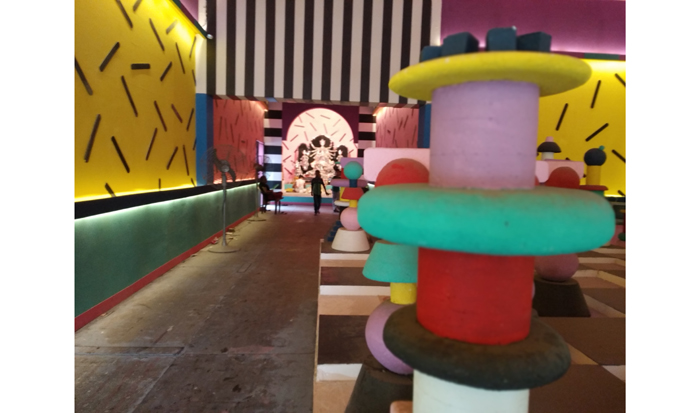
Blanchaert is adding international hues to the Bengali festival by exhibiting his art on the walls of the city that is known for its unique wall writing culture. He started with Duer Pally in Ahiritolla where the pandal is the creation of an Indian (Malay Das) and a Spanish (Antonya Marest) artist.

italian artist kolkata durga puja pandals
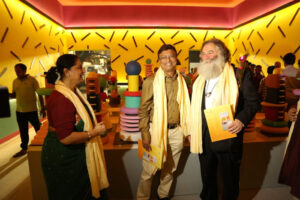
Jean Blanchaert (right), at Duer Pally Puja Pandal

“I will do calligraphy and write some messages in English, Bengali, Sanskrit and probably Italian,” said the artist who has done an elaborate homework on Bengali culture and tradition, Hindu deities, the city of joy and its quintessential characters. Blanchaert did his signature work at Duer Pally on Saturday.

“The puja is symbolic of the brotherhood between India and Spain as well as with Italy,” said the veteran artist, adding with a smile that he was enamoured by the city’s traffic. Kajal Bhadra, chief patron of the puja, said it was for the first time that the committee has collaborated with international artists  to design the pandal.

“Basu Foundation connected us with Jean. The youths in the neighbourhood ideated,” he added.

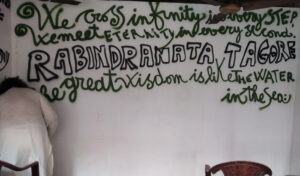
Blanchaert’s enthusiasm defied age as he climbed up chairs on a sultry afternoon to depict Rabindranath Tagore’s profound words, “We cross infinity in every step, we meet eternity in every second.” He crossed miles to come to the “hospitable” city to promote street art.

italian artist kolkata durga puja pandals
Jean Blanchaert’s calligraphy work on Rabindranath Tagore’s quote

The artist visited Kumartuli where idols come alive with local artisans’ Midas touch. “It was beautiful. Though we spent hours on the road to reach our destination, I found the city amazing,” said Blanchaert.

Calling Blanchaert a calligrapher would be a quarter of an introduction. His professional life is divided into four parts. He is a gallerist, curator, calligrapher and journalist. He is also a renowned glass sculptor. The jovial artist, who describes himself as a hybrid of Karl Marx and Santa Claus, talks enthusiastically when asked about his works. One can fathom his dedication from the bunch of files that he carries.

“These are my research materials on Durga Puja and Kolkata. I have been working on it since last year and I am excited to show my works,” said the artist as he picked up one of the files and flipped through the pages.

The Galleria Blanchaert in Milan was started by Blanchaert’s mother, Silvia Rota, an art enthusiast. She started collecting local art works from across Italy at the age of 35.

“During her time, those art works were considered bad taste. But now they are precious and displayed in our gallery. She is a visionary,” Blanchaert said about his 99-year-old mother.

Calligraphy, a visual art related to writing, is not much in vogue at a time when computer is considered the solution to all problems. But for Blanchaert it is a valuable art form that needs to be preserved. One would always find a bunch of special pens peeping out of the artist’s coat pocket. A bottle of ink accompanies the calligraphy pens which are vintage and at least a century old.

“It all started in school where we were taught calligraphy. With time, I stopped pursuing it but my interest in calligraphy persisted,” he said.

About Galleria Blanchaert, the gallerist said he never wanted to follow this profession but became part of it by chance when his mother’s assistant fell ill. He also writes regularly for Arte Dossier, an Italian art magazine.

When asked why it took him so long to come to India, Blanchaert explained his commitment to work. “I do not visit a place as a tourist. I don’t like that. I visit a place only when there is work and this time I finally got the opportunity to come to India.”

यह स्कूल था कभी आवारा पशुओं का ठिकाना

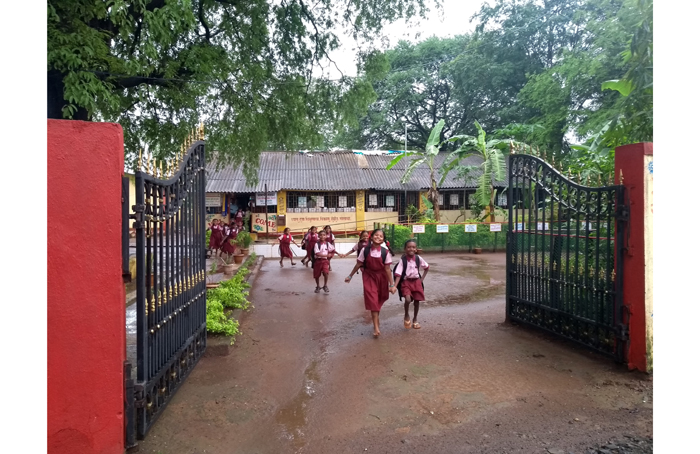
शिलटे (पालघर):  इस स्कूल की तस्वीर देखिए। क्या आप पूरे स्कूल परिसर की सुंदर तस्वीर देख यह कल्पना कर सकेंगे कि यह जगह कभी अवारा पशुओं का ठिकाना हुआ करती थी। यहां के शिक्षक जब सुबह स्कूल खोलते थे तो उनका पहला काम हुआ करता था दरवाजे और आसपास से गाय के गोबर को साफ करना।

लेकिन, अब स्थिति ठीक उलट है। आज यही स्कूल स्वच्छता के सभी मानकों पर खरा है। राज्य के कई बड़े अधिकारी और दूरदराज से शिक्षकों के समूह यहां स्कूल की सुंदरता और कलाकृतियों का निरीक्षण करने आते हैं। सब यही पूछते हैं कि यह सब किया कैसे?

”श्रमदान और सामूहिक भागीदारिता से”- यहां के प्रधानाध्यापक अशोक किणी इसका उत्तर अक्सर एक पंक्ति में देते हैं। इनका मानना है कि श्रमदान से स्कूल को सुंदर बनाने का प्रयास तो काफी लंबे समय से चल रहा है, मगर मूल्यवर्धन नाम के एक कार्यक्रम के कारण यह काम और अधिक व्यवस्थित, व्यापक और संगठित तरीके से किया जा रहा है। विशेषकर, स्वच्छता के मामले में स्कूल के साथ समुदाय पहले से अधिक सजग और संवेदनशील हो रहा है।

बात हो रही है जिला मुख्यालय पालघर से करीब 20 किलोमीटर दूर जिला परिषद शाला शिलटे की। शिलटे मलहार कोली आदिवासी बहुल गांव है। इस समुदाय के अधिकतर लोग मुख्यत: मजदूरी करते हैं। शिलटे करीब साढ़े छह सौ की आबादी वाला गांव हैं।

शिलटे श्रमदान स्कूल ठाने शिक्षक शिक्षिका सहभागिता
प्रधानाध्यापक अशोक हरिचंद किंणी के साथ स्कूल के बच्चे

यहां के स्कूल में पहली से चौथी तक कुल 47 बच्चे पढ़ रहे हैं। वर्ष 1953 में स्थापित मराठी माध्यम के इस स्कूल का कायापलट यहां के प्रधानाध्यापक के साथ शिक्षिका स्वजल म्हात्रे ने किया है।

छह दशक पुराने इस स्कूल की विशेषता है कि आज स्कूल भवन के खिड़की, दरवाजे, कुर्सी, टेबल, परिसर की ऊंची दीवारे, पक्के रास्ते, कूड़दान, झालीदार क्यारियों, सैकड़ों पेड़-पौधे, गमले से लेकर खेल-मैदान और छोटे बच्चों के झूले तक सब श्रमदान और सहभागिता की बदौलत है। यही नहीं, पीने के पानी के लिए मोटर-पंप, पक्का पियाऊ, लड़की-लड़कों के अलावा विकलांग बच्चों के लिए विशेष शौचालय, विशाल मंच, भव्य बगीचे से लेकर डिजीटल स्कूल भी श्रमदान और सहभागिता का ही परिणाम है।

यह सब करने के लिए बड़े पैमाने पर श्रम और साधनों की जरुरत तो थी ही, लाखों रुपए भी जुटाना था। बतौर शिक्षिका स्वजल म्हात्रे बताती हैं कि इतना सब कुछ कर पाना बहुत मुश्किल काम था, जिसे प्रधानाध्यापक की अगुवाई में बच्चों, पालकों, समुदाय के सदस्यों, ग्राम पंचायत जैसी संस्थाओं, स्वयं सेवा संगठनों और निजी कंपनियों के आपसी सहयोग ने आसान बना दिया।

शिलटे श्रमदान स्कूल ठाने शिक्षक शिक्षिका सहभागिता
पूरे परिसर साफ, सुंदर और आकर्षक है

इस तरह मूल्यवर्धन बना मददगार

स्कूल को सुंदर व साधन-सम्पन्न बनाने से कहीं अधिक चुनौतीपूर्ण उसकी देखभाल करना और यथास्थिति को कायम रखना था। केंद्र प्रमुख लूसी रॉड्रिक्स के अनुसार इसके लिए यहां के शिक्षक मूल्यवर्धन का सहारा लेते हैं। वे बताती हैं, ”मूल्यवर्धन के कारण वे स्कूल के लिए और अधिक समय देने लगे हैं। कई बार शिक्षक-शिक्षिका स्कूल लगने से पहले और स्कूल बंद होने के बाद मूल्यवर्धन के सत्र में बच्चों के साथ या तो मैदान साफ करते हैं, या फिर कचरा फेंकने जैसे काम किए जाते हैं।”

स्वजल म्हात्रे ने जुलाई, 2018 को नजदीक ही माकनी में मूल्यवर्धन का प्रशिक्षण लिया था। प्रशिक्षण के दौरान वे ‘समता’ संविधान के इस मूल्य से सबसे अधिक प्रभावित हुई थीं। अपने अनुभव साक्षा करते हुए वे कहती हैं, ”मूल्यवर्धन की पुस्तिकाओं को पलटते हुए मैंने तय किया था कि मेरे स्कूल में सब एक साथ मिलकर काम करेंगे, किसी तरह का कोई भेदभाव नहीं होगा, और लड़के-लड़कियां जोड़ी और समूह में चर्चा करेंगे, एक-दूसरे की भावनाओं को अधिक से अधिक और अच्छी तरह से समझेंगे।”

स्वजल के मुताबिक, वे सप्ताह में मूल्यवर्धन के दो से तीन सत्र लेती हैं। अब सवाल है कि क्या मूल्यवर्धन से बच्चों के व्यवहार में परिवर्तन आ रहा है? इस बारे में कक्षा दूसरी के कुछ बच्चे अपने अनुभव बताते हैं। तनिश भिमाड़ के मुताबिक जब उसकी मां काम से थककर घर लौटती है तो वह उन्हें पानी देता है। अस्मित सुतार स्कूल का सामान व्यवस्थित रखने में मदद करता है। पानी की टंकी भर जाने पर रितिका शेलार शिक्षिका को नल बंद करने की याद दिलाती है। रितेश हेमाड़े बगीचे में गिरे फूलों को एक जगह जमा करता है। इसी तरह, शुभम तुमड़े प्लास्टिक की चीजों का उपयोग न के बराबर करता है।

शिलटे श्रमदान स्कूल ठाने शिक्षक शिक्षिका सहभागिता
खुशी, गम और गुस्सा.. बच्चे अलग—अलग भावनाओं को समझते हैं

दूसरी के इन बच्चों ने बताया कि अब वे दुकान से खरीदकर कोई चीज नहीं खाते। इसकी बजाय वे कक्षा में एक गुल्लक रखते हैं। इस गुल्लक में सिक्के डालकर वे पैसा जमा करते हैं। फिर कुछ दिनों के बाद गुल्लक के पैसों से ही किसी के घर में खाने की ऐसी चीजे बनवाते हैं, जो स्वास्थ्य के लिए नुकसानदायक नहीं होतीं।

चित्र और कलाकृतियों में श्रम के संदेश

दूसरी तरफ, मूल्यवर्धन की कुछ गतिविधियों से बच्चों के परिजन भी खुश हैं। शीला पटेल का एक बच्चा पहली और दूसरा चौथी में पढ़ता है। उन्होंने बताया कि साल भर से दोनों बच्चे घर में भी साफ-सफाई पर बहुत ध्यान देते हैं। हर बुधवार स्कूल में बच्चों के नाखून और बाल चेक होते हैं। इसलिए, उनके बच्चे उनसे कुछ-कुछ दिनों में नाखून काटने और बाल कटवाने की याद दिलाते हैं।

इस स्कूल में गौर करने वाली बात यह है कि यहां का परिसर ही नहीं, स्कूल के दोनों कमरे और गलियारे सुंदर चित्र और कबाड़ की चीजों से तैयार कलाकृतियों से सजाए गए हैं। इन चित्र और कलाकृतियां भी श्रमदान का संदेश देते हैं। उदाहरण के लिए, पुराने जमाने में किस तरह से पानी खींचकर निकाला जाता था, उसका भी एक मॉडल तैयार किया गया है। जागृति गिराणे नाम की एक बच्ची बताती हैं, ”सजावट की ये चीजे स्वजल मैडम ने तैयार की हैं। वे हमें भी ऐसी चीजे बनाना सिखाती हैं।”

शिलटे श्रमदान स्कूल ठाने शिक्षक शिक्षिका सहभागिता
विकलांग बच्चों को ध्यान में रखते हुए शौचालय बनाया गया

अब सहभागिता से बनेगी छत

इस स्कूल की भविष्य की क्या योजना है और इसमें मूल्यवर्धन की किस तरह से मदद ली जा सकती है? यह पूछने पर अशोक किणी बताते हैं, ”बरसात के दिनों में भवन की छत से पानी रिसता है, इसे बदलवाना हैं। फर्श भी बहुत पुराना हो गया है, तो नया फर्श तैयार कराना है, ये काम भी लोगों की मदद से होंगे।” इनका मानना है कि मूल्यवर्धन कार्यक्रम से आपसी सहयोग, दूसरों की मदद, और काम करने वाले लोगों के प्रति सम्मान की भावना बढ़ेगी।

स्वजल को पूरा भरोसा है कि लोग आगे भी उन्हें श्रम और सहयोग देंगे। इसके पीछे की पृष्ठभूमि बताती हुई वे अपना अनुभव सुनाती हैं, ”श्रम और चंदा देने के मामले में हर बार सबसे पहले हम शिक्षकों का परिवार आगे आता है। हमारे ऐसा करने पर लोगों को भी लगता है कि उन्हें भी कुछ करना चाहिए और इस तरह वे हमारी सहायता करते हैं।”

स्पष्ट है कि शिलटे के स्कूल को सुंदर बनाने और उसे साफ-सुथरा रखने के पीछे बच्चों के साथ बड़ों को भी श्रम का महत्त्व समझ आ रहा है।

आयुष्मान में कैसे हो राधा का इलाज?

रांची: आयुष्मान भारत योजना ने गरीब परिवारों को बड़ी राहत दी है। पूर्व केंद्रीय स्वास्थ्य मंत्री जेपी नड्डा के अनुसार अब तक झारखंड के 57 लाख परिवारों को इस योजना का कवरेज मिल चुका है।

राज्य के विभिन्न हिस्सों से आयुष्मान भारत के लाभुकों से इस योजना का महत्व सामने आता है। लेकिन जिन जरूरतमंद लोगों तक किसी चूक के कारण इसका लाभ नहीं पहुंच रहा, उन्हें तत्काल जोड़ना जरूरी है। गुमला जिले के बसिया प्रखंड की राधा कुमारी को इस योजना का लाभ मिले, तो सकारात्मक उदाहरण होगा।

ममराला पंचायत के नारेकेला ग्राम की निवासी 40 वर्षीय राधा कुमारी के पास एक कच्चे मकान के सिवाय कुछ नहीं। अविवाहित है, भरण-पोषण करने वाला कोई नहीं। आय का साधन भी नहीं। लंबे समय से कुपोषित और बीमार है। अनीमिया की शिकार है। रिश्तेदारों की मदद से किसी तरह गुजारा चल रहा है।

राधा देवी के पास बीपीएल और आधार कार्ड है। पहले राशन कार्ड भी था। पुराने कार्ड निरस्त होने के बाद उसका नया राशन कार्ड नहीं बना। इसके कारण गोल्डन कार्ड नहीं बन रहा, आयुष्मान भारत में इलाज नहीं होगा।

आयुष्मान भारत झारखंड राधा इलाज गरीब रेफरल अस्पताल गुमला गोल्डेन कार्ड
जेपी नड्डा का आयुष्मान भारत पे ब्यान

नवंबर 2017 में राधा कुमारी ने राशन कार्ड के लिए आवेदन दिया था। अब फिर 12 सितंबर को मुखिया से सत्यापित कराकर बसिया प्रखंड कार्यालय में आवेदन दिया। बीडियो ने जिला कार्यालय जाने का सुझाव दिया। लेकिन वहां से भी कोई रास्ता नहीं निकला।

शनिवार को राधा कुमारी की तबीयत काफी बिगड़ गई। रिश्तेदारों ने उसे कोनबीर रेफरल अस्पताल पहुंचाया। लेकिन डॉ विजय लकड़ा ने गोल्डन कार्ड के बगैर इलाज से मना कर दिया। राधा कुमारी की एक अटेंडेंट ने बसिया के बीडीओ से मोबाइल पर बात करानी चाही। लेकिन डॉक्टर ने बात करने से मना कर दिया। एक पर्ची बनाकर बाहर से दवा लेने और कुछ जांच कराने की बात कह दी।

फिलहाल राधा कुमारी को वापस घर ले आया गया है। लेकिन इलाज और राशन के अभाव में उसका जीवन संकटग्रस्त है।
आयुष्मान भारत की सफलता के लिए जरूरी है कि ऐसे मामलों में जिला प्रशासन संवेदनशील हो। अगर झारखण्ड के 68 लाख परिवारों में से 57 लाख परिवारों को आयुष्मान में कवर किया जा चुका है, तो राधा कुमारी जैसी जरूरतमंद इसमें क्यों न हो? संभव है, किसी तकनीकी कारण से उसका नाम शामिल न हो। लेकिन प्रखंड के अधिकारी संवेदनशील हों, तो ऐसे मामलों का हल मुश्किल नहीं।

एक बात और। जब आयुष्मान भारत योजना नहीं थी, तब भी सबका इलाज होता था। रेफरल अस्पताल बना किसलिए है? गोल्डेन कार्ड के बहाने किसी जरूरतमंद को सामान्य इलाज से भी मना कर देंगे, तो आयुष्मान भारत योजना बदनाम होगी। राधा का इलाज न हुआ, तो आयुष्मान पर कलंक का टीका लग जाएगा नड्डा साहब!

ऐ बिहार तेरे अंजाम पे रोना आया

0

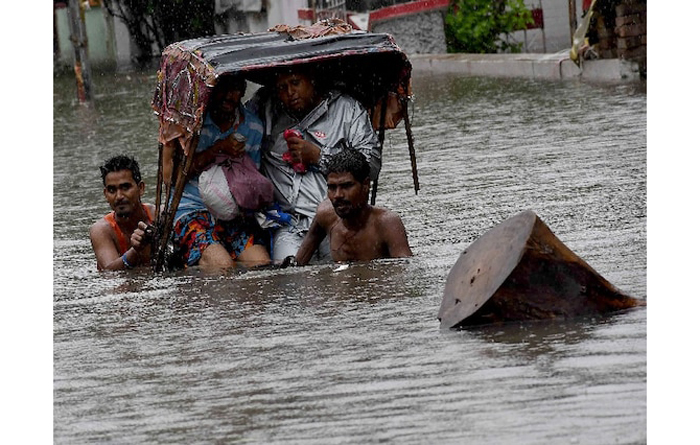
[dropcap]बि[/dropcap]हार में बाढ़ के कुछ दृश्य इस गौरवमयी राज्य की त्रासदी बताते हैं। पहला दृश्य पटना में छाती तक भरे पानी में फंसे रिक्शाचालक का है। काफी मेहनत के बाद भी रिक्शा नहीं निकाल पाने के कारण उसके रोने की बेबसी किसी भी इंसान को परेशान कर देगी।

लेकिन दूसरा दृश्य काफी हैरान करता है। तीन दिनों तक अपने घर में फंसे उपमुख्यमंत्री सुशील मोदी को एनआरडीएफ की टीम ने बचाकर निकाला। पटना डीएम के साथ सुशील मोदी सड़क किनारे बेबस खड़े दिखाई दिए। हाफ पैंट में। साथ में परिवार और पांच सात बैग में रखा कुछ जरूरी सामान। ऐसा दृश्य, मानो किसी स्टैंड में बस का इंतजार करता कोई सामान्य यात्री परेशान खड़ा हो।

तीसरा दृश्य तो आपको शर्म से पानी-पानी कर देगा। पाटलीपुत्र से सांसद और पूर्व केंद्रीय मंत्री रामकृपाल यादव किसी टूटे तटबंध को देखने गए। कुछ लोगों ने उन्हें चार टायर जोड़कर बनी कथित नाव पर चढ़ा दिया। वह चढ़कर चाव से वीडियो बनवाने लगे। इसी बीच कथित नाव उलट गई। ग्रामीणों ने उनकी जान बचा ली।

चौथा दृश्य मीडियाकर्मियों से उलझते मुख्यमंत्री नीतीश कुमार का है। पटना में बाढ़ का संकट क्यों है, इसके जवाब में वह मीडिया से ही पूछ रहे हैं कि मुंबई में ऐसा क्यों होता है। नाराज सीएम यहाँ तक कह गए कि मुझे आपलोगों की कोई जरूरत नहीं है।

नीतीश जी स्वघोषित सुशासन बाबू हैं। लेकिन फिलहाल तो बिहार में कुशासन दिखता है। वह बिहार को विशेष दर्जा दिलाने की मांग भूल चुके हैं। विधानसभा चुनाव में मोदी जी ने सवा लाख करोड़ के स्पेशल पैकेज का वादा किया था। इसके लिए भी बिहार से कोई आवाज उठती नहीं दिखती। ऐसे में बिहार के अंजाम पर सिर्फ रोया ही जा सकता है। हम-आप क्या कर लेंगे?

इन चारों दृश्यों से एक भयावह कोलाज बनता है। एक मेहनतकश रिक्शा वाला बीच सड़क पर खुद को बचाए, या अपनी रोजी के साधन रिक्शा को?

रिक्शा वाले की विवशता समझी जा सकती है। लेकिन डिप्टी सीएम सुशील मोदी की ऐसी क्या विवशता थी, जो तीन दिन घर में फंसे रह जाएं? उन्हें क्या अपने घर के माल-असबाब की चिंता थी, जिसे छोड़कर निकलना मुश्किल था?

बिहार में बाढ़ के इस भयावह दौर में तो डिप्टी सीएम का एक-एक मिनट का वक्त उपयोग में आना चाहिए था। उन्हें आम बाढ़-पीड़ित की तरह घर में दुबके रहने के बजाय राज्य के वरीय अधिकारियों के साथ लगातार बैठक करके हर जरूरी काम पर नजर रखनी चाहिए थी। वह केंद्र सरकार, वायुसेना और एनडीआरएफ के साथ बेहतर तालमेल के जरिए बिहार का काफी भला कर सकते थे। इसके बजाय एक दयनीय बाढ़-पीड़ित की भूमिका में आकर उन्होंने बिहार की नकारात्मक छवि बना दी।

ऐसा ही कुछ रामकृपाल यादव के मामले में देखा जा सकता है। टायर नाव की सवारी और वीडियो बनवाकर वह किसका भला कर रहे थे? एक सांसद को यह समझ नहीं कि ऐसे जान जोखिम में न डालें? उन्हें एक सांसद की भूमिका मालूम होती, तो क्षेत्र में राहत पहुंचाने के कुछ बड़े उपाय कर सकते थे। उनके आग्रह पर राज्य और केंद्र सरकार से कुछ मदद अवश्य मिल सकती थी। बड़ी कंपनियों के सीएसआर और देश की स्वयंसेवी संस्थाओं से अपील करके कुछ जुटा ही सकते थे। इसके बजाय जान जोखिम में डालना यही बताता है कि उनके पास अपनी भूमिका को लेकर कोई सोच नहीं है।

जाहिर है कि नीतीश कुमार ने मुंबई की बाढ़ पर पूछकर बिहार की जगहंसाई कराई। वह 15 साल से बिहार की सत्ता में हैं। पटना के नाले तक साफ़ न होना कुशासन का ही प्रतीक है। फिर, लोकतंत्र में मीडिया की जरूरत न होने की बात भी उन्हें हल्का करती है।

नीतीश जी स्वघोषित सुशासन बाबू हैं। लेकिन फिलहाल तो बिहार में कुशासन दिखता है। वह बिहार को विशेष दर्जा दिलाने की मांग भूल चुके हैं। विधानसभा चुनाव में मोदी जी ने सवा लाख करोड़ के स्पेशल पैकेज का वादा किया था। इसके लिए भी बिहार से कोई आवाज उठती नहीं दिखती। ऐसे में बिहार के अंजाम पर सिर्फ रोया ही जा सकता है। हम-आप क्या कर लेंगे?

Kolkata’s theatre personality survives cancer, says conquer one milestone at a time

Kolkata: Tathagata Chowdhury is a multifaceted personality; he is an actor, director, theatre producer, screenplay artist and workshop instructor. He is also the founder of the distinguished Kolkata-based English-language theatre group – Theatrecian, a prominent face in the cultural circuit of the country and a practicing advocate at the Calcutta High Court.

In this exclusive interview to eNewsroom, 38-year-old Tathagata – for the very first time – shares his recent ordeal of battling and surviving cancer – a testicular one.

eNewsroom: We realise that it is not easy to re-visit the ordeal, but thank you Tathagata for agreeing to give us this exclusive interview…

Tathagata: (Smiles). Thank you for taking interest in my ordeal. It was an uphill battle, alright. Life is strange, you know. One keeps hearing about people suffering from cancer. You read articles or hear about survival stories. But I had never imagined that I will be one of souls – suffering; surviving and then speaking about it.

eNewsroom: But this is good. You are going to fill people with hope, you know.

Tathagata: I certainly hope so.

eNewsroom: The form of cancer that you suffered from is called seminoma carcinoma, right?

Tathagata: That’s right.  A seminoma is a germ cell tumour of the testical. It is a malignant neoplasm but it is one of the most treatable and curable forms of cancer, only if it is discovered in the early stages. This form of cancer is common amongst Australians and Americans and there is only one per cent chance of Asians getting it. I had to be part of that one percent – pretty dramatic, huh?

As you can fathom, nothing in life can prepare you for this. I have a whole list of dreams that I want to fulfill. I want to continue participating in marathons, but this news threatened to ruin it all. I was also concerned about leading a healthy life and fulfilling my biological needs. The doctor had advised me to opt for sperm banking, but since I am not interested in going the family way, I did not.

eNewsroom: When was it diagnosed?

Tathagata: On December 12, 2018, I discovered a lump on my testicle. There was no pain, but I decided to consult my general physician – Dr. Guha – first. He advised me to get an ultrasonography done. The reports confirmed his worst fear. The lump was diagnosed as seminoma carcinoma and the lymph nodes had already started to spread to my heart, lungs and liver.

eNewsroom: What happened next?

Tathagata: When I was born, my testicles had not descended and I had to undergo a surgery for that. I think I was four; five or at the most six years of age. Dr. Subir Chatterjee had operated upon me back then. When the testicular cancer was confirmed, my general physician who was aware of this operation asked me to consult Dr. Subir Chatterjee once again. He is now 94 years old and when he heard about my condition, he asked me to go for surgery. He also informed me that it has now been discovered that the testicular correctional surgery that was done all those years ago, often leads to seminoma carcinoma. Of course, it does not affect everyone, but it made its presence felt in my body.

eNewsroom: What were your first thoughts when you heard about it?

Tathagata: You know, I have never spoken about this before, but I have faced a lot of personal problems in my life from a very young age. I have absorbed so many shocks that sometimes I feel that I have turned into a high-calibre shock absorber. So, when I learnt about the cancer, the first person that I thought of was my mother. She has already faced much travail in her life. I did not want her to suffer further. I wanted to fight this disease for her.

As you can fathom, nothing in life can prepare you for this. I have a whole list of dreams that I want to fulfill. I want to continue participating in marathons, but this news threatened to ruin it all. I was also concerned about leading a healthy life and fulfilling my biological needs. The doctor had advised me to opt for sperm banking, but since I am not interested in going the family way, I did not.

marathon kolkata theatre cancer survivour seminoma theatrecian
Tathagata Chowdhury preparing for a role (file picture)

eNewsroom: Dr. Kalyan Sarkar, who is one of the country’s leading neurologists and surgeons performed the surgery?

Tathagata: That’s right. Dr. Sarkar did the operation. Dr. Subir Chatterjee was also consulted. I have full faith in God and in Jesus Christ. I went for the surgery armed with that faith and knowing that “They” will be watching over me.

eNewsroom: The operation was successful, but you had to undergo chemotherapy treatment after that.

Tathagata: Yes and the real ordeal started then, between February-May 2019, I visited the hospital days for 21 days of chemotherapy. The cycle involved five days of chemotherapy and 15 days break. Each chemotherapy session lasted for eight hours. It was painful and I could not eat for days. It was like being in a battle where my psychological, physical and emotional states were at war with each other. I could not eat anything. I remember after the conclusion of one such round of chemotherapy, I could not eat any solid food for three days. I could only drink water and that too just one drop of it.

eNewsroom: What is your condition at present?

Tathagata: The spread has been arrested for the time being but I need to go for regular medical check-ups. I have to keep visiting Dr. Deepak Dabkara at Tata Medical Center, Kolkata and undergo tests after every two-three months. I have been told that it can again raise its head after a span of three-four years. I need to be on my guard. My school friend Dr. Gunjan Baijal who is now a leading oncologist had asked me not to consume alcohol for three-four months. I do not consume alcohol anyway, so that is not a problem for me. Chitra Ma’am, Superintendent, Nursing Department, Tata Medical Center, Kolkata had advised me to avoid red meat. My doctor has asked me to lead a normal life, but I should not over-exert myself. Yes! Everything seems to be back on track on the surface, but I suffer from this constant tingling sensation on my hands and feet and sometimes it gets difficult to walk, but I do not let this weigh me down.

eNewsroom: What are your plans?

Tathagata: An experience like this truly shakes you up. You think you have so much time in hand and then one fine day you get a wake-up call. There’s so much on my itinerary right now. I want to act; write; share my story with the world, direct, produce a few international shows, make films, reach out to a larger audience and also go on a date with Katrina Kaif. (Smiles). It is a long list, but I am ready, steady and raring to go. I have started training for my marathons and also getting back to my first love – theatre.

eNewsroom: And what about participating in marathons?

Tathagata: Marathons makes me feel alive. I have been running in the Kolkata-Delhi circuit. So far, I have completed 18 half marathons (21 kilometres) and three full marathons (42 kilometres) The medal, the certificate that I get after its completion inspires me and gives me amazing sense of satisfaction. Marathons are not about how many kilometres you have left; it is about how much closer you are to your destination. When you run a half marathon, you do not think that I have covered just one kilometre, you motivate yourself by thinking that I am 20 kilometres nearer/ closer to your destination. It teaches me to conquer each milestone at a time. That is how life is all about, isn’t it? It throws challenges at you and you conquer each challenge at a time. Battling and surviving cancer was one such milestone.

Tipu Sultan a monument of Hindu-Muslim unity- Mahatma Gandhi in Young India

0

Kolkata: The descendants of freedom fighter Tipu Sultan, based in Kolkata were worried about him being branded as a fanatic ruler who indulged in forceful conversions. Adding on to their worries was the sudden announcement made by BJP-led Karnataka government doing away with the celebration that marks Tipu Jayanti, on November 10.

However, between the two, misinformation and fake propaganda doing the rounds has been the most painful for his descendants. But, the Sahebzada Md Shahid Alam, Secretary Mysore Family Fateha Fund Committee Waqf state and C-Trustee, Prince Gholam Mohammad Waqf Estate, has come forward to use a unique way of silencing the “alleged claims” of Tipu being a fanatic.

Speaking to eNewsroom on the eve of Gandhi Jayanti, Alam said, “In one of the editorial columns, one of the readers had replied to another such letter, which had accused Tipu Sultan of being a fanatic ruler among other allegations. Here the writer had given reference of an article by Gandhi Ji, praising Tipu in his journal Young India. This information made me think of using the writings of Mahatma to snub the fake propaganda being made about Tipu Sultan.”

Mahatma Gandhi wrote, “Fatehali Tipu Sultan of Mysore is represented by foreign media as a fanatic who oppressed his Hindu subjects and converted them to Islam by force. But he was nothing of the kind. On the other hand, his relation with his Hindu subjects was of a perfectly cordial nature.” He further in his opinion piece highlighted, “The Sultan’s Prime Minister was a Hindu, who be it acknowledged with shame, betrayed that great lover of ‘Independence’ into the hands of the enemy. The Archaeological Department of Mysore State is in possession of over thirty letters written by Shankaracharya of Shingeri Math. These letters are written in Kannada character.”

Adding to that he said, “This bit of information that I got from this letter to the editor’s column, made me rush to the National Library’s periodical section to get a copy of a particular edition in which Gandhi Ji had praised my ancestor. A bit of scavenging through edition after edition, I finally got to see for myself that in the January 23, 1930 edition, he did write a piece on Tipu Sultan, which was carried on page number 30. I immediately had that particular section photocopied and brought it back for reference and sharing with people to counter hatred being spread about him (Tipu).”

Pausing a bit, he added, “To mark the 150th anniversary of Mahatma Gandhi, we are not just going to offer a special prayer for the father of our nation at the Tipu Sultan Masjid, but will also be sharing copies with media and the common public, where the Gandhi Ji has called Tipu Sultan a monument of Hindu-Muslim unity.”

Secular Tipu Sultan Mahatma Gandhi Jayanti West Bengal Descendants Mysore
The Young India edition of January 23, 1930

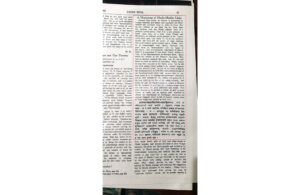
A copy of that particular edition shared with eNewsroom, Mahatma Gandhi wrote, “Fatehali Tipu Sultan of Mysore is represented by foreign media as a fanatic who oppressed his Hindu subjects and converted them to Islam by force. But he was nothing of the kind. On the other hand, his relation with his Hindu subjects was of a perfectly cordial nature.” He further in his opinion piece highlighted, “The Sultan’s Prime Minister was a Hindu, who be it acknowledged with shame, betrayed that great lover of ‘Independence’ into the hands of the enemy. The Archaeological Department of Mysore State is in possession of over thirty letters written by Shankaracharya of Shingeri Math. These letters are written in Kannada character.”

According to Historians, this is not the first time that a stalwart like Mahatma rose in defence of Tipu Sultan. Prof K.A.S.M Ishrat Alam, a faculty member of Department of History, Aligarh Muslim University said, “It’s not just Gandhi but also JL Nehru wrote in support of Tipu Sultan. Sadly, today Sultan’s effort to help India get freedom from colonial rule is being distorted. My question to those who call him a coloniser is – Isn’t it the job of a king to expand his empire. If he is being accused of colonising, then should all kings be accused of the same?”

However, the fact that Tipu’s descendants resorting to Gandhi’s writing to come to their rescue, not just coincides with the 150th anniversary of Gandhi but also with the centenary year of Young India Journal, a bi-weekly journal, which had Gandhi as its editor. Its first edition was published on October 22, 1919.

Mr Shah, listen to what Bengal has to say to your statement

Kolkata: Just ahead of inaugurating Durga Puja pandals, Union Home Minister, Amit Shah while addressing BJP workers during a seminar on National Register for Citizenship (NRC) clarified that Hindu, Jain, Sikh and Christian refugees need not panic, as the Centre would not force them to leave India. During his speech, he even mentioned that NRC is a must for Bengal and would be implemented here after the enactment of CAB (Citizenship Amendment Bill), which aims at restoring the “lost dignity” of Hindu refugees and the Mathua Community. He further accused the Trinamool Congress (TMC) of misleading the common man regarding NRC in Bengal.

Soon after the union home minister’s speech was over, his statement was widely criticized by the political leaders and social activist who are leading a movement against NRC in Bengal since the final NRC list was released in Assam.

Professor Saugata Roy, said, “It’s very unfortunate that the Home Minister of India has made such a discriminatory statement. I think the general public should also vehemently resist Amit Shah’s extremely communal statement.” He paused and then added, “They have an absolute majority of 303 in the Parliament, I guess, that is what is making them think that they can do anything like the abrogation of Article 370 in Kashmir.”

Public should Resist Amit Shah’s Communal Comment 

Minutes after Shah took TMC leaders accused him of scaremongering in Bengal. Speaking to eNewsroom, TMC MP from Dum Dum, Professor Saugata Roy, said, “It’s very unfortunate that the Home Minister of India has made such a discriminatory statement. I think the general public should also vehemently resist Amit Shah’s extremely communal statement.” He paused and then added, “They have an absolute majority of 303 in the Parliament, I guess, that is what is making them think that they can do anything like the abrogation of Article 370 in Kashmir.”

On being reminded about the absolute majority that BJP has, the CPIM leader said, “We can’t deny that. Hence, I have been extensively campaigning in Bengal, asking people to completely boycott NRC, if they forcefully implement it in Bengal. Let us all not go to the camps and tribunals to prove our citizenship, and then let us see what they can do?”

Prof Roy, who has also been one of the members for the Standing Committee on Bill to Amend Citizenship Act said, “I have never heard of any politician making such a comment. If we are to believe what he says, then are we to believe that the government is scheming against its own people?”

Most of the stalwarts of Bengal politics, branded the Amit Shah’s statement as both derogatory and discriminatory.

Boycott NRC

Branding NRC as anti-Constitution, former mayor of Kolkata and CPI(M) leader Bikash Ranjan Bhattacharya said, “First let me make it very clear, NRC is not needed in Bengal. We don’t want it. He (Amit Shah) may keep stressing upon its need and can even talking of passing the CAB. But let be very clear, this Bill is unconstitutional. We will resist NRC implementation in Bengal at any cost.”

Bhattacharya further said, “That they might be having, but we have an absolute majority here in Bengal, when it comes to the number of people resisting this divisive policy.” He pointed out, “He is coming here and demanding for NRC in Bengal, when his own party members are not willing to accept the NRC list in Assam. Given the way the NRC implementation of NRC has backfired in Assam, can he now go and tell the same in Assam?”

On being reminded about the absolute majority that BJP has, the CPIM leader said, “We can’t deny that. Hence, I have been extensively campaigning in Bengal, asking people to completely boycott NRC, if they forcefully implement it in Bengal. Let us all not go to the camps and tribunals to prove our citizenship, and then let us see what they can do?”

NRC Not Needed in Bengal

Reiterating the same sentiment, Congress MP Pradip Bhattacharya, also a member of the standing committee on Bill to amend Citizenship Act, 1955, while speaking to eNewsroom said, “Let us understand that there is political reason behind what is being told to mislead the common man. Assam had NRC implemented, as the people of Assam wanted it to be implemented. But here, we Bengalis don’t want this exercise to be done. In fact, a resolution has been passed in the state assembly against NRC.”

He then added, “This act (CAB) is unconstitutional and violates Article 14 of the constitution. They can’t say that one particular community will be deprived of citizenship, while others will not be asked to leave the country.”

Echoing the same, Prasenjit Bose, Kolkata-based economist and social activist, who is also leading a forum against NRC, said, “CAB shouldn’t be enacted at all. It is unconstitutional. But if it is passed, given the fact that BJP enjoys absolute majority, we will have it challenged at the Supreme Court.”

Will CAB Help?

Bhattacharya, then warned, the BJP workers and supporters in favour of NRC, “Let me play the devil’s advocate here, “We all have seen how NRC has backfired in Assam over 11 lakh Hindus have been affected by it. Also, let me be clear, the original East Bengal refugees are now in their seventies, and a sizeable number of people belonging to this generation are dead. Their children in many cases have no or little documented evidences. What will they do if NRC is implemented? Tribunals will understand only documented evidence.”

Adding to that Prof Roy said, “They are saying that after implementation of CAB, NRC will be implemented in Bengal. It’s high time that their vote-bank understand that CAB is no guarantee for citizenship. Even after enactment, it will take years to be implemented, till then all of them will be in a limbo.”

सार्वजनिक क्षेत्र के कर्मचारियों का निजी उल्लास बना रहे, टीवी पर डिबेट चलता रहे

0

[dropcap]ख़[/dropcap]बरों के ज़रिए पाठक और किसी संस्थान के साथ क्या खेल होता है, इसे समझने के लिए आपको पिछले कुछ महीनों में BSNL और MTNL पर छपी ख़बरों को पढ़ना चाहिए। किस तरह सार्वजनिक क्षेत्र की कंपनियाँ के कर्मचारी झांसे में आते हैं।

कायदे से सरकार सीधे कह सकती थी कि हम इन दो कंपनियों को बंद कर रहे हैं लेकिन चुनाव के कारण प्रस्तावों के ज़रिए सपने दिखाने लगी। साथ में केक पर पुलवामा हमले का जवाब भी टॉप अप के रूप में था। सो इन दो कंपनियों की ख़ुशी से झूम उठी। बाकी सार्वजनिक क्षेत्र की कंपनियों को लगा कि उनके साथ भी कुछ नहीं होगा।

11 अप्रैल 2019 के बिजनेस स्टैंडर्ड में ख़बर छपती है कि टेलिकॉम मंत्रालय ने बीएसएनल को 4 जी स्पेक्ट्रम देने का प्रस्ताव बनाया है। उम्मीद पैदा हो गई।

हुआ क्या?

5 सितंबर 2019 को इकोनमिक टाइम्स को दिए इंटरव्यू में बीएसएनल के चेयरमैन कहते हैं कि सरकार के सभी स्तरों से बातचीत कर ऐसा लगता है कि वे बीएसएनएल की चिन्ताओं को समझते हैं। चेयरमैन 4 जी को लेकर पूछे गए सवाल का जवाब देते हैं। अप्रैल से सितंबर आ गया और सरकार अभी तक चिन्ताएं ही समझ रही है। ज़ाहिर है अप्रैल में चुनाव था।

BSNL में 1 लाख 65 हज़ार कर्मचारी काम करते हैं। अगस्त की सैलरी लेट से आई। अब इनमें से 70 से 80 हज़ार को रिटायर कराया जाएगा।चेयरमैन ने इंटरव्यू में कहा है कि अब काम आउटसोर्सिंग और कांट्रेक्ट से होंगे। यह भी उम्मीद वाला बयान है। काम ही नहीं होगा तो आउटसोर्स क्या होगा।

जुलाई 2019 में टाइम्स ऑफ इंडिया सहित कई अख़बारों में ख़बरें छपती है कि सरकार बीएसएनल और एमटीएनल को बचाने के लिए 74,000 करोड़ के पैकेज लाएगी।

BPCL, SCI, CONCOR, NEEPCO, THDC जैसी सार्वजनिक क्षेत्र के कर्मचारियों को ह्यूस्टन की रैली देखकर लग रहा होगा कि भारत का नाम हो रहा होगा। उन्होंने यह ख़बर ही नहीं पढ़ी होगी कि मोदी और ट्रंप के बीच जो बातचीत हुई है उसका नतीजा क्या रहा। उसी तरह उन्हें पता नहीं है कि उनका भविष्य क्या होगा। सार्वजनिक क्षेत्र की कंपनियों में काम करने के हालात बेहतर थे, इसलिए लोग प्राइवेट नौकरी छोड़ कर यहां काम करने आते थे। अब यहां से उन्हें भगाने के लिए नए नए नाम वाले दरवाज़े खोले जाएंगे जिन्हें कभी वी आर एस तो कभी पैकेज तो कभी प्लान कहा जाएगा।

5 सितंबर 2019 को इकोनमिक्स टाइम्स में बीएसएनल के चेयरमैन का इंटरव्यू छपता है। वे बताते हैं कि ज़मीन किराये या लीज़ पर देकर राजस्व जुटाया जा रहा है। बीएसएनल के टावरों को किराये पर देने की योजना है।

सितंबर के आख़िरी हफ्ते में फाइनेंशियल एक्सप्रेस सहित कई अख़बारों में ख़बरें छपती हैं कि वित्त मंत्रालय ने BSNL और MTNL को बचाने के लिए 74000 करोड़ के पैकेज का प्रस्ताव ठुकरा दिया है। इनमें से 30-40 हज़ार करोड़ रियाटरमेंट पर ख़र्च होने वाले थे और बाकी से 4 जी आता। अभी तक 4 जी नहीं दिया गया है। अब तो बाज़ार में 5 जी आने वाला है। ज़ाहिर है BSNL और MTNL को हवा में लटका कर रखा जाएगा और एक दिन बंद कर दिया जाएगा। तब तब इन संस्थानों के पौने दो लाख कर्मचारी गोदी मीडिया पर पाकिस्तान को लेकर डिबेट देख सकते हैं। वहां से उम्मीदें पाल सकते हैं कि कुछ तो हो रहा है।

आज के अखबारों में ख़बर है कि सरकार अपना वित्तीय घाटा पूरा करने के लिए पांच कंपनियों में अपनी हिस्सेदारी बेच कर 60,000 करोड़ जुटाने जा रही है।BPCL,SCI, CONCOR, NEEPCO, THDC की हिस्सेदारी बेची जाएगी। सरकार को विनिवेश के ज़रिए एक लाख करोड़ चाहिए। बिजनेस स्टैंडर्ड लिखता है कि हो सकता है कि सरकार सभी पांच कंपनियों को प्राइवेट हाथों में न बेचे। वो सार्वजनिक क्षेत्र की कंपनियों के हाथों भी बेच सकती है। इससे होगा यह कि बेचने का आरोप नहीं लगेगा और कर्मचारी चलता कर दिए जाएंगे। फिर अगले चरण में प्राइवेट कंपनियों को भी बेचा जा सकता है। किसने रोका है।

सरकार का ख़ज़ाना ख़ाली है। इस वित्त वर्ष में लक्ष्य था कि टैक्स वसूली में 17.4 प्रतिशत की वृद्धि होगी। लेकिन 5-6 प्रतिशत की ही हो रही है। जीएसटी से भी शानदार वसूली नहीं हो रही है।

सवाल सिम्पल है। जो सरकार 1 लाख करोड़ जुटाने के लिए दूसरी कंपनियां बेच रही है, वह BSNL और MTNL को बचाने के लिए 74,000 करोड़ का पैकेज क्यों देगी? BSNL को 4 जी न देने से किन प्राइवेट कंपनियों को फायदा हुआ, इस पर बहस करने से लाभ नहीं. जब बहस करने का वक्त था, इसके कर्मचारी कुछ और कर रहे थे।

BPCL, SCI, CONCOR, NEEPCO, THDC जैसी सार्वजनिक क्षेत्र के कर्मचारियों को ह्यूस्टन की रैली देखकर लग रहा होगा कि भारत का नाम हो रहा होगा। उन्होंने यह ख़बर ही नहीं पढ़ी होगी कि मोदी और ट्रंप के बीच जो बातचीत हुई है उसका नतीजा क्या रहा। उसी तरह उन्हें पता नहीं है कि उनका भविष्य क्या होगा। सार्वजनिक क्षेत्र की कंपनियों में काम करने के हालात बेहतर थे, इसलिए लोग प्राइवेट नौकरी छोड़ कर यहां काम करने आते थे। अब यहां से उन्हें भगाने के लिए नए नए नाम वाले दरवाज़े खोले जाएंगे जिन्हें कभी वी आर एस तो कभी पैकेज तो कभी प्लान कहा जाएगा।

आज के अखबारों में ख़बर है कि सरकार अपना वित्तीय घाटा पूरा करने के लिए पांच कंपनियों में अपनी हिस्सेदारी बेच कर 60,000 करोड़ जुटाने जा रही है। BPCL,SCI, CONCOR, NEEPCO, THDC की हिस्सेदारी बेची जाएगी। सरकार को विनिवेश के ज़रिए एक लाख करोड़ चाहिए। बिजनेस स्टैंडर्ड लिखता है कि हो सकता है कि सरकार सभी पांच कंपनियों को प्राइवेट हाथों में न बेचे। वो सार्वजनिक क्षेत्र की कंपनियों के हाथों भी बेच सकती है। इससे होगा यह कि बेचने का आरोप नहीं लगेगा और कर्मचारी चलता कर दिए जाएंगे। फिर अगले चरण में प्राइवेट कंपनियों को भी बेचा जा सकता है। किसने रोका है।

सरकार का ख़ज़ाना ख़ाली है। इस वित्त वर्ष में लक्ष्य था कि टैक्स वसूली में 17.4 प्रतिशत की वृद्धि होगी। लेकिन 5-6 प्रतिशत की ही हो रही है। जीएसटी से भी शानदार वसूली नहीं हो रही है।

तो अब क्या होगा?

कुछ नहीं होगा। सरकार जो करना चाहेगी उसे कोई नहीं रोक सकेगा। सार्वजनिक क्षेत्र के कर्मचारी मीडिया के पास जाएंगे। मीडिया कवर नहीं करेगा। जबकि वे खुद इतने दिनों से गोदी मीडिया के ग्राहक बने रहे हैं जिस पर लोगों की आवाज़ आती ही नहीं है। तो अब उस मीडिया से उम्मीद करना खुद को धोखा देना होगा जैसे वो ख़ुद को हिन्दू मुस्लिम डिबेट देखते हुए धोखा दे रहे थे। जिस विपक्ष पर थूकने लगे थे उस विपक्ष को गाली देंगे कि विपक्ष भी चुप है। जब वो बोलता है तो हंसने का या थूकने का कोई मौका नहीं छोड़ते हैं।

उन्हें जुलूस निकालने की हिम्मत नहीं होगी। निकालेंगे भी तो दो तीन दिनों में थक जाएंगे। मज़दूर संघ भी जानते हैं। इसलिए जनवरी 2020 में हड़ताल की बात कर रहे हैं। तब तक सरकार सारा विनिवेश कर चुकी होगी।

इन ख़बरों को पढ़ कर चिन्ता न करें। हिन्दू मुस्लिम डिबेट के सुनहरे पलों को याद करें और रिलैक्स रहें। अब काफी देर हो चुकी है। सबसे अच्छी बात होगी कि वे सरकार के इन फैसलों का स्वागत करें। तनाव कम होगा। उन्हें अपने स्वाभिमान से समझौता नहीं करना चाहिए। न तो किसी मीडिया के पास जाना चाहिए और न ही किसी विपक्ष को याद करना चाहिए। वैसे ही चुप रहे जैसे सभी चिन्मयानंद के मामले में चुप हैं। प्रज्ञा ठाकुर पर चुप हैं। गांधी की हत्या को सही ठहराने वाले बयानों पर चुप हैं।

झारखंड के युवा, आने वाले चुनाव के पहले, फेक न्यूज़ से सावधान रहें

रांची। दो दशक पहले जब झारखंड का निर्माण हुआ था तो खनिज सम्पदा से सम्पन्न राज्य के युवाओं के कई सपने थे, पर आज झारखंड के युवा कई तरह के सवालों से घिरे हुये हैं।

झारखंड के युवाओं के आज के सामाजिक-आर्थिक और सांस्कृतिक हालात पे चर्चा के लिए झारखंड जनाधिकार महासभा ने 29-30 सितम्बर को एक दो-दिवसीय युवा सम्मेलन का आयोजन रांची में किया। महासभा राज्य की विभिन्न जन संगठनों और सामाजिक कार्यकर्ताओं का एक मंच है। सम्मेलन में विभिन्न ज़िलों से लगभग 100 युवा भाग लिए थे।

सम्मेलन का मूल उद्देश्य था वर्तमान सामाजिक-राजनैतिक और सांस्कृतिक चुनौतियों को समझना और आगे के लिए रणनीति बनाना।

सम्मेलन में अनेक सामाजिक कार्यकर्ताओं – जैसे अलोका कुजूर, बिरेन्द्र कुमार, दयामनी बरला, डेविड सोलोमन, दीपक बारा, एलीना होरो, फैसल अनुराग, कुमार चंद मार्डी, जसिन्ता केरकेट्टा, मंथन, मेघनाथ, मुमताज़, पल्लवी प्रतिभा, प्रवीर पीटर, सकीना धोराजिवाला, तारामणि साहू, विनोद कुमार, विकास शर्मा, विश्वनाथ आज़ाद, विवेक आदि – ने अपनी बात रखी।

फैसल अनुराग ने झारखंड की राजनैतिक और सांस्कृतिक इतिहास को युवाओं के बीच दोहराया। वहीं दयामनी ने आदिवासियों के ज़मीन पर हो रहे लगातार हमलों एवं उनके विरुद्ध संगठित होने के विषय में बताया। उन्होंने कहा कि युवाओं को बिरसा मुंडा और सिदो-कान्हो, जो काफी कम उम्र में आदिवासियों के अधिकार के लिए अपना जान दे दी, के बलिदान को भूलना नहीं चाहिए।

फैसल अनुराग ने झारखंड की राजनैतिक और सांस्कृतिक इतिहास को युवाओं के बीच दोहराया। वहीं दयामनी ने आदिवासियों के ज़मीन पर हो रहे लगातार हमलों एवं उनके विरुद्ध संगठित होने के विषय में बताया। उन्होंने कहा कि युवाओं को बिरसा मुंडा और सिदो-कान्हो, जो काफी कम उम्र में आदिवासियों के अधिकार के लिए अपना जान दे दी, के बलिदान को भूलना नहीं चाहिए।

अलोका कुजूर, जिनपर फेसबुक पोस्ट के लिए देशद्रोह का मामला दर्ज किया गया है, ने अभिव्यक्ति के आज़ादी पर हो रहे हमले के विषय में बताया। इसके अलावा कई अनेक मुद्दों पर बात हुई – जैसे बढ़ता बहुसंख्यकवाद, मॉब लिंचिंग, आदिवासियों, दलितों और अल्पसंख्यकों का शोषण एवं रोज़गार का अभाव जैसे हालात पर भी चर्चा हुई।

मानकी तुबिद ने सबके सामने एक चौकाने वाली जानकारी राखी के उन्होंने पश्चिमी सिंहभूम के सभी थानों से यह जानकारी मांगी थी कि राज्य बनने के बाद SC-ST अत्याचार कानून अंतर्गत कितने केस दर्ज हुए थे। उन्हें यह पता चला कि केवल 36 केस दर्ज हुआ है। अभी भी अधिकांश मामलों में, खास कर के वैसे मामले जिनमे आर्थिक रूप से दबंग लोग दोषी हैं, अनुसन्धान ही चल रहा।

लेखिका व कवियत्री जसिन्ता केरकेट्टा ने आदिवासी समुदाय के मूल सोच – बराबरी और सामुदायिकता – के विषय में बात की। साथ ही, इन मूल्यों को कैसे लगातार कमज़ोर की जा रही है, यह भी बताया।

फ़िल्म निर्माता मेघनाथ ने साझा किया कि कैसे सांस्कृतिक पहल राज्य के विभिन्न संघर्षों का हिस्सा रहा है एवं वर्तमान समय में संस्कृति संघर्ष में और भी ज़रूरत है।

बिरेन्द्र कुमार ने समाज की विभिन्न संस्थाओं जैसे कॉलेज, सरकारी ऑफिस आदि में कमज़ोरों पर हो रहे शोषण के विषय पे चर्चा की। सामाजिक न्याय के लिए आरक्षण ज़रूरी है लेकिन भाजपा व आरएसएस लगातार इसे हमला कर रही है। उन्होंने यह भी कहा कि युवाओं को सरकार की जन-विरोधी नीतियों के विरुद्ध राजनैतिक संघर्ष करने की ज़रूरत है। आनेवाले विधान सभा चुनाव में इसका मौका है।

दीपक बार ने फेक न्यूज़ के बढ़ते इस्तेमाल पर बात रखी और सभी प्रतिभागियों को बताया कि आने वाले चुनाव के पहले फेक न्यूज़ से सावधान रहना चाहिए।

अनेक युवाओं ने कहा कि भाजपा द्वारा जन अधिकारों, आदिवासियों के सांस्कृतिक इतिहास और लोकतान्त्रिक अधिकारों पर लगातार हमला क्या जा रहा है। भाजपा और आरएसएस द्वारा युवाओं को सांप्रदायिक रूप से गोलबंद करने पर भी बात हुई।

सम्मेलन के अंत में प्रतिभागियों ने अपने क्षेत्र के युवाओं को सामाजिक-राजनैतिक व संस्कृति रूप से संगठित करने के लिए एक विस्तृत रणनीति बनाई।