If COTPA Amendment Bill 2020 gets implemented, many beedi workers will commit suicide, claims a study

0

Kolkata: Susheela, a 46-year-old native of Tamil Nadu’s Tirunelveli district rolls beedi for a living. She has been doing it, since the age of 14. At the age of 21, she got married and went to Mumbai with her husband. After a few years, when she was a mother of two, her husband was killed by looters. She returned with a 5-year-old son and a two-month-old daughter. Her in-laws took away her husband’s shop in Mumbai in exchange of a small piece of land in Tirunelveli. She was left with almost nothing. But with two small kids, she could not go out for work. Susheela resumed rolling beedis for a living. Now, her son is an engineer and her daughter has done BSc in Physics and wants to do B.Ed. Susheela even took a loan and built a house on her land too, with whatever she earned as a beedi roller.

The situation of Bhagyavati, another beedi roller was not good either, when she took up this profession. The 48-year-old mother of two, is a resident of Thach Nallur, a small village in Tamil Nadu, where the garbage from the entire district is dumped, thereby causing health issues to the kids of this village.

The contaminated air and water makes the place unhygienic for the people living there. This has caused many disabilities in people including two of Bhagyavati’s sons. 

Her husband, an alcoholic, later diagnosed with HIV AIDS. He died, leaving behind two disabled children. Bhagyavati did not even get a widow pension either. 

Rasul Beevi, 62, and her daughter Inul Jaria, 38, are from Nelapallya, Tirunelveli have a similar story.

Rasul is a 4th generation, and her daughter Inul is a 5th generation Beedi roller in her family.

The house runs on Rasul and her husband’s salary. They also supported their husbands during the pandemic with the money they had saved. She also single-handedly paid for the renovation of her home using the provident fund she was given from the beedi rolling company, that she worked for.

The daughter also pointed out that they love rolling beedis because of the liberty to do the job from their homes and at a time that they desire to work. She had applied for the educational scholarship for her kids which sadly stopped coming since the past two years, and she had to use the money she had saved from rolling beedis to complete her child’s education.

cotpa amendment bill 2020 women beedi rollers workers tobacco products
Susheela | Courtesy: Lack of Alternate Employment for Women Beedi Rollers

Chandralekha, who hails from Venkateshpuram has a unique story to share. She is a computer science engineer by profession and worked in a company in Tirunelveli as a Quality Controller. But because of Covid-19 lockdown, she had to quit the job and work full time as a beedi roller. Her parents and two of her siblings live together in their village and they are all engaged in rolling beedis. They collectively earn about 20,000 rupees every month. Chandralekha and her sisters are also preparing for examinations for Government jobs and have made it clear that she is going to continue rolling Beedi as a part-timer even after she  finds another job. She and her siblings have been doing so, since they were 15 years old. She is the fourth generation of beedi rollers in her family.

These women are among the twenty individuals whose life has been studied by two researchers Vibha Vasuki and Dr Siva Prasad Rambhatla. The two were commissioned to conduct the study by the Mysore Beedi Mazdoor Association. 

Twenty women are among crore beedi workers in India (including both organized and unorganized beedi sectors). Female workers comprise 90 to 95 percent of the Beedi industry. Beedi workers are also considered the most marginalized.

The researchers, however, mention that because of Covid-19 constraints, they could not meet two other women nor visit two districts—Tirunelveli and Mangalore.   

And added that they have analysed National Sample Survey Office (NSSO), the Central Statistics Office (CSO), Government of India–the Annual Survey of Industries (ASI) and other available secondary data in their 90-page long study, titled—Lack of Alternate Employment for Women Beedi Rollers.

Highest GST paying industry – 28 per cent

After the introduction of GST (Goods and Services Tax), beedis attracted a 28 tax per cent, i.e. the highest GST rate, as beedi was categorised as a ‘demerit’ good.

Ironically, from the financial year (2017-18), it has made no allocation of funds for the beedi welfare fund after 2017-18, since GST implementation.

Contributes Rs 25 billion every year to GDP

Beedi is widely consumed throughout the country. 10.4 billion packets have been sold in 2017- 2018 alone, raising Rs. 156 billion and generating a revenue of Rs. 25 Billion to the Government. An adult smoker consumes about 93 beedis per month on average, spending Rs 284 per month for the year 2016-2017. This has increased by Rs. 191 since 2009-2010.13 States like Rajasthan, Assam, Madhya Pradesh and Tamil Nadu were some of the highest tax levying states in the country. Beedi generated about 12% of the total revenue generated by the tobacco industry in the year 1996.

Apart from direct beedi workers, the industry has also given employment to people who are indirectly involved in producing raw materials like tendu leaves (used to wrap beedis). About 6 million people in farming, 20 million people in farm labour and about 4 million in leaf plucking are employed by the industry as studied by TARI (Thought Arbitrage Research Institute).

cotpa amendment bill 2020 women beedi rollers workers tobacco products
Tribal women collecting tendu patta | Courtesy: humanitiesacrossborders.org

COTPA (Cigarettes and Other Tobacco Products Act) Amendment Bill 2020

The COTPA Amendment Bill 2020 has clauses that restrain the sale of beedis, and retailers engaged in beedi trade would need to get a license to do so. Restriction on branding, ban on the sale of loose beedis, printing of date of manufacture among others, owners and union leaders believe that it will reduce the sale of beedis and lead to the forced closure of the industry which will eventually make many people lose their job.

What respondents say about COTPA Amendment Bill 2020

When Inul was asked how they feel about the government’s decision of making changes to the beedi rolling industry, she said, “Why do you want to remove this plant and plant it somewhere else, instead of just watering the plants in the current place?” She also said if this industry closes, they won’t be able to start anew as her entire life she has been rolling beedis.

Rasul also said, “I haven’t faced any major problems in life because of the job security and money earned in beedi rolling”. And if the industry closes, my entire family will sit at home and have nothing to do

While Bhagyavati mentioned that, if the government is willing to train her for an alternative career, she will do it because she needs to take care of her family no matter what. The 48-year-old says she can try her best to adapt, but in the end, if she cannot, it is up to the almighty himself, to save her family.

cotpa amendment bill 2020 women beedi rollers workers tobacco products
Safety Clinic for Beedi Workers at Kannur Kerala by Re Bharatgas Dharmadom (file picture) | Courtesy: @bpclmangaluru/Twitter

What industry’s union leaders and owners have to say

“The Govt has only announced the amendments (COTPA Amendment Bill 2020) but hasn’t given a solution to all the problems that are going to rise after the industry starts deteriorating. Most women in the industry know only one skill to survive, and that is beedi work. They have been running their families with the salary earned by beedi work, they have been getting scholarships and other benefits by rolling beedis. Most beedi workers have educated their children who went on to be in domains like engineering, police and other departments. If the industry stops, how will the children of beedi workers afford an education? People might commit suicide because they have no other means to make ends meet,” said Bharati Bolar, Secretary, Mangalore Beedi Rollers Association.

Bimal Desai, owner of Desai Brothers Limited suggested that the government should make the changes in phases and not drastically. Let people adjust to the new changes. If the Beedi industry is banned, illegal sales of tobacco products will rise as people will smoke out of habit. People will lose their jobs and lots of families will have trouble functioning even on a normal basis. A huge part of Telangana is dependent on the beedi industry and around 700000 jobs will be lost.

“If the sales diminish, factories might end up closing and all the employees will end up losing their jobs. Since the women are not trained in any other skills, it will become difficult for them to make ends meet,” claimed Sudhir Shankar Sable of Sable Waghire and Company Limited.

Want higher wages and more work available than alternate professions

The two researchers claimed in the study, the government’s enervated attitude towards transitioning beedi workers to alternative livelihood is alarming. The government needs to take note of the urgency of the situation and implement programs on a larger scale. Until such transition is made possible, it must ensure beedi workers are given their wages and benefits under the now applicable laws.

The study reads, “Many studies have stated over and over that there exists a willingness among most women beedi workers to shift to alternate professions if given a chance. However, when we spoke to the participants, we noticed that they were mostly unwilling to shift to another profession, while they wanted to stay in the industry because of the convenience, they wanted to be paid higher wages and more work available to them.”

It further said, “We asked the participants if they had ever been trained by the Government or any other organization to develop skills and move to an alternate careers and they said they had never been offered training. While some of them showed a willingness to explore alternative sources of employment, most of them are set in their ways and want to stick to the trade that they have mastered over decades,” 

“While there must be labour and wage reforms that need to be brought into the Beedi industry, shutting down the industry through COTPA Amendment Bill 2020 will be a disaster for millions with no other skills or employment,” the study added.

The Warrior Widows: The author feels that God Almighty handpicks exceptional girls to be Army wives

Ambreen Zaidi’s book ‘The Warrior Widows’ documents the real-life stories of valiant wives of Indian soldiers – The Veer Naris as they are generally referred to. Ambreen has been the founding editor of the world’s first blog magazine Blogger’s Park and writes about the issues which need immediate attention. Presently she is running an organisation Changemakers that works in collaboration with various welfare groups of the Indian Army, where she and her team extend their services to war widows, orphans and people with needs.

The author chooses to call them Warrior Widows rather than war widows as they struggled, fought and dared to lead their lives bravely in the absence of their spouses supporting their family and some of them contributing to society in their own ways. Many of them are now commissioned officers keeping the memory of their husbands alive.

The book begins with a poem dedicated to the wives of the martyrs by Maj. General Ian Cardozo the first war- disabled officer of the Indian Army followed by a message of Damyanti V Tambey, President of War Widows Association.

When a woman marries in Army, she is preconditioned for a tough life, separation, postings at various places in quick succession and when her better half leaves for war or goes to the field area, she has to fend for herself and her children waiting anxiously for the arrival of her husband. Life is indeed unpredictable for her.

Anything can happen at any time. Death remains a part and parcel of Army life. But when it comes one realises the gruesome enormity of it. After coming in contact with the war widows of Jodhpur, when her husband was posted there Ambreen came in contact with many Veer Naris and that’s how Changemakers came into existence. India has approximately 27000 war widows and the number is swelling day by day. There are women who have lost their husbands in World War Two, Indo-Pak and Indo-China wars at a very young age. Most women hail from rural areas and are unaware of their rights and entitlements. They are uneducated, facing problems as they belong to a Patriarchal society.

The Central Government does release grants/pension and other service benefits but other inadequacies have to be addressed like psychological support, future guidance for children and sometimes denial of legal rights.

If the widow is not eligible for a pension, the family forces her to marry her brother-in-law, a custom known as Kareva marriage or Chaddar Andazi, much prevalent in Punjab and Himachal. It is actually not a custom but an obligation towards her deceased husband’s family. Thanks to Nirmala Sitaraman who has done away with the mandatory ritual of Kareva marriage. According to her, it was vital to retain the dignity of women.

The author feels that God Almighty handpicks exceptional girls to be Army wives. She wants to convey that war is ugly and produces nothing but disabled soldiers, widows and orphans. The trauma and horror of the war and the way it destroys lives and families leaving them emotionally damaged for a lifetime is worthless. Hence it becomes our duty as citizens to take care of our martyrs and their families as we owe the safety of our nation to them.

The book comprises 30 stories of war widows and is an interestingly soulful read. Written in simple language it does leave a deep imprint on our minds.

When Arjun Singh flew to Allahabad on the fateful day of Bhopal Gas Tragedy for ‘moral courage’

When the deadly gas was spreading havoc in Bhopal on a cold winter night in December 1984, Arjun Singh was hundreds of miles away — praying.

Hours after the leaking methyl isocyanate gas had left a trail of death in the Madhya Pradesh capital, the state’s then chief minister had taken a flight to Allahabad [now Prayagraj], where he visited the chapel of his childhood school to pray for “moral courage”.

The startling revelation was made by Arjun Singh himself in his memoirs, “A Grain of Sand in the Hourglass of Time: An Autobiography, published posthumously by Hay House.

At the chapel, Arjun wrote, he prayed for victims of the gas tragedy and “gain moral courage to act personally in the face of monumental catastrophe”.

In his autobiography, the late Congress leader said he wanted to set the record straight on allegations of his “disappearance” in the wake of the enormous tragedy that unfolded on the intervening night of December 2 and 3, 1984.

“Late in the morning of December 3, 1984, I quietly took off from Bhopal in a plane and landed in Allahabad, about 550km away. I went to my old school, St. Mary Convent, where with the permission of the principal, I sat in the chapel to pray for the welfare of my people and gain moral courage,” Arjun wrote on page 175 in chapter 21 titled “The Bhopal Gas Tragedy.”

That night, angry protesters had raised the slogan in Bhopal, “Gas Nikli Adhi Raat, Arjun Bhaga Ratoon Raat”. Translated, it would read “gas leaked at midnight, Arjun ran away under the cover of darkness”.

bhopal gas tragedy arjun singh madhya pradesh
A victim of the world’s worst industrial disaster on December 3, 1984 | Courtesy: Prakash Hatvalne

The chief minister was reportedly advised by the local administration to stay away from Bhopal after the lethal gas had leaked from the Union Carbide factory in one of the world’s worst industrial disasters.

In official records, it is said that over 3000 persons were killed on the intervening night of December 2-3, 1984 when over 40 tons of poisonous methyl isocyanate (MIC) leaked from the storage tanks of the Bhopal-based Union Carbide India Ltd (UCIL). But rights campaigners like late Abdul Jabbar used to insist that the killer gas killed more than 25,000 people leaving 5,50,000 others injured and disabled.

Arjun’s disappearance was raised before Rajiv Gandhi, too, when the then Prime Minister visited Bhopal on December 4. Rajiv had asked Arjun to clarify but the chief minister had suggested setting up a commission of inquiry to address all issues, including the allegation of his disappearance. A commission, under Justice N.K. Singh, was appointed but it was folded up within nine months even before it had made any progress.

Jabbar also questioned Arjun’s move to name the then Union home minister, P.V. Narasimha Rao, as responsible for Union Carbide CEO Warren Anderson being allowed to leave India after visiting Bhopal on December 7, days after the tragedy.

In his memoirs, Arjun claimed that when he broached the subject of Anderson’s arrest with Rajiv, the Prime Minister had kept mum.

However, on page 174 of his memoirs, Arjun has given a detailed account of his meeting with Rajiv on December 6, 1984, adding an element of mystery. “At one of the hospitals (in Bhopal) that we visited, Rajiv took me aside to brief me. It was something rather confidential, which, naturally, I could not have shared with anyone. Everyone later wanted to know what did he say? What was it all about? What were his instructions or his brief? Well even today I cannot reveal what he told me. It is a state secret that I shall carry to my grave.”

Arjun Singh died in March 2011.

भारत के प्रधानमंत्री: राजनीति में आलोचनात्मक लेखा-जोखा करने की दृष्टि से महत्त्वपूर्ण

भारत के प्रधानमंत्री: देश, दशा, दिशा- प्रसिद्ध भारतीय पत्रकार रशीद किदवई द्वारा हिन्दी में लिखी गई यह पहली पुस्तक है, जो हाल ही में ‘राजकमल प्रकाशन’ से प्रकाशित हुई है। रशीद जी ने इसमें जवाहरलाल नेहरू से लेकर नरेन्द्र मोदी तक भारत के 15 प्रधानमंत्रियों के कार्यों की विवेचनाएं की हैं। इसमें हर एक प्रधानमंत्री के बारे में बात करते हुए उन्होंने कई दिलचस्प घटनाओं का सहारा लिया है, पूरा लेखन बड़े अर्थपूर्ण, सटीक और निष्पक्ष ढंग से स्वतंत्र भारत की राजनीति के इतिहास का सार बयां कर देता है। खास बात यह है कि पूरी पुस्तक पढ़ते हुए बौद्धिक भारीपन महसूस नहीं होता और राजनीति के प्रति जिज्ञासा का भाव पैदा होता है।

पुस्तक देश के हर प्रधानमंत्री से जुड़ी रचनात्मक और सकारात्मक सोच पर तो रोशनी डालती ही है, यह उनके कामकाज को समालोचनात्मक तरीके से भी सामने रखती है, जहां आपको देश के सर्वोच्च पद पर आसीन रहे हर प्रधानमंत्री की कहानी में उनके लिए कोई-न-कोई सबक जरूर मिलेगा।

यदि बारीकी से अध्ययन किया जाए तो हर राजनेता के भीतर मानवीय दृष्टिकोण का आभास मिलता है। उदाहरण के लिए, जवाहरलाल नेहरू धैर्यवान, गंभीर और भावुक किस्म के इंसान थे। लाल बहादुर शास्त्री विनम्र, सत्यनिष्ठा और दृढ़ता की मूर्ति थे। इंदिरा गांधी स्वाभिमानी और कठोर निर्णय लेने वाली मजबूत हृदय की महिला थीं। राजीव गांधी सज्जन, सुशील और मृदुभाषी नेता थे। पी. वी. नरसिम्हा राव चुपचाप बड़े कदम उठाने वाले ऐसे बूढ़े व्यक्ति थे, जिन्होंने भारत की आर्थिक दशा और दिशा ही बदल दी। एच. डी देवेगौड़ा आंचलिक नेता की छवि रखने वाले राष्ट्रीय स्तर के नेता रहे, तो इंद्र कुमार गुजराल को कठिन दौर में प्रधानमंत्री की कुर्सी संभालने वाली शख्सियत।

अटल बिहारी वाजपेयी सबको साथ लेने वाली नेता की छवि रखने के बावजूद अपने मन की करने वाले व्यक्ति थे। डॉ. मनमोहन सिंह कार्य तो अपनी मर्जी से करते थे, लेकिन मार्गदर्शन और हर निर्णय पर मुहर लगवाने के लिए हमेशा हाईकमान का मुंह ताकते रहते थे। नरेन्द्र मोदी ऐसे लोकप्रिय नेता हैं, जो नेहरू के विरोधी के तौर पर अपनी छवि गढ़ने के बावजूद कुछ सियासी मामलों में नेहरू का ही अनुसरण कर रहे हैं। इन सबके बीच किसान नेता चौधरी चरण सिंह की सादगी मिसाल के तौर पर पेश की जा सकती है। वहीं, वी. पी. सिंह ने पहचान की राजनीति को नया रूप दिया था।

‘ऑब्जर्वर रिसर्च फाउंडेशन’ के प्रेसीडेंट समीर सरन ने पुस्तक की प्रस्तावना लिखी है। सरन लिखते हैं कि भारत को आजादी मिल जाने के बाद संविधान-सभा द्वारा देश का कामकाज चलाने के लिए वेस्टमिंस्टर मॉडल चुना गया। प्रारंभिक रूप से इसके तीन कारण थे। पहला तो यह कि भारतीय गणतंत्र की स्थापना करने वाले नेतागण ब्रिटिश संसद की इस लोकतांत्रिक व्यवस्था से परिचित थे। दूसरा, वे सामूहिक जिम्मेदारी के विचार से अभिभूत थे। तीसरा, ‘समकक्षों में प्रथम’ के विचार से कांग्रेस भी सहमत थी। यह तत्कालीन राजनीतिक नेतृत्व की मंशा के अनुरूप भी था। दरअसल, तब एक वर्षीय कार्यकाल के लिए कांग्रेस अध्यक्ष का चुनाव हुआ था, जिसका व्यक्तिगत स्तर पर किसी नेता की स्थिति पर कोई फर्क नहीं पड़ा था।

वह कहते हैं कि प्रधानमंत्री के लिए ‘समूह’ में समान स्थान रखने वालों का प्रतिनिधि’ की जो परिकल्पना की गई थी, वह धीरे-धीरे अप्रासंगिक होती चली गई। दशकों बाद सामूहिक जिम्मेदारी का अर्थ प्रधानमंत्री कार्यालय की जिम्मेदारी होकर रह गया।

हम आज भी देखते हैं कि किस तरह सरकार की सफलताओं और असफलताओं के लिए प्रधानमंत्री या प्रधानमंत्री कार्यालय को जिम्मेदारी ठहराया जाता है। पिछले वर्षों के अनुभव बताते हैं कि सरकार अपने कामकाज में संसदीय होने से ज्यादा एकपक्षीय होती जा रही है।

‘भारत-निर्माण की वस्तुपरक झांकी’ शीर्षक से पूर्व केंद्रीय मंत्री यशवंत सिन्हा लिखते हैं कि एक युवा देश, लेकिन प्राचीन व समृद्ध सभ्यता के वाहक राष्ट्र भारत के इतिहास, विशेषकर आधुनिक भारत की आर्थिक यात्रा का अध्ययन एक दिलचस्प काम है। आजादी के बाद भारतीय अर्थव्यवस्था के अध्ययन में हमें समाजवाद, उत्तर-समाजवाद, उदारीकरण व उत्तर उदारीकरण पर विशेष ध्यान देना होगा। आजादी के बाद भारत के सामने अनेक समस्याएं मौजूद थीं। कई संकट मुंह बाए खड़े थे। अब देश को एक गुलाम राष्ट्र से सेक्युलर, सोशलिस्ट व डेमोक्रेटिक रिपब्लिक अर्थात धर्मनिरपेक्ष, समाजवादी व जनतांत्रिक गणराज्य बनने के पथ पर आगे बढ़ना था। अंग्रेजी के वरिष्ठ पत्रकार व कई सम्मान प्राप्त लेखक रशीद किदवई की यह महत्त्वपूर्ण पुस्तक देश की इसी अविस्मरणीय यात्रा की एक वस्तुपरक झांकी प्रस्तुत करती है।

दूसरी तरफ, आजादी के 75वें वर्ष में रशीद किदवई की यह पुस्तक पहले प्रधानमंत्री जवाहरलाल नेहरू से लेकर वर्तमान प्रधानमंत्री नरेन्द्र मोदी तक के विचारों और कार्यों का अपनी कसौटी पर बेबाक मूल्यांकन करती है। यह पुस्तक एक लोकतंत्र के तौर पर भारत की प्रगति तथा उसके रास्ते में खड़े अवरोधों के बारे में सोचने के सूत्र देती है। सोशल मीडिया के भ्रामक दौर में यह पुस्तक तथ्यपरक तरीके से देश के विकास की आवश्यकताओं पर शीर्षस्थ नेतृत्व की राजनीतिक महत्वाकांक्षाओं के बारे में बात करती है, जिनके चलते भारतीय लोकतंत्र प्रभावित हुआ।

एक अनुभवी पत्रकार की कलम से देश के सभी प्रधानमंत्रियों का यह निष्पक्ष आकलन भारतीय लोकतंत्र के प्रति संवेदनशील हर नागरिक के लिए आवश्यक दस्तावेज साबित हो सकता है।

‘किताब की बात’ शीर्षक से लेखक रशीद किदवई लिखते हैं कि भारतीय राजनीति खूब फल-फूल रही है। भ्रष्टाचार, वंशवाद, नफरत और निम्न स्तर के बावजूद देशवासियों को लोकतंत्र एवं व्यवस्था में पूरी आस्था और भरोसा है। जातिवाद, असहिष्णुता, झूठ और धोखे का स्वाद अनगिनत बार चखने के बाद भी हर चुनाव में समाज के तकरीबन समस्त वर्ग के लोग लंबी कतार में खड़े होकर अपने प्रिय जनप्रतिनिधि और राजनीतिक दल को वोट डालकर खुद को सुखी व सुरक्षित महसूस करते हैं।

उनका यह कहना भी सही लगता है कि धर्म, सिनेमा और क्रिकेट की तरह राजनीति में भी हम भारतीयों की बेहिसाब दिलचस्पी के बावजूद समकालीन राजनीति पर अच्छी पुस्तकों की कमी है। ऐसे में रशीद किदवई की इस प्रकार की पुस्तकें लिखी जानी लोकतंत्र के कौशल को समृद्ध करने जैसी पहल लगती है। राजनीति से जुड़ी ज्यादातर पुस्तकें जीवनी और संस्मरण ही रहे हैं, इसलिए ‘भारत के प्रधानमंत्री’ जैसी पुस्तक तथ्यात्मक और आलोचनात्मक लेखा-जोखा करने की दृष्टि से भी अपनी अहमियत बताती हैं।

365 days of farmers protest: Story of struggle, courage and triump

0

Kolkata: November 26 is the first anniversary of the farmers’ protest, the world’s largest protest at the world’s largest democracy. While Prime Minister Narendra Modi has announced to repeal three controversial farm laws, the protesting farmers have paid a very high price for protesting against the Bharatiya Janata Party (BJP) government. BJP has a majority not only in several state assemblies where farmers were agitating against the laws but in both the houses of parliament too. In the last 365 days, farmers were not only name-called right from Khalishtani, Naxals to Andaolanjeevi. Andolanjeevi was said inside the parliament by none other than prime minister Modi itself. They were mowed down by the ruling party leaders. And it was not only the four farmers who mowed down, 676 farmers were also killed while protesting against the law.

However, the courage of peasants only soared and they got support from outside India as well. In several other countries including the United States and Canada, rallies were held in support of Indian farmers.  

Bhartiya Kisan Union (BKU) leader Rakesh Tikait had claimed in February this year that they will continue protesting till October. It proved right and as the protest entered in November and Uttar Pradesh’s election come closure, PM Modi led the BJP government decided to repeal farm bills. 

Yogendra Yadav of Swaraj India had also claimed two days ahead of PM Modi’s announcement that the farm laws are on the death bed and that it will have to go. Yadav had mentioned that now the agitation is for the unity of the country.

Now as Samyukta Kisan Morcha took a stand to continue the protest till the bills did not get repealed in parliament. And the law could not be made for Minimum Support Price (MSP), the protest completes a year.

 Watch eNewsroom‘s video story, as we try to club major incidents which took place during the ongoing protest.

Hindi language and other religions will be taught in this madrasa

0

Bhopal: Jamea Tul Hidaya, a madrasa (religious institution) takes the initiative of teaching Hindi language and other religions along with Islamic studies subjects.

Jamea Tul Hidaya,headquarters at Jaipur is already teaching English and also running an online English speaking course and is among the few madrasas in India, which continued teaching its students online during the ongoing Covid pandemic.

The decision got taken after a consultative meeting which was held at the KA Nizami Center for Qur’anic Studies in Aligarh Muslim University (AMU).

Professor Mohsin Usmani, former dean, Faculty of Languages, Eiffel University, Hyderabad, reasoned for it, that the prophets used to speak in the language of the nation and Hindi being one of the major languages is India, therefore, learning Hindi and getting acquainted with other religions are the social need and religious responsibility of every student of Islamic studies.

“The launch of this course will provide a scholarly basis for inter-faith and sectarian harmony. Such courses should be approved by Indian universities to be useful for the students of the course. The study of religions is part of the Muslim tradition and needs to be taken further,” said Prof Muhammad Saud Alam Qasmi, dean, Department of Theology, AMU.

hindi in madarsa religions islamic studies
The clerics who took part in the meeting

Maulana Mohammad Fazlur Rahim Mujaddidi, Ameer-e-Jamea (superintendent)of Jamea Tul Hidaya,who conveyed the meeting informed, “We wants to prepare a two-year course for the students of religious schools for specialization in Hindi language and Indian religions. The knowledge and experience of the teachers of the Muslim University will be used to create its curriculum and system.”

Naseem Ahmad Khan, the director, Bridge Course, mentioned that the curriculum for religions and Hindi language should be included in the curriculum taught in the universities for the benefit of the madrasas so that the students would be better prepared for a competitive world.

Maulana Ashhad Jamal Nadwi,secretary, Institute of Islamic Research and Writing said that teaching of Hindi language and Indian religions is our religious and da’wah need. If the big madrasas take the initiative then other madrasas will also follow.

Dr Raza Abbas, a teacher at the Women’s College, highlighted that expert faculties should be appointed for this purpose.

Delivering the presidential address, Ali Muhammad Naqvi said that before starting this course in madrasas, attention should be paid to the purpose, procedure, syllabus and preparation of textbooks. This work is very important and the Faculty of Theology, Hindi Department, Inter-faith Center, Nizami Center and Bridge Course Center of Aligarh Muslim University will provide full support in this work.

An outline of the curriculum was also prepared in this meeting.

Jamea Tul Hidaya has been established by a well-known Islamic scholar Maulana Mohammed Abdur Rahim Mujaddidi.

Cryptocurrencies are not Islamic, a new directive tells Indian Muslims

0

After its confrontation with the government over instant triple talaq, polygamy, nikah-e-halala and informal sharia courts, the All India Muslim Personal Law Board (AIMPLB) is now turning assertive. It is taking on bitcoins.

On 29 June, a senior functionary of the AIMPLB Maulana Wali Rahmani issued a statement in Urdu, giving reasons for why bitcoin should be avoided by all the faithful. His directive follows the Reserve Bank of India notice to all the banks in April to stop dealing with individuals and businesses transacting in virtual currencies within the next three months.

Scholars in Muslim countries are divided over the issue of cryptocurrency even as it thrives in countries like the United Arab Emirates that underlines the primacy of Islamic laws in its legal system. The UAE is considered home to a number of cryptocurrency “noobs” – an online term for “newbie” investors who deal with the digital currency.

In January this year, Egypt’s grand mufti issued a fatwa terming the trading of bitcoin as against Islamic sharia. Muslim scholars in Turkey too have stated that bitcoins were incompatible with Islam because their value was “open to speculation” and they could be used in “illegal activities”. Sharia principles, in addition to banning interest payments, emphasise on real economic activity based on physical assets, and frown on speculation.

Bitcoin, like 60 other cryptocurrencies, can be converted to cash when deposited into accounts at prices set in online trading. Beyond the method of payments, it has also emerged as a lucrative investment among speculators.

Rahmani cited a Saudi cleric Shaikh Assim Al Hakeem who had pronounced bitcoin impermissible under the Islamic law because they are “ambiguous” and provide anonymity to criminals. Al Hakeem described it as an open gate for money laundering, drug money and haram (forbidden) money.

Rahmani is AIMPLB’s general secretary and head of Imarat-e-Sharia, Bihar. He is also the founder of Rahmani30, a popular coaching centre for Muslim students seeking entry into AIIMS, IITs and NITs, among other institutions of repute.

He argues that financial currencies must be rooted within the Islamic finance model, such as paper currency, which can be exchanged in equal measure with gold and silver. “Bitcoin has no set rules, which is considered as a contract annulment in Islam. That is why it is forbidden,” Rahmani reasoned.

He also offered a brief history of currency notes and how Johan Palmstruch started his bank, the “Stockholms Banco”, in 1657. Tracing the rise of bitcoins over the years, he says over 10,000 bitcoins were required to purchase two pizzas in 2010, but by 2017, the value of a single bitcoin was over $10,000.

He raises six objections:

  1. No government or banking control over bitcoin
  2. No physical presence of coin or cryptocurrency
  3. Highly volatile, no link between cryptocurrency and physical assets such as gold, silver, metals.
  4. No protection against theft, hacking etc.
  5. Strong possibility of its use in buying drugs, money laundering, terrorism, anti-social activities
  6. No legal avenues such as moving courts and institutions to redress grievances

Privately, many Muslim scholars agree with Rahmani’s concerns, but are also questioning the rationale behind the AIMPLB issuing a directive that is beyond its mandate. The board was registered in 1973 with the objective of protecting Muslim personal law, in civil matters relating to marriage, divorce, inheritance, among others.

Some scholars point to the fact that the AIMPLB had abruptly decided in 1992-93 to become a party in the legal case relating to the demolition of the Babri Masjid. Prior to it, the AIMPLB had nothing to do with the dispute. Its involvement in the case has done more harm than good, they say.


The article had published at The Print.

Bears come back as BTC sees sub $56k price levels

1

Kolkata: With BTC unable to recapture the $60k level over the weekly close and heading downwards, it seems that the retail and mainstream media’s confidence in BTC is starting to weaken.

Until last week, retail sentiment towards BTC was still largely bullish, with a number of ‘buy the dip’ calls on social media. But with last week’s BTC price action, the average investor sentiment has shaken, changing from ‘bullish’ and ‘to-the-moon’ to ‘largely bearish’. As per Santiment, a behavior analytics platform, the amount of ‘buy the dip’ mentions collected from over 1000 crypto-related social media channels over the past week has indeed come down. 

A similar shift is visible in derivative markets as well. Funding rates in perpetual contracts are payments to leverage traders based on the difference between the spot price market and the perpetual contract. These funding rates make the perpetual futures contract price close to the index price to prevent price manipulation. All cryptocurrency derivatives exchanges use funding rates for perpetual contracts. When it is positive, it suggests a net bullish bias among derivative traders, since long positions are paying short positions. When it is negative, it signals a more negative outlook as short positions are paying long positions. For the moment, as per Santiment, Bitcoin’s funding rates are sitting at 0.01% on Binance, Bybit, Huobi and Bitmex as well as -0.001% on FTX, pointing to a growing indecisiveness among derivative traders that seem to prefer a ‘wait and see’ approach. Over the past week, the number of long positions by institutions has come down considerably. Just like social sentiments, high/growing funding rates also signal a bullish consensus towards Bitcoin, which has coincided with price tops and periods of price consolidation for BTC throughout the year so far.

But does that mean Bitcoin’s dream run is over? Will the FUD (Fear, Uncertainty, Greed) result in a prolonged bear phase? The reality is far from it. For any asset price action, the graph never goes ‘up-only’. For a healthy price run, it is important for the price to pull back and cool down before the next leg up. This is how sustainable price action is derived over a long time not just for Bitcoin but for all kinds of asset classes. Also looking at the longs/shorts positions, it is a good sign that the number of long positions have come down considerably which doesn’t necessarily mean the onset of a bearish phase. With that in mind, seeing the mainstream crypto crowd start to ‘lose hope’ on social media may actually help support Bitcoin’s mid-term recovery, though it’s still far too early to call any sort of bearish outlook.

What does this mean for retail investors? Many investors might be having a sense of Deja-vu of 2017-18 when BTC crashed after a prolonged period of price appreciation to bring in a bearish period for more than two years which also saw the Covid crash in March 2020.

However, even after the prolonged bear phase, BTC still went on to register its all-time highs in 2021. The investors clearly need to zoom out of the graph and look for the longer time frame picture. In a weekly or monthly graph, BTC is still following the upward course. With large institutions, hedge funds, investment banks, etc. taking a position on Bitcoin and countries like El Salvador openly announcing their buying levels, we are reaching a stage where cryptocurrencies are experiencing mainstream adoption. For a believer of Bitcoin and the overall crypto market, there can be nothing better than this.

(Disclosure: The author is not a current holder of Bitcoin but holds other cryptocurrencies. None of the points mentioned in the write up is financial advice.) 

সবচেয়ে প্রিয় চলচ্চিত্র সমালোচক চিদানন্দ দাস গুপ্তের জন্মশতবর্ষ

2

কলকাতা: 1948 সালে, সত্যজিৎ রায় এবং কমল কুমার মজুমদারের সাথে চিদানন্দ দাস গুপ্ত নবাগত পরিচালক চেতন আনন্দকে কলকাতায় গিয়ে তাদের ফিল্ম সোসাইটিতে নীচা নগরে বক্তৃতা দেওয়ার জন্য লিখেছিলেন। চেতন আনন্দ পরিচালিত চলচ্চিত্রটি ডেভিড লিনের সংক্ষিপ্ত এনকাউন্টারের সাথে কানে গ্র্যান্ড প্রিক্স জিতেছে। লাজুক চেতন আনন্দ বিনয়ের সাথে বাধ্যতামূলকভাবে অস্বীকার করেছিলেন যে তিনি এইরকম একটি আগস্টের সমাবেশে ভাষণ দেওয়ার জন্য আকারে খুব ছোট ছিলেন।

এইভাবে একজন চলচ্চিত্র নির্মাতা এবং একজন সাংবাদিকের মধ্যে একটি বিরল পরিচিত সম্পর্ক শুরু হয়েছিল, যিনি পরবর্তীতে নির্দেশনা নিয়েছিলেন। এমন নয় যে চিদানন্দ দাস গুপ্ত, স্নেহের সাথে চিদু দা এবং চেতন আনন্দ ঘনিষ্ঠ বন্ধু ছিলেন। তারা উভয়েই পারস্পরিক প্রশংসার সমাজ গঠন করেনি। উভয়েই সৃজনশীল অনুভূতির ভিত্তিতে একে অপরের প্রতি গভীর নীরব শ্রদ্ধা গড়ে তুলেছিল। চেতন আনন্দ দাস গুপ্ত নীচা নগরের বস্তুনিষ্ঠ বিশ্লেষণ সম্পর্কে সর্বদা উচ্চতর কথা বলতেন। বিশিষ্ট সাংবাদিক বিদ্যাপতি ঘোষের ছন্দময় সিনেমাটোগ্রাফি, দ্বান্দ্বিক মন্টেজের ব্যবহার এবং রবিশঙ্করের ব্যাকগ্রাউন্ড স্কোরের প্রশংসা করেন।

দাস গুপ্ত চেতন আনন্দের আগের ক্লাসিকগুলিকে প্রশংসা করেছিলেন এবং দেখেছিলেন। আফসারে মন মোর হুয়া মাতওয়ালা রে ছবির চিত্রায়ন সম্পর্কে চলচ্চিত্র সমালোচক একে কাব্যিক বলে অভিহিত করেছেন। তিনি বিশেষভাবে আলী আকবর খান, রবি শঙ্কর এবং পান্নালাল ঘোষের আঁধিয়ানে ব্যাকগ্রাউন্ড স্কোরের প্রশংসা করেছেন। 1954 সালের সেপ্টেম্বরে কলকাতায় রক্সি সিনেমায় যখন ট্যাক্সি ড্রাইভারের প্রিমিয়ার হয়েছিল তখন এই দুই দৃঢ়চেতা অবশেষে একে অপরের মুখোমুখি হয়েছিল।

সিনেমায় দু’জনের মধ্যে একটি সংক্ষিপ্ত কথোপকথন হয়েছিল যার হিন্দি সিনেমার কোনও উল্লেখ ছিল না। তারা সের্গেই আইজেনস্টাইন, গ্রেটা গার্বো এবং জন ফোর্ড নিয়ে আলোচনা করেছিলেন। চেতন আনন্দ মিথস্ক্রিয়াটিকে একটি আকর্ষণীয় এবং হৃদয়স্পর্শী হিসাবে মনে রেখেছেন। দাস গুপ্তা চেতন নানদকে আন্ধিয়ানে নিম্মির জন্য ডাব করা চীনা অভিনেত্রী সম্পর্কে প্রশ্ন করেছিলেন। চেতন আনন্দ হেসে উত্তর দিয়েছিলেন যে ডাবিংটি তিন দিনে শেষ হয়েছিল এবং কীভাবে কমরেড মাও সেতুং ছবিটির সামাজিক উদ্বেগের প্রশংসা করেছিলেন।

ক্লাসিক অপু ট্রিলজির মাধ্যমে সত্যজিৎ রায়ের পরিচয়। সাংবাদিক ও সমালোচক হিসেবে দাস গুপ্তের মর্যাদা বেড়েছে। তিনি তীক্ষ্ণ, নিরপেক্ষ এবং তার পর্যালোচনায় অধ্যয়নরত ছিলেন। নৈতিকতার সাথে তিনি কখনো আপস করেননি। ধীরে ধীরে দাস গুপ্তা আন্তর্জাতিক খ্যাতি অর্জন করেন এবং ডেভিড লিন এবং এলিয়া কাজানের মতো তার পর্যালোচনাগুলি পছন্দ করে। 1956 সালে, ফ্রাঁসোয়া ট্রুফোট গৌতম বুদ্ধের 2500 তম জন্মবার্ষিকীর উপর ভিত্তি করে চেতন আনন্দের পোশাক নাটক অর্পণ অঞ্জলির একটি প্রিন্ট কিনেছিলেন।

film critic chidananda das gupta chetan anand chidu da
চিন্দানন্দ দাস গুপ্ত এবং চেতন আনন্দ |

দ্য লাইট অ্যান্ড সোমিনেট অ্যাট শ্রী ফোর্ট পরিচালনা করেছেন চেতন আনন্দ ইংরেজি এবং হিন্দিতে খুসবন্ত সিং এবং সর্দার আলী জাফরির স্ক্রিপ্ট সহ। আলো ফিলিপস দ্বারা ডিজাইন করা হয়েছিল. এটি দেখে, দাস গুপ্ত এটিকে একটি ভিজ্যুয়াল ট্রিট বলে অভিহিত করেন এবং আলী আকবর খানকে তার ইতিবাচক অনুভূতি জানান যিনি উভয় সংস্করণের জন্য সঙ্গীত রচনা করেছিলেন। চিদু দা আলো ও ছায়ার স্বাভাবিক খেলা এবং বলরাজ সাহনি, কামিনী কৌশল এবং মীনা কুমারীর ব্যাকগ্রাউন্ড কণ্ঠের দ্বারা গভীরভাবে অনুপ্রাণিত হয়েছিলেন।

চেতন আনন্দ যখন 1964 সালে তার যুদ্ধ মহাকাব্য হকিকত-এর জন্য BFJA গ্রহণ করতে কলকাতায় ছিলেন, দাস গুপ্ত তার পর্যালোচনায় ইতিমধ্যেই ছবিটিকে ছিঁড়ে ফেলেছিলেন। তিনি রাজনৈতিক নেহরুভিয়ান জাতীয়তাবাদ এবং হকিকাতে চীনা পিপলস লিবারেশন আর্মির ভুল চিত্রায়নের জন্য বিশেষভাবে সমালোচিত ছিলেন। এটি চেতন আনন্দকে অনেক কষ্ট দিয়েছে কিন্তু তিনি যে প্রবাদপ্রতিম ভদ্রলোক ছিলেন, তিনি কখনই তার ঠাণ্ডা হারাননি।

মুম্বাইতে ফিরে তিনি একটি প্রেস বিবৃতি জারি করেন “আমাদের সমালোচকরা কখনই ভারতীয় প্রতিযোগিতায় যুদ্ধের আসল সারমর্ম জানেন না। আমার হাকীকত ছবিটি পরাজিত সৈন্যদের গল্প। হলিউড বা ইউরোপীয় সিনেমার অক্ষ প্রতিরক্ষার মতো চীনা সেনাবাহিনীর সঠিক বিবরণ পাওয়া আমার পক্ষে সম্ভব ছিল না। একটি শহরের আরামে বসে, শত শত ফুট উঁচু টপোগ্রাফিতে, কিছু এমনকি নো ম্যানস ল্যান্ডে শুটিং করতে গিয়ে আমরা খালি পেটে যে কষ্ট এবং যন্ত্রণার মুখোমুখি হয়েছি তা কীভাবে বোঝা যায়?”

এরপর তিন দশক পর্যন্ত দুজনের মধ্যে কোনো যোগাযোগ ছিল না। 1995 সালে জাতীয় পুরস্কার জুরির চেয়ারম্যান হিসেবে, চেতন আনন্দ দাস গুপ্তের নির্দেশনামূলক উদ্যোগ আমোদিনীকে সেরা পোশাকের পুরস্কার প্রদান করেন। অন্যান্য জুরি সদস্যদের কাছ থেকে কিছুটা প্রতিরোধ ছিল কিন্তু চেতন আনন্দ তার সিদ্ধান্তে অনড় ছিলেন। তিনি দাস গুপ্তের সংবেদনশীলতা এবং পরিপক্কতার সাথে তৈরি ফিল্মের পিরিয়ড সেন্সের জন্য প্রশংসায় পূর্ণ ছিলেন।

স্প্যান ম্যাগাজিনের সম্পাদক হিসেবে দাস গুপ্ত সত্যজিৎ রায়ের সমার্থক হয়ে ওঠেন। তাঁর প্রবন্ধ এবং সত্যজিৎ রায়ের রচনার গঠনমূলক সমালোচনা সারা বিশ্বে প্রশংসিত হয়েছিল। তিনি মৃণাল সেনের সাথেও ভাল ভাইব শেয়ার করেছিলেন এবং রাজ কাপুরের আগের কাজগুলিকে সম্মান করেছিলেন। একজন পরিচালক হিসাবে, তিনি তার পরিচালনার প্রথম চলচ্চিত্র, বিলেট ফেরো, 1972-এ যথেষ্ট প্রতিশ্রুতি দেখিয়েছিলেন।

তার শতবর্ষে যখন লেখক, সমালোচক এবং পরিচালককে যথাযথ সম্মানের সাথে স্মরণ করা হয় চেতন আনন্দের সাথে তার সম্পর্ক বর্তমান প্রজন্মের জন্য অব্যক্ত নীতিশাস্ত্রের একটি পাঠ হয়ে আছে। চেতন আনন্দ 1995 সালে আমার কাছে স্বীকার করেছিলেন, “স্প্যান-এর সম্পাদক হিসাবে, চিদানন্দ দাস গুপ্ত ওড টু দ্য ওয়েস্ট উইন্ড এবং দ্য চার্জ অফ দ্য লাইট ব্রিগেডের বিরল সংমিশ্রণে লিখেছিলেন। মুম্বাইয়ের কোনো সমালোচক তার সিনে সাক্ষরতার অনুভূতির সাথে মিল রাখতে পারেনি।”

Birth centenary of Chidananda Das Gupta, the most loved film critic

2

Kolkata: In 1948, Chidananda Das Gupta along with Satyajit Ray and Kamal Kumar Majumdar wrote to debutant director, Chetan Anand to visit Kolkata and lecture to their film society on Neecha Nagar. The film directed by Chetan Anand won the Grand Prix at Cannes together with David Lean’s Brief Encounters. The shy Chetan Anand politely refused to oblige stating he was too small in stature to address such an august gathering.

Thus started a rarely known relation between a filmmaker and a journalist who later took to direction. Not that Chidananda Das Gupta, affectionately called as Chidu da and Chetan Anand were close friends. Neither did they form a mutual admiration society. Both developed deep silent regard for each other based on creative feelings. Chetan Anand always spoke highly about the objective analysis Das Gupta did of Neecha Nagar. The eminent journalist appreciated the rhythmic cinematography by Vidyapati Ghosh, the use of dialectical montages and Ravi Shankar’s background score.

Das Gupta admired and saw the earlier classics of Chetan Anand. About the picturization of Man Mor Hua Matwala Re in Afsar, the film critic termed it poetic. He particularly praised Ali Akbar Khan, Ravi Shankar and Pannalal Ghosh’s background score in Aandhiyan. The two stalwarts did finally come across each other at Kolkata in September 1954, when Taxi Driver was premiered at Roxy cinema.

A brief conversation followed between the two in the cinema which had no reference to Hindi movies. They discussed Sergei Eisenstein, Greta Garbo and John Ford. Chetan Anand remembered the interaction as an interesting and heart-touching one. Das Gupta questioned Chetan Nanad about the Chinese actress who was dubbed for Nimmi in Aandhiyan. Chetan Anand smiled and replied that the dubbing was completed in three days and how Comrade Mao Zedong praised the film’s social concern.

With the introduction of Satyajit Ray via the classic Apu Trilogy. Das Gupta rose in stature as a journalist and critic. He was sharp, impartial and studied in his reviews. Never did he compromise with ethics. Gradually Das Gupta earned international fame and the likes of David Lean and Elia Kazan were fond of his reviews. In 1956, Francois Truffaut purchased a print of Chetan Anand’s costume drama Arpan Anjali based on Gautam Buddha’s 2500th birth anniversary.

film critic chidananda das gupta chetan anand chidu da
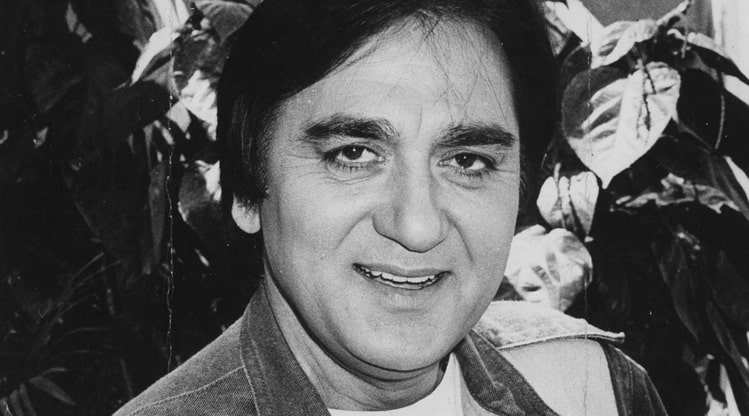
Chindanand Das Gupta and Chetan Anand | Courtesy: upperstall.com and bollywoodirect.medium.com

The Light and Sominette at Sri Fort was directed by Chetan Anand in English and Hindi with scripts by Khuswant Singh and Sardar Ali Jafri. The lighting was designed by Philips. Viewing it, Das Gupta termed it a visual treat and conveyed his positive feelings to Ali Akbar Khan who composed music for both versions. Chidu da was deeply moved by the natural play of light and shade and background voices of Balraj Sahni, Kamini Kaushal and Meena Kumari.

When Chetan Anand was in Kolkata in 1964 to receive the BFJA for his war epic Haqeeqat, Das Gupta already ripped apart the film in his review. He was particularly critical of the political Nehruvian nationalism and incorrect depiction of the Chinese People’s Liberation Army in Haqeeqat. It hurt Chetan Anand a lot but the proverbial gentleman that he was, he never lost his cool.

Returning to Mumbai he issued a press statement “Our critics have never known the true essence of war in the Indian contest. My film Haqeeqat is a saga of defeated soldiers. It was not possible for me to get exact details of the Chinese army as Hollywood or European cinema has of the Axis defense. Sitting in the comfort of a city, how can one understand the difficulties and pangs of empty stomachs we faced shooting at a topography several hundred feet high, some even no man’s lands?”

For three decades after this, there was no communication between the two. In 1995 as Chairman of the National Awards Jury, Chetan Anand presented Das Gupta’s directional venture Amodini the award for Best Costumes. There was some resistance from other jury members but Chetan Anand was adamant about his decision. He was full of praise for the film’s period sense created with sensitivity and maturity by Das Gupta.

As editor of SPAN magazine, Das Gupta became synonymous with Satyajit Ray. His articles and constructive criticism of Satyajit Ray’s works were appreciated across the world. He also shared good vibes with Mrinal Sen and respected the earlier works of Raj Kapoor. As a director, he showed ample promise in his directorial debut film, Bilet Ferot, 1972.

In his centenary when the author, critic and director is remembered with due respect his relation with Chetan Anand remains a lesson in unspoken ethics for the present generation. Chetan Anand did confess to me in 1995, “As the editor of SPAN, Chidananda Das Gupta wrote with a rare combination of the Ode to the West Wind and The Charge of the Light Brigade. No critic in Mumbai could match his sense of cine literacy.”