



Bhopal/Kolkata: Abdul Jabbar needs no introduction when it comes to the Bhopal Gas Tragedy. The survivor and activist of world’s worst industrial disaster has been praised by The Guardian in its editorial for the work he keeps doing for the gas victims.
Bhopal Gas tragedy killed more than 25,000 people till date and has left injured over 500000 individuals so far, when 27 tonnes Methyl Isocyanate gas leaked from Union Carbide factory on the intervening night of December 2 and 3, 1984. Sadly enough, three decades later the victims have neither got justice nor have they been compensated.
Jabbar was only 27, when tragedy took place. The lethal gas that leaked out of the Union Carbide factory not just made his lungs and eyesight weak, but also killed his mother and elder brother. This personal loss of his in ways made Jabbar take up the fight to get justice for millions of Bhopalis who were affected that fateful night. Bhopal Gas Peedit Mahila Udhyog Sangathan, an initiative of Jabbar has helped stood behind thousands of women and men to help help them become self-dependent after the tragedy. It has more than 30000 members and in most of BGPMUS events, 5000 to 6000 people participate.
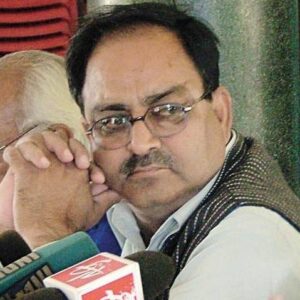
eNewsroom talked to the 61-year-old determined crusader, who has kept his struggle to seek justice for lakhs of Bhopal gas survivors on till date. Following are excerpts from the conversation:
eN: The Bhopal Gas Tragedy could never become a political issue for any political party in India, despite the magnitude of the gas tragedy. Why?
Jabbar: Indian political parties need donations from Multi-National Companies (MNC)s, so they do not want to keep it in their agenda or put it in their manifestos. In 1989, when settlement was being initiated, the matter was raised inside parliament, but it could not become a political agenda of any party.
eN: Union Carbide’s Chief Executive Officer (CEO) Warren Anderson never got punished, and victims never got a good compensation by any government. Three decades later, do you have still hope that the survivours will get justice?
Jabbar: I still have hope, that one day we will get justice… And if I lose hope, thenwhat will happen to the people that I represent. I have hope because of them, else to whom will they look up to raise their issue?
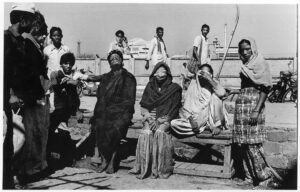
eN: How you see these 34 years of struggle for justice for a tragedy, where neither the central nor the state government cared for the victims to get justice?
Jabbar: No Indian government or leader wants to look bad before the multinational companies, hence they never got involved in this issue. Dealing with this not-caring attitude of the government has sometimes been more painful than the tragedy itself. It has been a long fight and needless to say, right from politicians to bureaucrats, they have all left us disappointed. They all want us to forget the tragedy.
eN: December 2 has always been the day for the survivours and their family members to express their anger and anguish. This year, however, Run Bhopal Run has been organized on the same day. Film actors Kareena Kapoor and Tigor Sharoff will also be participating in it. You have been unhappy about it.
Jabbar: Yes, it is like rubbing salt onto our wounds. It is a day of sadness and how can so such dramabazi be done on same day. At least for the people of Madhya Pradesh, it is a sad day. I have written to chief secretary to not permit such event on December 2, but not sure what action they have taken. What more you can expect, when the governments want us to forget the tragedy.
Now they (govt) say, how long we will carry on to raise issue of the Bhopal Gas tragedy. They also accuse us of running a shop in the name of the tragedy. When this is level of sensitivity in our governments today, what you expect from them?

