A Jharkhand MLA who raises issues of common man

0

Ranchi: While public issues and concerns are getting missed out from the debates of parliament and assemblies, and after voting to their representatives, people felt left out. One legislator can be seen raising public issues tirelessly in Jharkhand.

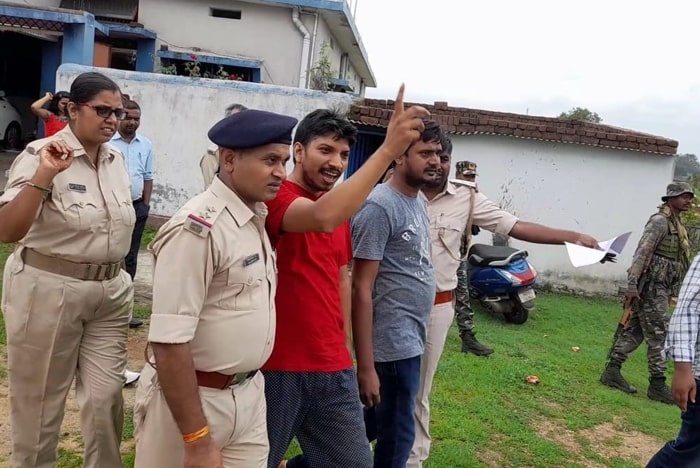
Meet Vinod Kumar Singh, the three times MLA from Bagodar, Giridih who has often been seen raising the issues of common man. The CPI-ML legislator fights inside the assembly, as well as hits the streets to point out public concerns from administrations and governments.

The 45-year-old leader has a Master’s degree from Banaras Hindu University. He is the only MLA from CPI-ML in Jharkhand, but that does not become a hurdle for him to keep questioning those in power to get public works done. Just concluded winter session of Jharkhand assembly has also witnessed Vinod Singh raising many common man issues at the floor of the house.

Raising issues of development of Bagodar, to migrant workers of the state and standing with farmers-workers, have been the hallmark of this MLA. He has also been seen holding a placard at his constituency Bagodar, to Giridih, Ranchi and Delhi as well on different issues of public concern.

Vinod is the son of Mahendra Singh, who was also three times MLA from the same constituency. Mahendra Singh was gunned down on January 16, 2005, the next day he filed nomination papers for the first assembly polls of Jharkhand.

There is a total of 81 legislators in the Jharkhand assembly. While ruling Jharkhand Mukti Morcha (JMM) has the maximum number of MLAs, Bharatiya Janata Party (BJP), with the second-highest number of legislators, is the official opposition party in the state.

eNewsroom profiles the MLA.

घटते भारत के खेत के आकार और बढ़ती भूख

प्रधानमंत्री नरेन्द्र मोदी द्वारा तीन कृषि कानूनों को वापस लेने के निर्णय को अभी ज्यादा वक्त नहीं गुजारा है. इस बीच प्रधानमंत्री के निर्णय के बाद राजधानी दिल्ली की सीमाओं पर लंबे समय से आंदोलन कर रहे किसान घर लौट गए हैं. एक अंतराल के बाद अब यही वह स्थिति है, जिस स्थिति में एक बार फिर गंभीरतापूर्वक यह प्रश्न पूछा जाना चाहिए कि क्या कृषि क्षेत्र पर छाया संकट टल गया है?

दरअसल, यह प्रश्न नया नहीं है, लेकिन इसे एक नये आयाम से देखें जाने की आवश्यकता है, नया आयाम यह कि कृषि क्षेत्र का यह संकट क्या इतना अधिक गहरा है कि देश की बढ़ती आबादी को कृषि से भोजन उपलब्ध कराना एक नई चुनौती होगी?

यह त्रासदी ही है कि आजादी के बाद देश खाद्यान्न के मामले में पूरी तरह आत्मनिर्भर नहीं हो पाया है, बल्कि आज कृषि भूमि के अन्य उपयोगों में तेजी से परिवर्तन हो रहा है, किसान कृषि से दूर हो रहे हैं, जिससे भारत में खाद्य सुरक्षा के लिए खतरा बढ़ सकता है. इतना ही नहीं, कृषि भूमि का ह्रास भारत के सामाजिक-आर्थिक ताने-बाने को भी प्रभावित कर रहा है.

हालांकि, इस दौरान सरकार द्वारा बंजर भूमि को कृषि योग्य भूमि में बदलने से जुड़ी सफल कहानियां भी हैं, बावजूद इसके यह भी एक तथ्य है कि हमारे देश में खेती योग्य भूमि साल दर साल घट रही है, जैसा कि भूमि संसाधन विभाग द्वारा प्रकाशित ‘वेस्टलैंड एटलस 2019’ में उल्लेख किया गया है. वहीं, ‘ग्रामीण विकास मंत्रालय’ और ‘इसरो’ का राष्ट्रीय सुदूर संवेदन केंद्र भी इस बात की पुष्टि करता है कि जनसंख्या वृद्धि के कारण भोजन की मांग बढ़ रही है. ऐसे में यह आशंका अनदेखी नहीं की जा सकती है कि खाद्य सुरक्षा के मामले में विश्व के अन्य देशों पर हमारी निर्भरता बढ़ सकती है.

पंजाब से लेकर पश्चिम बंगाल तक का हाल

अब हम आंकड़ों पर आते हैं. ‘वेस्टलैंड एटलस 2019’ के मुताबिक, पंजाब जैसे कृषि प्रधान राज्य में 14,000 हेक्टेयर, पश्चिम बंगाल में 62,000 हेक्टेयर और केरल में 42,000 हेक्टेयर खेती योग्य भूमि घट गई है.  वहीं, सबसे अधिक आबादी वाले राज्य उत्तर प्रदेश में यह आंकड़ा सबसे अधिक खतरनाक लग सकता है, जहां हर साल विकास कार्यों पर 48,000 हेक्टेयर कृषि भूमि घटती जा रही है.

पूरे देश का ही हाल देखें तो, अधिकांश उपजाऊ खेतों का अधिग्रहण घरों, कारखानों, सड़कों के लिए हो रहा है. यहां इस बात की भी पड़ताल करनी चाहिए कि कृषि भूमि के घटने से प्रति व्यक्ति आय क्यों बढ़ती है, लेकिन फिर बेरोजगारी की दर भी बढ़ जाती है.

यह भी कहा जा रहा है कि मनरेगा के तहत मजदूरों को कृषि से अलग दूसरे काम बड़ी संख्या तक मिलने लगे हैं, जिससे खेतों में खेतिहर मजदूरों की श्रम शक्ति घट रही है और किसानों को खेतिहर मजदूर न मिलने के कारण भी खेती छोड़नी पड़ रही है.

भारत में कृषि क्षेत्र का संकट खाद्य सुरक्षा
साभार: इंडियन एक्सप्रेस

ग्रामीणों के हाथ से जा रही जमीन

अब गौर करने वाली बात यह है कि 1992 में, ग्रामीण परिवारों के पास 117 मिलियन हेक्टेयर भूमि थी, जो 2013 तक घटकर केवल 92 मिलियन हेक्टेयर रह गई. जाहिर है कि महज दो दशक के अंतराल में 22 मिलियन हेक्टेयर भूमि ग्रामीण परिवारों के हाथ से निकल गई.

यदि यही सिलसिला जारी रहा तो कहा जा रहा है कि अगले साल यानी वर्ष 2023 तक भारत में खेती का रकबा 80 मिलियन हेक्टेयर ही रह जाएगा.

आखिर इतनी खेती की जमीन कहां जाती है और इसके पीछे के सहायक कारण क्या हैं? यदि हम कारणों में जाएं तो पहला कारण है बहुत सारी कृषि आधारित गतिविधियों और उससे जुड़े व्यवसायों का नुकसान में जाना है, साथ ही उत्पादन की अपर्याप्त प्रक्रिया और जलवायु परिवर्तन आदि दूसरे कारण हैं.

150 करोड़ आबादी के लिए खाद्य सुरक्षा कैसे संभव?

लेकिन, यहां हमें विकास की अवधारणा और प्रक्रिया को भी ध्यान देने की जरूरत है, जिसके तहत उदाहरण के लिए छह प्रस्तावित औद्योगिक गलियारों को चिन्हित किया जा सकता है, जिसमें 2014 मिलियन हेक्टेयर कृषि भूमि आती है, औद्योगिकीकरण बनाम कृषि एक पुरानी बहस का विषय है, लेकिन तथ्य यही है कि औद्योगिकीकरण की प्रक्रिया भी कहीं-न-कहीं कृषि भूमि के घटने का एक महत्त्वपूर्ण कारण है.

दूसरी तरफ, कितनी बंजर या बंजर भूमि को अन्य कामों के लिए खेती योग्य जमीन में बदला गया है, इससे जुड़े आंकड़े भी सरकारी रिपोर्टों में दर्ज हैं, लेकिन यह खेतों को कंक्रीट में बदलने के आंकड़ों के मुकाबले न के बराबर हैं.

प्रश्न है कि इन आंकड़ों की तुलना करने का क्या औचित्य है? ऐसा इसलिए कि हम सभी को इस बात का ध्यान रहे कि भारत की आबादी वर्ष 2031 तक 150 करोड़ होने का अनुमान है, लिहाजा इस बात की अनदेखी कैसे की जा सकती है कि कृषि क्षेत्र का विस्तार किए बिना खाद्य सुरक्षा प्राप्त की जा सकती है?

भारत में कृषि क्षेत्र का संकट
साभार: theindianblog.in

किसान अपने खेत क्यों बेच रहे?

वहीं, कृषि क्षेत्र की कुछ सहायक चुनौतियां भी हैं जिन पर समय रहते ध्यान दिया गया तो उससे जुड़ी चिंताओं को कम किया जा सकता है. उदाहरण के लिए, पिछले पांच वर्षों में बीटी जैसे विदेशी बीज महंगे होने के कारण किसानों को हुए नुकसान के कई प्रकरण सामने आए हैं. विदेशी बीजों को लेकर यह दावा भी कई प्रकरणों में तथ्यहीन जान पड़ता है कि इनसे फसल की पैदावार कई गुना तक अधिक बढ़ जाती है और इनमें किसी तरह के कोई कीट नहीं होते हैं.

इन परिस्थितियों को देखते हुए प्रशासनिक स्तर पर होना यह चाहिए कि किसानों पर विदेशी आनुवंशिक बीजों का इस्तेमाल करने का दबाव कम किया जाए. वहीं, इस तरह की खेती को प्रोत्साहित किया जाए, जो रासायनिक उर्वरकों और कीटनाशकों के अंधाधुंध प्रयोग से विपरीत जैविक खेती पर आधारित हो, ताकि किसान और उनके खेत प्रभावित न हो सकें.

इसी तरह, एक कार्य सरकारी हस्तक्षेप के बिना संभव नहीं होगा, वह यह कि किसान नई तकनीक को तो अपनाएं, लेकिन किस सीमा तक तो इस बारे में विचार करना होगा. इसी तरह से यह भी देखना होगा कि उपयोग में लाई जा रही तकनीक जैविक खेती की मूल सिद्धांत के विपरीत तो नहीं है, जाहिर है कि तकनीक ऐसी हो जो रासायनिक खेती को हतोत्साहित करने की दिशा में हो. दरअसल, तकनीक का अंधाधुंध उपयोग कई बार खेती की लागत भी बढ़ा देता है, जिससे किसान को लागत के अनुपात में लाभ कम मिलता है और वह अपने खेत बेच देता है.

किसान पर कर्ज कम हो तो बचेंगे खेत

दरअसल, देखा जाए तो वित्तीय स्वार्थों के कारण कुछ शक्तियां हैं, जो हमेशा से ही ग्रामीण भारत में अपने बाजार को मजबूत करने के तरीकों की तलाश करती रही हैं. यहां तक कि कृषि लागत लगातार बढ़ने के कारण किसान कर्जदार होते जा रहे हैं. उदाहरण के लिए, राष्ट्रीय नमूना सर्वेक्षण’ के आंकड़ों से पता चलता है कि आंध्र प्रदेश में 82 फीसदी किसान कर्जदार हैं. इसी तरह, पंजाब और महाराष्ट्र में यह आंकड़ा औसतन 65 प्रतिशत है. यही वे राज्य हैं, जहां किसान सबसे ज्यादा आत्महत्या करते हैं.

प्रश्न है कि किसान पर कम से कम कर्ज का बोझ रहे, इसके लिए क्या किया जा सकता है? जानकारों से बातचीत का निचोड़ यदि यहां रखा जाए, तो किसानों को उनकी उपज का उचित मूल्य, उचित भंडारण, विपणन सुविधाएं, कृषि उपज की लागत में कमी, असली किसानों के ही इस व्यवसाय में प्रवेश पर सख्ती जैसे उपायों को लागू किया जाए तब देश किसानों का पेट भर सकता है. जाहिर है जब उनका पेट भरेखा, तो खेती भी बचेगी और खेत भी.

Significance of Trinamool Congress vote share rise, from 38.9 to 72.13 percent

0

Kolkata: The Kolkata civic polls has been significant not just in one way. While winning the required number of seats brought Trinamool Congress to power in the civic body, the vote share indicates its magnificent rise, which has not been much debated.

According to political observers, for any election, more than the number of seats a political party wins it is the vote shares that reflect the true positioning of a party.

In the recently concluded KMC Polls, the ruling TMC won 134 out of 144 seats. While the number of seats TMC won is significant, the jump in its vote share — 72.13 percent, is historic.

Rise in Trinamool’s vote share

The almost two-third vote share of TMC at KMC polls gave us a chance to find out about it at assembly and general elections.

At parliament and assembly polls, where often two-party contests take place, all available data suggests that no political party has got over 48 and 72 percent votes respectively.

In municipal polls, the highest so far has been for the BJP, which achieved 53.8 percent vote share in February 2021 polls, at Gujarat Municipal polls.

In 1984, Rajiv Gandhi-led Congress had secured 48 percent votes, which is the highest ever by any political party in General Election. In 2019, the BJP got 303 Lok Sabha seats but could only get 37.4 percent of the votes.

Sikkim Democratic Front achieved the highest vote shares in any assembly polls when it had got 71.09 percent in 2004.

Trinamool Congress supporters celebrate the party’s win in the Kolkata Municipal Corporation (KMC) elections, in Kolkata on December 21 | Courtesy: AFP

TMC’s local body election record

In 2015 municipal polls, TMC secured a voting percentage of 50.84. And now, it has registered a jump of more than 21 percent vote share. There were 40,48,357 voters in the KMC election. Interestingly, in comparison to last municipal polls, the turnout percentage was 63.63 — 4.93 percent less.

Sabir Ahamed, National Research Coordinator of Amartya Sen’s Pratichi, told eNewsroom, “Many factors worked for TMC during municipal polls. They had a huge win just six months back, the party also started doing soft Hindutva, so the votes which can go to BJP come to Trinamool. Also, its Muslim voters are intact.”

Significant gain in assembly polls too

Mamata Banerjee led TMC when dethroned the three-decade-old Left Front government in Bengal in 2011 it had secured a 38.9 percent vote share. Five years later, when Trinamool returned to power, it touched a figure of 44.9.

In the 2021 assembly polls in May, TMC made a hat-trick and secured a 47.9 vote percentage. The percentage may have been boosted further with Trinamool having won five more seats in by-polls by huge margins.

The trend to continue till 2024 General Elections

In the 2014 General Election, TMC had a 39.05 percent vote share. Five years later, despite the party having lost 12 seats, it secured 43.69 percent vote shares – a jump by 4 percent.

Now it would be interesting to see what would be the rise in the vote share of Bengal’s ruling party in the forthcoming municipal polls (for other parts of the state) and 2024 General Elections.

“As there is no major alternative for voters, and welfare schemes are also working well for the TMC, this trend of voting percentage may continue till 2024,” claimed the researcher.

Silence of PM on violence call against minorities hints provocators may get promoted

0

After Suraj Pal Amu made derogatory and hate speech, he was made the spokesman for the BJP state unit. After the murder of Akhlaq in the beef-cow issue, one of the murder accused died, one central minister (Mahesh Sharma) arrived to put tricolor on the body of the deceased. When the 8 lynching accused got bail, Jayant Sinha another Central Minister garlanded them. Not too long ago, when a central minister made the audience give the slogan “Goli Maro“ he was promoted to the Cabinet rank. In this background, if one sees the present disturbing events of spreading hate and inciting violence, the lack of action on the part of authorities can be easily understood. We do recall that our PM, prompt at speaking when not needed generally either kept quiet or spoke after a painfully long delay in the aftermath of the murders of Junaid or Rohith Vemula.

Today (December 25, 2021), 5 days after the two disturbing events took place; our PM’s silence on these issues is very loud and clear.

In the first incident on 19th December Suresh Chavhanke, the Editor-in-Chief of Sudarshan TV administered an oath to young boys and girls. The event was organized by Hindu Yuva Vahini (Founded by UP Chief Minster and Mahant of Gorakhnath Peeth, Adityanath Yogi), was “. “We take an oath and make a resolution that till our last breath, we shall fight, die for and if need be, kill, to make this country a Hindu Rashtra,”

In another event organized in Haridwar, hundreds of saffron-clad Sadhus and Sadhvi’s had assembled for a meeting on the theme “Islamic Terrorism and our Responsibilities”. It was Haridwar Dharam Sansad organized by Yati Narsinghanand, Head Priest of Ghaziabad temple. He set the tone by stating “‘Economic boycott (against the Muslims) will not work… No community can survive without picking up weapons…And swords won’t work, they look good only on stages. You need to update your weapons…more and more offspring and better weapons can protect you.” He gave a clarion call, Shastra Mev Jayate for inciting armed violence against Muslims.” “In another video, Narsinghanand is seen to be offering Rs 1 crore to Hindu youth for becoming like LTTE leader Prabhakaran as he called upon Hindu youth to become “Prabhakaran” and “Bhindranwale”

Annapurna Maa, (earlier, Poonam Shakun Pandey) general secretary of Hindu Mahasabha said, we need 100 soldiers who can kill 20 lakh of them (Muslims). She added ‘Matr shakti ke sher se panje hain. Phaad kar rakh denge’. (mother power has claws like a lion, will tear apart). She is the one who a couple of years ago reenacted Gandhi’s murder in Meerut and distributed sweets after that.

Dharam Das Maharaj from Bihar said “If I was present in Parliament when PM Manmohan Singh said that minorities have right over national resources, I would have followed Nathuram Godse and shot him six times with a revolver”

These are a few samples of what happened in Dharma Sansad. Such meetings have been set into action by VHP, which began these meetings in the wake of Babri demolition. The surprise is that most of the videos are circulating and police have access to them. But no arrest so far.

Those making such statements that are criminal as per our law are very much reassured that no action will be taken against them. They know those in power quietly appreciate their speeches or such speeches or incitement may be a part of planning in the wake of elections. What is surprising is that all this is taking place at a time when Munwar Faruqui was arrested for a joke which he had not cracked. His shows have been cancelled times and over again.

What will be the impact of these uttering’s on our minorities, who are equal citizens of the country. The fear and intimidation will reach their peak. Economic boycott, the threat to life and intimidations will further intensify the ghettoization, already existing as a serious problem. Disturbed by all these Jamiat-E-Ulema a Hindu, Mahmood Madani has written to Home minster. Can the Minorities commission take cognizance of this and take action? Can the police take proper action apart from just filing FIR against the recent convert to Hinduism, Jitendra Tyagi (earlier Wasim Rizvi)? And why is Supreme not waking up to take Suo moto cognizance?

The world is aghast at this level of hate and open incitement of violence. Martina Navratilova tweeted that she is aghast. The trends were caught by global media right some time ago when The Daily Guardian in a 2020 article states that “since achieving every single public interest is cumbersome; pointing towards the flaws of the ruling party which may or may not have a religious back up and flaming the emotions of the public at large through continuous hate speech was a trend in the early ’90s and the immediate years of the second millennium. Hate speech was therefore procuring a wide scope for democracy in India.” There is turmoil the world over on these incidents in India.

The hate against minorities is reaching dangerous proportions. What began as a project of communal politics, Hindu and Muslim in undivided India are now focusing on Muslim minorities. Every occasion is being used to demonize them and the global trends set by American media in coining the phrase “Islamic Terrorism” have put salt on the wounds of the targeted community. During the last seven years with the patronage of the BJP government at the center; the process has taken ghastly proportions.

What is needed is that civil society wakes up to the dastardly phenomenon. The hate and violence which is directed against the ‘others’ take a turn to consuming the same community in whose name all this takes place, rather all this is orchestrated by the communal stream. All non-BJP parties need to come together to raise their voice and call for action against the Hatemongers. It is welcome that Rahul Gandhi and many other leaders have tweeted and condemned these utterances.

Nothing short of a social movement directed against hate and promoting love will help the matters. It is time for us to work on the lines of Bhakti-Sufi traditions, and the path of Mahatma Gandhi-Maulana Azad to keep the society and country in peace and harmony.

Jharkhand Becomes Third Indian State To Bring Legislation Against Mob Lynching

0

Ranchi: The list of mob lynching victims is long in Jharkhand. From 12-year-old Imtiyaz Khan, young Tabrez Ansari to middle-aged Alimuddin Ansari all kinds of people become a victim of it. And it is not that only Muslims were targeted, Tribals and Dalits were also lynched for one of the other reasons. 

One Gupta family in Jamshedpur had also lost three members of its family because of two incidents in one night in the district in which seven people were killed.   

During the assembly polls, 2019 Jharkhand chief minister Hemant Soren had promised that if they come to power, they will make a bill against the heinous crime.

Fulfilling one of his election promises, Jharkhand’s Hemant Soren-led gathbandhan government brought the Prevention of Mob Violence and Mob lynching Bill 2021. While doing so, it becomes the only third Indian state besides Bengal and Rajasthan. Between the year 2016 to 2019, Jharkhand had witnessed at least 22 mob lynching deaths in the state.

If it gets implemented after the governor’s nod, the accused will be punished from three years to life imprisonment. The new law will punish the spreader, who will share such contents if established. The victims will also be compensated. By leveling accusations of beef selling, cattle trade, motorbike and child theft to witchcraft, several innocent people were killed by the so-called vigilantes in Jharkhand. Hope it will end the most inhuman crime in the state. 

Bengal and Rajasthan are the only two other states which have passed laws against mob lynchings in their state.

While informing about the bill getting passed at Jharkhand Assembly, CM Soren claimed that to maintain peace in the society, it was necessary to bring legislation against the lynchings because of which several people are losing their lives. only a few days ahead of the bill getting passed, a Dalit man was lynched in Giridih district. 

Watch our video story on it.

Bear-Human Conflicts On Rise In Bengal

0

Kolkata: Recently, bears have been spotted at several houses in many districts in West Bengal. The incidents further alarm us about the man-animal conflicts taking place across the world because of the lessening of the inhabitants of wildlife animals.

If wild bears are venturing into human’s houses in Bengal, it is the herd of wild elephants doing similar in many cities in Jharkhand. Which led to damage of properties and on some occasions killing of villagers too.

Because of the man-animal conflicts, whether it is animals getting killed or caught while venturing into the concrete jungle or it is humans who get hurt or killed by the wild predators, it is the loss of nature and mankind.

We need to learn and adapt, how to co-exist with mother nature and its inhabitants. Then only we will be able to leave a better place for coming generations.

And it is not just the people, but governments and authorities should take necessary measures to help humans and animals live together.

The incidents also tell us about the climate crisis, which has been talked about a lot at international conferences, but a lot more needed to be done.

Watch our one-minute video story on the one of the most urgent issues of mankind, ‘man-animal conflicts.’

Discovery of ‘Sustainable’ India

0

[dropcap]C[/dropcap]oronavirus pandemic has changed the world and the plans of almost every single individual on earth, in their respective lives. But the historic pandemic could not deter Ankit Arora, a solo cyclist, from continuing his journey. The 32-year-old chartered accountant, as well as journalist, is on an all-India tour on his bicycle for 1541 days now. In 2017, Ankit was 28-year-old he decided to leave his journalistic job and embarked on an all-India tour with hopes of making it to the Guinness World Records by traversing the country in 150 days. However, till date, despite the pandemic, he has visited 15 Indian states and eight Union Territories so far.

Sacrificed many things including girlfriends

In the last 5 years not only Ankit, the youngest brother among the three has stayed away from his family, but also had to end his relationship with his girlfriend. He fell in love once again while journeying, it did not last more than four months.

Opium smuggler and hair chopper

On two occasions, Ankit faced serious problems. First, when he had started cycling from Rajasthan. On entering Barmer area, some people took him as an opium smuggler as generally such bootleggers use a cycle for trafficking of narcotics. “Villagers thought I was smuggling opium. They checked my backpack to confirm that I wasn’t one. In Kashmir’s Sophia village, I was mistaken as the one who chops women’s hair. Because of this rumour, I was held by the locals and later I had to throw away my scissors,” the traveller said, while sharing his experiences with eNewsroom.

Built a self-sustaining village during the pandemic

When India was witnessing over one lakh Covid-19 cases in a day and there was a strict lockdown, nobody was allowed to move freely, then Ankit was in Krishnagiri building a self-sustaining village, with a family that he met during his travel.

“I met an army man’s family in TN, who believed in my model of a self-sustaining village. They brought the land and here I am helping them build the community village,” said Ankit.

Elaborating on the same he said, “In the last one year, I built a self-sustaining village in Krishnagiri, Tamil Nadu near Bengaluru. A community where one can practice all sorts of arts, crafts, organic farming and build natural mud houses.”

Ankit further said, “I started organic farming and building mud – houses, using organic materials that were available locally like red mud and brown mud, jaggery, honey, egg yolk, an ancient tribal technique of house building. The homes enable cost-efficient thermal insulation, natural malleability while reducing their carbon footprint. All this I have learned during my journey and experiences with tribals and ancient wisdom of the country.”

solo cyclist ankit arora cycling eco-friendly self-sustaining village organic farming Coronavirus pandemic
Ankit Aroro cultivating crops in a village during his journey

“I also made a big-sized mud sofa. Plastic waste recycling techniques were used in building mud houses and sofas. Bottle bricks were designed using plastic bottles stuffed with packet wrappers, which resembled traditional bricks. Alcohol bottles collected from nearby rivers and Hogenakkal waterfalls were used for the construction. Natural termite repellents were created by combining water with holistic herbs like neem leaves, kadukai seeds, green chillies, garlic, turmeric and lime,” explained the self-sustaining village developer, in detail.

Ankit and other locals who helped him in the work named the village – Innisfree farm.

“On the farm, we now have two mud houses, two wooden and thatched houses, two dry toilets, one mud sofa, and two mega-sized ponds for rainwater harvesting. We are also using wooden, coconut and mud vessels in our kitchen which I have made from the waste wood and waste coconut shells. We are also practicing various art and craft with waste wood and coconut which includes making wooden chopping boards, coconut shell bowls, artistic face masks and earrings and that is also attracting the local villagers and ladies who are now interested to participate in these activities. We are now also growing our vegetables like spinach, tomatoes, green chilli, okra, bitter gourd and many fruit trees like mango, tamarind, jackfruit and are self-dependent on our vegetables and fruit supply,” said Ankit.

Today, Innisfree farm reuses 100% of their waste to power eco-toilets, kitchens, electricity and even fodder for the local animals. The farm is a beacon of the local community, providing employment as well as education to surrounding farmers. On the natural farm in Krishnagiri, we also train and teach people traditional art like Madhubani, Gond, Pichwai, and wall paintings. I help in making organic soaps, kitchen compost. I also learned how to make kokedama, the Japanese art of growing a plant. We are also making wooden cutlery, kitchen items and furniture from the waste coconut shells and waste wood from the villages. The villagers and youngsters are very keen to learn these practices.

On being asked if he has any stake in the village, he said, “No. I will only help families this one to build self-sustaining villages which will be interconnected. I will keep coming back as and when they need my help.”

Learning new things was more important than making records

Initially, Ankit wanted to make records, but later realized it did not permit him to stay longer and learn any new things, as he had to keep moving. So a change of plan happened and the journey which was supposed to end within a year, is still continuing.

“After having secured my position in the Limca Book of Records and India Book of records, I embarked on a bicycle journey through the length and breadth of the country. It has been over 1540 days now — I have seen half of India: covered 15 states in North, West, South and Central India, and 8 Union Territories. On the road, I discovered a new face of India — where organic farming flourished, an alternate education system enlightened young minds in creative ways and kindness was a way of life.”

solo cyclist ankit arora cycling eco-friendly self-sustaining village organic farming Coronavirus pandemic
The single mother community in a village, that Ankit reached by walking

Learned the art of life

“While pedaling across rural India, I engage in right from working with farmers to making wooden sculptures in Maharashtra and Bengaluru, weaving khadi shirts, making mud houses for villagers of a remote hamlet in Anantapur district, Nagpur and Tamil Nadu, making coconut shell cutlery and jewellery, learning natural farming and forest conversation from the tribals, learning Thanjavur art, Madhubani art, tribal gond art to learning the 400-year-old wooden toy making art in Etikoppaka, learning the rural arts — Kondapalli in Andhra Pradesh to making the musical instrument Veena in Nuzividu; my journey has connected me with people in more ways than one,” Ankit mentioned.

He continued, “My purpose now is to connect with communities and share the learnings I have received from farmers, tribals, weavers, potters, artists, sculptors, musicians, labourers, students, and urban families; with others like them.”

From exploring places to discovering communities

Ankit’s journey had begun with the target of visiting Indian states, but now he meets different communities, so when he finds a new community that is self-sustaining and has a different skill to offer to the 32-year-old traveller he stays on longer trying to learn new things These days, he spent most time at Krishnagiri, on the border of Karnataka and Tamil Nadu. He has stayed here for over one and a half years now.

From solo cycling to walking

“Sometimes, I move on my feet too, without my bicycle. And discovered many communities while going to new places on foot. I discovered a single-mother community while walking only,” he pointed out.

Support from friends helped so far

You must require money from time to time like now you are in hospital, so how will you pay the medical bills? My friends help me with it. “They chip in to help me in these situations.”

Presently hospitalized, but will continue his journey

While talking, Ankit informed that he at present is hospitalized in Bengaluru to have his Irritable Bowel syndrome (ISB) problem resolved. He believes he developed the condition because of eating different foods at odd times during his journey. His liver is not in a good condition right now. He was even admitted in the ICU for ten days. He will be resuming his journey soon.

The cyclist needs support for his treatment. Please help him by donating on the link.

As Beedi Industry Faces Existential Crisis, Politicians Above Party Line Speak Up

0

Delhi: Beedi is Sawdeshi, organic, no report claimed yet that it causes cancer but the implementation of Cigarettes and Other Tobacco Products Act (COTPA) amendments will further increase the grave unemployment situation in India, so there is a separate law needed for the Beedi industry. These were the views of the dignitaries present at the launch of the book on women beedi rollers.

Probably it was the first time that a cross-section of people met at national capital not only to launch a book on India’s women beedi workers—Study on Lack of Alternate Employment for Women Beedi Rollers but also to discuss the future of the Beedi industry since implementation of Cigarettes and Other Tobacco Products Act (COTPA) amendments will led to millions of beedi workers unemployed.

The evening which was dedicated to women beedi rollers was attended by Bharatiya Janata Party leaders including Minister of State for Labour & Employment Rameswar Teli, Rajya Sabha MP Sushil Modi, Trinamool Congress’ Saugata Roy and Dola Sen, Nationalist Congress Party’s leader and ex-minister Praful Patel, trade union leaders, activists and journalists. There were 25 Members of Parliament present on the occasion. And the discussion was moderated by senior journalist Priya Sehgal. But there were two other special guests too– one was Cuban Ambassador Simancas Marin and another were several women beedi workers.

ड्रग लॉ बिल: भारत में सीमित मात्रा तक भांग-अफीम को वैध बनाने की मांग क्यों?

पिछले 13 दिसंबर को ‘नारकोटिक ड्रग्स एंड साइकोट्रोपिक सब्सटेंस (संशोधन) विधेयक, 2021’ लोकसभा में पास किया गया. यह बिल व्यक्तिगत उपयोग के लिए सीमित मात्रा में ड्रग्स रखने की छूट देता है, ताकि साइकोट्रोपिक पदार्थ के निर्माण, परिवहन और खपत जैसे कुछ कार्यों में सहायता मिल सके.

वहीं, हाल के दिनों में नशीले पदार्थों के सेवन और उन्हें रखने के आरोप में हुई हाई-प्रोफाइल गिरफ्तारियों ने पूरे देश का ध्यान इस ओर खींचा है. यदि इस मामले में हाई-प्रोफाइल गिरफ्तारियां और जांच पड़ताल न हुई होतीं, तो नशीले पदार्थों के सेवन से जुड़ी खबरें कभी सुर्खियां न बटोर पातीं और इस तरह के विषय पर कभी गंभीर चर्चा नहीं होती.

देखा जाए तो भारत में सदियों से नशीले पदार्थों का सेवन होता रहा है, जैसे कि पारंपरिक रूप से नशीले पदार्थों  का उपयोग दवाइयां बनाने के लिए तो किया ही जाता है, कभी-कभी और काफी हद तक यह कम मात्रा में स्वीकार्य होने से घरेलू कामकाज में भी इस्तेमाल होती है.

हालांकि, देखा जाए तो भारत संयुक्त राष्ट्र के उन 27 देशों शामिल है, जिन्होंने प्रतिबंधित पदार्थों की सूची से भांग को हटाने के लिए मतदान किया था. यह निर्णय वर्ष 2020 में ‘विश्व स्वास्थ्य संगठन’ (डब्ल्यूएचओ) द्वारा नशीले पदार्थों के बारे में की गई कुछ महत्त्वपूर्ण सिफारिशों की एक श्रृंखला के तहत लिया गया था.

हालांकि, भारत में वर्ष 1985 को कठोर ‘नारकोटिक ड्रग्स एंड साइकोट्रोपिक सब्सटेंस एक्ट’ (एनडीपीएस) में संशोधन के लिए कोई अनुवर्ती उपाय अब तक नहीं हुआ था. यहां तक कि भांग जैसे सबसे कम नशीले पदार्थ के रखने या उसकी खपत करने पर भी गंभीर सजा का प्रावधान था.

वाशिंगटन में भांग को वैध बनाने हुआ था मतदान

दूसरी तरफ, वैश्विक स्तर पर देखें तो वर्ष 2012 में, उरुग्वे मनोरंजक उद्देश्यों के लिए भांग के उपयोग को वैध बनाने वाला पहला देश बन गया.

इस कदम का उद्देश्य संगठित अपराध और भांग के व्यापार के बीच स्थापित संबंधों को सीधे राज्य की निगरानी में लाना बताया गया था. उसके बाद वर्ष 2012 को ही अमेरिका की राजधानी वाशिंगटन में भांग को वैध बनाने के लिए मतदान किया था. फिर अमेरिका का कोलोराडो भांग को वैध करने के मामले में वहां का पहला राज्य बन गया था.

महत्त्वपूर्ण बात यह रही कि अमेरिका के तत्कालीन राष्ट्रपति बराक ओबामा के नेतृत्व में इस ओर एक बड़ा कदम उठाया गया, जिसके अंतर्गत 50 अमेरिकी राज्यों में से 33 ने भांग के चिकित्सा उपयोग को वैध कर दिया था. इसी कड़ी में कनाडा ने भी मारिजुआना जैसे नशीले पदार्थ के उपयोग को वैध कर दिया था, जबकि कनाडा में मारिजुआना का चिकित्सा कामों में उपयोग वर्ष 2001 से कानूनी था.

भारत में भांग वैध करने की मांग क्यों

जब दुनिया के कई देश भांग को वैध बनाने से जुड़े निर्णय ले रहे थे, तब सवाल यह था कि भारत भांग के उपयोग को वैध क्यों नहीं बना रहा है? ऐसा इसलिए भी कि भांग और अफीम भारत में सदियों से न सिर्फ पाये जाते हैं, बल्कि उनका उपयोग किया जाता रहा है.

कई जानकारों के मुताबिक यदि भारत की परंपरागत संस्कृति और यहां की जीवनशैली देखें तो भांग को अवैध घोषित करने से पहले तक कभी इसे व्यसन के तौर पर नहीं देखा गया था. भारत में इसे प्राकृतिक रूप से पाए जाने वाले पौधों पर आधारित उत्पाद के तौर पर ही जाना गया, जिसका उपयोग संत मुनि करते रहे हैं. इसी के साथ यह आंकड़ा भी महत्त्वपूर्ण है कि लगभग 147 मिलियन लोग, जो दुनिया की आबादी का 2.5 प्रतिशत है, भांग का उपयोग मनोरंजन के लिए करते हैं.

उदाहरण के लिए, भांग के पकोड़े और भांग के साथ ठंडाई का सेवन करना लगभग एक अनुष्ठान है, यहां तक कि भंग को अवैध घोषित किए जाने के बावजूद होली जैसे कुछ त्योहारों के दौरान इसका उपयोग करना आम बात मानी जाती रही है. भांग और होली से जुड़े कई बॉलीवुड गाने आमतौर पर भारतीय परिवारों के बीच गुनगुनाए जाते रहे हैं. फिर शिवरात्रि जैसे धामिर्क उत्सव में भी भांग की अहम भूमिका रही है.

भांग और दूसरी नशीली चीजों में अंतर

हालांकि, इस पूरी बहस में यह बात भी उजागर हुई है कि भांग जैसी ‘सॉफ्ट’ नशीली चीज या दवा की तुलना कोकीन, हेरोइन और चरस जैसे भयंकर नशीले उत्पादों से नहीं होना चाहिए. वहीं, भांग और दूसरी नशीली चीजों में अंतर को निश्चित रूप से खींचा जाना चाहिए.

दूसरी तरफ, भारत के संदर्भ में यह बात दिलचस्प है कि वर्ष 1985 का ‘नारकोटिक ड्रग्स एंड साइकोट्रोपिक सब्सटेंस एक्ट’ भांग के पौधे के कुछ हिस्सों के उत्पादन, बिक्री और खपत को प्रतिबंधित करता है, लेकिन पत्तियां कहीं-कहीं परंपरागत तौर पर इस्तेमाल होती रही हैं. यहां तक कि जैसलमेर और पुष्कर जैसे शहरों में भी सरकार द्वारा स्वीकृत भांग की दुकान है. इसी तरह, वाराणसी में साल भर ऐसी 200 से अधिक दुकानें बताई जाती हैं.

धार्मिक तौर पर देखें तो कई बाबा और साधुओं (पवित्र पुरुषों) को सीधे भांग का सेवन करते हुए देखा जा सकता है. वे कई सार्वजनिक स्थानों पर भी चिलम के जरिए धूम्रपान करते हुए नजर आ जाते हैं.

अधिनियम में संशोधन की मांग पुरानी

इसी कड़ी में आगे देखें तो पटियाला के पूर्व सांसद डॉ धरमवीर गांधी लंबे समय से ‘गैर-सिंथेटिक’ एंटीऑक्सीडेंट के वैधीकरण की मांग कर रहे थे. वह लंबे समय से एनडीपीएस अधिनियम में संशोधन की पैरवी कर रहे थे. इसके पीछे उनकी दलील थी कि पारंपरिक और प्राकृतिक नशीले पदार्थों की सस्ती, विनियमित और चिकित्सकीय निगरानी की आपूर्ति के माध्यम से आम दवा उपयोगकर्ता को राहत मिलनी चाहिए.

पंजाब और अन्य जगहों पर नशीले पदार्थों के खिलाफ लड़ाई में कामयाबी नहीं मिलने के पीछे एक वजह यह भी मानी जा रही थी कि सभी को एक ही श्रेणी में रख दिया गया है. सभी को समान रूप से खतरनाक और नशे की लत के रूप में देखा जाता है, जबकि उनमें स्पष्ट रूप अंतर होता है.

इन्हीं सब कारणों के आधार पर पता चलता हैं कि क्यों एनडीपीएस अधिनियम अपने घोषित लक्ष्यों को प्राप्त करने में विफल रहा है. इसके तहत हल्की नशीले पदार्थ का उपयोग करने या उसे रखने वाले को भी कड़ी से कड़ी सजा दी जाती है. वहीं, इस कानून को लागू कराने के लिए सरकार को बड़ी मात्रा में धन का निवेश भी करना पड़ता है.

बिल के समर्थन में तर्क

वहीं, इस बिल के पक्ष में कुछ जानकारों का मत है कि जैसे-जैसे आम आदमी के लिए मनोरंजक पदार्थ अनुपलब्ध होते गए, वैसे-वैसे बाजारों में नई, अधिक शक्तिशाली, नशे की लत और खतरनाक वैकल्पिक दवाओं की बाढ़ आ गई. उदाहरण के लिए, हेरोइन ने अफीम की जगह ले ली, वहीं कोकीन ने भांग की जगह ले ली.

‘विधि सेंटर फॉर लीगल पॉलिसी’ द्वारा वर्ष 2018 में किए गए एक अध्ययन में बताया गया है कि भारत में ड्रग्स के मामलों में ज्यादातर गिरफ्तारियां निजी उपभोग के लिए होती हैं. अध्ययन से पता चला है कि वर्ष 2018 में भारत में 81,778 लोगों को ‘नारकोटिक्स ड्रग्स एंड साइकोट्रोपिक सबस्टेंस’ (एनडीपीएस) अधिनियम के तहत गिरफ्तार किया गया था. इनमें से 59 प्रतिशत को निजी इस्तेमाल के लिए रखने के आरोप में गिरफ्तार किया गया था. इसी तरह, इनमें से 87 प्रतिशत ने भांग का इस्तेमाल किया था, जो के आमतौर पर कोकीन, हेरोइन और चरस जैसे अत्यधिक नशीले और हानिकारक पदार्थों में शामिल नहीं किया जा सकता है.

‘सामाजिक न्याय और अधिकारिता मंत्रालय’ द्वारा भारत में मादक द्रव्यों के सेवन के विस्तार और पैटर्न पर वर्ष 2019 के एक अध्ययन के अनुसार, भारत में लगभग तीन करोड़ लोग भांग का उपयोग करते हैं. यह भी कहा जा रहा है कि इन तीन करोड़ लोगों को जेल में डालने से कानूनी व्यवस्था पूरी तरह से चरमरा जाएगी. ऐसे में तर्क दिया जा रहा है कि भारत में एक बड़ी संख्या भांग का उपयोग करती है, दूसरा यह आसानी से भी उपलब्ध है, इसलिए यहां एक निश्चित मात्रा में भांग का उपभोग करने वाले व्यक्ति को अपराधी नहीं माना जाना चाहिए. यदि कानून का बेहतर उपयोग करना है तो इसे खतरनाक नशीले पदार्थों का सेवन करने वालों पर शिकंजा कसने तक केंद्रित रखना होगा.

Make Separate Law As COTPA Will Lead To Millions of Unemployed, Demands Beedi Industry

0

Delhi: Beedi is Sawdeshi, organic, no report claimed yet that it causes cancer but the implementation of Cigarettes and Other Tobacco Products Act (COTPA) amendments will further increase the grave unemployment situation in India, so there is a separate law needed for the Beedi industry. These were the views of the dignitaries present at the launch of the book on women beedi rollers.

Probably it was the first time that a cross-section of people met at national capital not only to launch a book on India’s women beedi workers—Study on Lack of Alternate Employment for Women Beedi Rollers but also to discuss the future of the Beedi industry since implementation of Cigarettes and Other Tobacco Products Act (COTPA) amendments will unemployed millions of beedi workers.

The evening which was dedicated to women beedi rollers was attended by Bharatiya Janata Party leaders including Minister of State for Labour & Employment Rameswar Teli, Rajya Sabha MP Sushil Modi, Trinamool Congress’ Saugata Roy and Dola Sen, Nationalist Congress Party’s leader and ex-minister Praful Patel, trade union leaders, activists and journalists. There were 25 Members of Parliament present on the occasion. And the discussion was moderated by senior journalist Priya Sehgal. But there were two other special guests too– one was Cuban Ambassador Simancas Marin and another were several women beedi workers.

Beedi workers are the most marginalised people

One of the authors, Vibha Vasuki stated in detail about her research and mentioned that though Covid constraints could not permit her to study more workers’ lives the book touched all the aspects comprehensively.

beedi industry and Cotpa women workers amendments book study
The authors, Vibha Vasuki and Dr Siva Prasad | Courtesy: Beedi Livelihoods Matter/Twitter

Gives employment at remote areas of India

Former union minister and NCP leader Praful Patel highlighted the Beedi industry and its importance and also mentioned that his family was associated with the Beedi industry. “Beedi industry gives employment to people in remote and far-flung areas where there is no other source of work. It has more than 50 per cent labour component and money goes directly to the hands of people. Such industry needs governments support and neglect,” said Patel.

Why 27 per cent GST on a Swadeshi product?

Ashwani Mahajan, national co-convenor, Swadeshi Jagran Manch, who wrote forward in the book, talked straightforwardly. “Earlier there was no tax on beedi, neither excise duty nor sales tax applied on it. They reasoned that because it gives huge employment. It gets made in nine states and goes to the entire country, so beedi, sugar and textile used to be exempted. When GST was being implemented, he had thought either there will be no GST on beedis or it will be 5 per cent But highest GST has been charged on it,” rued Mahajan.

WHO report is itself questionable

All India organizing secretary of Bharatiya Majdoor Sangh, B Surendran The World Health Organization (WHO), which reported that 12 lakhs people die every year from Tobacco in India, on whose basis COTPA is being amended, is itself questionable and we have asked in our court petition that let the data of every hospital, every block should be submitted by WHO then we will support it. He also mentioned that Beedi is organic and least nicotine gets used.

Cuba Cigar is the premium Cigar in the world

The Cuban Ambassador Marin who came to speak with a Cigar at his hand highlighted the Cigar industry in Cuba. He also said that there is similarity between the Beedi and Cigar industry as both have large numbers of women workers, besides being indigenous. He also mentioned that Cigar industry people had participated in the country’s independence movement.

beedi industry and Cotpa women workers amendments book study
One of the speakers Cuban Ambassador Simancas Marin delivering his speech | Courtesy: Beedi Livelihoods Matter/Twitter

There is a need to lobby for the Beedi industry

Senior BJP leader and Rajya Sabha MP Sushil Modi while saying that it is a complicated matter pointed out that no government would like to do something which will unemployed lakhs of people. “I have been associated with GST implementation too. And many people from the Cigarette and other tobacco industry people met us with their grievances but I never met anybody from the Beedi industry. It needs a lobby. The lobby has a negative image in India, but in the United States, it is systemised.”

States should be consulted

MP and TMC trade union leader Dola Sen requested the union minister that for the welfare of the Beedi industry and its workers, states should be consulted by the center. During her speech, she gave a slogan, save the industry and save the workers.

Why an indigenous product, Beedi, not be promoted like a Cigar?

The book launch event began with the opening speech by author and journalist Rasheed Kidwai, who pointed out that it is not just a book release function but about the issue of the livelihood and welfare of 30 million people that to women, which and why a country like Cuba can showcase it cigar at a global platform. “Cigar brings fame, fortune and money to Cuba, but here we have a very indigenous thing which contributes 25 billion rupees to GDP, which is a very staggering amount, but getting step-motherly treatment.”

Minister’s assurance

After listening to all the speakers patiently, MoS Rameswar Tuli who himself claimed to be a labour said, “I know that no such meeting on beedi workers like this has taken place before. I have also learnt a lot after coming here. I will sure talk about it with our senior minister.”

On the occasion, Mysore Beedi Mazdoor Association issued a press communiqué which said that the Ministry of Health and Family Welfare, Government of India, proposes to amend COTPA 2003. The Ministry has put a draft of the said Bill on their website for comments and views.

Most of the proposed amendments are directly going to affect the livelihood of 2.3 crore workers currently employed in the Beedi Industry. They have no alternative employment. Employing crores of workers overnight is highly improbable, considering the present rate of unemployment.

It is critical to segregate beedis from Cigarettes and Chewing Tobacco and to reformulate separate Rules for beedies under COTPA 2003 while finalizing the proposed amendments and saving this indigenous, high employment generating Swadeshi industry. In the interest of the livelihood of 85 Lakh Beedi Workers, 40 Lakh native Adivasis and Tribals engaged in Tendu leaves plucking, 30 Lakh Beedi Tobacco farmers and workers who are directly dependent on the industry COTPA amendments should not be applied to it.