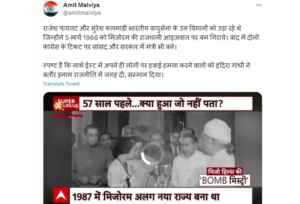
काँग्रेस नेता सचिन पायलट ने 15 अगस्त के दिन, भारतीय जनता पार्टी के आईटी सेल के हेड अमित मालवीय के झूठ का करारा जवाब दिया। अमित मालवीय ने 13 अगस्त को ये ट्वीट किया कि सचिन के पिता राजेश पायलट और सुरेश कलमाड़ी ने 5 मार्च 1966 को मिज़ोरम की राजधानी आइजवाल पर बम गिराए थे, जिसके ईनाम के तौर पे दोनों को काँग्रेस में सांसद और मंत्री बनाया गया था। दो दिनों बाद, सचिन पायलट ने न सिर्फ ये बताया कि उनके पिता जिनका असल नाम राजेश्वर प्रसाद बिदुडी था को इंडियन एयरफोर्स में 29 अक्टूबर, 1966 को कमीशन हुए थे साथ ही उस समय का लेटर भी शेयर किया।
सचिन ने लिखा, “स्व. श्री राजेश पायलट जी दिनांक 29 अक्टूबर, 1966 को भारतीय वायु सेना में कमीशन हुए थे।
यह कहना कि उन्होंने 5 मार्च 1966 में मिज़ोरम में बमबारी करी थी – काल्पनिक है, तथ्यहीन है और पूर्ण तरह भ्रामक है।”
“हाँ, 80 के दशक में एक राजनेता के रूप में मिज़ोरम में युद्ध विराम करवाने और स्थाई शांति संधि स्थापित करवाने में उन्होंने महत्वपूर्ण भूमिका ज़रूर निभाई थी।”
“स्वतंत्रता दिवस की शुभकामनाएँ, जय हिन्द। ”
राजस्थान काँग्रेस के नेता ने अपना जवाब इंग्लिश और हिंदी दोनों में ट्वीट कर दिया। इंग्लिश में सचिन ने ये भी लिखा कि राजेश पायलट ने बम गिराया था पर ईस्ट पाकिस्तान में।
कहाँ से हुई मिज़ोरम पे एयर फोर्स के हमले की बात
प्रधानमंत्री नरेंद्र मोदी ने अपने संसद में अविश्वास प्रस्ताव में 10 अगस्त को दिये भाषण में ये बताने के लिए कि काँग्रेस उत्तर-पूर्व के राज्यों के समस्याओ का मूल कारण है, ये बोला था कि इन्दिरा गांधी ने 1966 में मिज़ोरम पे एयरफोर्स के जरिये बम गिरवाया था।
अभी राजनीतिक जानकार ये बोल ही रहे थे के प्रधानमंत्री को भारतीय सेना को अपने राजनीतिक भाषण में शामिल नहीं करना चाहिए था और उन परिस्थितियों का भी ज़िक्र कर रहे थे जिन वजहों से आइजवाल पे बम गिराया गया था, इस बीच अमित मालवीय, जो सैकड़ों बार झूठी खबरें शेयर करते पकड़े जा चुके हैं ने अपना ट्वीट राजेश पायलट को और काँग्रेस को निशाना करके कर दिया।
ट्विटर पर हो रही अमित मालवीय की गिरफ्तारी की माँग
सचिन पायलट के ट्वीट के बाद, ट्वीटर पे हजारों लोगों ने अमित मालवीय के झूठ के लिए उस पर केस कर गिरफ्तार करने के बारे में लिख रहे। कुछ लोग तो अमित मालवीय माफ़ी माँगो भी ट्वीटर पर ट्रेंड करा रहे हैं।
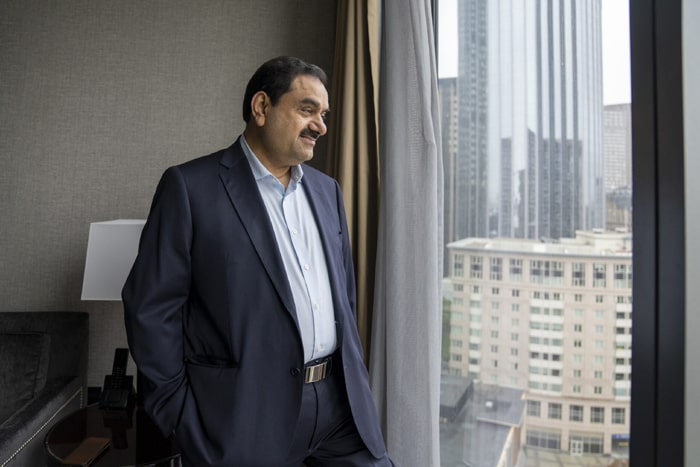
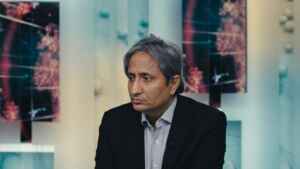
In late November, Ravish Kumar, one of India’s leading broadcast journalists, resigned from his job as senior executive editor of New Delhi Television Ltd (NDTV), the last influential network still willing to cover Prime Minister Narendra Modi’s Hindu nationalist government critically. The move was prompted by the company’s ownership changing hands — from founders Prannoy and Radhika Roy to billionaire Gautam Adani, who at the time was the third richest man in the world and also has close ties to Modi.
Kumar’s resignation came hours after the Roys stepped down from NDTV’s board. It immediately started trending on social media, with former colleagues mourning the loss of a newsroom that trained some of India’s best journalists. The Deccan Herald, in an op-ed, called it the “demise” of NDTV, said it was a “sad day,” and added that “what is gained in money is lost in the nature and quality of journalism.” The Delhi Union of Journalists expressed deep disappointment at “the hostile takeover of the last independent mainstream TV channel.”
Kumar announced his resignation by uploading an emotional monologue on his YouTube channel, noting that Indian journalists and news consumers were witnessing “the ‘dark age’ of journalism.” He said his heart went out to “those young Indians who are paying millions of rupees to train to be a journalist because they have to work as agents of the state. There is no institution left for ethical journalists.”
India’s media landscape has changed dramatically since 2014 when Modi and the Hindu nationalist Bharatiya Janata Party (BJP) came to power. In the nine years since, Modi has consolidated his grip on the government, in part by cracking down on independent media through police violence, tax investigations, threats to journalists, harassment campaigns, and suspending much-needed revenue from government advertising. But with Adani’s acquisition of NDTV, the last of India’s private news channels will fall under corporate ownership that is politically affiliated with Modi’s BJP ahead of the crucial 2024 elections. NDTV was one of the last bastions of free speech within the Indian broadcast media. Its sale will have far-reaching implications for India’s media ecosystem, which has progressively become less free by many measures over the last decade. Three to four journalists are killed in connection with their work every year in India, which remains “one of the world’s most dangerous countries for the media,” according to Reporters Without Borders, the nonprofit that tracks press freedoms around the globe. Its press freedom index ranking — 161 out of 180 nations — places the country in the bottom eighth along with Russia, Saudi Arabia, and Iran.
Ravish Kumar | Courtesy: TIFF
After the BBC aired a documentary in January exploring Modi’s role in anti-Muslim riots that left more than 1,000 dead in Gujarat in 2002, its Delhi and Mumbai offices were raided under the pretext of a tax evasion investigation and the phones of journalists in the office were confiscated. (The government also blocked online streaming of the documentary, titled “The Modi Question,” and students at a university in Delhi were arrested on Jan. 25 for trying to hold a screening.) In Kashmir, the situation has devolved to the point where arrests and raids are common and the digital archives of independent news organizations are disappearing. In February, Indian officials released Muslim journalist Siddique Kappan after charging him under an anti-terrorism law and holding him for two years without a trial. (When he was arrested, Kappan, who was reportedly tortured while in custody, was on his way to report a story about a Dalit girl who was gang raped and later died.) “Indian law is protective in theory but charges of defamation, sedition, contempt of court and endangering national security are increasingly used against journalists critical of the government, who are branded as ‘anti-national,’” observed Reporters Without Borders in its assessment of India. “Under the guise of combatting Covid-19, the government and its supporters have waged a guerrilla war of lawsuits against media outlets whose coverage of the pandemic contradicted official statements. Journalists who try to cover anti-government strikes and protests are often arrested and sometimes detained arbitrarily.”
At the same time, Modi’s allies have weaponized social media, using it to both discredit journalists and “mold public perception on platforms like WhatsApp and Facebook,” The New York Times reported. The scale of misinformation peddled on social media reached unprecedented levels during the pandemic as bad information stoked fear and hate toward Muslims in India, particularly demonising the Tablighi Jamaat, a global Islamic movement that was holding a conference in Delhi. Foreign attendees were charged with violating their visa conditions and committing the “malignant act” of spreading the coronavirus in India. In all, 952 foreigners were arrested, many of whom had their phones taken away and were locked up in rat- and mosquito-infested “quarantine” centers. The incident sparked a diplomatic scandal, and the embassies of nearly three dozen nations had to get involved to get their citizens out of India.
“The takeover of NDTV by the Adani group, which is a huge supporter of the Modi administration, can only have an adverse impact for the elections in 2024,” says Salil Tripathi, veteran journalist and board member of PEN International. “NDTV was among the last remaining networks that attempted being objective and counter[ed] the relentlessly jingoistic reporting that is the hallmark of its more successful rivals, who also have had much wider reach. NDTV’s outward independence made the imbalance seem less lopsided. Now that countervailing force has gone.”
India has nearly 400 news channels, “dominated by regional language channels and private players,” and “no regulations on cross-media ownership,” according to a 2021 Reuters Institute study. The prime time shows, across national news channels, cover more or less the same stories, in more or less the same divisive editorial tone, with issues framed as caste or religious binaries. It’s a closed loop with very little public interest information and almost no reporting critical of government policies or politicians. It has come to be sarcastically known as “speaking positivity to power” among Indian journalists. It trickles down to regional channels, where the news is presented in the local vernacular, and sets the agenda for print and online media — each propaganda outlet compounding Modi’s power.
No story has revealed the inner workings of India’s slick propaganda network like the pandemic. In the early months of the pandemic, as the government failed to control the spread of Covid-19, television channels in India presented the pandemic as something brought into India by Muslims. TV anchors served the government in many ways — by cherry picking facts, filtering official statements, and allowing the Modi administration, which rejects World Health Organization data that suggest India has had the highest global death toll from Covid, to turn facts on their head. The attack on minorities was not the only way the media served the Modi administration. There was an equally ferocious attack on science — much of which happened over social media. An international study of 138 countries, published by Sage’s International Federation of Library Associations and Institutions Journal in September 2021, noted that India produced the “largest amount of social media misinformation perhaps thanks to the country’s higher internet penetration rate, increasing social media consumption and users’ lack of internet literacy.” In India, facts are easily buried under falsehoods — often with the help of the country’s vast corporate media, which plays the role of galvanizing support for the government’s agenda and drowning out critical stories through a tightly concentrated network of media outlets.
In 1984, when the Roys founded NDTV, the government-run public station Doordarshan had a monopoly over television content. NDTV aimed to produce “the most objective and accurate news as quickly as possible.” They began with one show but quickly expanded the range of Indian television news, introducing high editorial standards of tightly vetted news reports presented by slick anchors. The station had ample advertising revenue that gave state-funded news a run for its money, noted a 2015 essay in The Caravan, an investigative magazine based in Delhi. (The Roys and their lawyers did not respond to repeated requests for comment.)
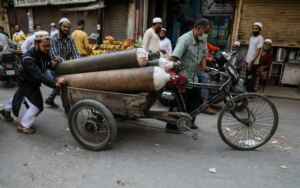
Over three decades, Prannoy Roy, an economist by training and a veteran journalist, along with his wife Radhika, also a journalist, revolutionized television news in India. The channels were a proving ground for many of today’s prominent news anchors, like Nidhi Razdan and Sreenivasan Jain, both of whom stepped down a few weeks after the Roys lost control. The network currently operates two news channels — one in Hindi and one in English — and a business and entertainment channel. The channels routinely covered stories that embarrassed Modi and his government. Jain, for example, did a segment on how the number of government “actions” against political opponents of Modi and the BJP surged to 570 between 2014 and 2021. He also closely followed the dire situation confronting hospitals during the second Covid-19 wave when oxygen was in short supply but government officials were denying the problem and saying they had no reports of the shortage leading to the deaths of any citizens.
Family members of a Covid-19 infected patient push a hand cart with empty oxygen cylinders in Old Delhi, April 2021. When hospitals had short supply of oxygen during Covid’s second wave, the Modi government denied that patients died as a result of the shortage | Courtesy: NAVEEN SHARMA/SOPA IMAGES/LIGHTROCKET VIA GETTY IMAGES
NDTV was also one of the few channels to cover a religious assembly of Hindu ascetics in December 2021 in Haridwar, Uttarakhand, where they openly called for mass rape of Muslim women and a genocide against Muslims in the name of protecting Hinduism. The channel identified the rhetoric as hate speech and put pressure on the courts to act when the government refused to condemn the event.
Even though NDTV had a reputation of being independent under the Roys, the organization wasn’t immune from criticism when they owned it. Over the years, the channel has been called out for a lack of caste and class diversity in the newsroom with majority of its anchors coming from powerful families. In 2015, The Caravan noted that eight of the channels’ top anchors including Barkha Dutt, whose mother was a pioneering journalist for the Hindustan Times, Sreenivasan Jain, the grandson of a former state minister, Rajdeep Sardesai, the son of a cricket player, and Vishnu Som, the son of the former Indian ambassador to Italy, came from families deeply enmeshed in Delhi’s corridors of power. The same was true for the guests NDTV invited on air. (An Oxfam study noted that nearly three-quarters of the panellists on the network were from the upper castes.) The channel also wound up being a proving ground for right-wing television superstars like Arnab Goswami, a controversial journalist whose hardline views in support of the BJP have earned his latest venture — Republic TV — comparisons to North Korean propaganda because of the channel’s support of the ruling party. (A story in May noted that Modi “[broke] into poetry” at the ceremony marking the opening of the new Parliament building.) The Roys have never publicly criticized Goswami, despite his propensity to fawn over Modi, peddle conspiracy theories about the death of a famous actor, and baselessly claim an opposition leader was happy when two Hindu priests and their driver were murdered.
As television news falls devolves, digital and independent newsrooms have started to build their own audiences. During his resignation video, Kumar announced the launch of his YouTube channel, which garnered over a million followers within 24 hours. He had three million subscribers by the end of the week. Today, his nearly six million followers have access to both his commentary and reported content on issues ranging from the right to education and healthcare to politics and elections.
Beyond Kumar, there is a small band of independent digital newsrooms like Scroll, The Wire, and The Caravan that continue to report on Modi and the BJP to hold them to account. They are dwarfed by the country’s more than 17,000 newspapers and 100,000 magazines, but they have banded together to provide a more accurate picture on everything from labor disputes and environmental degradation to the true cost of the pandemic. They have seen an upsurge in support from individual donors and subscribers that have helped to keep these outlets afloat.
The acquisition of NDTV began as a hostile takeover in August 2022, when Adani’s AMG Media Networks Limited (AMNL) announced it had indirectly acquired 29 percent of NDTV, by buying out loans to the company. The news broke not from a regulatory filing to the stock exchanges. Within hours, the Roys issued a statement to “make it clear” that the takeover was “executed without any input from, conversation with, or consent of the NDTV founders, who, like NDTV, have been made aware of this exercise of rights only today.” After having acquired 29 percent of the shares, AMNL made an open offer to acquire another 26 percent of NDTV. By early December, Adani’s conglomerate had acquired an additional eight percent through an open offer, making it the biggest shareholder of one of the country’s most trusted news network.
In the months since the hostile takeover was announced, media experts have blamed the Roys’ decision to take a $49 million loan in 2009 from Mukesh Ambani, a billionaire who hails from Gujarat and has close ties to the BJP, like Adani. In exchange for the loan, which went unpaid and led to the money laundering investigation, the Roys put up 30 percent of their shares as collateral.In September, Bloomberg noted how the two, ostensibly rival, oligarchs aligned to corner NDTV. “It ought to have been clear, even a decade ago that Mukesh Ambani is no friend of the media. There was always a risk of this happening, into this kind of agreement with them,” says Siddharth Varadarajan, editor-in-chief and co-founder of news website The Wire. “The more interesting question is that two seemingly hostile business houses — Adani and Ambani — want to collude in this manner to takeover arguably [India’s] most Independent television station.”
The takeover was preceded by years of harassment. In 2017, India’s Central Bureau of Investigation raided the homes and offices of NDTV founders, which the Roys called a “witch-hunt.” The raids were conducted by the government’s Central Bureau of Investigation, which alleged the Roys hadn’t paid back a loan. The Roys produced a 2009 letter from the bank stating the debt was repaid, according to The Caravan. The episode prompted questions about the CBI’s motives. “Even if the bank suffered a loss, as the CBI insists it did, there are questions as to why the country’s premier investigative agency should probe a credit issue between two private parties … especially when the relevant complaint did not come from the allegedly wronged party,” wrote Anant Nath, editor of The Caravan. Two years later, the Roys were stopped by the authorities from boarding a flight to go on vacation — at the request of the CBI, which had launched a money laundering investigation against the Roys. Yet, the crackdown on the Roys appears to have eased since the channels changed hands.
The Modi government’s years-long harassment of the Roys and NDTV’s acquisition by one Modi’s closest allies is not a coincidence. Adani’s rapid ascent of the Forbes’ richest list has taken place in tandem with the rise of Modi’s political fortunes. Both hail from the state of Gujarat, and the businessman has maintained close ties to Modi, allowing him to use Adani Group-owned private jets during his 2014 campaign. The takeover of NDTV barely two years before India’s next general election in 2024 is seen by many as part of a strategy to overwhelmingly dominate the media discourse in favor of Modi.
The day the Roys stepped down, Adani installed three new directors to the NDTV board: Sudipta Bhattacharya, chief technology officer of Adani Group, and two veteran journalists — Senthil Chengalvarayan and Sanjay Pugalia — who have served as directors for Quintillion Business Media, which Adani’s AMG Media Group acquired a 49 percent stake in March. In May, NDTV aired what is essentially a multipart propaganda series, praising Modi for his nine years as prime minister, falsely idealizing Modi as a champion for women’s rights, a major player on the international stage, and a leader who has delivered major welfare programs and infrastructure upgrades in service to the country. But even beyond the favorable coverage of the prime minister, the tone of the channels has shifted from presenting actual news to focusing on the lives of Bollywood stars, cat videos, and salacious crime stories. One recent story covered a fist-fight that broke out at Disney World.
Journalist Siddique Kappan, center, who was arrested in Oct. 2020, walks out from Lucknow District jail with his wife and son, Feb. 2023. Indian officials charged Kappan under an anti- terrorism law and held him for two years without a trial | Courtesy: AFP VIA GETTY IMAGES
Adani Group, which owns seven publicly-traded companies in the transportation, utility, and energy sectors, issued its own statement, saying the takeover is an attempt to “empower Indian citizens, consumers and those interested in India, with information and knowledge.” Neither the Adani Group nor NDTV responded to multiple requests for comment.
Not long after the takeover, however, the new ownership exerted its influence on the news-gathering operation. On Jan. 24, Hindenburg Research, an American company specializing in financial research and short selling stocks, released a scathing report accusing Adani Group companies of “brazen stock manipulation and accounting fraud.” The conglomerate had used improper offshore tax havens, according to Hindenburg, which also flagged concerns about a high debt load that put Adani Group on “precarious financial footing.” Within 10 days, Adani Group lost $108 billion in market value.
Facing a corporate crisis, Adani went back on his promise of not impinging on NDTV’s editorial freedom. For three days, NDTV didn’t touch the Hindenburg story. When it did, it carried Adani’s statements verbatim, calling the revelations an “attack on India.” (Razdan and Jain, the station’s top English-language anchors, resigned amid the fallout.) In May, Sarah Jacob, an anchor who had been with NDTV for more than 20 years, announced her resignation the day after the channel ran a segment called “From His Mother To Political Leaders, How PM Shows Respect Towards Women” during which Modi — whose government approved the release of 11 men convicted of gang raping a pregnant Muslim woman and murdering 14 of her family members — and is seen bowing to women in several different clips. More recently, NDTV has become a mouthpiece for the BJP to air grievances against its political rivals.
As the company’s founders lose control of it, the country’s first privately run channel has become a cautionary tale. “Prannoy Roy is paying the price for taking his business to places where capital did not have the character to understand how free media should be supported and promoted,” says Vinod Jose, former executive editor of The Caravan. “What NDTV founders did is akin to standing on a cliff on a stormy night, ignoring the writing on the wall — that you will fall.”
With the acquisition going through, the free press in India has been whittled down to a handful of newsrooms, including The Wire, Scroll, and The Caravan, that cover the government critically. India’s veteran journalists — elbowed out of legacy newsrooms — mostly eke out a living as freelancers by taking their investigative work to digital platforms. Aware of this dynamic, Modi’s government passed in 2023 an amendment to an existing law that allows the government to monitor digital platforms like Google, Facebook, and news websites through fact checking units aligned with the government. While it’s not clear how exactly how the law will be implemented, it gives the power to interpret what the facts are to the government. The Editors Guild of India has called this self-appointed fact check unit “draconian” as it obliges social media platforms to not carry news that the government considers “fake,” “false,” or “misleading” — all terms that remain undefined in the law. The Hindu, in an op-ed, called the government run fact-check unit a “wolf in watchdog’s clothing.”
“I think a lot about what happens to journalism now,” Jose says. “How will our newsrooms survive? And what of our fragile democracy?”
It is a report published by Nieman. Understanding the importance of it, we have republished it for our readers.
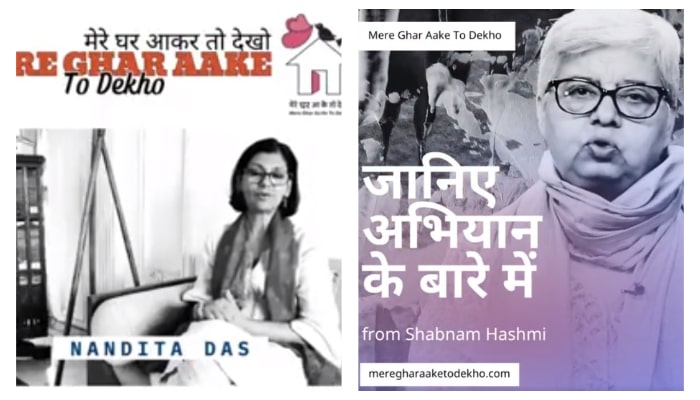
Kolkata: Do you have a friend on your school WhatsApp group who no longer is that friendly because of your identity? Have you ever wondered what Dalits and Adivasis do for a living? Or how do Muslims live? Well, then the campaign-
Mere Ghar Aa Ke To Dekho is for you. All that you need to do is get yourself registered at www.meregharaaketodekho.com and let the co-ordinators patch up a visit to someone willing to host you so that you get a sneak peek of what life is like on the other side of the meadow.
The five-month-long campaign, launched on August 15, has been initiated by ANHAD, a Delhi-based socio-cultural organization, and aims to build bridges between communities by tearing down walls of hate, prejudice and misconceptions.
Shabnam Hashmi of Anhad told eNewsroom, “In the absence of interaction, hate has mushroomed. So, the basic idea of this campaign is to initiate an interaction between people or communities.”
On being asked how they plan to take the campaign forward, she explained, “The idea is to break misconception and prejudice about people we don’t meet or interact with. On August 15, in Delhi around 100 people will be hosting visitors, who have expressed their desire to participate in this campaign. And the visitors and hosts are not just from the Hindu and Muslim communities. We want people to also know how Dalits, Adivasis and transgenders live. We want myths to be broken and that can happen only when people talk over a cup of tea.”
So how is the response in places like Uttar Pradesh? Poet and activist Deepak Kabir, who has been spearheading the initiative informed, “As of now we have around 1300 requests on the website of Mere Ghar Aake To Dekho for Day I. Gujarat has over 4000 requests. In UP we are approaching individuals in another way – circulating Google forms too. We plan to reach out to more and more families across the state.”
And how do they plan to reach the masses? Kabir said, “This campaign is for those people who have misconceptions about a certain section of the community and get swayed by information that they get on social media. These people sitting on the fence, need to know how those certain people are in reality.”
Adding that the interaction will not be only Muslim-centric. “We are urging participants to meet each other in the absence of ‘facilitating’ the meet. One member from the host and visitors will meet at the designated centre and then the host will escort the family to his residence, where they will meet and greet each other. After the meeting, if they are comfortable they can share a video of theirs with us. However, this is not mandatory.”
Praveer Peter, a social activist working with the Adivasis and minorities in Jharkhand mentioned, “The response has been good so far, much better than we expected. Even Christian families are opening their doors to visitors and will also be paying a visit to other families in their adjoining area.” He added that as of now they are trying to reach out to middle-class families as it’s such people who are often being brainwashed.
Sangita Jaiswal from Lucknow said, “The idea of this campaign is to build a united India. I have joined this campaign as I believe in a plural India, an India that is inclusive and proud of its diverse heritage. We are hopeful to make a positive impact on the minds of young adults among others.”
On Day I of the campaign the activists working on the ground level are planning to have around one lakh interactions taking place across the country.
A theme song has also been released for this purpose.
The campaign which has been flagged off on Independence Day will culminate on January 30, 2024.
কলকাতা: রেহানা আহমেদের ভয় এখন বাস্তবে পরিণত হয়েছে।
র্যাগিং, গত বছর হোস্টেলে খুন হওয়া ইন্ডিয়ান ইনস্টিটিউট অফ টেকনোলজি (আইআইটি) খড়গপুরের তৃতীয় বর্ষের ছাত্র ফয়জান আহমেদের মা রেহানা আহমেদ বর্তমানে উদ্বেগের মধ্যে রয়েছেন। শোকার্ত মা তার একমাত্র সন্তানের জন্য ন্যায়বিচারের জন্য একটি আশার রশ্মি দেখেছিলেন যখন কলকাতা হাইকোর্ট এটিকে শুধুমাত্র ‘হত্যা’ বলে ঘোষণা করেনি বরং এই মামলার আরও অনুসন্ধানের জন্য একটি বিশেষ তদন্ত দল (SIT) গঠন করেছে। যাইহোক, আইআইটি খড়গপুর কর্তৃপক্ষ কলকাতা হাইকোর্টের প্রধান বিচারপতির সভাপতিত্বে একক বেঞ্চের আদেশকে ‘বাতিল’ করার জন্য ডবল বেঞ্চ আদালতে আবেদন করেছে।
র্যাগিং, 14 অক্টোবর, 2022-এ, আসামের তিনসুকিয়ার বাসিন্দা মেকানিক্যাল ইঞ্জিনিয়ারিং-এর তৃতীয় বর্ষের ছাত্র ফয়জান আহমেদকে আইআইটি খড়গপুর হোস্টেলের ভিতরে আংশিকভাবে পচে যাওয়া অবস্থায় পাওয়া গিয়েছিল। ফাইজান, একজন ব্যতিক্রমী ছাত্র যিনি জয়েন্ট এন্ট্রান্স পরীক্ষায় (জেইই) 2020 তে 11 তম স্থান অর্জন করেছিলেন, তিনি ছিলেন রেহানা এবং সেলিম আহমেদের একমাত্র সন্তান। তিনি আইআইটি কেজিপি-তে এরিয়াল রোবোটিক্স এবং রোবোসকার রিসার্চ টিমেরও সদস্য ছিলেন, যে দুটিই কেন্দ্রীয় স্তরে অর্থায়ন করা প্রকল্প।
দ্বৈত বেঞ্চের কাছে তাদের আবেদনে, আইআইটি-কেজিপি যুক্তি দিয়েছিল যে একজন ডাক্তারের দাবি দাবি করেছে যে বিচারপতি রাজশেখর মন্থার ফাইজানের মৃত্যুকে হত্যা হিসাবে ঘোষণা করার ভিত্তি, অবসরপ্রাপ্ত ফরেনসিক বিশেষজ্ঞ ডঃ অজয় কুমার গুপ্তের রিপোর্ট ব্যবহার করে, ‘গুরুতর ঘাটতিতে ভুগছেন, ‘ যেখানে মেদিনীপুর হাসপাতালে পরিচালিত প্রথম ময়নাতদন্ত রিপোর্ট ‘বিশ্বস্ত’ বলে মনে করা হয়েছিল।
আইআইটি-কেজিপিও দাবি করেছে যে আদালত কর্তৃক হত্যার অভিযোগের কারণে তাদের খ্যাতি কলঙ্কিত হচ্ছে।
“প্রথম পোস্টমর্টেমটি তাড়াহুড়ো করে এবং রুমে আমাদের উপস্থিতি ছাড়াই পরিচালিত হয়েছিল। পদ্ধতির পরে, মৃতদেহ আমাদের কাছে হস্তান্তর করা হয়েছিল। বিপরীতে, দ্বিতীয় পোস্টমর্টেমটি অ্যামিকাস কিউরি সন্দীপ ভট্টাচার্য, ডাঃ অজয় গুপ্ত, ডাক্তারদের উপস্থিতিতে পরিচালিত হয়েছিল। কলকাতা মেডিক্যাল কলেজ থেকে, যে ডাক্তার প্রাথমিক ময়নাতদন্ত করেছিলেন এবং আমি নিজে,” ফাইজানের মা শেয়ার করেছেন।
আইআইটিপিও দাবি করেছে যে আদালতকে আইনজিতার অভিযোগের কারণে তাদের উল্লেখ করা হচ্ছে।
“প্রথম পোস্টমর্মটি তাড়াহুড়ো করে এবং রুমে আমাদের উপস্থিতি ছাড়া অন্য পদ্ধতির পরে মরদেহ আমাদের কাছে হস্তান্তর করা হয়েছিল। বিপরীতে, দ্বিতীয় পোস্টমর্টমি অ্যাটমেটস কিউরি সন্দীপ ভট্টাচার্য, ডাঃ অজয় গুপ্ত, ডাক্তারের উপস্থিতিতে হয়েছিল। মাঝে এবং আমি নিজে,”ফাইজানের মা শেয়ার করেছেন৷
“এখন পর্যন্ত, কেউ দাবি করেনি যে আইআইটি কর্তৃপক্ষ ফাইজানের মৃত্যুর জন্য দায়ী ছিল। আইআইটি কর্মকর্তাদের বিবেচনা করা উচিত যে যদি এসআইটি অপরাধীদের চিহ্নিত করে, তবে এটি এই মর্যাদাপূর্ণ প্রতিষ্ঠানের মধ্যে জীবনের নিরাপত্তায় ছাত্র এবং অভিভাবকদের বিশ্বাস পুনরুদ্ধার করবে। বরং শুধুমাত্র তাদের ইমেজের উপর ফোকাস করে, IIT-এর উচিত মেধাবী ছাত্রদের জীবন এবং আকাঙ্খাকে অগ্রাধিকার দেওয়া যারা মহান স্বপ্ন নিয়ে আসে। যাইহোক, তাদের আবেদন এখন পরামর্শ দেয় যে তারা ভারতের সবচেয়ে প্রতিশ্রুতিশীল ছাত্রদের একজনকে হত্যার বিষয়ে সত্য গোপন করার সাথে জড়িত ছিল, “বলেন ফাইজানের আইনজীবী অনিরুদ্ধ মিত্র ইনিউজরুমকে দেওয়া এক সাক্ষাৎকারে।
রেহানা বলেন, “ফাইজানের বিচারের দাবি থাকলে স্বপ্নদীপের মর্মান্তিক মৃত্যু এড়ানো যেত।”
র্যাগিং, যাদবপুর বিশ্ববিদ্যালয়ে বাংলা অনার্সের প্রথম বর্ষের ছাত্র স্বপ্নদীপ কুন্ডুকে হত্যার অভিযোগে বেশ কিছু বিক্ষোভের সাক্ষী হয়েছে কলকাতা। ফাইজানের মামলার অনুরূপ, তার মৃত্যুকে প্রাথমিকভাবে আত্মহত্যা হিসাবে শ্রেণীবদ্ধ করা হয়েছিল। যাইহোক, বিভিন্ন বিক্ষোভের ক্রমবর্ধমান চাপের কারণে, পুলিশ আরও তদন্ত পরিচালনা করে এবং প্রমাণ উন্মোচন করে যে ইঙ্গিত করে যে তাকে হোস্টেল বিল্ডিং থেকে তার সিনিয়ররা ধাক্কা দিয়েছিলেন। ঘটনার এক সপ্তাহের মধ্যে অন্তত তিন সিনিয়র ছাত্রকে গ্রেপ্তার করা হয়।
তা সত্ত্বেও, ফাইজানের মা, রেহানা, যিনি তার ছেলের প্রাণহীন দেহের পাশে তিন সপ্তাহ কাটিয়েছিলেন, তার ন্যায়বিচারের সন্ধানে সম্প্রদায় বা সরকার থেকে কোনও সমর্থন পাননি। তা সত্ত্বেও, তিনি তার আইনি প্রতিনিধিদের সমর্থনে তার লড়াই চালিয়ে যান। আট মাস পর, হাইকোর্ট শুধুমাত্র তার ছেলের মৃত্যুকে হত্যা বলে ঘোষণা করেনি বরং বিষয়টির গভীরে অনুসন্ধানের জন্য একটি এসআইটিও গঠন করেছে।
“আমি এটা আগেও বলেছি এবং এখন আবার বলছি – আমার যুদ্ধ শুধু ফাইজানের জন্য ছিল না; এটা প্রত্যেক মা এবং পিতামাতার জন্য যাদের ছেলে মেয়েরা তাদের শিক্ষার জন্য হোস্টেলে থাকে। আমরা আমাদের সন্তানদের এই প্রতিষ্ঠানগুলিতে অর্পণ করি, কিন্তু লালনপালনের পরিবর্তে তাদের, আমরা কখনও কখনও নিষ্প্রাণ মৃতদেহ গ্রহণ করি। এটি অবশ্যই বন্ধ করতে হবে, এবং আমি বিশ্বাস করি আদালত একমত হবে, “তিনি উপসংহারে বলেছিলেন।
Kolkata: The fear of Rehana Ahmed has become a reality now.
Rehana Ahmed, the mother of Faizan Ahmed, a third-year student at the Indian Institute of Technology (IIT) Kharagpur, who was murdered inside the hostel last year, is currently experiencing worry. The grieving mother had glimpsed a ray of hope for justice for her only child when the Calcutta High Court not only declared it a ‘homicide‘ but also constituted a Special Investigation Team (SIT) to delve further into the case. However, the IIT Kharagpur authorities have appealed to the double bench court, presided over by the Chief Justice of the Calcutta High Court, to ‘quash’ the single bench order.
On October 14, 2022, Faizan Ahmed, a third-year Mechanical Engineering student hailing from Tinsukia, Assam, was found partially decomposed inside an IIT Kharagpur hostel. Faizan, an exceptional student who had secured the 11th rank in the Joint Entrance Examination (JEE) 2020, was the sole child of Rehana and Salim Ahmed. He was also a member of the Aerial Robotics and RoboSoccer Research teams at IIT KGP, both of which are projects funded at a central level.
In their petition to the double bench, IIT-KGP argued that a doctor’s assertion claimed that the basis for Justice Rajshekhar Mantha’s declaration of Faizan’s death as a homicide, using the report of retired forensic expert Dr Ajay Kumar Gupta, ‘suffers from serious deficiencies,’ whereas the first autopsy report conducted at Medinipur hospital was deemed ‘reliable’.
IIT-KGP also contended that their reputation was being tarnished due to the murder allegation by the court.
“The first postmortem was conducted hastily and without our presence in the room. After the procedure, the deceased body was handed over to us. In contrast, the second postmortem was conducted in the presence of amicus curiae Sandeep Bhattacharya, Dr Ajay Gupta, doctors from Calcutta Medical College, the doctor who had performed the initial autopsy, and myself,” shared Faizan’s mother.
On the other hand, Rehana pointed out, “We did not receive any cooperation or support from either the Kharagpur police or the IIT authorities in this case.”
Rehana disclosed, “We harbored the concern that officials from IIT Kharagpur would attempt to obstruct the investigation. That’s why I wrote two letters – the first to Chief Minister Mamata Banerjee and later to the Chairman of the Minority Commission. In both, I appealed for their intervention, fearing that the powerful organization that is IIT might hinder the probe. However, I’m unaware if any action was taken in response to my pleas.”
“Thus far, no one has claimed that IIT authorities were responsible for Faizan’s death. IIT officials should consider that if the SIT identifies the perpetrators, it would reinstate the faith of students and parents in the security of life within this prestigious institution. Rather than focusing solely on their image, IIT should prioritize the lives and aspirations of the talented students who arrive with great dreams. However, their petition now suggests that they were involved in concealing the truth regarding the murder of one of India’s most promising students,” stated Faizan’s lawyer, Aniruddha Mitra, in an interview with eNewsroom.
Rehana expressed, “Had there been a demand for justice for Faizan, the tragic death of Swapnadip could have been averted.”
Kolkata has witnessed several protests following the alleged murder of Swapnadip Kundu, a first-year student pursuing Bengali Honours at Jadavpur University. Similar to Faizan’s case, his death was initially classified as a suicide. However, due to mounting pressure from various protests, the police conducted further investigations and uncovered evidence suggesting that he had been allegedly pushed from the hostel building by his seniors. Within a week of the incident, at least three senior students were arrested.
Nonetheless, Faizan’s mother, Rehana, who had spent three weeks beside her son’s lifeless body, received no support, either from the community or the government, in her pursuit of justice. Despite this, she continued her fight with the backing of her legal representatives. After eight months, the high court not only declared her son’s death a murder but also established an SIT to delve deeper into the matter.
“I have said this before and reiterate it now – my battle wasn’t just for Faizan; it’s for every mother and parent whose sons and daughters reside in hostels while pursuing their education. We entrust our children to these institutions, but instead of nurturing them, we sometimes receive lifeless bodies. This must cease, and I believe the court will concur,” she concluded.
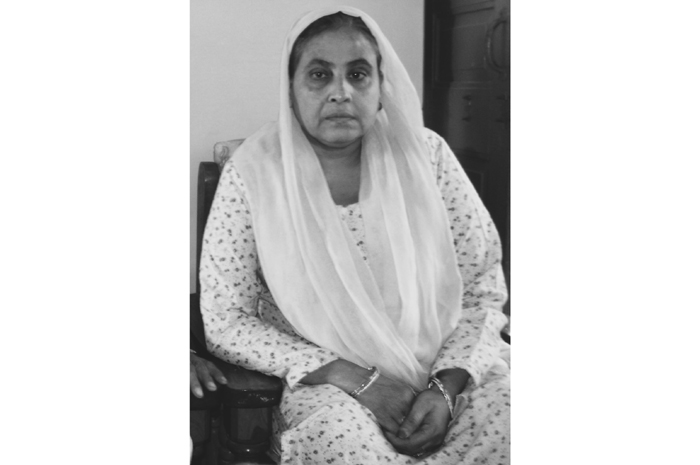
Bhopal: Sajida Bano, who was the first to be widowed by Union Carbide’s in 1981 may have escaped the traditional widowhood sufferings, but was unable to escape from being a marginalized widow because of weak social institutions, stemming from lax rule of law, malfunctioning bureaucracy and prevailing corruption.
Her story begins on the night of December 21, 1981, when her husband Ashraf Khan left home to work in the night shift at Union Carbide’s pesticide plant at Bhopal. Few hours after he resumed his duty, he was exposed to poisonous gases. Two-days later, Ashraf passed away, breathing his last at the intensive care unit of Madhya Pradesh’s then biggest Government Hospital – Gandhi Medical College & Hamidia Hospital, situated nearly 3 kms from the pesticide plant.
After Ashraf Khan’s untimely death, the company, Union Carbide, seems to have used its clout to protect its self interest by exerting influence over the politically powerful, concerned institutions, the bureaucracy and all those others in authority. As a result, the administrative machinery and all those influential players did all they could to downplay the incident due to which the widow and her two children were denied justice. Hence, the life, time and journey of Sajida and her two infants turned for the worse in three different ways.
1: Union Carbide Corporation (UCC), which owned 50.9 percent shares of Union Carbide India Ltd (UCIL) awarded Sajida Bano and her two kids full and final compensation of Rs 50,000 which would be just pittance as compared to the compensation that UCC would have had to dish out for a similar accident in the US Sajida was not consulted during the settlement proceedings and, understandably, she felt cheated by the low amount awarded as full and final compensation.
“Carbide ki taraf sei yahee paisa (Rs 50,000) hame mila tha (this was the only amount we had received from Carbide)”, the late Sajida Bano, who passed away in 2020, had told me once. In other words, Rs 50,000 with decreasing purchasing power over a 38 year period would have amounted to a measly sum of just 0.27 paisa a day!
In the case relating to Ashraf’s death, there is no doubt that the UCIL, the administration and the powers that be – all came together – to thwart the rights of Sajida and her kids.
2: The UCIL successfully managed to evade existing labour legislations that could have forced it to abide by necessary labour laws for maintaining a proper and safe working environment for all the parties concerned. The relevance of the dignity of human labour and the need for protecting and safeguarding the interest of labour as human beings enshrined in Chapter-III (Articles 16, 19, 23 & 24) and Chapter IV (Articles 39, 41, 42, 43, 43A & 54) of the Constitution of India keeping in line with Fundamental Rights and Directive Principles of State Policy were largely overlooked. More significantly, labour is a concurrent subject under the 7th Schedule of the Constitution of India implying that both the Union and the state governments are competent to legislate on labour matters and administer the same.
That is to say, if the State Government and influential sections of society had shown adequate interest and concern about the accidental death of Ashraf Khan due to exposure to toxic substances at Union Carbide’s pesticide plant not only would Sajida and her kids have secured significantly larger monetary benefits but also in all likelihood appropriate preventive measures would have been taken to avert any probable disaster. Due to gross indifference and failure of the State Government and others to pay necessary attention to the alarming circumstance that had led to Ashraf’s untimely death, no precautionary steps were taken to stave-off the impending disaster either. As a result, the residents of Bhopal were soon forced to pay a heavy price for such criminal negligence on the part of the concerned authorities.
3: It was not just regarding the award of compensation that the interests of the company and the administration appeared to merge. The attempt to get hold of a proper autopsy report was yet another challenge for the widow. Apparently, autopsies on bodies are done by the ‘safai karamchari’—the mortuary’s cleaner – after the doctor assigns the task to him.
According to reports, it is the ‘safai karamcharis’ who cut open bodies, inspect them inside and outside for injuries, remove the organs and weigh them before putting them back into the stomach cavity, stitch the bodies up, wrap them in plastic and a cotton sheet, and hand them back to the families. The forensic doctor usually arrives half an hour after the commencement of the autopsy on the body but he himself avoids touching the corpse. Instead, he observes and writes down his reports, often asking the concerned safai karamchari to describe what is visible to him. .
Sajida was very hopeful of getting hold of the autopsy report that would have shed light on the causes that had led to her husband’s untimely death.
However, Sajida’s requests for a copy of her late husband’s autopsy report were repeatedly rejected by the concerned public institutions, which was a reflection of the discriminatory, discourteous, and apathetic attitude that is often adopted by them while dealing with the poor and the weak. The same institutions would treat the rich and the powerful in an entirely different manner. Even an advocate’s intervention on Sajida’s behalf was of little help. The widow, who had to look after her two young children on her own, was deeply distressed because of her inability to enforce her rights effectively. Her tragic existence did not end there; another major misfortune was to confront her yet again.
On the 2-3, December 1984 night, a second tragedy struck Sajida and her two sons when they arrived at the Bhopal Railway Station at around 1.35 pm from Kanpur, her hometown. The poisonous gas plume had engulfed Bhopal just about an hour earlier; the huge station was filled with dead bodies and those still alive were coughing and vomiting because of exposure to toxic gases that had leaked from the Union Carbide plant. Thus, Sajida and her two sons were also exposed to the toxic gases. Her elder son passed away within a few hours; Sajida and the youngest one barely managed to survive.
Since she had managed to complete her graduation, she was able to find employment as an office assistant in a local college. However, her younger son’s learning abilities were badly affected due to the impact of the toxic gases. Since he could not even complete his schooling, he could only work as an auto driver/repairing electrical appliances. Eventually, both mother and son perished one after the other in 2019 as two more victims of the Bhopal disaster.
This one is not the story of a weak widow. This is the story of a tough woman, who was unlucky not to live for long. One of her biggest regrets in life was that she could not lay hands on the autopsy report that would have revealed the causes that had led to her husband’s death.
Anup Dutta is a fellow of Vikas Samvad Constitution Fellowship 2022.
It was clear that Narendra Modi won’t reply to the question which is being asked but he has brought Air Force into his politics which is utterly shameful and distortion of facts. There are many stories of the past about usage of armed forces in civilian matters at many places in the formative years. India was still suffering from various issues. The power of the government was not visible everywhere. There was no google and no internet. India was not a ‘mighty’ country at that point of time which had digital data of every one at home.
However, there is no doubt that in many places people’s rights were violated but for that the governments of the day had given their accounts. What is important is that in democracy you don’t go to Mahabharat age to accuse your opponents who ask you questions about your actions or inactions.
We know that BJP would use the opportunity to ‘address’ the nation through the no confidence motion. They wanted to use it to make their cadres happy and darbaris feel good on TV channels. The darbaris were giving the Prime Minister and Amit Shah more than 10 out of 10 for their rhetoric.
The fact is that the format related to debate on no confidence motion is highly biased towards the ruling party. Ministers do not give speeches on their ministry but use the opportunity to make a purely political speech. Home minister spoke for more than two hours. The Prime Minister spoke for more than two hours. Is there a limit or not ? Shouldn’t there be a motion that such replies should be time limited. How can a prime minister speak on and on without being in the Parliament. For two days, Narendra Modi did not even turn to the Parliament but when he made a speech, he felt everyone should listen peacefully to his jumlas.
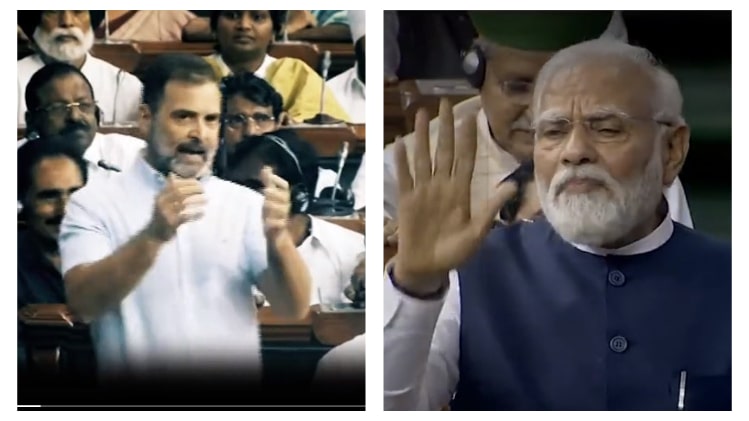
The painful thing is, BJP and its ministers were not keen on speaking on Manipur. They wanted to make it look like any other law and order issue. When they failed, then they brought all the history. Fact of the matter is BJP is rattled with Rahul Gandhi’s speech. Of course, his speech was also a lost opportunity because he spoke more for the people and less for the Parliament yet the punches were powerful. Though, symbolism or breaking of it might cause discomfort for the Congress party in the Hindi heartland.
The flying kiss controversy created at the end to deflate the issue of Manipur and Rahul’s main speech. But I think, given the nature of it, Rahul Gandhi’s speech was already the talk of town and widely watched, far more than all other speakers of the day particularly on youtube and twitter. Let us see how the Prime minister’s speech was viewed. But surely there was nothing much for people.
The two speeches were contrasting apart. While Rahul Gandhi was assuring Manipur that their voice is being raised in Parliament, Narendra Modi, it seems, was assuring the ‘investors’ and big business about India’s economic boom.
Meanwhile, I was actually travelling from Delhi to a place in Uttar Pradesh which was less than a 14 hours journey in normal times but it was reached more than 7 hours late and right from Delhi certain coaches did not have water in the toilets. All this, at the time, when every day a new train is being ‘launched’ and so much talk about time management and ‘modernisation’ of Railways.
We are in the age of event management where big companies make and unmake you. Parliament’s two days debate on No Confidence motion was nothing beyond the event management as most of the debates were substandard except for a few, purely a reflection of what kind of a state have we arrived at the moment where the Parliament can’t discuss an issue in all its sincerity and seriousness. Surprisingly, our Member of Parliament could not quote two orders of the Supreme Court on Manipur and Punjab and Haryana High court on Nuh violence and demolitions of houses subsequently.
The Debate is over. Let us see when there will be peace in Manipur? Whatever be the issue, let there be peace and harmony in each state of India. We don’t need to expect too much from these debates and definitely not from the government and its ministers as ultimately they will speak only to address their obedient cadres and use the opportunity to mock the opposition. The battle for the survival and empowerment of democracy will now be on the streets of India and everybody is looking for it.
I would love a debate in Parliament on the Prime minister’s Question Hour on the line of British parliamentary traditions when the Prime minister responds to the leader of the opposition’s accusations. That is the spirit of democracy when the PM and leader of opposition have a face to face on important issues concerning the nation. Will we ever be able to have such a well informed debate in Parliament?
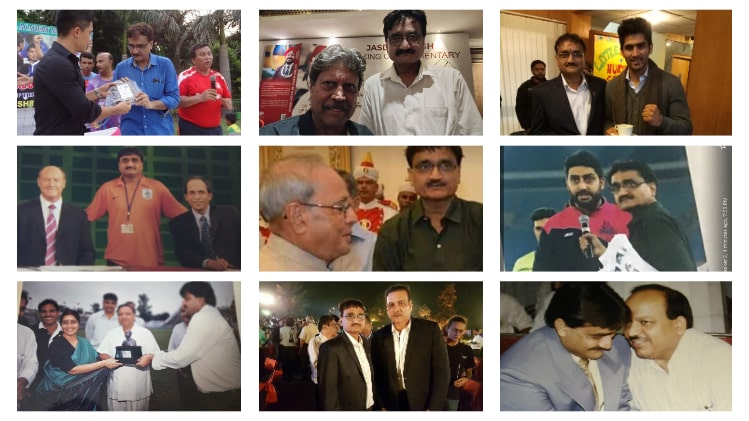
যে জাতির হৃদয়ের স্পন্দন ক্রিকেট, একজন মানুষ ফুটবলের প্রেমে পড়েছিলেন, প্রথমে গোল বাঁচিয়েছিলেন এবং পরে তার মখমল কণ্ঠে ভক্তদের বিনোদিত করেছিলেন। দিল্লির একজন আন্তর্জাতিক ধারাভাষ্যকার এবং প্রাক্তন ফুটবল খেলোয়াড় গাউস মোহাম্মদের সাথে দেখা করুন।
ভাষ্যকার গাউস মোহাম্মদ ফুটবল, হকি, বক্সিং এবং ভলিবলের জন্য লাইভ ধারাভাষ্য করতেন।
ফুটবলে, আকাশ তার জন্য সীমাবদ্ধ কারণ 25 বছর ধরে কেবল সুব্রতো এবং ডুরান্ড কাপের ধারাভাষ্যই নয়, তিনি ফিফা বিশ্বকাপের ফাইনালেও লাইভ ধারাভাষ্য করেছিলেন।
দিল্লির বাসিন্দা, মোহাম্মদ দেশের প্রথম ধারাভাষ্যকার, যিনি সুব্রতো এবং ডুরান্ড কাপে 25 বছর ধরে একটানা ধারাভাষ্য করেছেন।
ডুরান্ড কাপ ভারতীয় সেনাবাহিনী দ্বারা সংগঠিত হয় এবং সুব্রতো ভারতীয় বিমান বাহিনী দ্বারা সংগঠিত হয়।
বছর দুয়েক দিল্লি থেকে ডুরান্ড কাপেও খেলেছেন।
“আমি যখন 1979 সালে ন্যাশনালদের জন্য গুয়াহাটিতে গিয়েছিলাম, আমাকে দেখার পর, কিংবদন্তি ক্রীড়াবিদ মিলখা সিং আমাকে পাঞ্জাব স্পোর্টস স্কুল, জলন্ধরে (মিলখা সিং দ্বারা পরিচালিত একটি স্কুল) আসার আমন্ত্রণ জানান। কিন্তু আমার মা তাতে রাজি হননি,” আন্তর্জাতিক ভাষ্যকার ইনিউজরুমকে বলেন।
ভাষ্যকার গাউস মোহাম্মদ ফুটবল খেলতেন এবং একজন ফ্রিল্যান্সার হিসেবে ক্রীড়া নিবন্ধ লেখেন। একদিন ক্রীড়া প্রযোজক আরবিএন মাথুর তাকে অল ইন্ডিয়া রেডিওতে ধারাভাষ্যকারের শূন্যপদ সম্পর্কে বলেছিলেন। প্রথমবার অডিশনে কথা বলতে পারেননি তিনি। যাইহোক, আকাশবাণীর ডিউটি অফিসার রবি দত্ত মাহাতো তার প্রতিভা লক্ষ্য করেছেন এবং আবার অডিশনের জন্য চেষ্টা করার জন্য তার মনোবল বাড়িয়েছেন। মোহাম্মদ দ্বিতীয়বার অডিশনে অংশ নিয়ে ক্লিয়ার করেন। এরপর থেকে আর পেছনে ফিরে তাকাতে হয়নি তাকে।
“1989 সালে, আমার মা হাসপাতালে ভর্তি হন। আমি তার সাথে ছিলাম। পরের দিন ছিল ডুরান্ড কাপের ফাইনাল। সেখানে একজন আয়কর কমিশনার বিপি ওঝা ছিলেন, যিনি আমাকে ফোন করেছিলেন। তিনি বললেন, তোমাকে দেখেছি এবং তুমি অনেক প্রস্তুতি ছাড়াই ধারাভাষ্য করতে পার, তাই আমার ফাইনাল করা উচিত। কিন্তু, আমি বললাম, আমার মা হাসপাতালে ভর্তি, আমি যেতে পারব না। কিন্তু আমার মা এটা শুনে আমাকে যেতে বাধ্য করলেন। ফাইনাল ছিল ইস্ট এবং মোহনবাগানের মধ্যে, স্টেডিয়াম ছিল পূর্ণ। আর আমার ভাষ্য সবাই পছন্দ করেছে। কলকাতা থেকেও ফোন পেয়েছি। এরপর থেকে ২০১৬ সাল পর্যন্ত নিয়মিত ডুরান্ড ফাইনাল করেছি।
ব্রাজিল এবং আর্জেন্টিনার মধ্যে 2005 কনফেডারেশন কাপ ম্যাচে, তিনি হিন্দিতে ধারাভাষ্য করেছিলেন। ইংরেজিতে, সুভাষ ভৌমিক, যিনি ভারত থেকে ফুটবল খেলেছিলেন, তাঁর সাথে ধারাভাষ্য করতেন। পরে তারা খুব ভালো বন্ধু হয়ে যায়।
2006 ফিফা বিশ্বকাপের ফাইনালে মোহাম্মদ লাইভ ধারাভাষ্য করেছিলেন। ধারাভাষ্যকার, যিনি একজন প্রাক্তন দিল্লি গোলরক্ষক, খেলা এবং নিখুঁত কথাবার্তার প্রতি নজর রাখেন। যখন ফিফা বিশ্বকাপের লিগ ম্যাচ হচ্ছিল, তখন হর্ষ ভোগলে, যিনি এখন ক্রিকেট বিশ্বের একজন বড় ধারাভাষ্যকার, তাকে প্রশ্ন করেছিলেন, বিশ্বকাপ কে জিতবে? মোহাম্মদ ইতালির নাম নিয়েছেন শুনে হর্ষ ও অন্যান্য ভাষ্যকাররা হতবাক হয়ে গেলেন। তবে তিনি কারণও গুনলেন, ইতালির খেলোয়াড়রা প্রতিপক্ষ দলের খেলোয়াড়দের ‘টিজ’ করে, তাদের ‘রক্ষণ’ খুব ভালো এবং গোল করার পরও শেষ পর্যন্ত দলের বিপক্ষে গোল হতে দেয় না। তার কথার সত্যতা প্রমাণিত হয়েছিল যখন ইতালি ফর্মে থাকা ফ্রান্সের খেলোয়াড় জিনেদিন জিদানকে এতটা উত্যক্ত করেছিল যে তিনি ইতালীয় খেলোয়াড়কে ‘হেডবাট’ করেছিলেন এবং ম্যাচ থেকে বিদায় করা হয়েছিল। ফ্রান্সকে হারিয়ে চ্যাম্পিয়ন হয় ইতালি।
তারপরে, তিনি 2010, 2014 এবং আবার 2018 সালে ফিফার জন্য স্টুডিও থেকে মন্তব্য করেন।
হিন্দি, উর্দু এবং ইংরেজির মিশ্র ভাষা- হিন্দুস্তানি ভাষায় মোহাম্মদ তার ভাষ্য করেন।
ফুটবল ছাড়াও তিনি হকি, ভলিবল ও বক্সিংয়ে ধারাভাষ্য করেছেন।
লাল বাহাদুর শাস্ত্রী হকি, নেহরু হকি এবং সঞ্জয় গান্ধী জাতীয় স্তরের হকি টুর্নামেন্টের মতো।
2008 সালে যখন বেইজিংয়ে বক্সার অখিল এবং বিজেন্দর পদক জিতেছিলেন, তখন মোহাম্মদ ছিলেন ধারাভাষ্যকার।
“আমি কখনও ক্রিকেট এবং টেনিসের ধারাভাষ্যকার হিসাবে কাজ করিনি, যা ভারতে বেশি দেখা যায় এবং শোনা যায়। আমি ভাবতাম যে এই বিষয়ে খুব বেশি কিছু করার নেই। “পরে আমার বাচ্চারা আমাকে বলেছিল আমার এটা করা উচিত ছিল,” মোহাম্মদ জানান।
তিনি দুবার অল ইন্ডিয়া ফুটবল অ্যাসোসিয়েশনের সর্বকনিষ্ঠ পর্যবেক্ষকও হয়েছেন।
স্টার নিউজ, এবিপি নিউজ, এনডিটিভি টিভি, ইএসপিএনসহ আরও অনেক চ্যানেলে নিয়মিত তিনি। দেশে এবং বিদেশে অনেক শহর ও দেশে তার ধারাভাষ্য করেছেন, 61 বছর বয়সী মোহাম্মদ বর্তমানে তেলেঙ্গানা ভবনে ওএসডি।
একজন ভাষ্যকার হিসেবে, ভাষ্যকার গাউস মোহাম্মদ প্রচুর সংখ্যক লোকের দ্বারা প্রিয় হয়েছিলেন, তিনি অনেক বড় ব্যক্তিত্বের সাথে সাক্ষাত করেছিলেন, তবে তিনি দিল্লির মতো একটি শহরে নিজের বাড়ি করার মতো অর্থ উপার্জন করতে পারেননি।
ক্রিকেট ধারাভাষ্যকাররা দেশে বিজ্ঞাপন পেলেও মোহাম্মদের মতো ফুটবল ধারাভাষ্যকারদের জন্য জাতীয় রাজধানীতে বাড়ি পেলে তা হবে তার জীবনের বড় অর্জন।
In a nation whose heartbeat is cricket, a man fell in love with football, first saving goals and later entertained the fans with his velvety voice. Meet an international commentator and former football player from Delhi Ghaus Mohammad.
Mohammad did live commentary for football, hockey, boxing and volleyball.
In Football, the sky is limited for him as not only did Subrato and Durand Cup commentary for 25 years, but he also did live commentary in the final of the FIFA World Cup.
Hailing from Delhi, Mohammad is the first such commentator in the country, who did continuous commentary for 25 years in the Subroto and Durand Cups.
The Durand Cup is organized by the Indian Army and the Subroto is organized by the Indian Air Force.
He also played in the Durand Cup from Delhi for a couple of years.
“When I had gone to Guwahati for the Nationals in 1979, after watching me, the legendary athlete Milkha Singh invited me to come to Punjab Sports School, Jalandhar (a school run by Milkha Singh). But my mother did not agree to it,” the international commentator told eNewsroom.
Mohammed played football and wrote sports articles as a freelancer. One day sports producer RBN Mathur told him about the vacancy of a commentator on All India Radio. He could not speak in the audition for the first time. However, the duty officer of Akashvani Ravi Dutt Mahato noticed his talent and boosted his morale to try out for the audition again. Mohammed took part in the audition for the second time and cleared it. He has not looked back since then.
“In 1989, my mother was admitted to hospital. I was with her. There was the Durand Cup Final the next day. There was an income tax commissioner BP Ojha, who called me. He said he saw you and you can do commentary without much preparation, so I should do the final. But, I said, my mother is hospitalized, I can’t go. But my mother heard it and forced me to go. The final was between East and Mohun Bagan, the stadium was full. And my commentary was liked by everyone. I got calls from Kolkata too. From then onwards to 2016, I did Durand Final regularly.
In the 2005 Confederations Cup match between Brazil and Argentina, he did commentary in Hindi. In English, Subhash Bhowmik, who had played football from India, used to commentate with him. Later they became very good friends.
Mohammad did live commentary in the final of the 2006 FIFA World Cup. The commentator, who happens to be a former Delhi goalkeeper, has an eye for the game and perfect diction. When the league match of the FIFA World Cup was happening, then Harsha Bhogle, who is now a big commentator in the cricket world, asked him, who will win the World Cup? Harsha and all the other commentators were shocked to hear that Mohammad had taken the name of Italy. But he also counted the reason, that the Italian players ‘tease’ the players of the opposition team, their ‘defence’ is very good and after scoring the goal, they do not allow the goal to be scored against their team till the end. His words were proved right when Italy teased in-form France player Zinedine Zidane so much that he ‘headbutted’ the Italian player and was sent off the match. Italy became the champion by defeating France.
After that, he commentated from the studio for FIFA in 2010, 2014 and again in 2018.
Mohammad does his commentary in Hindustani- a mixed language of Hindi, Urdu and English.
Apart from football, he also did commentary on hockey, volleyball and boxing.
Lal Bahadur Shastri Hockey, Nehru Hockey and Sanjay Gandhi like national level hockey tournaments.
When boxers Akhil and Vijender won medals in Beijing in 2008, Mohammad was the commentator.
“I have never worked as a commentator on cricket and tennis, which are seen and heard more in India. I used to think that there is nothing much to do about this. “Later my kids told me I should have done it,” Mohammad informed.
He has also been the youngest observer of the All India Football Association twice.
Star News, ABP News, NDTV TV, ESPN and many other channels, he has been a regular. Having done his commentary in many cities and countries in the country and abroad, 61-year-old Mohammad is currently OSD in Telangana Bhavan.
As a commentator, Mohammad got loved by a large number of people he met many big personalities got felicitated, however, never earned enough money to have his own house in a city like Delhi.
Cricket commentators get advertisements in the country, but for football commentators like Mohammad, if he gets a house in the national capital, it would be a major achievement in his life.
The country is witnessing horrific violence in different regions. The Manipur violence, going on for over three months as it has shamed the nation for the treatment meted out to the three young girls, it has led to the death of over one hundred innocent lives, (more Kuki) and also displacement of close to a lakh of people, more from Kuki-Naga-Zo communities, (Adivasis who are Christians in the main). The ethno-religious nature of the violence is writ large on the whole phenomenon. The inability, or complicity of the state to control the violence is very much there and the Prime Minister making a thirty seven second statement on the issue, not visiting the victims while visiting seven countries and travelling all over the country for election rallies and for receiving Awards is probably as shameful as the violence itself.
The violence as it has dominated the scene; was preceded by the spread of Hate against Kuki, Adivasis in particular. They were propagated as being infiltrators from Myanmar, growing opium and usurping the land. Two factors which can be culled out from this whole phenomenon is the manufacture of Hate against the major victims and the complicity or failure of the state.
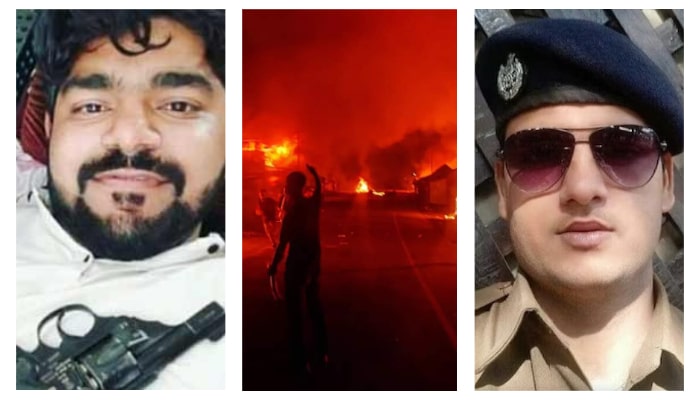
The shooting by Chetan Singh in the train was frightening. His superior had refused to give him leave on one hand and his mind was full of hatred for Muslims on the other. He shot his superior constable and three Muslims, identified by their beard and clothes (‘the culprits can be identified by their dresses- Narendra Modi). Chetan Singh roamed in the train and sought the Muslim looking persons and shot them, while saying that this community is loyal to Pakistan, and if they want to live here in India they should chant “Yogi-Modi”. Some are claiming that he was mentally unstable, that seems to be either a failure of authorities to check as to who or being given weapons for protecting the railway passengers or is an alibi constructed for defense of the thoroughly communalized constable of Railway Reserve Force.
The shooting in the train, by a person thoroughly in the grip of Hate propaganda, so abundantly flowing in the society, generally unchecked and amplified by the Godi media and large section of other media is a mirror to our society and also reminds one of the killing of Bengali worker, a Muslim, Afrazul, by Shambhulal Regar, a shop owner, thoroughly influenced by the social media propaganda of Love Jihad. What one learns from these two episodes is the role of Hate spread in the society and abundantly used by the communal forces through various mechanisms.
The incidents of Nuh have twin logics inbuilt into it. The annual Yatra, Brijmandal Jalabhiskek Yatra with destination of Nalhar Mahadev Mandir, chose an interesting route. It did not pass through Hindu majority areas but chose the route where Muslims are more in number. The Mandir already had the presence of the VHP leader Surendra Jain, whose video is circulating; the Hate flowed abundantly in his speech just before the Yatra.
In addition Monu Manesar, the accused in the murder of Nasir and Junaid, who were killed and brutally burnt alive in a four wheeler, issued a video pronouncing his intention to join the Yatra and urging upon people to be there to welcome him. He is Chief of the Cow Protection cell of Bajrang Dal in the area. Due to murder of Nasir and Junaid, he is quite hated in the area. His video did act as a provocation. On similar lines, Bittu Bajrangi, another member of Cow vigilante group also issued a similar provocative video. It seems both were advised by VHP leaders not to join the procession.
The claims are that Muslim minorities attacked the procession and also the temple. The videos of the incident show that from within temple premises there was a shooting by vigilantes right in the presence of police force. Many in the procession were carrying arms, and preferred to pass through Muslim majority areas giving provocative slogans. Those who attacked the procession were also armed.
In the whole mayhem the police was either a bystander or looking the other way around as seen in one of the videos. The processionists also attacked a mosque, killing one Naib Imam. Early on Tuesday, two hundred strong Hindutva mob defied curfew and went on a rampage spree. They entered the Masjid at Sector 57 in Gurgaon and attacked the three people sleeping there. They stabbed Imam Hafiz Saad multiple times before setting fire to Masjid. “Hindu-Muslim baith ke khaye thaali mei Aisa Hindustan bana de ya Allah (Allah create a situation where Hindus and Muslims can eat in the same plate).”
The violence is spreading beyond the Nuh area to the NCR area. Citizens for Justice and Peace has complained to the DGP and NCM about the escalation of violence and urgent need to control it. Satyapal Malik, ex-Governor of Jammu and Kashmir, very well commented on the tragedy of Nuh, “The whole country will burn like Manipur if these people are not contained,” he said. “Jats by culture or tradition believe in the Arya Samaj way of life and are not very religious in the traditional sense of the term. Neither are the Muslims of this area very traditional in their outlook. Therefore one has never heard of the two communities clashing in this manner ever since Independence. And these attacks will only increase in the run-up to 2024 as is evident in Manipur,” he said addressing a packed hall at the Constitution Club.
As VHP plans to take out many processions in the area, the Supreme Court in all its wisdom has hit the nail on the head when it urged the authorities to ensure that no violence or hate speeches take place in the protest marches being held by Vishwa Hindu Parishad.
We do need to combat hate; it has to be a sort of movement. What we need is a state police and other authorities totally sensitized to the values of pluralism and diversity. What we need is a state apparatus totally committed to Indian Nationalism and not to sectarian Nationalism.