A Veil Pulled, a Constitution Crossed: The Nitish Kumar Hijab Controversy

0

A constitutional democracy is defined not merely by elections or slogans, but by restraint, by the discipline with which power recognises its limits. When that discipline falters, the consequences are not abstract. They are borne on human bodies. The recent incident involving Bihar Chief Minister Nitish Kumar, captured on video during an official government function at the Samvad secretariat in Patna, demands rigorous constitutional scrutiny rather than casual dismissal. What unfolded in that brief moment was not a misunderstanding or a social faux pas. It was a failure of state restraint and a breach of the constitutional boundary between authority and personhood.

The footage, now part of the public record and reported by multiple national and international media outlets, shows the Chief Minister handing out appointment letters to over a thousand AYUSH doctors. During this formal ceremony, he pointed at the niqab worn by Dr Nusrat Parveen, a Muslim woman doctor receiving her appointment. According to the video, he remarked in disapproval, “What is this. This is not good,” before leaning down from the raised platform and physically pulling her veil to reveal her face.

This was not a private interaction. It was the State of Bihar in its most ceremonial and hierarchical form. When the highest executive authority of a state physically interferes with a citizen’s religious attire on a public stage, the act cannot be detached from state power. The Constitution does not treat such gestures as neutral when performed from a position of overwhelming authority.

The consequences of that moment did not end on the stage. In the days following the incident, reports indicated that Dr Nusrat Parveen was considering not joining the government service for which she had just received her appointment letter. Her brother, a professor at a government law university in Kolkata, told journalist Shahnawaz Akhtar for eNewsroom“She is determined not to join the service. However, all family members, including me, are trying to convince her otherwise. We are telling her that it is the fault of the other person, so why should she feel bad or suffer because of it.” The statement underscores a critical truth often missed in such debates: constitutional violations leave personal and professional scars long after public attention fades.

State Power on Public Display

The setting matters deeply in constitutional analysis. This incident did not occur in an informal or private space. It occurred at a state-organised function, with cameras rolling, senior officials present, and livelihoods being formally conferred. Dr Nusrat Parveen appeared visibly uncomfortable, while several dignitaries on stage responded with nervous laughter. That reaction was not incidental. It was the audible expression of a profound power imbalance.

Power transforms gestures into coercion. What might be dismissed as casual in a private setting becomes authoritative when performed from the Chief Minister’s chair. After the veil was pulled, Dr Nusrat Parveen was reportedly ushered aside by an official. The laughter and silence of senior ministers and bureaucrats formed a disturbing backdrop to an act that should never have occurred.

Opposition leaders and civil society voices across political lines described the incident as deeply inappropriate and violative of personal dignity. This response is telling. Constitutional harm is not assessed by intent alone. It is assessed by impact, especially when the power of the State is involved.

Where the Constitution Draws the Line

The Indian Constitution draws one of its most inviolable boundaries at the human body. Clothing, particularly religious attire, is not an abstract symbol. It is how a person occupies public space, asserts identity, and safeguards bodily autonomy. The niqab was the manner in which Dr Nusrat Parveen chose to present herself to the world.

Touching it without consent was neither minor nor symbolic. It was the State, embodied in its executive head, crossing into the private zone of a citizen. Articles 21 and 25 protect dignity, conscience, and the freedom to practise religion in everyday life. No judicial debate, including those surrounding the hijab in institutional contexts, authorises a public official to physically interfere with a citizen’s attire.

The question here is not theological. It is constitutional. The choice belonged to Dr Nusrat Parveen, not to the State.

Dignity and Bodily Autonomy Under Article 21

The Supreme Court has repeatedly affirmed that dignity lies at the heart of Article 21. In Justice K.S. Puttaswamy v. Union of India, the Court held that bodily autonomy and decisional privacy are intrinsic to the right to life and personal liberty. Decisions about one’s appearance, particularly when tied to belief and identity, fall squarely within this protection.

By pulling the niqab without consent, the Chief Minister momentarily deprived a professional woman of agency over her own body. Women’s rights advocates have warned that such conduct reinforces a dangerous assumption: that powerful men may decide how women should present themselves in public. This is precisely the intrusion Article 21 exists to prevent.

The Illusion of Consent Under Hierarchy

Defenders of the incident have attempted to frame the act as harmless, paternal, or misunderstood. This defence ignores a fundamental constitutional reality. Consent cannot be presumed where there is overwhelming power asymmetry.

Dr Nusrat Parveen was a young professional receiving her appointment from the most powerful political authority in the state. She stood on a public stage, surrounded by senior officials and cameras. Her visible discomfort cannot be mistaken for consent. Constitutional jurisprudence recognises that consent extracted under hierarchy, pressure, or fear is inherently compromised. No citizen should be placed in a situation where refusal feels unsafe, disrespectful, or professionally risky.

Secularism and Selective Intervention

Indian secularism is not about erasing religion from public life. It is about principled restraint and equal respect. No constitutional authority would publicly remove a turban, a tilak, or a sacred thread from a citizen on stage. The fact that Dr Nusrat Parveen’s niqab was treated as something to be corrected or exposed reveals an unequal application of respect.

Selective interference, particularly when directed at minority symbols, undermines the constitutional promise of equal citizenship. The State remains secular precisely by refraining from intervention in personal religious expression.

Equality Before the Law in Practice

Article 14 guarantees equality before the law, but equality is also expressed through conduct. Discrimination often manifests not through explicit exclusion, but through everyday actions that mark certain bodies as needing correction.

Such intrusions are rarely directed at the religious markers of the majority community. This asymmetry matters. Constitutional equality erodes not only through discriminatory laws, but through routine behaviour by those who wield power.

The Cost of Normalising Constitutional Breaches

Perhaps the most troubling aspect of this incident is the attempt to minimise it. Constitutional erosion rarely arrives dramatically. It advances quietly, through gestures that are excused and violations that are reframed as trivial.

A Chief Minister is not merely an individual. He is a constitutional institution. His conduct sets the tone for the bureaucracy, the police, and public life. If the head of a state can physically interfere with a citizen’s dignity on a public stage, it sends a dangerous message down the entire chain of authority.

Why Accountability Matters

Calls for accountability are not about political point scoring. They are about reaffirming constitutional limits. Accountability in such moments strengthens democracy rather than undermines authority.

This incident is not about a piece of cloth. It is about whether the Indian Constitution still draws a firm line between authority and intrusion. When Dr Nusrat Parveen’s bodily autonomy and religious choice were publicly interfered with, that line was crossed in full view of the nation.

The Constitution promises that power will not reach into a citizen’s conscience, dignity, or body. That promise must be defended most fiercely when it is violated by those sworn to uphold it. In a constitutional democracy, the sovereign must be reminded to keep his hands off the citizen.

গীতা পাঠের অনুষ্ঠানের আক্রমণকারীদের সম্বর্ধনা দেওয়ার নিন্দা করা জরুরী

0

গত ৭ই ডিসেম্বর, কলকাতার ঐতিহাসিক ব্রিগেড প্যারেড গ্রাউন্ডে সনাতন সংস্কৃতি সংসদ আয়োজন করেছিল, ৫ লক্ষ কন্ঠে গীতাপাঠের অনুষ্ঠান। হাজির ছিলেন, দেশের তাবড় হিন্দুত্বের রাজনীতির মাথারা। যদিও বলা হয়েছিল, এই সমবেত কন্ঠে গীতাপাঠ একটি ধার্মিক অনুষ্ঠান, কিন্তু এই অনুষ্ঠানে হাজির ছিলেন বাংলার বিজেপি’র প্রথম সারির প্রায় সব নেতাই। সবাই যে খুব ভক্তিভরে গীতা পড়েছেন, তা অবশ্য বলা যায় না, কিন্তু তাঁদের উপস্থিতি প্রমাণ করেছিল, এই অনুষ্ঠান যত না ধর্মীয়, তার থেকে অনেক বেশী রাজনৈতিক।

সেদিন ব্রিগেড ময়দানে হাজির ছিলেন আরো বেশ কিছু মানুষ, যার অন্যতম ছিলেন আরামবাগের রিয়াজুল শেখ। আর পাঁচটা সমাবেশে যেমন প্যাটিস বিক্রি করতে যান, সেদিন ও রিয়াজুল সকাল সকাল পৌঁছে গিয়েছিলেন তাঁর টিনের বাক্স নিয়ে, যার একদিকে ছিল ভেজ প্যাটিস আর অন্যদিকে ছিল চিকেন প্যাটিস। আশা ছিল এতবড় একটা সমাবেশ হচ্ছে, নিশ্চিত ভালো বিক্রি হবে, কিন্তু তিনি জানতেন না, বা আন্দাজও করতে পারেননি, যে গীতাপাঠ গৌণ হয়ে যাবে এবং তিনি আর তাঁর চিকেন প্যাটিস আলোচনার কেন্দ্রবিন্দুতে উঠে আসবেন।

ময়দানে ঐ গীতাপাঠের অনুষ্ঠানে রিয়াজুল এবং আরো একজন চিকেন প্যাটিস বিক্রেতাকে যেভাবে হিন্দুবীরদের একাংশের হাতে হেনস্থা হতে হয়েছিল, তা আগে কখনো আমাদের বাংলা দেখেনি। এই ধরনের ঘটনায় অবশ্য সারা দেশ ইতিমধ্যেই অভ্যস্ত হয়ে উঠেছে, কিন্তু বাংলায় এই দৃশ্য দেখা যাবে, তা কল্পনার অতীত। গত দশ বছর ধরে, মাংস বিক্রির অপরাধে বাংলার বাইরে যে কোনও রাজ্যে কোনও সংখ্যালঘু মানুষের ওপর আক্রমণ হলে, ইদানিং আমরা বলে থাকি, ‘এ আর এমনকি’। বাংলাতেও নানান সময়ে যে কোনও হিন্দু পুজো পার্বণে নিরামিষ খাওয়ার বিধান নিয়েও একটু আধটু শোরগোল যে হয়নি, তা নয়, এমনকি বিভিন্ন আবাসনে দুর্গা পুজোতে নিরামিষ-আমিষ নিয়ে বিতর্ক হয়নি তা নয়, কিন্তু এই দৃশ্য বাংলা আগে দেখেনি। বিভিন্ন সমীক্ষায় দেখা গেছে, বাংলায় প্রায় ৯৮ শতাংশ মানুষ আমিষাশী। সেই রাজ্যে একটি চিকেন প্যাটি ঠিক কাদের ভাবাবেগে আঘাত করেছিল, তা নিয়েও কথা বলা জরুরি, কারণ যাঁরা সেদিন রিয়াজুল সহ অন্য প্যাটিস বিক্রেতাকে আক্রমণ করেছিল তাঁরা হয়তো ব্যক্তি জীবনে অনেকেই আমিষ খেয়ে থাকেন।

অনেকেই হয়তো সাংস্কৃতিক বহুত্ববাদের কথা তুলে ধরবেন, অনেকেই হয়তো বলবেন যে যার নিজের রুচি অনুযায়ী খাবেন এটাই তো হওয়ার কথা, কিন্তু বিষয়টা এতটা সরল এখন আর নেই। কেউ মাংস খেলে বা মাছ খেলে, তিনি অপবিত্র হয়ে যান এই ধারণায় যাঁরা বিশ্বাস করেন তাঁদের কোনও কিছুই বোঝানো সম্ভব নয়, কারণ বিষয়টা মোটেই ধর্মীয় ভাবাবেগে আঘাত নয়, বিষয়টা রাজনৈতিক কতৃত্বের। উগ্র গৈরিক রাজনৈতিক কারবারিরা কোনও বহুত্ববাদে বিশ্বাস করবেন, এই আশা করা অন্যায়। নিজের ভাবাবেগ আহত হলেই যে অন্যের ওপর চড়াও হওয়ার ছাড়পত্র মেলে তা নরেন্দ্র মোদীর ভারতবর্ষ রোজ বুঝিয়ে দিয়েছে গত ১১ বছরে, কিন্তু বাংলা এখনো অবধি সেই ধারায় চলেনি। সেদিনের ঘটনাতে প্রমাণিত হল আমাদের গর্বের বাংলাও ধীরে ধীরে ‘ভারত’ হয়ে উঠছে এবং বেশীদিন বাকি নেই, এই বাংলাতেও মাংস বিক্রি করার অপরাধে মুসলমান মানুষকে পিটিয়ে মারা হবে, তা আমরা দেখতে পাবো।

শুধু প্যাটিস বিক্রেতা রিয়াজুলকে মারার মধ্যেও যদি বিষয়টা সীমাবদ্ধ থাকতো, তাহলেও মানা যেত, কিন্তু বিষয়টা সেখানেই শেষ হয়নি। যেহেতু বাংলা এখনো পুরোপুরি হিন্দুত্বের রাজনীতিকে গ্রহণ করে ওঠে নি, স্বাভাবিক প্রক্রিয়াতেই এই ঘটনার বিরোধিতা হয়েছে। যদিও যতটুকু যা বিরোধ হয়েছে, তা বিবৃতি এবং সামাজিক মাধ্যমের মধ্যেই সীমিত ছিল, কিন্তু তাও তো হয়েছে। সিপিআইএমের এক আইনজীবী, এই ঘটনা নিয়ে এফআইআর অবধি করেছিলেন। যদিও ততক্ষণে জানা হয়ে গিয়েছিল, রিয়াজুলকে কে বা কারা মূলত আক্রমণ করেছিল, কিন্তু তা সত্ত্বেও কেন যে নিশ্চিত করে ঐ আক্রমণকারীদের বিরুদ্ধে এফআইআর করা হলো না, তা অবশ্য জানা নেই। তা সত্ত্বেও কলকাতা পুলিশ অত্যন্ত দ্রুততার সঙ্গে মাঝরাতে ঐ ব্যক্তিকে গ্রেপ্তার করে ঘটনার দু’দিনের মাথায়। পরেরদিন তাঁকে পেশ করা হয় আদালতে, আর আশ্চর্যজনকভাবে দেখা যায় অসংখ্য আইনজীবি ঐ অভিযুক্তদের জামিনের দাবীতে দাঁড়িয়ে পরে এবং ২৪ ঘণ্টাও তাঁদের হেফাজতে রাখতে অক্ষম হয় পুলিশ। যদি ঐ সময়টা খেয়াল করা যায়, তাহলে দেখা যাবে ঘটনা ঘটার পরে, বিজেপি দলের নেতানেতৃদের কথার মধ্যে যথেষ্ট অসংগতি দেখা গেছে। অনেকে এই ঘটনায় আক্রমণকারীর সমর্থনে ভাষ্য তৈরী করার চেষ্টা করলেও, কোনও কোনও নেতা বলেছেন, এই ঘটনায় শেষ বিচারে বিজেপি’র বাঙালি বিরোধী স্বরূপটাই প্রকাশ পেয়েছে এবং তাতে দলের ক্ষতি হয়েছে। আক্রমণকারী জামিন পেয়ে যাওয়াতে অনেকেই আবার তৃণমূল বিজেপি’র বোঝাপড়া খুঁজে পেয়েছেন, কিন্তু তার পরে যে ঘটনা ঘটেছে, তা বিজেপির আরো একটি ভয়ঙ্কর দিক সামনে নিয়ে এসেছে, যা নিয়ে কথা বলা বেশী জরুরি।

এই গীতা পাঠের অনুষ্ঠানে প্যাটিস বিক্রেতা রিয়াজুলকে যাঁরা আক্রমণ করেছিল, হিন্দুত্ব ব্রিগেডের সেই গুন্ডাদের জামিন হওয়া মাত্র আমরা দেখতে পেলাম বাংলার বিরোধী দলনেতা শুভেন্দু অধিকারী তাঁদের মালা পরিয়ে সম্বর্ধনা দিচ্ছেন, যেন তাঁরা কোনও একটা বিরাট প্রশংসনীয় কাজ করেছেন। এই দৃশ্য দেখামাত্র আমাদের মনে পড়ে গেল ২০১৮ সালের ঝাড়খন্ডেও একই ধরনের একটি ঘটনার কথা। ২০১৮ সালের জুলাই মাসে, তৎকালীন কেন্দ্রীয় মন্ত্রী জয়ন্ত সিনহা ঝাড়খণ্ডের রামগড়ে ২০১৭ সালে আলিমুদ্দিন আনসারির গণপিটুনিতে দোষী সাব্যস্ত আটজনকে স্বাগত ও সংবর্ধনা জানান। যেন ঐ দৃশ্যের পুনরাবৃত্তি দেখতে পেলাম আমরা, আজকের বাংলার শুভেন্দু অধিকারীর কার্যকলাপের মধ্যে। সেদিন ওই ব্যক্তিরা একটি হিন্দু জনতার অংশ ছিল যারা আনসারিকে গরু জবাইয়ের সন্দেহে এবং গোমাংস রাখার অভিযোগে পিটিয়ে হত্যা করেছিল। ঘটনাচক্রে জয়ন্ত সিনহা যেদিন ঐ সম্বর্ধনা দিচ্ছিলেন, সেদিনই অন্য একটি অনুষ্ঠানে প্রধানমন্ত্রী নরেন্দ্র মোদী তাঁর বক্তব্যে বলেছিলেন, গোরক্ষার অজুহাতে কোনও ব্যক্তিকে হত্যা করা একেবারেই সমর্থনযোগ্য নয়

হাজারিবাগের সাংসদ জয়ন্ত সিনহা’র বক্তব্য ছিল তিনি ঐ সাজাপ্রাপ্ত ব্যক্তিদের সাহায্য করছিলেন কারণ তিনি বিশ্বাস করতেন যে তাদের দোষী সাব্যস্ত হওয়া সত্ত্বেও, তাঁরা কাউকে হত্যা করেছে এমন “কোন প্রমাণ” নেই। জয়ন্ত সিনহা’র এই আচরণটি ব্যাপক সমালোচিত হয়েছিল। বিরোধী দল এবং নাগরিক সমাজের পক্ষ থেকে তাঁকে এবং বিজেপিকে সাম্প্রদায়িক উত্তেজনা প্রচার এবং ধর্মীয় মেরুকরণকে উস্কে দেওয়ার অভিযোগ উঠেছিল। রাহুল গান্ধী থেকে দীপঙ্কর ভট্টাচার্য সেদিন ঐ ঘটনার নিন্দা করেছিলেন দ্যর্থহীন ভাষায়।

আজকে যখন বাংলায় গীতা পাঠের অনুষ্ঠানে এক দরিদ্র প্যাটিস বিক্রেতাকে আক্রমণ করা হয়, এবং অভিযুক্তদের প্রমাণের অভাবে ছেড়ে দেওয়া হয়েছে, এবং তাঁদেরকেই আবার সম্বর্ধনা দেওয়া হয়েছে, তখন প্রশ্ন উঠছে, এবার তো কোনও নাগরিক সমাজ বা রাজনৈতিক ব্যক্তিদের পক্ষ থেকে নিন্দা করা হয়নি, তাহলে কি বাংলাতেও এই মাংস রাখার অপরাধে, বা সাধারণ চিকেন প্যাটিস বেচাটা বেআইনি? নাকি সংখ্যালঘুদের পিটিয়ে মেরে ফেলাই এখন এই বাংলার ও অঘোষিত আইন? আসলে এই ঘটনাটা কখনোই এখন আর রাজনৈতিক ঘটনা নয়। আইনী লড়াই করেও এই লড়াই জেতা সম্ভব নয়। এই সমস্যাটা এখন এক সামাজিক সমস্যায় পর্যবসিত হয়েছে এবং সেইজন্যেই শুভেন্দু অধিকারীর আচরণকেও সমালোচনা করতে হবে।

শুধু সমালোচনা করলেই অবশ্য কাজটা শেষ হয়ে যাবে না, আমিষ নিরামিষ নিয়ে বিতর্কটা সামাজিক স্তরেও নিয়ে যেতে হবে। বোঝাতে হবে যে বিজেপি আরএসএস সমস্ত কিছুকে একটা সমস্বত্ব চেহারা দিতে চায়, অথচ ভারতবর্ষ তো বহুত্ববাদের কথাই বলে

‘She Is Too Hurt’: AYUSH Doctor May Not Join Service After Nitish Kumar Hijab Incident

Patna/Kolkata: AYUSH doctor Nusrat Parveen has decided not to join government service, for which she had recently received her appointment letter. She was among the hijab-wearing women who attended the Samvad event in Patna, where Bihar Chief Minister Nitish Kumar was seen pulling her hijab.

“She is determined not to join the service. However, all family members, including me, are trying to convince her otherwise. We are telling her that it is the fault of the other person, so why should she feel bad or suffer because of it,” the doctor’s brother told eNewsroom. The brother, based at Kolkata is a professor at government law university.

On December 20th, Parveen has to joined the service.

The young doctor’s husband is a clinical psychologist in a college.

RJD Sparks Outrage by Sharing Hijab Clip, Questions Nitish Kumar’s Conduct

Since Rashtriya Janata Dal (RJD)’s official X handle shared the video clip of Nitish Kumar pulling the female doctor’s hijab, the video has gone viral. A large number of netizens—especially women users—have sharply criticised the Bihar Chief Minister for what they termed an inappropriate act.

The RJD post read:
“यह क्या हो गया है नीतीश जी को?
मानसिक स्थिति बिल्कुल ही अब दयनीय स्थिति में पहुंच चुकी है या नीतीश बाबू अब 100% संघी हो चुके हैं? (sic)”

A rough translation reads: “What has happened to Nitish ji? Has his mental condition completely deteriorated, or has Nitish Babu now become 100 per cent Sanghi (a member of the RSS)?”

However, even after more than a day has passed, neither Nitish Kumar nor his party, nor the Bihar government has issued any statement on the matter.

Zaira Wasim Condemns Hijab Incident, Seeks Unconditional Apology from CM

Former Bollywood actress Zaira Wasim also reacted strongly on X, demanding an unconditional apology from the Chief Minister.

She posted (the account is not verified):
“A woman’s dignity and modesty are not props to toy with—least of all on a public stage. As a Muslim woman, watching another woman’s niqab being pulled so casually, accompanied by that nonchalant smile, was deeply infuriating.
Power does not grant permission to violate boundaries.
@NitishKumar owes that woman an unconditional apology.” (sic)

From a Kolkata Ghetto to Serving India: How SR Foundation Became a Humanitarian Movement

0

Kolkata: Three days after India entered its first nationwide lockdown, on March 28, 2020, seven people gathered in Topsia, one of Kolkata’s densely populated Muslim-majority neighbourhoods. The city had fallen silent, livelihoods had vanished overnight, and hunger loomed large over thousands of families. That modest meeting had a simple but urgent aim: to support local residents with food and rations. By the end of their first sitting, they had collected Rs 7,500—an amount small in numbers, but immense in intent. Within days, rations were distributed among the poorest families.

Five years later, that first act of solidarity has evolved into the SR Foundation, a Kolkata-based non-governmental organisation whose journey reflects how grassroots compassion can grow into a sustained movement for social reform.

Kolkata Lockdown Relief Grows into SR Foundation’s Statewide Humanitarian Mission

When COVID-19 unleashed a humanitarian crisis through repeated lockdowns, the suffering extended far beyond illness. Hunger, joblessness and uncertainty hit marginalised communities the hardest. It was in this moment of collective despair that the group began its work under the name Food For Hunger.

“It was just the beginning. And within a few days, we realised our work was not enough. So we decided to scale up immediately. Thereafter, during three lockdowns, we collected funds and distributed rations, food and other essential items worth Rs 38 lakhs. Two people—Haji Neyaz and Haji Imtiyaz sahab—helped us immensely. At that time, we named our organisation Food For Hunger,” Athar Firdausi, a founding member, told eNewsroom.

As the lockdowns dragged on, the group’s responsibilities expanded.

Hunger relief alone could not address the deeper social wounds exposed by the pandemic. Recognising this, the members transformed Food For Hunger into SR (Socio-economic Reform) Foundation, formally registering it under the Trust Act. The organisation continues to operate from Topsia—remaining rooted in the community it first served.

Ghettos to Serving the State—and Beyond Borders

The emotional intensity of SR Foundation’s early work left a lasting impact on its members. “On at least three occasions, our team has experienced extreme situations in society,” one member recalled during the Foundation’s annual meet held on December 14 in Topsia.

“First, it was during lockdowns, when needy people started crying after receiving our rations and support, which led to the tears of our members as well. Then, during the devastating cyclones Amphan and Yash, people became desperate for food and plastic sheets, as they were living in extremely difficult conditions.”

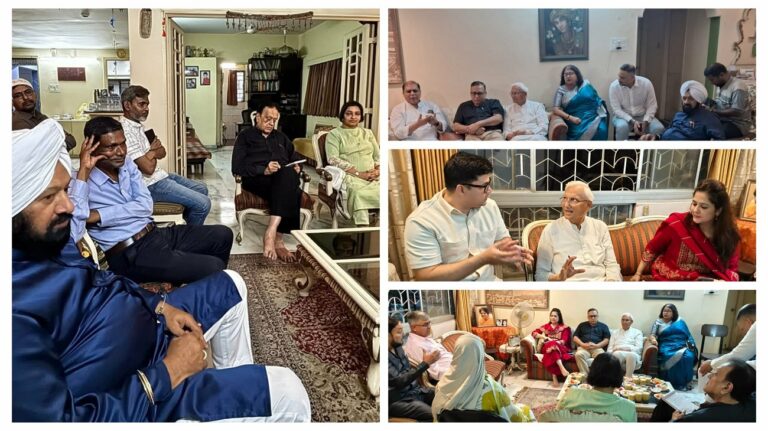
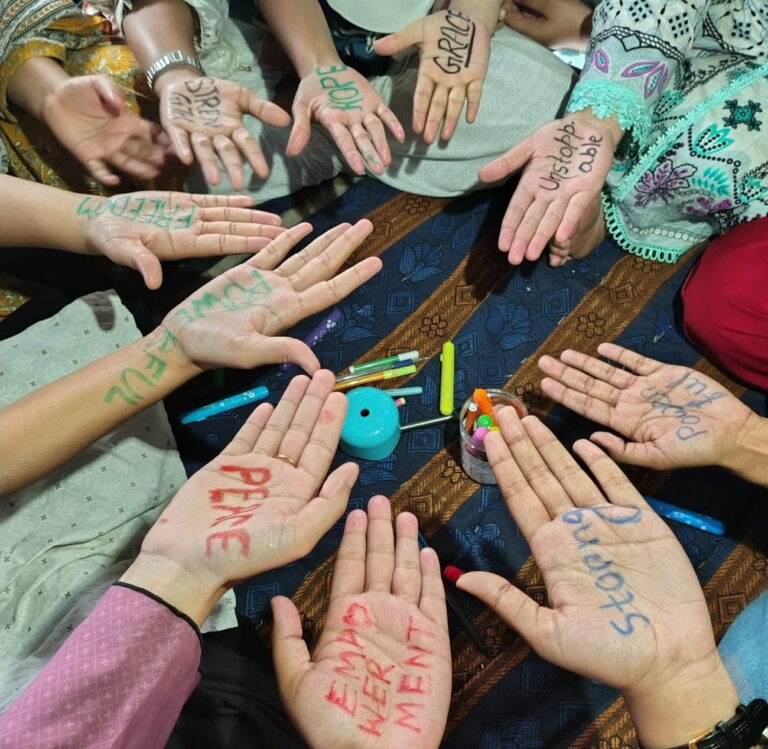
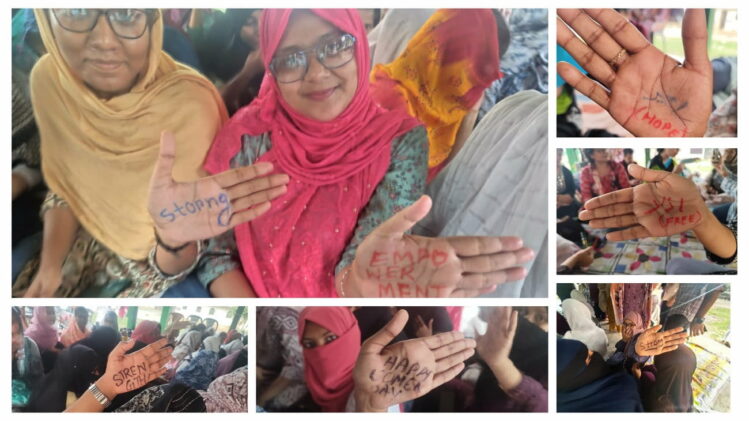
sr foundation kolkata NGO lockdown relief humanitarian work Punjab Flood socio-economic
A glimpse of SR Foundation work | eNewsroom

COVID Lockdown, Cyclones and SR Foundation’s Disaster Response

Natural disasters further tested the organisation’s resolve. During cyclones Amphan and Yash, SR Foundation volunteers worked in devastated neighbourhoods, distributing food, essentials and shelter materials. Over time, their work expanded well beyond Kolkata.

Speaking at the annual meet, Dr Sarfaraz Adil, another founding member, detailed the Foundation’s growing footprint. “Now, SR Foundation works in several parts of Kolkata and across Bengal as well. The Foundation has reached the Sundarban region multiple times—conducting medical camps, providing cyclone relief, and assisting in the repair of mosques damaged by storms and floods,” he said.

SR Foundation’s humanitarian work has also crossed state boundaries. During the devastating floods in Punjab, the organisation collected Rs 5.30 lakhs for flood victims. Seven members of the Foundation personally travelled to Punjab to hand over the entire amount to the affected Sikh community.

Importantly, all travel and logistical expenses were borne by the members themselves, ensuring that the entire donation reached flood survivors without any deductions. Not a single rupee of public donation was spent on travel or accommodation. The initiative was widely appreciated as an example of ethical, transparent and inter-community solidarity.

Beyond Relief: Legal Aid, Livelihoods and Community Work

Beyond disaster response, SR Foundation has steadily addressed long-standing structural inequalities. Through its legal aid initiatives, the organisation has helped innocent and poor prisoners secure release from jail. “At least 20 prisoners were helped secure release from jail. This also includes the acquittal of a 16-year-old from a juvenile court,” informed advocate Babul.

The Foundation has also provided financial assistance to underprivileged individuals to establish small shops and livelihood ventures. Medical support through health camps, inter-religious dialogues to promote communal harmony, and spiritual workshops aimed at strengthening community resilience have become integral to its work.

The Foundation today functions around ten core visions: creating a hunger-free society; providing quality education; ensuring health for all; supporting youth employment; offering financial assistance; delivering legal aid; conducting social awareness programmes; organising spiritual workshops; resettling vulnerable populations; and promoting inter-religious dialogue.

Mohammad Shahnawaz, founding member and treasurer, presented a detailed overview of the organisation’s work during 2024 and 2025. “In 2024, we conducted one or another programme almost every month. However, in 2025, because of our work on major issues—such as creating awareness about the boycott of Zionist products, which has continued for two years, as well as the UCC and the Waqf Amendment Act—we could not undertake many smaller programmes. Even so, we made important and necessary interventions in society and among community members,” he said.

SR Foundation’s Future Plans in Health, Housing and Youth Work

From its modest beginnings in a ghetto to its expanding vision for society at large, SR Foundation now looks to the future with clarity and ambition. “We will reach out to young boys and girls to clear misconceptions about community-related issues,” Dr Adil said. “We also aim to help arrange marriages of eligible boys and girls, making them simple, affordable and dowry-free.”

On healthcare, the Foundation also plans to work with Janata Charitable Hospital in Topsia to strengthen access to affordable medical services for local residents. Alongside this, the organisation is exploring plans to develop a residential complex on the outskirts of Kolkata to provide dignified and affordable living conditions.

For thousands affected by hunger, disaster and neglect, SR Foundation became proof that help could arrive without conditions.

From a modest collection of less than Rs 10,000 during a moment of fear to multi-state humanitarian interventions rooted in ethical practice, SR Foundation’s journey stands as a reminder that meaningful change often begins in the most marginalised spaces—and, when guided by conscience, can aspire to serve not just a neighbourhood or a state, but humanity itself.

बिहार में मोहम्मद अतहर हुसैन की मॉब लिंचिंग और नीतीश कुमार

बिहार के नालंदा में 50 वर्षीय कपड़ा विक्रेता मोहम्मद अतहर हुसैन की बर्बर तरीके से आठ हिंदू आतंकवादियों ने मॉब लिंचिंग कर दी गई, जिसमें दो नाबालिग भी थे। कई दिनों तक जिंदगी और मौत से जूझते हुए शुक्रवार की उनकी मौत हो गयी। गगन दीवान गांव के अतहर हुसैन अपना और अपने परिवार का पेट-पालने के लिए साइकिल से घूम-घूम कर कपड़ा बेचते थे। आठ लोगों ने सबसे पहले उन्हें बर्बर तरीके से राड से पीटा। उनका अंग-भंग किया।

साइकिल की दुकान पर पंचर बनवा रहे अतहर हुसैन से पहले उनका नाम पूछा गया। उसके बाद गरम राड से उनको पीटा गया। उनके कान काट दिए गए।

अतहर हुसैन किस कदर हिंदूवादी आतंकवाद के शिकार बनाए गए कि इसका अंदाजा इससे लगाया जा सकता है कि उनके पजामा खुलवा कर उनके अंग विशेष हिंदू आतंकवादियों ने चेक किया।

घायल अतहर हुसैन ने बताया कि कुछ लोग उनको राड से पीट रहे थे। कुछ उनके सीने पर चढ़ गए और गला दबाने लगे। उनके मुंह से खून निकलने लगा।

अतहर हुसैन के शरीर का कोई हिस्सा नहीं था, जहां चोट के निशान न हों। उनका हर अंग हिंदू आतंकवादियों का बर्बरता का शिकार बना।

मोहम्मद अतहर हुसैन का अपराध सिर्फ और सिर्फ यह था कि वे मुस्लिम थे। आज के भारत में मुस्लिम होना आपकी हत्या, लिंचिंग, जेल और अपमान के लिए काफी है।

6 आरोपी पकड़े गए हैं। इनकी जल्द से रिहाई हो जाएगी। जैसे पश्चिम बंगाल में भाजपा के नेता सुवेंदु अधिकारी ने मुस्लिम सब्जी ब्रिकेता की बर्बर पिटाई करने वाले को सम्मानित किया है, वैसे ही इन्हें सम्मानित किया जाएगा। फिर योगी आदित्यनाथ की सरकार की तरह इनके ऊपर लगी धाराएं वापस ले लिए जाएंगी, जैसे अखलाक की लिंचिंग करने वालों के मामले में अभी हाल में हुआ है।

जब 22 नवंबर को भाजपा के सम्राट चौधरी को गृह मंत्रालय दिया गया था, मुझे और बहुत सारे अन्य लोगों को यह समझ में आ गया था कि निम्न चीजें होंगी- (22 नवंबर की टिप्पणी) नीचे है-

भाजपा को बिहार के गृह मंत्रालय पर बहुत दिनों से निगाह लगाए थी। मुसलमानों को निशाना बनाने, जरूरत पड़ने पर दंगे कराने, हिंदू त्योहारों के नाम पर आरएसएस के अनुषांगिक संगठनों बजरंग दल, विश्व हिंदू परिषद, राम सेना, धीरेन्द्र शास्त्री आदि के उपद्रव को खुली छूट देने, मुसलमानों को डराने, गौ रक्षा के नाम पर मुसलमानों की लिंचिंग करने, जेल भेजने, तथाकथित गौ रक्षक के उपद्रव को खुली छूट देने, मुस्लिम त्योहारों पर तरह-तरह के रोक लगाने, पुलिस और पुलिसिया तंत्र का मनचाहा इस्तेमाल, मुसलमानों-यादवों को अपराधी ठहराने, एनकाउंटर करने के लिए भाजपा को गृह मंत्रालय चाहिए था। मिल गया।

नीतीश कुमार जैसे भी हों यह सब उपद्रव काफी हद तक रोके हुए थे। अजय सिंह बिष्ट उर्फ़ योगी मॉडल बिहार में आज़माने के लिए भाजपा को गृह मंत्रालय जरूरी था। ताकि बिहार के बचे-खुचे बहुजन-दलित और वामपंथी जमीन को हिंदू-मुस्लिम ध्रुवीकरण करके तोड़ा जा सके। भाजपा की पूर्ण बहुमत की अपर कास्ट हिंदू वर्चस्व की सरकार बनाई जा सके, जहाँ नीतीश कुमार जैसा कोई कांटा भी न रहे।)

ऐसी भयावह संभावनाएं जब हकीकत बनती हैं, तो आप इनके आगे बढ़ने की दुखद और मारकर संभावनाओं से और व्यथित हो जाते हैं।

৬ ডিসেম্বর, আবেগ আর হিকমাহ: মুর্শিদাবাদের নতুন মসজিদকে ঘিরে বড় প্রশ্ন

0

৬ ডিসেম্বর এমন একটি দিন যা প্রতিটি মুসলিমের হৃদয়ে গভীরভাবে খোদাই হয়ে আছে, বিশেষ করে ভারতের মুসলমানদের হৃদয়ে।

১৯৯২ সালে বাবরি মসজিদের ভাঙন শুধু একটি স্থাপনার পতন ছিল না; এটি এমন এক ক্ষত, যা প্রজন্মের পর প্রজন্ম বয়ে চলেছে। আজও সেই ব্যথা মুছে যায়নি — হয়তো কোনোদিনই যাবে না। কিছু ক্ষত থেকেই যায়, কারণ সেগুলো আমাদের স্মরণ করিয়ে দেয় আমরা কারা, কী হারিয়েছি, এবং কী রক্ষা করা আমাদের দায়িত্ব।

এই আবেগঘন প্রেক্ষাপটে নতুন একটি মসজিদের সংবাদ আশা এবং আত্মপর্যালোচনা—দুটোই আনে। মসজিদ তো আমাদের দ্বীনের অন্যতম বড় প্রতীক। আল্লাহ বলেন:

“আল্লাহর মসজিদ নির্মাণ করে তারা-ই, যারা আল্লাহ ও পরকালে বিশ্বাস করে…” (সূরা তওবা ৯:১৮)

আর রাসুল ﷺ বলেছেন:

“যে কেউ আল্লাহর জন্য একটি মসজিদ নির্মাণ করে, আল্লাহ তার জন্য জান্নাতে একটি ঘর নির্মাণ করেন।” (বুখারি ও মুসলিম)

এটি এমন একটি আমল, যার ফজিলত খুব অল্প আমলের সঙ্গেই তুলনীয়।

কিন্তু আমাদের আলেমরা সবসময় একটি বিষয় জোর দিয়ে বলেছেন—এই বিপুল সওয়াব শুধু ভবনের কারণে নয়; এর পেছনের নিয়তের কারণে।

একটি মসজিদ যদি তাকওয়া, হালাল অর্থ ও খাঁটি নিয়তে তৈরি হয়, তবে সেটি পৃথিবীতে নূর হয়ে দাঁড়ায়।
আর যদি তা প্রদর্শন, রাজনীতি বা বিভেদের উদ্দেশ্যে তৈরি হয়—তাহলে তার বাস্তবতা সম্পূর্ণ ভিন্ন হয়ে যায়।

মুর্শিদাবাদে নতুন মসজিদ

৬ ডিসেম্বর ২০২৫ সালে মুর্শিদাবাদে একটি নতুন মসজিদ প্রকল্পের ভিত্তিপ্রস্তর স্থাপন করা হয়। মানুষ ইট ও অর্থ নিয়ে আসে; আবেগ ও উত্তেজনা স্পষ্ট ছিল। বাবরি মসজিদের স্মৃতি স্বাভাবিকভাবেই এই অনুভূতিকে আরও গভীর করেছে।

ন্যায় ও সুবিচারের জন্য একটি কথা স্পষ্ট: নিয়ত কেবল আল্লাহই জানেন।

আমরা কারও—এমনকি কোনো রাজনীতিবিদেরও—হৃদয়ের ভিতর কী আছে তা দাবি করতে পারি না।
হতে পারে, এমএলএ-র নিয়ত সম্পূর্ণ আন্তরিক এবং ব্যক্তিগত বা রাজনৈতিক স্বার্থমুক্ত।

কিন্তু নিয়ত গোপন হলেও পরিস্থিতি প্রকাশ্য—আর পরিস্থিতির গুরুত্ব অনেক।

এবং আজকের বাংলার পরিস্থিতি সংবেদনশীল।

রাজনৈতিক উত্তেজনা আছে, সাম্প্রদায়িক উদ্বেগ রয়েছে, এবং নির্বাচন ঘনিয়ে এসেছে। এই পরিবেশে—even a well-intended step—অর্থাৎ ভালো নিয়তের কাজও—অপ্রত্যাশিত প্রতিক্রিয়া তৈরি করতে পারে, কখনও কখনও ক্ষতিকর ফলও দিতে পারে।

মসজিদের প্রস্তাবিত নাম, ঘোষণার সময়, জনসমাবেশ—সবই চিন্তাভাবনার দাবি রাখে।
আবেগ এক জিনিস, কিন্তু হিকমাহ (বিকল্পহীন প্রজ্ঞা) অপরিহার্য।

যখন এমএলএ বাবরি মসজিদ তৈরির ঘোষণা দেওয়ার কারণে দল থেকে বরখাস্ত হলেন, তিনি সঙ্গে সঙ্গে নতুন রাজনৈতিক দল গঠনের ঘোষণা দিলেন।
এটা কী ইঙ্গিত করে?

ইতিহাস আমাদের শিক্ষা দেয়

যখনই মুসলমানরা প্রজ্ঞা, ঐক্য এবং আন্তরিকতার সাথে কাজ করেছে, আল্লাহ তাদের সম্মান ও শক্তি দিয়েছেন।
আর যখন আবেগ চিন্তাকে ছাড়িয়ে গেছে বা নিয়ত বিশুদ্ধ ছিল না—ফল হয়েছে কষ্টকর।

এগুলো দোষারোপের জন্য নয়; ভবিষ্যতের জন্য শিক্ষা।

কুরআন মসজিদে দিরারের মাধ্যমে আমাদের সতর্ক করে, যেখানে একটি “মসজিদ” নামের স্থাপনা আল্লাহর কাছে নিন্দিত হয়েছিল—কারণ সেটি তৈরি হয়েছিল ক্ষতি, বিভেদ এবং ফিতনার উদ্দেশ্যে।
আল্লাহ সেখানে বলেছেন:

“আপনি কখনোই সেখানে দাঁড়াবেন না (সালাতের জন্য)।” (সূরা তওবা ৯:১০৮)

এর মানে এই নয় যে প্রতিটি নতুন মসজিদ এই কাহিনীর মতো।
বরং এটি একটি চিরন্তন নীতি শেখায়:

একটি মসজিদের মূল্য তার গম্বুজ বা দেয়ালে নয়; বরং তার উদ্দেশ্যের বিশুদ্ধতায়।

এ নীতি সর্বত্র, সব সময় প্রযোজ্য।

একটি আন্তরিক আহ্বান

যদি এই নতুন মসজিদ তৈরি হয়, এবং যদি মানুষ তা সত্যিই চায়—তবে তা হোক তাকওয়ার উপর ভিত্তি করে, হালাল উপার্জনে, খাঁটি নিয়তে, এবং বিজ্ঞ নেতৃত্বে; যাতে তা রহমতের স্থান হয়।

একটি মসজিদের মহত্ত্ব ভিত্তিপ্রস্তরের আবেগে নয়—বরং যে তাকওয়া সেটিকে টিকিয়ে রাখে, তাতে।

আমরা মুসলমানদের হৃদয় সংবেদনশীল—বিশেষ করে ৬ ডিসেম্বরের মতো দিনে।
কিন্তু ঠিক এই দিনগুলোতেই প্রজ্ঞা সবচেয়ে বেশি দরকার।

কোনো মসজিদ প্রতিক্রিয়া হিসেবে, প্রতীকি অস্ত্র হিসেবে, রাজনৈতিক হাতিয়ার হিসেবে, বা প্রতিশোধের বার্তা হিসেবে তৈরি হওয়া উচিত নয়।
মসজিদ শুধু আল্লাহর জন্য—এবং আল্লাহর জন্যই।

চলো আমরা এগোই সতর্কতার সঙ্গে, দুআ নিয়ে, পরামর্শ নিয়ে, এবং গভীর দায়িত্ববোধ নিয়ে।
কারণ অতীতের ক্ষত আমাদের ভবিষ্যতে ভুলের দিকে ঠেলে দেওয়া উচিত নয়।

আল্লাহ আমাদের সম্প্রদায়কে হিদায়াহ দিন, আমাদের নিয়ত শুদ্ধ করুন, এবং তাঁর নামে নির্মিত প্রতিটি মসজিদকে সুরক্ষিত রাখুন

আামীন।


এটি ইংরেজিতে প্রকাশিত একটি মতামতের অনুবাদ

The Cost of Piety: Murshidabad’s Quran Recital and the Question of Intention

0

There are moments in our community when the heart feels both hope and unease at the same time. The proposed one-lakh–person Quran recitation in Murshidabad, announced by a suspended MLA, is one such moment.

Although an innovation, it is stirring: thousands gathering to recite Allah’s Book together, voices rising in unison with divine words. Any Muslim’s heart would soften at that sight. What more could a believer ask for?

Yet, surrounding this spiritual promise is a political shadow. The programme comes soon after the foundation ceremony of a new Babri masjid in Murshidabad, and soon before the next phase of that project. It arrives at a time when Bengal is emotionally and politically fragile.

And it is led by a politician whose past continues to make parts of the community uncomfortable. The one who, to further his own political ambitions, had previously joined the very party that was responsible for the demolition of the original Babri Masjid,.

A Question of Trust

This unease is not born out of prejudice. It is born out of experience. For years, many Muslims have viewed his public positions with caution. His shifting political loyalties, his recent suspension, and his tendency to appear prominently during high-visibility moments have created a natural sense of doubt.

This does not render the current initiative invalid. But it does mean that the community’s concerns are grounded in lived reality, and not merely suspicion.

Still, this does not mean the gathering is wrong. But it does make the moment heavier, more layered, and more deserving of deep reflection.

Niyyat: The Heart of Every Act

In Islam, acts of worship are judged by something invisible: intention.

“Actions are judged only by intentions, and every person will have only what they intended.” (Bukhari & Muslim)

A Quran recital of one lakh people may look grand on earth, but in the heavens, it will be weighed by sincerity, not size. A feast for thousands may impress the public, but it will not impress Allah unless it begins from a place of purity.

The Qur’an itself warns us against confusing religious appearance with religious purpose. In the story of Masjid Dhirar, Allah says:

“Never stand (to pray) there. A mosque founded on righteousness from the first day is more worthy of your standing.”
(Qur’an 9:108)

The lesson is timeless: an act may appear noble, yet lose its soul if the inward intention is tied to worldly aims.

The Prophet ﷺ cautioned us strongly:

“Whoever does a good deed to show off, Allah will expose his intentions on the Day of Judgement.”
(SahihBukhari)

For an event of this magnitude, organised by a leader whose political history contains troubling chapters, these warnings naturally rise to the surface. This does not define his intention. Only Allah knows the hearts. But it does make the question of niyyat unavoidable.

In the end…

The community today is sensitive, wounded, and anxious. Every gathering, every statement, every symbol carries weight. The last thing Muslims need is for the Qur’an — our book of guidance — to become entangled in reaction, rivalry, or political theatrics.

If this massive recital is truly for Allah, may it bring blessings beyond measure.

But if it becomes a show of numbers, a tool of mobilisation, or an attempt to counter another gathering recently held at the Brigade ground in Kolkata, then we must pause, breathe, and ask ourselves:

Is this what the Qur’an asked from us?

If a lakh people gather with sincerity, the angels will descend.
If a lakh gather for spectacle, only cameras will.

There is nothing wrong with large gatherings.
What matters is what is sought through them.

May Allah guide our intentions, protect our community, and make every recitation of His Book a light on this earth, not a headline in a political season.

Aameen.

New Masjid in Murshidabad: Qur’anic Caution for a Community Still Healing from Babri

December 6 is a day that lives deep in the hearts of every Muslim, particularly in India.
The demolition of Babri Masjid in 1992 was not only the fall of a structure, but a wound that generations continue to carry. Even today, the pain has not faded, and perhaps it never will. Some wounds remain because they remind us of who we are, what we lost, and what we must protect.

Against this emotional backdrop, news of a new masjid brings both hope and reflection. A masjid, after all, is one of the greatest symbols of our deen. Allah says:

“The mosques of Allah are only to be maintained by those who believe in Allah and the Last Day…”(Qur’an 9:18)

And the Prophet ﷺ said:

“Whoever builds a mosque for Allah, Allah will build for him a house in Jannah.”(Bukhari& Muslim)

This is a blessing few deeds can match.

However, one thing that our scholars have always emphasized about this great blessing is that the reward is not for the building alone, it is for the sincerity behind it.

A mosque built with taqwa, halal means, and pure intention becomes a light on the earth.

A mosque built for display, politics, or division becomes something else entirely.

A New Masjid in Murshidabad

On December 6, 2025, a foundation was laid for a new masjid project in Murshidabad. People brought bricks and funds, expressing emotion and excitement. The echoes of Babri Masjid have naturally heightened these feelings.

It is important to be just and fair: only Allah knows anyone’s intention.

We cannot claim to know what lies in the heart of any person, even a politician. It may very well be that the MLA’s niyyah is sincere and free from personal or political motives.

However, while intentions are hidden, circumstances are visible, and circumstances matter.

And the circumstances of Bengal today are delicate.

There is political tension, communal anxiety, and elections approaching. In such an environment, even a well-intended step can produce reactions far bigger than expected, sometimes even harmful.

The name proposed for the masjid, the timing, and the public mobilisation all deserve thoughtful reflection. Emotion is one thing, but wisdom is essential.

When the MLA was suspended from the party for his announcement of constructing the Babri Masjid, he immediately announced that he would form a new political party. What does this point to?

Our History Teaches Us

Whenever Muslims acted with wisdom, unity, and sincerity, Allah granted them dignity and strength. Whenever emotion overtook reflection, or when the intentions were not pure, the consequences were painful. These lessons are not for blaming the past, but for guiding our future.

The Qur’an warns us through the story of Masjid Dhirar (Zarar), where a structure outwardly called a “masjid” was condemned by Allah because it was built with the intention to harm and create discord amongst the believers. Allah condemned it and said:

“Never stand (to pray) there.”(Qur’an 9:108)

This does not mean that every new masjid resembles that story.Rather, it teaches a universal principle:

A masjid’s value lies not in its structure, but in the sincerity and purity of its purpose.
This principle applies everywhere and at all times.

A Sincere Appeal

If this new masjid is to be built, and if the people desire it, let it be built with taqwa, with halal funds, with clear intention, and with wise leadership, so that it becomes a place of mercy. A masjid’s greatness does not lie in the emotions at its foundation but in the piety that sustains it.

As Muslims, our hearts are tender and easily stirred, especially on a day like December 6. But this is exactly when we must hold tightly to wisdom.

No masjid should be a reaction, a political symbol, a tool for mobilisation, or a statement of vengeance.A masjid is only for Allah, and for Allah alone.Let us proceed with care, with du’a, with consultation, and with a deep sense of responsibility. Because the wounds of the past must not push us into mistakes in the future.

May Allah guide our community, purify our intentions, and protect every masjid built in His name.

Aameen.

Delhi Teen Saahil Shot at Close Range by CISF Constable: A Brutal Reminder of India’s Unchecked Uniformed Power

0

On 29 November 2025, fourteen-year-old Saahil, exhausted after an eleven-hour shift at a Delhi grocery store, paused near a wedding procession in Mansarovar Park. According to The Indian Express, he, like other children, was collecting currency notes thrown by guests, a harmless and opportunistic teenage gesture. The scene turned lethal when off-duty CISF (Central Industrial Security Force) head constable Madan Gopal Tiwari, reportedly drunk, grabbed Saahil, slapped him, and then shot him at close range when the boy dared to question the assault. Times of India confirmed the officer’s immediate attempt to flee and the recovery of the suspected murder weapon. In that single, brutal moment, the vast distance between a child’s innocent act and the State’s lethal violence catastrophically collapsed, forcing us to confront not merely the crime, but the structural permissiveness that made it possible.

Power Without Scrutiny: Homicide by Impunity

Public discourse often attempts to explain such atrocities as sudden rage or alcohol-fueled accidents, but that framing is a dangerous distortion. As Scroll.in noted, while the officer was reportedly intoxicated and had known anger management issues, these factors alone do not result in homicide; the killing of a child in this manner is the consequence of a systemic lethal combination: a weapon in unregulated hands, an institutional culture of tolerance for lapses, the psychological buffer of uniformed power carried without accountability, and a victim with zero social capital, a poor, working-class child. In India, the uniform grants authority, and the weapon grants lethal confidence. When both are divorced from constant scrutiny, accountability becomes a diluted myth. This murder is not a sudden eruption; it is the raw expression of unregulated power.

From Community Celebration to State Negligence

The accused constable was on leave, attending a family wedding, as Moneycontrol reported. Yet, he carried a loaded service weapon into a private, emotionally charged civilian gathering. India’s lack of a firm, enforced policy prohibiting the off-duty carriage of service firearms is not a benign oversight; it is a loophole that permits State-issued ammunition to enter civilian life casually, even carelessly. The presence of that service weapon in the wedding lane reflected not State duty, but State negligence. More troublingly, the lack of anyone questioning its presence reflects a deep-seated social conditioning, an acceptance of power symbols even in wholly inappropriate contexts. This normalization of armed authority is deadly.

Saahil’s Life: A Struggle Against Structural Neglect

The violence against Saahil did not begin with the bullet; it was preceded by structural deprivation. The Indian Express revealed that the fourteen-year-old had left school after his father’s paralysis to become his family’s primary breadwinner, earning a meager ₹6,000 a month. A Republic that vows to protect children must ask how a minor becomes his family’s sole support. Poverty, often relegated to a backdrop, is central here: it determined Saahil was on the road instead of safely at home, that he worked instead of studied, that his family had no safety net, and tragically, that his life could be taken with the expectation of silence. Child labour is a political indictment. A State that fails to secure the childhoods it promises ultimately fails to protect those children from the bullets of its own agents.

The Bullet Followed the Path of Inequality

Violence in a class-stratified society rarely travels randomly; it follows predictable fault lines, moving from the powerful to the powerless. The immense social distance between the armed, trained officer and the working-class child with no institutional backing was the trajectory the bullet followed. When police initially suggested, according to Hindustan Times, that Saahil was an “uninvited trespasser” who initiated a scuffle, the framing itself exposed a dangerous societal interpretation of class: a child collecting stray notes is viewed through a lens of suspicion and criminality, not empathy. Saahil was not a threat; he was a symbol of a social order where protection is granted to some children and punishment to others. Class determined not only how he lived, but how he died.

The Promise Broken: Confronting the Indian State

A Republic is a promise of protection. When a child is killed by an agent of the State, that promise is brutally shattered, as Saahil’s killing exposes a confluence of systemic failures: a failure of supervision for allowing an armed officer into a civilian space; a failure of discipline in the relaxed enforcement of alcohol restrictions for weapons personnel; a failure of welfare that forced a child into the workforce; and a failure of policing culture where anger, authority, and weaponry formed an unholy blend. The result was predictable, and the consequences are irreversible.

Justice: Beyond Punitive, Towards Transformative Change

Punishing the guilty officer is non-negotiable, but it is woefully insufficient. True justice for Saahil demands transformative systemic change, starting with a complete, non-negotiable ban on the off-duty carriage of state firearms into all private and civilian events. This must be coupled with rigorous enforcement of alcohol restrictions and mandatory periodic psychological evaluations for all armed personnel, the establishment of a robust, independent oversight body to investigate all killings involving state actors, welfare reform providing stronger disability and social security benefits for families like Saahil’s, and aggressive, rigorous enforcement of child labour laws in urban and rural spaces. These are not ambitious aspirations; they are the bare minimum required to validate the Republic’s moral claim to democracy.

The Child Behind the Tragedy

Siasat.com revealed the humble aspirations of the child who was lost: Saahil simply wanted to repair his family’s damaged home, support his ailing father, and ensure his siblings could continue their studies. His life, simple and defined by duty, was violently snatched by the very authority that should have protected him. If a child can be shot dead in a public celebration for picking up currency, if a State weapon can be used with such casual brutality, and if poor children remain the easiest targets, the nation must be deeply troubled. Saahil’s killing is not a crime that ends with a chargesheet; it is a question that must trouble the conscience of the nation. India can only honour him by refusing to normalise this violence. The country must commit to a future where guns do not enter weddings, children do not enter the workforce, and uniforms do not become shields for impunity. Until then, this tragedy is not an exception. It is a warning.

How the Babri Masjid Demolition Became a Turning Point in India’s Constitutional Decline

0

Thirty-three years after the demolition of the Babri Masjid, the event occupies a troubled and unresolved position in India’s constitutional imagination. The structure was brought down on 6 December 1992 by kar sevaks mobilised by organisations associated with the Ram Janmabhoomi movement, an act the Liberhan Ayodhya Commission of Inquiry (2009) described as neither spontaneous nor unplanned.

While judicial bodies later acknowledged that the 1949 occupation of the mosque and its 1992 demolition were profoundly unlawful, neither accountability nor restoration followed. The long legal journey, spanning the 2010 Allahabad High Court verdict, the 2019 Supreme Court decision (M Siddiq v. Mahant Suresh Das), the 2020 Special CBI Court verdict, and the archival record compiled by A G Noorani, reveals not a dispute resolved but a moment in which constitutional principle consistently yielded to political mobilisation.

The Supreme Court’s 2019 judgment further entrenched this contradiction. While recognising the illegality of the 1949 idol placement and the 1992 demolition, the Court awarded the disputed land for the construction of the Ram Mandir, which now stands on the site. The Court simultaneously directed the allotment of five acres to the Sunni Waqf Board, where the Mohammed Bin Abdullah Mosque is planned in Dhannipur, Ayodhya. These developments underline the core dilemma: even where illegality is judicially affirmed, the remedy offered does not reinstate what was unlawfully taken.

The Foundations of Assertion

Much of the mobilisation relied on the assertion that a grand temple marking Rama’s birthplace once stood at the exact location of the mosque. Yet, this claim has been rigorously challenged by leading historians. Romila Thapar, in Ayodhya: The Case Against the Temple, demonstrated that the belief in a geographically precise birthplace is a relatively modern devotional development rather than a historical certainty. RS Sharma, in Communal History and Rama’s Ayodhya, found no conclusive evidence of a deliberate temple demolition. Noorani’s archival compilation reinforces this ambiguity. Together, these works show that the historical foundation of the Ayodhya narrative grew not from verifiable evidence but from sustained political and ideological assertion.

Understanding the demolition requires examining the political mobilisation that preceded it. The Liberhan Commission documented years of planned rallies, coordinated speeches, organisational preparation, and the deliberate weakening of security arrangements, creating an environment in which the state failed to act. As scholars like Christophe Jaffrelot and Thomas Blom Hansen have shown, the Ram Janmabhoomi campaign developed into a national political project aimed at consolidating a majoritarian identity through public spectacle. The demolition was not a spontaneous eruption, but the culmination of a movement that had already moved away from legal contestation toward political theatre.

The demolition also triggered widespread communal violence across India, particularly in Uttar Pradesh, Maharashtra, Gujarat, and Delhi. Human rights reports documented that hundreds of people were killed, the majority of them Muslims. The Bombay riots of December 1992 and January 1993, extensively examined in the Srikrishna Commission Report (1998), emerged directly from the national shockwave of the demolition. This violence reflects not merely public disorder but the state’s tragic inability to safeguard citizens’ lives in the wake of a politically orchestrated act.

The Failure of Judicial Accountability

The judicial record reflects a tension between constitutional recognition and constitutional remedy. The Supreme Court acknowledged illegality yet did not reverse its consequences, resulting in the fundamental contradiction of recognising wrongful dispossession without offering restoration. While the judgment achieved legal closure, it left unresolved the deeper moral and constitutional implications, departing from the traditional principle that remedies should aim to restore the status quo ante.

This sense of incompleteness is deepened by the absence of accountability. Despite the evidence assembled by the Liberhan Commission, the Special CBI Court in 2020 acquitted all 32 accused by describing the demolition as spontaneous. This conclusion stands in direct contradiction to institutional fact-finding and decades of contemporaneous reporting. It highlights the chronic difficulty of prosecuting mass political mobilisation under the evidentiary constraints of criminal law. The outcome was stark: No individual or organisation was held responsible for an act repeatedly recognised as unlawful by the state.

Even archaeology has been frequently misinterpreted.

The Archaeological Survey of India’s 2003 excavation report identified earlier structural remains at the site. However, the Supreme Court itself clarified that the ASI did not conclude that the mosque had been built after the demolition of a temple. Distinguishing structural continuity from deliberate destruction is complex, and the report’s findings do not support the definitive political claims often made in its name.

The Unsettled Question of Equal Citizenship

The demolition and its legal aftermath profoundly shaped how Indian Muslims understand their place within the constitutional framework. Scholars such as Asghar Ali Engineer and Rajeev Bhargava have documented how the events of 1992 created a deep sense of vulnerability and exclusion, particularly given the state’s failure to protect a legally recognised place of worship. Reports noted that the demolition was widely experienced as a moment in which minority religious heritage was left unprotected in the face of majoritarian mobilisation.

These concerns intensified after the 2019 Supreme Court judgment. The community’s unlawful dispossession was acknowledged but not remedied, and the alternative land allocation did not address the core constitutional issue. Scholars have observed that Muslim responses were shaped not by the question of land, but by concerns over the uneven application of constitutional protections. The experience of being recognised as wronged yet not restored, and of witnessing an illegal act shape the final outcome, created a perception that equality before the law did not hold uniformly. These are not mere emotions; they are a civic response to a sequence of institutional failures that reshaped understandings of dignity, belonging, and constitutional protection.

A Memory That Will Endure

The Babri dispute remains unresolved because institutional responses did not satisfy the basic requirements of constitutional justice. The state did not prevent the unlawful acts. Judicial recognition of illegality did not result in restoration. The criminal justice process produced no accountability. Public narratives continued to merge myth, devotion, and history without the rigour of evidence.

In this context, the chain of events surrounding Babri unsettled long-standing principles of equal protection, secular governance, and the rule of law, leaving the constitutional fabric more fragile than before.

A meaningful resolution requires acknowledging institutional failures, reforming legal mechanisms, strengthening protections for minority religious heritage, and fostering historical education grounded in scholarship. Without these measures, the belief that the demolition was politically rewarded and legally normalised will persist. This belief matters because it influences whether citizens understand the Constitution as a functioning guarantee of equal protection or merely as a symbolic promise.

In the end, Babri Masjid will not disappear from the nation’s memory. It will stand as a reminder of the constitutional promises that were strained, the institutions that faltered, and the citizens who waited for justice that never fully arrived. Its place in public history endures because it marks a moment when the ideals of equality, protection, and fairness were tested in full view of the republic. Babri is, in this sense, a quiet memorial to the work that remains unfinished.