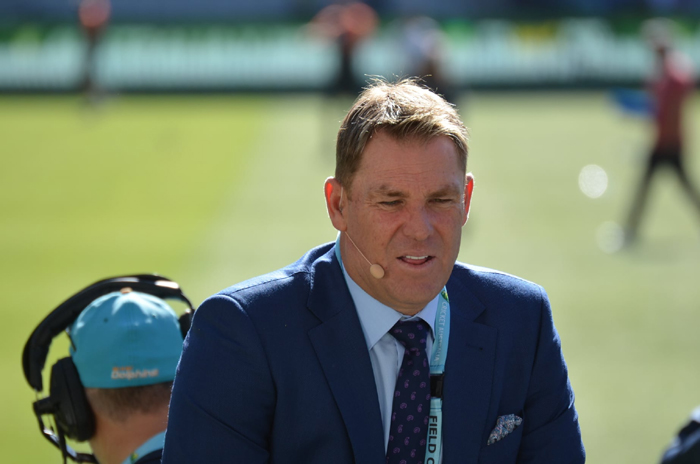
There is no certainty in life other than death and no age too old to die. On the tragic Friday of March 4, the cricketing world’s beloved ‘King’ Shane Warne passed away due to a suspected cardiac arrest, sending shock and sadness through not just his wide fanbase but the entire sporting fraternity. ‘Warney’ as he was affectionately called, lived larger than life and on his terms and he left the world much the same way at the young age of 52.
An all-time great, Warne was a once-in-a-century-type cricketer whose feats and records will live on forever. But he was a wild child and not many know that even before his international debut in 1992, Shane Warne had already become controversial as he was released from the Australian Cricket Academy in 1990 for disciplinary reasons. However, the wild child in him never got in the way of his cricketing genius. Despite his unorthodox actions and lifestyle, even an outline of Warne’s exploits reflects his on-field excellence.
Beyond his showmanship and charisma, the chubby genius from Victoria in Australia was an incredibly skillful leg-spinner. His leg-spinning wizardry helped him announce himself on the global scene with a delivery dubbed as the ‘Ball of the Century’. Anyone who follows cricket can hardly forget the way Warne bamboozled Mike Gatting at Old Trafford back in the early 1990s with an unplayable delivery that pitched well outside the leg stump but ended up shattering the off-stump!!
Undoubtedly, Warne was a leg spinner par excellence. We’ve seen Anil Kumble, Abdul Qadir, Sivaramakrishna and a host of others in recent decades but none spun the ball as much and with as much guile as Warne. His repertoire included everything from a googly, a top spinner, a ripper, a slow drifter and several others of mesmerising quality. But what set him apart was his ability to think the batsman out. Playing upon the weaknesses of batsmen, Warne could serve something out of the ordinary all the time, making countless batsmen commit hara-kiri and fall into his trap.
Across his career, which started in 1992 and lasted for 15 years, Warne played 145 tests and took 708 wickets. This puts him second on the all-time list of wicket-takers, below only Sri Lankan Muralitharan and ensures that he will always be one of cricket’s most iconic figures. In limited-overs cricket, Warne played a critical role in Australia’s triumph in the ICC Cricket World Cup in 1999, where he won the ‘man of the match in both the semi-final and the final.
While being controversy’s favorite child, which even led to a drug ban just before the ODI World Cup in 2003, Warne’s mental strength and exquisite leg-breaks enabled him to stage a brilliant comeback in 2004 after a 12-month hiatus. Then came his splendid Ashes series in 2005 – the remarkable year that saw him create the world record of 96 Test wickets in a single year that still stands unsurpassed. Warne would ultimately end up taking 198 wickets against England and has more Ashes wickets than anyone else.
Besides his exploits on the field, Warne was known for his deep understanding of the game and his tactical brilliance. Not surprisingly, he is widely regarded as ‘the best captain Australia never had’ for the way he just willed himself and the team around him to win games from hopeless situations.
After his retirement, Warne famously led the Rajasthan Royals side to the IPL title in the inaugural edition of the tournament in 2008. The Aussie leader was instrumental in taking the underdogs Rajasthan Royals to victory over tournament favourites Chennai Super Kings, led by Mahendra Singh Dhoni. In addition to his tactical excellence, Warne mentored several young cricketers during the time he played for the team and became a crowd favourite in Jaipur.
Fittingly, hours after Warne’s death, Ravindra Jadeja hit a brilliant test century in Mohali – almost as a special tribute to the Aussie Superstar who spotted his talent during his stint with the Royals side! Not surprisingly, even Rajasthan Royals paid a heartfelt tribute to their ‘first Royal’ Shane Warne’ and called him a leader who “turned underdogs into champions. A mentor who turned everything he touched into gold.”
Beyond being the world’s greatest wrist spinner and an outstanding leader of men, Warne became one of cricket’s most witty and astute observers after he retired and commentated around the world. A popular figure in the commentary box, he created a loyal audience with Sky Sports in England and Fox Sports back home over the past decade. As one of the sharpest cricketing brains, Warne was known for his predictions as a commentator and even his co-commentators would ask him to predict the outcome of particular deliveries – and more often than not, he would come up with spot-on predictions, a testimony to Warney’s incisive reading of the game at all times.
As the cricketing world mourns his demise, his memories and feats will remain an epic and endearing chapter of cricket history. Warne’s sudden departure is a cruel blow for experts and millions of fans as he still had a lot to contribute as one of the finest thinkers of the game!
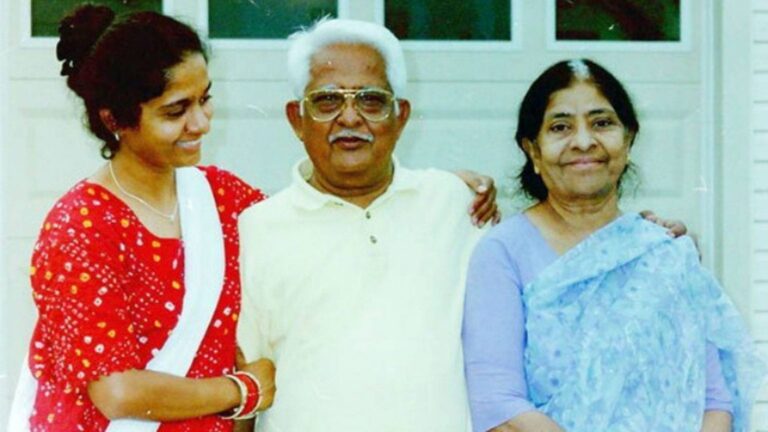
اب سے ٹھیک بیس برس قبل احسان جعفری کا قتل کر دیا گیا تھا۔ یہ گجرات فسادات کی پہلی لہر تھی جس نے صوبے کے کئی شہروں کو تباہ کیا تھا۔ ان میں احسان جعفری کا شہر احمد آباد بھی شامل تھا۔جعفری نے ملک کی آزادی کی لڑائی بھی لڑی تھی۔ مزدور تحریک سے بھی منسلک رہے تھے، اور ادبی حیثیت کے بھی حامل تھے۔ ان کی پیدائش برہانپور میں ہوئی تھی، اور 1935 میں جب صرف چھ برس کی عمر تھی، وہ احمدآباد آ گئے تھے۔ ابھی آر سی ہائی اسکول کے طالب علم ہی تھے کہ ایک اردو رسالہ شائع کیا اور 1940 کی دہائی میں آزادی کی لڑائی میں شامل ہو گئے تھے۔ مزدور تحریک کے راہ نما کی حیثیت سے 1949 میں جیل میں بند کر دئے گئے تھے، کیوں کہ انہوں نے انقلاب کا نعرہ دیا تھا۔ رہا ہونے کے بعد وہ پروگریسیو ایڈیٹرس یونین کے جنرل سکریٹری منتخب یا مقرر ہو گئے، قانون کی ڈگری بھی حاصل کی اور احمدآباد کی عدالت میں وکالت کرنے لگے۔ سنہ 1969ء کے فسادات میں ان کا مکان نذر آتش کر دیا گیا اور ان کی فیملی ریلیف کیمپ میں منتقل ہو گئی۔ تقریباً اپنے پرانے مکان کے مقام پر ہی نیا مکان بنایا۔ یہ احمدآباد شہر کا صنعتی علاقہ تھا، اور بوہرا ہاؤسنگ ایسوسی ایشن، گلبرگ سوسائٹی بھی قائم کیا۔
جعفری کیلئے 1969 ایک اہم سال تھا۔ فرقہ وارانہ تشدد کے تریاق کے لئے وہ سیکولر سیاست میں سرگرم ہو گئے۔ انہوں نے اندرا کی کانگریس میں شمولیت اختیار کی اور 1972ء میں احمدآباد کانگریس کے صدر مقرر ہوئے۔ سنہ 1977ء میں وہ احمدآباد لوک سبھا حلقے کے ایم پی منتخب ہوئے۔ اندرا کی کانگریس تب خاصی غیر مقبول پارٹی تھی، گجرات کی 26 نشستوں میں صرف 10 پر کانگریس کامیاب ہوئی تھی۔ ان سے قبل اور ان کے بعد کوئی مسلمان اس صوبے سے ایم۔ پی۔ منتخب نہ ہو سکا۔ جعفری بھی دوبارہ کبھی کوئی الیکشن نہیں لڑے۔ شعروادب اور عوامی سرگرمیوں سے منسلک رہے۔
فروری 2002ء میں انہوں نے راجکوٹ اسمبلی کے ضمنی انتخاب میں نریندر مودی کی مخالفت کی۔ انتخابی مہم کی ایک عوامی تقریر میں انہوں نے لوگوں سے اپیل کی کہ آ ر ایس ایس کے نریندر مودی کو ووٹ نا دیں۔ چند ہفتے بعد ان کا قتل کر دیا گیا۔
گلبرگ سوسائٹی پر جو حملہ ہوا تھا وہ پولیس کے جارحانہ رویے کی مثال ہے۔ سیٹیزن ٹریبونل کی رپورٹ نے یہ اجاگر کیا کہ گودھرا کے بعد ہونے والے حملوں کی سیریز میں گلبرگ سوسائٹی پہلا نشانہ تھی۔ پھر اس نے ایک پیٹرن کا روپ لے لیا۔ یہاں یقینی طور سے احسان جعفری ہی اہم نشانہ تھے۔ اس علاقے میں بے بسوں کے لئے ان کا کمپاؤنڈ ہی محفوظ ترین جگہ سمجھا جا سکتا تھا۔ آخر کار وہ سابق ایم پی جو تھے اور 1985 کے فسادات میں اعلی حکام نے انہیں تحفظ عطا کیا تھا۔ لہذا تناؤ بڑھنے پر آس پاس کے مسلمان ان کے کمپاؤنڈ ہی میں پناہ گزیں ہو گئے۔ ساڑھے سات بجے صبح وہاں لگ بھگ 200 لوگ پناہ لینے آ چکے تھے۔ ساڑھے دس بجے صبح وہاں پولس کمشنر پی۔ سی ۔ پانڈے آئے اور جعفری کو یہ بھروسہ دلایا کہ پولس ان کی حفاظت کرے گی۔ پولس کمشنر کے جانے کے پانچ منٹوں کے اندر ہی ظہیر بیکری اور ایک آٹو رکشہ جلا دیا گیا۔
گلبرگ سوسائٹی پر حملہ شروع ہو گیا۔ چشم دیدوں کے مطابق احسان جعفری اور ان کے ساتھ اخیر تک رہنے والی پارسی عورت لگاتار بیقراری کے ساتھ پولس سے گھنٹوں تک ٹیلیفون پر رابطہ کرتے رہے کہ خون کی پیاسی جنونی بھیڑ (لوگوں کی) حملہ آور تھی، لیکن جعفری کے گھر کے پاس کھڑی تین پولس گاڑیاں وہیں رہ کر بھی خاموش تماش بین بنی رہیں ۔ نو گھنٹوں بعد آر اے ایف والوں نے مداخلت کی۔ تب تک بہت دیر ہو چکی تھی۔ گلبرگ سوسائٹی کے 69 لوگ مارے جا چکے تھے۔ ان مقتولوں میں احسان جعفری، ان کے تین بھائی اور دو بھتیجے بھی شامل تھے۔ بوہرا کمیونیٹی کے سربراہ سیدنا نے 2002 فسادات کے مظلوموں سے اپنی لاتعلقی اور دوری بنائے رکھی۔ احسان جعفری کے قتل کا ذکر تک کبھی نہیں کیا۔
بیس برسوں بعد ان کی موت کو یاد کیا جانا بہت اہم ہے۔ نہ صرف اس لئے کہ 2002 کے مظالم کی یادیں معدوم کی جا رہی ہیں اور تاریخ کے صفحات میں کھوتی جا رہی ہیں، بلکہ گجراتی سیاست کی جس روایت سے وہ ذاتی طور سے وابستہ تھے، اسے بھی فراموش کیا جا رہا ہے۔ جعفری کانگریس کے اس مخصوص مکتبہ فکر کا حصہ تھے جس کی داغ بیل اندو لال یاگنک نے 1920ء کی دہائی میں ڈالی تھی۔ جعفری اس روایت کے آخری امینوں میں سے تھے۔ یاگنک غریبوں سے ہمدردی رکھتے تھے۔ یہ ترغیب انہیں مہاتما گاندھی سے ملی تھی۔ لیکن یہ لوگ اب تنہا پڑ رہے تھے،کیونکہ گجرات کانگریس پر رفتہ رفتہ ہندو رجعت پسندوں کا غلبہ ہو نے لگا تھا۔ اس میں سردار پٹیل، کے ایم منشی، گلزاری لال نندا اور مرارجی ڈیسائی جیسے لوگ حاوی ہو رہے تھے۔ یاگنک تو 1920 کی دہائی میں ہی کانگریس سے الگ ہو گئے تھے۔ گاندھی جی بھی بے بس تھے اور انہیں روکنے کی کوشش تک نہیں کر سکے تھے۔ لیکن یاگنک اگلے پچاس برسوں تک گجرات میں روشن خیال سیاست کا مرکز بنے رہے۔ 1969ء کی کانگریس کی ٹوٹ کے بعد وہ اندرا کانگریس سے منسلک رہے، جب کہ ڈیسائی اور دیگر لوگ کانگریس (او )کے ساتھ رہے۔ 1957 سے 1971 تک کے الیکشنز میں احمد آباد حلقے سے یاگنک ہی منتخب ہوتے رہے۔ اسی سیٹ سے 1977ء میں جعفری منتخب ہوئے تھے۔جعفری گجرات کانگریس کے کوئی آخری ترقی پسند راہ نما نہیں تھے۔ جن لوگوں نے گجرات سیاست میں چھتریہ او بی سی، ہریجن، آدیباسی اور مسلمان کے بلاک بنائے تھے وہ لوگ اندولال یاگنک کے ہی معتقدین تھے۔ انہیں میں سے ایک مادھو سنگھ سولنکی 1980 کی دہائی میں گجرات کے وزیر اعلی بنے تھے۔سنہ 2022ء گجرات میں اسمبلی چناؤ کا سال بھی ہے۔ کیا کانگریس کا یہ مخصوص روشن خیال طبقہ اپنی واپسی درج کرا پائے گا؟ یہ دیکھنے والی بات ہوگی۔
As Europe plunges into a conventional war, the world is bracing for the First World War in Cyberspace. On 23 February 2022, as of 16:30 Kyiv time, the websites of the Ukrainian parliament, Ministry of Foreign Affairs, and Council of Ministers (including all individual ministerial sites), and the Security Service of Ukraine, were all unreachable. Within hours, ground troop movement started as Russia attacked Ukraine in a conventional war.
‘Cyberattacks preceding tanks, aircrafts, and boots on the ground’ has now become the model template for any global conflict. European Union and NATO countries are expecting a barrage of cyberattacks on their technology infrastructure, private and government organisations. The EU has announced that a cyber rapid-response team (CRRT) was being deployed across Europe, after a call for help from Ukraine.
DDoS Attacks By Russia
Attacks had already begun on 15 and 16 February 2022, when the Ukraine government and bank websites crashed under DDoS (Distributed Denial of Service) attacks. The DDoS attack is one of the most powerful weapons on the internet. When you hear about a website being “brought down by hackers,” it means that hackers have attempted to make a website or computer unavailable by flooding or crashing the website with too much traffic. Almost immediately, fingers were pointing to Russian spies. Anne Neuberger, the US deputy national security advisor for cyber and emerging technology, said, “technical information links the Russian Main Intelligence Directorate (GRU) with the DDoS attack that had overloaded and brought down the Ukrainian websites.”
Independent threat researcher Snorre Fagerland, working in cooperation with Bellingcat and The Insider, has identified a web service, apparently serving as a command-and-control centre, which has played a role in past cyber-attacks linked to Russian state interests.
Might Not Be Restricted To Cyberspace
Intelligence from all major governments warns that cyberattacks could trigger a bigger war and could morph into a broader war that draws in NATO nations – including the United States. In a 2021 communique, NATO affirmed the alliance would weigh whether to trigger its Article 5 mutual defence pact over a cyberattack “on a case-by-case basis.” It said the response “need not be restricted to the cyber domain.” The collective defence clause of NATO’s founding treaty – Article 5 of the Washington Treaty – is a provision that means an attack against one member is considered an attack against all of them. This is a fundamental part of NATO and why it says it is a defensive alliance.
Spill-Over Attacks
Military and cybersecurity analysts are fearful of a scenario in which Russia deploys cyber weapons inside Ukraine that take on a life of their own and spread to NATO member states. This has happened before – most notably in 2017 when Russia’s NotPetya malware was unleashed in Ukraine. It ended up causing billions of dollars in damage to companies worldwide.
Nation-states have been stockpiling malware tools precisely for responding to situations such as what the world is facing today. Experts argue that if you unleash not one, but five, or 10, or 50, or 1,000 of them in Ukraine – chances are, they won’t stay confined within Ukrainian geographic borders. These could spread from America to the UK throughout all of Europe! But the most likely spread could be to adjacent geographic territories such as Poland – just like the toxic spread of radioactive fallout in nuclear warfare. And it suddenly gets into a similar grey area regarding strategic ethics. What would the Polish people’s reaction be? What would NATO’s reaction be? What would America’s reaction be? Although the US troops are not getting physically shot at, a malicious cyberattack could well cause them immense harm.
Fears of cyberwarfare “spill-over” are entirely reasonable since many forms of malware are designed to multiply and overwhelm targets, and continue wreaking havoc. They rarely have “off” buttons by design – and they don’t recognize international boundaries. Pushed into a corner, the Russian president could well give carte blanche to his cyber warriors to press the nuclear button of the First World-Wide Cyber War!
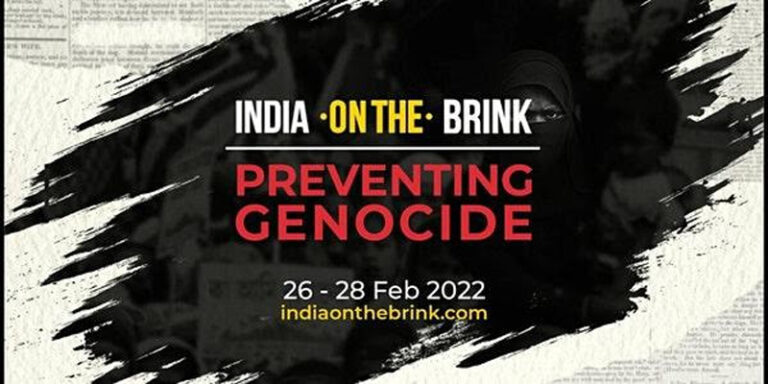
Washington, DC: The Indian Government has a duty under the Genocide Convention to immediately punish those who have called for a genocide of India’s Muslims at Haridwar city in December, the world’s foremost genocide expert, Dr Gregory Stanton, has said in a summit called, India On The Brink: Prevent Genocide.
“Genocide does not already have to be underway to be punishable,” Dr Stanton said delivering a plenary address at the end of a three-day global summit. “Incitement to commit genocide is covered under the Genocide Convention, Article 3. Incitement to commit genocide is exactly what was preached at the Haridwar congregation.”
Dr Stanton’s reference was to a Hindu religious gathering organized in December at the north Indian city of Haridwar where a speaker openly called for the killing of two million Muslims. The self-styled Hindu monk, Yati Narasinghanand, who organized that meeting, was bailed by a court within days of arrest. Pooja Pandey, a saffron-robed female monk who gave the call for genocide, is yet to be charged or arrested.
The Convention on the Prevention and Punishment of the Crime of Genocide – the Genocide Convention – was conceived in response to the last century’s Holocaust in which over six million Jews were killed. India has ratified the Convention and is therefore covered under it. Article 3 covers “direct and public incitement to commit genocide.”
Prime Minister Narendra Modi has maintained a silence on the calls for genocide. His government has rejected international calls to act against hate speeches. Narasinghanand and Pandey are well-known affiliates of the Rashtriya Swayamsevak Sangh (RSS), India’s 96-year-old Hindu supremacist movement that wants to convert India into a Hindu nation and strip Muslims and Christians of equal rights. Modi’s Bharatiya Janata Party (BJP) is an affiliate of the RSS. Modi himself is an RSS member.
While identifying “ethnocentrism” as the cause of genocide, Dr Stanton said nationalism was the “most deadly form of ethnocentrism. It is racism on steroids.” A genocide begins by portraying “as the real killers – that they will kill us if we don’t kill them first,” he said. This is “mirroring,” a “most accurate prediction of what the perpetrators intend to do themselves,” which is genocide, he added.
Dr Stanton is the founder-president of Genocide Watch, a US-based nonprofit that has issued an alert for the genocide of Muslims in India. Thirty years ago he had predicted the genocide in Rwanda.
He made his remarks bringing up the concluding day of the three-day summit, titled India On The Brink: Preventing Genocide, where over 50 panelists spoke on 17 different panels. Earlier also, acclaimed personalities like Noam Chomsky and Harsh Mander had warned about genocide like situation in India.
The founder of global Alliance Against Genocide mentioned that Genocide also involves dehumanizing a community. For example, India’s home minister Amit Shah had ‘called Muslims, termites.’ “It renders other people not human and killing them not murder. Dehumanization overcomes the normal human revulsion of committing murder. Exclusion becomes a religious doctrine ordained by God,” he said.
Dr Stanton blamed social media for making, “propaganda fast and deadly. Facebook and WhatsApp, which is owned by Facebook, are now the main platforms for incitement to genocide in India.”
To counter Hindu majoritarian nationalism, India “must re-center nationalism. It must take the religion out of India’s nationalism. It must be re-centered on the secular vision of India’s founders. This movement must be led by people in India that believe India must remain a secular democracy.”
Dr Stanton said the Indian diaspora can help the “movement for a secular Indian nationalism. We should organize a continuing movement to keep the defeat of Modi’s nationalism at the top of the policies around the world. We have therefore announced the launching of a campaign to counter Modi’s nationalism.”
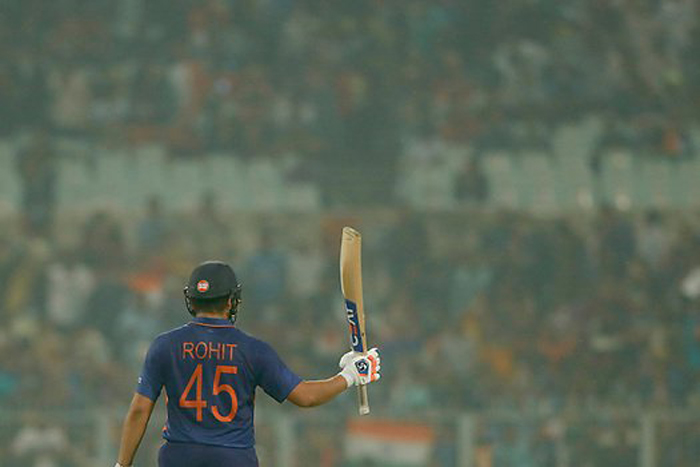
Mumbai: India’s white-ball winter campaign concluded strongly as Sri Lanka was trounced 3-0 in the T20 series that ended in Dharamsala. With this clean sweep, India has reached the top of record books for the most consecutive T20 victories which are now 12 and counting. The recent wins over West Indies and Sri Lanka have also laid a smooth platform for India to now confidently look at the bigger picture – the T20 World Cup in Australia in October later this year. In the process, Rohit Sharma ticked all the boxes as the new captain and has made a commanding transition into the leadership role.
Before the West Indies arrived on Indian shores in early February, the Men in Blue had been soundly beaten in South Africa under KL Rahul’s captaincy while Rohit Sharma was injured. It meant that Rohit had to hit the ground running with the added pressure of building a new team for not only the T20 World Cup later this year but also keeping an eye on the 2023 ODI World Cup scheduled in India. While the media focused on his equation with ex-captain Virat Kohli, Rohit went about his job as if he had always been at the helm. His shrewd tactics were always known in IPL but now were on full display as he led excellently all through the month ultimately keeping India’s losses to zero during their entire campaign against both Windies and Lanka.
Much of the credit should also be given to the new head coach Rahul Dravid. Both Rohit and Dravid backed Suryakumar Yadav and Shreyas Iyer to solve India’s long-standing middle-order conundrum. On their part, the talented duo stepped up and showed maturity to ensure victories from tricky situations. Surya was declared the Man of the Series in the T20s against West Indies and Shreyas won the Man of the Series against Sri Lanka in the same format.
But it wasn’t just the impressive batsmanship by them that became the talk of the town, it was the strike rate at which they played and kept the momentum steady throughout their stay on crease which made everyone sit up and take notice. This has been India’s Achilles Heel for the last few years- a fragile middle order and slow run-rate in the middle overs. With Surya and Shreyas succeeding in their roles, it has given a happy headache to the team management to pick their best eleven once Hardik Pandya and K L Rahul come back from their injuries.
The overall aggressive approach by Surya-Shreyas looked like a well-thought-out team plan. Previously India had been playing a rather traditional style of T20 game where the start was slow and steady and later the tempo was raised at the climax of the innings. This strategy has cost India many crucial games and was instrumental in their not winning any T20 World Cup since 2007. But after Rohit took over, it was a clear approach by all batsmen, including mainstays like Virat and Rohit himself, to bat aggressively right from the word go. The team may have lost quick wickets in the process but the strategy has paid dividends as the opposition has been taken by surprise. Moreover, the blessing in disguise in the entire situation has been the added responsibility and maturity that the middle order has shown. Earlier, the bulk of run-making was done by the top order and the middle order hardly got tested. The lack of preparation meant that in crucial games, the batting often capitulated, frustrating the loyal fans.
There is also the new dasher that India has found in the lower middle order in the form of Venkatesh Iyer. He has been a very important cog in the Indian juggernaut as he can bowl a few crucial overs too. Along with him, Prasidh Krishna with his pace was a welcome addition to the team. Although Krishna wasn’t selected for the Sri Lankan T20 matches, he was adjudged the Man of the Series in the ODIs against the Windies picking up 9 wickets.
Despite the massive positives in recent matches, there are still some chinks in the armor that need to be ironed out quickly. India’s catching has been abysmal, to say the least, with many dollies being dropped. India’s death bowling also remains a worry as many new bowlers fail to execute their plans. Even in the last T20 game against Sri Lanka, India had choked runs for most of the Lankan innings but the last 4 overs saw them leaking 56 runs – a similar story had unfolded in the previous game where 72 runs were looted in the final 4.
Such mistakes can cost India dearly playing against top sides like Australia and England. This is an area that is controllable among the many variables in the game and Rahul Dravid would be keen to ensure that such mishaps are rare rather than usual occurrences as Team India heads towards a World Cup that is critical to redeem its stature in the T20 format.
As Russia threatens the world with its nuclear weapons and proposes talks at the same time, western economic sanctions have come to bite. Its financial resources to fight the war are running out faster than anticipated. If the Ukrainians can hold on for a few more weeks, the Russian economy will be devastated.
It will be interesting to watch how its markets behave today.
Ruble Trouble
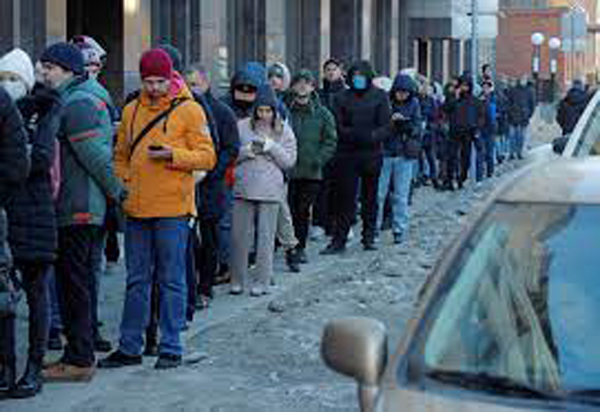
Meanwhile, its currency is dropping like a rock. Russian commercial bank Tinkoff was quoting an exchange rate on Sunday night of 164 Rubles to the Dollar for ruble sellers, and 92 for buyers — a massive spread that implies people’s savings in the Russian currency will effectively halve in value.
Google, Apple Pay Won’t Work
There are also warnings by Russian private banks that the digital payment apps Apple Pay and Google Pay no longer work, which means that people will be forced to rely on their local cards and, increasingly, on cash to meet their daily needs.
Meanwhile, retailers have reported a surge in sales of consumer electronics and durable goods as people rush to spend their savings before they are rendered worthless by inflation.
Decouple Their Economics
Russia will try to work with China to decouple their economies from the US Dollar, something the Chinese have long dreamt of. But that’s not going to be easy as China holds about US$3 trillion in US debt. Besides, the US is the largest buyer of Chinese products. Europe too buys Russian gas with dollars.
A Crypto Opportunity?
The situation could spur greater use of crypto currencies. Incidentally, Ukraine is among the world’s top three crypto mining countries in the world.
However, the biggest risk is what Putin will do when pushed into a corner with the economic sanctions. The chilling fact is that Russia enjoyed a massive advantage in low-yield nuclear weapons—the kind meant to be fired at short or intermediate range, as opposed to the huge, intercontinental missiles that raised fears of global nuclear annihilation during the Cold War. Last year, Brookings noted that Russia has some 1,900 such low-yield warheads, to the US’s 230; America’s arsenal is largely designed to be dropped from warplanes, whereas at least some of Russia’s can be mounted on shorter-range ballistic missiles۔
Kolkata: In December 2020 first major genocide call against Indian Muslims was given by right-wing Hindutva leaders and religious figures in Haridwar. While attacks on Muslims is not a new thing in India and country is witnessed it time to time especially after 2015, when Akhlaque Ahmed of Dadri was lynched in Uttar Pradesh, but after the call, now Muslims are being attacked almost every day at some or other part of the country.
On Friday also, a genocide call was given in Karnataka in response to the resistance shown by the Muslims on the anti-hijab row.
Amid all these, 20 Indian diaspora organizations around the world have planned to have three days– Global Conference: India on the Brink – Preventing Genocide, beginning from February 26, 2022.
A press communique has been issued by the organizers which stated, “The rapid escalation of human rights abuses against India’s religious minorities and marginalized communities has reached a breaking point. Prime Minister Narendra Modi’s anti-Muslim policies, the daily incidents of violence and hate speech against Muslims and minorities, and government apathy over open calls for genocide of Muslims have created a deeply repressive and dangerous situation for India’s 200 million Muslims.”
It further mentioned, “Experts from leading global human rights watchdogs such as Amnesty International USA, Genocide Watch and the US Holocaust Memorial Museum have said the government’s Hindutva driven agenda is pushing India further down the abyss of hate and violence and creating conditions where a genocide of Muslims and Christians has become a real possibility.”
India on the brink – Preventing Genocide
The press release pointed out why 20 organizations come together for the summit, “In this backdrop, Indian diaspora organizations around the world are partnering with globally acclaimed human rights organizations to host a three-day virtual summit titled ‘India on the brink – Preventing Genocide.’ The Summit, co-sponsored by a global coalition of over 20 organizations, is joined by leading international human rights lawyers, genocide prevention experts, faith leaders, activists, lawmakers and human right defenders from around the world.”
The goal of the summit, according to the organizers, is to bring awareness to the situation in India, to advance the discourse on the international community’s role in safeguarding lives, and to facilitate deeper conversations about a vision for India that builds on its longstanding tradition of pluralism and respect for diversity.
It also quoted Dr Gregory Stanton, who had predicted genocide earlier also and now saying the same for India, against Muslims, “The international community has a moral obligation to act now to prevent a cataclysmic turn of events in India, where millions of Muslims and other marginalized communities are already living in fear and experiencing the rapidly shrinking space for civil rights and religious freedom,” said Dr Stanton, President of Genocide Watch and a co-chair of the Summit.
The release included some more quotes, “The far-right political leadership in India has fueled the ongoing crisis with vitriol and the dehumanized representation of Indian Muslims,” said Dr Ritumbra Manuvie, Executive Director of Stichting The London Story, a Europe based human rights organization, and a co-chair of the Summit. “It will bring credible and authoritative voices from around the world to shine a light on India’s rapid descent into fascism,” added Dr Manuvie.
“This Summit is an urgent call to action to safeguard peace, pluralism and justice for all Indians,” said Rasheed Ahmed, Executive Director of the Indian American Muslim Council, and co-chair of the Summit. “We yearn for a better world where religion and spirituality are wellsprings of love, compassion and a shared ethic of the sanctity of life, and not of hate and mass violence,” added Ahmed.
“I wear a hijab (headscarf) and I’ve never felt scared or had a feeling of apprehension while going out thinking I’ll lose out on an opportunity because of one piece of cloth. I’ve given interviews, got a job, taught kids abroad, studied at a prestigious university all wearing a hijab. But the day I heard about the Hijab Ban in Karnataka, a part of my country, I had a sinking feeling and I cried for hours. If they can be deprived of education because of the hijab, the day is not so far that I’ll be deprived of opportunities too. I feel so unsafe. I am always anxious now when I go out thinking someone will stop me at the metro or someone will ask me to remove my hijab to frisk me or to enter a certain institution (this has never happened before). This does feel like social exclusion. I’m scared for my sisters, my friends, everyone who chooses to wear a Hijab,” says Nazia Khan, a student in Delhi.
Social exclusion is a process that involves denial of rights and opportunities which a section of the society enjoys, resulting in the inability of individuals from excluded groups to participate in the basic political, economic and social functioning of the society. This enforces inequality, human poverty and deprivation. History has witnessed several instances of social exclusion in terms of colour when blacks were discriminated against in major areas of their lives – unfortunately, it still prevails in some places. Social exclusion can impact different areas of an individual’s life. Caste, religion, gender, class, body image, colour of an individual, mental health, family dynamics are some crucial areas where social exclusion prevails.
Caste and class exclusion
Social exclusion can lead to an increased risk of mental health issues, due to stress arising from decreased opportunities, living circumstances and political environment. It leads to difficult coping mechanisms and impacts the self-esteem of an individual.
Dalits at a ceremony honouring survivors of caste-based atrocities. Dalits in Bihar have long faced massacres and gang-rapes | Courtesy: Alessio Mamo/Redux/eyevine
Social exclusion not only deprives the individual of their rights but also adds to issues about their mental well-being. “Being an Indian Muslim, a minority community which is at the receiving end of exclusion, we face systematic discrimination at different levels. Muslim-dominated areas lack basic amenities like government schools, colleges, hospitals and banks. It makes a huge impact on our lives. It reduces the opportunities for us to develop socially and economically. It made us believe we can’t enjoy all government facilities as the majority community does. We don’t have an equal stake in the national resources,” says Waquar Hasan, a Delhi-based Journalist.
“Social exclusion can do significant harm to a person’s mental health. I recently read the first-person account of a Dalit student pursuing a PhD, who had been routinely derided and insulted by the very institutions and people who were supposed to guide that student. This had a severely detrimental effect on the student’s psyche and made their task of pursuing higher education an uphill battle. It shouldn’t be that way. We need to not only be cognizant of socially deprived groups but take a step further and work proactively for creating inclusive environments that celebrate diversity and nurture equity,” says Bhaswati Ghosh, an author and translator.
Social exclusion and its impact on mental health
“The systematic denial of rights, benefits, facilities, opportunities and resources is seen often in a country like ours that is constantly evolving socio-economically. The power of the voice makes people question and fight for social integration and upholding the basic human dignity of choice. Recent examples of the “hijab order” or the lack of oxygen & life-saving medicines in certain states of India showed how the system collapses on itself as the borrowed identity of society structures influence stereotypes and prejudices. The way exclusion is carried forward, creates trauma and deep-rooted trauma bonds that we as therapists see a manifest increased risk of mental health difficulties, such as the result of stress or managing on a low income, living circumstances, local environment, discrimination and decreased opportunities for positive self-esteem. Most evidently seen in family and relationship therapy in my experience for the past 7 years. The social exclusion faced by one generation leaps into the mindset of the other and with a deeper understanding of family systems and emerging trauma bonds. I work with individuals and families to change the prejudices and stereotypes and facilitate a new sense of self-esteem in them throughout therapy,” says Aarti Ahuja, Holistic Psychologist and Founder of Tatava Connect.
Courtesy: cdc.gov
Disability exclusion
Social exclusion is closely related to the mental well-being of an individual. People with severe mental illness have a high risk of experiencing social exclusion from mainstream society. “In the case of children with disabilities, as a person managing school, I have witnessed many parents trying to get their kids admitted to schools which are not designed to handle such children. However, out of their insecurities, parents want their children to study with commonly-abled children. Neither the teachers are trained to handle such children nor the parents accept the reality (under the pressure of society) that the child requires specially trained teachers. So the first thing is that the parents should accept their child as the child is. They should feel proud of the child, with whatever abilities the child is born with. They should not feel shy or ashamed of sending their kid to those schools which are specially designed to handle such children and their needs. The infrastructure is also according to the child’s needs and requirements. These special schools can even help the child to overcome many of the disabilities and lead a better life. A child doesn’t know that it is differently-abled, neither does it feels insecure or inferior. It is through the parent’s behaviour, words, the expression that the child starts getting the feeling of being inferior. So the health infrastructure should be designed in such a way that at the time of birth only if the disability is identified then the parents should be made to undergo major mental health training. Such training should be mandatory. There should be a special department in Government or a ministry to transform the overall societal acceptance and importance of mental health,” says Amit Monga, Manager, Sunrise Public School.
Gender exclusion
Gender is inter-linked with social exclusion. Women are often socially excluded from mainstream opportunities. Due to the patriarchal nature of the society, women, in general, have felt excluded from various opportunities and the concept of double exclusion also takes place when caste is involved. If a woman belongs to a minority class then caste and gender both enforce social exclusion at some level. It is pertinent to understand the impact social exclusion has on the mental health of an individual.
“I believe social exclusion starts from our families and we are more prone to this as women. I have experienced this in my own life. Women tend to have an almost negligible say in family affairs. How does a woman assert herself in later years when she never got a chance at home. Social exclusion has a very deep impact on mental health, it makes one develop feelings of unwanted and uselessness. It puts one in a deep well where there seems no escape,” says Ramsa Jaan, an entrepreneur.
Courtesy: jbtc.com
“Social exclusion affects a person’s decisions and choices in both professional and personal life; where growth and development in those aspects may take a back seat and the need for acceptance and assimilation may loom large in all of our lives. I had my first tryst as an army kid moving from place to place every 2-3 years, changing schools, neighbourhoods, friends and everything familiar more frequently than anyone else. It was like drifting through faces that constantly changed. The exclusion that emerged out of that life was dulled by the close bonding in army circles but in the non-army population, no one wanted to befriend, take a stance for and invest in a person who would not be there after a year or two,” says Urmila Chanam, a menstrual health activist, journalist and social entrepreneur in women’s health and empowerment.
In terms of the sexuality of a person, social exclusion can leave a deep scar on the psyche of a person. “Social exclusion does not only damage the identity of a person, but it also damages the entire community. We see people discriminated against for the way they look and the way they make their living. I have been a victim of social exclusion myself and I know how traumatizing it can be because I felt it was my safe space, but it never was. When I opened up about my sexuality to my friends and family, I felt socially excluded from them,” says Aayush Sharma, who is a journalist by profession.
“Ostracism has paved its way in almost all the domains of the society & honestly, it could be best implied as escapism & shunning away from the responsibilities. Patients with severe mental illness or patients with intellectual disabilities, who are deprived of basic amenities & care by their family members are often seen wandering around in misery. Somewhere, there is a sheer lack of concern & negligence towards them however, nobody shies away from putting a label across without even assessing the reality & magnitude of the situation. Similarly, we have people from the LGBTQIA+ community who are ostracised based on their choices for life, otherwise known as human rights for any individual of this society but not for them. This is nothing short of an astonishing discernment.
A special case came to me of a patient who had been suffering from mental health problems after being neglected by her family for years together. Why it is special because she also was not satisfied with her assigned gender & wished otherwise. This specific situation added fuel to the fire among family members. They rather thought of this issue as a part of her mental illness and failed to acknowledge it. Let alone she was given an ultimatum to have been renounced of her family title. Here, there are two cumulative situations – one having suffered from serious mental illness & another about the choice of her gender. What could be worse than being ostracised at this point?” says Dr Ankita Priyadarshini, a mental health professional and Psychiatrist.
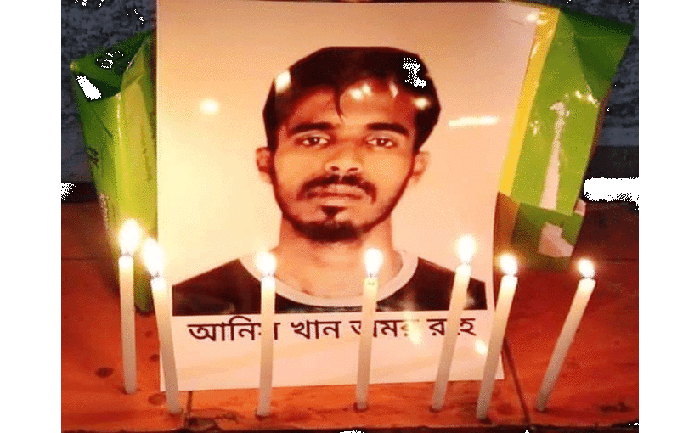
Kolkata: The two arrested policemen home guard Kashinath Bera and civic volunteer Pritam Bhattacharya over the Anish Khan death case on Thursday claimed that they visited Anis’s house as the OC (officer in-charge) of Amta police station had ordered them.
While being produced to Uluberia session court, the two policemen claimed that they were being ‘framed’.
“We have not gone to Anish’s place on our own. We have been instructed by the OC to visit there. We are being framed,” said one of the policemen.
Asked whether they had pushed Anish from the terrace to which the accused said that they didn’t know as they were not there.
The wife of home guard Kashinath Bera also alleged that her husband is being ‘framed’ as without instructions of top officials they cannot operate.
However, the Uluberia session court has given 14 days of Judicial Custody to the two arrested policemen and also permitted the Test Identification Parade as ordered by Calcutta High Court in presence of the District Judge.
Slamming the police, Anish Khan’s father Salim Khan said, “The police are claiming that there is a separate pipeline in my house and according to them while escaping from that pipeline, Anish fell down and died. Not just OC even officials higher than OC is also involved in my son’s murder case,” said Khan.
Anis’s elder brother Shabir Khan alleged that they don’t have any ‘faith’ in the police.
“Even if the two policemen are arrested, we don’t know whether they are actual culprits. Four came to our house and the remaining two are still not arrested,” said Shabir.
Meanwhile, Calcutta High Court orders for the second autopsy of Aliah University’s deceased student, Anis Khan.
Following a plea by the Special Investigation Team (SIT) formed by chief minister Mamata Banerjee to the Calcutta High Court, the court on Thursday ordered a second post-mortem, under the monitoring of the District Judge.
“Not just a second postmortem, but the court has also asked the family members to submit the mobile phone of Anish to SIT which will be sent to Hyderabad forensic department and also allowed Test Identification (TI) Parade,” said the High Court sources.
Notably, Anish’s father had time and again claimed that he can identify the policemen who had allegedly visited their house before his son was allegedly murdered as according to him none of the policemen were wearing masks.
However, Salim Khan was not happy with the decision of the court, to continue with the SIT inquiry.
“I will talk to my lawyer before taking any step. I am not happy with the verdict of the Calcutta High Court as we still demand a CBI probe and will do whatever is needed till a CBI probe is ordered,” said Khan.
Khan along with other villagers assembled in front of Amta police station on Thursday to meet the top police officials amidst protest from students of Aliah University and Congress’ Chhatra Parishad, who even tried to break the barricades done by the police to prevent the crowd.
Advocate Bikash Ranjan Bhattacharya said that the court has instructed to give a copy of the autopsy and the forensic report of Anish’s mobile to both, the court and SIT and after analysing it the court will further the proceedings after 15 days.
Meanwhile, at the time of reporting police officials visited the burial ground where Anish is cremated to install CCTV cameras and lights so that no ‘unscrupulous’ incident happens.
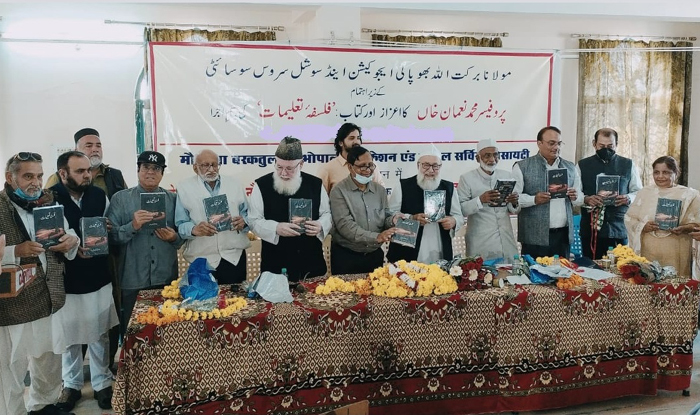
A book titled ‘Falsafa-e-Taalimaat’ (Philosophy of Education) in Urdu has hit the stands which deals with the state of affairs in the field of education at the school level and at other stages too through Urdu medium.
The book highlights the problems of education and its solutions, course corrections and revamping strategy of imparting education to the school students opting Urdu medium.
The book has been penned by educationist Dr Mohammad Nauman Khan of Bhopal. He retired as a Professor in the Department of Education in Languages in NCERT (National Council of Educational Research and Training), New Delhi. The 534-page book, which has two sections, is of documentary importance for Urdu students and teachers, both. It has been published by Educational Publishing House, New Delhi.
The first section of the book is a compilation of articles written by the author in his four decades of being keenly associated with various aspects of education. The articles are on not only about the education system in India but on global system too. While the second segment of the book discusses imaginings of eminent educationists of yore such as Sir Syed Ahmad Khan, Maulana Muhammad Hussain Azad, Ismail Merthi, Allama Shibli Naumani, Maulana Abul Kalaam Azad, Nawab Sultan Jahan Begum, Gandhiji, Rabindranath Tagore, Allama Iqbal, Dr Zakir Hussain, Swami Vivekananda, Maulana Abul Hasan Nadvi, Mulla Fakhruddin and Prof Haneef Naqvi.
Urdu language in India
The topics of the book includes articles on ancient and modern philosophy, teachings, modern trends, ideas and goals, teaching skills, strategies, educational issues, methods, ideological imaginings, expertise, procedure, planning, problems, perspectives and different teaching methods for the benefit of the new generation. The author has discussed at length in the book the position of Urdu language in India (past, present and future), educational services of Indian Muslims, the role of Urdu teachers in education and teaching, mother tongue teaching and trilingual formula, the importance of regional languages, the teaching of Urdu as mother tongue, secondary teaching Urdu as a language, teaching science subjects in Urdu, problems in the preparation of textbooks among others. in subjects where they have expressed their views objectively and analytically.
On the other hand, the distance education system, situation of Urdu language in religious madrasas, constitutive and inclusive education in teaching, gender equality, and psychological factors in education will bring these aspects to the fore.
Dr Nauman has not only commented and analyzed but has also criticized wherever necessary the subject matter and issues demanded. He did this while arguing threadbare with references. He had continuously kept himself abreast with the affairs and issues of education and the reforms required to rectify it to make it more effective so that it becomes more and more comprehensive and reachable to the lowest strata of society.
It is believed that in a vast country like India, many books in the name of literature get published every day, but these books are unable to meet the need for teaching Urdu. In such a situation, the book becomes a document for Urdu students as well as also for those who are involved in teaching Urdu which can never be forgotten.
Document
Dr Nauman has discussed the prevailing method of education in India in a comprehensive manner. In the light of the prevailing philosophies of education in the world, he has tried to take an overview of how the present method of teaching is prevalent in India is not only important but also the need of the hour.
Now, a few words about the author Dr Mohammad Nauman Khan’s literary journey since he came on the scene after completing his education with a doctorate after post-graduation in Urdu. He blossomed in the Urdu literary field after tutelage under the watchful eyes of his mentor eminent Urdu litterateur late Prof Abdul Qavi Desnavi during his college days as a student in Saifia College in Bhopal. He has to his credit about 50 books that have been published so far while nine are in the pipeline. He also has to his standing about 400 research papers and analytical articles, interviews, reviews, forewords. published in Indo-Pakistan literary magazines, newspapers and books.
Meanwhile, the book was released in a function organised by the Maulana Barkatullah Bhopali Education Society. The president of the society Haji Muhammad Haroon on the occasion said that it is a matter of great pride for us that a son from Bhopal has written a comprehensive book on the Philosophy of Education. Dr Nauman was also honoured by the society and a citation was presented to him on the occasion.