کلکتہ: اسمبلی انتخابات، ضمنی انتخابات اور حالیہ بلدیاتی انتخابات کے نتائج نے یہ دکھایا ہے کہ ترن مول کانگریس مغربی بنگال میں انتخابات کے حوالہ سے اپنے بہترین وقت میں ہے اور جب با لی گنج حلقہ کے ضمنی چناؤ کا اعلان ہوا تو یہ مان لیا گیا کہ ادھر کے ایک سال میں ہونے والے سابقہ انتخابات کی طرح یہاں بھی ترن مول کانگریس کو بہ آسانی جیت حاصل ہو جائے گی۔
لیکن جیسے ہی پارٹی کی سربراہ ممتا بنرجی نے ٹوئیٹ پر بالی گنج حلقہ سے، جہاں کسی امیدوار کو جتا نے میں اقلیتی ووٹ کا کردار اہم ہے، بابل سپریو کی امیدواری کا اعلان کیا، ایسا لگا کہ ترن مول کانگریس اور با لی ووڈ گائیک سے سیاست داں بننے والے بابل سپر یو کو پہلے کیڈ روں کے نہ بھی صحیح تو،اپنے اقلیتی حمایتوں کے دل جیتنے ہوں گے ۔
بابل سپریو ترن مول امیدوار کی حیثیت سے
بالی گنج حلقہ کلکتہ کے بہت نمایاں اسمبلی ٹکڑوں میں سے ایک ہے۔
نومبر 2021 میں چار میعاد وں کے قانون ساز،وزیر اور سابق میٹر سبرتو مکھرجی کے انتقال کے بعد یہ سیٹ خالی ہوئی ہے۔ترن مول کانگریس کے نمایاں لیڈر سبرتو مکھرجی کو وزیر اعلیٰ ممتا بنرجی کا قریبی سمجھا جاتا تھا ۔
یہاں اقلیتی ووٹر امیدواروں کی قسمت کا فیصلہ کرنے میں اہم رول نبھاتے ہیں اور جب اس سیٹ کیلئے سابق بی جے پی لیڈر کے نام کا اعلان ہوا تو،ترن مول کے حامیوں سمیت بہت سے لوگ ، بھونچکے رہ گئے کہ آخر اُنہیں پارٹی نے امیدوار کیوں بنایا جب کہ بابل سپر یو کے خلاف خود ترن مول حکومت نے 2018 میں آسنسول میں فساد بھڑکانے میں ملوث ہونے کے مبینہ الزام پر مقدمہ کیا تھا۔
آسنسول سے منتخب سابق ایم پی کو جب ترن مول کانگریس میں شامل کیا گیا تھا تب بھی سیکولر تشخص کے حامل بہت سے لوگوں نے ایک ایسے لیڈر کو پارٹی میں لینے پر تشویش ظاہر کی تھی جس نے نہ صرف اقلیتی عوام کے خلاف فرقہ وا را نہ بد کلامی کی، جادو پور یو نی ور سٹی کے طلبہ کو گالیاں دیں بلکہ پولس نے اُسے آسن سول فساد میں ملزم بھی نامزد کیا۔
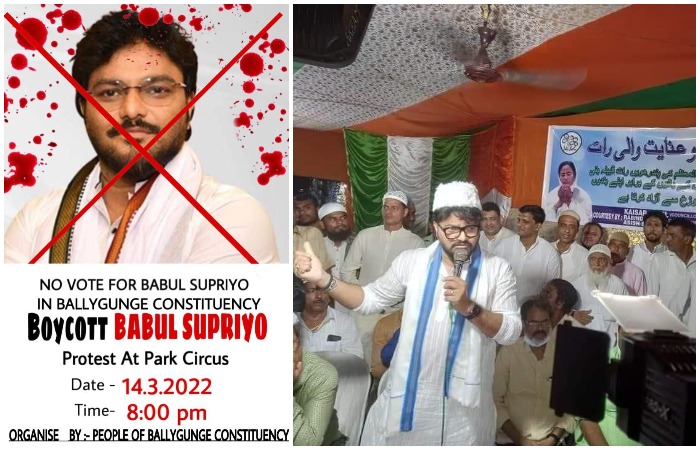
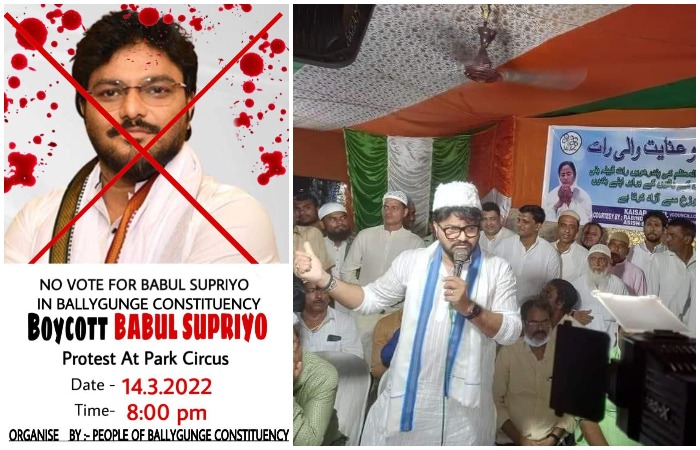
اب جب کہ بابل سپر یو کو امیدوار بنایا گیا ہے تو سماجی میل جول کے میڈیا میں اور سڑکوں پر بھی لوگ احتجاج کر رہے ہیں۔14 مارچ کو ” بابل سپر یو کو ووٹ نہیں” کے مطالبہ کے ساتھ پارک سرکس میں احتجاج ہوا ۔ تاہم اس احتجاج میں مٹھی بھر لوگوں نے حصہ لیا۔
ایک مظاہرہ کار تابش نے کہا” میں 2011 سے ٹی ایم سی کو ووٹ دیتا آ رہا ہوں لیکن اس بار کسی ایسے امیدوار کو ووٹ نہیں دینا چاہتا جس کا فساد میں مبینہ ہاتھ ہے۔ ہم لوگ ممتا بنرجی سے امیدوار بدلنے کی درخواست کرتے ہیں.”
بابل سپر یو کا نظریاتی تغیر
بابل سپر یو نے بالی گنج سے امیدوار بنائے جانے کے بعد اپنے پہلے بیان میں دعویٰ کیا کہ وہ بی جے پی چھوڑ چُکے ہیں کیونکہ وہ نفرت کی سیاست پر عمل پیرا ہے۔ قومی میڈیا میں اس بیان کی بڑے پیمانے پر خبر نگاری ہوئی کیونکہ یہ بیان ان کے بھگوا خیمہ میں رہنے کے دنوں کے بیانات سے بالکل مختلف تھا۔
انہوں نے شب _ برات کے موقع پر بالی گنج علاقہ میں انتخابی مہم چلائی اور سر پرسفید رام پوری ٹوپی بھی اوڑھی ۔ پولنگ کا دن جیسے جیسے نزدیک آئے گا مستقبل قریب میں ٹی ایم سی امیدوار سے مزید ایسے بیانات اور ایسی مہم بازی متوقع ہے۔
تاہم بابل سپر یو کی امیدوار ی کے خلاف بنگالی سوشل میڈیا میں بھی بے چینی ہے مگر ابھی تک کافی شدید نہیں اور یہ تو وقت ہی بتائے گا کہ ووٹ پر اس کا کتنا اثر پڑتا ہے.؟
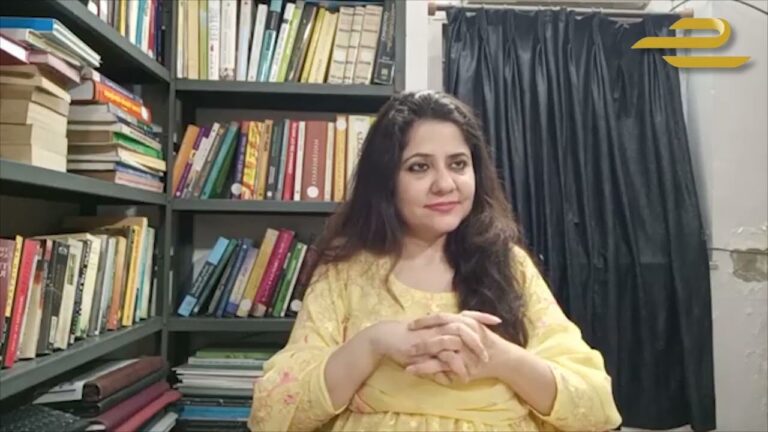
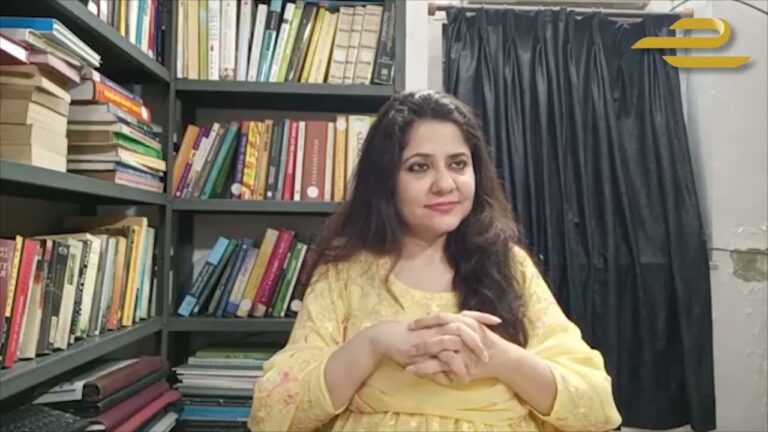
کولکتہ: سی پی ایم نے بالی گنج ضمنی انتخاب کے لیے ڈاکٹر فواد حلیم کی اہلیہ سائرہ شاہ حلیم کو میدان میں اتارا ہے۔ تجربہ کار اداکار ناصر الدین شاہ کی بھتیجی سائرہ شاہ ترنمول کانگریس کے بابل سپریو سے مقابلہ کریں گی۔
سائرہ کے سسر ہاشم عبدالحلیم بنگال اسمبلی کے سب سے زیادہ عرصے تک رہنے والے اسپیکر تھے۔
ای نیوز روم انڈیا سے بات کرتے ہوئے سائرہ نے تمام کمیونٹیز کے لیے کام کرنے پر زور دیا۔ اور یہ کہ لوگ جانتے ہیں کہ سپریو نہ صرف فساد کا ملزم ہے بلکہ ایک ٹرن کوٹ بھی ہے۔ سائرہ نے نشاندہی کی اور کہا کہ “لوگ ایک صاف ستھری شبیہ والا لیڈر چاہتے ہیں، جس کے دل میں کسی کمیونٹی کے خلاف کوئی بغض نہ ہو،” سائرہ نے اشارہ کیا اور مزید کہا کہ وہ ایک تکثیری معاشرے کے لیے کام کریں گی کیونکہ وہ فرقہ پرستی سے نفرت کرتی ہیں۔ سائرہ کا یہ بھی ماننا ہے کہ جب گزشتہ سال اسمبلی انتخابات ہوئے تھے تو حالات مختلف ہیں، اس وقت لوگوں نے بی جے پی کو روکنے کے لیے ٹی ایم سی کو ووٹ دیا تھا، لیکن اب ایسی کوئی ضرورت نہیں ہے، اور لوگ اس بات کو سمجھتے ہیں۔
انہوں نے یہ بھی بتایا کہ بالی ووڈ کے لیجنڈ ناصر الدین ان کے لیے مہم چلا سکتے ہیں۔
بالی گنج ضمنی انتخاب شہر کا چرچا بن گیا ہے کیونکہ ٹی ایم سی نے سپریو کو چن لیا، جو خود ٹی ایم سی حکومت کے ذریعہ فسادات کے ملزم ہیں۔
سماجی کارکن سے سیاست دان سے بات کی کہ انہوں نے سیاسی فیصلہ کیوں لیا، ان کے منصوبے اور وہ بالی ووڈ گلوکارہ اور سابق وزیر کا مقابلہ کیسے کریں گی۔ ای نیوز روم پر خصوصی انٹرویو دیکھیں۔
Kolkata: CPM has fielded Saira Shah Halim, wife of Dr Fuad Halim for the Ballygunge bypoll. The niece of veteran actor Nasiruddin Shah, Saira Shah will be contesting against Trinamool Congress’ Babul Supriyo.
Saira’s father-in-law Hashim Abdul Halim was the longest-serving speaker of the Bengal assembly.
While talking to eNewsroom India, Saira stressed working for all communities. And that people are aware Supriyo is not only riot accused and but also a turncoat. “People want a leader with a clean image, who has no malice at heart against any community,” Saira pointed out and added that she will work for a pluralistic society as she hates communalism. Saira also believes that the situation is different when the assembly polls had taken place last year, at that time people voted for TMC to stop BJP, but now there is no such need, and people understand this.
She also mentioned that Bollywood legend Nasiruddin can campaign for her.
The Ballygunge bypoll has become the talk of the town as TMC picked Supriyo, who is riot accused by the TMC government itself.
Social activist turned politician talked on why she took the political plunge, her plans and how she will take on Bollywood singer and former minister. Watch the exclusive interview on eNewsroom.
Kolkata: The 2021 assembly polls results, bypolls and recent municipal elections results have shown that Trinamool Congress is having its best time electorally in West Bengal. And when the Ballygunge bypoll was announced, it was being presumed that like earlier elections that took place within a year, ruling TMC will be having a cakewalk.
But, as soon as party chief Mamata Banerjee tweeted about the candidature of Babul Supriyo from the Ballygunge constituency, where minority votes play an important role in deciding the winners, it seems, TMC and the Bollywood-singer-turned politician will first have to win over its minority supporters, if not cadres.
Babul Supriyo as TMC candidate
Ballygunge constituency is one of the most prominent assembly segments in Kolkata. It got vacated after Subrata Mukherjee, a four-time legislator, minister and former mayor’s sudden death in November 2021. The TMC stalwart was considered very close to chief minister Mamata Banerjee.
Here minority voters play a major role in deciding the fate of the candidates. And when the name of a former BJP leader was announced for the seat, it surprised many, including TMC supporters. As to why the party fielded a candidate, who was slapped with an anti-riot case by the TMC government itself, for having the alleged role of instigating riots in Asansol in 2018.
When the former Asansol MP was inducted into TMC, then also many people with secular credentials had expressed concern for taking such a leader who has not only uttered many communal slurs against minority people, abused Jadhavpur students but had also been named an accused in Asansol riots by the police.
And now after he was nominated the candidate, protests are being registered on social media and streets as well. A protest took place at Park Circus with the demand of No vote to Babul Supriyo on March 14. However, it had a handful of people present during the protest.
A protester Tabish said, “I have been voting TMC since 2011, but this time, I do not want to vote for a person who has an alleged role in riots. We request Mamata Banerjee to change the candidate.”
Babul Supriyo’s ideological shift
In his first statement after being declared a candidate from Ballygunge, Babul Supriyo claimed that he left Bharatiya Janata Party, as it practices politics of hatred. The statement has been widely reported by national media as it was completely different from what he had been giving while he was associated with the saffron camp.
He campaigned during Shab-e-Barat in the Ballygunge area and also wore a skull cap.
More such statements and campaigning are expected in the near future by the TMC candidate as the date for the poll will inch closer.
However, there is resentment on Bengali social media against Babul Supriyo’s candidature. But so far it is not strong enough, and whether it will translate into votes, only time will tell.
A chocolate ad on TV has become extremely popular among viewers and is grabbing eyeballs. It shows one of the male cricket fans in the stadium rooting for the Indian women’s team and leaping for joy the moment a cricketer scores the winning run by thwacking the last ball for a six. Another google ad shows a woman reporter deciding to do a story on the captain of the Indian women’s cricket team Mithali Raj while the reporter’s somewhat incredulous male colleague looks at her with eyebrows raised questioningly.
Last year, the sensational and jaw-dropping catch in the boundary by Harleen Deol against England in a one-day match instantly went viral on social media and, overnight, she emerged as a cricket star in her own right.
Even a decade ago, the very idea of promoting a product by highlighting the heroics of a woman cricketer hardly made good business sense to advertisers. Smriti Mandhana, the flamboyant and aggressive Indian opener has now become a role model for aspiring women cricketers along with Jhulan Goswami, popularly known as ‘Chakda Express’, Mithali Raj and Harmanpreet Kaur. Smriti, whose stock continues to rise like Mithali, has been signed up as a brand ambassador for GUVI (an online platform to learn computer programming)and a fantasy sports gaming platform.
Courtesy: Twitter/BCCIWomen
Let’s not forget that Mithali Raj has now become the leading run-getter in women’s international cricket. These cricketers have a huge fan following on Instagram and Twitter. Kaur’s unbeaten innings of 171 against Australia in the last Women’s World Cup in 2017 undoubtedly remains one of the breathtaking displays of one-day batting by any player in the history of women’s cricket.
In the last few years, things have changed a lot as the Indian women’s cricket team has pulled off convincing wins overseas in important one-day and T20 matches. India has already won the Twenty20 Asia Cup six times. Mithali (39), who started playing test cricket since 2002, has turned the one-day team into a fighting unit ready to take on the likes of West Indies, South Africa, New Zealand, Australia and England.
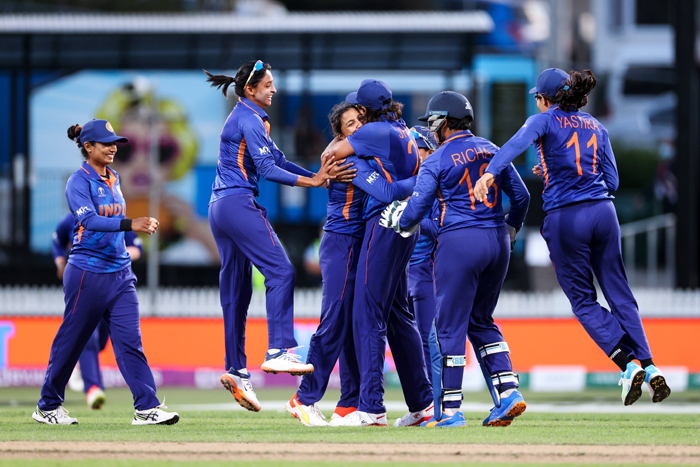
This month, India began their ICC Women’s Cricket World Cup campaign on a promising note with a convincing victory, first, against Pakistan in the first match, and then against the mighty West Indies. These two victories have warmed the cockles of cricket lovers’ hearts across India and sent expectations about India’s prospects soaring. The fans are now fervently hoping the team wins its remaining matches convincingly and book its berth for the finals. Smriti Mandhana’s gritty 123 and Harmanpreet’s defiant 109 against the West Indies proved that India can be a strong contender for the cup this time around.
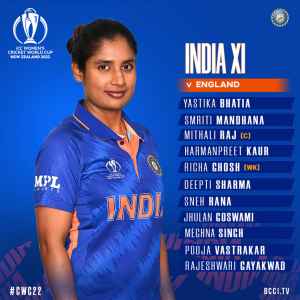
The current women’s cricket team is bristling with young fast and spin bowlers who can make short work of their opponents as they did against the mighty West Indies team in their third match. Meghna Singh, Pooja Vastrakar, Deepti Sharma, Sneh Rana and Rajeshwari Gayakwad, to name just a few, have a bright future ahead of them.
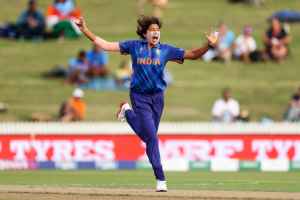
At 39, the tall and lanky Jhulan Goswami, who is also not only the leading wicket-taker in women’s ODI history, having taken 248 wickets in 197 games, but also the highest wicket-taker (40) in Women’s World Cup history, remains as energetic and fleet-footed as ever and continues to bowl at 120 kmph. Her swings and yorkers continue to give nightmares to batters. She is playing in her fifth world cup.
Jhulan Goswami after her landmark of completing 250 wickets in ODIs cricket Courtesy: Twitter/BCCIWomen
However, we need more such young and talented women cricketers in our team like in men’s cricket. There is a tendency among many Indian parents in remote areas to discourage their daughters from playing cricket as they treat it as a male preserve. This mindset needs to change. The nineteen-year-old Indian opener Shafali Verma from Haryana had to disguise herself as a boy to play cricket in her hometown. She continued to hang tough and it was her passion and enthusiasm for the game that made her earn her place in the women’s cricket team.
Now, her parents feel proud of having encouraged her to realize her talent and innate potential. Today she promotes an automobile brand. Another promising young Indian left-arm spinner, Radha Yadav, the daughter of a vegetable seller, started playing cricket with boys at a very young age and worked hard to reach where she is.
There are still new talents waiting to be tapped in remote corners of the country. All these budding young women cricketers need are proper motivation, guidance and encouragement. Only then can we have more of the likes of Smriti, Harmanpreet and Jhulan in the team in the coming years.
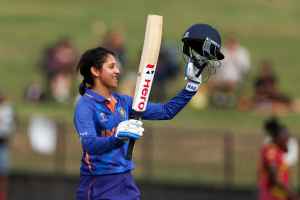
Smirti Mandhana after completing her century against West Indies Courtesy: Twitter/BCCIWomen
Like men’s IPL, BCCI should seriously think of introducing women’s IPL so that women from remote areas, with oodles of talent, and waiting to hit the ground running, can make good in the near future. They need proper exposure and opportunities to prove their expertise and make a strong case for selection in the Indian team. After all, cricket has become financially viable as a career choice. There is also no denying the fact that women cricketers continue to get a raw deal when it comes to inequalities in pay.
In their book titled An Equal Hue: The Way Forward for the Women in Blue by Snehal Pradhan, Karunya Keshav and Sidhanta Patnaik, the stark difference between the men’s and women’s contracts has been highlighted. The women cricketer’s match fee is still a fraction of what the men get. These are some of the key issues that need to be taken up on a priority basis by the BCCI.
Recently, former Indian cricketer, Anjum Chopra broached the idea of women’s IPL but whose time, it seems, has not come due to lack of sponsorship. Once the women’s IPL gets off the ground, they can look forward to earning a huge amount of money at the auction. Things might change in the coming days as women’s cricket is on a good wicket.
Winning the ICC World Cup this year may seem to be a bridge too far for this spirited team, but you never know. They have it in them to turn things around and take the world by surprise.
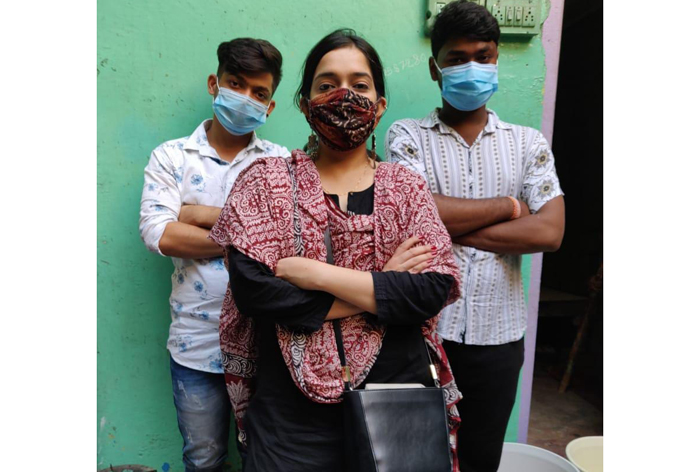
Delhi: In the year 2020 and 2021, the Covid wave and lockdown had severely impacted the livelihood of the women of GB Road. Children, women and elderly people had no source of income which left them hungry for days without ration. Observing the helpless situation of his community people, Kunal Kumar and Akash decided to do something for the community.
Kunal and Akash with the help of their mentor Juhi Sharma, Founder of Light Up Foundation decided to collaborate with various NGOs to arrange for ration.
Maan Foundation has been founded by two young boys from GB Road to help the community of sex workers. Kunal Kumar and Akash, are a part of the community. They have been born and brought up in GB Road, New Delhi and have been working tirelessly since April 2020 towards providing relief work for the women of GB Road.
“Lockdown Ke Dauraan Mere Bacche Ko Dhoodh nahi Milta Tha, Aur Aise Halaat The Ke Kayi Dino Se Hum Ko Ration Bhi Nahi Mila Tha, Per Ussey Bhi Jyada Jaruri Tha Bas humare bacche ke liye dhoodh mil jaye. Waise Mei Humko Kunal aur Akash Se Bahut Madad mili, unhone har baar hamari madad ki Aur Sirf Ration Hi Nahi, Dhoodh ka intezaam Bhi Kiya Gaya Tha. Hum Sabko Brabar ration mila, Aesa Nhi Hua Ki Ek Ration Mei Se Do Logon Ko Batna Pda,” informed Shweta (name changed) one of the Didis, who lives at GB Road.
“We want to create community solutions that bring and give back respect to the deserving women and the community of GB Road. We aspire to create solutions that solve problems, empower and make an impact in the lives of the people who live in these red-light areas,” mentioned Kunal.
Courtesy: Maan Foundation crowdfunding campaign
Kunal Story
Kunal Kumar, a 20-year-old, passed his secondary education from Open School in 2020 but due to the lockdown and pandemic, his education got discontinued.
“Light Up has helped me with my education, therapy and skill development since then and I enrolled for the 12th standard from National Institute Of Open Schooling (NIOS). The pandemic increased anxiety and panic in our lives. I went into depression. With the help of therapy, I became better. I want to bring about health facilities, education opportunities and livelihood jobs for my community people. I want to bring back the lost confidence, self-respect of the women of GB Road through Maan Foundation,” hoped Kunal.
Kunal believes in the advocacy of mental health too. The kids who live in the community have not been taught how to accept the work their parents do, and it creates trauma in their minds for a long.
“I used to blame my mother, I have changed over 6 schools just because other children would talk about my mother,’’ he said.
Kunal has now come forward intending to support the various women and children. He wants to break this chain and give his mother and the other women he calls family a better living condition.
Courtesy: Maan Foundation crowdfunding campaign
Akash story
While Akash, an 18-year-old, who also grew up with his mother in the brothel has just completed his 10th standard and is now staying at home because his schooling has stopped because of the pandemic.
“I have not told where I live or what my mother does in school,” said Akash. He wants to do social work when he grows up and support his family. “Kids bully you when they know you live on GB Road. They talk about us and our mothers in a demeaning manner,” he added.
The pandemic has impacted the lives of innumerable people and families all across the world. One major section of our society that has been left out and neglected are the women living in brothels. Sex workers have mostly been neglected by mainstream society resulting in huge mental health issues and identity crises.
Home to 4,000 women and 150-200 children, G.B. Road (Garstin Bastion Road) is the largest red-light area of Delhi. The women over here are scarred with trauma and loss of identity. Sex workers are portrayed as immoral, unchaste, vulnerable, and weak. Lack of choice, trust or pressure from the brothels also becomes a reason for these women to not step out of this profession and enter a new job with skills. There is always a risk of harassment and shame attached to this profession. The current pandemic has impacted the livelihood of these sex workers and various other sex workers of the world. With the rise in Covid cases, the imposition of lockdown in various areas has put the earning of sex workers on hold.
The foundation is affiliated withLight Up (Emotions Matter Foundation)which has been training them as grassroots leaders in problem-solving, negotiation, resilience communication, decision-making skills among others to put to use on the ground.
Maan Foundation is also running a crowdfunding campaign to support sex workers and the kids living in red-light areas.
موت زندگی کی سبسے بڈی پر کوئی عمر اتنی جیادا نہیں کہ مر جائے۔ 4 مارچ کے المناک جمعہ کو، کرکٹ کی دنیا کے پیارے ‘کنگ’ شین وارن کا دل کا دورہ پڑنے سے انتقال ہو گیا، جس نے نہ صرف ان کے وسیع پرستاروں کو بلکہ پورے کھیل برادری کو صدمہ اور غمغین کیا۔ ‘وارنی’ جیسا کہ انہیں پیار سے کہا جاتا تھا، زندگی سے بڑی اور اپنی شرائط پر زندگی گزاری اور وہ 52 سال کی کم عمری میں اسی طرح دنیا سے رخصت ہوگئے۔
ایک ہمہ وقت عظیم، وارن صدی میں ایک بار آنے والا کرکٹر تھا جس کے کارنامے اور ریکارڈ ہمیشہ زندہ رہیں گے۔ لیکن وہ ایک بے پرواہ بچہ تھا اور بہت سے لوگ نہیں جانتے ہیں کہ 1992 میں اپنے بین الاقوامی ڈیبیو سے پہلے ہی شین وارن پہلے ہی متنازعہ بن چکے تھے کیونکہ انہیں 1990 میں آسٹریلین کرکٹ اکیڈمی سے تادیبی وجوہات کی بنا پر رہا کر دیا گیا تھا۔ تاہم، اس میں موجود بے پرواہپن کبھی بھی اس کی کرکٹ کی صلاحیتوں کے راستے میں نہیں آیا۔ اس کے غیر روایتی اعمال اور طرز زندگی کے باوجود، وارن کے کارناموں کا خاکہ بھی اس کی آن فیلڈ فضیلت کو ظاہر کرتا ہے۔
اپنے شو مین شپ اور کرشمے سے ہٹ کر، آسٹریلیا میں وکٹوریہ سے موٹے موٹے باصلاحیت ایک ناقابل یقین حد تک ہنر مند لیگ اسپنر تھے۔ اس کی ٹانگ گھمانے والی جادوگرنی نے اسے ‘بال آف دی سنچری’ کے نام سے ڈب کرنے والی ڈیلیوری کے ساتھ عالمی منظر نامے پر خود کو ظاہر کرنے میں مدد کی۔ کوئی بھی جو کرکٹ کی پیروی کرتا ہے وہ شاید ہی بھول سکتا ہے جس طرح وارن نے 1990 کی دہائی کے اوائل میں اولڈ ٹریفورڈ میں مائیک گیٹنگ کو ایک ناقابل کھیل ڈلیوری کے ساتھ جس طرح ٹانگ اسٹمپ کے باہر اچھال دیا تھا لیکن آف اسٹمپ کو توڑ دیا تھا!
بلاشبہ، وارن ایک لیگ اسپنر برابری کی صلاحیت رکھتے تھے۔ ہم نے حالیہ دہائیوں میں انیل کمبلے، عبدالقادر، سیوراما کرشنا اور دیگر بہت سے لوگوں کو دیکھا ہے لیکن کسی نے بھی گیند کو اتنی اور اتنی دھوکہ دہی کے ساتھ نہیں پھینکا جتنا وارن۔ اس کے ذخیرے میں گوگلی، ایک ٹاپ اسپنر، ایک ریپر، ایک سست ڈریفٹر اور کئی دیگر مسحور کن معیار کی ہر چیز شامل تھی۔ لیکن جس چیز نے اسے الگ کیا وہ بلے باز کو آؤٹ سوچنے کی صلاحیت تھی۔ بلے بازوں کی کمزوریوں پر کھیلتے ہوئے، وارن ہر وقت معمول سے ہٹ کر کچھ پیش کر سکتا تھا، جس سے لاتعداد بلے باز ہارا کیری کا ارتکاب کرتے اور اس کے جال میں پھنس جاتے تھے۔
1992 میں شروع ہونے والے اور 15 سال تک جاری رہنے والے اپنے کیریئر کے دوران وارن نے 145 ٹیسٹ کھیلے اور 708 وکٹیں حاصل کیں۔ اس سے وہ سری لنکا کے مرلی دھرن کے نیچے، وکٹ لینے والوں کی ہمہ وقتی فہرست میں دوسرے نمبر پر آ جاتا ہے اور اس بات کو یقینی بناتا ہے کہ وہ ہمیشہ کرکٹ کی سب سے مشہور شخصیات میں سے ایک رہیں گے۔ محدود اوورز کی کرکٹ میں، وارن نے 1999 میں آئی سی سی کرکٹ ورلڈ کپ میں آسٹریلیا کی فتح میں اہم کردار ادا کیا، جہاں انہوں نے سیمی فائنل اور فائنل دونوں میں ‘مین آف دی میچ’ کا اعزاز حاصل کیا۔
تنازعات کا پسندیدہ بچہ ہونے کے باوجود، جس کی وجہ سے 2003 میں ون ڈے ورلڈ کپ سے عین قبل منشیات پر پابندی لگا دی گئی، وارن کی ذہنی طاقت اور شاندار ٹانگ بریک نے انہیں 12 ماہ کے وقفے کے بعد 2004 میں شاندار واپسی کرنے کے قابل بنایا۔ اس کے بعد 2005 میں ان کی شاندار ایشز سیریز آئی – وہ قابل ذکر سال جس میں انہوں نے ایک ہی سال میں 96 ٹیسٹ وکٹوں کا عالمی ریکارڈ بنایا جو اب بھی ناقابل تسخیر ہے۔ وارن نے بالآخر انگلینڈ کے خلاف 198 وکٹیں حاصل کیں اور ان کی ایشز وکٹیں کسی اور سے زیادہ ہیں۔
میدان پر اپنے کارناموں کے علاوہ، وارن کو کھیل کے بارے میں اپنی گہری سمجھ اور حکمت عملی کی مہارت کے لیے جانا جاتا تھا۔ حیرت کی بات نہیں، اسے بڑے پیمانے پر ‘آسٹریلیا کا بہترین کپتان’ کے طور پر جانا جاتا ہے جس طرح اس نے صرف اپنے آپ کو اور اپنے ارد گرد کی ٹیم کو مایوس کن حالات سے جیتنے کی خواہش ظاہر کی تھی۔
اپنی ریٹائرمنٹ کے بعد، وارن نے 2008 میں ٹورنامنٹ کے افتتاحی ایڈیشن میں راجستھان رائلز کی ٹیم کو آئی پی ایل ٹائٹل دلانے کے لیے قیادت کی۔ آسٹریلوی رہنما نے انڈر ڈاگ راجستھان رائلز کو ٹورنامنٹ کے فیورٹ چنئی سپر کنگز پر فتح دلانے میں اہم کردار ادا کیا، جس کی قیادت مہندر سنگھ دھونی کر رہے تھے۔ . اپنی حکمت عملی کی مہارت کے علاوہ، وارن نے ٹیم کے لیے کھیلنے کے دوران کئی نوجوان کرکٹرز کی رہنمائی کی اور جے پور میں لوگوں کا پسندیدہ بن گیا۔
مناسب طور پر، وارن کی موت کے چند گھنٹے بعد، رویندرا جدیجا نے موہالی میں ایک شاندار ٹیسٹ سنچری بنائی – تقریباً آسٹریلیا کے سپر اسٹار کو خصوصی خراج تحسین پیش کرنے کے لیے جس نے رائلز کے ساتھ اپنے دور کے دوران اپنی صلاحیتوں کو دیکھا! حیرت کی بات نہیں، یہاں تک کہ راجستھان رائلز نے بھی اپنے ‘پہلے رائل’ شین وارن کو دلی خراج تحسین پیش کیا اور انہیں ایک ایسا لیڈر کہا جس نے “کمزور افراد کو چیمپئن بنا دیا۔ ایک ایسا سرپرست جس نے ہر چیز کو سونے میں بدل دیا۔
دنیا کے سب سے بڑے اسپنر اور ایک شاندار لیڈر ہونے کے علاوہ، وارن ریٹائر ہونے کے بعد کرکٹ کے سب سے ذہین مبصرین میں سے ایک بن گئے۔ کمنٹری باکس میں ایک مقبول شخصیت، اس نے گزشتہ دہائی کے دوران انگلینڈ میں اسکائی اسپورٹس اور فاکس اسپورٹس کے ساتھ ایک وفادار سامعین پیدا کیا۔ کرکٹ کے تیز ترین دماغوں میں سے ایک کے طور پر، وارن اپنی پیشین گوئیوں کے لیے ایک کمنٹیٹر کے طور پر جانا جاتا تھا اور یہاں تک کہ ان کے ساتھی مبصرین بھی ان سے مخصوص ڈیلیوری کے نتائج کی پیشین گوئی کرنے کے لیے کہتے تھے – اور اکثر ایسا نہیں ہوتا تھا، وہ اسپاٹ آن پیشین گوئیوں کے ساتھ آتے تھے، وارنی کی جانب سے ہر وقت گیم کو تیز پڑھنے کا ثبوت۔
جیسا کہ کرکٹ کی دنیا ان کے انتقال پر سوگوار ہے، ان کی یادیں اور کارنامے کرکٹ کی تاریخ کا ایک مہاکاوی اور دلکش باب رہیں گے۔ وارن کی اچانک رخصتی ماہرین اور لاکھوں شائقین کے لیے ایک ظالمانہ دھچکا ہے کیونکہ اس کے پاس ابھی بھی کھیل کے بہترین مفکرین میں سے ایک کے طور پر بہت کچھ کرنا تھا!
جیک ہورٹن، ڈینیئل پلمبو اور ٹم بولر
بی بی سی ریئلٹی چیک
امریکہ، برطانیہ اور یورپی یونین نے روسی تیل کی درآمد کو محدود کرنے کے اعلانات کیے ہیں۔
روس نے متنبہ کیا تھا کہ اگر اس کے تیل پر پابندی لگائی گئی تو وہ یورپی ممالک کو گیس کی سپلائی بند کر دے گا۔
روسی تیل اور گیس پر کیا پابندیاں عائد کی گئی ہیں؟
یوکرین نے عالمی طاقتوں سے روس پر وسیع پابندیوں کا مطالبہ کیا تھا جس کے بعد منگل کے روز امریکہ نے روسی تیل، گیس اور کوئلے کی درآمدات پر مکمل پابندی لگائی ہے۔
خیال ہے کہ برطانیہ اس سال کے اواخر تک روسی تیل کو مرحلہ وار انداز میں محدود کرے گا۔ جبکہ یورپی یونین تیل اور گیس کی اپنی درآمدات کو دو تہائی تک کم کرے گی۔
روس کے نائب وزیراعظم الیگزینڈر نوواک نے متنبہ کیا ہے کہ روسی تیل پر پابندی کے ’عالمی منڈی پر تباہ کن نتائج ہوں گے۔‘
روس کتنا تیل برآمد کرتا ہے؟
گذشتہ دنوں میں عالمی سطح پر تیل کی قیمتیں بہت زیادہ بڑھی ہیں اور ان خدشات کا اظہار کیا جا رہا ہے کہ قیمتوں میں اضافے کا رجحان جاری رہ سکتا ہے۔ اور اگر روس اپنے تیل کی دوسرے ممالک کو برآمد محدود کرتا ہے تو صورتحال مزید خراب ہو سکتی ہے۔
روس امریکہ اور سعودی عرب کے بعد دنیا میں سب سے زیادہ تیل برآمد کرنے والا ملک ہے۔
یہ روزانہ خام تیل کے قریب 50 لاکھ بیرل برآمد کرتا ہے۔ ان میں سے نصف سے زیادہ یورپ جاتے ہیں۔
امریکہ کا دیگر یورپی ممالک کی نسبت روسی تیل پر انحصار کم ہے۔ سنہ 2020 میں امریکہ نے اپنی توانائی کی ضروریات پوری کرنے کے لیے روس سے قریباً تین فیصد تیل حاصل کیا تھا۔
روسی گیس مغربی یورپ میں آنا بند ہو گئی تو کیا ہو گا؟
ایسی صورتحال میں گھروں کو گرم رکھنے کے اخراجات (یعنی ہیٹنگ) جو پہلے ہی بہت زیادہ ہے، مزید بڑھ جائے گی۔
یورپی یونین کے ممالک میں تقریباً 40 فیصد قدرتی گیس روس سے آتی ہے۔
اگر یہ سپلائی بند ہوتی ہے تو اٹلی اور جرمنی سب سے زیادہ متاثر ہوں گے۔
روس برطانیہ کو اس کی ضرورت کی قریب پانچ فیصد گیس سپلائی کرتا ہے جبکہ امریکہ روس سے گیس درآمد نہیں کرتا۔
تاہم سپلائی کی قلت کی وجہ سے اس اقدام سے برطانیہ اور امریکہ میں بھی گیس کی قیمتیں بڑھ سکتی ہیں۔
روسی گیس کے متبادل ذرائع مل سکتے ہیں؟
یہ اتنا آسان نہیں ہو گا۔
توانائی کی پالیسی کے محقق بین میک ولیمز کہتے ہیں کہ ’گیس کا متبادل ڈھونڈنا مشکل ہے کیونکہ ہمارے پاس ایسے بڑے پائپ ہیں جو روسی گیس یورپ لے جا رہے ہیں۔‘
تھنک ٹینک بروگل کی پیشگوئی ہے کہ اگر روس یورپ تک گیس کی سپلائی روکتا ہے تو ممکنہ طور پر یورپ امریکہ سے مزید مائع قدرتی گیس (ایل این جی) درآمد کر سکتا ہے۔
اور یہ توانائی کے دیگر ذرائع کا استعمال بھی بڑھا سکتا ہے۔ تاہم ایسا کرنا آسان نہیں ہو گا۔
محقق سیمون تالیاپیئترا کے مطابق ’قابل تجدید ذرائع میں وقت لگ سکتا ہے اس لیے قلیل مدت میں کوئی حل نہیں ہے۔‘
’اگلی سردیوں میں متبادل ایندھن سے فرق پڑ سکتا ہے جیسے کوئلے کے پاور پلانٹ بنانا۔ اٹلی اور جرمنی نے ہنگامی صورتحال میں اسی کا منصوبہ بنایا ہوا ہے۔‘
یورپی یونین نے سنہ 2030 سے قبل یورپ کو روسی تیل اور گیس سے نجات دلانے کا منصوبہ تجویز کیا ہے جس میں گیس سپلائی کے لیے متبادل اقدامات شامل ہیں جبکہ گھروں کو گرم رکھنے یا بجلی پیدا کرنے کے لیے گیس کا استعمال کم کیا جائے گا۔
مگر روسی تیل کا کیا؟
بین میک ولیمز کہتے ہیں کہ ’تیل کی صورت میں متبادل ذرائع ڈھونڈنا آسان ہو گا کیونکہ اس کی زیادہ پائپ لائنز نہیں ہیں۔ کچھ پائپ لائنز روس سے آتی ہیں لیکن دیگر جگہوں سے اسے شپنگ سے بھی حاصل کیا جاتا ہے۔‘
امریکہ نے سعودی عرب سے اپنی تیل کی پیداوار بڑھانے کا مطالبہ کیا ہے لیکن اس نے ماضی میں امریکہ کی جانب سے پیداوار بڑھانے اور تیل کی قیمتیں کم کرنے کے مطالبات کو رد کیا ہے۔
تیل کی پیداوار میں نمایاں ممالک کی تنظیم اوپیک پر بین الاقوامی منڈیاں خام تیل کی برآمد کے سلسلے میں 60 فیصد تک انحصار کرتی ہیں۔ اس کی وجہ یہ ہے کہ اوپیک تیل کی قیمتوں پر اثر انداز ہوتا ہے۔
روس اوپیک کا حصہ نہیں ہے تاہم یہ سنہ 2017 سے اس کے ساتھ کام کر رہا ہے تاکہ تیل کی پیداوار محدود کر سکے اور تیل پیدا کرنے والے ممالک کی آمدن مستحکم کر سکے۔
امریکہ وینیزویلا پر تیل پر عائد پابندی نرم کرنے پر بھی غور کر رہا ہے۔ یہ امریکہ کی اہم سپلائی ہوا کرتا تھا مگر حال ہی میں یہ ملک زیادہ تر تیل چین کو فروخت کر رہا ہے۔
یورپ گیس کے لیے موجودہ برآمد کنندہ جیسے قطر کی طرف جا سکتا ہے، یا الجزائر اور نائجیریا سے بات کر سکتا ہے۔ لیکن فوری طور پر پیداوار بڑھانے میں عملی رکاوٹیں ہیں۔
کیا صارفین کے تیل اور گیس کے بِل بڑھ سکتے ہیں؟
اس جنگ کی وجہ سے صارفین کو ایندھن کی مد میں بڑی قیمت ادا کرنا ہو گی۔
برطانیہ میں گھریلو صارفین کے لیے بجلی و گیس کی قیمتوں کو مستحکم رکھا گیا ہے۔
لیکن یہ بل اپریل میں 700 پاؤنڈ سے قریب 2000 پاؤنڈ تک بڑھ سکتے ہیں جب اس پرائس کیپ کو بڑھایا جائے گا۔ رواں موسم خزاں کے دوران یہ بل 3000 پاؤنڈ تک بڑھ سکتے ہیں جب ان قیمتوں کو دوبارہ بڑھایا جائے گا۔
برطانیہ میں پیٹرول اور ڈیزل کی قیمتیں بھی بڑھی ہیں اور اگر یہ جنگ جاری رہی تو فی لیٹر پیٹرول کی قیمت 175 پینس تک جا سکتی ہے۔
امریکہ میں سنہ 2008 کے بعد پیٹرول کی قیمتیں سب سے زیادہ ہو گئی ہیں۔ امریکی آٹو موبائل ایسوسی ایشن کا کہنا ہے کہ گذشتہ ہفتے کے دوران پیٹرول پمپ پر قیمتیں 11 فیصد تک بڑھی ہیں۔
میک ولیمز کہتے ہیں کہ ’مجھے لگتا ہے کہ ہم ایسی دنیا میں ہیں جہاں اگر روسی تیل اور گیس کو یورپ جانے سے روکا جاتا ہے تو ہمیں زیادہ طلب والی مصنوعات کے استعمال کو محدود کرنے کے اقدامات اٹھانے ہوں گے۔‘
’اب یہ بات چیت ہو سکتی ہے کہ ہم گھریلو صارفین سے اپنے تھرموسٹیٹ ایک ڈگری کم کرنا کا کہہ سکتے ہیں جس سے گیس کی بڑی بچت ہو گی۔‘
Lukhnow: Assembly election results 2022, proved that Bharatiya Janata Party (BJP) is still a strong force in India under the leadership of Prime Minister Narendra Modi and not just in Hindi heartland but also in non-Hindi regions like Goa and North-East too.
BJP had won 255 seats in Uttar Pradesh out of its 403 assembly seats, while Samajwadi Party (SP) won 111 seats. Only two people won on Congress symbol here.
Lekhimpur Kheri, where son of a Modi cabinet minister was accused off mowing down farmers, BJP won from all its eight assembly constituencies.
However, even after winning back UP, its deputy chief minister Keshav Prasad Maurya lost his seat.
Out of the 70 seats in Uttarakhand, it won 47 seats. Here Congress could only get 19. Significantly, even after getting a majority of its own, BJP’s chief minister Pushkar Dhami could not save his own seat.
The win also broke a norm – no political party has continued its second consecutive term in the state.
In Goa, BJP won 20 seats out of 40, while Congress got only 11 seats. The Ruling BJP will need only one seat to get the majority.
In Manipur, the only northeast state which went to poll among the five states, BJP won seats and was leading on 4 out of 60 assembly seats. Congress could get 5 here. Here Janta Dal-United (JDU) won more seats than Congress by securing 6, while the local National People’s Party won 5 seats.
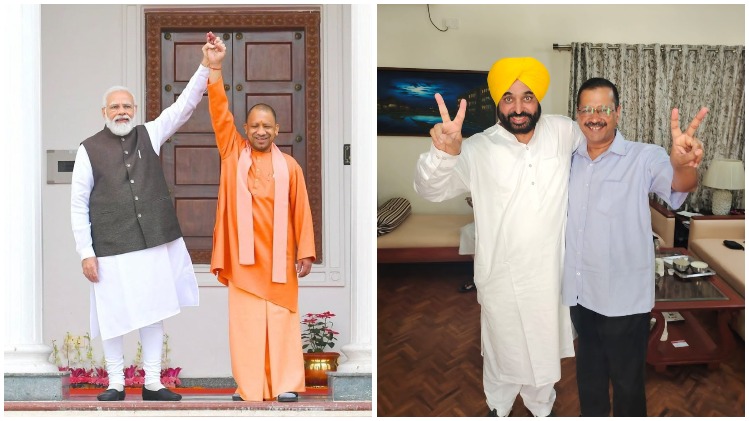
But the major change happened in Punjab, where the Aam Aadmi Party (AAP) won 92 out of 117 seats while the incumbent Congress was reduced to mere 18 seats. Here, Congress’ CM Charanjit Singh Channi lost on both seats he contested.
AAP also won two seats in Goa and with its vote share the ruling party in Delhi now gets closure to become a national party. But, the party’s CM candidate in Goa and Uttarakhand could not win their seats.
After getting Punjab, AAP can play a major role in opposition politics in India, and for 2024 Lok Sabha polls, Congress’s Rahul Gandhi will have a tough time both in and outside the party for his and party’s future politics.
In Delhi, PM Modi said after assembly election results that it is a verdict of pro poor policies of BJP ruled states. He also mentioned that with the win in four different parts of India, BJP got blessings from every corner of the country.
“The celebration of Women’s Day is indeed important. However, to make it a day only about women, in today’s day & age, defeats the purpose of equity & inclusion that are the cornerstones of empowerment. We must also include men in this celebration, particularly those who have supported, facilitated and stood by us in this long, difficult fight. The sisterhood is indeed wonderful, but we need our supportive brothers too,” says Lalitha Kumaramangalam, Senior BJP leader, Women’s equity activist, champion & mentor; Former Chair of National Commission for Women (2014-2017); Director, India Foundation, Cancer Victor, TED talk speaker.
Women ought to be respected and celebrated daily
“The force behind every job done, whether by a man, woman or child, is the strength, compassion & support of a woman. Be it a house help coming to clean your home & cook meals or a man going to work without wondering how the baby would be looked after in the cozy confines of his home or even a child merrily demanding “Kuch accha to eat”… it’s all done either by a woman herself or with the support & love of one for the other. This is not to say that men are anyway less. This is to say that women like anyone else do their part in society, as well. Every task done cannot simply be measured by the remuneration one gets in hands of an individual, but it most certainly can be measured by the remuneration earned by the entire family, because someone chose to “Hold the Fort Until You Were Gone”. Every woman need not go in for a corporate job, become a doctor, or an entrepreneur to gain respect, of having made a mark. Yes, a worthy, equal, without any prejudice, opportunity must always be given to everyone to choose their path, without calling one career lesser/better than the other. A house help chopping vegetables, allowing you to get some time off your hands to do yoga, is as respectable a person as a doctor giving you a Covaxin shot. A tattered woman on a construction site is supporting her husband to earn more, as much as the woman going to work to increase the income of the house or even the one who stays home to look after little kids and aging parents.
Each one in its way makes a mark!
It’s every day that women around us…our mothers, sisters, teachers, house helps, bankers, vegetable sellers, and so many more who aren’t even seen…make our lives run on auto-pilot, so smoothly. Let’s just take a moment to realize this, sink it in & remember that Every Day Is Women’s Day,” says Yukti Aggarwal Mahajan, Educator, Army wife, mother, feminist.
“Women are the strongest members of any family. They are far stronger than men in dealing with adversities. My mother was a supreme example. Why just one day. Every day in every walk of life is a Women’s Day,” says Vijay Lokapally, Former Deputy Editor, The Hindu, Author, Consulting Editor, Sportstar.
Women’s day is not merely about shopping vouchers or gifts
The paradox of celebrating one day as women’s day might seem absurd for some people considering the ground reality of the rise in domestic violence cases – especially during the pandemic, rape cases, trafficking of women. “Covid-19 pandemic affected the women population more than men in several areas, but at the same fighting against Covid more diversely as 70 percent of the health workforce is made up of women who are often frontline health workers. There has been a high spike in crimes against women during this pandemic, like domestic violence, sexual harassment, so there is a direct and deadly effect of a pandemic on women’s mental health,” says Syed Mujtaba, Child Rights Lawyer, Mental Health activist in Kashmir.
In day-to-day lives, women are denied their basic rights or opportunities and they are hardly respected as citizens or human beings. Though such celebrations may have symbolic appeal in raising awareness about women’s issues, merely commemorating women’s day in the fashion of distributing gifts or giving free shopping vouchers does not contribute to the elimination of patriarchal culture. Endowing gifts on a particular day neither empowers women nor draws attention to their accomplishments or does anything to reduce struggles they face in their daily lives; neither does it remind the givers of those gifts to challenge the status quo. “Women’s day is not about product discounts that are given to women to show their consumption nature rather it is a day to celebrate their powers, their duties which they administer and for all the sufferings and mental pressure they take that remains unrecognised till date,” says Dr Smita Agarwal, Assistant professor, department of Political science the University of Delhi. “I think people need to be reminded that if we are celebrating women on a particular day, it is so much more than just shopping discounts and deals among others. Substantial change is needed in society. It still needs a lot of work to be a safe space for women where they can thrive as individuals (not just someone’s mom, sister or wife) and that should always remain the focus,” says Mannat Kahai Singh, Practicing Advocate at Delhi High Court.
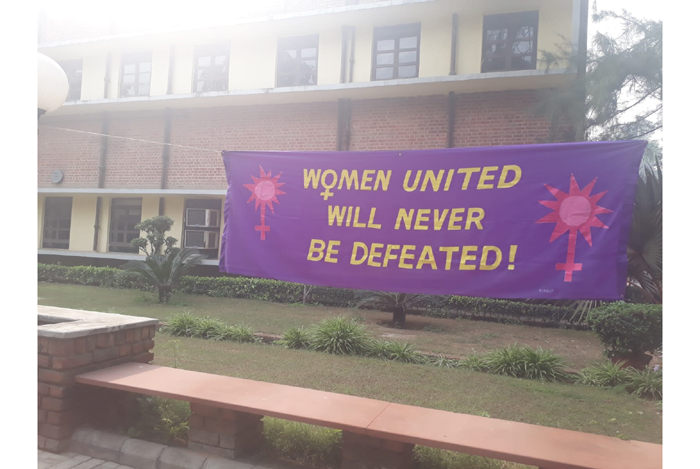
Another banner at Miranda House | Credit: Varalika Mishra
Gender Equality is the need of the hour
For the year 2022, the UN given theme is “Gender equality today for asustainable tomorrow”, which aims to recognise women who are working to build a more sustainable future. When people of all genders have equal rights, responsibilities and opportunities, we can term that gender equality. Considering the past struggles of women and how difficult it has been for women to establish that position in society, womens’ day can be a reminder of the history of past struggles and how empowerment needs to be nurtured from all genders. Everyone is affected by gender inequality – women, men, trans and gender diverse people, children and families.
“The wait has become longer, from 99.5 Years to 135.5 years. According to the WEF Global Gender Gap Report 2021, another generation of women will have to wait for gender parity. Every year on March 8th – International Women’s Day – the world reaffirms its commitment to women empowerment. Yet, there remains a stark contrast between the roles, privileges and status of men and women. Partially because we have seen this as a one-sided issue and not a problem of ‘balance.’ It is time perhaps, to consider achieving a balance where both sides work in tandem towards a shared objective. We, at IPE Global, believe in creating a more equitable and balanced world and, pride ourselves on being a woman-friendly organisation where people’s capability is not judged through a prism of gender but by virtue of their innate potential and hard work. Let us pledge for Gender Equality today for a Sustainable Tomorrow,” says Ashwajit Singh, Founder and Managing Director of IPE Global Group, a social sector consultancy firm in South Asia.
“In the 21st Century women are going to lead the way and help uplift humanity. We have many such examples of powerful women leading the way. We will continue to shine and inspire a lot. If you are a woman and have been given an opportunity that women before you weren’t given then I feel it is your responsibility to make use of that opportunity and empower other women as well. This way we will break through all the glass ceilings and make our way to manifest our greatness,” says Himani Gupta, Co-Creator of Self Series. It is a platform that enables people to manifest their greatness through tools and techniques taught in Pranic Healing- a community for all those who are looking for self-development tools.
“Women’s Day for me is a celebration of our ability to rise above every social dogma that has marginalized us to date. This day stands testament to the fact that through decades of raising our voices in demand for equity and inclusion, we have set a path for the future generations to follow as active feminists,” says Swapan Deep Kaur Assistant Professor and Co-Founder of Tatava Connect.
“I feel if women’s day is celebrated, there should be a men’s day too- which never gets enough attention. Everyone’s contributions should be counted, when we talk about equality men should be recognised too. Since in general, that doesn’t happen- I’m not too attached to women’s day. Having said that, each gender has their part to play in the society and I feel women are associated with bringing open emotions into the society in the form of giving birth to children,” says Prerna Batra, Interior Designer.
“I have always maintained that socialisation is the biggest handicap not just in Indian society but also around the globe. This year, as the International Women’s Day theme is #breakthebias, I would like to go a step further and call it ‘Breaking the Bias’, a term which in my opinion signifies the need to evolve ways and means at an individual as well as state levels to continuously break all the inherent stigmas, handicaps & biases that are a direct result of rampant socialisation prevalent even in the remotest of corners. There is a need to bring about a change in the reference points used by women in their decisions making processes starting from the grass-root level,” says Jahnvi Sharma, Advocate Supreme Court of India & Co-founder The Virtual Lawyer.
“Women’s day is a day when all women resonate with the idea that we are already “complete” as humans. We expect our counterparts, the men, to understand this and deal with us accordingly. If women wish to speak in unison, we should first integrate collectively. This requires inclusion and social cohesion as the first step. Fundamentally, it has to begin from the woman herself. Break the stereotypes and biases and liberate yourself now,” says Supriya Rajmohan, an educator, author and student counsellor by profession.
To conclude, one can say, it is important to remember the struggles that women have endured over the years to fight for their rights and opportunities and it is still a long battle. Nonetheless, women need to be appreciated, empowered, supported daily and not merely on one particular day. Gender equality needs to be established where every human being can freely live their life with dignity and respect. Equal opportunities need to be provided to every individual regardless of class, caste or gender.