Kiwis stun the English, enter maiden T20 World Cup final

0

Mumbai: When England and New Zealand play, they bring out the best in each other and make the cricketing world a witness to some of the most stunning games in the history of the sport – irrespective of the format. Their semi-final seemed the most mouth-watering match of this T20 World Cup till now. With the 50-over World Cup holders taking on the world champions of Test cricket, it was expected to be a close contest. But given the fact that these two sides had produced the greatest cliffhanger in cricket history in the finals of the one-day World Cup two years ago, the T20 semi-finals was a clash that cricket lovers were keenly anticipating.

And the two sides did not disappoint! They produced another pulsating, nail-biting thriller – a match that see-sawed all through. Till the end of the 16th over of the New Zealand innings, England seemed set to win. But fantastic hitting by James Neesham and Daryl Mitchell turned the whole match and underlined the glorious uncertainties of cricket in all formats of the game.

Put in to bat, England got off to a brisk start though with Jason Roy injured it was Bairstow who opened with Butler. But he looked rather scratchy and unsettled all through his stay and was predictably the first to go for just 13 off 17 balls. By the 9th over, as Butler also fell for a well-made 29, England was 53/2 and looked in need of some inspiration. That came in the form of the under-rated but highly effective Moeen Ali. In partnership with Dawid Malan, the two lefties laid a solid foundation for England. The pair put on 63 runs in barely 7 overs and helped England towards a healthy, competitive total.

Moeen got to his first 50 in the T20 World Cup and with Livingstone hitting a few hefty blows England reached 166 though at one stage they seemed set for a total of over 175. Kane Williamson had felt that dew would play a big part in the second innings when he decided to bowl first. Unfortunately for his team, it wasn’t to be so in the initial stages of their run chase. This meant that the wicket stayed slightly two-paced and hitting through the line wasn’t easy. Moreover, two early strikes by Chris Woakes made a par total seem much bigger. With Guptill and Williamson going cheaply, New Zealand was tottering at 13/2 in the 3rd over.

The scalp of Williamson especially was a huge morale booster for England and it was evident in the way they celebrated the fall of his wicket. He got out most uncharacteristically trying to play a scoop and top-edged to short fine leg. A skillful repair job by Devon Convay and Daryl Mitchell brought the Kiwis back into the game. They consolidated the innings with a partnership of 82 off 68 balls. However, as Livingstone bowled a fantastic 16th over and finished his spell with 2-22, the Kiwis needed 57 off the last four overs.

But it was James Neesham who turned the game upside down with a belligerent 27 in just 11 balls. Neesham had almost retired from the game after being gutted over losing the 2019 World Cup final. He didn’t! New Zealand must be very thankful for his decision as he changed the momentum of the semi-final single-handedly. After he got out, Daryl Mitchell, who played the perfect sheet-anchor till then, took command and finished the game with an over to spare.

While it wasn’t bad cricket from England that cost them the game, failing to capitalise on important moments was possibly the key to their downfall. They were a bit slow in the first ten overs, making only 67 – a complete contrast to their slam-bang playing style which has made them so successful in the shorter formats in recent years. They also sorely missed three of their big stars – Roy, Stokes and Archer – in this crunch game. But sometimes one has to appreciate the opposition for stealing the game away. New Zealand was simply magnificent in the way they managed the run chase. They are such an exceptional squad that for England, there’s no shame in losing to them though for Eon Morgan’s side the defeat is bound to be a huge disappointment for they seemed set for a win till just 4 overs from the end.

This terrific triumph is likely to be some compensation for New Zealand who was unluckily to lose the 50-over final two years ago. The Kiwis reaching the finals of all three formats underlines their rising stature in the cricketing world. Their spirit of playing the sport is already inspirational and now the big wins are coming their way too.

India would do well to learn from these two teams who have been doing extremely well in all formats consistently along with winning ICC titles. The fighting ability of the Kiwis and the aggressive style of play by England are important lessons that the Indians need to draw from them. With the next T20 World Cup slated for next year itself, India, with its new think-tank, must begin to lay down the groundwork right away if they wish to grab an ICC title that has eluded them for over 8 years.

As they savour their sweet revenge over England, New Zealand eagerly awaits their challenger in the finals which will be decided on Thursday evening as Australia take on Pakistan. They will be quietly confident though after their win. Such remarkable victories in knockout games make teams believe in themselves much more. If the Black Caps go on to win the final on Sunday, perhaps it will be time to change the slogan to, “good guys come first!”

Namibia crushed in Kohli’s last game as T20 skipper, India ends an uninspiring World Cup campaign

0

Mumbai: He ended his T20 captaincy on a winning note but for Virat Kohli, it was hardly the grand finale that he would have imagined for himself and his powerful team. India outclassed Namibia by 9 wickets but with qualification for semi-finals out of the question, it was a lack-lustre if not entirely meaningless exercise.

Despite the game against Namibia being a dead rubber, Virat and the Indian think tank still picked their strongest side – a testament to their professionalism and attitude. Team India showed the commitment of a high order, though some experts felt that bench strength could have been given a chance especially when some players have been complaining of fatigue and lack of rest. India is slated to play its next T20 match in just 8 days against New Zealand in Jaipur.

At the very end of his T20 captaincy, Virat finally turned lucky with tosses. After ruing the loss of the toss that cost India its first 2 matches, Kohli again won the toss and chose to bowl first. Namibia wasn’t expected to be any threat but Bumrah was at his booming best. He picked up 2 wickets for just 19 runs in his spell and made sure there would be no miracle Monday for Namibia. While Shami was rather off-colour, the Indian test spinners, Jadeja and Ashwin, completely choked the Namibian batsmen and grabbed 6 wickets among themselves for 36 runs in 8 overs.

Ashwin once again underlined his classy spin bowling, full of guile and subtle changes of pace. His performance was another reminder of what India had missed in its two crucial encounters with Pakistan and New Zealand. The Men in Blue were also playing a wrist spinner in Rahul Chahar who was given an opportunity in place of Varun Chakravarthy. Sadly, his spell was hardly impressive as he gave away 30 runs in his 4 overs without taking a wicket. But with regular wickets, India kept pegging Namibia back and made sure they do not have to chase a big total. Namibia finally meandered to a meagre total of 132.

Chasing a modest target, Rohit made a mockery of the inexperienced Namibian bowlers after he survived a dropped catch at the start of the innings. Hitman, all set to take over the reins of T20 captaincy from Virat, showed his class in a brisk, breezy 50. After his dismissal in the 10th over, KL Rahul took over and made sure the game was finished in the next 5 overs. His start was a bit more sedate in comparison to Rohit but ended up with a similar strike rate. Kohli sent Surya Kumar ahead of him to give some valuable match practice ahead of upcoming clashes with New Zealand. Surya stayed not out on 25 of 19 balls, showing his 360-degree game in the brief passage.

As expected, Team India scored an easy win in their last encounter. But questions will continue to haunt the team about its failure in the crucial first two games. Indian team at the moment is one of the very best we have had, the skill level and talent is better than most of the top teams. Yet, since the 2013 Champions Trophy, India has not been able to bring any ICC trophy back home. This remains a big blemish on the Kohli-Shastri era, even when the team has done incredibly well to win in various parts of the world.

As Team India crashes out of another World Cup, many questions will be asked about this uninspiring campaign. What exactly has gone wrong? Was team selection the prime reason or had bio bubble strains spoilt the party? Did MS Dhoni’s presence make things difficult for the Shastri-Kohli combo? Was defeat to arch-rivals Pakistan too huge a psychological blow for Team India to handle? Or was Virat Kohli plain unlucky?

Frankly, there are too many questions but too few answers. However, the muddled team selection and tactics have been tough to comprehend on many occasions. Whether it was the selection of the playing XI in the ODI World Cup of 2019 or here, the team paid heavily for the decisions taken by the think tank of Kohli and Shastri.

Moreover, India needs to take a leaf out of English cricket and use a ‘horses for courses’ approach that would, for instance, have ensured playing an Ashwin from the 1st game itself on the low, slow tracks of this tournament. There is also a need for better use of bench strength where the likes of Mohammad Siraj and Avesh Khan may have been better choices than Bhuvi and Shardul in this tournament. Even scheduling needs to be handled far better by the BCCI as more careful preparation is needed for showpiece events like World Cups.

Now, it’s time for Rahul Dravid to begin his era once more. Most of the young guns in the team have played under his watchful eye at junior or India A levels. This will be an enormous benefit for players to build a rapport and camaraderie with Dravid. If Rohit can build a good partnership with him and bring in his IPL captaincy successful experiences, ‘Achche Din’ may soon arrive after the doom and gloom of the T20 World Cup campaign. A billion Indian fans will be cheering for Hitman to become Superman as Captain of Team India!

Who Benefitted After Modi’s Demonetisation?

0

It is usually believed that Narendra Modi’s surgical attack on the economy that he declared through the demonetisation of thousand rupee and five hundred rupee notes, exactly five years ago, was a disaster. Well, it surely devastated a large section of the economy but that does not really mean that Modi failed in what he wanted to achieve. Modi is too complicated to lend himself to a simple black and white analysis as much of what he says and does has several interpretations and objectives. An opportunist par excellence, he turns whatever he can, including his mistakes, to his own advantage.

The Modi model of sustaining his rule rests on certain strategies and one among them is that he deliberately ramps up the level of election funding to such unheard-of heights, that it becomes simply unaffordable to his opponents. We submit that while his demonetisation and his next step, GST, wrecked the informal sector they did help the corporate sector that set the agenda as they were integral to Modi’s digital payment system and their accounts said to be transparent. This sector is integral to Modi’s digital payment system and his policy is to encourage huge homegrown businesses conglomerates like Japan’s Zaibatsus or Korea’s Chaebols, who return back his favour. Small and medium businesses that provide the lion’s share of employment are slowly being replaced by corporates, from retail to food. The unregistered service provider and small/tiny manufacturers who operate only through cash were crippled, but that did not matter in Modi’s scheme as voters of (say) Uttar Pradesh gave him a resounding victory. His sheer oratory convinced voters that big thieves had been punished and also that small sacrifices were necessary for his Dharam Yudh. The fact that this class of MSMEs was/is not necessarily evil because it deals in cash has to be understood in the context of a cumbersome and slow banking system in India. The small operator has no time or expertise to fill up complicated forms and then be subjected to harassment by corrupt inspectors and tax bureaucrats. By marginalising the small trader who had been the backbone and the traditional support base of the RSS, the Jana Sangh and the BJP, Modi was undermining the Sangh Parivar. By replacing their funding with that of his loyal big corporates, who now control India as never before, he was guaranteeing that only monopolised both political and economic power. 

beneficiaries of demonetisation economy corporates narendra modi
PM Modi with Mukesh Ambani, Ratan Tata, Anand Mahindra and Gautam Adani (file picture) | Courtesy: ANI Photo


Let us we how Mukesh Ambani has increased his wealth in the Modi years by almost 4 times — from Rs.1.68 lakh crore in 2014 to Rs.3.65 lakh crore in 2019 and nearly Rs 6.7 lakh crores ($92.7 billion, according to Forbes) in October 2021. Gautam Adani’s rise has been equally prolific. His wealth zoomed up by 121% from just half a lakh crores in 2014 (when he took Modi in his private aircraft to Delhi to take over as PM) to Rs.1.1 lakh crore in 2019 and in 2021, Adani’s wealth stands at Rs 3.6 lakh crores. He could profit by an additional Rs 1.18 lakh crore even in 2020, the Covid year. We see how this elite gained at every step under the Modi government and also know that much of public policy and the privatisation of government assets helps them considerably.

We assume that this corporate class does not get all these benefits of government policy and resources free. Even a fraction of their galloping wealth is enough to sustain the huge war machine thus created by Modi that reports directly to the only factotum he trusts, Amit Shah. It is always open to either Modi-Shah or Ambani-Adani to publicly disprove under oath any of these presumptions. 

The sensational finding of former chief election commissioner, SY Quraishi’s Centre for Media Studies that Rs 60,000 crores may have been spent in the 2019 parliament elections was really an eye-opener. This report estimates that the BJP garnered close to Rs 27,000 crore i.e. 45% of the total amount. Incidentally, these numbers have not been contradicted. If one discounts even a part of this estimate, one cannot deny the unbelievably high expenditure that Modi has introduced into elections in India from 2014. Modi-Shah’s duo thus spared no cost to get the best of propaganda technologies, from hologram-projected virtual mass-meetings to profligate use of expensive chartered flights and helicopters. The most superior agencies available are engaged at extravagant costs to pump direct messaging and misinformation at several levels of audience, reaching them through different media. Funding is essential also for buying up media support, playing upon the desperation for economic survival or being influenced by other means. Recalcitrant ones have been known to be threatened and pulverised with raids and cases by draconian central agencies. Without such mind-boggling financial clout, legislators and influential leaders could hardly be bought over and state governments formed through defections at periodic intervals.

beneficiaries of demonetisation economy corporates narendra modi
One of the iconic pictures to show the suffering of common men after the announcement of demonetisation in November 2016. The picture was shared by a Twitter handle @DeekshaNRaut on the 5th anniversary of demonetisation on November 8

The purpose of mentioning all this is to explain how much money power matters in the continuance of Modi’s regime and also to underline how he and his trusted few, control the supply lines. It appears that this ability to garner fantastic amounts from corporates and supporters also ensures the complete control of Modi’s caucus over a party and its politics. It explains both the unquestioning obedience by the Sangh Parivar and also why no minister or chief minister is permitted to source funds, fairly or unfairly. No money means no challengers. 

The failure of demonetisation becomes evident when we see how almost the entire amount of Rs 15.44 lakh crore rupees of demonetised notes was converted to ‘white’. According to the Reserve Bank, more than 99.2 percent of this money was accounted for by the holders. Modi’s big talk of unearthing black money proved to be quite hollow. Hundreds of common citizens lost their lives while standing in the long queues outside banks to prove that their holdings were bona fide. Thousands were devastated by the closure of their sources of livelihood

The other promise to eradicate fake notes was not substantiated by the numbers of such notes seized. In these five years, digital monetary transactions have gone up but how much of it is due to technology, ease of payments and compliance with newer regulations and how much of it is due to demonetisation is impossible to prove. The fact is that currency notes in circulation have also soared —-from Rs 17.74 lakh crore on November 4, 2016, to Rs 29.17 lakh crore on October 29, 2021, in value terms. If we are moving towards digital payments why is our hunger for cash increasing so much? 

It is clear that the decline of the micro, small and medium sector was hastened by demonetisation and the badly-planned GST. As the small man sinks further and further, Modi’s favoured corporates rise and rise — propping up his regime.

Demonetisation: Was It A Complete Failure? 

0

Five years back on November 8, Prime Minister Narendra Modi appeared on national television and said all Rs 500, Rs 1,000 high-value notes will turn invalid by midnight. The announcement at 8 pm— aimed at flushing out money hidden from the taxman, known as black money—led to nearly 86 percent of the currency in circulation becoming invalid by midnight, without providing for adequate replenishment. All economic agents were given a limited time window to deposit their existing notes with banks and replace those with new notes. This created huge pressure on the banking system. 

Quite naturally, utter confusion followed. The move, known as demonetisation, caused a lot of hardship for large swathes of people who were forced to form serpentine queues before banks to exchange notes. Several small businesses that were dependent on cash took hard knocks. The negative impact of demonetisation was felt across all segments of the economy, especially agriculture and industry. The worst impacted were segments that relied on high-volume cash transactions, such as organized and unorganized retail. The impact was felt both at the firm level as well as the consumer level. 

There were three main economic objectives of demonetisation—fighting black money, fake notes and creating a cashless economy by pushing digital transactions. Did demonetisation achieve those targets? 

Was Black Money Recovered? 

Eradicating black money was the prime target of demonetisation. Black money refers to cash that is not accounted for in the banking system or cash for which tax is not paid to the state.

But what has happened in reality? According to the RBI data, almost the entire chunk of money (more than 99 per cent) that was invalidated came to the banking system. Of the Rs 15.41 lakh crore worth invalidated notes, notes worth Rs 15.31 lakh crore have returned.

In February 2019, the then finance minister Piyush Goyal told Parliament that Rs 1.3 lakh crore black money has been recovered through all anti-black money measures including demonetisation. Remember, the government had originally expected that at least Rs 3-4 lakh crore black money will get extinguished outside the banking system due to demonetisation exercise alone. Thus, data suggest that demonetization was a failure in unearthing the black money in the system

Could Fake Notes be Eradicated?

Fake notes or counterfeit currency notes were the second big target of Modi’s demonetisation. In 2016, the year when demonetisation was launched, 6.32 lakh counterfeit pieces were seized across the country. In the next four years, a total of 18. 87 lakh pieces of fake notes have been seized across the country in various denominations, according to the RBI data. During 2019-20, out of the total Fake Indian Currency Notes (FICNs) detected in the banking sector, 4.6 percent were detected at the Reserve Bank and 95.4 percent by other banks.

Most numbers of fake currency notes seized in the post-demonetisation years were in the Rs 100 denominations-1.7 lakh pieces in 2019-20, 2.2 lakhs in 2018-19 and 2.4 lakh pieces in 2017-18. Compared to the previous year, there was an increase of 144.6 percent, 28.7 percent, 151.2 percent and 37.5 percent in counterfeit notes detected in the denominations of Rs 10, Rs 50, Rs 200 and Rs500 in Mahatma Gandhi New Series respectively- the RBI data shows. Counterfeit notes continue to be circulated even now.

Was a cashless economy created? 

Creating a cashless economy was pitched as another major target of demonetization in the later period. How successful was this? Cash has proved that it remains the King in the post-note-ban years. Currency in circulation, according to the RBI data, was Rs 24.2 lakh crore from Rs 16.4 lakh crore in 2016, as of March 2020. The volume of currency notes has increased to 11.6 lakh pieces in 2020 from 9 lakh pieces in 2016.

Certainly, digital payments have risen. According to this Financial Express report, UPI payment volume stood highest in FY20 at 1251.86 crores up from 91.52 crores in FY18 among all digital or contactless payment channels. UPI transaction value also went up from Rs 1.09 lakh crore to Rs 21.31 lakh crore during the said period. Total digital payments, in terms of volume, have gone up to 3.4 lakh in 2020 from 70466 in 2016.

 People still prefer to deal in cash to a large extent even though there is an increase in digital transactions. The question that arises here is wouldn’t the digital channels have picked up even without a highly disruptive economic move?

The aftermath?

The government has always claimed that demonetization has had positive impacts on the economy. But not all economists agree with this view. Some say demonetisation broke the back of the rural economy where cash was dominated and disrupted supply chains. The note-ban impact weighed heavily on the economy.

Several studies conducted by international researchers have shown the adverse impact of demonetisation on the Indian economy. Titled “Cash and the Economy: Evidence from India’s Demonetisation”, the study by the US-based National Bureau of Economic Research says demonetisation lowered India’s economic growth and led to a 2-3 per cent reduction in jobs in the quarter of note ban. It also showed that India’s economic activity declined by 2.2 per cent in November and December 2016. 

The debate is still on with respect to the effectiveness of demonetization as a move to attack black money. According to an RTI reply, the RBI’s Board didn’t support demonetization as a measure to counter black money. In his book, “I do what I do”, former RBI governor, Raghuram Rajan disclosed that he never supported the idea of note ban and felt that short-term impacts of the exercise could outweigh the long-term gains.

An analysis of the data undoubtedly reveals that demonetisation has failed to meet its stated goals except in certain areas such as encouraging more digital transactions and more formalisation of the financial system. But the exercise has failed to meet the key objectives, mainly addressing the problem of black money. The pain associated with the exercise has far outweighed the gains. Though change is necessary and inevitable, it would have been better if the government had evaluated the consequences before actually executing such a drastic step. 

India pulverises Scotland, with Shami-Jadeja-Rahul show

0

Kolkata: Indian skipper Virat Kohli had a lucky 33rd birthday as he finally won his 1st toss in the T20 World Cup on Friday. Soon, the Men in Blue gave him the most one-sided win of the tournament as a gift as India showcased their potential and strength with a vengeance. A fabulous all-round show was a sign of how deeply hurt the players are at the prospect of being eliminated before the Semis. If the last match was a thrashing of Afghanistan, this one was a merciless murder of cricketing minnows Scotland – the entire match lasted less than 25 overs. India won by 8 wickets with 81 balls to spare.

Before this game, India had never played Scotland in a completed T20 international. In the inaugural T20 World Cup in 2007, they were to open their campaign against Scotland but the game was washed off without any play. While the Friday fiesta was a display of what the Indian team could do when they execute their skills to perfection, Indian cricket fans will hope that the game doesn’t prove to be inconsequential in the larger scheme of this World Cup.

At the start of the match, both teams had plenty to prove. India had a clear target of bettering their net run rate and giving themselves an outside chance to qualify for the semi-finals. Scotland on the other hand would have loved to be giant slayers and catch the attention of the cricketing world. In their previous game against New Zealand, Scotland had shown a steely resolve for a fight which meant that India couldn’t take them lightly.

It wasn’t just the toss but Virat also got the team combination right for this game. Shardul Thakur was left out and Varun Chakravarty was brought in to bolster the spin attack. The bowlers were impressive from the start and pegged the Scots back. Bumrah has been the most consistent bowler for India in this tournament and he struck the first blow. Shami also gained confidence from the previous match and got a wicket in his first over.

It was an impressive show by Ravindra Jadeja which was most heartening and won him the Man of the Match award. He has been India’s best all-rounder for some time and when the pitch is gripping and giving a slight turn, as he analyses, he becomes unplayable. Jadeja grabbed 3 wickets for 15 runs in his quota of 4 overs. Ashwin too chipped in with a wicket. Between them, the spin trio took 4 wickets for 59 runs in 11 overs.

Later, Shami and Bumrah returned with a barrage of yorkers and cleaned up the Scotland tail quickly to set up a small chase of 86 runs. This was precisely what India needed to improve their net run rate. They had to get the total in 43 balls to surpass Afghanistan and New Zealand’s net run rate.

Inevitably, Rohit and Rahul came out all guns blazing and thrashed the Scottish bowling attack to pieces. In no time, India got to 82 in 6 overs which was the highest powerplay score in the entire tournament and contrasts sharply with 36-3 vs Pakistan and 35-2 vs New Zealand. Given their belligerence, India earned a resounding win in just 6.3 overs.

Despite the stellar show, India’s destiny in the World Cup is still not in its own hands. They have done everything possible in the last 2 games but the disaster in the first two games casts a dark shadow over excellent performances now. For the moment Cricket’s glorious uncertainties are India’s biggest hope. If Afghanistan pulls off a shocker against the Kiwis, India has a chance. Otherwise, India’s next game against Namibia will be quite meaningless.

As India hopes and prays for Afghanistan to surprise New Zealand on Sunday, there is little that one can anticipate about that crucial clash as the Afghans and the Kiwis will be playing their first-ever T20I against each other on November 7. In the absence of a T20I, there are no numbers to pick a favourite between the two sides. Of course, it goes without saying that the Kiwis are a far better squad on paper than Afghanistan no matter what the format.

The nature of Sport, however, is such that the Afghans shouldn’t be underestimated, especially since they have lots of experience of playing in Abu Dhabi. Though the Kiwis had lost their only T20I at this venue, the Afghans have won nine of their 12 T20Is here. This is a record that Indian fans can cling on to as they pray for a miracle.

Ultimately, it’s the players who will get the flak in case India fails to get to the Semis. But BCCI honchos need to be questioned about the huge overdose of IPL cricket just ahead of the T20 World Cup especially given the bio bubble strains. And it doesn’t end there as bizarre scheduling will see India facing New Zealand in a series just 3 days after the World Cup finals!

Rohit-Rahul show squashes Afghanistan to bring smile on millions of Team India fans before Diwali

0

Mumbai: It’s adverse situations that test the true character of a team in sports. After being outplayed by Pakistan and New Zealand in the last two matches, India crushed Afghanistan and showcased why they are the powerhouse in the world of cricket. In a crunch, ‘do or die’ game, India came up with a clinical, almost flawless performance that outclassed Afghanistan in all three departments. As they played in the dominant fashion that fans expect of them, India kept their slim hopes of reaching the T20 World Cup semi-finals alive. For a cricket-crazy nation, there was finally something to cheer on the eve of Diwali as the Indian stars set up a sparkling show, especially with the bat.

The turnaround in fortunes came with getting the team combination right. Though Virat’s horrendous luck with the toss continued, things looked a lot better as India finally got Ashwin into the playing XI and found a more balanced side for the game. It reflected a change in mindset and with Suryakumar Yadav also coming back in place of Ishan Kishan, the batting looked stronger.

It is well-known that Indian batting is top-heavy, relies a lot on the ‘Top 3’ to build a solid foundation, and then goes berserk in the latter part of the innings. Hitman Rohit Sharma and fast-improving KL Rahul came up with a tremendous opening partnership. Their flop show in previous matches had triggered Indian defeats. This time the duo made amends and showed great intent right from the first over. The one important factor that India had missed in the tournament so far was a regular rotation of strikes but this time both the openers looked busy, keeping the dot balls to a minimum.

Once the foundation was laid with a steady start, Rohit cut loose with a flurry of boundaries. Since 2017, Rohit has hit 15 T20 international 50s – and India has won all of those matches. With their sparkling 140 run stand, Rohit (74) and Rahul (69) had virtually deflated the opposition morale.

After the openers got out, it was the ‘Pant and Pandya’ show who were promoted ahead of Virat Kohli. As the Captain watched from the pavilion, the two young hitters lit up the Indian innings with power hitting of the highest quality. The left-hand right-hand combination took India to a dominant 210/2 – the highest score of this World Cup.

Given the daunting target, Afghanistan crumbled under pressure. Fittingly, it was Shami who got India its first breakthrough and as Bumrah picked up the second wicket, Afghanistan was decisively pegged back. Ashwin, who was playing in the shorter format after a long gap, tightened the noose and picked up 2 for 14 in his 4 overs and showed exactly what India had been missing. By bringing in Ashwin, an acknowledgement was made that the think-tank is open to rectifying its faults. It’s the flexibility of mind that is much needed in the dynamic T20 format.

Why Ash was kept out on wickets where all quality spinners were succeeding is a million-dollar question. Was the blunder based on any cricketing logic? Was it Kohli-Shastri bias that kept India’s top spinner out as in the England trip? These questions will continue to haunt India as the fear of elimination before the semi-finals still loom large.

While Bumrah’s bowling was penetrative even in the 2 matches India lost, it was most heartening to see Shami’s return to form. As he picked three wickets, he seemed to be getting back into rhythm, something that was missing especially after the Pakistan batsmen tore his bowling apart. As that was followed by a psychological battering which he suffered through the shameful, hate-filled trolling on social media, Shami looked shaky against the Kiwis. But before Afghanistan, his spell was sharp and incisive and is likely to do wonders for his confidence.

It was a comprehensive victory in the end and there is now a chance to sneak past both Afghanistan and New Zealand on net run rate. But India leaked runs at the end to shorten their winning margin which still points to the need for further balancing the playing 11. With Hardik back to bowling, Shardul can be axed to make way for a spinner – either Varun Chakravarthy or Rahul Chahar. Given that most wickets are playing low and slow aiding spinners, it’s time to have 3 spinners.

Despite the big win, India may still not be able to get to the semi-finals. Ironically, they need a miracle from the team they have just beaten. If Afghanistan can surprise New Zealand only then can India squeeze through. But that is a long shot. However, India’s class is obvious in the one-sided way they crushed Afghanistan – a team that ran table-toppers Pakistan quite close in their game.

For the moment, Team India has given something for the nation to cheer on Diwali. Had they sparkled a little earlier, the road to glory in the World Cup would have been easily lit up. As things stand, Cricket lovers in India will be praying overtime on Diwali for a miracle to keep their team alive in the competition.

ভারতীয় সিনেমা কেন অস্কার মিস করে?

কলকাতা: ভারত থেকে অস্কারের জন্য সেরা বিদেশী ভাষার চলচ্চিত্রের সর্বশেষ এন্ট্রি হল পিএস বিনোফরাজ পরিচালিত কুজহাঙ্গাল। কলকাতার বিজলি সিনেমায় বেশ কয়েকটি ছবি দেখার পর বিশিষ্ট চলচ্চিত্র নির্মাতা শাহজি প্রিরাভি করুণের সভাপতিত্বে জুরি সর্বসম্মতিক্রমে এই সিদ্ধান্ত নেন। কুজাঙ্গাল নিয়ে উচ্চ আশা জাগানো হয়েছে। তবুও অস্কার জিতবে কি না তা নিয়ে গভীর সন্দেহ রয়েছে।

সন্দীপ রায় বলেছেন, “আমি পিএস বিনোফরাজকে অভিনন্দন জানাই। তার চলচ্চিত্রটি অস্কারের জন্য ভারতের প্রবেশ। যাইহোক, অস্কারে পুরস্কারের বিচারের পদ্ধতি ভারতীয় মানদণ্ডের তুলনায় খুব আলাদা। বিষয়বস্তু, সিনেমার ভাষা এবং উপস্থাপনার বোঝাপড়া অস্কারে উচ্চতর এবং উচ্চতর কারণ তাদের আন্তর্জাতিকভাবে প্রশংসিত আইনবিদ রয়েছে।”

মাত্র দুটি ভারতীয় ছবি মাদার ইন্ডিয়া এবং লাগান অস্কার জয়ের কাছাকাছি এসেছিল। তারা মাত্র কয়েক পয়েন্টের ব্যবধানে কাঙ্ক্ষিত পুরস্কার মিস করেছে। দুটি ছবিই বিষয়বস্তু, সিনেমাটিক এবং নির্মাণ মূল্যে সমৃদ্ধ ছিল। তাহলে ভারতীয় চলচ্চিত্রগুলিকে অস্কার জিততে বাধা দেয় কী? আদুর গোপালকৃষ্ণ মন্তব্য করেছেন, “সাধারণত, ভারতীয় সিনেমা বক্স অফিসের উপাদান দিয়ে বিনোদনের ব্যবস্থা করে। চলচ্চিত্রে এই ধরনের ইনপুট আন্তর্জাতিক পরিস্থিতিতে অবাঞ্ছিত। এটা আমার কাছে আশ্চর্যজনক মনে হচ্ছে যে সত্যজিৎ রায় পরিচালিত একটি সিনেমাও অস্কার জিততে পারেনি।”

ভারতীয় সিনেমার তিনটি শ্রেণীবিভাগ আছে। শিল্প, মধ্যম এবং মূলধারা বা বাণিজ্যিক সিনেমা। অস্কারে সিনেমার জন্য এই ধরনের কোনো শ্রেণীবিভাগ নেই। এক দশক আগে সোফিয়া লরেন একটি সাক্ষাত্কারের সময় আমাকে স্বীকার করেছিলেন, “আমি অপু ট্রিলজি, দেবী এবং চারুলতার মতো ভারতীয় চলচ্চিত্রগুলি দেখে অবাক হয়েছি যা আমি আন্তর্জাতিক চলচ্চিত্র উত্সবে দেখেছি। হলিউড বা ইউরোপীয় ক্লাসিকের তুলনায় তারা কম চমৎকার নয়।

অস্কারের মনোনয়ন পেতে বিদেশী চলচ্চিত্রের জন্য প্রচুর লবিং, জনসংযোগ অনুশীলন এবং প্রচারমূলক কার্যকলাপের প্রয়োজন হয়। গাইড এবং আখেরি খাটের মতো উজ্জ্বল চলচ্চিত্রগুলি অস্কারে জায়গা করে নিতে পারেনি কারণ তাদের অস্কারে প্রচারের জন্য প্রয়োজনীয় আর্থিক সহায়তার অভাব ছিল। চেতন আনন্দ 1996 সালে আমার কাছে দুঃখ প্রকাশ করেছিলেন, “আখেরি খাতের পরে আমি ভারত সরকারের কাছ থেকে কোনও সমর্থন পাইনি এবং অস্কারে প্রতিযোগিতার জন্য চলচ্চিত্রটি বিচার করার জন্যও সময়মতো পৌঁছায়নি। আমরা হাউ গ্রিন ওয়াজ মাই ভ্যালি বা বেন হুরের মতো মাস্টারপিস তৈরি করি না তবে আমাদের কিছু চলচ্চিত্র সত্যিই স্মরণীয়।”

সমস্ত ন্যায্যতার দিক থেকে, লাগান মাদার ইন্ডিয়া, কাগজ কে ফুল বা গাইডের কাছাকাছি কোথাও সিনেমাটিক উজ্জ্বলতার পরিপ্রেক্ষিতে আসে না। তবুও, অনেক প্রচারমূলক কার্যকলাপ লাগানকে অস্কার জয়ের কাছাকাছি আসতে সাহায্য করেছিল। এটা শেষ পর্যন্ত ষাঁড়ের চোখ মিস. গুলজার একবার বলেছিলেন, “ইউরোপীয় এবং আমেরিকান সিনেমার অনুভূতি এবং যুক্তি আমাদের থেকে আলাদা এবং সংযমের মূল্যবোধের উপর ভিত্তি করে। আমাদের অনেক ছবিতে, আমরা খুব নাটকীয় হয়ে উঠি। এটি সিনেমাগতভাবে সঠিক নয়।” অস্কার জেতার দিক থেকে ভারতীয় সিনেমা অনেকটাই পিছিয়ে। তবুও আশা হারানো উচিত নয়।

বিনোদন সেক্টর থেকে আসা ভারতীয় চলচ্চিত্রগুলির লোভনীয় আন্তর্জাতিক পুরস্কার জেতার সম্ভাবনা কমই থাকে। তারা প্রধানত এমন একটি শ্রোতাকে পূরণ করে যা চিন্তার বিভাগগুলির মোটেই নয়। ভারতীয় আর্ট হাউস সিনেমা ব্যাপকভাবে অসুস্থ। বুদ্ধিমত্তা এবং গতিশক্তির মিশ্রণ ভারতীয় চলচ্চিত্রে বড় আকারে দেখা যায় না। যখন এটি সঠিক মাত্রায় করা হয় তখন ভারতীয় সিনেমা আন্তর্জাতিক অঙ্গনে আরও ভাল সুযোগ দাঁড়ায়। সত্যজিৎ রায় যথার্থই উল্লেখ করেছেন, “মডার্ন টাইমসের সামাজিক উদ্বেগ এবং যুক্তি সহ লরেন্স অফ অ্যারাবিয়া-এর দর্শন ভারতীয় চলচ্চিত্রে আবদ্ধ হওয়া উচিত।”

Why Indian Cinema Misses Oscars

1

Kolkata: The latest entry for Best Foreign Language Film for Oscars from India is Koozhangal directed by PS Vinophraj. The jury chaired by eminent filmmaker Shahji Priravi Karun unanimously decided on this after viewing several films at Bijoli Cinema, Kolkata. High hopes have been pinned on Koozhangal. Yet there is a grave doubt whether it will win an Oscar.

Says Sandip Ray, “I congratulate PS Vinophraj. His film is India’s entry for the Oscars. However, the procedure of judgment for awards at the Oscars is very different compared to Indian standards. The understanding of content, cinematic language and presentation are higher and superior at the Oscars as they have internationally acclaimed jurists.”

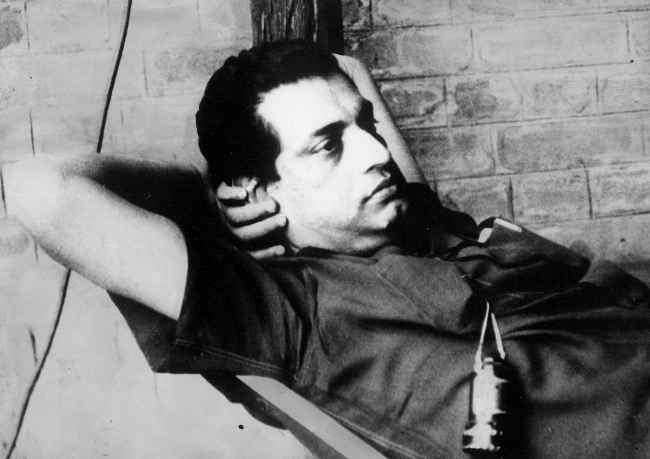
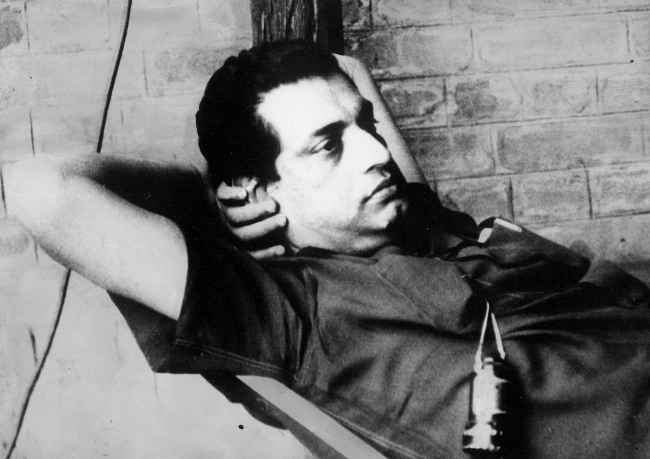
Only two Indian films Mother India and Lagaan came close to winning Oscars. They missed the coveted award by just a few points. Both the films were rich in content, cinematic and production values. Then what’s it that prevents Indian films from winning Oscars? Adur Gopalkrishan comments, “In general, Indian cinema caters to entertainment with box office ingredients. Such inputs in films are unwanted in the international scenario. It appears strange to me that not even a single movie directed by Satyajit Ray ever won an Oscar.”

Indian cinema has three classifications. Art, middle and mainstream or commercial cinema. There are no such categorizations for cinema at the Oscars. A decade ago Sophia Loren confessed to me during an interview, “I marveled at Indian films like Apu Trilogy, Devi and Charulata which I viewed at international film festivals. They are no less excellent, compared to Hollywood or European classics.”

A lot of lobbying, public relations exercises and promotional activities are required for foreign films to receive Oscar nominations. Brilliant films like Guide and Aakhri Khat could not make it to the Oscars as they lacked the financial support required for promotions at the Oscars. Chetan Anand lamented to me in 1996, ”I did not receive any support from the Indian Government after Aakhri Khat and the film did not even reach in time to be judged for competitions at the Oscars. We do not make masterpieces like How Green Was My Valley or Ben Hur but some of our films are truly memorable.”

In all fairness, Lagaan does not come anywhere near Mother India, Kagaz Ke Phool or Guide in terms of cinematic brilliance. Still, a lot of promotional activities helped Lagaan to come near winning an Oscar. It eventually missed the bull’s eye. Gulzar once stated, “The sentiments and reasoning in European and American cinema are different to ours and are based on values of restraint. In many of our films, we tend to become too dramatic. It is not cinematically correct.” Indian cinema is way behind from winning an Oscar. Yet one should never lose hope.

Indian films which are from the entertainment sector hardly have any chances of winning coveted international awards. They mainly cater to an audience that is not at all of the thinking categories. Indian art house cinema is morbid at large. The mingling of intelligence and kinetic force are not visualized at large in Indian films. When this is done with proper doses Indian cinema stands a better chance in the international arena. As Satyajit Ray rightly pointed out, “The social concern of Modern Times and the spectacle of Lawrence of Arabia with reason should be imbibed in Indian films.”

Cluttered mindset brings Team India’s downfall again, Kiwis crush Men in Blue

0

Mumbai: “It’s a lack of clarity that creates chaos and frustration. Those emotions are poison to any living goal,” says Steve Maraboli, the well-known Behavioural Scientist. The insipid approach by India against New Zealand reflected the truth of Maraboli’s thought as one of the cricket world’s top teams betrayed signs of a huge dent in confidence and psychological scarring from the Pakistan loss. The shadow of that crushing defeat hung heavy over India’s entire performance against the Kiwis as they looked shaky from the very start. The way India went about their game showed little planning or imagination and even Virat was compelled to term the day’s performance as “bizarre” and admit that his batsmen were in two minds while looking to accelerate and post a decent total.

The unlucky streak with tosses continued for Kohli but while that is beyond anyone’s control, the team selection seemed strange, to say the least. Inexplicably, Ashwin was left out once again as Shardul Thakur came in place of Bhuvaneshwar Kumar. The other change was a forced one, that of Ishan Kishan in place of Suryakumar who was out with a back spasm. India was put in to bat by New Zealand captain Kane Williamson. But it wasn’t the usual duo of Rohit and Rahul but Rahul-Kishan who came in to open the batting. This was the first sign that India was playing with a defensive mindset and looking to protect their premier batsman from the left-arm swing of Trent Boult.

India needed a strong performance from their top order but this is where it all looked so unplanned as each of the batters went out trying to hit big shots on a slow wicket where the ball was hardly coming on for free stroke-play. What was needed was a careful approach, a willingness to graft for singles and twos – not big shots. In the latter part of the match, Kane Williamson demonstrated just that and calmly took his side to a win. In stark contrast, all Indian batsmen – from Ishan Kishan to KL Rahul and from Rohit Sharma to Virat Kohli – fell in going for big, blazing shots as each one was caught on the boundary.  

With a paltry 111 as a target, India needed to be bold and brave. If New Zealand were to bat 20 overs, it was game over. Getting a few quick wickets at the start was the only way of pulling off a miracle win. For that setting aggressive fields in search of early wickets were needed but Kohli & Co. seemed unimaginative. There were no slips and even at the end when India should have at least tried to slow the Kiwis down to keep their net run rate in check, the field was wide open for them to pick easy runs.

While the terrible flop in the batting department has been heavily criticised, the bowling has largely attracted less blame. For sure, the Indian bowlers haven’t had big targets to defend but the way they have bowled, even a bigger target wouldn’t have helped their cause. Both against Pakistan and New Zealand, barring Jasprit Bumrah, all bowlers were out of sorts and none were penetrative in their spells.

This is precisely why questions need to be raised over poor team selection. Keeping Ashwin out, India’s best spinner is a big mystery. Especially when all quality spinners, from Rashid Khan of Afghanistan to Adil Rashid for England, have shown that these pitches aid spin bowling in multiple ways. Having Ashwin benched shows an indecisiveness in the think tank – first picking him in the squad and now not playing him! This muddled thinking has reared itself at many stages in the last two matches. The batting roles are not clearly defined and have now left fans wondering about India’s fate in this tournament. Just like the batsmen haven’t been clear whether to attack or consolidate, the bowlers have not been flexible with their lengths nor clever in crafting their overs to deceive opposition batters at any stage.

The pathetic show in the first two matches also reflects possible fatigue with bio bubbles for Indian players. There is little doubt about the talent and potential this team possesses but the hunger has been glaringly missing. BCCI needs to look at schedules more carefully and selectors need to be aware of workload issues. It is not physical fitness alone but mental fitness too that is getting tested the most in these vulnerable times.

Another important factor that has pushed the Indian team close to the bottom of their group table has been their overconfidence. India had an easier group to contend with and since the team has been performing well over the last few months, it was a given that they would be able to qualify easily for the semis. Hardik Pandya before the Pakistan game had even said that he will save his bowling till the deep end of the tournament. The statement reflected the mood in the Indian camp that qualifying in the top two from the group was a given for them. Now, that overconfidence has come to bite them as they were swatted by Pakistan and shoved away by New Zealand. The team has been shaken by their performance and as such looks cluttered in its mindset.

Unfortunately, they now have to hope for other teams to come to their rescue and give them any hope of going further in this edition of World T20. This was a crucial clash as both sides were playing after losing to Pakistan in their earlier matches. While New Zealand has rapidly recovered from the defeat in their encounter with Pakistan, the Indians seem to have been shell-shocked by their first-ever loss to their traditional rivals in a World Cup. Given the psychological blow that India received at the hands of Pakistan, the Kiwis have now delivered a virtual knock-out punch that may send India packing out of a tournament which many tipped them to win.

Facebook must stop facilitating India’s genocidal rhetoric against minorities: Indian Americans

0

Washington, DC/Kolkata: Whistleblower Frances Haugen, a former Facebook product manager, has exposed the company’s failure to curb hate speech, which has led to societal division and violence against vulnerable populations in multiple countries, including India. Within Facebook groups and WhatsApp chats, most instances of fake news, fear-mongering propaganda, lynching videos, gory images, and hateful content are freely circulated with no pushback.

The Indian American Muslim Council issued a press communique and called on Facebook to take immediate action against India’s hate speech epidemic, which has directly led to violence in the past and will continue to have deadly consequences if left unchecked.

India is Facebook’s largest market, with 340 million active users, and yet the company allocates only scant time and resources towards monitoring India-specific hate speech and fake news. As a result, such content has resulted in real-life consequences for minorities in India, especially Muslims.

The Wall Street Journal reports that “inflammatory content on Facebook spiked 300% above previous levels at times during the months following December 2019, a period in which religious protests swept India.”

The statement further said that the sheer volume of anti-Muslim hate speech culminated in the 2020 Delhi pogroms, according to a report reviewed by the Wall Street Journal. “Rumors and calls to violence” were spread widely in the lead up to the clashes, which left 53 dead. The majority of the victims were Muslims, beaten and lynched at the hands of Hindu supremacist mobs.

According to Haugen, Indian Facebook is awash with “dehumanizing posts comparing Muslims to ‘pigs’ and ‘dogs’ and misinformation claiming the Quran calls for men to rape their female family members.” Rumors that “Hindus are in danger” are common, padded by unfounded claims that Muslims were responsible for the spread of Covid-19, that Muslim men have an agenda to seduce and convert Hindu women to Islam, and that Muslims are generally anti-nationals who hate all Hindus.

“Facebook’s continued dereliction of duty in the face of mounting evidence of how its platform is enabling violence and genocide, is an alarm bell for all who care about human rights and democracy,” said Rasheed Ahmed, Executive Editor of IAMC. “As Facebook has failed to clean house despite multiple exposes, it is time for regulators to step in.”

This report is consistent with criticisms human rights organizations have made of India since the election of Prime Minister Narendra Modi in 2014.

John Sifton, Asia Advocacy Director for Human Rights Watch, writes: “This divisive political discourse has served to normalize violence against minorities, especially Muslims, in India. Prejudices embedded in the government have infiltrated independent institutions, such as the police, empowering nationalist groups to threaten, harass, and attack religious minorities with impunity.”

This rhetoric trickles down from some of the most powerful figureheads of the Indian government, which in turn normalizes extremism among the general population. A leaked document shows that the Bharatiya Janata Party (BJP), the ideological offspring of the RSS and the party of Narendra Modi, encourages the use of multiple accounts under a single user, which aids in the spread of propaganda.

The Bajrang Dal, a Hindu extremist group with links to the BJP, frequently posts anti-Muslim hate speech on the platform. The Rashtriya Swayamsevak Sangh (RSS), the umbrella organization of the Hindu supremacist movement, was specifically called out by Hagen for promoting “fear mongering” and “anti-Muslim narratives,” and targeting propaganda towards “pro-Hindu populations with V&I (violent and incendiary) intent.”

Facebook’s failures in India mirror its deadly role in the ethnic cleansing of Rohingya Muslims in Myanmar. If left unchecked, India’s hate speech problem could likely culminate in a similar genocide, read the press statement.