



Kolkata: Considering the impact that suspension and expulsion could have on the academic careers of the five expelled and nine suspended students of Aliah University, the executive council has decided to give them another chance to complete their courses. The suspended students will be allowed to resume classes from July 2019, while the expelled students can return after a one-year period, in September 2019.
During a press conference, Vice-Chancellor Md Ali stated, “The expelled and suspended students had written to the university authorities seeking forgiveness and requesting permission to appear for examinations and complete their courses. Since April 2, they have also been on a hunger strike. Given that most of our students come from economically weak backgrounds, the executive council and academicians felt they could be given the opportunity to continue their education.”
However, Ali emphasized that the students were repeat offenders who had previously been excused, leading the council to impose strict conditions. The reinstated students must submit an affidavit from the High Court pledging to maintain discipline, refrain from violence on campus, and not disrupt academic activities.
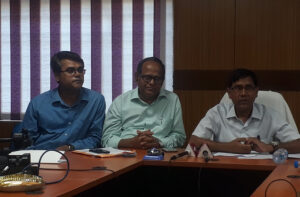
Ali also urged the protesting students to end their hunger strike and focus on their studies. He added, “The expelled and suspended students will not be eligible for admission to any other academic course at the university, as they have poor academic records and multiple past violations. Some have as many as 21 supplementary papers to clear.”
Despite this decision, the protesting students refused to call off their demonstration. “We are minority students. If we can’t get admission in a minority university, where else will we go?” questioned Rakesh Sarkar, one of the expelled students. When asked about allegations of repeated misconduct, including assaulting students and faculty members, Sarkar denied being a repeat offender and accused the university of trying to blacklist them.
Meanwhile, one of the alleged victims, Mansur Habibullah, a third-year Chemistry Honours student, expressed disappointment at the decision. “We accept the university’s ruling, but we would have preferred if they were not allowed back on campus. They are repeat offenders and troublemakers. They assaulted me and other seniors when we opposed their attempts to take over the university mess for personal profit. This hunger strike is just a way for them to regain control.”

