A Divided Nation: The Struggle for Love Amidst Religious and Caste Prejudices

0

[dropcap]T[/dropcap]he criminal flogging of two individuals for their alleged relationship in Bengal is a reminder of what is happening all over the country. In this age of social media, people convert every incident into an event and give their opinion according to the side of the political divide we sit in. The stories of lynching or flogging of couples in intimate relationships have been regularly coming from different parts of the country.

A couple of days back, Indians were ‘celebrating’ the ‘interfaith’ marriage of a Bollywood star- Sonakshi Sinha (with Zaheer Iqbal). People congratulated them and then many of those on the other side of the divide ‘ trolled’ them.

In the tinsel world, the making and unmaking of marriages happened and nobody ever bothered. Still, now the party in power and propaganda machinery of social media is hyperactive to ‘punish’ those who dare to do such marriages. I have always said that the agenda is not to stop the interfaith marriages but inter-caste marriages. The idea is to create an environment where children don’t challenge the authority of their parents and settle according to their ‘caste pride. An ideal Indian would be like the ‘children of Ambanis’, obediently following the path of the elders. None will then bother about the obscenity of these marriages, the extraordinary amount spent and the hypocrisy around it.

The fact is, India and the Indian subcontinent have not arrived at a stage where we respect individuals and their choices. An interfaith marriage is successful when there is no faith and the couples enjoy being humanists. Bringing the issues of faith in the name of liberalism will not resolve the crisis. If two couples from different religions are getting married then where is the need to organise the religious part of it? Why can’t the ‘special marriage act’ be enough for it?

No, since we are political families hence we need to give this message: Look, even if I have gone for an interfaith marriage, I am a  Pucca (Kattar) Hindu or Muslim. After some time, you will have children and decide their names. How are these names decided? Most of the time as per male religion. Of course, these days, interfaith marriages have become extremely difficult as it is not merely the issue of acceptability but the safety of the couple.

What can you do if law enforcement too converts you to a criminal just because you love someone? Media particularly the vernacular media, has played a dirty role. All depend on the religion of the male partner. If the boy is Hindu and the girl a Muslim, then the headline would be Razia bani Rani, Maang Mei Sindoor Daal Rohit Ke Saath Vivah Rachaya. If the boy is a Muslim and the girl is a Hindu then the headline would be, Nabalig Ko Bahla Fusla ke Jabaran Islam Dharm Grahan Karwaha. Love Jihad Ka Maamla.

Unless our judiciary comes out strongly on these issues and directs the police and the administration to protect the individuals involved, such things will happen and we will only be just reacting. If there are no laws to protect you please be extremely careful. Your life is more important than your love affair. It is important particularly for the tender age youngsters to focus on their work. Our political class is not ready to break it at the moment and all such issues are coming in handy to them. The parents of these interfaith children are rarely satisfied. Many of them agree but have a kashish in their heart. Liberal secular values people will have to find a different planet for them as they are becoming unwanted and the reason is political forces representing them are afraid of taking the bull by the horns.

That is why I said that Congress or Rahul Gandhi or Akhilesh Yadav were speaking powerfully about SC-ST-OBCs but were afraid of speaking about Muslims. If they were afraid of the Muslim world, they could have used Pasmanda Muslims and Dalit Muslims. India’s secular liberal political class will be hypocritical and cowardly if they are unable to condemn the violence against Muslims in the name of their faith. The grandson of Jawahar Lal must read a few anecdotes and notes how Nehru stood to the crowd many times targeting the Muslim localities immediately after partition. We need to stand up against all kinds of fundamentalism and criminalisation of our polity. Let the rule of law prevail but then it is now completely changed.

How are the opposition parties preparing to raise the issue of New criminal laws and its huge impact? Will they raise the issues of minorities and ask for a debate in parliament? Let the parliament debate on all castes and communities in India. Let us have it as the price of our young people being attacked and killed is too much. We must not condone such violence against people in the name of faith. Stand for a secular liberal constitution and its fair implementation without excluding any individual or community.


Educated Assailants: Mob Justice Claims Lives of Two Innocent Men in Kolkata

0

Kolkata: Within two days, Kolkata witnessed two mob lynchings, both triggered over suspicion of phone theft. While Md Irshad was beaten to death in Central Kolkata, Prasenjit Mondal was also beaten to death in Salt Lake. Irshad was assaulted in a hostel by students and guards, and Mondal was beaten by his neighbours, three members of the same family, on Friday and Saturday, respectively.

eNewsroom has reached out to the family and employer of Irshad to know the reality of the theft accusation and if there is any history of it.

Thirty-seven-year-old Md Irshad was an honest man, who wouldn’t resort to stealing. On the contrary, he was a man who wouldn’t shy away from doing petty jobs to earn a few extra bucks, which is how his employer, Md Imran Alam, remembers him.

Irshad had been working as a TV mechanic at his shop for almost 17 years.

A resident of Belgachia, Irshad would often leave his home in the wee hours to take up menial jobs like washing cars, and bikes, sweeping, or even doubling up as a porter before reaching the Chandi Chowk shop, where he worked.

“If he was a thief, I would have sacked him long ago. He was honest and hard-working,” said Imran.
The shop owner was the last person that Irshad contacted when he was forcibly detained inside Udayan Hostel by its residents.

Recalling the incident, Imran said, “A frantic Irshad had contacted me and pleaded to bring Rs 10,000 to the hostel. He told me that if I failed to do so, the boys would kill him.”

Following the call, Imran reached Bowbazar Police Station and then began a frantic search for the hostel. “It took us 30 minutes to locate the hostel, which was locked from inside. It took another 30 minutes for the police to enter the hostel. Irshad was almost 80 per cent dead when we managed to rescue him. We rushed him to Medical College, where he was declared dead within a few hours,” he mentioned.

When asked if he could have stolen the mobile, he said, “He was employed in my shop for 17 years. He was an honest, hard-working man. I believe he was at the wrong place at the wrong time. But one thing I am sure of is that Irshad was anything but a thief.”

Echoing a similar note, his landlord Zarrar Babu said, “He was a hardworking man. He was the sole breadwinner of his family. We have known him and his family for over 50 years.”

He then asked, “Those arrested are educated men, even if they had suspected him of having stolen the mobile, then they should have handed him over to the police. Why lynch him to death? Do they have no faith in the system?”

“He was beaten brutally with bats and hockey sticks by students residing in the hostel. I am shocked by the brutality inflicted on my husband by educated people. Fourteen people have been arrested. I want them to be punished,” said his wife Salma.

The victim is survived by his wife, two kids– a 9-year-old daughter and 5-year-old son, and a divorced sister.
The preliminary autopsy report indicates that Irshad had died of excessive internal bleeding.

“He had bruises all over his body. His left leg was fractured. They had brutally assaulted him,” said Zarrar.
According to the surgeon who conducted the autopsy, repeated hits had led to internal bleeding.

All 14 accused are aged between 21-28 years, with the prime accused being a 27-year-old youth who holds a Master’s degree in Philosophy and was working as a guard at the hostel.

Tears & Triumph: India’s T20 World Cup Win Marked by Emotional Farewells

0

New York: In sports, glory comes to those who work hard and never relent. Team India epitomizes this spirit, having pursued the T20 World Cup with unwavering determination for 17 long years. Their courageous journey culminated in the West Indies, where they were finally crowned T20 Champions of the World after a pulsating thriller with South Africa.

This historic night will forever remain etched in the minds of cricket fans as it was made even more memorable by the retirement of two superstars, Rohit Sharma and Virat Kohli, from the shortest format of the game. These phenomenal players of Indian cricket achieved poetic justice by lifting the World Cup trophy together.

The Unforgettable Match

The final clash was a spectacle worthy of its grand stature. Facing a formidable opponent in South Africa, India had to bring their A-game to clinch victory. South Africa, often labelled unfairly as “chokers,” almost seized the moment. They restricted India to a slightly below-par total on a batting-friendly wicket and, thanks to the efforts of Quinton de Kock, Heinrich Klaasen, and David Miller, the Proteas brought themselves within touching distance of a maiden World title. However, in the last half-hour, India’s bowlers – Jasprit Bumrah, Arshdeep Singh, and Hardik Pandya – displayed exceptional skill and tenacity to save the day, securing one of the greatest moments in recent cricket history.

India’s innings began briskly, with skipper Rohit and King Kohli putting 23 runs on the board within the first 10 balls. But soon after, they found themselves in a precarious position at 34 for 3, with the quick dismissals of Rohit, Rishabh Pant, and Suryakumar Yadav. It was Virat Kohli, who had struggled throughout the tournament, who rose to the occasion. His crucial partnerships with Axar Patel and Shivam Dube helped India post a fighting total after the initial collapse threatened to derail Indian dreams. Known for thriving under pressure, Kohli played a masterful innings, embodying the mantra “cometh the hour, cometh the man.”

india won t20 world cup axar patel rishabh pant mohammed siraj
Axar Patel Rishabh Pant and Mohammed Siraj during their victory lap | Courtesy: X/@ICC

Memorable Performances

Kohli’s relaxed demeanour and trust in his own game, backed by his captain Rohit Sharma, proved crucial. Rohit himself had been instrumental in getting India to the finals with stellar performances against Australia and England. But in the final, it was Kohli’s mature and sensational 76 off 59 balls which earned him the Player-of-the-Match award. This was his first fifty of the tournament, yet it came at the most crucial moment.

India’s triumph ended an 11-year wait for a global title and marked their second T20 World Cup victory, the first being in 2007. It was also India’s first World Cup win in any format in 13 years, after a series of near misses. This victory was sweet as India remained unbeaten throughout the tournament.

In this triumphant journey, skipper Rohit Sharma finished as the second-highest run-getter of the tournament, with 257 runs at an average of 36.71 and a strike rate of 156.71. His performances in crucial matches were pivotal, especially his 92 against Australia and 57 against England in the semi-finals. Rohit’s form was critical as his opening partner, Kohli went through a lean run until the final.

In a low-scoring tournament dominated by bowlers, Rishabh Pant and Suryakumar Yadav also made crucial contributions at vital moments. Pant scored 171 runs at an average of 24.42, while Surya managed 199 runs at 28.42. Pant’s consistency in keeping was a testament to his mental strength, recovering the way he did after his near-fatal accident.

Besides his batting, Surya was also exceptional in the field. The final over of the tournament began with 16 runs needed and Miller struck Hardik’s full toss which seemed to be sailing straight over the long off boundary. But Surya’s brilliance and sharp thinking turned an almost six into a vital wicket, completely derailing South Africa’s chase and leading India to victory. Surya’s catch truly proved the classical adage that ‘catches win matches’!

There were also significant contributions by all-rounders Hardik Pandya and Axar Patel. Even in the final Hardik’s 3/20 and Axar’s 47 runs were critical in securing the hard-fought win. Hardik also excelled in the finisher’s role throughout the tournament, scoring 144 runs with a strike rate of 151.57; he also took 11 wickets in the tournament which reminded everyone of his exceptional all-round prowess. Meanwhile, Axar finished with nine wickets and scored 92 runs, including a match-winning 3/23 in the semi-final.

india won t20 world cup jasprit bumrah
Jasprit Bumrah | Courtesy: X/@ICC

This T20 World Cup will also be etched in cricketing history for the extraordinary performances of India’s pace-ace Jasprit Bumrah. While Arshdeep Singh emerged as the joint-highest wicket-taker among pacers with 17 wickets, it was Bumrah who stole the limelight with a barrage of incisive spells and crucial wickets. Adjudged the Player of the Tournament, Bumrah’s 15 wickets came at an economy rate of just 4.17, underscoring his dominance all through the competition.

Bumrah had delivered a critical performance even against arch-rivals Pakistan where he ended with figures of 3/14 from his four overs, conceding just one boundary. His consistency was evident during the Super Eight phase, where he bowled 12 overs across three games, yielding 6 wickets for 49 runs in just four days. His efforts were instrumental in helping India top their group, showcasing his ability to perform under pressure and in all conditions.

India’s strategic improvement in power plays and death overs played a significant role in their success. Their powerplay run rate of 7.77 and an economy of 6.29 were among the best, and their death overs economy of 6.48 was the third-best, reflecting their all-around strength.

Champions Bid Adieu T20

The finale was marked by emotional farewells as Kohli and Rohit Sharma announced their retirements from T20 internationals. Visuals from the ground were even more stunning as in a rare display of emotion, India coach Rahul Dravid, celebrated the end of his tenure with the national side.

In a nutshell, India’s journey to T20 World Cup glory is a fitting testament to their tenacity, teamwork, talent and indomitable spirit. The triumph in the 2024 T20 World Cup is bound to inspire future generations and will always remain a proud chapter in the annals of Indian cricket!

Evictions Without Alternatives: Are Kolkata Hawkers Being Left to Starve?

0

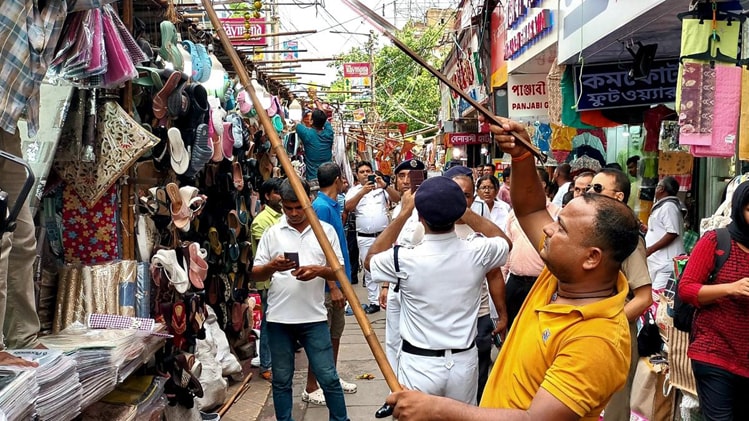
[dropcap]M[/dropcap]ost of us are okay with the hawker eviction drive because they will give good pictures of Kolkata, free pavements and good business to shop owners. But my questions directed to the authorities and the government are: What is the rehabilitation plan for them? What alternative are you providing? Nobody wants to live as a hawker. Is Bengal sufficient in providing jobs? Kolkata lags behind all metro and non-metro cities in job creation. Who forced them to become hawkers? Let them be provided with a job first. If you can’t provide jobs, how do you justify taking away their livelihoods?

The unemployment situation in Bengal is dire; the unemployment rate for graduates is 9.7% and for higher secondary graduates, it is 8.7% up to March 2022, as per the Ministry of Labour and Employment report on Rajya Sabha on 10th August 2023. However, actual unemployment is much higher across other categories, forcing people into hawking, roadside vending, or doing menial jobs. This drive will add on to the unemployment numbers. So, where is the rehabilitation plan? What will be the source of revenue for these hawkers next month? Will they be able to pay their children’s school fees? You can’t snatch away their livelihoods without offering an alternative. Those enjoying this drive should be alert as this could affect your job too. Eviction should not happen without rehabilitation, otherwise poverty, begging, and theft could be on the rise. Do we want hawker families to starve on the streets until they die, and their children to be forced out of school because fees can’t be paid?

What about illegal car parking, which is causing more problems? What about car parking for affluent people on the roadside? Should I share a photo of vehicles parked in broad daylight, or that of streets like Elliot Road and CIT Road? These are main roads, not to mention smaller lanes. Does your rule apply only to the poor? Why are building plans approved and constructed without providing basement parking? Except for high rises, none of these plans, even for flats costing more than 40 lakhs, include parking spaces. So what about illegal car parking?

Encroachment of Waqf properties also happens. Many Waqf Estates are encroached upon by government offices or police. For example, the famous Park Court in 7-Point Crossing is a Waqf property that now houses the Office of the South East division! When will this issue be resolved?

Not conducting an eviction drive in Burrabazar raises serious questions. Why conduct the eviction drive in Chandni Market only and not in Burrabazar? Burrabazar is Kolkata’s busiest area, with hardly any room for four-wheelers near Satyanarayan Park AC market. Pedestrians must navigate jams to travel from one end to the other. Hundreds of hawkers encroach on the roads here. Yet, when the government is on a spree to remove hawkers across Kolkata, Burrabazar has been completely left out. This raises serious questions about why this area was omitted. The government needs to answer for this selective treatment. However, we oppose any drive without proper rehabilitation, whether in Burrabazar or elsewhere based on financial status.

Hawkers are integral to the status of other major cities. Sarojini Nagar Market and Janpath in Delhi, Crawford Market/Linking Road and Fashion Street in Mumbai, and Gandhi Bazar in Bangalore—all these places have hawkers and street shopping centers where even celebrities shop. A city market without these would be unimaginable. Conditions can be improved with discipline and adjustments, but not by removing them entirely.

Rehabilitation of College Street Booksellers showed us how, under the current government, they were relocated systematically around five years ago, preserving their livelihoods and improving their environment. I stand with the hawkers until a proper rehabilitation plan is in place.

झारखंड के पूर्व मुख्यमंत्री हेमंत सोरेन को जमानत: कोर्ट ने कहा प्रथम दृष्टया दोषी नहीं

रांची: झारखंड उच्च न्यायालय ने एक कथित भूमि घोटाला मामले में धन शोधन निवारण अधिनियम (पीएमएलए) के तहत पूर्व मुख्यमंत्री हेमंत सोरेन को जमानत देते हुए अपने आदेश में कहा, “विश्वास करने का ‘कारण’ है कि याचिकाकर्ता (हेमंत सोरेन) जैसा कि आरोप लगाया गया है, अपराध का दोषी नहीं है।

आदिवासी नेता और राज्य में सत्तारूढ़ सरकार के कार्यकारी अध्यक्ष सोरेन 5 महीने तक जेल में थे। प्रवर्तन निदेशालय (ईडी) ने रांची के बड़गाईं में कथित 8.86 एकड़ भूमि सौदे के संबंध में मामला दर्ज किया था। प्रवर्तन एजेंसी के अनुसार, पूर्व मुख्यमंत्री को जमीन खरीदनी थी और एजेंसी ने दावा किया कि उन्हें रांची में पूर्व सीएम के आवास से संबंधित दस्तावेज मिले हैं।

दिल्ली के सीएम अरविंद केजरीवाल, पत्रकार, मंत्री अभी भी जेल में हैं-हेमंत सोरेन

अपने आवास पर हेमंत सोरेन ने पत्रकारों से भी बात की और कहा, ”मुझे जो जमानत मिली है उसमें यह संदेश है कि मेरे खिलाफ साजिश हुई है। मुझे झूठे मामले में फंसाया गया और 5 महीने तक जेल में रखा गया। देश यह भी देख रहा है कि न्याय मिलने में इतना लंबा समय लग रहा है।”

इस अवसर पर, उन्होंने भारत भर की जेलों में बंद विभिन्न क्षेत्रों के कई महत्वपूर्ण व्यक्तियों को भी याद किया, “पत्रकार और सरकार के खिलाफ आवाज उठाने वाले लोग, दिल्ली के सीएम अरविंद केजरीवाल और मंत्री जेल में हैं।”

“जो लोग अपना कर्तव्य निभा रहे हैं, उन्हें समस्याओं का सामना करना पड़ रहा है।” और दावा किया कि, “लड़ाई (भाजपा के खिलाफ), जिसका हमने वादा किया था, जारी रहेगी।”

झारखंड के राजनीतिक परिदृश्य में बदलाव    

जेल जाने से पहले हेमंत सोरेन को इस्तीफा देना पड़ा था। और उनकी जगह पार्टी के दूसरे वरिष्ठ नेता चंपई सोरेन को झारखंड का मुख्यमंत्री बनाया गया। हेमंत सोरेन की पत्नी कल्पना सोरेन ने गांडेय से विधानसभा उपचुनाव लड़ा, जो झामुमो के वरिष्ठ नेता सरफराज अहमद, जो अब राज्यसभा सांसद हैं, ने खाली कर दिया था, और वह झारखंड विधानसभा के लिए निर्वाचित हो गई।

इसी बीच लोकसभा चुनाव भी हुआ, जिसमें झामुमो को तीन सीटें मिलीं, जो सभी आरक्षित थीं।

हालांकि, हेमंत सोरेन के परिवार और पार्टी में एक और बड़ा बदलाव हुआ है। उनकी भाभी सीता सोरेन जेएमएम छोड़कर बीजेपी में शामिल हो गई हैं। उन्होंने लोकसभा चुनाव लड़ा लेकिन झामुमो उम्मीदवार नलिन सोरेन से हार गईं।


इस ख़बर को इंग्लिश में भी पढ़े

Ex-Jharkhand CM Hemant Soren Granted Bail: Court Finds ‘Reason to Believe’ in Innocence

0

Ranchi: Jharkhand High Court, while granting bail to former chief minister Hemant Soren under the Prevention of Money Laundering Act (PMLA) in an alleged land scam case, mentioned, “There is ‘reason to believe’ that the petitioner (Hemant Soren) is not guilty of the offence as alleged” in its order.

Soren, a tribal leader and the working president of the ruling government in the state, was in jail for 5 months. Enforcement Directorate (ED) had lodged a case in connection with an alleged 8.86-acre land deal in Baragain, Ranchi. According to the enforcement agency, the former chief minister was supposed to buy the land and the agency claimed that they had got related documents from the residence of the former CM in Ranchi.

Delhi CM Arvind Kejriwal, journalists, minister are still in jail-Hemant Soren 

At his residence, Hemant Soren also talked to newsmen and said, “The bail I received carries a message that there was a conspiracy against me. I was implicated in a false case and jailed for 5 months. The country is also witnessing that such a long time is being taken to get justice.”

On the occasion, he also remembered several important persons of different fields languishing in the prisons across India, “Journalists and the people who raise voices against the government, Delhi CM Arvind Kejriwal and ministers are in jail.”

“The people who are doing their duty, they are facing problems.” And affirmed, “The fight (against BJP), which we promised, will continue.”

Change in Jharkhand’s political landscape     

Before going to jail, Hemant Soren had to resign. And in his place, Champai Soren, another senior party leader was made chief minister of Jharkhand. Hemant Soren’s wife, Kalpana Soren, fought an assembly bypoll, from Gandey which was vacated by senior JMM leader Sarfaraz Ahmed, now Rajya Sabha MP and got elected to the Jharkhand assembly.

Amidst this, the Lok Sabha polls also took place, in which JMM won three seats, all were reserved ones.

However, there has been another major change in Hemant Soren’s family and with the party as his sister-in-law, Sita Soren left the JMM and joined the BJP. She fought the Lok Sabha election but lost to JMM candidate Nalin Soren.

Observations of Justice Rongon Mukhopadhyay’s court

The 55-page long order has many points to look into, however, the last three points— 62, 63 and 64 are being mentioned here as it is:

“The overall conspectus of the case based on broad probabilities does not specifically or indirectly assign the petitioner to be involved in the acquisition and possession as well as concealment of 8.86 acres of land at Shanti Nagar, Baragain, Ranchi connected to the “proceeds of crime”. None of the registers/revenue records bear the imprint of the direct involvement of the petitioner in the acquisition and possession of the said land. As it has been noticed above, the statement of Page 54 of 55 B.A. No. 4892 of 2024 some of the persons u/s 50 PMLA, 2002 designated the petitioner in the acquisition and possession of the property in question in the year 2010 without any material worth consideration and for all this while none of the ousted persons had approached the competent authority by registering any complaint which has conveniently been discounted by the Enforcement Directorate that the approaches though made to the Police proved futile. There was no reason for the purported oustees from the land in question not to have approached the authorities for redressal of their grievance if at all the petitioner had acquired and possessed the said land when the petitioner was not in power. The claim of the Enforcement Directorate that its timely action had prevented the illegal acquisition of the land by forging and manipulating the records seems to be an ambiguous statement when considered in the backdrop of the allegation that the land was already acquired and possessed by the petitioner as per some of the statements recorded u/s 50 PMLA, 2002 and that too from the year 2010 onwards.

The consequence of the findings recorded by this Court satisfies the condition as at Section 45 PMLA, 2002 to the effect that there is “reason to believe” that the petitioner is not guilty of the offence as alleged. So far as the condition that he is not likely to commit any offence while on bail reference is once again made to the case of “Ranjitsing Brahmajeetsing Sharma versus State of Maharashtra & Another” (supra) which has interpreted such provision as under: “38. …. The satisfaction of the court as regards his likelihood of not committing an offence while on bail must be construed to mean an offence under the Act and not any offence whatsoever be it a minor or major offence. If such an expansive meaning is given, even the likelihood of the commission of an offence Page 55 of 55 B.A. No. 4892 of 2024 under Section 279 of the Penal Code, 1860 may debar the court from releasing the accused on bail. A statute, it is trite, should not be interpreted in such a manner as would lead to absurdity…”

The court also commented on the conduct of Hemant Soren, which was cited as a reason by the lawyers representing ED for not granting bail.   

“Though the conduct of the petitioner has been sought to be highlighted by the Enforcement Directorate on account of the First Information Report instituted by the petitioner against the officials of the Enforcement Directorate but on an overall conspectus of the case there is no likelihood of the petitioner committing a similar nature of offence. The twin conditions as prescribed u/s 45 PMLA, 2002 having been fulfilled, I am inclined to allow this application. Accordingly, the petitioner is directed to be released on bail on furnishing bail bond of Rs. 50,000/- (Rupees Fifty Thousand only) with two sureties of the like amount each, to the satisfaction of learned Additional Judicial Commissioner-I-cum-Special Judge, PMLA, Ranchi in connection with ECIR Case No. 06/2023, arising out of ECIR/RNZO/25/2023 dated 26.06.2023.”

Are Lower Castes Bearing the Burden of a Greener Future?

0

Delhi: When Congress leader Rahul Gandhi was in Jharkhand during his Bharat Jodo Nyay Yatra earlier this year, he interacted with some people who used to ferrycoal on their motorcycles and bicycles. He might not have asked about the caste of these people who eke out a living by selling coal or working in the coal industry. However, a report mentions that there are more chance of them being from Other Backward Caste (OBC) or Scheduled Tribe (ST) or Scheduled Caste (SC) communities..

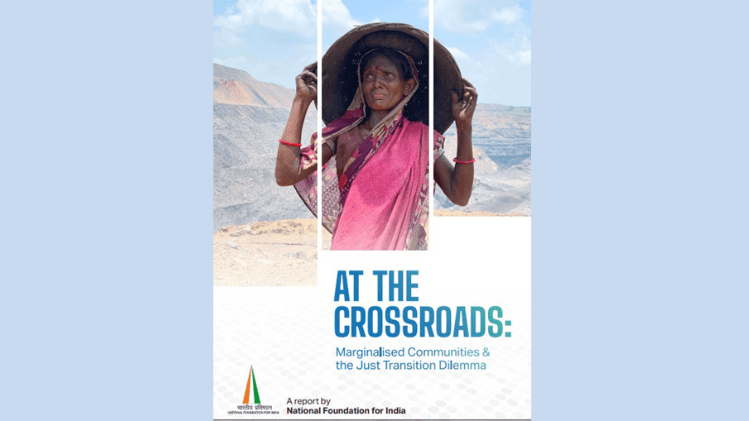
A new study by the National Foundation for India (NFI) sheds light on the challenges faced by marginalized communities during India’s transition from coal to greener fuels. The report, titled “At the Crossroads: Marginalized Communities and the Just Transition Dilemma,” reveals a troubling trend: a significant overrepresentation of marginalized groups in coal-dependent regions.

High Concentration of Marginalized Communities

The study surveyed 1209 households and conducted focus group discussions across six districts in three central Indian states – Chhattisgarh, Jharkhand, and Odisha. A striking finding was the caste composition of the surveyed population. 41.5% of surveyed households belonged to OBCs, 23% to STs and 17% to SCs. Only 15.5% belonged to the General category. This highlights a much higher dependence on coal among marginalized communities.

Disparities in Education and Health

The report further exposes significant disparities in education and health within these communities. A large portion of the population, particularly among SCs, STs, and OBCs, has limited access to education, with many having only primary education or no literacy at all. This lack of education poses a major challenge for reskilling the workforce as India transitions away from coal.

The health hazards of coal mining is also a matter of concern. At least 75% of the participants in focus group discussions reported respiratory and skin problems linked to prolonged exposure to coal pollutants. The ailments included chronic bronchitis, asthma, and various skin conditions.

Economic Impact and Caste Disparities

The phasing out of coal is expected to have a significant economic impact, particularly in coal-dependent regions. Job losses will not only affect coal miners directly but also the broader local economy reliant on coal-related services. The report warns that these economic impacts will disproportionately affect marginalized communities.

Caste-based inequities further exacerbate these challenges. The study found that access to resources and opportunities is skewed, with marginalized communities having significantly less compared to the General category.

india's coal transition dalit adivasis marginalized communities
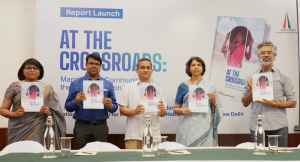
The launch of the report in Delhi

Challenges and Recommendations for a Just Transition

The report identifies several hurdles to achieving a “just transition” – one that minimizes negative impacts on vulnerable populations. Key challenges include:

  • Upskilling a largely under-educated workforce
  • Creating alternative livelihoods for those who lose jobs in the coal sector

The report emphasizes the need for:

  • Community-specific policies: Policies that take into account the specific needs and vulnerabilities of marginalized communities.
  • Robust institutional mechanisms: Well-functioning institutions to deliver essential services and support programs.
  • Coordinated efforts: Collaboration between government bodies to ensure a smooth transition.

The report proposes a framework for safeguarding these communities, including:

  • Developing alternative livelihoods: Promoting new economic opportunities beyond coal mining.
  • Ecological restoration: Mitigating the health impacts of coal mining through environmental recovery efforts.
  • Inclusive policies: Designing transition policies that consider the needs of marginalized communities.

Vulnerability of Communities and Urgent Need for Action

The study highlights the significant social and economic disparities across coal-dependent regions. Districts solely reliant on coal production, like Dhanbad (Jharkhand) and Koriya (Chhattisgarh), reported lower incomes compared to more diversified districts like Angul (Odisha). The report also found a lack of access to basic welfare schemes, further exacerbating the vulnerability of these communities.

“Without a clear plan in place, workers in declining industries may face sudden job losses without adequate support or alternative employment opportunities,” said Pooja Gupta, co-author of the study.

The report‘s key takeaway is the urgent need for action. As Biraj Patnaik, the executive director of NFI, stated, “The findings highlight the stark caste-based inequalities in access to education and livelihood opportunities in coal-dependent regions.” He emphasized the need for “community-specific policies and robust institutional mechanisms” to address these challenges.

Debunking the Khilji Myth: The True Story of Nalanda’s Destruction

1

[dropcap]T[/dropcap]he campus of Nalanda was inaugurated formally by Prime Minister Narendra Modi on 19th June (2024) in the presence of Ambassadors from many countries like Myanmar, Srilanka, Vietnam, Japan, and Korea, among others. Most of these countries are the ones where Buddhism was spread by the preachers sent by Emperor Ashok. Initially the idea of reviving Nalanda as a premier global University was floated by then President APJ Abul Kalam in 2006 and later ratified by the Bihar Assembly and UPA Government.

On the occasion; Modi stated that this University was burnt by foreign invaders in the 12th Century. He was parroting the popular perception that Bakhtiyar Khilji, the courtier of Mahmud Ghori had burnt it.

This perception is an add-on to the other such ‘social common sense’ that Muslim invaders destroyed the Hindu Temples and spread Islam by force. Incidentally, the propagation of these understandings began with the introduction of communal historiography by the British and later picked up with big gusto by the communal streams, Muslim communalism and Hindu Communalism. While the propagation of myths propagated by the Muslim League against Hindus is playing havoc in Pakistan, in India it is RSS which has played this up, leading to Hate against Muslims in our society to the extent that Sardar Vallabh Bhai Patel had to write this about RSS, “All their speeches were full of communal poison. It was not necessary to spread poison to enthuse the Hindus and organize for their protection. As a final result of the poison, the country had to suffer the sacrifice of the invaluable life of Gandhiji.”

When Modi was mouthing that Nalanda was burnt by foreign invaders, this falls in the same category of falsehoods which are used to spread hatred against Muslims. Nalanda had a glorious residential University, spread out in a large area in Rajgir Bihar, built by Gupta in the sixth century. It was a Buddhist center as Archeological evidence shows. Primarily it was for the study of Buddhist philosophy, in addition, Brahminical scriptures, mathematics, logic and health science were also taught. Its tradition of open discussion and logic was so high that it attracted students and scholars from various destinations. It was supported by the Kings, later with the coming of the Pala and Sena dynasty its patronage was reduced and withdrawn. Patronage was redirected to new Universities, like Odantpuri and Vikramshila in particular.

This was the beginning of the decline of Nalanda. Who set fire to the great library housing millions of books, Manuscripts and rare collections? While it is being attributed to Khilji, particularly after the coming of the British, there is no single primary source mentioning this. Khilji’s primary goal was to loot and plunder. On route from Ayodhya to Bengal he attacked Kila-i-Bihar thinking this was a forte with wealth. On the way, he plundered wealth and killed people. Nalanda was not on the route, rather far away from the route and he had no reason to attack a University. Most of the primary sources related to the history of that time do not mention Khilaji coming to Nalanda. Tabakat-a-Nasiri written by Minhaj-e-Siraj has no mention of these lines. Two Tibetan Scholars, Dharmaswamin and Sumpa were keenly studying the history of India, particularly related to Buddhism, in their books also; Khilji is not mentioned as the one who either came to Nalanda or burnt it. Taranath, another well-known Buddhist scholar from Tibet also does not mention any such fact.

Interestingly, Buddhist structures of importance like Ajanta, Ellora and Sanchi Stupa were also not the subject of the ire of ‘invaders’! Nor do the Indian historians Jadunath Sarkar and RC Majumdar endorse Nalanda being destroyed by Khilji. So how did it get burnt and lose its historical importance? Many stories abound apart from the Khilji destroying it, being most prevalent.

Prof DN Jha, the authority on Ancient Indian History in his essay, ‘Responding to a Communalist’ compilation of his essays (Against the Grain, Manohar 2020, pp 185 onwards) gives an excellent summary of the relevant part of the book ‘History of Buddhism in Indian’ by Tibetan monk Taranath. “During the consecration ceremony of the Temple built by Kakutsiddha at Nalendra[Nalanda], ‘the young naughty Shamans threw slops at tirthika beggars (Brahmins, added)…Angered by this one of them went for arranging livelihood and the other sat in the deep pit and engaged himself in ‘Surya Sadhana)…He performed a sacrifice and scattered the charmed ashes all around which resulted in the miraculous fire.”

History of Indian Logic p. 516, cited by DR Patil, ‘The Antiquarian Remnant’ in Bihar says that this incident refers to the actual scuffle between Buddhist and Brahmanical mendicants. The latter propitiated the Sun God, performed a sacrifice and threw the living ambers and ashes from the sacrificial pit to Buddhist temples. This is what led to the burning of the great collection of books at that time.

We also need to register that this was a period when the attacks against Buddhism were coming up as the resurgence of Brahmanism was coming up in a big way. After the period of Ashoka when India became Buddhist in large measure, the notions of equality ruled in a big way. Due to this, the Brahamanical rituals declined leading to a big dissatisfaction among Brahimins. A bit later when Ashoka’s grandson Brihdrath was ruling, his commander-in-chief Pushyamitra Shung murdered Brihdrath and became the ruler unleashing an anti-Buddhist persecution.

All reliable sources point to the fact that Brahmins burned the library as revenge. Bringing Bakhtiar Khilji fits into the general Islamophobic propaganda against Muslims and at the same time hides the true story of the persecution of Buddhism during that period.

What we need to preserve from the Buddhist period is a spirit of free debate and logic as the underlying base of education. In present times our Universities are being stifled by the imposition of a culture of obedience and subordination in the matters of academia. The knowledge cannot be imbibed or developed under such conditions. If we can learn this from the tragic history of the struggle between Buddhism and Brahmanism in India, it will be a crucial aspect of the development of academia in the country. 

अन्नदाता का संकट केवल अकेले का ही नहीं, समाज के सभी वर्गों को आने वाले समय में प्रभावित करेगा

0

[dropcap]वो[/dropcap] अन्नदाता है, कह कर राजनीति हमेशा अपने दायित्व से बचने की ढाल के रूप में इसे प्रयोग करने से चूकती नहीं। खेती किसानी और किसान साल दर साल शोषित होने का दंश झेल रहा है। किसान उन्नति से महरूम हर हाल में संघर्ष करने की विवशता से अभिशप्त अपनी दशा का आकलन करने की क्षमता खोने की कगार पर पहुँच चुका है लेकिन सरकारों की नीतियां बेपरवाह जस की तस अपनी निरंतरता बनाए हुए है। खेती किसानी के लाभ किसको मिल रहे हैं यह पहेली भी पहले से ज्यादा उलझी गयी है। विषम परिस्थितियों किये गए में परिश्रम और उत्पादन का उचित मूल्य निर्धारण करने में कोई नीति सफल साबित हुयी नहीं। सरकारें ऐसी व्यवस्थाओं के निर्माण करने का लक्ष्य किन ताकतों के दबाव में पूरा नहीं कर रही ये प्रश्न भी उतना ही गंभीर है जितना गंभीर सवाल किसानों की दशा को सुधारने का है जहां हर दिन किसान आत्महत्या करने को मजबूर है। स्वास्थ्य शिक्षा और रोजगार भी ग्रामीण स्तर तक ठोस रूप से स्थापित करने की प्राथमिकताएं देश की नीतियों में स्थाई स्थान नहीं बना पायी।

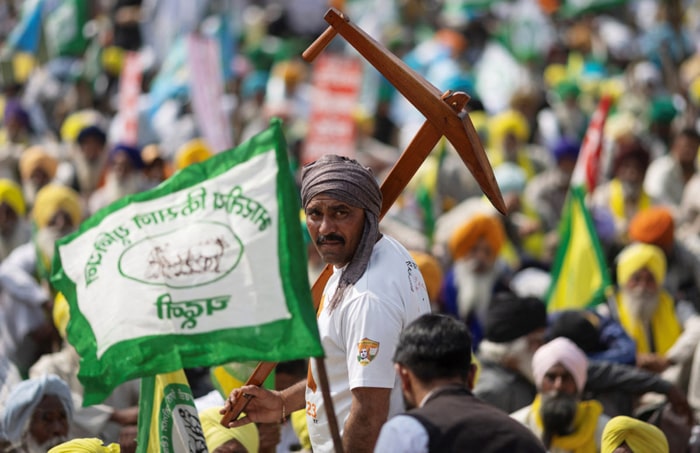
पिछले डेढ़ दशक से किसानी खेती के जिन मुद्दों को आधार बना कर सत्ता में आयी वर्तमान राजनीतिक पार्टी भाजपा दस साल बीत जाने के बाद भी मुद्दों को अब तक पूरी तरह से हल करना तो दूर बल्कि विपरीत नीतियों को थोपने के प्रयास में लगी हुयी है जिसका सबसे बड़ा प्रमाण देश पहले किसान आंदोलन के रूप में देख चूका है। हताशा में किसान फिर से अपनी मांगों के लिए लामबद्ध होने को बाध्य हरियाणा प्रदेश की सीमाओं पर डटे हुए हैं। देश में 18 वीं लोक सभा चुनाव के बाद तीसरी बार बनी भाजपा सरकार की नीतियों में किसानों के प्रति गंभीरता का सबूत देश के वित्त मंत्री दवारा हाल ही में की गई बजट पूर्व समीक्षा पुनमुल्यांकन बैठक से पता चलता है जिसमे देश में किर्याशील किसान संगठनों और कृषि क्षेत्र के अन्य समूहों के प्रतिनिधियों को शामिल नहीं किया गया। कृषि क्षेत्र को देश के वार्षिक बजट के द्वारा कितना मजबूत किया जाएगा इस पर सवाल उठना ही कृषि के प्रति दृष्टिकोण को परिभाषित करता है। कृषि क्षेत्र में कार्य करने वाले स्वतंत्र विशेषज्ञों वैज्ञानिकों अर्थशास्त्रियों के सुझाव वार्षिक बजट व नीतियों में कितनी जगह बना पाएंगे ये सवाल भी सरकार की कार्यशैली से उठता है।

1 फरवरी 2024 को  देश की वित्त मंत्री निर्मला सीतारमण द्वारा पेश किये गए अंतरिम बजट में कृषि क्षेत्र के लिए निर्धारित लक्ष्यों में किसान और किसानी को मजबूत करने के संकल्प क्या आकार लेंगे ये पूर्ण बजट में स्पष्ट हो जाएगा। देश की अर्थव्यवस्था में कृषि क्षेत्र के महत्व को भाजपा सरकार स्वीकार करती है इसका प्रचार भी निरन्तर दस सालों से किया जा रहा है लेकिन धरातल की वास्तविकताएं बिलकुल भिन्न बनी हुयी हैं जिसका सबसे बढ़ा उदाहरण हाल ही घोषित फसलों के समर्थन मूल्यों पर कृषि क्षेत्र में विभिन्न किसान यूनियन कृषि अर्थशास्त्री व विपक्षी राजनितिक दलों की हुयी प्रतिकिर्यायों में मिलता है। फसल बीमा योजना के लाभ खाद उर्वरक की आपूर्ति उच्च श्रेणी के बीज की उपलब्धतता किसानों को समयानुसार नहीं मिलने व अन्य कारकों के समाधान नहीं होने से क्षुब्द किसान वर्ग ने भारत में आम चुनाव में कई प्रदेशों में जता दिया है कि सरकार की नीतियां कितनी कारगर साबित हुयी हैं।

किसान कृषि खेती किसानी किसानों की आत्महत्या
साभार: southasianvoices.org

भारत में 55 % जनसंख्या कृषि पर आधारित है जो उन की जीविका का प्रमुख स्त्रोत है। लेकिन इस से बड़ी आबादी 5 किलो मुफत राशन की मोहताज बन कर इसी देश में रहने को मजबूर भी है जिसे वर्तमान सरकार विशेष उपलब्धि के तौर पर प्रस्तुत करने में गर्व से गुरेज नहीं करती। देश के बजट में कृषि और सहायक क्षेत्रों के लिए कुल बजट का 1.9% अंश ही लगभग 2023 -2024 तक निर्धारित हो पाया था जबकि समूचे क्षेत्र को मजबूत करने के लिए और अधिक प्रावधानों की आवश्यकता बनी हुयी है। जिन चुनौतियों से कृषि क्षेत्र जूझ रहा है उनमे सबसे बड़ी फसलों के उचित दाम निर्धारित करना है जिसके लिए पूर्वर्ती सरकारों द्वारा विभिन्न समीक्षा समिति बना कर शोध के आधार पर आवश्यक उपाय निर्धारित किये गए जिन्हें अभी तक लागु नहीं किया गया। बड़ी संख्या में उपजाऊ भूमि वाले देशों में से एक होने के बावजूद देश में अन्न उत्पादन की क्षमताएं पूरी तरह से विकसित नहीं हो पायी जिससे छोटे और सीमान्त किसानों को समुचित लाभ से बंचित रहना पड़ता है। ग्रामीण श्रम के सार्थक उपयोग से ग्रामीण अर्थ व्यवस्था को मदद करने की महत्मा गाँधी ग्रामीण श्रम कानून योजना के अंर्तगत निर्धारण को भी पिछले कुछ वर्षों से लगातार सिमित किया गया है किसक सीधा प्रभाव  भी ग्रामीण समाजिक जीवन पर पड़ रहा है। 2023-24 के बजटीय प्रावधानों में उन्तीस हजार चार सो करोड़ की कटौती केवल मनरेगा के लिए आबंटन में की गयी है।

2023-24 के बजट में कृषि क्षेत्र के विभिन्न मदों में की गयी कटौती फ़ूड सब्सिडी 89844 करोड़ (31.3%) खाद उर्वरक सब्सिडी 50119 करोड़ (22.3%) मनरेगा 29844 करोड़ (32.9%) मिला कर 169704 करोड़ के लगभग को ढांचागत संरचनाओं रोड रेल ग्रामीण आवास पेय जल आदि को स्थापित करने के नाम पर आबंटन किया गया गया है जिसका लाभ छोटे मंझोले सीमान्त किसानों श्रमिकों से ज्यादा पूंजीपति वर्ग को मिलने के आसार स्पष्ट है। निति निर्धारण में पूंजीपति केंद्रित दृष्टिकोण के चलते किसानों की चिंताएं कम होती दीख नहीं रही है। कृषि क्षेत्र प्रकृतिक संसधनों का बड़ा स्त्रोत है जिस पर निगाह पूंजपति वर्ग की बड़े मुनाफे को लेकर बनी हुयी है। लेकिन सरकार कृषि और कृषक समाज के उत्थान संरक्षण और आर्थिकी को सदृढ करने में सफलता से कोसों दूर जाने किसकी छाँव में बैठी है। कृषि मंत्रालय पर एक रिपोर्ट में खुलासे के अनुसार पिछले पांच वर्षों में कृषि मंत्रालय आबंटित बजट को पूरी तरह उपयोग न कर पाने की स्थिति में लगभग एक लाख करोड़ सरकार को वापिस लौटा चुका है। फलसों के समर्थन मूल्यों की बढ़ोतरी पर दशक दर दशक अगर तुलनात्मक रूप से देखा जाये तो कोई उत्साह वर्धक नतीजे वर्तमान सरकार बढ़ती मंहगाई के संतुलन को साधते हुए प्रस्तुत करने में भी विफल ही साबित हुयी है।

किसानों की आत्महत्या को रोकने के गंभीर प्रयास करने में सरकार की नीतियों को किस श्रेणी में रखा जाये ये भी सामान्य समझ से परे ही है। आकड़ों के अनुसार 2014 से 2024 तक लगभग एक लाख किसान कर्ज और फसलों पर कुदरती मार के कारण जान गँवा चुके हैं। देश की अर्तव्यवस्था में कृषि क्षेत्र की प्रथमिकताएं उद्योगिक क्षेत्र की तुलना में क्या स्थान रखती है इस सवाल को अर्थशास्त्री और विशेषज्ञ कभी स्पष्ट करना नहीं चाहते। देश में नेतृत्व का दृष्टिकोण अन्न में आत्म निर्भरता से बदल कर जब व्यापार पर केंद्रित हो तो संकट के हल केवल प्रचारों में निहित होते हैं।

वर्तमान सरकार के कार्यकाल में कृषि बजट में जारी कटौतियों के प्रभाव ग्रामीण अर्थव्यवस्था के संकुचित होने के रूप में भी धरातल पर दिखाई देने लगे हैं।किसान का कर्ज दिन प्रति दिन बढ़ता जा रहा है जबकि देश के बड़े उद्योगिक इकाईओं और घरानों के 16 लाख करोड़ के कर्ज सरकार ने माफ़ करने में कोई कोताही नहीं की। मानने कहने और क्रियान्वित करने के अंतर में कृषि क्षेत्र और ग्रामीण किसान समाज निरंतर पिस्ता जा रहा है। नीतियों पर आधारित पूर्ण परिवर्तन की उम्मीद लगभग नगण्य ही है। अपने समाधान के लिए किसान किस राह को अपनाये ये सवाल भी फसलों के साथ साथ जमीन से उगने लगे हैं। राष्ट्रीय कृषि विकास योजना प्रधानमंत्री सिंचाई योजना प्रधान मंत्री फसल बीमा योजना प्रधानमंत्री ग्रामीण आवास योजना  ग्रामीण रोजगार योजना के होते हुए किसान किस से अपने संकट का दुखड़ा रोये। अन्नदाता का यह संकट केवल अकेले का ही नहीं बल्कि समाज के सभी वर्गों को आने वाले समय में प्रभावित करेगा।

कल्पना सोरेन की तीन चुनौतियाँ

रांची: विधायक चुने जाने के बाद कल्पना सोरेन ने अपने विधानसभा क्षेत्र गांडेय और गिरिडीह का चार दिनों का दौरा किया। पूर्व मुख्यमंत्री हेमंत सोरेन और झारखंड मुक्ति मोर्चा के कार्यकारी अध्यक्ष (जो जेल में हैं) की पत्नी, उन्होंने अपने प्रवास के दौरान क्षेत्र की जनता से मुलाकात की और कई धार्मिक स्थलों का दौरा किया। कल्पना ने गिरिडीह के प्रशासनिक अधिकारियों और पार्टी कार्यकर्ताओं के साथ भी बैठक की।

लोग मानते हैं कि शिबू सोरेन की बहू के पास पार्टी और सरकार दोनों में अनौपचारिक शक्ति है। इस शक्ति के साथ जिम्मेदारियाँ और चुनौतियाँ आती हैं। इन चुनौतियों का तुरंत समाधान करना पार्टी और सरकार दोनों के लाभ के लिए महत्वपूर्ण है।

चुनौती नंबर एक- आत्ममंथन बैठक

खासकर उत्तरी छोटानागपुर क्षेत्र में पार्टी के प्रदर्शन पर फीडबैक लेने के लिए पार्टी नेताओं की तत्काल आत्मनिरीक्षण बैठक बुलाई जानी चाहिए।

इंडिया ब्लॉक केवल आरक्षित लोकसभा सीटें जीतने में कामयाब रहा और रांची, जमशेदपुर, गिरिडीह, धनबाद, कोडरमा, हजारीबाग और गोड्डा सहित नौ सीटें हार गया।

हालांकि अभी तक पार्टी नेताओं की कोई बैठक नहीं हुई है. लोकसभा नतीजों के बाद मुख्यमंत्री चंपई सोरेन और पार्टी के कुछ नेताओं ने स्थिति पर चर्चा के लिए हेमंत सोरेन से मुलाकात की।

भाजपा ने विधानसभा चुनाव की तैयारी शुरू कर दी है, जिसमें उसके दो प्रभारी-केंद्रीय कृषि मंत्री शिवराज सिंह चौहान और असम के मुख्यमंत्री हिमंत बिस्वा सरमा शामिल हुए हैं। दिसंबर में होने वाले झारखंड विधानसभा चुनाव में छह महीने से भी कम समय बचा है, इसलिए झामुमो को अभी से एक साथ बैठकर विचार-मंथन करना चाहिए।

संसद सत्र से एक दिन पहले कांग्रेस ने दिल्ली में झारखंड कांग्रेस के वरिष्ठ नेताओं के साथ बैठक की, जिसमें पार्टी अध्यक्ष मल्लिकार्जुन खड़गे, राहुल गांधी और झारखंड कांग्रेस अध्यक्ष राजेश ठाकुर शामिल रहे।

पार्टी के टुंडी विधायक और गिरिडीह से इंडिया ब्लॉक उम्मीदवार मथुरा महतो, जो आजसू के चंद्र प्रकाश चौधरी से 80,000 वोटों से हार गए थे, ने भी पार्टी को एक बैठक का अनुरोध करते हुए लिखा था, लेकिन पार्टी ने अभी तक आत्मनिरीक्षण के लिए बैठक नहीं बुलाई है।

दूसरा चैलेंज राज्य भर में झामुमो संगठन में बदलाव

गांडेय विधानसभा सीट पर, जहां से कल्पना सोरेन ने उपचुनाव जीता, कोडरमा लोकसभा के भारतीय उम्मीदवार विनोद सिंह को कल्पना सोरेन से कम वोट मिले। तथ्य यह है कि इंडिया ब्लॉक के दो उम्मीदवार होने के बावजूद लोकसभा उम्मीदवार को कम वोट मिले – एक विधानसभा चुनाव के लिए और एक लोकसभा के लिए – यह दर्शाता है कि इंडिया ब्लॉक उम्मीदवार को जेएमएम टीम का समर्थन नहीं मिल रहा था।

हालांकि गांडेय विधायक के पास पार्टी में कोई आधिकारिक पद नहीं है, लेकिन उन्हें राज्य भर में पार्टी के मामलों पर काम करना होगा।

अपने दौरे के दौरान कल्पना सोरेन गिरिडीह स्थित झामुमो पार्टी कार्यालय भी गईं। जिला इकाई को नेतृत्व परिवर्तन की आवश्यकता है, क्योंकि जिला अध्यक्ष एक दशक से अधिक समय से इस पद पर हैं।

झामुमो के नेतृत्व वाली गठबंधन सरकार, जिसने जाति जनगणना के लिए कैबिनेट प्रस्ताव पारित किया है, को पार्टी के भीतर अपने प्रमुख मतदाता समूहों को समान हिस्सेदारी देना शुरू करना चाहिए। चूंकि झामुमो के मुख्य मतदाता अल्पसंख्यक और आदिवासी हैं, इसलिए उन्हें पार्टी इकाइयों में महत्वपूर्ण पद मिलना चाहिए। इसके लागू होने या न लागू होने से आगामी विधानसभा चुनाव में पार्टी के प्रदर्शन पर असर पड़ेगा।

चुनौती नंबर तीन-जयराम महतो का मुकाबला

गिरिडीह के नतीजों से पता चलता है कि जयराम महतो और उनकी पार्टी, झारखंड भाषा खतियान संघर्ष समिति (जेकेबीएसएस) द्वारा पेश की गई चुनौतियों को अब नजरअंदाज नहीं किया जा सकता है, खासकर सत्तारूढ़ झामुमो द्वारा।

उम्मीद है कि जयराम महतो और उनकी पार्टी के उम्मीदवारों का झारखंड विधानसभा चुनावों पर महत्वपूर्ण प्रभाव पड़ेगा, संभावित रूप से कम से कम पांच विधानसभा सीटें प्रभावित होंगी। झामुमो के पास इस युवा नेता का मुकाबला करने की फिलहाल कोई योजना ज़मीन पर नहीं दिख रही है।

गौरतलब है कि जयराम महतो के लोकसभा प्रदर्शन ने यह साबित कर दिया है कि वह और उनकी नवगठित पार्टी राज्य के किसी भी अन्य हिस्से की तुलना में गिरिडीह लोकसभा क्षेत्र में अधिक प्रभावी है।

हालाँकि, अपने प्रचार के दौरान, कल्पना सोरेन ने युवा कार्यकर्ताओं की एक टीम बनाईं थी। अगर वह हर विधानसभा क्षेत्र में युवाओं को जोड़े तो इससे पार्टी को फायदा हो सकता है।


ये अंग्रेज़ी में प्रकाशित स्टोरी का अनुवाद है