I am Muslim, I am India protest against hate crimes

Date:

Share post:

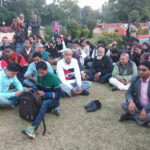
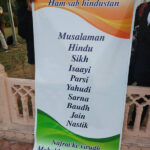
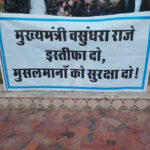
Jaipur:  Since 2015, there has been a drastic rise in hate crimes in India and intensity of every incident after another has been more than previous ones. More than three dozen people have been killed within three years in the name of cow worship, beef eating and now in the name of love-jihad, a term coined by Hindutva forces for inter-religious marriages. On December 6, when Muslims mourned the destruction of Babri Mosque, Malda’s Afrazul (Ifrazul) Khan was murdered in the most gruesome manner by one Shambhu Lal Regar in Rajsamand, Rajasthan. In the last two years, Rajasthan has witnessed several murders of Muslims. But this time, the cruelty broke all parameters. Since then civil societies have been protesting across India. On December 13, when Indian Parliament was attacked by militants, people gathered at Gandhi Circle in Jaipur to say — I am Muslim, I am India to stand against religious militants of India. In Delhi too, a protest under Not In My Name took place and people from all walks of life participated in it.

 

Related articles

You Can Crack IIT. Can You Crack Its Caste System?

IIT Bombay student Sahil Wakode’s suicide has revived questions about caste discrimination, merit and student rights in India’s elite institutions. As allegations of harassment and casteist abuse emerge, the larger concern is whether campuses meant to nurture talent are becoming hostile spaces for marginalised students

Who Will Pick Up the Phone Now? The Crisis Facing Hemant Soren After Sonu

Sudivya Sonu’s death has left more than an empty Assembly seat in Giridih. As JMM prepares for a bypoll, Hemant Soren must navigate succession, Kalpana Soren’s growing role and the party’s wider alliance politics.

What Is India’s Youth Asking For: Cultural Identity or the Right to a Future?

India’s youth have always questioned power, from the student movements of the 1970s to the Anna movement. Today, programmes in Ujjain and Indore raise a new question: is young India seeking cultural identity, political recognition or something more basic — the right to shape its future?

BRICS Isn’t Beijing’s Game. It’s India’s Strategic Autonomy

India’s BRICS engagement is not about choosing China over the West but protecting its strategic autonomy. As the global order turns multipolar, India must retain strong ties across competing blocs while defending its independent foreign policy and ensuring that national interests, not Western approval, shape its international choices.