



Kolkata: A strong sense of aesthetic appeal, grit and hard work intertwined together gave Shaswati Garai Ghosh the ideal canvas to exhibit her dance forms like a fluid art work through Sampriti, 2019, an annual dance event of an Odissi Dance Institute.
The choreography, concept and visually vibrant dance moves neatly weaved together left the audience mesmerized at the Indian Council for Cultural Relation’s (ICCR) Auditorium, on the eve of October 31.
Shaswati, a brilliant dancer and an equally talented choreographer brought together dancers of various age groups, from the very young to experienced members of the Odissi Repertoire and curated an evening of spellbinding colours, jovial moves and rustic textures.
The programme started with Arpan (homage to the almighty), which was followed by a dreamy sequence of Sthayi (a technical Odissi piece), Natati, Sthiti (a beautiful juxtaposition of yoga and dance movements) and Shankaravarnama Pallavi.
This was followed by a beautiful rendition of Rabindra Nath Tagore’s Aye Tobe Sohochori in classical tunes named Dha Dhina, portraying a reflection of the playful child to the cheerful adult.
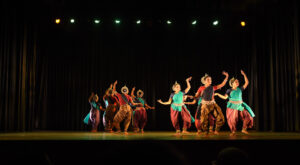
Juda Bandhinu mirrored the eternal feminine character dressing up in embellishments, shying away and adorning the maiden within, all at the same time.
In her own composition, Vriddhi, Shaswati made a beautiful endeavour to portray the growth of an artist, with one Raga depicting one particular phase of the artist’s journey. The sublime piece showed the growing up of the playful, dancing kid to the delightful belle, lost and cultivated in her own moves.
Shaswati’s solo piece at the very end, on the Raag Kalashree was a quest within, as the dancer journeys within herself to find out the daring maneuvers in her heart. Depicting chaos and serenity at the same time, the piece ended with something more magnificent- call to the artist within.
A metaphor for the whole journey of life, Vriddhi culminated in the concoction of hope, faith and power. The fluidity of movements alongside the deeply philosophical overtones gave the piece a splendid touch and a lively enamour.
Shaswati’s solo was beautifully rendered and truly galvanizing. The event winded up with a sensational spiritual note, promising yet more such performances.

