A day after: Uneasy calm in Jaipur

Date:

Share post:

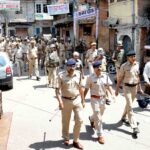
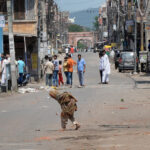
Jaipur: The clash between police and the residents of Ramganj, Jaipur which caused death of a civilian also paralysed the public life. The fiasco between police and common man occurred, on Friday night, when an injured woman, during police lathi charge, approached officers to register a complain, the police refused. It aggravated the matter and soon one of the most famous centers of Jaipur turned into a battle ground between police and locals. The incident caused severe injuries to several including police, and death of a civilian. Later,  at four police station areas in and around Ramganj, curfew has been imposed. The old city market area was almost shut, the jam-packed roads were mostly deserted.

Our photojournalist Chandra Mohan Aloria visited the affected area and captured some intriguing pictures, depicting how life has been affected in Ramganj. Have a look.

Related articles

Killed Over a Skullcap, Ignored by the System: What 405 Documented Hate Incidents Reveal About Impunity in India

A new APCR report documents 405 hate crimes and speeches across India in nine months—including 54 deaths, post-poll violence in West Bengal, and 37 per cent state actor involvement—exposing how public incitement and police inaction fuel targeted minority violence.

The Architect of Indian Minds: From Macaulay’s Clerks to Azad’s Engineers

Maulana Azad held no formal degrees, yet he built the IITs and dismantled the British system designed to produce clerks. As India debates commercialised schooling and institutional credibility in 2026, his radical republic of learning demands an urgent revisit

From Tuition Teacher to School Founder: How ‘Laddu Sir’ Built a School of 1,800 Dreamers

Topsia’s Noble Mission School is challenging the notion that talent needs expensive schooling. Founded by ‘Laddu Sir’, the school has 1,800 students and affordable ₹600 monthly fees. At its annual day, Wali Rahmani reminded parents that paying school fees is no substitute for education.

Beyond Property and Politics: Understanding the History of Waqf in India

Syed Ubaidur Rahman's *History of Waqf in India* explores the institution's Islamic foundations, historical evolution and changing legal framework, offering a wider perspective on Waqf beyond contemporary debates over property, politics and state regulation.