

Rajasthan Sculptors Protest: When ‘Gods’ say, “No to GST”

Date:

Share post:

Jaipur: Ever since the implementation of the Goods and Services Tax (GST) was announced, protests have broken out across India. From textile traders to theatre owners, several groups have taken to the streets in cities like Surat, Jaipur, and Kolkata, while in states such as Tamil Nadu and Rajasthan, entire industries have demanded a complete or partial rollback of the new tax regime. But in Jaipur, a rather unique protest has emerged — led by sculptors.

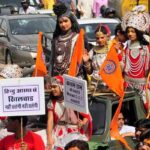
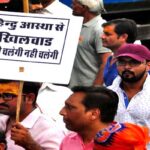
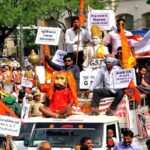
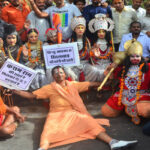
On July 5, hundreds of sculptors under the banner of Moortikala Sangharsh Samiti marched through the streets, protesting against idols made by them being brought under GST. Protesters dressed as gods, goddesses, and priests carried striking slogans such as “Kasam Ram Ki Khatey Hain, Milkar GST Hatayenge” (We swear in the name of Ram, together we will force GST to be rolled back). They argued that taxing idols of gods amounted to an attack on Hinduism.

Adding to their frustration was confusion over the tax slab. Initially, sculptors were told that their products would attract a 28% GST, but later this was revised to 12%. “Irrespective of the slab, we want a complete rollback,” said Satya Prakash Natha, spokesperson of the Samiti. The rally concluded at the Jaipur collectorate, where a memorandum demanding rollback of GST on idols was submitted.

This was the second such protest by sculptors in Jaipur, following a chetawani (warning) rally on July 3.
Related articles

When Caste and Religion Intersect: Why Reserved Seats With Large Muslim Populations Raise Representation Questions

India’s system of reserved constituencies is an essential safeguard for Scheduled Castes and Scheduled Tribes. Yet in seats like Nagina and Nabagram—where Muslims make up nearly half or more of the population—Paragraph 3 of the 1950 Presidential Order legally bars Dalit Muslims from contesting SC-reserved seats. Drawing on constituency data, election margins, and commission reports, this piece examines the constitutional tension without pitting marginalised communities against each other

Too ‘Foreign’ for an Italian Priest, Too ‘Foreign’ for Indian Politics: Inside Sonia Gandhi’s Belonging

Born Antonia on church papers, called Sonia at home, and branded "Videshi Bahu" on the Indian campaign trail—Sonia Gandhi was called "too foreign" in two different countries. Here is the wild WWII backstory behind her name from her memoir Belonging.

‘He Got Angry and Said He Would See’: St Xavier’s Teacher Alleges BJP’s Samik Bhattacharya Threatened Her Over School Admission

During a Kolkata roundtable on religious conversions, St Xavier’s teacher Joeeta Basu accused Rajya Sabha MP and Bengal BJP president Samik Bhattacharya of threatening her two years ago when a student’s admission did not go through—suggesting longstanding personal grudges may be behind recent attacks on missionary schools.

Did Sonia Gandhi’s Memoir Belonging Omit Mumbai Attacks, Shah Bano and Her Father’s Alleged Fascist Links?

Viral claims accuse Sonia Gandhi’s memoir Belonging of hiding key events like 26/11 Mumbai Attacks and the Shah Bano case. A chapter-by-chapter fact-check proves those topics are explicitly covered, separating fabricated outrage from genuine editorial date slips.