Whatsapp messages mocking dalits and sc/st act fuel protest in Rajasthan

Date:

Share post:

Jaipur: All India bandh called by the Scheduled Caste and Scheduled Tribe (SC/ST) organizations across India was an unprecedented protest against the Supreme Court’s recent ruling which according to dalit outfits dilutes the SC/ST Act.  The new ruling makes the filing of an investigation report mandatory for any arresting to be made in cases related to atrocities inflicted on people belonging to this category. Nine protestors died across India on Monday. Rajasthan has been the epicenter for these protests, only behind by Madhya Pradesh and Uttar Pradesh.

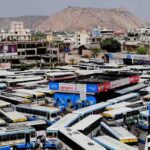
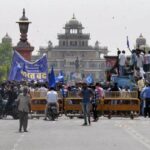
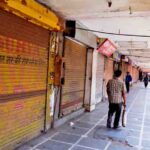
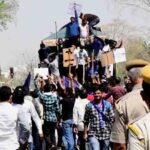
The initial bandh called was normal in Rajasthan, but once WhatsApp messages mocking the scheduled castes and scheduled tribe communities began to be circulated in large numbers, a large number of protestors started to gather. They soon blocked railway tracks and started to forcibly shut down the shutters of shops. Later, protestors even clashed with the police. Watch pictures clicked by Chandra Mohan Aloria from ground zero, to witness the agitation.

Related articles

Taken From Home, Heard From Bangladesh: Bengal Man’s Family Seeks Answers

Months after Abdul Rahim was allegedly detained in Uttar Dinajpur, his family heard his voice from Bangladesh. Two phone calls brought relief that he was alive, but also raised a frightening question: how did a man taken into custody in Bengal cross the border?

Democracy or Deleted? Rahul Gandhi Takes the Voter-List Fight to the Streets

Rahul Gandhi’s confrontation with the Election Commission over SIR has moved from Parliament to the streets. As Congress expands its protests over alleged voter deletions, the BJP challenges its claims, turning the electoral-roll dispute into a wider battle over institutional credibility and democracy

When “Why?” Becomes a Threat: Is West Bengal’s Democratic Space Shrinking?

West Bengal’s recent clashes over classrooms, universities, the press and cultural institutions raise a larger question: what happens when political power enters spaces meant for independent thought? The incidents may not be connected, but together they reveal how easily institutional autonomy and dissent can come under pressure.

India Needs Journalism That Refuses to Look Away

From Gandhi’s idea of journalism as public service to today’s algorithm-driven news feeds, eNewsroom’s journey raises a vital question: who does journalism ultimately serve? At its Kolkata conclave, journalists examined why independent media must remain accountable to citizens, not power