Rajasthan Sculptors Protest: When ‘Gods’ say, “No to GST”

Date:

Share post:

Jaipur: Ever since the implementation of the Goods and Services Tax (GST) was announced, protests have broken out across India. From textile traders to theatre owners, several groups have taken to the streets in cities like Surat, Jaipur, and Kolkata, while in states such as Tamil Nadu and Rajasthan, entire industries have demanded a complete or partial rollback of the new tax regime. But in Jaipur, a rather unique protest has emerged — led by sculptors.

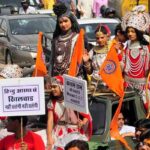
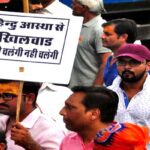
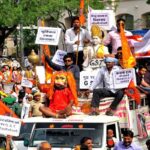
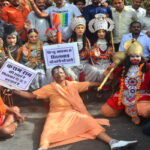
On July 5, hundreds of sculptors under the banner of Moortikala Sangharsh Samiti marched through the streets, protesting against idols made by them being brought under GST. Protesters dressed as gods, goddesses, and priests carried striking slogans such as “Kasam Ram Ki Khatey Hain, Milkar GST Hatayenge” (We swear in the name of Ram, together we will force GST to be rolled back). They argued that taxing idols of gods amounted to an attack on Hinduism.

Adding to their frustration was confusion over the tax slab. Initially, sculptors were told that their products would attract a 28% GST, but later this was revised to 12%. “Irrespective of the slab, we want a complete rollback,” said Satya Prakash Natha, spokesperson of the Samiti. The rally concluded at the Jaipur collectorate, where a memorandum demanding rollback of GST on idols was submitted.

This was the second such protest by sculptors in Jaipur, following a chetawani (warning) rally on July 3.
Related articles

You Can Crack IIT. Can You Crack Its Caste System?

IIT Bombay student Sahil Wakode’s suicide has revived questions about caste discrimination, merit and student rights in India’s elite institutions. As allegations of harassment and casteist abuse emerge, the larger concern is whether campuses meant to nurture talent are becoming hostile spaces for marginalised students

Who Will Pick Up the Phone Now? The Crisis Facing Hemant Soren After Sonu

Sudivya Sonu’s death has left more than an empty Assembly seat in Giridih. As JMM prepares for a bypoll, Hemant Soren must navigate succession, Kalpana Soren’s growing role and the party’s wider alliance politics.

What Is India’s Youth Asking For: Cultural Identity or the Right to a Future?

India’s youth have always questioned power, from the student movements of the 1970s to the Anna movement. Today, programmes in Ujjain and Indore raise a new question: is young India seeking cultural identity, political recognition or something more basic — the right to shape its future?

BRICS Isn’t Beijing’s Game. It’s India’s Strategic Autonomy

India’s BRICS engagement is not about choosing China over the West but protecting its strategic autonomy. As the global order turns multipolar, India must retain strong ties across competing blocs while defending its independent foreign policy and ensuring that national interests, not Western approval, shape its international choices.