



Ranchi: Among seven Indians who got abducted by the suspected Taliban terrorists from Baghlan, Afghanistan four are from Jharkhand. Of these three, probably are from Giridih and one from Hazaribagh.
However, the company KEC International for which these Indians worked, has informed the family of only one worker, Prasadi Mahto.
“On Sunday, we got a call from KEC company. The caller asked me, if we had watched the news of seven Indians being abducted in Afghanisthan. When I confirmed in yes, he informed that, my father was one of them,” said 17-year-old Mohan, son of Prasadi Mahto.
“No other worker’s family has been informed about it, except for Prasadi Mahto’s family. They gave us the number of one Kisun Mahto, who is also from Bagoder. When we contacted him, he informed that not just Prakash Mahto had been abducted but also Hulas Mahto and Kali Mahto,” informed social activist, Sikander Ali, who is also the admin of Pravasi Group and has been relentlessly working towards helping migrant workers from Jharkhand to return back to their states when in distress. Sikander has visited the families of Prasadi, Prakash and Hulas, who all are from Bagoder, Giridih.
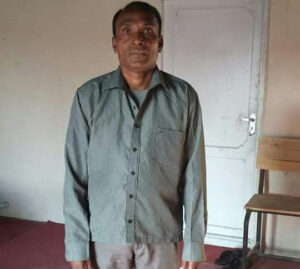
Only one Kali Mahto is from Tatijharia, Hazaribagh.
Kali Mahto’s family has also not been informed by the company.
“We have not got any call from the company and on Sunday morning itself, my grandmother (Penia Devi, wife of Kali) had talked to him. But on Tuesday, when we got this news from the locals, we panicked and tried calling him up but his number is not available,” said Pintu Mahto, grandson of Kali, while talking to eNewsroom.
“All of them had gone to work in Afghanistan almost four years back. They along with few others were doing transmission related work for KEC International, since then,” informed Sikander.
Kali has five daughters and a son. And he had visited his family only once in these four years.
Watch the video of Mohan Mahto, son of Prasadi
Prasadi, has four children, two sons and two daughters.
While Prakash Mahto, has two children and Hulash has three.
Sikander added, “The abduction news has shook the families, however, they are having patience till now and hopeful that government will do something and to have themsafely released.”
As the news got public, a delegate from CPI-ML went and met the family and demanded that the Jharkhand and union government should ensure the safe release of those abducted.
Later, Nagendra Mahto, MLA from Bagoder also visited the family.
External Affairs Minister Sushma Swaraj has reportedly talked to Afghanistan Foreign Minister over phone and requested all support to secure safe release of abducted Indians
However, amid all, there loomed a confusion over the identity of those abducted. The Government of India (GoI) is yet to shed some clarity on the same.

