Time Most Influential People list has made PM and protesters equal, says Bilkis

0

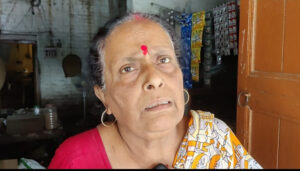
Delhi/Kolkata: What would you do when you turn eighty? Well, not many would volunteer to sit on the streets of Delhi, beating the chilling cold to express her solidarity with the anti-NRC activists and the anti-NRC movement. But that’s what exactly this 82-year-old lady – Bilkis, with silver-grey eyes, deep penetrating eyes and a quivering voice did.

Fondly called dadi (grandmother), she sat at the iconic Shaheen Bagh protest site, despite having fever, travelled to other protest sites across India to motivate fellow anti-NRC activist. But as dadi did so, little did she expect to make it to the list of Time 100: Most Influential People of 2020.

Speaking to eNewsroom over the phone from Delhi, dadi reacted, “It’s a good feeling. I am grateful to the almighty for blessing me in this manner. But I would have been happier if the discriminatory law (Citizenship Amendment Bill 2019) had been revoked along with both the National Population Register (NPR) and National Register of Citizenship (NRC) being stalled.”

When asked, what she did, before becoming the face of Shaheen Bagh, the octogenarian, said with a laugh, “Nothing really great. Throughout my life, I have been a homemaker. All I wanted was the happiness of my kids and grandkids.” On being asked about what made her sit at the dharna sthal braving the cold and failing health. She said, “I had no option but to come on to the streets. You, see, this law is discriminatory and aims at shredding the secular fabric of the India that I was born in.” She paused and added, “I am an old lady. I didn’t sit there thinking of any personal gain. I genuinely feel that amendments in citizenship law is a threat not just to my kids but to millions of Indians.”

The octogenarian maintained that she is a farmer’s daughter married into an agrarian family that has its roots in Kurana Meerpur, a village in Hapur district of Uttar Pradesh. Her son Manzoor Ahmad said, “Ammi, used to live in our village with our father. She came to live with us in Delhi, only after he passed away a decade back.”

Bilkis, on being asked, if she would be back on the streets once the pandemic was over, maintained, “At present, our fight is against Corona. Once the pandemic is over and if the government doesn’t pay heed to our pleas, then if needed, I will be back on the street.”

When said that both Prime Minister Narendra Modi and she (a dissenter) making it to the same list, Bilkis said, “Well, our Prime Minister, when the movement was at its peak, had not come forward to listen to our issues. But, see today both of us stand as equals on the list. I take this opportunity to request him to meet us and listen to us.” She paused and added, “I want to meet him and tell him that I want India to be exactly the way it was when I was young. I will also be writing to him soon.”

On the question of her fellow protesters being hounded and putting behind bars, The Time Person of The Year said, “If they can hear me, then I am requesting the government to release these kids, as they are innocent and are protesting to have their rights restored.”

Actor alleges misconduct by Anurag Kashyap, using somebody else Facebook profile

0

Kolkata: Dust storm created by the #MeToo allegation levelled against Bollywood filmmaker and well-known critic of Narendra Modi government’s policies Anurag Kashyap by starlet Payal Ghosh is yet to settle down. Amid it all another lesser known actor has alleged of sexual misconduct from the filmmaker.

Significantly, while there are several holes in the claims of the previous allegation raised by Ghosh but as she has managed to get quick support not only by several news channels and but also by the National Commission for Women. Adding meat to the shaky allegation was another actor Rupa Dutta. Following her social media post she too has been invited by many channels.

Ghosh has been getting support from the likes of Roopa Ganguly and Kangana Ranaut for her #MeToo moment, where she alleged filmmaker Anurag Kashyap of “forcing himself on her”. Chairperson of National Commission of Women, Rekha Sharma has also reached out to the Ghosh, advising her to formally report the issue to them, following which NCW India would look into the matter.

anurag kashyap me too bollywood actor
The screen shot

Dutta who also happens to be the State President (West Bengal) of Karni Sena, came forward both on Facebook and Twitter to share screenshots of a six-year-old Facebook chat with a person whom she alleged to be Anurag Kashyap. She took on to social media and even appeared on Television Shows, stating that Ghosh’s allegations were correct and that the filmmaker should be penalised for his acts.

Interestingly, the Facebook profile shared by Dutta, goes by the name Anurag Safar and is an unverified account. The user, in his profile has indicated that he hails from Gurgaon, Haryana and at present lives in Dublin Ireland. “Anurag Safar” interestingly, despite being an unverified account had a number of filmmakers and actors on his friend list. Many when contacted expressed shock and dismay. “This person Anurag Safar has been on my friend list for long. But I don’t think that he is Anurag Kashyap,” said filmmaker Siddhartha Jain. He further added, “I will immediately unfriend him, if he has been up to such mischief.”

eNewsroom also reached out to filmmaker and former film critic Ramkumar Singh, who also had Anurag Safar on his friend list to check, if Dutta’s claim of Safar being Kashyap was true. Singh, said, “Anurag Safar has been on my list for long. He definitely is not Anurag Kashyap. For I can recall a post of his on Facebook, in which he had clarified that he was not Kashyap. I think it’s a case of mistaken identity.” He then paused and said, “Well, don’t all Bollywood biggies have a verified account? Kashyap too has his verified handle on both Facebook and Twitter.” A check on Facebook revealed that Kashyap does have a verified acount.

anurag kashyap me too bollywood actor
The three year old post of Anurag Kashyap and his denial that he is Kashyap, the filmmaker

A search through Safar’s FB and Twitter profile revealed that indeed, the person, as mentioned by Dutta in the screenshots dated 2014, used to run his profile in the name of Anurag Kashyap. He even made clarification about his identity not once but twice on social media. Following which he changed his name to Anurag Safar in 2009. But till date he gets birthday wishes and other Bollywood related posts to which he never responds.

Meanwhile, Kashyap, has not just denied the allegations levied against him but has also released a press statement to clear the air. The statement read, “It is sad that a social movement as the #metoo movement has be co-opted by vested interests and reduced to a mere tool of character assassination. Fictitious allegations of this nature seriously undermine the movement and seed to unconscionably trade upon the pain and trauma of actual victims of sexual harassment and abuse.”

Significantly, ex-wife of Kashyap, Kalki Koechlin and Arti Bajaj has also come in support of the filmmaker and claimed his good behaviour with his actors in fact both claimed that Kashyap used to ’empower’ women.

Interestingly, Abhinav U Kashyap, a Facebook friend of Safar took on to his FB wall and wrote, ““Hey, whats up? I just saw this girl sharing some snapshots of your old conversation with her on Twitter. By circulating this chat, she’s claiming to have spoken to film director “Anurag Kashyap” a few years back. Kindly check.” Am sure everyone would be waiting to know Safar’s reaction to this.

Fact checking site, Alt News has also debunked the wrong attributing tweet by Rupa Dutta.

Slimy side of Rajya Sabha Deputy Chairman Harivansh Narayan Singh

0

On September 20, the Rajya Sabha witnessed uproarious scenes as the opposition members created a bedlam demanding a division on farm bills. They were provoked by the cavalier attitude of Deputy Chairman Harivansh Narayan Singh who practically behaved like Narendra Modi’s ‘ardali’ rather than a person holding a dignified constitutional post. He refused to allow the opposition members to speak and arbitrarily rejected the demand for voting on the bills; he declared in the turmoil the bills passed by voice vote. The opposition members were so upset that they promptly submitted to the Chairman’s office a motion of no-confidence in Deputy Chairman, bearing nearly 50 signatures.

Some journalist friends were surprised at the manner in which Harivansh had disregarded parliamentary rules and traditions to please his Bharatiya Janata Party (BJP) bosses. Having been a journalist of long-standing, he has many friends and admirers in the journalist community who are unaware of his abominable nature. I came to know of his slimy character at a great personal loss.

When I was posted in Ranchi in the late 1980s, Harivansh was Editor of Prabhat Khabar, a Hindi daily. We became friends. He would sometimes visit my place at Amrud Bagan and we would discuss over a cup of tea the affairs of the State and the country. One day the topic of our discussion happened to be the Emergency and all that had taken place during that unfortunate period. I showed him my ‘Emergency File’ and read out some parts to him. He appeared to be interested and asked me to lend the ‘File’ to him for a few days. In good faith I lent him the ‘File’.

During the Emergency I was placed in a position where I had access to information which was not ordinarily available to other journalists. Besides, there were lots of hearsays and rumours doing the rounds. Some political parties, particularly DMK (which was the ruling party in then Madras State) and Akali Dal in Punjab were working against the Emergency in their own ways. They were regularly sending me reports of their activities by post. The envelopes containing these reports had ‘Wedding Invitation’ or ‘Birthday Celebration’ printed outside to escape detention from censors.

Before going to bed at night, I would take out my Olivetti portable typewriter, put on paper all that I saw and heard during the day, insert the paper(s) in the File and lock the File at a safe place. That was the File that this wicked man took for reading with the promise to return it in a few days but never returned. When I asked him about the File a week or so later, he unashamedly said that it was not available; someone must have stolen it from his house. Idiot. I went on asking him as long as I was in Ranchi but there was no point. Needless to say that our bonhomie had ended.


The piece is author’s personal opinion

Any elected government needs to be questioned by the citizens—Kannan Gopinathan

0

Kannan Gopinathan is a 2012-batch officer of the AGMUT cadre who resigned from the Indian Administrative Service (IAS) over the restrictions imposed on Jammu and Kashmir after the Narendra Modi government revoked the state’s special status under Article 370.

Kannan, who was once applauded for his efforts to make a difference for the people, is now leading a simple life, committed to fighting for the rights of citizens, away from the glamour of bureaucracy. Excerpts from his interview with Dr Anjana Varma.

eNewsroom: Please share your journey into and out of IAS?

Kannan: I had no dreams of entering civil service. Being an engineer and working, a few of us had started teaching street children. As part of these NGO activities, I had met my wife who joined as volunteer. When we realised the desired result was not coming, we decided to get into the system. So I prepared for civil service and got selected.

It was very suffocating when it came to individual rights, as a bureaucrat and a citizen. I felt disturbed seeing the citizens being restricted before and after the abrogation of Article 370 as part of the preparations needed to implement the government decision, like arresting anyone and everyone, shutting down an entire state for that. I still had faith in the country and its democracy. But day by day my belief got shattered for multiple reasons; with the judiciary refusing to hear habeas corpus petitions, arresting the resigned civil servant Shah Faesal without any reason and the lack of questioning from every quarter. Even the PCI chairman gave an affidavit in SC that they accept the government restrictions. How can the media say that? It’s totally unacceptable. This is not the country that I believe India is. For me it was difficult to complain while in service. At some point, I decided that I don’t have to be a part of this; I need to express my views freely and as strongly as possible. So I put in my papers.

eNewsroom: And what about the allegations that you resigned to cover-up the show cause?

Kannan: The show cause doesn’t even mean a charge sheet. One can give an explanation and the government can decide to accept or go for a charge sheet. This is the legal procedure. It had five points; forwarding a file to the chairman directly and not through the advisor, delay in putting up a file, then regarding my flood relief activities in Kerala where I had clearly stated I was volunteering and not applying for PM Excellence Award. These are definitely not grounds to fix a person. There were other reasons because during the general election in Delhi I had complained to the Chief Election Officer about the government interfering in the electoral process following which the administrator was forbidden by the commission. So there was a common feeling that some action would come against me after this. I didn’t give more importance than required to this and had replied too. I was given additional charges on August 5, so the matter was closed for me. But later, after two months of resignation they gave me a memo saying that me speaking to media after resignation has adversely affected India’s foreign relations with other countries.

eNewsroom: Was Shah Faesal an influence in quitting your job?

Kannan: Of course, I look up to him as a person who had grown up in difficult circumstances, topped UPSC exam, served J&K for many years then resigned showing more faith in the political system of the country. But when arrested, his wife had filed a habeas corpus. The government replied they need 15 days to reply and the judiciary agreed! This is not the way the system was conceived. The judiciary should always stand with individual rights. We have the judiciary where the judges are kept with all the luxury and comforts, to protect the rights of citizens, especially when there is violation from the state. I asked in several groups as to what wrong has he done but even those who were in positions were afraid to write their opinion. This has definitely influenced me in taking my decision.

eNewsroom: Do you fear freedom of speech or expression is hampered these days?

Kannan: That is definitely the case. When these people don’t share what they really feel about a situation, that itself shows the environment of fear that surrounds. When the intellect are cornered to silence, the downfall of the country starts there. The government should understand this too. It’s easy to silence someone by discrediting nowadays. There is also tremendous amount of online bullying and action by state forces. I myself have a non-bailable cognizable FIR registered against me in Rajkot for writing ‘I am ashamed of you PM’ with regards to the salary cut being imposed against Doctors in AIIMS Raipur. The recent example is the problem Prashant Bhushan is facing. Anybody who voices his or her opinion against the ruling establishment is seen as anti-national. This is very dangerous for our country.

eNewsroom: What have you done for NE during your tenure?

Kannan: When I was asked where I would like to go, I replied India is my country, I would serve anywhere I was sent to. Thus I was posted to Hnahthial in Mizoram, when digital India, Jandhan Yojana etc was starting. But people complained they didn’t have even an ATM without travelling for 3-4 hours or proper internet connection. So my initial efforts were to solve these issues and learned that the actual needs of people may not be according to the priorities of the government. In a subdivision where there is no internet, digital India makes no sense. Then I was posted as DC Aizawl where a lot could be done on the education front, reviving streams, establishing badminton academy and high altitude Centre for Excellence in association with Pullela Gopichand. The talent in NE is amazing but lacks in coaching facilities. Again, some work was done to check the drug abuse among youngsters.

eNewsroom: Do you feel NE region is disconnected from mainland India?

Kannan: I don’t think we need to push anything. Nation building takes time. Though a very old civilisation, we are a very young nation. NE region has gone through severe problems with insurgency and anti-insurgency operations. If we rush to do so many things, it will effectively cause a rupture in the relations and result in unintended consequences. We should just try to be good people and I think naturally people would like to be part of you. Then we also have to consider the cultural insecurities. We need to understand each other better and shouldn’t be prejudiced about a lot of things. If you are able to understand and appreciate the differences, it’s the best way to integrate. We should let everyone be themselves and try to be good, so that we come together as a nation.

eNewsroom: Is NE region neglected by the government?

Kannan: One thing is that the terrain itself is very difficult. If you look at the per capita expenditures, then the actual per capita expenditure of the North East is high, hence you cannot say it is neglected. But then there are instances of around 32 landslides in a single day with the roads coming down a lot of work goes down the drain. Rail network is a bit difficult because of this, but also because there were initial resistance. A lot of people objected fearing unwanted outside influences. So there are various sides to lack of development. For me, it matters what they want, not what we want for them. I think it’s best to understand their priorities and deliver.

eNewsroom: Do you think Article 371 will face problems?

Kannan: These are constitutional provisions in society because of historical peculiarities with which the country was formed and the context in which all these different parts came together. Law is ultimately a legal expression of the morals of the society. Now when somebody having a very different view insists on the same law for everyone, then effectively you’re forcing your morals onto the other person. When the government becomes powerful, the rule of law becomes slightly weak and in that scenario, it can do whatever it feels like, regardless of whether it’s right or good in the long run. Maybe for us, it could be right but may not be right for them. Considering the situation, I strongly hope that the government wouldn’t start another front in the North-East by touching the 371 and other things. You shouldn’t just start firing everywhere just because you can. You can start the fire but you may not be able to douse it.

eNewsroom: But aren’t special provisions discriminatory?

Kannan: For the rest of the people who are not part of the government, we have to understand that it is not discriminatory towards you. Your life is still decided by what is the law as desired by the majority. Somebody else is having slightly different provisions because their value systems or histories are different. Because of that you’re not at all at a disadvantage. By and large, 99 per cent of everything is governed by what the majority is wanting and the minor exceptions are to also give space to the aspirations of different cultural beliefs.

eNewsroom: Why do you disagree with abolition of Article 370 when it is said to divide people?

Article 370 of the Constitution very clearly says that any changes to that should be done with the consultation and consent of the Constituent Assembly of Jammu and Kashmir followed by maybe the Legislative Assembly in the absence of the former. Effectively, it means the consent of the people was required. They instead bypassed the views and opinions of the people and decided it by themselves without giving the citizens a say. Even if the Constitution says otherwise, they found crooked ways to overcome it. That is unacceptable. If the government can just remove Article 370, it could have removed the precise things which cause some discrimination in the state. I cannot accept that being done in any way. The government could have made efforts to convince people instead of using brute force to do it. What has it achieved…? It just shattered the belief of people who believed in the Constitution… it hasn’t changed anything. Kashmir still has the same territory as they did before. If anything, we have lost some territory when the Chinese incursions happened. That’s the current reality.

eNewsroom: What is your take on NE representation in central administration?

Kannan: That is definitely something that needs to be looked into because the representation, especially in the higher bureaucracy, is very limited. One of the reasons is because the numbers are very less, is the population itself. Also they’re clubbed into the larger Scheduled Tribes category in which there are certain tribes which have progressed more and certain tribes which have not. Mizoram used to have IAS officers from 1960 if I’m not wrong. But for the last several years, there is hardly one person every five or 10 years which is not at all good because the exchange of ideas between various parts at various levels is actually important. This can be improved through providing better political facilities and creating civil service aspiration amongst the younger people there. This also has a lot to do with the kind of perceived discrimination. There are many young, absolutely brilliant MCS officers who could be compared to any IAS officer by their capabilities easily… The larger systemic push needs to be there, at every level, to avoid the feeling that it’s marginalised in any way.

eNewsroom: Do you agree or disagree with Modi government policies?

Kannan: I agree with certain things. But the policy decisions to a large extent are heavy handed and half thought through where more than the country the image of the government becomes important. Demonetisation was one such. In the service then, as I could not express my views freely, I wrote ‘great decisions may not be good decisions’. Everyone knew the difficulties it would cause but kept silent as those who criticise could have been seen as having black money. The government thinks it can enforce any decision without any proper consultation. India is a country of a billion micro investors where everyone is trying to survive. When they are told your money has no value, it was a clear message to them from the government that we make decisions and you just listen.

Our economy was going down and then we came up with GST! Similarly, the CAA was brought into force citizenship based on religion for the first time and the nation stood together to say we don’t agree. Even today the government is not clear as to what documents are required to prove the citizenship and if strictly implemented, many genuine people may be excluded for lack of documents and lots of immigrants will gain citizenship just because they have documents. It would be best to work towards doing the right things in the future rather than correcting the wrongs of the past. Again lockdown was announced. Did the government announce a target? What is it that it is going to achieve during the lockdown? A target as to the number of ventilators or ambulance services or volunteer force or hospital beds or anything like that to achieve? Other countries had practical plans which they implemented… Here we are so caught up in the grandeur of announcements. A lot of workers walked miles to reach home, were beaten up and many of them died on platforms and tracks. We beat up our own citizens for just wanting to go home! Why? Because we are not seeing them, our vision is from balconies. Did we achieve anything? Could we control Covid? Despite all this, people are being convinced to vote for them. Many of us consider ourselves as not citizens but only subjects. This is not the democratic India that was envisaged.

eNewsroom: Don’t you fear for your life or career?

Kannan: Should I fear being a citizen if I protest against the government? Being in a democratic country I should be able to do what I want to for the people. I am fully confident and conscious that whatever I have done is in the interest of my country and citizens. A fearful country is not what I want. There are FIRs against me for ridiculous reasons, but that doesn’t stop me from using my freedom to see something better. I had protested against the Congress government too before my UPSC mains without having an iota of fear that my results would be affected. That environment has changed though.

eNewsroom: What can you do without the power of bureaucracy?

Kannan: I have been speaking in various institutions, meeting people, discussing about what is happening and what the reasons are behind something that needs to be opposed. People are giving that time to listen to what I have to say, understand and also curious about my resignation. I am also learning a lot during this process. I could see the large part of movement happening across the country, being led by common man, otherwise not involved in electoral politics. So we shouldn’t underestimate the common people. Thankfully my family shares the same views and opinions.

eNewsroom: What about the allegations that you had resigned as part of greater plans?

Kannan: Is it a crime to have any greater plans? We are still a democratic country wherein we would want our citizens to dream big, right? But that aside, my own past political affiliations if any, I remember going to RSS shakhas till I was in college. Left because I found my views to be different from theirs. Other than that I do not have any history of being associated with any party or group. I am not a member or part of any political party and don’t have any NGO or organisation. All my viewpoints are certainly political, hence can’t say I won’t join politics ever, but no decision is taken yet. I hope to work more at grassroots level, continue to oppose any government in its decisions that may harm people and work towards enhancing the rights of citizens.

Muted in grandeur, Pujas won’t give themes a miss

Kolkata: At a time when all the festivals and celebrations are going through uncertain times due to the Covid-19 pandemic, Durga Puja organisers and Maa’s followers are heaving a sigh of relief that at least they have been granted permission to hold the puja, though bereft of all fanfare.

When most of the organisers are in dilemma about how to make celebrations better with a drastic cut in budget, three big-banner Puja committees in South Kolkata have come up with their Puja theme for this year.

Puja committee members of Badamtala Ashar Sangha, 66 Pally and Kalighat Nepal Bhattacharya Street club said, maintaining all protocols, they are recreating Satyajit Ray’s ‘Apu Trilogy’ as their theme this year. All three clubs have named their theme as ‘Bhooter Raja Dilo Bor’ (King of ghosts gives boon). All the three committees, instead of competing against each other, are uniting to pay tribute to the maestro, whose birth centenary is being celebrated this year.

The entire concept is being looked after by Mridul Pathak, director of IFSD. Badamtala Ashar Sangha will depict ‘Pather Panchali’ (Song of the Roads), 66 Pally will depict ‘Aparajito’ (Victorious) and Kalighat Nepal Bhattacharya Street Club will throw light on ‘Apur Sangshar’ (Family of Apu). The best part is that pandal hoppers will not have to even step out of their cars to witness the pandal or the idol.

The committee members have named it as ‘Drive-in’ pujas. A committee member of Badamtala Ashar Sangha said that they held a virtual meeting last week with the other two clubs over the placement of the idols in such a way that revellers will be able to maintain social distancing while visiting them.

“The theme maker of our puja is Snehashish Maity. Apart from paying tribute to the veteran director Satyajit Ray, all three clubs have decided to even curtail the budget due to the ongoing pandemic situation. Kalighat Nepal Bhattacharya Street Club focused on Apur Sangshar as it requires minimum funds to realise the theme. They did not even hire any theme maker.

The club members will work together to make it happen. “Moreover, all of us have decided to work together not just to curtail our cost but also to give a message of unity to people in these trying days,” said a member from Badamtala Ashar Sangha.

In keeping with the difficult times and following all safety protocols many home Pujas too are undergoing a sea change from the way they celebrate the auspicious occasion. Shobhabazar Rajbari has decided to change their age-old style of Durga idol. It has been learnt from the organziers of Rajbari that all the idols of Laxmi, Saraswati, Ganesha and Karthik will be placed individually but under the same backdrop.

“This year, our puja will see some changes. The first change will be in the idol. Though under one backdrop, the children will be placed separately from the Durga,” said a Rajbari source.

Organisers also added that they will play digital ‘Dhaak’ and ‘Shenai’ as they won’t allow any outsider inside the premises.

“Money will be sent to dhaakis but they won’t be allowed inside as they stay in other districts. We have decided to play digital dhaak this year. We have issued passes for our immediate and extended family members so that there is no entry by outsiders,” added a member of the organising team.

A member from the same family said that every year they make 25 special sweets to offer to the goddess but this year even the number of sweets and bhog will be reduced.

Speaking on the change in the immersion process, he said that since they immerse the idols on their own and don’t hire porters, it will be easier for them this year, as the idols are separate ones.

On the other hand, one Puja committee in Kolkata has come up with a unique plan to help devotees take the blessings of Maa Durga.

95 Palli Jodhpur Park Committee has come up with a unique plan to take the goddess to the people. Sounds unusual? The committee is planning to make a tableau with a miniature idol or a mini pandal of sorts and carry it around the area to make people catch a glimpses of the goddess. Though the organisers haven’t divulged details about the plan, they may make arrangements to collect pushpanjali from devotees once during the day and offer it to the deity in the main pandal.

Meanwhile, Youth Association of Mohammad Ali Park in 2018 had Padmaavat-inspired mandap along with the goddess decking up in Rajasthani-styled sari and last year made a replica of the Murugan Temple of Kerala.

Ashok Ojha, one of the Md Ali Park Puja committee members, said, “This is our 52nd year and the conditions are not at all conducive for any fanfare. We have decided to have shabiki pujo ( traditional puja) this year with ek chala thakur (one single frame) idol which will not be higher than 12-14ft. The pandal will also be a normal one. If we can pull off the puja incident free of any unpleasant situation we would consider ourselves lucky.”

With such devastation and panic around the Bhawanipur 75 Palli Puja committee members too have decided to buck the trend and bring some cheer to the visitors at the pandal. Committee member Subir Das said, “With so much negativity around, we plan to surprise people with a whiff of positivity, which would leave a sweet memory in the minds of people. We haven’t formally named any theme yet, but the essence would be the same.”

Covid Curtails Congregations but Takes us Down Memory Lane

0

The Covid-19 caused lockdown and norms of physical distancing have robbed the people of the opportunities to congregate and celebrate their festivals. Many religious and cultural events have passed unnoticed in the last over five months of the novel Coronavirus and related restrictions.

The month of Savan which otherwise used to witness the saffron clad kavanrias— vessels of water suspended in bamboo poles across their shoulders, making a beeline for Lord Vaidyanath temple at Deogarh– was dry and dull. The people couldn’t gather to feast on the occasions of Eid-ul-Fitre and Eid-ul-Azaha. They couldn’t celebrate Ganesh Chaturdarshi and Onam in Maharastra and Kerala in the manner they did in the past.

The last one which involves huge gathering and processions was Muharram that too passed off unnoticed on August 30.

When we are deprived of the events and the occasions we have grown with, we remember them more. We miss them. I remembered Tazia Baba—a synonym of Muharram or Hajrat Hussein’s martyrdom—I had grown up observing at my village. I missed Ramnavami and Savan Saptami which we celebrated with gusto when I was a small boy, growing at Daraili Mathia—a very remote village on the borders of north Bihar and eastern Uttar Pradesh.

Let me begin with Muharram: It was in the early 1970’s. We had Dulai Chacha—a short and thin man—as our next door neighbour. He would begin making Tazia Baba, about ten days ahead of Ashura. I would sit around watching him cutting the glazed papers and decorating Tazia Baba at his door. It was a great work of art. He used to have glue of boiled flour to stick the finely cut and chiselled papers of various hues in a dome shaped structure of bamboo.

Oblivious that Muharram was observed to mourn the martyrdom of Hajrat Hussein, we children used the occasion to play with banaithi –a stick with wooden balls at its two ends—sword, scimitars and rapiers. Our elders who included my uncle, Lallu and neighbours, Issak chacha, Israil chacha, Majid Chacha, Jhulena and Phulena chacha would train us in chanting “shers (poems)” hailing Hassan and Hussein and picking the weapons.

Raja and I were fond of becoming Hadra-Hudri or what others in neighbouring villages in U.P described us Paikar. We would wear special costumes with jingle bells tied around our waist. We had to be on the run fanning Tazia Baba with peacock feather fans in our hand. We were not supposed to sit or sleep till the end of Ashura. Dulai chacha and other elders would place Tajia Baba first at our door and then Tajia Baba would be taken on each and every door.

My grandma Sona Devi would lead the folk song, “De ray Dadi lawang ki chharia; Main chalun karbal ko (O Grandma! Give me a piece of clove and let me go to Karbala)”.  My grandma would turn emotional while singing it. We didn’t know the meaning of this song then. Later on when I grew in my knowledge I found out that Hajrat Hussein ahead of going to Karbala and achieving martyrdom against the demonic forces of Yazid had asked for a piece of clove while parting ways with his grandma. Our elders grieved Hussein’s martyrdom but they didn’t interfere with our playfulness.

Hundreds of our villagers would take Tajia Baba to neighbouring Tandawa village for “Milan (meeting) with another Tazia baba —two kilometres away. After the meeting, the two Tazia Babas were placed in a sprawling field and the villagers would play banaithi, swords and scimitars, chanting Hassan-Hussein in chorus.

Let me tell you in the name of the Almighty: as a small boy I never felt that Muharram was something associated only with the Muslims. Our village elders—women or men—never described it in such a manner. My grandma offered water soaked rice to Tazia Baba—in the manner she offered puri and kheer (bread boiled in ghee and rice boiled in jaggery) to Kali Mai– when he was placed at our door. Later the offering was distributed among all of us as “Prasad” which we enjoyed eating.

Other festivals that passed during the lockdown and that I remembered most were Ramnavami and Savan. My grandma and my mother would place a water filled pitcher on the mound of sand and earth grown with green barley plants in our puja room. The pitcher had a yellow towel tied around its neck. They worshiped near the pitcher every morning and evening for nine days during Ramnavami. Our women neighbours—Muslim barbers—would mop and plaster the puja room with cow dung. Dulai chacha would buy a piece of red triangular cloth from the market to flutter on the bamboo pole—known as Hunman ji ka dhaja—in our courtyard.  Dulai chacha would assist our family Purohit (priest), Gajadhar Mishra in planting Hanuman ji ka dhaja in our courtyard.

As a child I remember many of my villagers going to the river Saryu and filling a small pitcher with holy water to travel on foot in the group to Mehandar to offer the water to Lord Shiva in a temple.

I do remember a conversation between my father and Rahman chacha on an Eid day. Here it is:

My father: “Eid ke Ram Ram, Rahman Bhai (Salutation for Eid, Rahman)”

Rahman: “Salam babu! Allak ke rahmat apn-e par banal rah-e (Salam babu! May Allah bless you)”.

My father banters: “Lungi ganji ta bada lahradar pahinl-e bada (You have donned colourful lungi and vest)”.

Rahman: “Haan babu! Beta bahara kamala. Uh-e naya kapda le ail baa (Yes, babu! My son works at a faraway place. He has brought new clothes)”.

My father: “Bara nek ladika ha, Bhagwan okra ka abaad rakhas (Your son is polite and obedient. May God keep him happy)”.

Rahman: Haan babu! Sab apn-e saban ke pyar mohabbat ke phal ha (Yes Babu! His (son’s) conduct is the fruit of you people’s love and affection)”.

My father: “Awa khaini banaw, khail ja (Come over! Rub khaini—raw tobacco—and let us have it)”.

Times rolled by. Rahman Chacha, Dulai Chacha, Gajadhar Mishra, my grandma and my father died long ago. I too moved to the cities for higher education and job. I was a student of history at the college level. I had deep interest in mythology and biblical books—Ramanaya, Mahabhararata, Bible, Quran Sharif, Tripitaka and Gurugranth Saheb. I can’t claim to be a scholar in religion and culture but I read many of the great treatises and tales. By late 1980’s I had become a journalist.

But my initial years as a journalist in late 1980’s and early 1990’s came as a big cultural shock. The RSS-BJP launched the movement for demolishing the Babri mosque and building Ram temple on its debris. Many Muslims groups too turned violent asserting their separate religious and cultural identity against the aggressive Hindutva.

I got bewildered. The more I read the biblical books, the more I remembered my childhood. The more I watched the politicians doing politics in the name of religion, the more I remembered my father, my grandma and my villagers—mostly illiterate and poor but large hearted and loving.

Now, I feel like unlearning everything that I have learnt as a student and journalist and going back to my village to celebrate the festivals the way I did it as a teenage boy. But I am told that the villages too have changed. Many of the young boys hold mobile phones in their hands and have TVs in their room, getting influenced by the messages and pictures they get on the screens.

Confined in my room because of the Corona, I remembered all these festivals and how they shaped me in my formative years. Thanks to Corona in the sense that it barred the celebrations that invariably triggered violence, hate and clashes and in the process allowed to me go down my memory lane.

‘The PM’ India never had

0

[dropcap]F[/dropcap]rom Union Finance Ministry to Political Oblivion to being the first Bengali President, the ‘Chanakya’ of Indian politics had tasted it all.

Despite being the first citizen of the country, Pranab Mukherjee, more commonly known as Pranab da, never missed Durga Puja at his ancestral home in Birbhum.

Mukherjee who adorned the highest citadel of politics– President of India had a modest beginning. Deeply tied to his roots, he used to make it a point to be at Mirati village in Murshidabad district every year to take part in the four-day rituals, the Durga Puja had a ‘social dimension’ for him.

“I want to avail this opportunity to be with the people of my area,” Mukherjee always said during his visit to his native village.

On several occasions he was heard saying that the ‘Chandi Path’ he did during the Puja days gave him courage and strength to fight all odds round the year.

Born into a Bengali Brahmin family, Mukherjee studied in Kirnahar Shib Chandra High School and graduated from Suri Vidyasagar College in Birbhum. After completion of his education Mukherjee worked as an upper-division Clerk in the Office of Deputy Accountant-General (Post and Telegraph) in Kolkata.

In 1963 he became Lecturer of Political Science at Vidyasagar College and also took up a job as a journalist with the ‘Desher Dak’.

85-year-old Pranab Mukherjee had a long political career and began his journey with Ajoy Mukherjee’s Bangla Congress. In 1969, he became a member of Rajya Sabha as the representative of the Bangla Congress that was formed on May 1, 1966. Later, he caught Indira Gandhi’s eye and became the part of National Congress.

A quintessential Congressman for five decades, the seven-time parliamentarian’s first stop in Delhi was the Rajya Sabha in 1969, the House that re-elected him four more times before he won his first Lok Sabha election from Bengal’s Jangipur in 2004 and was re-elected in 2009.

Politicians these days don’t think twice before defecting to another political party, forgetting the ideology of their root party. Mukherjee is one of the few politicians who started and ended his political career with the Congress.

Despite several political turmoil within the party Mukherjee was forced to leave the Indian National Congress (INC) many a times and even if he started a new party, the affinity was always with the Congress, be it joining the Bangla Congress or starting Rashtriya Samajwadi Congress (RSC).

Since then Pranab Mukherjee was under the benign eye of Indira Gandhi and gradually became her favourite. What happened following the merger of the Bangla Congress with the Congress is now history. He was omnipresent in the Congress party, be it the era of PV Narasimha Rao or Manmohan Singh.

Pranab Mukherjee was sidelined from the INC following the assassination of Indira Gandhi. Although Mukherjee was much more experienced in politics than Indira’s son, Rajiv Gandhi, it was Rajiv who gained control.

Mukherjee lost his position in the cabinet and was sent to manage the regional West Bengal Pradesh Congress Committee. He was considered to be Indira’s likely successor and, siding with those within his party who aligned themselves against Rajiv Gandhi.

In 1986 Mukherjee founded another party, the Rashtriya Samajwadi Congress, in West Bengal. The RSC and INC merged three years later after reaching a compromise with Rajiv Gandhi.

More than a Bengali from Bengal, many regarded him as a Hindu Brahmin. He raised eyebrows when he attended a function of the RSS but there also he highlighted the importance of pluralism and tolerance. Clearly, while dealing with the BJPs Hindutva policy, Mukherjee’s characteristics remained composite in nature and involved unity amongst the diversity in religion. He always represented India’s variety and diversity.

During the turbulent days of Bengal politics, in 1967, the first United Front government came to power in Bengal. Ajoy Mukherjee was the Chief Minister and the left Front’s Jyoti Basu became the Deputy CM. Soon after this alliance of Congress with the Left Front, the bonhomie between the two parties continued and Mukherjee too was extremely close to Jyoti Basu.

After spending several years in political oblivion the Bharat Ratna politician returned to limelight in 1991, when Rao appointed Mukherjee as deputy chairman of the Planning Commission. Mukherjee later took up the role of External Affairs Minister from 1995 to 1996 in Rao’s Cabinet. In 2000, he was appointed President of the West Bengal Congress: a post he went on to hold until his resignation in 2010.

Apart from his political life, Mukherjee was extremely close to Bengali literature. Rabindranath Tagore, Tarashankar, Bhibhutibhushan Bandhopadhyay were among his favourite authors.

Not only an avid reader, Mukherjee has also penned several books. His books, ‘The Dramatic Decade- The Indira Gandhi years’, ‘The Turbulent Years’, ‘The coalition Years’ won the hearts of many Bengalis.

Through his work, be it in politics or literature, the Bengali hearts will always miss their Pranab da and his ‘Chandi Path’ every year.


With inputs from senior journalist Anirban Chakrabarti

Sakshi Maharaj getting quarantined and the strength of BJP’s (mis)information ecosystem

0

Giridih/Ranchi: Member of Parliament (MP) from Unnao, Sakshi Maharaj getting quarantined in Giridih, Jharkhand and being let off within a day has once again proved how strong Bharatiya Janata Party (BJP)’s information system is, and it can build a narrative in its favour.

The five times controversial MP, when asked for permission to visit Giridih was permitted with a remark that he will have to ‘quarantine’ for 14 days, a norm set by central government itself. The message was sent to him on Friday night, said a source in Jharkhand Chief Minister Office (CMO).

Sakshi Maharaj was in Giridih to visit Gurumata of Shanti Bhavan, with which the MP is associated and he often visit. On Saturday, when he was to return, district administration officials told him to remain in quarantine, but the BJP MP stated that since the Parliament session to is to begin from Monday and as a member of the standing committee, he needs to be there. The MP, to avoid police action, also used a different route to reach Dhanbad, from where he was to take a train to Delhi.

But at Pirtand, Giridih Sub-divisional Magistrate (SDM) and Indian Administrative Officer Prerna Dixit stopped him and asked him to remain in quarantine at Shanti Bhavan itself.

After the incident, BJP leaders and its information system come into action. BJP leaders cited Tej Pratap Yadav, son of Lalu Yadav as an example, who recently visited the RJD Supremo with a cavalcade in Ranchi.

Accusing Hemant Soren government in Jharkhand having double standard, BJP leaders also warned of protest, if Sakshi Maharaj was not let out of quarantine within 24 hours.

sakshi maharaj mp quarantine giridih jharkhand BJP JMM Hemant Soren covid-19 lockdown
Screenshot of a post in Facebook praising SDM Prerna Dixit

“We have also met Deputy Commissioner (Rahul Sinha), Giridih and now Sakshiji Maharaj is being released,” Mahadev Dubey, BJP district president told eNewsroom.

On social media, party supporters had also got active and accused the Hemant Soren government of having double standard on the issue.

Dubey also informed that he had written a letter to SDM Dixit to get permission for protest, but that was denied.

“Yesterday itself, we had said that the MP has asked for exemption from quarantine, we will again think over it. And when his Covid-19 report was declared negative, we decided to let him go,” DC Rahul Sinha told eNewsroom.

While leaving, Sakshi Maharaj told media persons that what happened with him was unfortunate.

However, Jharkhand Mukhti Morcha (JMM) MLA from Giridih Sudivya Kumar refuted all the allegations of BJP and told eNewsroom, “BJP is only spreading misinformation on this issue. First of all, Sakshi Maharaj, who is mentioning that he has been MP several times, should act more responsibly.”

Kumar continued, “And on the issue of Tej Pratap, Ranchi administration has lodged FIR. Also, if he was travelling with several vehicles, then while coming and returning, anytime, Nitish Kumar government should have taken action against him, which did not happen.”

“And as far as the question of Sakshi Maharaj letting go within 24 hours is concerned, the MP has been released by administration on two grounds—first his Covid report was negative and second, his request that he has to attend Parliament Session on Monday,” the JMM MLA added.

The MP had also visited Shanti Bhavan in April, but as the rule to put outside travellers in quarantine came into existence in the month of July only, it was not a violation of lockdown rules that time, said the DC.

Meanwhile, on social media, some netizens has praised SDM Prerna Dixit as ‘hero’ for putting the MP, who has become synonymous with controversies, in quarantine. The 64-year-old Sakshi Maharaj is named accused in at least 34 cases.

Saransh: Daddy’s comeback has no Arth

0

Before watching Sadak 2, I watched Sadak once more to renew the memory. It was of course a hit back in 1991 but what if it had released today? One would have said Prashant Narayanan as a villain from the Bhatt camp did a way, way better job in Murder 2 than Sadashiv Amrapurkar. That’s my opinion. But not only did the role of Maharani (played by Amrapurkar) sell back in the 90s, the couple was even a hit.

Today, when the clean print of the old movie popped up in parts in its sequel, one thing that I felt good about was the work of restoration into the digital version. And of course a good black and white portrait of Pooja Bhatt in Sanjay Dutt’s (Ravi, the taxi driver) room and in his Audi. Good photography, I must appreciate it.

Now let’s do a preliminary autopsy of what director daddy did for his daughters.

1.       He loves Pooja more than Alia. How? He knew it would be the worst film of his career. He kept her only in references, photos, dialogues and memories.

2.       Director Saab envied the character of Jishu Sengupta (Yogesh Desai) so much that he in real life became the villain of his younger daughter’s career.

The repeat star cast

If half of the star cast — run over by “nepotism” — from a flop movie (Kalank) comes together in a headless and dying story, coupled with bad direction (on par with Ram Gopal Varma’s Aag), no “Malang” or a “Musafir” would like to travel on this “Highway”!

The story now, a bit: A girl, Arya, leaves home because she knows her maasi killed her mother and is now married to her father. Both her parents follow a dhongi baba and she wants to reveal the truth and conspiracy behind the murder of her mother. She starts an online campaign to unmask these fake godmen. She manages to get quite many followers and also a lover, Aditya Roy Kapur (Vishal) who has a history and also a plan. She hires Ravi for her Kailash Yatra and history is mutually shared in the geographical exploration.

Forget about the storyline or direction or even the star cast, from factual errors to incomplete back story, Sadak 2 can easily be said “the worst so far this year”.

The same old nagging tunes of Ankit Tiwari, predictable dialogues and weakest of the lot, its screenplay, take you nowhere.

If you loved, sorry hated, Chunky Pandey in Begum Jaan, Jishu was the one who viewers had hated more in its original version Rajkahini. He repeats! Powerful, impactful, composed with an evil stare, he is perhaps the one who stands out in the entire movie. Priyanka Bose (who recently did a fabulous job but overshadowed by Adil Hussain in Pareeksha) as the maasi-turned-mother, Nandini, is good only in one scene and then there was a line of good actors wasted. From Makrand Deshpande to Gulshan Grover and the trio in the lead, who are considered good actors, are just wasted.

Saransh: Director Mahesh Bhatt who had made beautiful and memorable movies leaves a Zakhm on his fans and perhaps wouldn’t like to put on the director’s hat anymore.


Rating: .5/5

बलि के बकरे और पवित्र गाय

0

रकार द्वारा किए जा रहे तमाम प्रयासों के बावजूद देश में कोरोना का प्रकोप बढ़ता ही जा रहा है. पूरे देश में इस रोग के प्रसार और उसके कारण लगाए गए प्रतिबंधों से एक बड़ी आबादी बहुत दुःख और परेशानियां झेल रही है. इस साल की फरवरी की शुरूआत में ही विश्व स्वास्थ्य संगठन ने दुनिया भर की सरकारों को इस रोग से बचने के लिए उपयुक्त कदम उठाने को कहा था. परंतु उस समय भारत सरकार ‘नमस्ते ट्रंप’ और मध्यप्रदेश की सरकार को गिराने के लिए शुरू किए गए ‘आपरेशन कमल’ को सफल बनाने में व्यस्त थी. फिर 22 मार्च को जनता कर्फ्यू लगाया गया और उसके दो दिन बाद देश को ताले-चाबी में बंद कर दिया गया. इसके बाद से सरकार ने कोविड को गंभीरता से लेना शुरू किया. समय रहते स्थिति को नियंत्रित करने के लिए उचित कदम न उठाने की अपनी घोर असफलता को छुपाने के लिए सरकार बलि के बकरों की तलाश में थी. और तबलीगी जमात एक अच्छा बकरा साबित हुआ. पहले सरकार ने और फिर मीडिया ने देश में कोविड के प्रसार के लिए तबलीगी जमात द्वारा मरकज निजामुद्दीन में 13 से 15 मार्च तक आयोजित एक सेमिनार को दोषी बताना शुरू कर दिया.

इसमें कोई संदेह नहीं कि उस दौर में इस तरह का बड़ा आयोजन करना उचित नहीं था. परंतु हम इस तथ्य को नजरअंदाज नहीं कर सकते कि नमस्ते ट्रंप में भाग लेने के लिए सैकड़ों लोग विदेश से भारत आए थे. इस कार्यक्रम में लगभग दो लाख लोगों ने शिरकत की थी. उस समय तक देश में मंदिर और अन्य धार्मिक स्थल खुले हुए थे और उनमें धार्मिक व अन्य आयोजन हो रहे थे. तबलीगी जमात के कार्यक्रम में भाग लेने जो लोग विदेश से भारत आए थे उन्होंने सभी आवश्यक अनुमतियां लीं थीं और हवाईअड्डों पर उनकी बाकायदा स्क्रीनिंग हुई थी. इसके बाद भी कोरोना संक्रमण के प्रसार के लिए जमात को दोषी ठहराना सरकार में बैठे लोगों की विशिष्ट मानसिकता का प्रतीक था. जमात को कठघरे में खड़ा कर देश के संपूर्ण मुस्लिम समुदाय पर निशाना साधा जा रहा था.

गोदी मीडिया ने एक कदम और आगे बढ़कर यह चिल्लाना शुरू कर दिया कि तबलीगी जमात ने एक सुनियोजित षड़यंत्र के तहत देश में कोरोना संक्रमण फैलाया. इस तथाकथित षड़यंत्र को ‘कोरोना जिहाद’ की संज्ञा दी गई. कहा गया कि मरकज में ‘कोरोना बम’ तैयार किए जा रहे थे. मजे की बात यह है कि मरकज उस इलाके के पुलिस थाने से कुछ सौ मीटर की दूरी पर है. गोदी मीडिया की समाज में कितनी गहरी पैठ है यह इससे जाहिर है कि इस दुष्प्रचार ने तेजी से जड़ पकड़ ली कि मुसलमान जानबूझकर देश में कोरोना फैला रहे हैं. कई स्थानों पर ठेले पर सब्जी बेचने वाले गरीब मुसलमानों की पिटाई हुई और कई हाउसिंग सोसायटियों ने अपने कैम्पस में उनका प्रवेश प्रतिबंधित कर दिया.

कुछ तबलीगियों को क्वारंटीन किया गया और कुछ को अस्पतालों में भर्ती किया गया. फिर तो साम्प्रदायिक गोदी मीडिया की बन आई. चारों ओर फेक न्यूज का बोलबाला हो गया. यह आरोप लगाया गया कि अस्पतालों में भर्ती तबलीगी वार्डों में नंगे घूम रहे हैं, यहां-वहां थूक रहे हैं और नर्सों के साथ अश्लीलता कर रहे हैं. इससे देश में पहले से ही मुसलमानों के प्रति जो नफरत व्याप्त थी वह और बढ़ गई. पुलिस भी हरकत में आई और विदेश से आए तबलीगियों के खिलाफ कई राज्यों में प्रकरण दर्ज कर लिए गए. उन पर वीजा नियमों का उल्लंघन करने, महामारी फैलाने और इस्लाम का प्रचार करने के आरोप लगाए गए.

इन मामलों में अदालतों के निर्णयों ने उल्टे मीडिया और पुलिस को ही कठघरे में खड़ा कर दिया. इन फैसलों से जाहिर है कि पुलिस द्वारा दर्ज किए गए मामले कितने झूठे थे और मीडिया ने किस कदर दुष्प्रचार किया और अफवाहें फैलाईं. ऐसे ही एक मामले में बंबई उच्च न्यायालय की औरंगाबाद पीठ ने पुलिस और मीडिया पर तीखी टिप्पणियां की हैं. न्यायालय ने कहा, “जब भी कोई महामारी फैलती है या कोई आपदा आती है, तब राजनैतिक सरकारें बलि के बकरों की तलाश करने लगतीं हैं. इस मामले में परिस्थितियों को देखते हुए ऐसा लगता है कि विदेशी तबलीगियों को बलि का बकरा बनाने के लिए चुना गया. तत्समय की परिस्थितियों और वर्तमान में संक्रमण की दर को देखते हुए ऐसा लगता है कि याचिकाकर्ताओं के खिलाफ की गई कार्यवाही गैर-वाजिब थी”. मीडिया की आलोचना करते हुए अदालत ने कहा, “प्रिंट और इलेक्ट्रानिक मीडिया में जमकर यह प्रचार किया गया कि भारत में कोविड-19 संक्रमण को फैलाने के लिए ये विदेशी जिम्मेदार हैं. उन्हें गंभीर मानसिक प्रताड़ना दी गई”.

यह निर्णय मुसलमानों के प्रति पुलिस और मीडिया के दृष्टिकोण की केस स्टडी है. जो मुसलमान विदेश से सेमिनार में भाग लेने आए थे या भारत में घूम रहे थे उन्हें अकारण परेशान और प्रताड़ित किया गया. अदालत ने कहा, “पुलिस द्वारा की गई यह कार्यवाही, देश के मुसलमानों के लिए एक अप्रत्यक्ष चेतावनी थी कि उनके खिलाफ कभी भी कोई भी कार्यवाही की जा सकती है. इस तरह के इशारे भी किए गए कि देश के मुसलमानों पर केवल इसलिए कार्यवाही की जाएगी क्योंकि वे विदेशी मुसलमानों से संपर्क रखते हैं. इन विदेशियों के खिलाफ कार्यवाही से दुर्भाव की बू आती है. एफआईआर को रद्द करने या प्रकरण को समाप्त करने के लिए दायर की गई याचिकाओं का निपटारा करते समय दुर्भाव का पहलू ध्यान में रखा जाना होता है”.

यह साफ है कि हमारे देश में जहां एक ओर कुछ लोगों को बलि का बकरा माना जाता है वहीं कुछ को पवित्र गाय का दर्जा मिला हुआ है और उन्हें कभी भी कुछ भी कहने या करने की आजादी है. हाल में दिल्ली में हुई हिंसा के मामले में जिन लोगों के विरूद्ध पुलिस द्वारा कार्यवाही की जा रही है उनमें से अधिकांश वे हैं जिन्होंने सीएए-एनआरसी के खिलाफ प्रदर्शन में भाग लिया था. इसके विपरीत, जिन लोगों ने भड़काऊ भाषण दिए, जिन लोगों ने देश के गद्दारों को… जैसे नारे लगाए (अनुराग ठाकुर), जिन लोगों ने कहा कि आंदोलनकारी घरों में घुसकर हिन्दू महिलाओं के साथ बलात्कार करेंगे (प्रवेश वर्मा), जिन लोगों ने कहा कि हम उन्हें धक्का देकर भगा देंगे (कपिल मिश्रा), वे सब खुले घूम रहे हैं. उन्हें किसी का डर नहीं है.

ठीक इसी तरह का घटनाक्रम 2006-08 में देश के विभिन्न भागों में हुए बम धमाकों के बाद भी हुआ था. हैदराबाद की मक्का मस्जिद में हुए विस्फोट के बाद बड़ी संख्या में मुस्लिम युवकों को गिरफ्तार कर जेलों में डाल दिया गया था. बाद में विभिन्न अदालतों ने उन्हें सुबूतों के अभाव में निर्दोष घोषित कर दिया. इसके विपरीत मालेगांव बम धमाकों की प्रमुख आरोपी प्रज्ञा ठाकुर को न केवल जमानत पर जेल से रिहाई मिल गई है वरन् वे सांसद भी बन गई हैं.

कहने की जरूरत नहीं कि देश में कुछ लोगों को पवित्र गाय और कुछ को बलि का बकरा घोषित कर दिया गया है. आप बकरे हैं या गाय, यह आपके धर्म पर निर्भर करता है.

(हिंदी रूपांतरण: अमरीश हरदेनिया)