India rises against the rape at Kathua and Unnao

Date:

Share post:

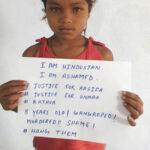
Kolkata: Unnao and Kathua rape cases have made Indians take on to the streets to protest and demand justice in both the cases. In both incidents, either the the ruling party’s leaders where complicit in the crime or defending it. The inaction and unwilling attitude of the government to deliver justice made the citizens to hit the street. The brutality in Kathua gang rape and brutal murder of a child belonging to Jammu’s nomadic tribe Bakerwal shook the collective conscience of the society. Not just Bollywood, civil society but common people of Kolkata, Jaipur, Bhopal, Ranchi, Sikar and Giridih came forward to express their anger and outrage.

Related articles

You Can Crack IIT. Can You Crack Its Caste System?

IIT Bombay student Sahil Wakode’s suicide has revived questions about caste discrimination, merit and student rights in India’s elite institutions. As allegations of harassment and casteist abuse emerge, the larger concern is whether campuses meant to nurture talent are becoming hostile spaces for marginalised students

Who Will Pick Up the Phone Now? The Crisis Facing Hemant Soren After Sonu

Sudivya Sonu’s death has left more than an empty Assembly seat in Giridih. As JMM prepares for a bypoll, Hemant Soren must navigate succession, Kalpana Soren’s growing role and the party’s wider alliance politics.

What Is India’s Youth Asking For: Cultural Identity or the Right to a Future?

India’s youth have always questioned power, from the student movements of the 1970s to the Anna movement. Today, programmes in Ujjain and Indore raise a new question: is young India seeking cultural identity, political recognition or something more basic — the right to shape its future?

BRICS Isn’t Beijing’s Game. It’s India’s Strategic Autonomy

India’s BRICS engagement is not about choosing China over the West but protecting its strategic autonomy. As the global order turns multipolar, India must retain strong ties across competing blocs while defending its independent foreign policy and ensuring that national interests, not Western approval, shape its international choices.