





Four Indian Photojournalists Win Pulitzer Prize For Covid-19 Photography

Date:

Share post:

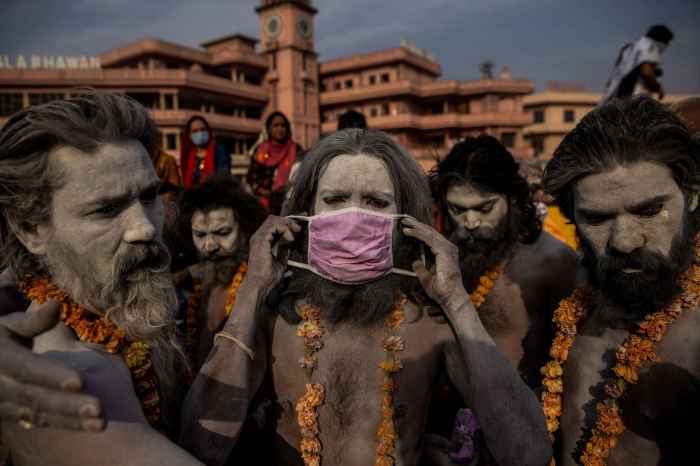
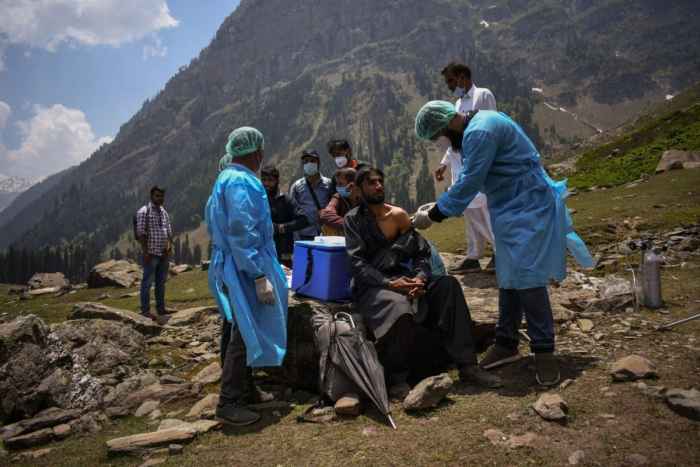
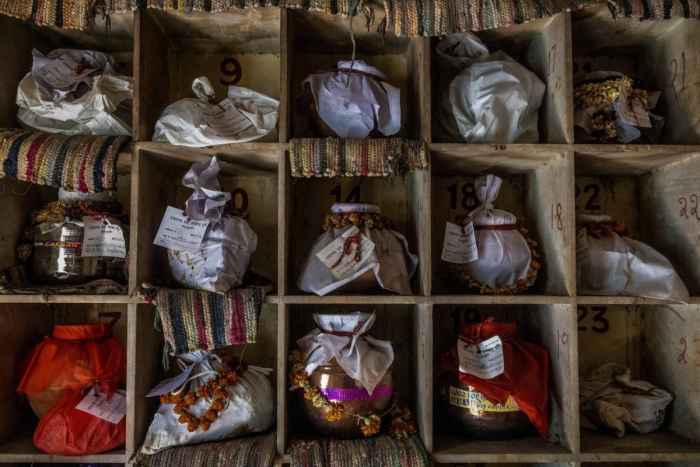
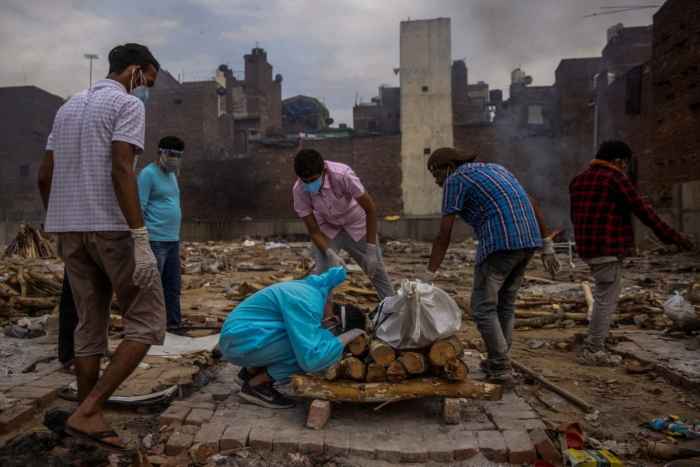
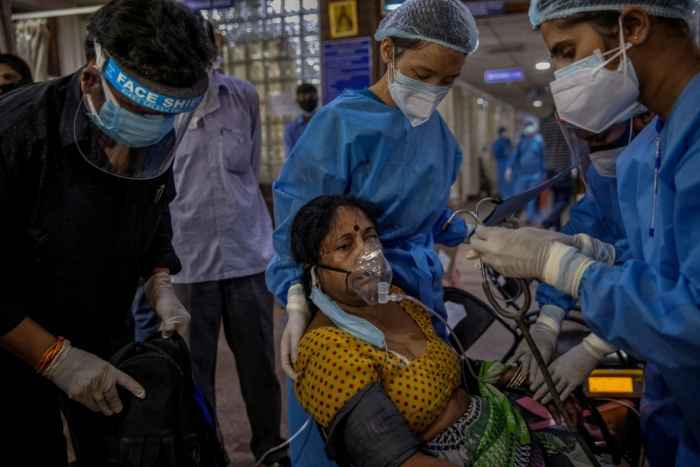
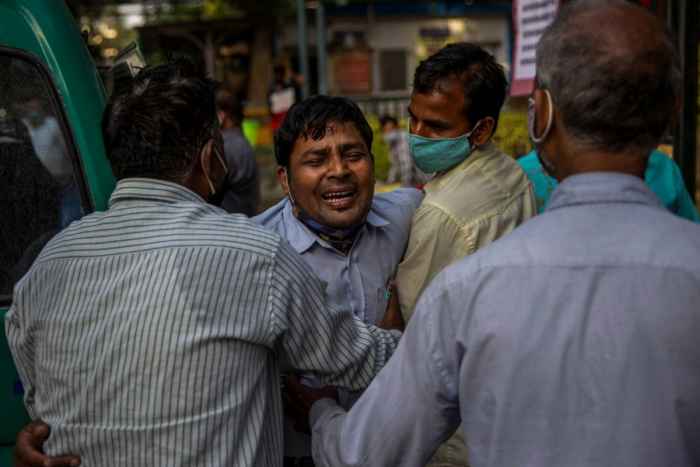
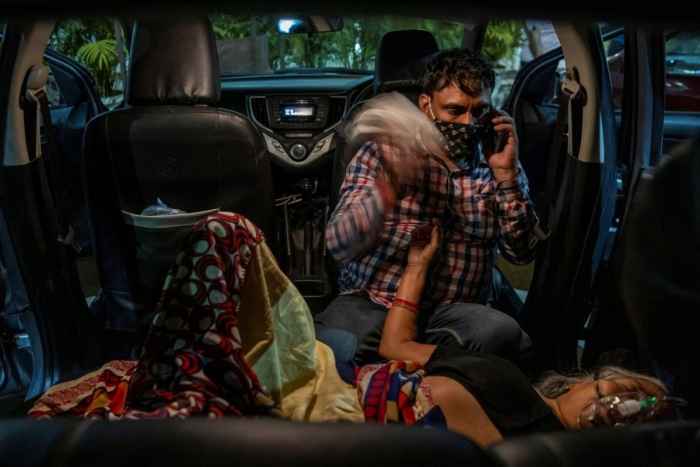
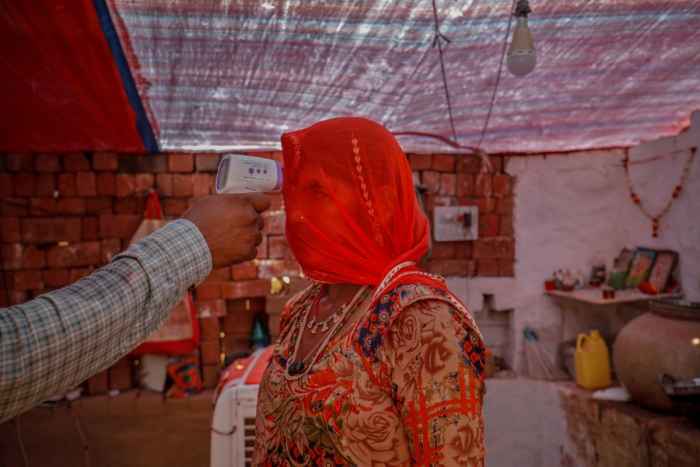
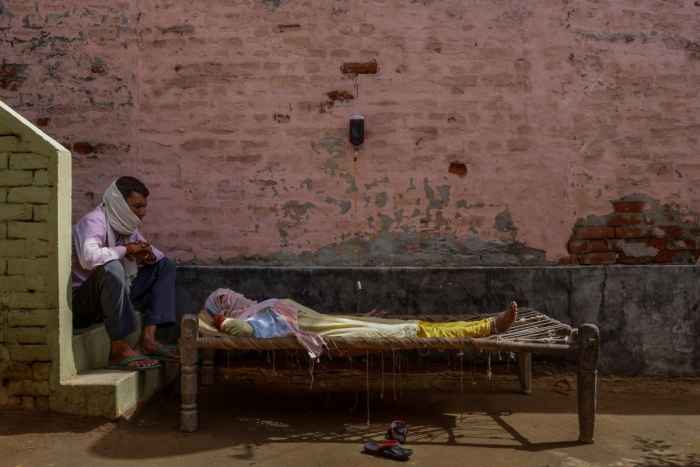
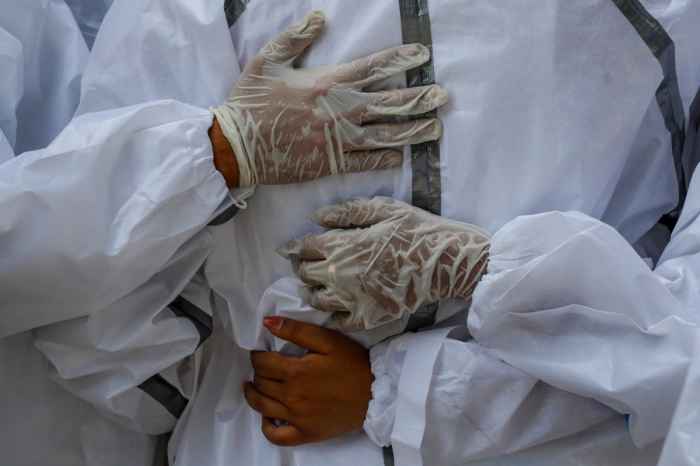
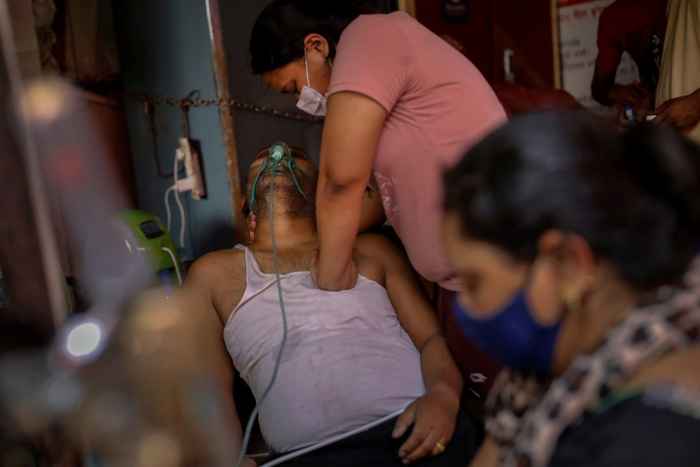
Amid the controversy about the exact figures of Covid-19 deaths in India, four photojournalists have won the prestigious Pulitzer Prize for 2022 for their photography of Covid deaths in India. It also includes slain photographer Danish Siddiqui, killed by the Taliban militants while covering conflicts between Afghanistan and Taliban forces in 2021. All four lensmen work for the Reuters agency.

While three other photographers – Adnan Abidi, Amit Dave, and Sanna Irshad Mattoo have got it for the first time, it was second for Danish Siddiqui, posthumously.

The 38-year-old Siddiqui had won the Pulitzer in 2018 itself.

Watch the award-winning photographs at eNewsroom India‘s gallery.

Courtesy: Reuters and Pulitzer.

Related articles

From The Legend of Bhagat Singh to Chauhan: How Hindi Cinema Lost Its Moral Compass

For decades, Hindi cinema celebrated heroes who challenged injustice, questioned authority and stood beside the powerless. Today, many of its biggest blockbusters increasingly glorify state power, ideological nationalism and performative cruelty. Through Ajay Devgn's journey from The Legend of Bhagat Singh to Chauhan, this essay examines what that transformation says about Bollywood—and about us.

“Doctor, He’s Only 15”: The Hidden Musculoskeletal Epidemic Among Tech-Hooked Teenagers

Neck pain is no longer just an adult problem. As screen time soars, more teenagers are arriving at clinics with "text neck," shoulder stiffness, headaches and wrist pain. A neurologist explains why growing bodies are especially vulnerable—and how healthier digital habits can prevent lasting harm.

10 CCTV Clips, 1 Pair of Shoes, and a Swamp: How an Indian Village Exposed a Horrific Crime on Their Own

Surjyapur, Baruipur: On Saturday afternoon, July 4, eleven-year-old stepped out of her home carrying a simple plan. She was...

Are You Paying for Better Health—or Just More Tests?

More tests don't always mean better healthcare. As diagnostic investigations become increasingly common, experts warn about overtesting, rising medical costs, unnecessary treatments, and the growing gap between patient welfare and commercial healthcare.
