



Ranchi: A chance visit in minority-dominated areas in Jharkhand when campaigning was at its peak for the Lok Sabha Elections 2019, would have disappointed many with little or no political party flags hoisted in and around the area.
With Ramadan coinciding with the election month, this visual would have confirmed the belief of many that due to fasting many from the minority community are not that involved with the elections, this time.
But after the completion of the third phase of election on May 12, which also coincided with Ramadan, it was overwhelming to see that booths in minority-dominated areas witnessed 70 to 80 per cent polling.
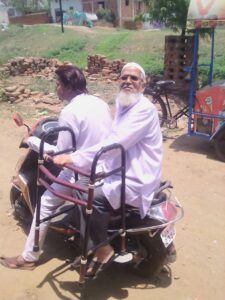
“Whether it is the heat wave or Roza, we have come to vote today, with one agenda which is to exercise our franchise, which is an integral part for our democracy,” said Shahnaz Bano, a senior citizen and differently-abled woman, who spotted at one of the election booths. Bano was observing fast too.
“My party cadres, some of them, who were not observing fast, had a plan and they worked on it during voting. They would stand in the queue and on spotting men or women from their areas, who were observing fast, in the election booth, then they would give their spots to those fasting,” informed Sudivya Kumar Sonu, JMM’s central committee member.
First Vote, then have your breakfast, remains to be the slogan for the Election Commission every election, but for the Muslim community, the slogan was a little different – do not sleep after taking Sehri (the pre-dawn meal) and only after casting vote, go for it.
Young minority voters, had some extra tasks – first to let their family members vote and then help others reach the polling station.
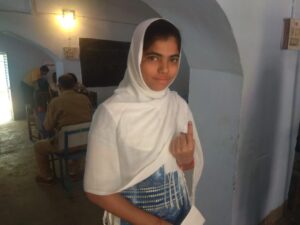
Ranchi based social activist Bashir Ahmad told eNewsroom, “In both pre and during Ramzan, there were so much enthusiasm among minority voters, that they reached polling stations of their own, and no political party cadres have to push anyone, or provide any vehicle to bring them to the booths.”
Though some voters were in view that elections should not happened during Ramadan, “We faced very difficulty in exercising our franchise, so election should not be held in Ramzan”, said Hafiz Mohammad Ilyas, a senior citizen who came to polling station with the help of wheelchair.
But as there being no news of any major clash or disturbance between minority and majority voters, the credit definitely goes to other community voters too.
Minority voters defying the scorching heat to cast their vote despite fasting, the message was loud and clear – exercising one’s democratic rights is utmost important if one wants to see the change that they are desiring.

