


Jaipur: The state capital of Rajasthan, Jaipur, is not very far from Alwar, where Pehlu Khan, a farmer, was beaten up so badly that he succumbed to his injuries. Khan’s only crime was that he had bought a cow for his dairy. But when he was being lynched by a mob, which presumed on the basis of his religion that he was transporting cow for slaughtering, several cows were dying at Hingonia Gaushala, in Jaipur. Hingonia, happens to be the largest gaushala in Asia. However, cows, which, is now a protected animal in t
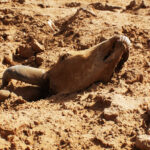
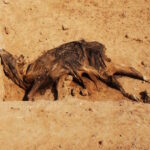
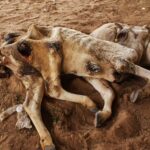
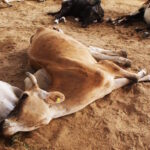
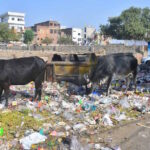
he country, thanks to the gau rakshaks, are in a pretty bad condition here. Last year, a statement before the Rajasthan assembly, revealed that more than 8000 cows had died at the shelter between January to August, in 2016 alone. This created an uproar and the management of this shelter was handed over to Akshay Patra. The budget allocated for this state-sponsored gaushala is over Rs 10 crores for the fiscal year 2016-17. The shelter has restricted entry and allow limited photography. Our photojournalist, Chandra Mohan Aloria, managed to gain access to highlight the actual condition of the cows inside. The photographs reveal that the sacred animal, continues to live in a dismal state at the shelter, where the carcasses of the revered animal does not even get a proper burial. The shelter, which is meant for the care of this animal, is witnessing a huge number of cow deaths, daily. No pain is being taken to remove dead bodies from the site of alive cows. And its not just at the gaushala, the cow, is under threat across the Pink City, where they can be spotted easily, munching on to plastic bags, which leads to asphyxiation and death of the animal.