



Kolkata: October has had an aura of festivity and love this year, with Durga Puja, Navaratri, Kali Puja and Diwali neatly punctuating the month. However, amid all festivity, we often forget about the less fortunate one. But, this year, the team Ek Packet Umeed has been a beacon of hope for the underprivileged.
Over the years, city dwellers mainly focus on electrical decorations like tiny bulb garlands, electric diyas, fancy lamps and so on, often forgetting about indigenous potters who toil relentlessly in hope of earning more by selling diyas during Diwali.
Diwali with underprivileged
“Ek Packet Umeed, had decided to buy diyas (earthen lamps) from potters and make them beautiful by colouring. Later, after selling them off to as many homes in Kolkata, the benefits earned, was spent on buying Diwali gifts for underprivileged”, informed Diksha Agarwal, student of J.D Birla Institute, Kolkata.
A volunteer of Ek Packet Umeed (EPU), she further said, “I wanted to do something for those children who probably have never seen a good life. With this initiative, we are trying our best to help them.”
Keeping this in mind EPU team purchased diyas from the local potters of Kumartuli. Over 50 volunteers of EPU and kids of Apne Aap Worldwide, a Kolkata-based NGO that works for the betterment of women collaborated to paint and sell the diyas.
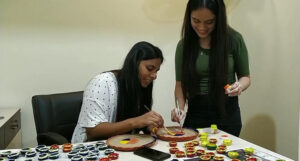
“We kept the prices of our commodities low so that the buyers could be encouraged to purchase our goods,” said Jayesh Jaiswal, a student from St, Xavier’s College, Kolkata and one of the co-founders of EPU. They got a great response from the city and over a thousand diyas were bought and sold throughout October.
The profits they made from this business were used to purchase clothes, sweets and crackers for the underprivileged children and their families. The prices of their products were affordable enough for any normal school or college students to buy.
In the past few weeks, the idea of one Ayush Sarda has became the motivation for hundreds of students from across the city to come together for the perfect execution of the plan.
The idea was conceptualised in 2018. And in their first event the organisers had donated basic amenities of life to over 1000 kids. They executed their plan in association with several other NGOs. One year down the line, they are now a team of over 200, comprising students from various colleges and schools of Kolkata, who conduct one such event every year for the kids.
This year, over the past few weeks, volunteers have made more than 600 trays and 7000 diyas which is expected to light up the houses of over 1000 families in Kolkata.
The buyers too have liked the idea. “I liked the initiative. We learnt quite a few things, for instance sacrificing a box of sweet can bring smiles to many faces,” as said an enthusiastic buyer, Ridhhi Dhulia.

