India rises against the rape at Kathua and Unnao

Date:

Share post:

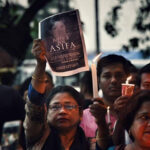
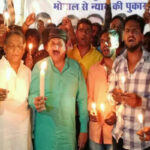
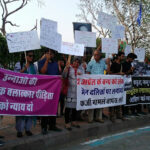
Kolkata: Unnao and Kathua rape cases have made Indians take on to the streets to protest and demand justice in both the cases. In both incidents, either the the ruling party’s leaders where complicit in the crime or defending it. The inaction and unwilling attitude of the government to deliver justice made the citizens to hit the street. The brutality in Kathua gang rape and brutal murder of a child belonging to Jammu’s nomadic tribe Bakerwal shook the collective conscience of the society. Not just Bollywood, civil society but common people of Kolkata, Jaipur, Bhopal, Ranchi, Sikar and Giridih came forward to express their anger and outrage.

Related articles

Suspected Cattle Thieves or Victims of Mob Justice? Two Dead, Survivors Arrested in Siliguri

Two men were killed and three critically injured after a mob allegedly attacked five travellers in Siliguri over suspected cattle theft. Police arrested the three survivors and seven others in connection with the violence, while questions remain over what triggered the attack.

गांधी की पत्रकारिता और आज की वायरल दुनिया: मायने क्या रखता है—रीच या असर?

गांधी की पत्रकारिता और आज की वायरल दुनिया के बीच क्या बदला? eNewsroom Conclave में जवाहर सरकार, प्रतीक सिन्हा, राशिद किदवई, अरफा खानम शेरवानी समेत वक्ताओं ने स्वतंत्र मीडिया, एल्गोरिद्म और पत्रकारिता के बदलते सरोकारों पर चर्चा की

Gandhi Had Newspapers. We Have Algorithms. What Would He Make of Today’s Media?

Gandhi had newspapers; today’s journalists have algorithms. At the inaugural eNewsroom Conclave, journalists and public voices explored what happens when clicks, virality and Big Tech influence what people see, while independent media struggles to keep public-interest journalism alive.

Echoes of a Crisis: Why Biswajit Roy’s Tagore and Palestine Still Matter Today

Biswajit Roy’s Palestine, Arab-Jewish Relations and Rabindranath explores Tagore’s ideas on nationalism, imperialism, religion and coexistence. At a time of war and civilian suffering in Gaza, the book offers a deeply humanist lens through which to understand Palestine’s history and the crisis today