



Kolkata: Makeshift shanties lining the pavements of Prabhu Jishu Girja (Lord Jesus Church) and Calcutta Madrasa not only make a sore sight but life difficult for the locals as well as passerby. So, do the mushrooming stalls dotting the sides of Maulana Azad College Girls Hostel, Elliot Hostel and Muslim Institute.
The illegal encroachments along Haji Mohsin Square, that houses the above-mentioned institutions and place of worship has become a cause of concern for many residing in-and-around the area.
“It’s a shame that not much is being done to tackle the problem of illegal encroachment, which is not just a civic nuisance but a threat to the cultural symbolism of the area and its secular legacy,” said Nisar Ahmed, former ACP and Honorary general secretary of The Muslim Institute, during a press conference organized at Chitrabani.
Sharing the panel with him were Father Kurian, Parish Priest of Prabhu Jishu Girja, Syed Tajdar Ali Meerza, superintendent of Elliot Hostel and teacher at the Calcutta Madrasa AP Department and Tanweer Ahmed Khan, General Secretary, Maulana Azad College Alumni Association.
Father Kurian, who was representing the Church, said, “It pains to see these people soil the boundary walls of the Church. The stench of urine makes it difficult to even hold our prayer services. There are other problems too. However, we are looking forward to resolving this issue amicably and legally.”
“The female students of the girls’ hostel have been complaining of the discomfort they have to face while moving and out. The hawkers and shanty dwellers make it difficult for them,” said Tanweer Ahmed Khan.
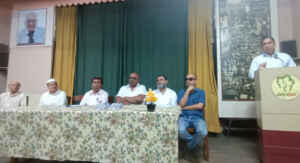
On being asked if they had approached the civic authorities and police, most present on the dais, mentioned that repeated pleas made before them failed to yield the desired results.
“We have written to several civic authorities, including the MLAs of the two wards. A written plea had been placed before the mayor, about seven months back, following which had been waiting for some action to be taken by those in authority,” said Ahmed.
He added, “Police have expressed helplessness as these encroachers have political immunity. Many of these encroachers are not even destitute. They have homes elsewhere. Such people need to be checked. Otherwise, their number will keep increasing.”
Issue of illegal encroachment in Kolkata
One of the residents suggested that taking a legal course would be the only way out as then the police would be compelled to act against the encroachers like they did when the court ordered for the eviction of hawkers encroaching the pavements of Mullick Bazar.
To which the organisers said that they are prepared to take legal action as they are law abiding citizens. However, that would be the last act to resolve the issue.
Once the conference was over, eNewsroom visited the shanties that line the pavement of Prabhu Jishu Girja to (Rafi Ahmed Kidwai Road) to Calcutta Madrasa.
“Naam niye korbey ki? (What will you do by knowing my name,” said a lady clad in a soiled cotton sari. She was a bit surprised when asked to share her name. However, on being asked again she said, “Amar naam Rezina.” When asked about her place of origin she didn’t shy away from answering the questions posed to her. “I am from Murshidabad, my husband pulls carts here. We have been staying here for around 20 years.”
When asked if in these 20 years she hasn’t been asked by the police to evict the place. She said, “No. In these many years we have never been asked to evict this space.”

